
Marko-Marković-Haus in brief
Marko-Marković-Haus is a Dorćol residence tied to Jelisaveta Načić, Belgrade's first female city architect. Built in 1904, it is remembered as her only surviving house in the city. Travelers usually come to see the façade from the street, then continue through Dorćol toward the old quarters, Kalemegdan, or the Danube edge.
Marko-Marković-Haus
Marko-Marković-Haus stands in Dorćol, one of Belgrade's older inner-city areas, where residential buildings, small streets, and traces of the pre-war city still shape the block pattern. The house dates to 1904 and is linked to Jelisaveta Načić, who became Belgrade's first female city architect. It is known above all as the only surviving house associated with her in the city.
The setting is urban and lived-in rather than museum-like. Most visitors spend only a short time here, looking at the building from the street and continuing on foot through Dorćol toward the riverside, Kalemegdan, or nearby heritage streets. Dorćol's old streets and riverside paths make the visit easy to combine with a longer walk.
Jelisaveta Načić in Dorćol
What makes this house important is not only its age but its authorship. Jelisaveta Načić worked at a time when Belgrade was modernizing quickly, and her surviving buildings help show how the city adopted early 20th-century urban architecture. In Dorćol, that history is visible in the way the house sits among later additions, shopfronts, and ordinary residential facades rather than in a formal heritage district.
For architecture-minded travelers, the value is in reading the building as part of Belgrade's civic history. It gives context to other central landmarks, especially the better-known historic core around Kalemegdan and the old streets of Stari Grad. If you are building a wider heritage walk, the Kalemegdan Fortress area and the Stari Grad old town streets are the closest historical layers to combine with it.
How to get to Marko-Marković-Haus
From Kalemegdan, the walk into Dorćol is usually around 10 to 20 minutes depending on your exact starting point and the street you choose. From Republic Square, expect roughly 20 to 25 minutes on foot.
For public transport, use the central stops around Studentski trg, Trg Republike, or Dorćol's main corridors and check lines that serve the inner city, especially 2, 5, 28, 29, 31, 36, 44, 52, 53, 56, 65, 704, and 706 where they are operating on your route. Taxi fare from the city center is usually modest, but it depends on traffic and the exact pickup point. Street parking in Dorćol can be limited, so walking or taking a short taxi ride is usually simpler than driving.
Best time to visit Marko-Marković-Haus
The best time is daytime on a weekday, when the street is easier to observe without evening traffic or weekend café noise. Morning and late afternoon are both good for seeing the façade in flatter light. Spring and autumn are the most comfortable seasons for a longer Dorćol walk.
No reservation is normally needed because visitors usually view the building from outside. If you are combining it with a longer walk through Dorćol, plan for an hour or two so you can also reach the riverside and the neighboring historic streets without rushing.
What to expect at Marko-Marković-Haus
This is a street-facing heritage stop, not a large indoor attraction. Expect limited interpretation on site, normal neighborhood noise, and a setting that feels residential. Dress is informal, though comfortable walking shoes help because the most useful visit is part of a broader Dorćol walk.
Accessibility depends on the surrounding pavement and traffic conditions, which can vary on older Belgrade streets. Families can visit easily, but children may need a second stop nearby to keep the walk interesting. Bring water in warm weather, and carry a phone for navigation if you are moving between Dorćol, Kalemegdan, and the Danube edge.
Practical notes for a Dorćol architecture walk
Arrive on foot from Kalemegdan or Republic Square so the house is part of a wider neighborhood walk rather than a standalone stop.
Comfortable shoes, water, and a map app. The building is best seen from the street, so there is no need to carry much more.
Where Marko-Marković-Haus is
Dorćol, Belgrade, in the older inner-city zone between the fortress edge and the Danube side of the neighborhood.
Best nearby stops around Marko-Marković-Haus
These are practical nearby places for a short Dorćol architecture-and-walk route. Distances are best treated as walkable add-ons rather than a single fixed circuit.
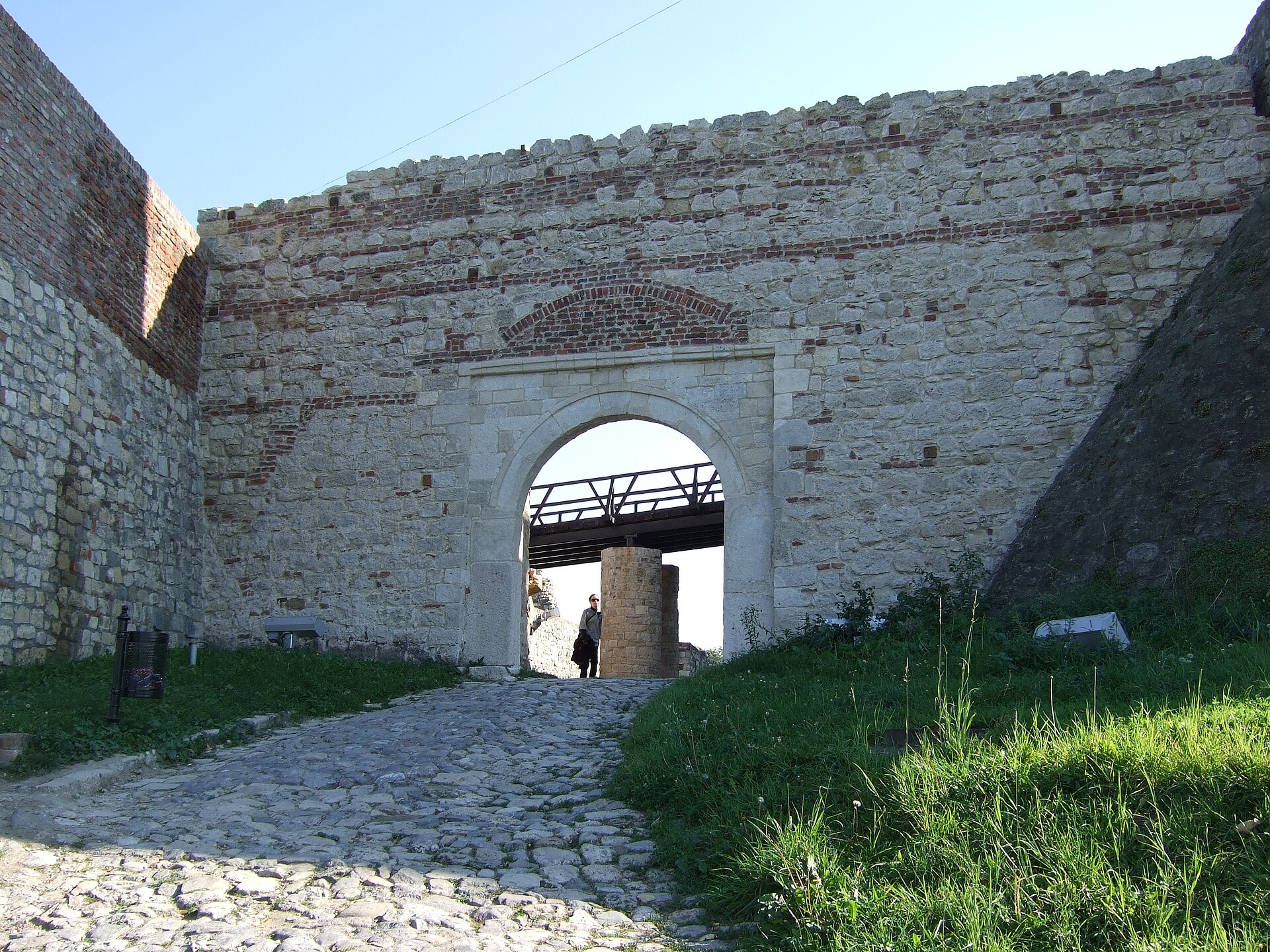
Kalemegdan Fortress
Belgrade's main historic fortress with views over the rivers and the old city edge.
A useful continuation if you want to compare Dorćol's residential streets with the city's strongest heritage site.
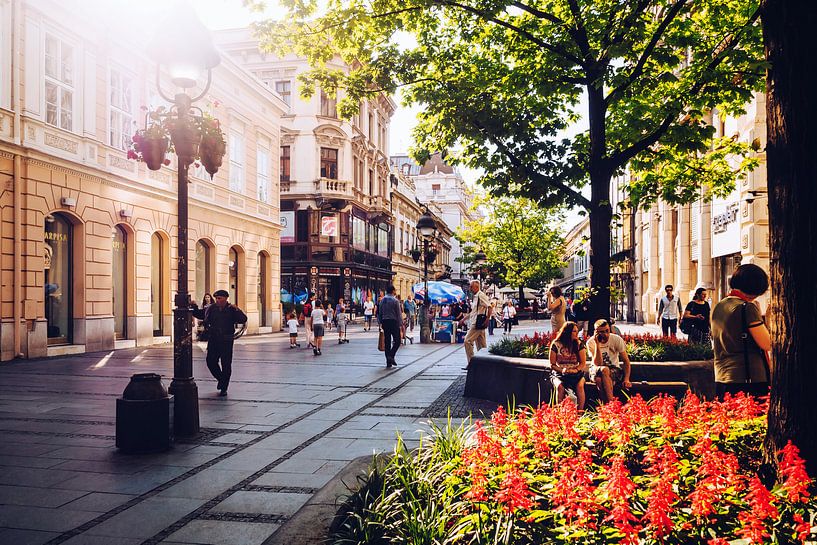
Knez Mihailova Street
Pedestrian shopping street connecting the fortress area with the central city core.
Best for a broader Old Belgrade walk after the house stop.
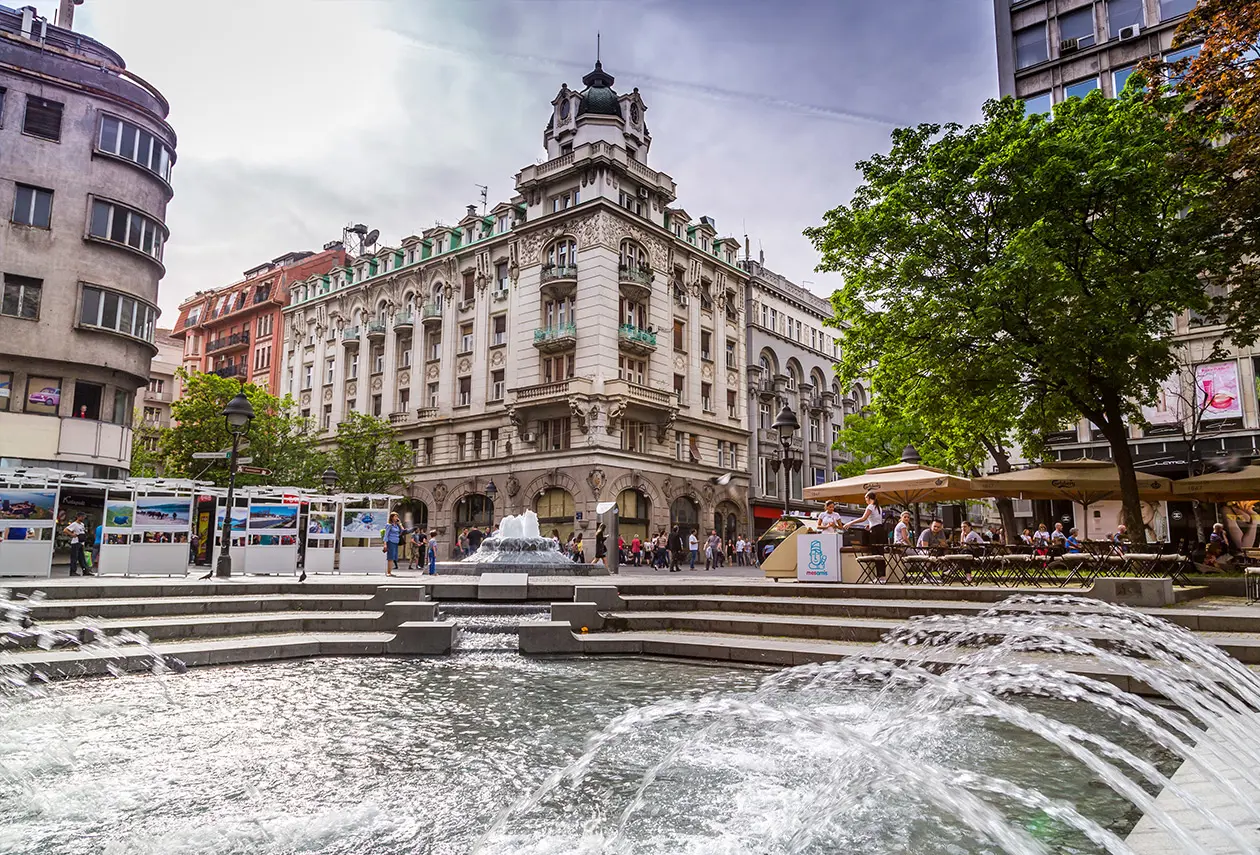
Strahinjića Bana
Dorćol's well-known café and bar street.
A convenient place to pause after a short architecture stop and continue into the evening.
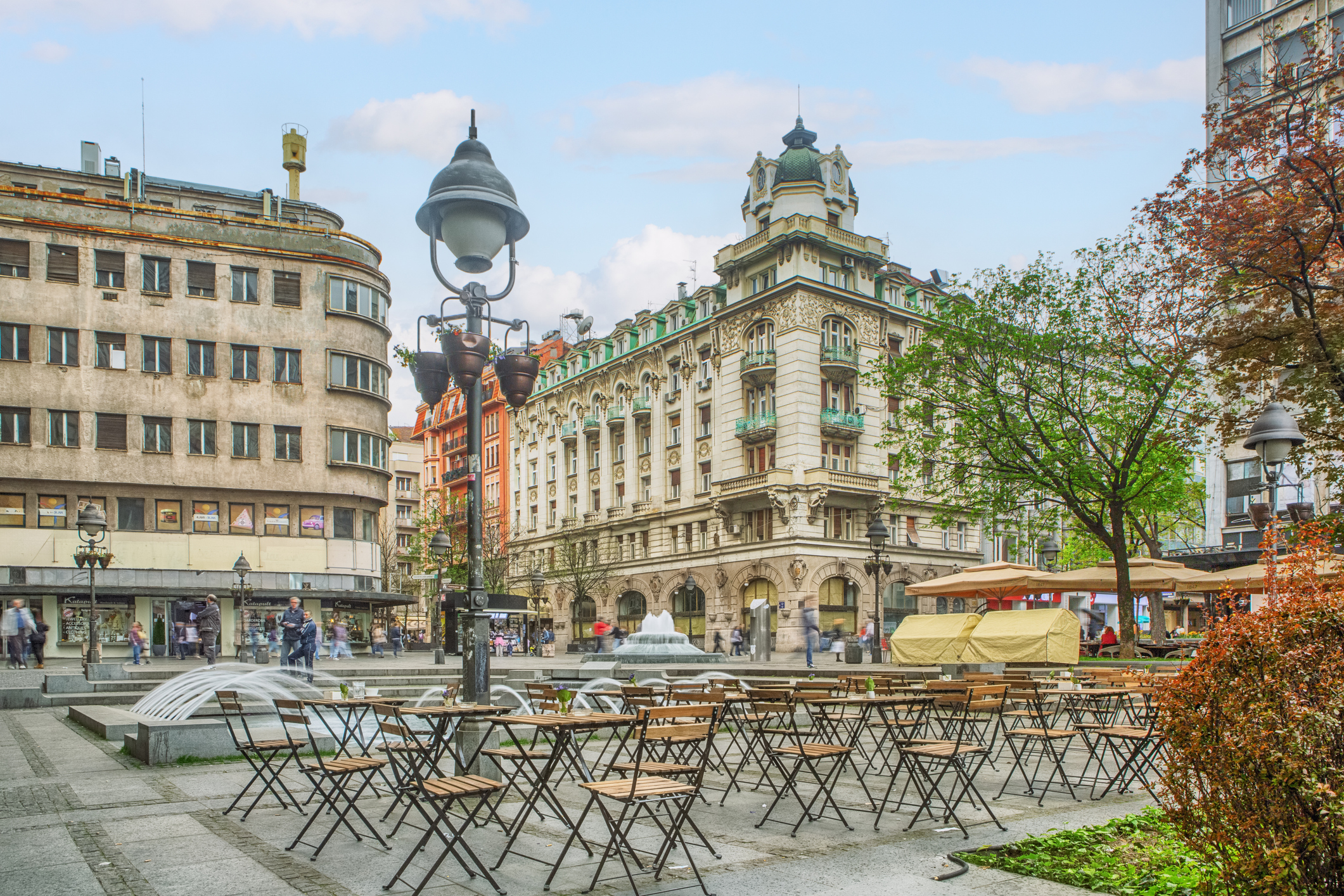
Donaukai Dorćol
Quiet Danube-edge walking area in the same neighborhood.
A good way to pair the house with a riverside stroll rather than a long museum visit.
Quick facts about Marko-Marković-Haus
Dorćol, Belgrade
Kalemegdan and the inner Dorćol streets
Jelisaveta Načić's 1904 residential architecture
€
Daytime on a weekday
No
A useful pairing for first-time visitors
If you want a compact heritage route, combine Marko-Marković-Haus with a walk through Dorćol toward the fortress edge and the Danube promenade. That gives you residential Belgrade, a major historical landmark, and a riverfront finish in one loop.
Before you go
Older central streets can be uneven, and traffic can make photos awkward at busy times. If you want the quietest visit, choose a weekday morning and approach from the side streets rather than the busiest café corridors.
Common questions about Marko-Marković-Haus
Can you go inside Marko-Marković-Haus?
In most cases, travelers view it from the street rather than as a public museum. Plan for a short exterior stop unless you have specific access information from a local source.
Why is Marko-Marković-Haus important?
It is the only surviving house in Belgrade linked to Jelisaveta Načić, the city's first female city architect, and it dates to 1904.
How long should I spend at Marko-Marković-Haus?
Ten to twenty minutes is usually enough for the building itself. Add more time if you are walking on to Kalemegdan or the Danube side of Dorćol.
Is Marko-Marković-Haus easy to combine with other sights?
Yes. It fits naturally into a Dorćol walk and works well with Kalemegdan, the river promenade, or the café streets of the neighborhood.
Build a Dorćol walking day
Use Marko-Marković-Haus as a short architectural stop, then continue through Dorćol's streets, Kalemegdan, and the riverfront at a relaxed pace.