Serbia Travel Guide

Experiencing Serbia's Wine and Honey Festivals

A practical look at cellar gatherings, regional tastings, and market-style celebrations where Serbian wine, honey, rakija, and local food sit side by side. These festivals feel grounded in place: in the vineyards, in the villages, and on the squares where people still pour from the source and talk about harvests as if they happened yesterday.

What these festivals are about

Wine and honey festivals in Serbia are less about staging and more about rhythm. They mark harvest time, open cellars, bring beekeepers into the same public space as vintners, and give visitors a chance to taste local work directly from the people who made it. In many places, the mood is relaxed and conversational. You sample, ask questions, compare vintages, then move on to honey, cheese, cured meat, or a glass of rakija.

In practical terms, the festivals are also an easy way to understand regional identity. Smederevo sits on the Danube wine route. Rajac is known for its whole village of wine cellars. Vojvodina adds salaši, open countryside, and a food culture that feels regional and bio without trying too hard. If you are planning a trip around taste, these events work well alongside Belgrade, Fruška Gora, Novi Sad, and the wider Danube corridor.

Why these festivals matter in Serbia

Wine and honey festivals sit close to everyday life in Serbia. They are not just tasting events. They are a way to show what the land gives, how families work through the year, and how much of Serbian hospitality starts with a table, a pour, and a story. A good festival can feel informal one moment and deeply rooted the next, especially when the host starts explaining a vineyard row, a beehive yard, or the difference between a dry white and a heavier red.

The wine side is especially connected to place. Smederevo belongs on the Danube wine route, and the area around it has long been part of the river landscape that shapes trade, travel, and agriculture. In Vojvodina, the mood changes. The plains open up, the road feels calm, and the landscape around Novi Sad and Fruška Gora gives wine a gentler setting. You also find cellar villages, including Rajac, where rows of wine cellars create a whole small world around production and tasting. That kind of setting explains why these festivals feel social rather than polished.

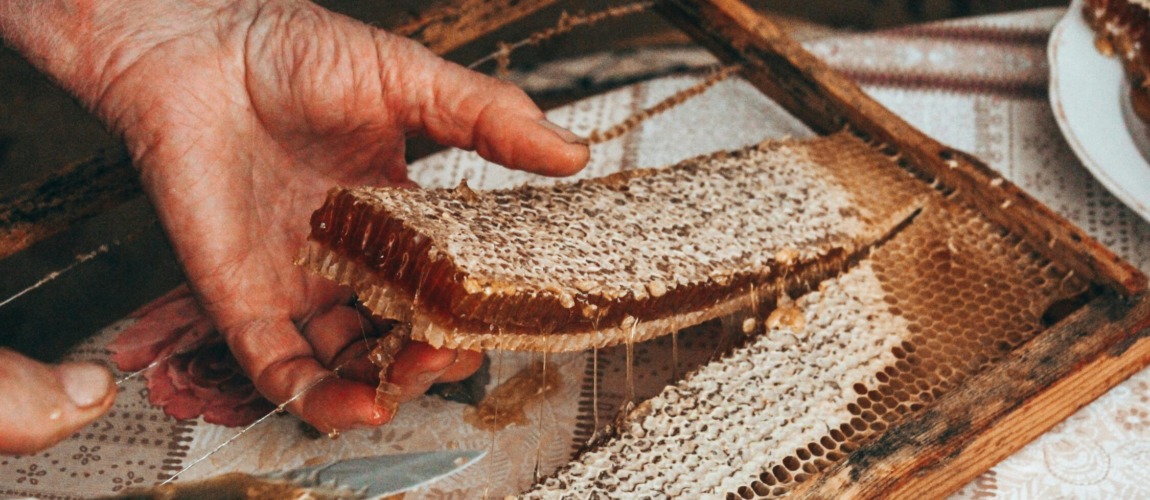
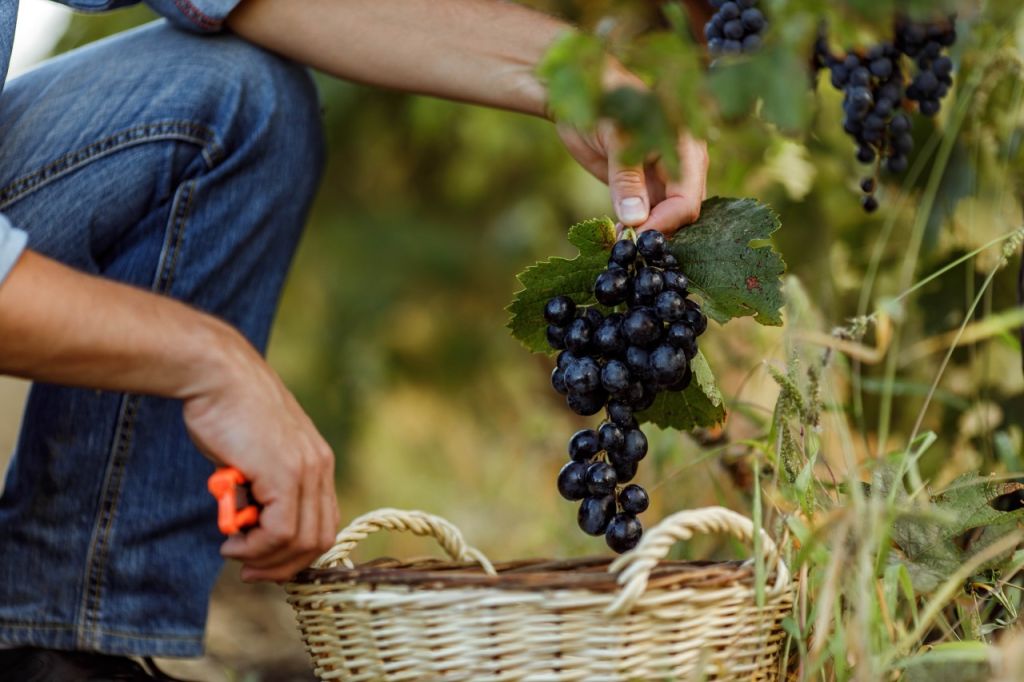
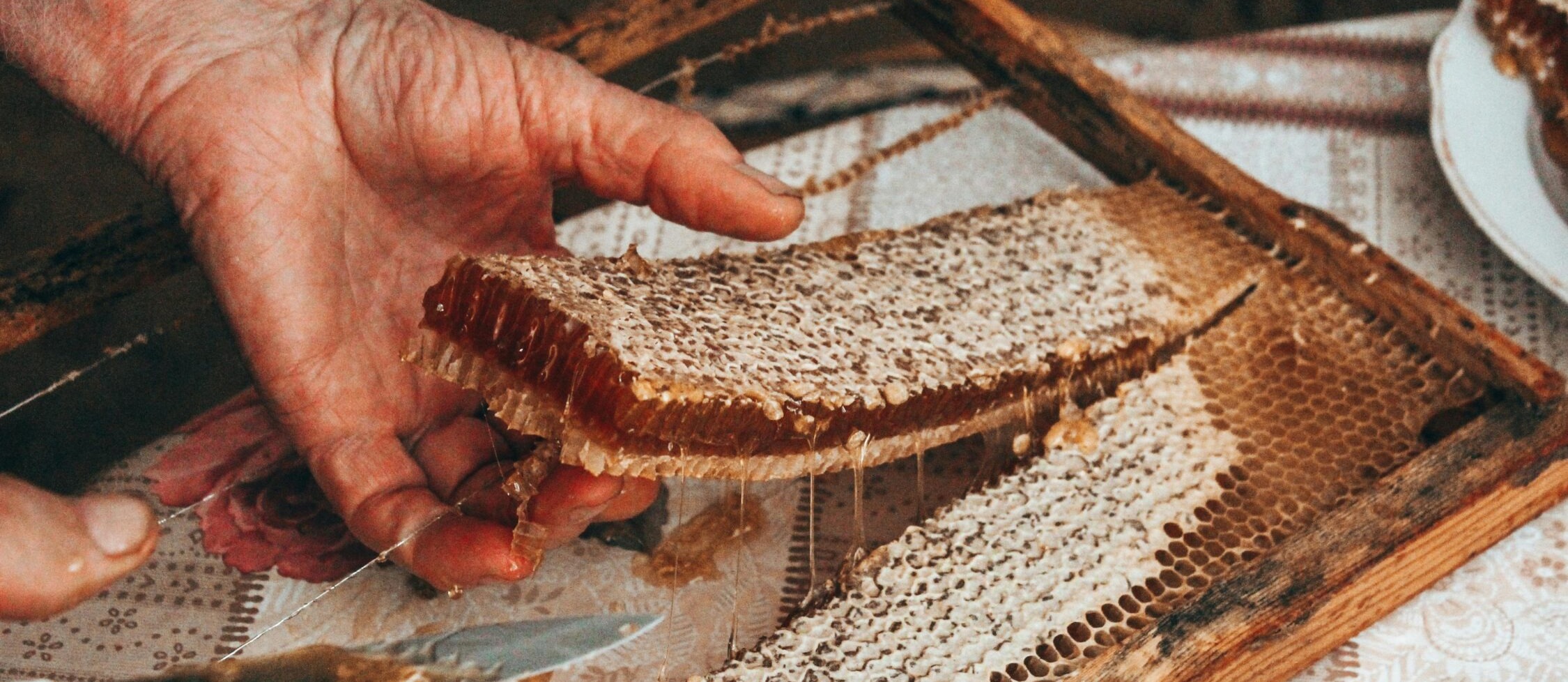
Honey festivals follow a similar logic. Beekeepers bring jars, combs, and simple explanations of floral sources. Visitors compare textures, taste honey on bread, and often leave with a jar for home. The food around both festival types matters too. Rakija often appears nearby, not as a distraction but as part of the same household tradition. In Serbia, even ordinary food conversations can widen quickly into talk about harvests, weather, and family methods.

If you are already visiting Belgrade, the festivals fit naturally into a wider route. The city itself has a creative edge, from Knez Mihailova to the old quarters, while nearby places like Hilandarska in Belgrade still show how personal and improvised Serbian street life can be. That same mix of creativity and practicality shows up at festival tables.

Where to go for wine and honey culture

For a first route, start with Smederevo and the Danube edge. The river gives context to the wines there, and the wider Danube landscape ties neatly into other Serbian travel days. Golubac Fortress, the gorge at Đerdap, and the national parks along the river make a strong pairing with winery stops if you like a route that mixes scenery with tasting. Farther west, the village of Rajac remains one of the clearest examples of a place defined by cellars rather than by a single monument. The wine cellars are the experience.

Vojvodina offers a different character. Fruška Gora is a useful base for winery visits, and Novi Sad works well before or after a festival day because it gives you food, accommodation, and easy access to the surrounding countryside. From there, it is natural to continue toward Subotica, Palić Lake, or the open plain where salaši still shape regional food culture. Those farmsteads matter because they keep local produce visible: not just wine and honey, but also straightforward dishes built around seasonal ingredients.

Honey festivals in northern Serbia often feel especially connected to market life. The produce is clear and direct. You talk to the beekeeper, taste a few spoons, and learn which meadow or orchard the honey came from. If you like to combine that with a broader travel loop, Belgrade, Sremska Mitrovica, and the Danube corridor make an easy triangle. Sremska Mitrovica brings Roman heritage and the Sava, while Belgrade gives urban energy before you head back into the countryside.

Beyond the tasting routes, Serbia keeps offering contrasts. The Banat sand desert is a reminder that the country can feel unexpectedly dry and open. Uvac Canyon brings looping meanders and eye-level griffon vultures. Tara National Park has the Drina glowing turquoise. Ovčarsko-Kablarska Gorge offers monastery views and a slower road. Kopaonik adds a ski season that can stretch from November to the end of March, with up to 200 sunny days a year. These places are not festival sites, but they help explain why Serbian food culture feels so tied to landscape.

Festival routes worth building into a trip

These places work well as anchors for wine and honey days, especially if you want a route that mixes tasting with river views, cellar villages, and easy overnight stops.

Wine tasting in a Danube-side Serbian cellar

Smederevo

A Danube-side wine stop with a strong local identity and easy connections to river travel.

Good for travelers who want to pair tasting with the broader Danube corridor, including Golubac Fortress and Đerdap on a longer route.

  • Danube wine route, River landscape, Easy add-on to eastern Serbia
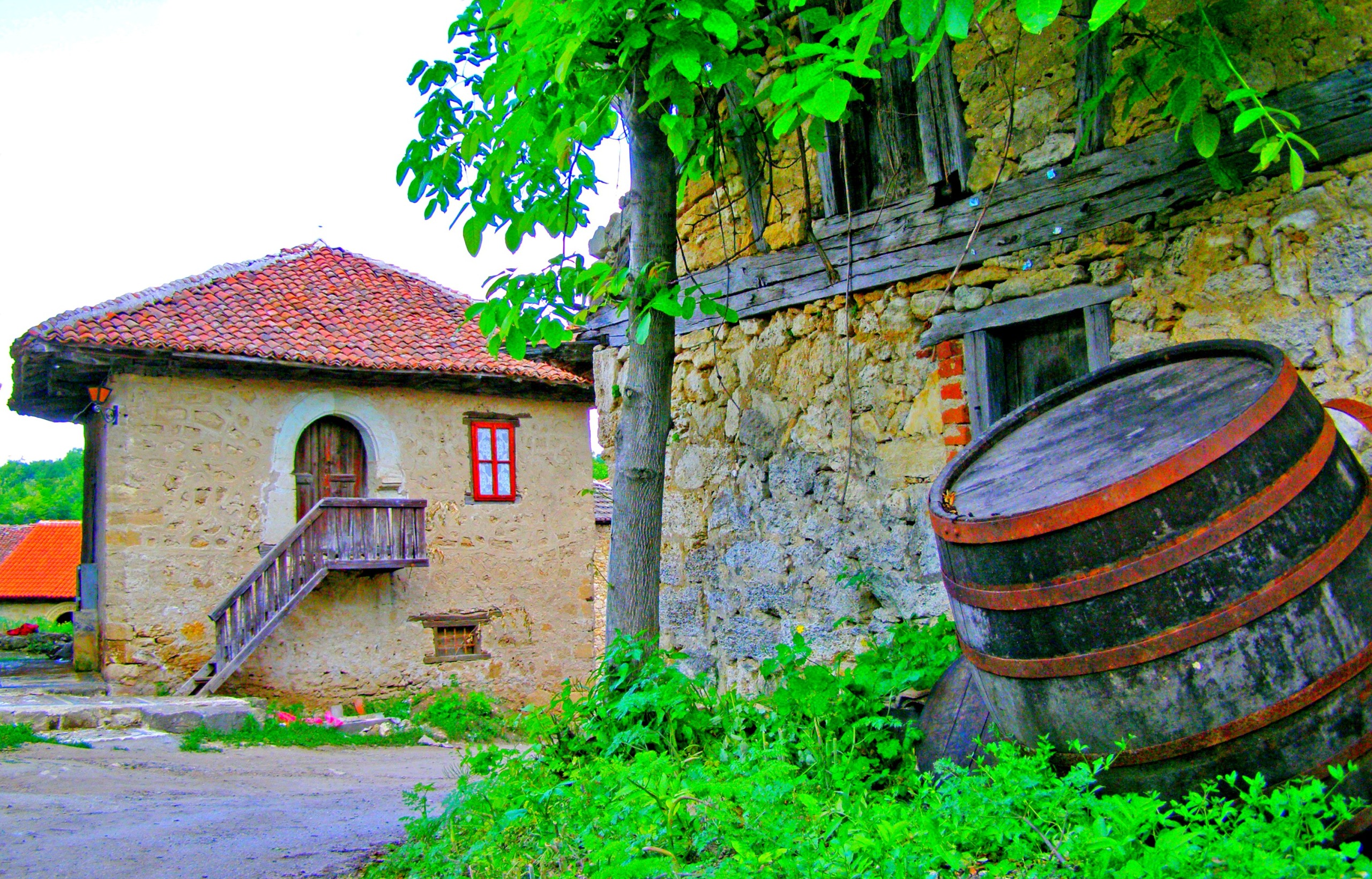
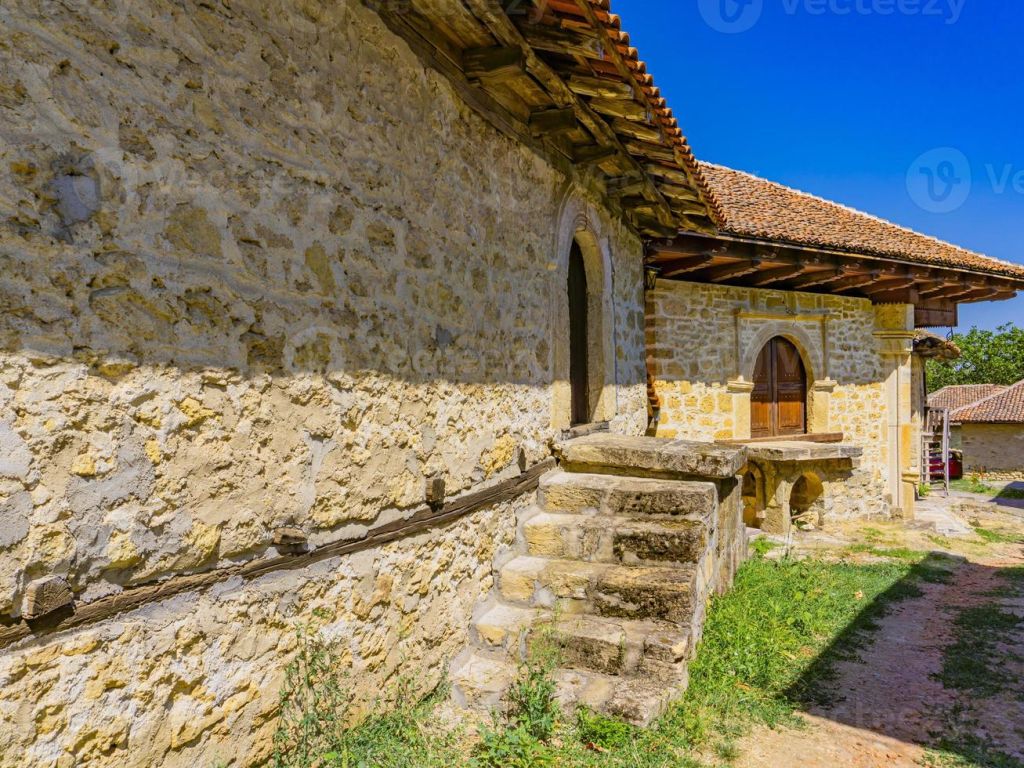
Stone wine cellars in Rajac village

Rajac

A cellar village where the architecture of the place is part of the visit.

Come here for rows of wine cellars, local pours, and a setting that makes the craft easy to understand without a lot of explanation.

  • Cellar village, Village-scale tasting, Traditional atmosphere
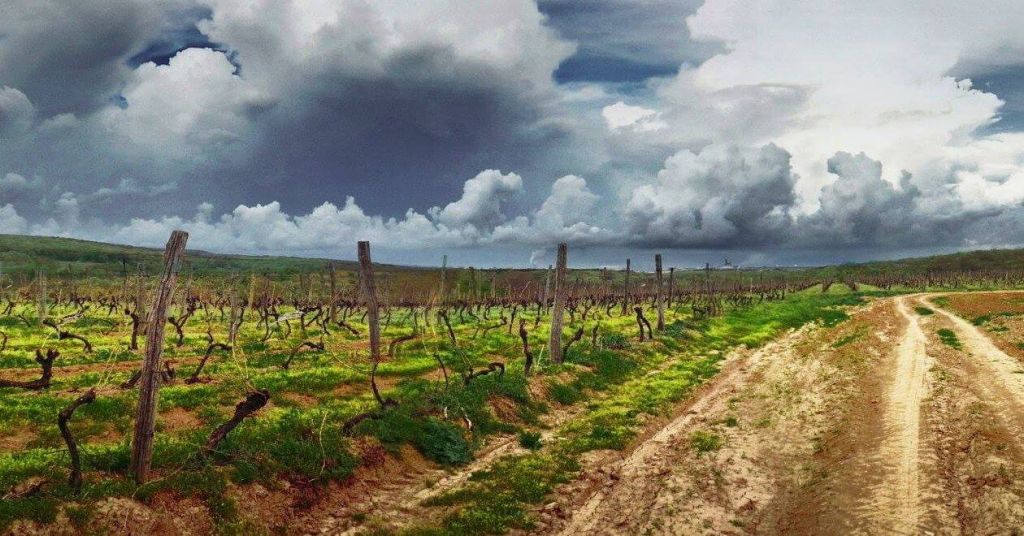
Vineyards on Fruška Gora near Novi Sad

Fruška Gora and Novi Sad

A practical base for tasting days in Vojvodina.

Novi Sad gives you city comfort, while Fruška Gora and the surrounding wine country keep the countryside close. It is also easy to add Subotica, Palić, and local salaši.

  • Wine country base, Food and lodging nearby, Good for mixed itineraries

What a festival day feels like on the ground

The day usually starts simply. You arrive, find the tasting tables, and move at local pace. In wine settings, producers often talk through the harvest, the grape mix, and the year. In honey settings, the conversation turns to forage, comb structure, and how the season shaped the jars on display. People rarely rush the exchange, which makes these festivals easier to enjoy than many city food events.

Food is part of the draw. You may be served bread with honey, cheese alongside wine, or cured meat with a glass of rakija. In many parts of Serbia, even cinema snacks are salted, not sweet, so the whole tasting culture tends toward savory edges. If you happen to pass through Belgrade before or after a festival day, the city’s café culture and food scene make a good contrast. Knez Mihailova, Skadarlija, and Kalemegdan are all close enough to fit into a short stay before you head out toward vineyards.

Festival crowds can vary. Some are village-based and intimate. Others are larger and tied to regional calendars. Either way, the etiquette is easy: greet people, taste slowly, ask where the product comes from, and buy a small bottle or jar if you genuinely like it. That matters in places where producers depend on direct sales and personal reputation.

One practical detail is how closely festival culture overlaps with wider Serbian traditions. Rakija is still the household drink people talk about when they mention weather, colds, or family remedies, and it often appears near wine and honey tables as a companion rather than a rival. In that sense, the festivals are not isolated events. They sit inside a larger countryside rhythm that also includes monasteries, river routes, ski towns, and market squares.
Two useful ways to plan your visit

If you care most about wine

Focus on Smederevo, Rajac, Fruška Gora, and the Danube belt. Those places give you the clearest picture of how Serbian wine culture is tied to river trade, cellar villages, and plain-to-hillside geography.

If you care most about honey

Look for fairs in Vojvodina and smaller market towns where producers bring jars directly. Honey festivals work well as part of a slower food route, especially if you want to connect tastings with salaši, local cheeses, and countryside roads.

Pairing festivals with broader Serbia travel

Wine and honey festivals become more useful once they are part of a wider trip. If you are already moving through Belgrade, Novi Sad, or the Danube, it is easy to fold in a village stop without making the journey feel forced. The same is true on routes through western Serbia, where Valjevo, Čačak, Kraljevo, and Zlatibor each sit within reach of landscapes that still feel rooted in agriculture and seasonal food.

Serbia also rewards detours. The Ovčar-Kablar area gives monastery views and river bends. Uvac Canyon has a dramatic rhythm that feels very different from a tasting terrace. Tara, with the Drina shining below, is another useful contrast if your trip is built around food and open air. Even the Banat sand desert, which surprises many visitors, helps explain why local produce can vary so much from one region to another. This diversity is one reason festivals stay interesting from place to place.

For travelers staying in the south, Leskovac and Pirot add another food dimension. Leskovac is known for food and day trips, while Pirot brings fortress history, carpets, local dishes, and access toward Stara Planina. None of these are wine-and-honey centers in the narrow sense, but they show how Serbian travel often works. You move for one reason, then stay for another meal, another market, another conversation.

That is the part I like most about these festivals. They rarely ask you to separate tasting from travel. You taste, you talk, you look at the landscape, and by the end of the day you have a stronger sense of how a place feeds itself. In Serbia, that connection is very much the point.

Quick facts for planning

Core festival focus

Wine, honey, rakija, and regional food

Strong festival regions

Danube corridor, Vojvodina, western Serbia, and cellar villages

Useful route names

Smederevo wine route, Rajac cellar village, Fruška Gora wine country

Seasonality

Harvest-time celebrations, but many villages also host tastings and fairs outside peak season

Local pairing

Cheese, cured meat, salted popcorn, and rustic breads

Practical note

Arrive hungry, carry cash, and leave time for conversations

What to expect at the tasting tables

Most festival stands are straightforward: a producer, a few bottles or jars, some bread, and a short conversation before the pour. Expect wines from local varieties, small-batch honey, and the occasional plate of cheese, cured meat, or salted popcorn, which remains a very Serbian street snack. Rakija is often present too, and it helps explain why these gatherings feel social rather than formal.

Bring cash for smaller purchases and be ready for generous hospitality. In many villages, you will be invited to try more than one label or one variety of honey. The atmosphere is often unhurried, which is part of the point.

Practical tips from the road

Carry cash, especially in smaller villages and cellar settings. Leave room in your schedule for a second stop, because the conversation is often what keeps people at a table longer than planned. If you are coming from Belgrade or Novi Sad, a day trip can work, but an overnight stay usually makes the visit feel less rushed. For longer routes, Smederevo, Fruška Gora, and the Rajac area give you solid bases.

Frequently asked questions

Are Serbia's wine and honey festivals formal events?

Usually not. Most of them feel relaxed and local, with producers serving directly, talking through the product, and letting visitors taste at an easy pace.

Where should I go first if I want wine culture?

Smederevo, Rajac, and Fruška Gora are the clearest starting points. Smederevo sits on the Danube wine route, Rajac is a cellar village, and Fruška Gora gives you a useful wine-country base near Novi Sad.

Where does honey fit into the trip?

Honey fairs often appear in Vojvodina and other market towns. They work well when you want a slower food day with local producers, bread, cheese, and easy countryside travel.

Can I combine festival days with sightseeing?

Yes. Belgrade, Kalemegdan, Skadarlija, Novi Sad, Sremska Mitrovica, Golubac Fortress, Đerdap, Tara, and Uvac all fit naturally into longer routes.

What else should I try at the same table?

Rakija often appears beside wine and honey, and food usually includes cheese, cured meat, and sometimes salted popcorn, which is a familiar Serbian snack.

Plan a route around Serbia's tasting culture

Start with one wine region, add a honey stop, and leave space for a river town or a monastery road. That is usually the easiest way to make these festivals part of a wider Serbia trip.

Browse Serbia regions