
Serbia organizes naturally into four regions for travelers, each with its own distinct character and pace.
Belgrade is the capital and the obvious first stop — ideal for nightlife, river views, restaurants, and a first taste of modern Serbia. Vojvodina works well for slower northern travel, especially Novi Sad, Subotica, and the wine-and-monastery landscapes of Fruška Gora. Western Serbia brings the strongest nature days, with Tara National Park, the Drina River, and mountain roads. The south is more rugged and less visited, with Niš as the best base for history, food, and a more local rhythm.
If you're short on time, focus on Belgrade plus one region. If you have a week or more, Serbia rewards a loop rather than a fixed base.
Serbia organizes naturally into distinct regions, each with its own character. These are the starting points.
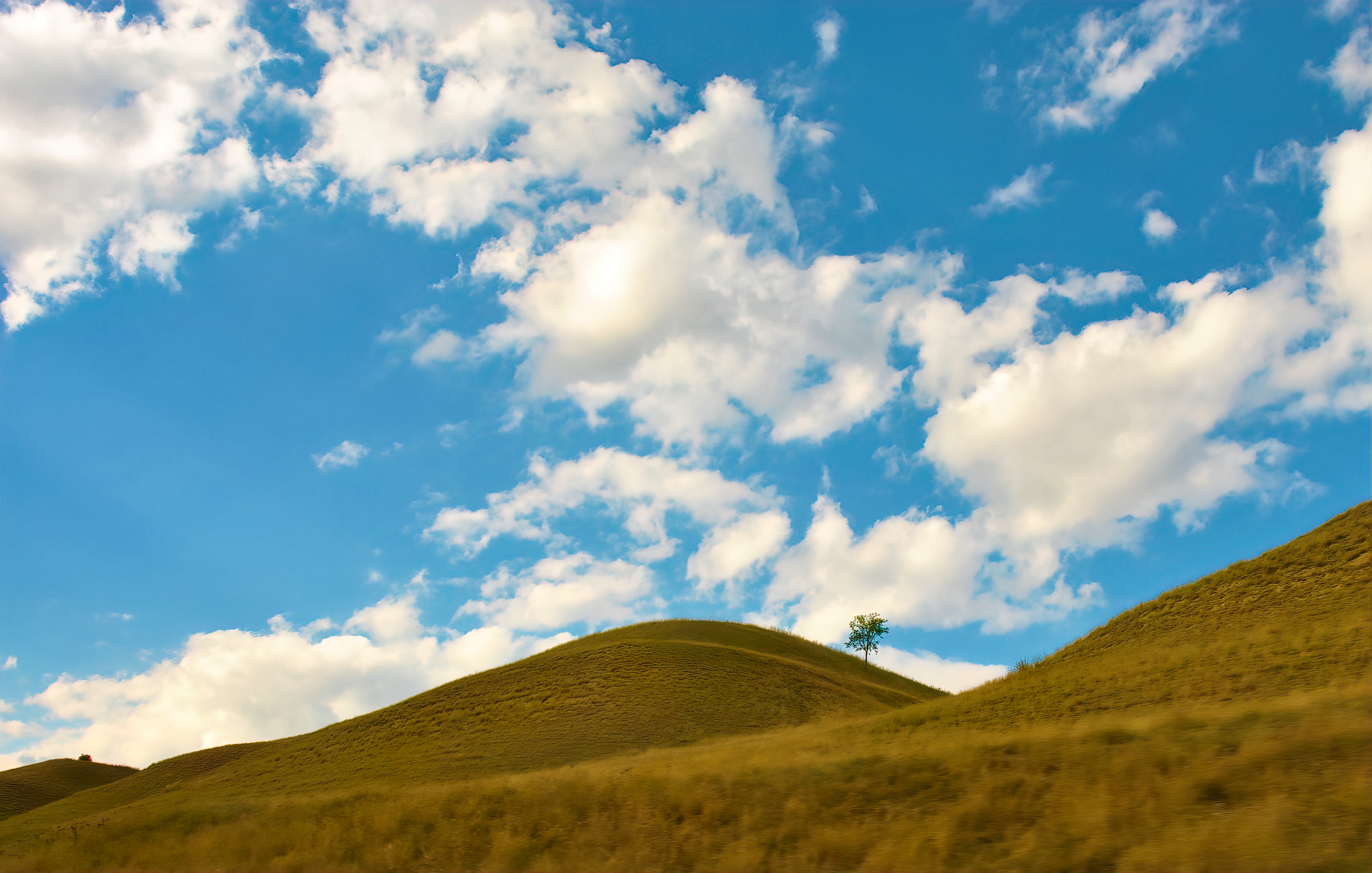
Vojvodina
Vojvodina – calm north, layered cultures
Serbia's autonomous northern province. Wide horizons, Art Nouveau cities, wine routes, and the Danube.
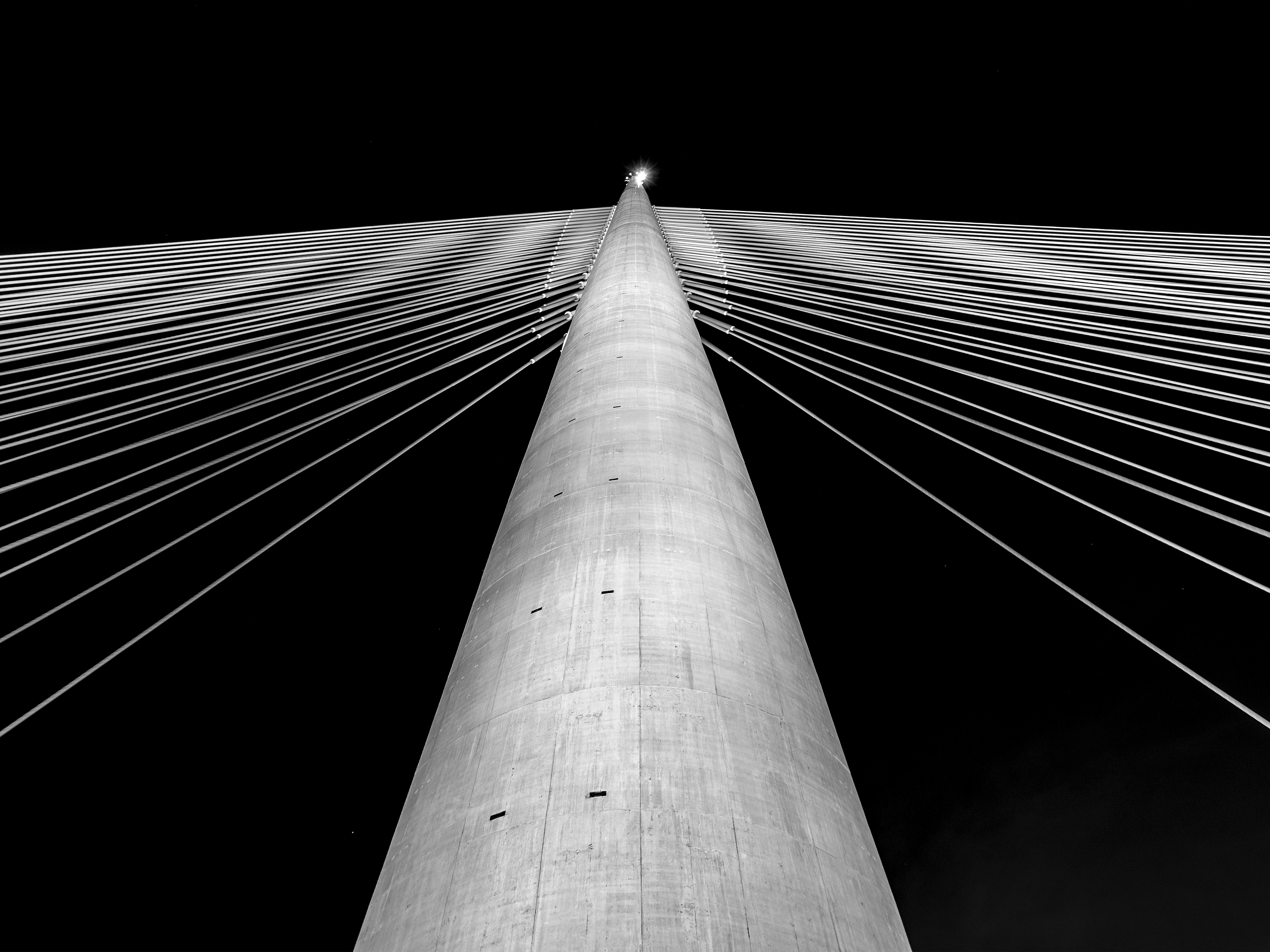
Belgrade
Belgrade – energy, nightlife, history
Serbia's capital: creative energy, legendary nightlife, and layers of Ottoman and Habsburg history.
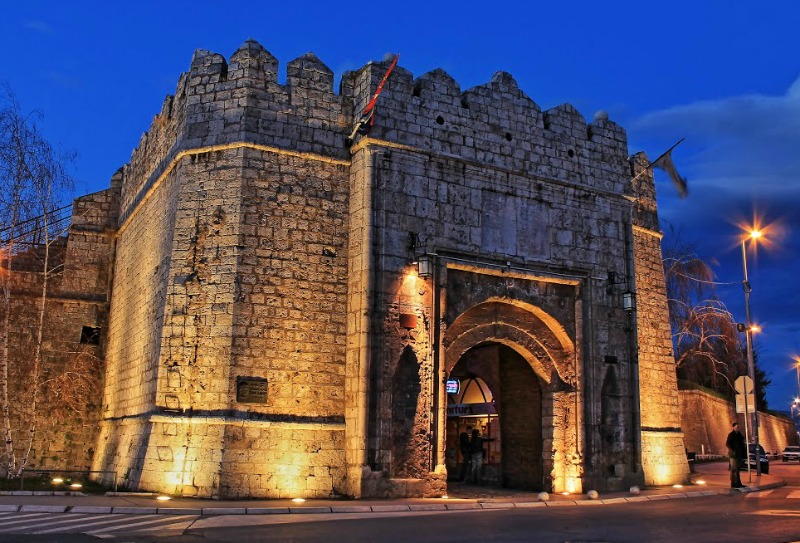
Niš
Niš – city guide, history, food
Southern Serbia's cultural hub. Roman ruins, the haunting Skull Tower, and the best ćevapi in the country.
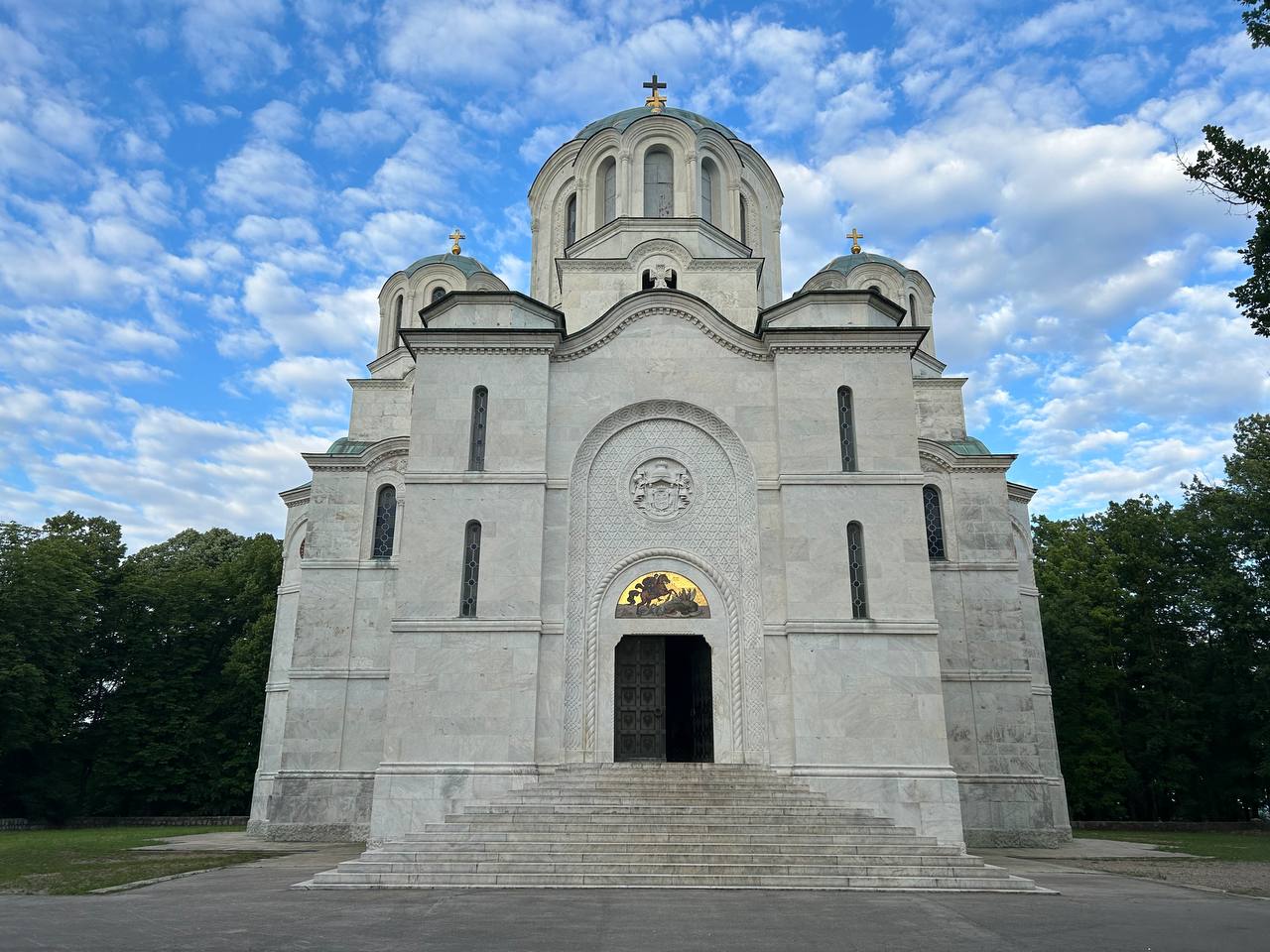
Šumadija
Šumadija – heart of Serbia, nature
Serbia's green heartland. Rolling hills, traditional villages, monasteries, and thermal spa culture.
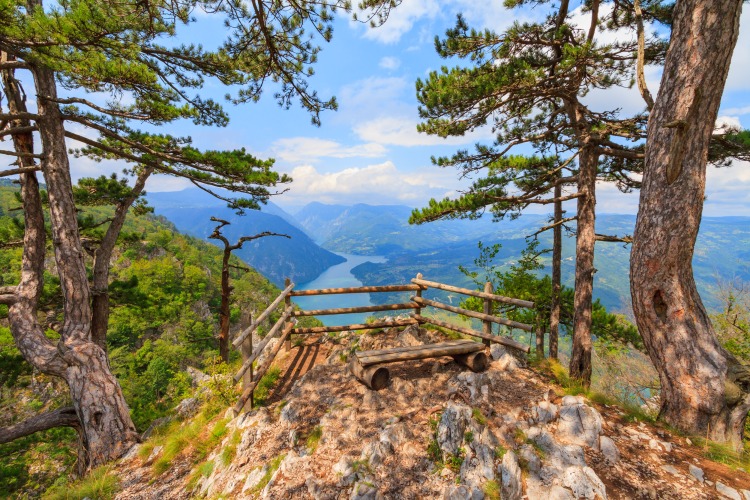
Tara
Tara – national park, wild nature
Western Serbia's crown jewel. Deep gorges, ancient forests, and the Drina River valley.
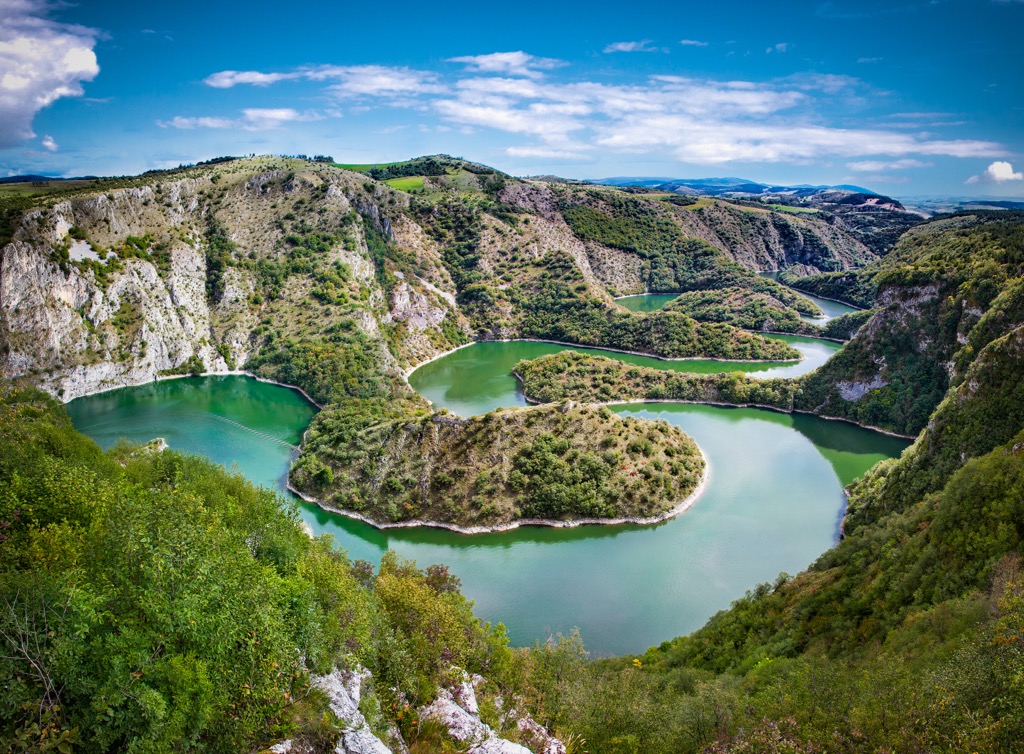
Western Serbia
Western Serbia – mountains, spas, gorges
Mountain landscapes, thermal towns, and medieval monasteries between the Drina and Morava valleys.
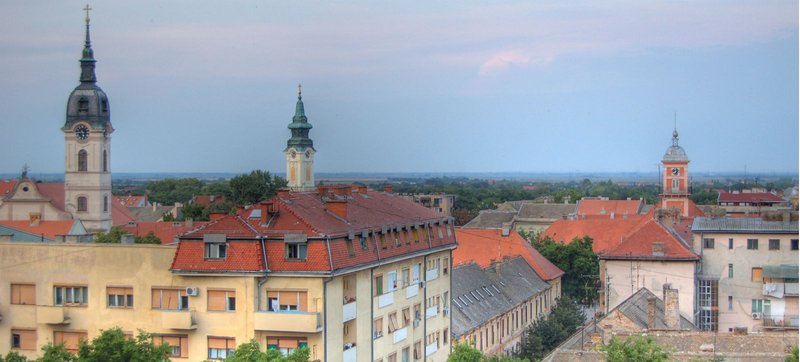
Sombor
Sombor — horse carriages, green parks, Art Nouveau
One of Vojvodina’s most charming towns. Tree-lined streets, Habsburg-era buildings, horse-drawn carriages, and a gentle pace that rewards slow exploration.
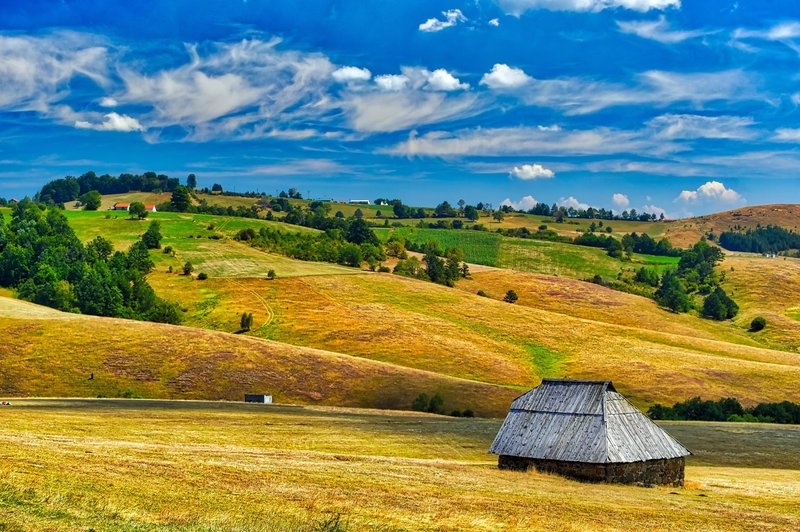
Zlatibor
Zlatibor — mountain air, family escapes
Serbia’s most accessible mountain getaway. An open plateau with pine forests, family-friendly resorts, scenic excursions, and easy day trips to Mokra Gora and Tara.
Eastern Serbia
Eastern Serbia — region guide
Discover the highlights of Eastern Serbia — places, routes, and local recommendations.
Serbia is not a highlights-and-bucket-list country. It doesn't have a single unmissable landmark that everyone photographs and moves on from. What it has instead is a strong travel rhythm: long coffee breaks, late dinners, easy day trips, and enough contrast between regions to make a short itinerary feel varied.
That makes it especially good for travelers who like to explore on foot, eat well, and spend a little longer in fewer places. The most satisfying trips here are rarely the most rushed ones.
Tested routes that balance pace, variety, and logistics.
Getting there
Belgrade's Nikola Tesla Airport (BEG) is the main international gateway. It receives direct flights from most European cities — Air Serbia, Ryanair, Wizz Air, and legacy carriers all serve the market.
Getting around
Intercity buses are the most useful option for many routes. Trains are improving, but buses remain faster and more frequent for most travelers. For Tara, Zlatibor, and smaller western towns, a car gives the most flexibility.
Money
Serbia uses the dinar (RSD). Cards are widely accepted in cities, but carry cash for small restaurants, kiosks, and local transport.
A classic Belgrade view from the fortress, where the city meets the rivers.

Kalemegdan Fortress and the Victor monument
Is Serbia safe for tourists?
Yes. Serbia is one of the safest countries in the Balkans. Violent crime against tourists is extremely rare. Petty theft in Belgrade is the main thing to watch for, as in any capital.
Do I need a car in Serbia?
Not for Belgrade or Novi Sad. For Tara, Zlatibor, and rural routes, a car is very helpful.
How many days do I need?
Three days is enough for a first taste of Belgrade. Five to seven days lets you combine the capital with one or two regions.
A curated overview map of Serbia's main travel regions and destinations.
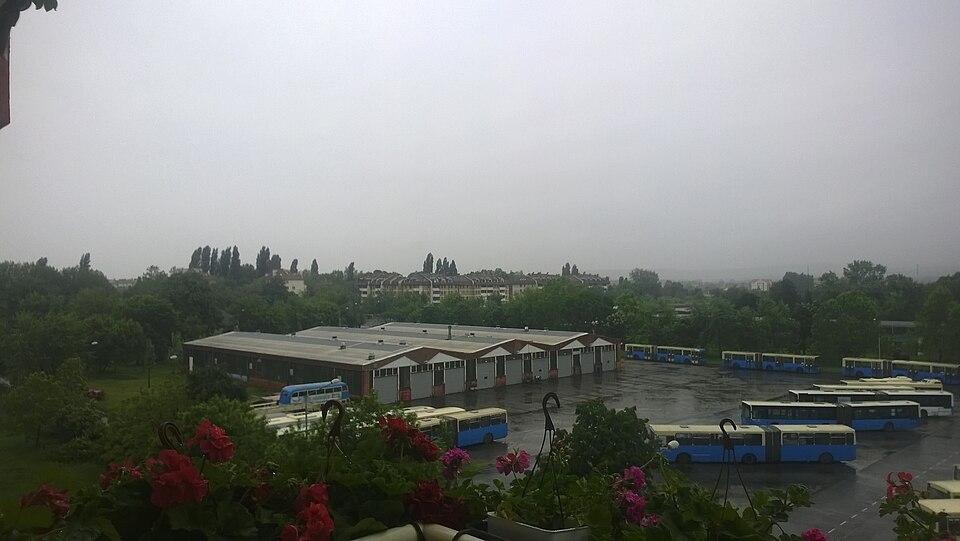
Novi Sad panorama
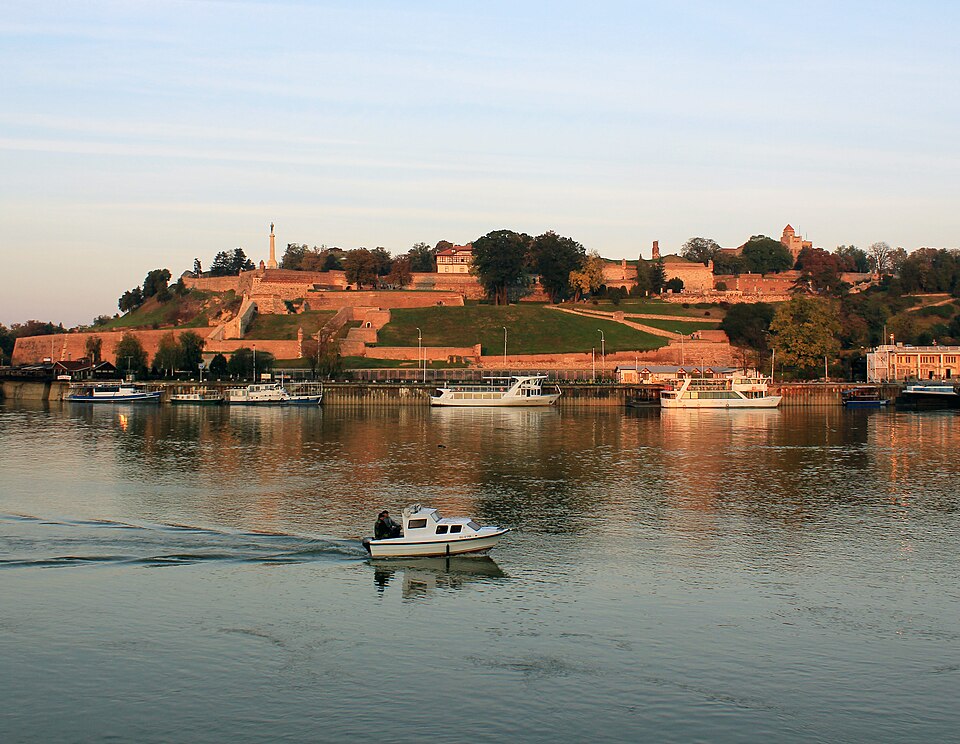
Kalemegdan Fortress views
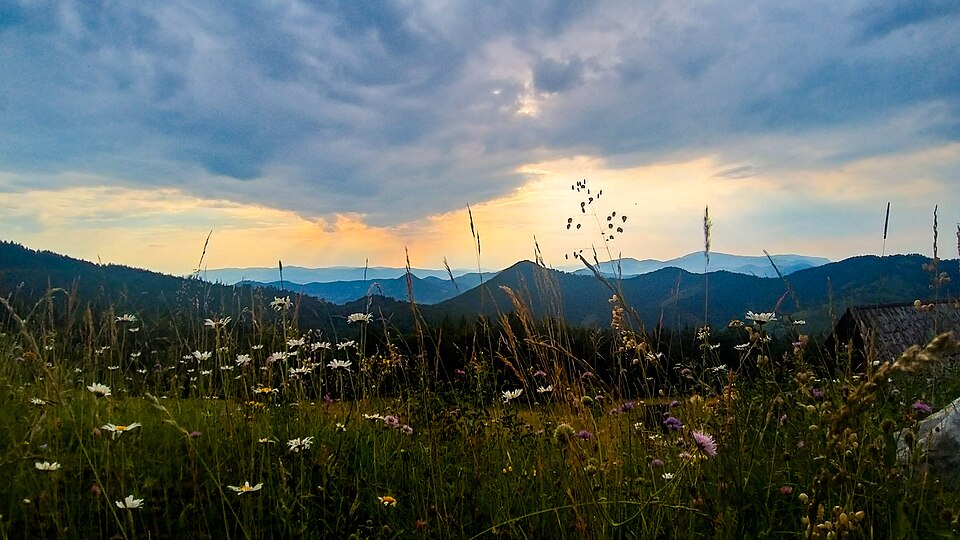
Tara National Park landscape
Capital
Belgrade
Population
~6.6 million
Currency
Serbian Dinar (RSD)
Language
Serbian (Cyrillic + Latin)
Best base
Belgrade or Novi Sad
Visa
Visa-free for EU/US/UK/CA/AU travelers for typical short stays