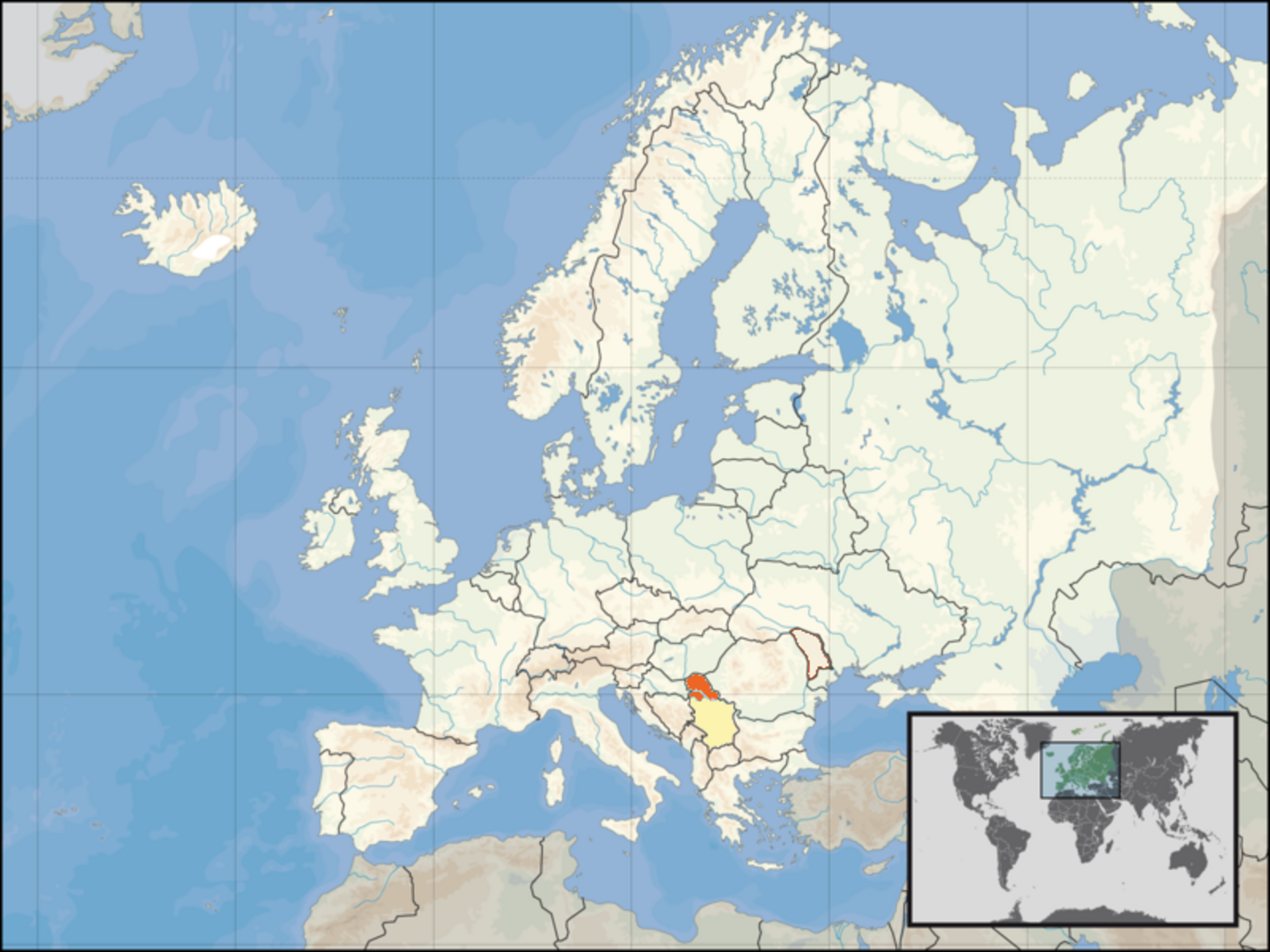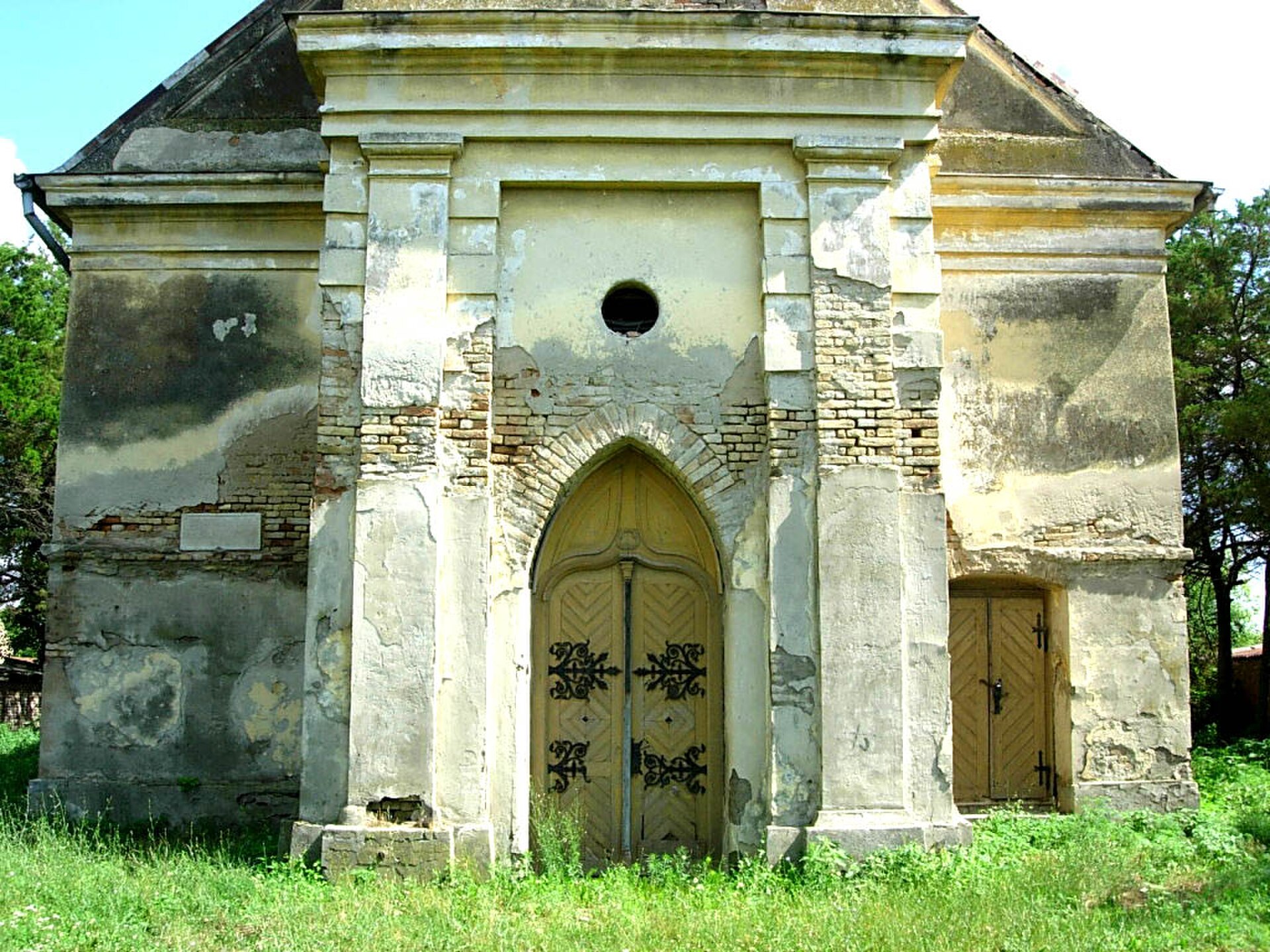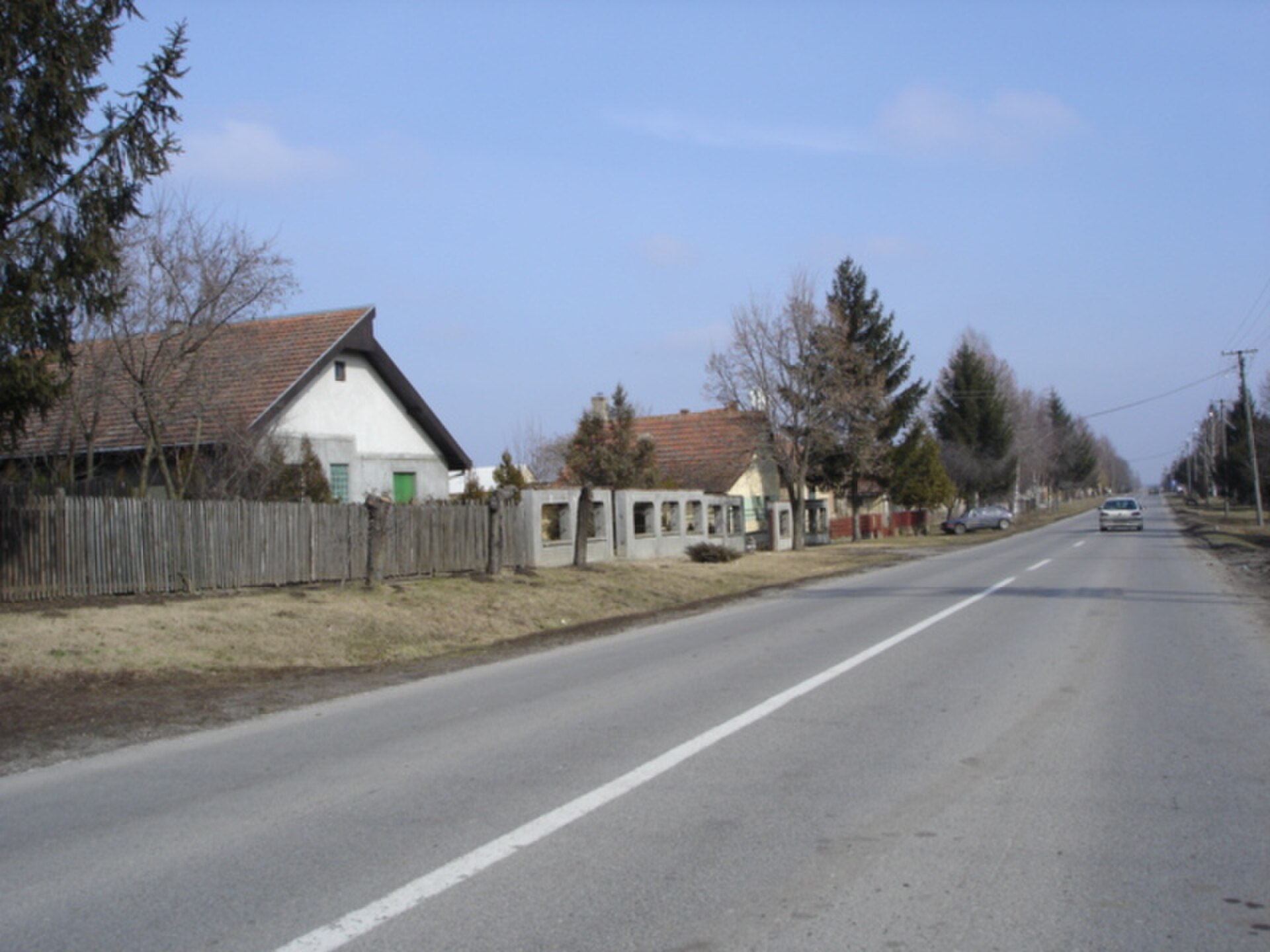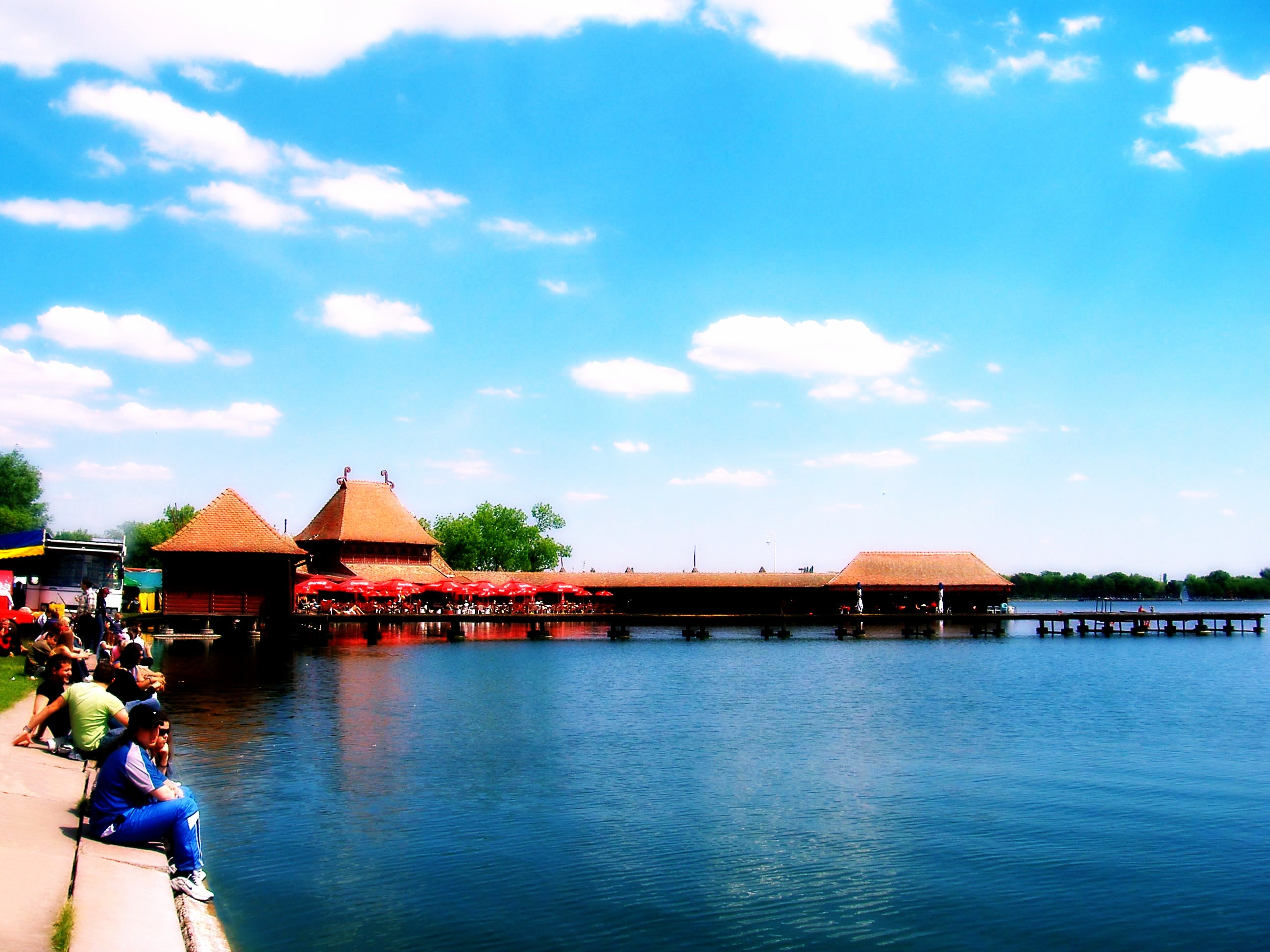
Vojvodina is Serbia's autonomous northern province, bordering Hungary, Romania, and Croatia. Much of it rests on the Pannonian Plain — which explains the wide horizons, fertile land, and the "easy travel" feeling you notice almost immediately.
Travelers often describe the region through three historic areas: Bačka, Banat, and Srem. And the Danube isn't just scenery — it's the region's geographic and social backbone.
Use Novi Sad as a hub. Then think in "spokes":
Vojvodina is ideal if you like:
A curated map of the places covered in this guide.
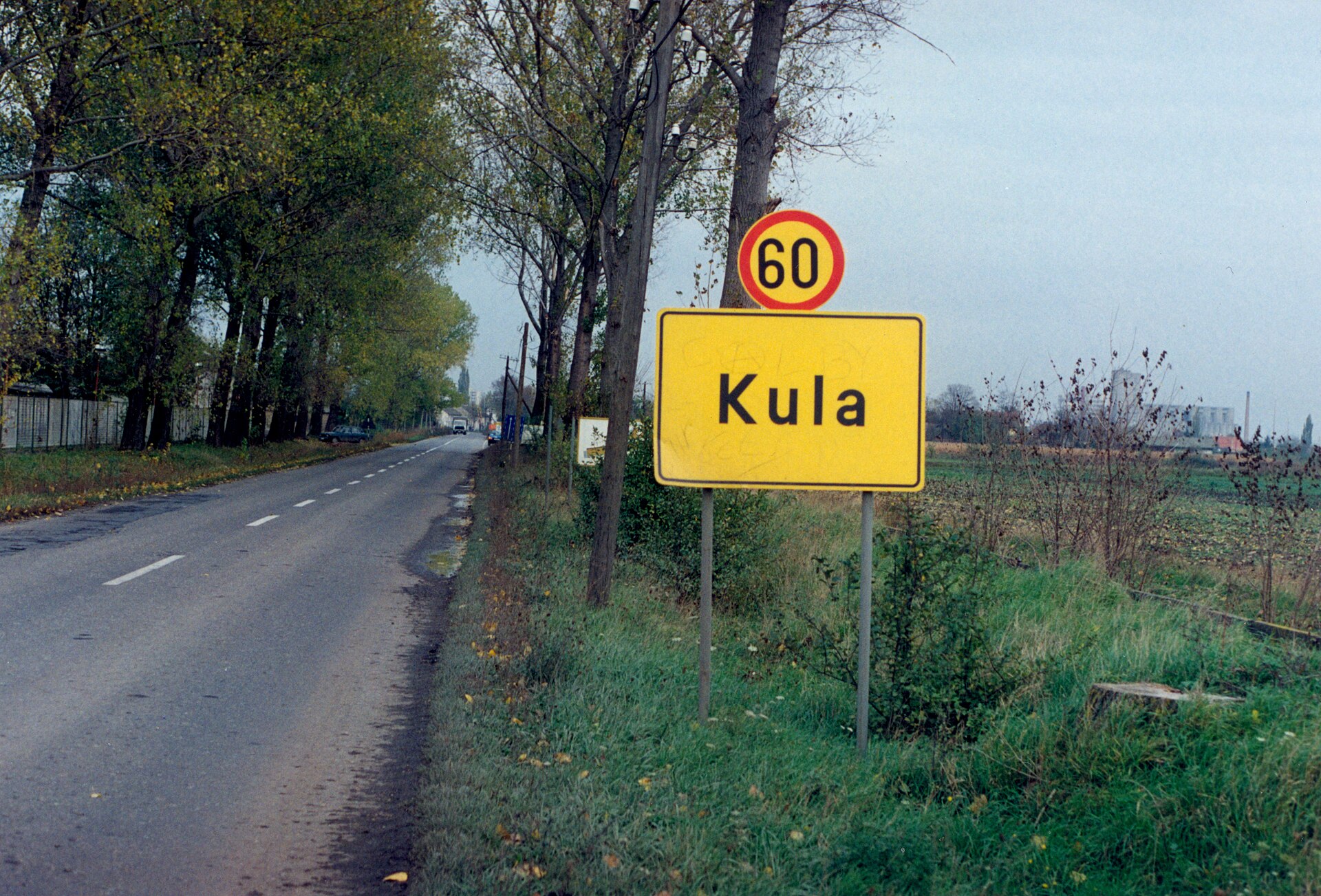
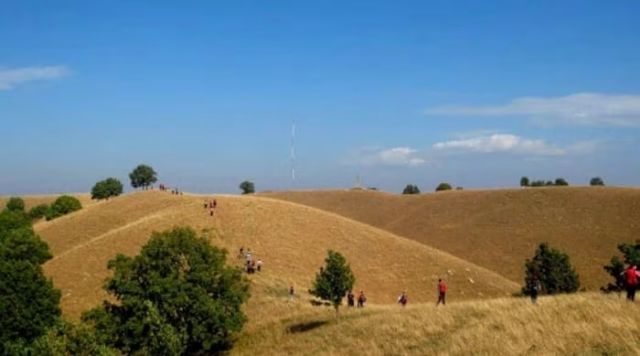
Vojvodina is open and spacious: farmland, wetlands, and long tree-lined roads under a generous horizon. It's the kind of landscape that makes driving feel relaxing rather than strategic. If you want viewpoints, Fruška Gora adds gentle hills and forest escapes — without turning your trip into a workout plan.
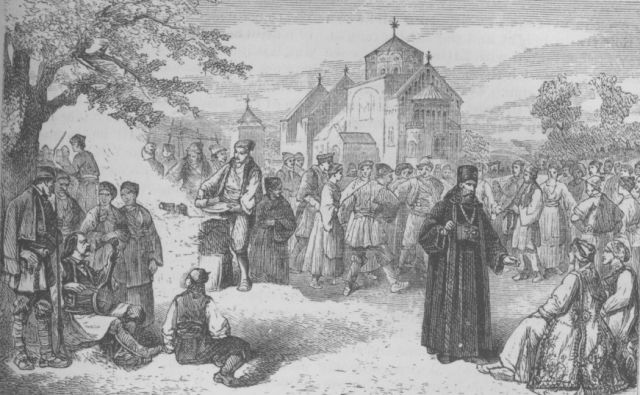
Vojvodina's identity is layered. Different communities shaped its towns, architecture, and cuisine. You don't experience it as a "show" — you experience it as daily life: languages, food traditions, and a calmer rhythm living side by side.
Less rush, fewer extremes, more breathing room. Vojvodina doesn't try to impress you with drama. It wins with comfort: walkable towns, easy day trips, and the kind of travel where you don't feel guilty for doing nothing.
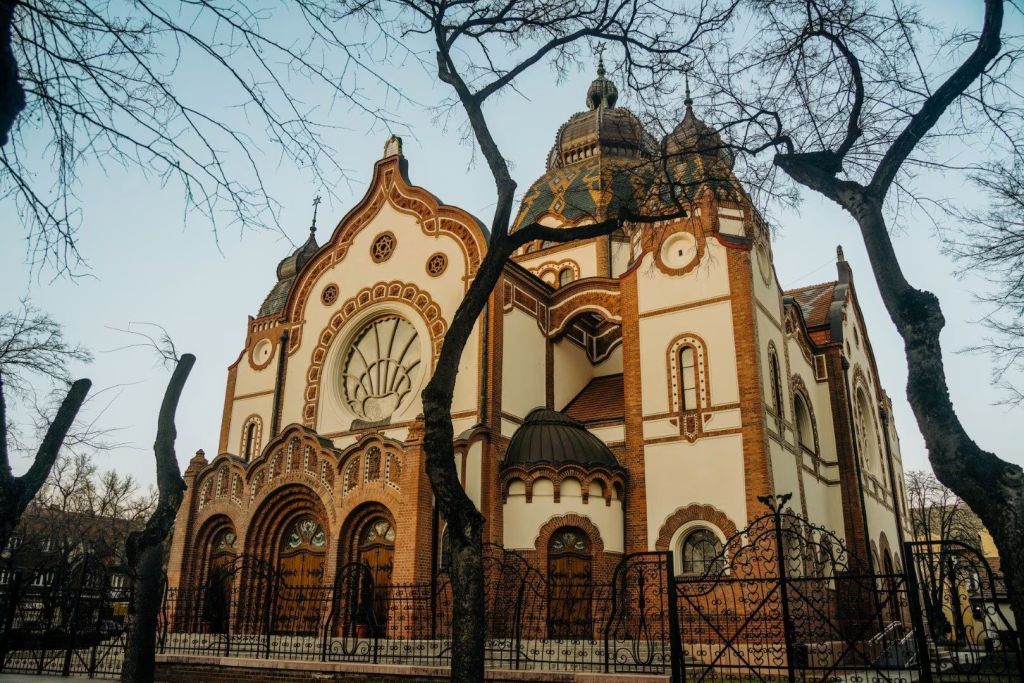
This region rewards quality over quantity. Pick a base, choose a few excellent day trips, and leave room for coffee that turns into lunch. Below are the key places — each one deserves its own dedicated guide. If you want a clean architecture day, start with Subotica.
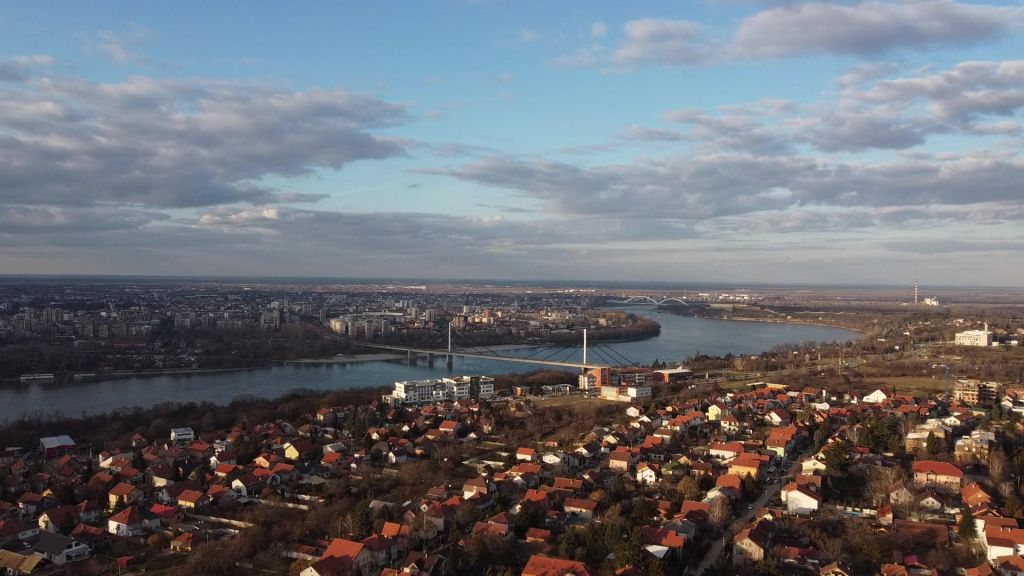
Novi Sad
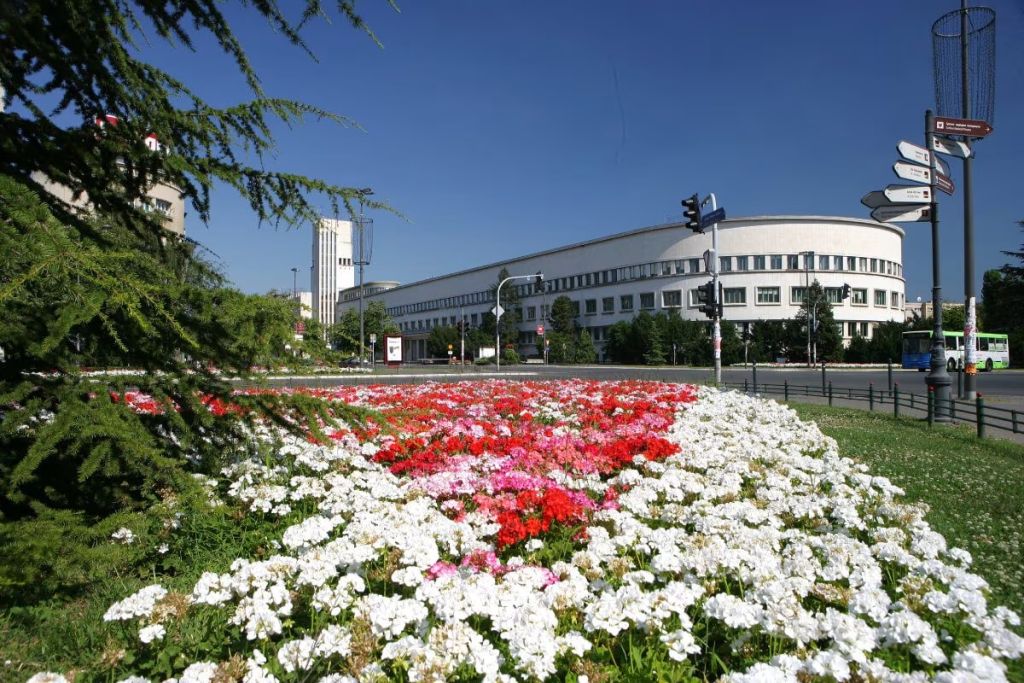
Novi Sad – Danube city, culture, easy base
Walkable, creative, and relaxed. Perfect for cafés, fortress views, and day trips without admin headaches.
Fruška Gora
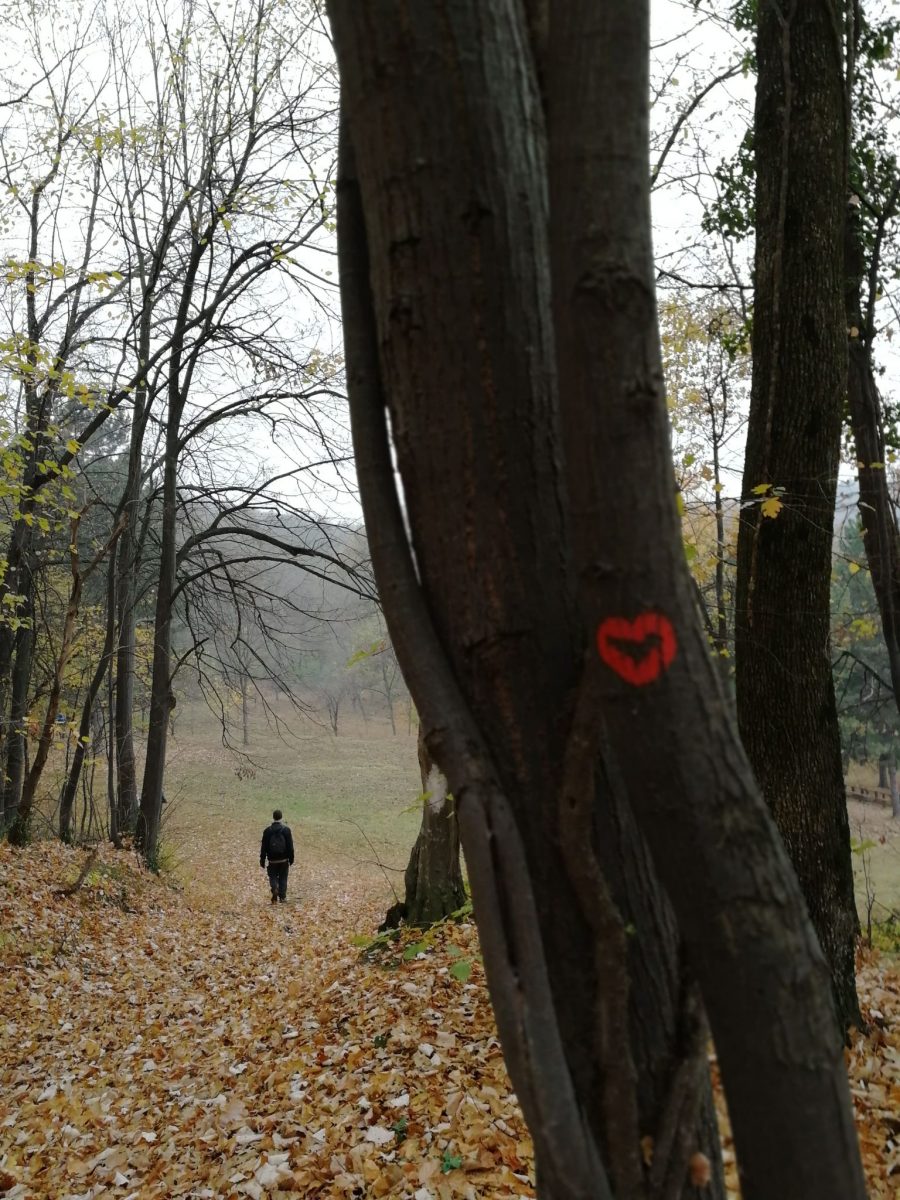
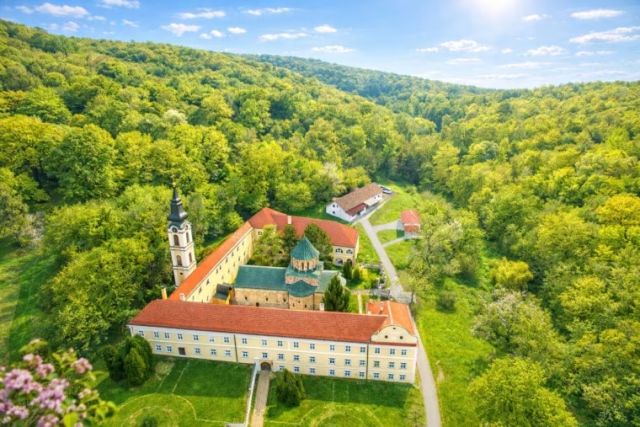
Fruška Gora – forests, monasteries, wine
Vojvodina's green escape: gentle hikes, monasteries in the woods, and a wine route that fits a weekend.
Sremski Karlovci
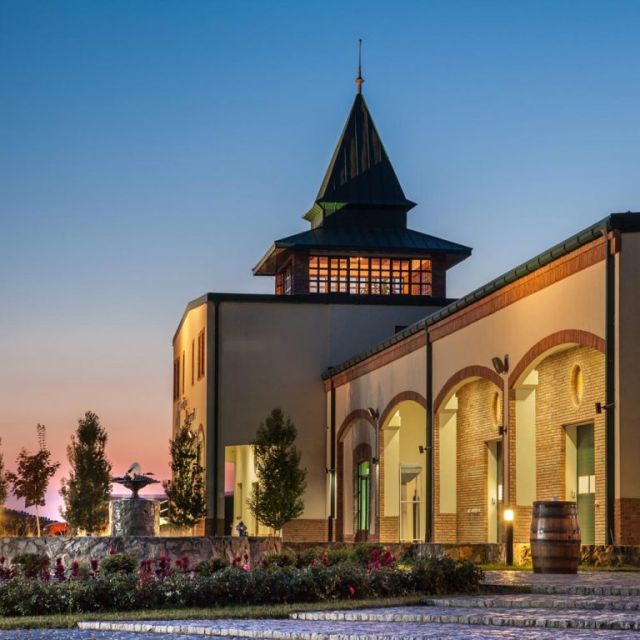
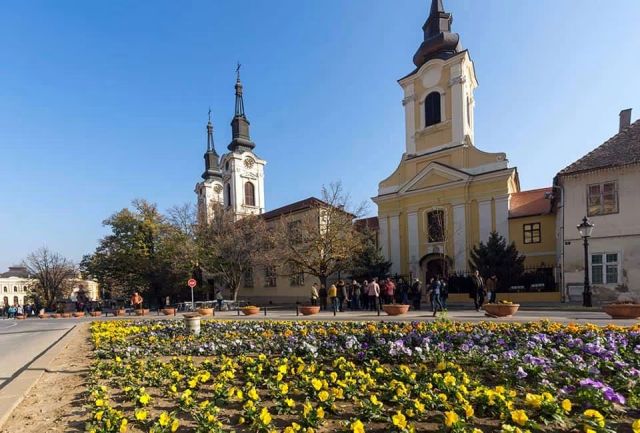
Sremski Karlovci – wine, history, elegance
Small, refined, and historically important. Famous for baroque architecture and traditional wines — perfect for a half-day or overnight stay.
Subotica
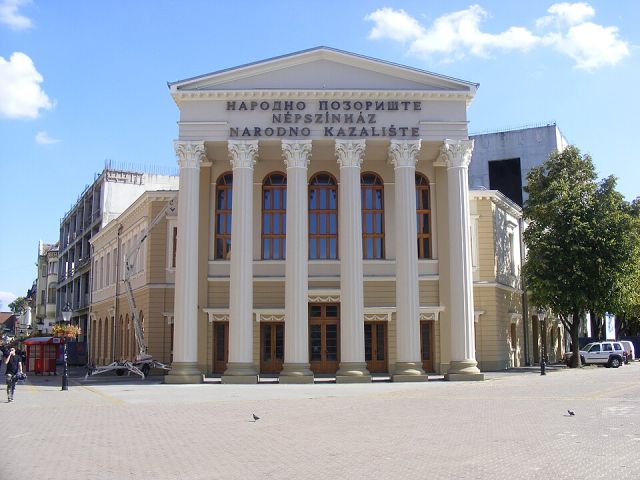
Subotica – Art Nouveau, border culture, beauty
A city that looks like it belongs in a design magazine. Architecture first, calm walking second — with a distinctly Central European feel.
Deliblato Sands
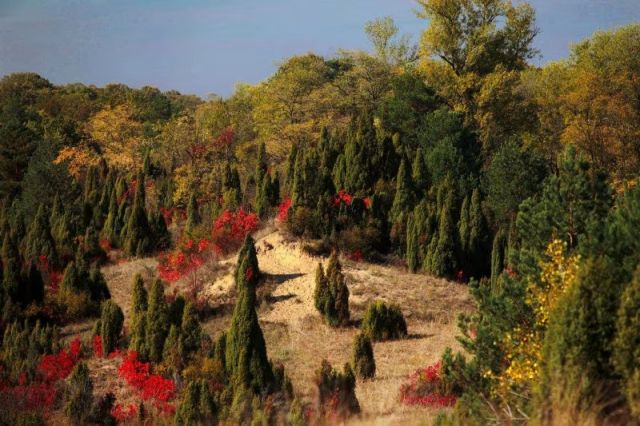
Deliblato Sands – wild nature, "Europe's Sahara"
A rare landscape in Serbia: sand, wind, and open space. Perfect when you want something unusual — not crowded.
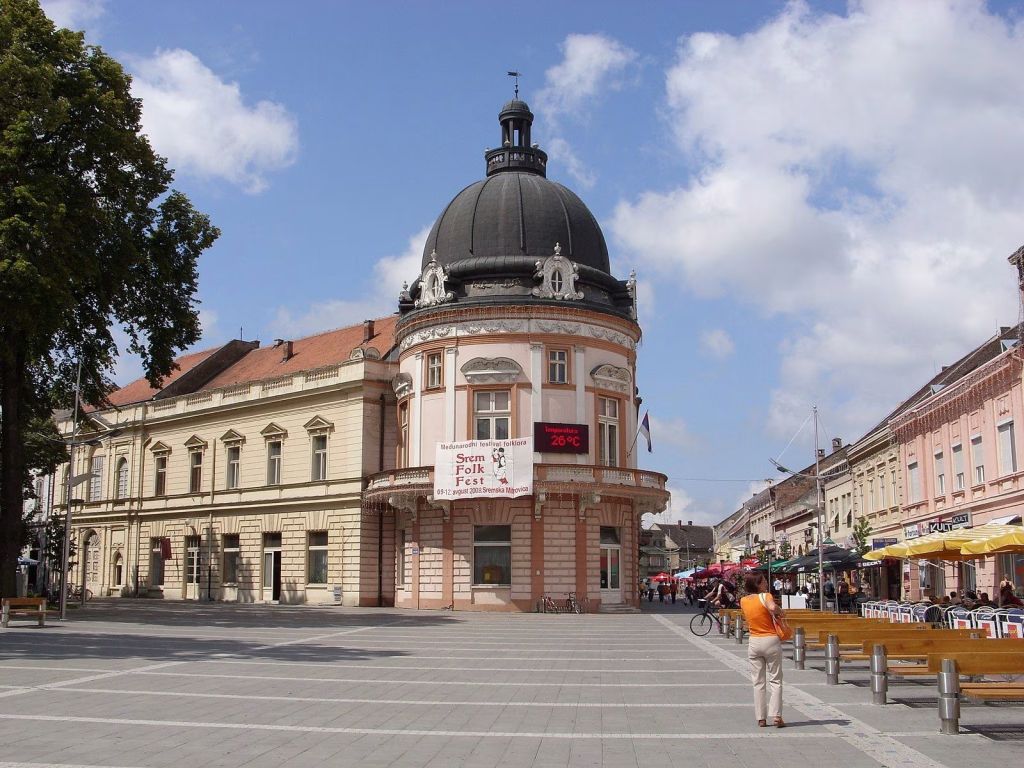
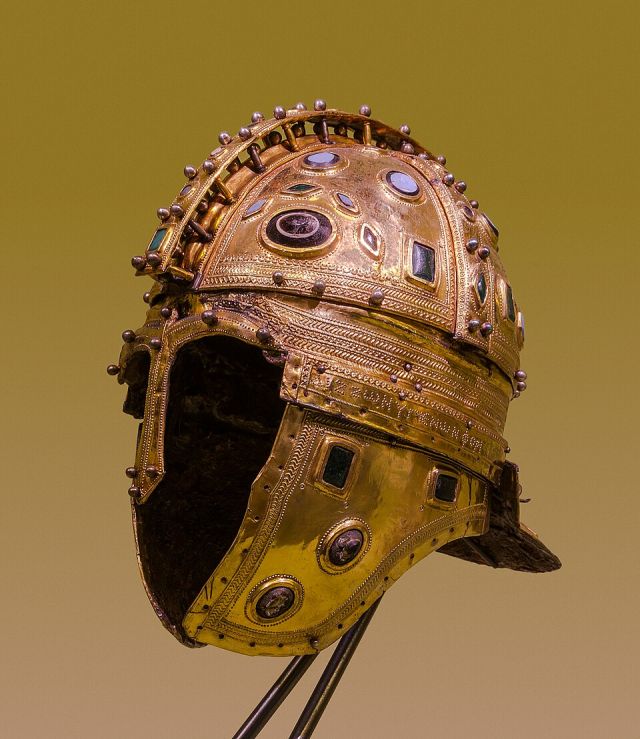
Sremska Mitrovica
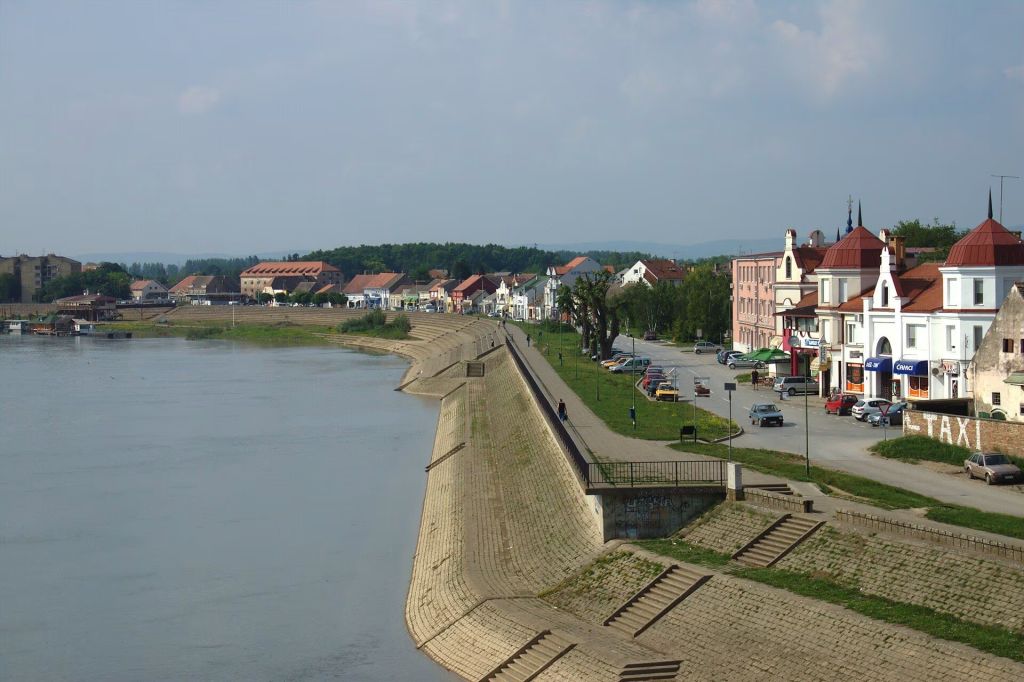
An easygoing riverside city where Roman emperors, wetlands, wine, and everyday Serbian life meet.
Serbia’s Art Festivals
A cultural journey through Serbia’s boldest theatre, dance and contemporary art events.
Vojvodina isn't made for rushing. These itineraries keep the vibe: relaxed, efficient, and quietly beautiful. Each one is built around a base + a few high-quality moves — not ten "must sees" per day.
Keeping this clean: the modern wellness references in this region are Fruške Terme and Premier Aqua. That's what travelers expect when they search for "spa Fruška Gora."
A popular modern thermal spa & wellness resort on the southern slopes of Fruška Gora — one of the most recognizable "spa weekend" names in the area.
Another strong modern option in the same wellness zone — ideal if you want a calmer "hotel spa weekend" style stay.
Vojvodina is where Serbian comfort meets Central European influence — and meals aren't rushed. The region is known for hearty classics, strong pastry culture, and a wine scene that surprises first-time visitors.
Expect warm, filling, and often surprisingly refined flavors:
Vojvodina travel often works like this:
The region is easiest when you keep it simple: Novi Sad as hub, then pick day trips. You can do a lot without a car — but a car is a big advantage for wine routes, smaller towns, and Deliblato.
Novi Sad is the best "hub city" for Vojvodina travel: walkable center + good day trip access.
Quick decision logic:
Vojvodina is year-round friendly. The "best time" depends on what you want: walking light, wine weekends, festivals, or wellness.
Comfortable temperatures and long walks. Great for Fruška Gora and city wandering.
Danube life and festival energy. More people, more activity, more "stay out late."
Wine season mood + soft light. The most "minimal luxury" season for many travelers.
Quiet towns, cozy cafés, and wellness weekends (Vrdnik area).
Base yourself in Novi Sad. From there, the region becomes a set of elegant day trips.
Public transport works well for Novi Sad, Karlovci, and Subotica. A car makes wine routes, Sombor, and Deliblato much easier.
Find and compare hotels (Novi Sad base + Vrdnik wellness) here:
Yes. Novi Sad and Fruška Gora are the easiest way to experience a calmer, more Central-European side of Serbia, just an hour from Belgrade.
Two to three days cover Novi Sad and nearby highlights. Four to six days allow time for wine towns, Subotica, Sombor, and nature areas.
Not for Novi Sad and classic day trips. A car is recommended for wine routes, Sombor, and Deliblato Sands.
Novi Sad is the best base thanks to its walkable center and easy access to day trips.
Yes. Most highlights involve cities, wine towns, viewpoints, and short walks rather than demanding hikes.
Spring and autumn are ideal for sightseeing and wine. Winter works well for spa weekends around Fruška Gora.