Vojvodina, in the Banat plain

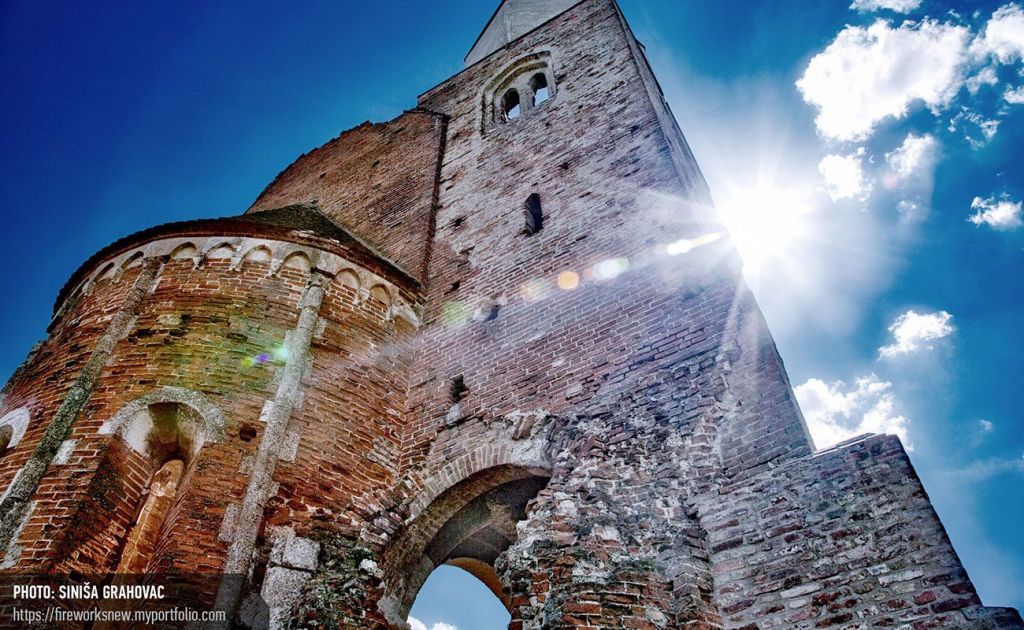
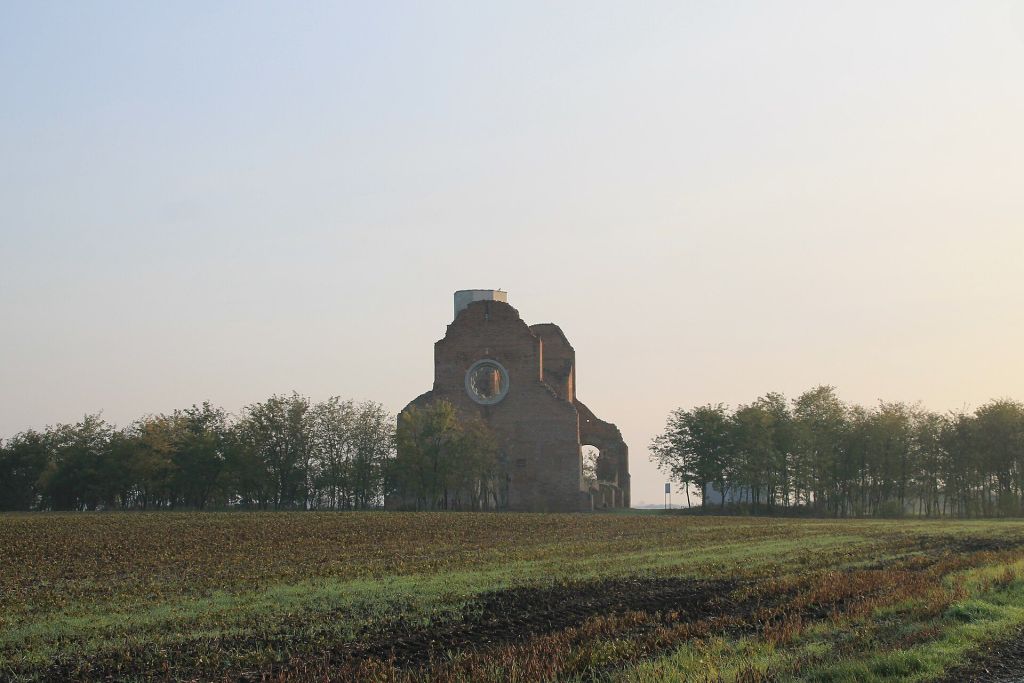
Arača is a Romanesque monastery ruin from the 12th century, set out in the flat landscape of Vojvodina. Instead of a dense town setting or an active monastic complex, the site stands with very little around it, which is a large part of its character. What visitors come for is the surviving medieval church fabric itself: broken walls, recognizable structural lines, and the contrast between stone remains and open plain. The mood is quiet, exposed, and reflective. For wider regional planning, Arača fits best as a heritage stop within a broader route through the Vojvodina Travel Guide.
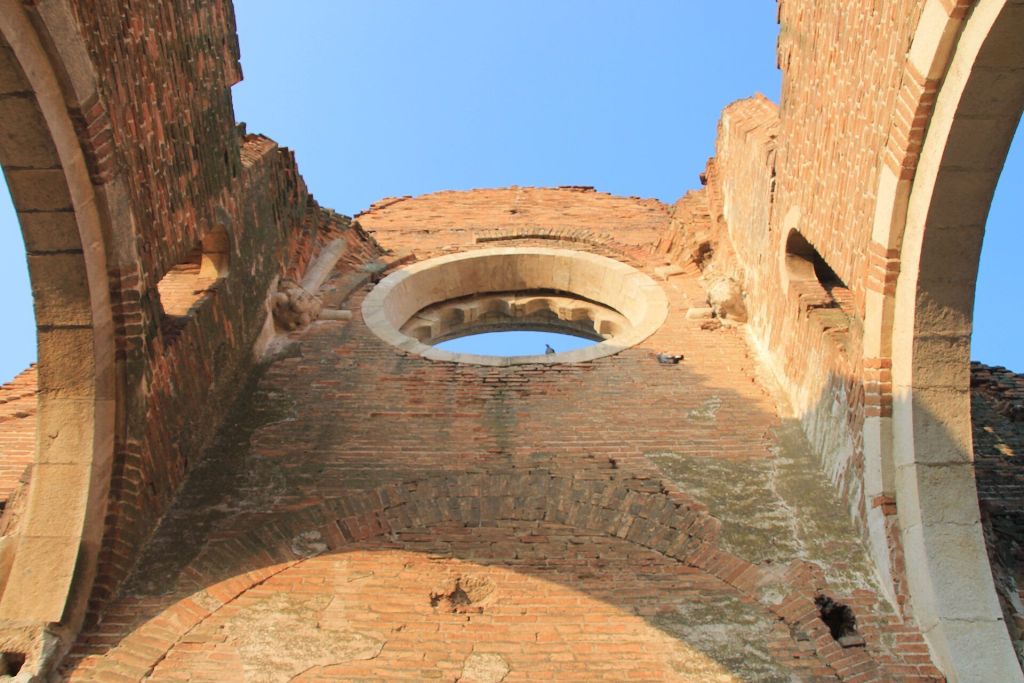
What makes Arača specific is the combination of architecture and setting. Many travelers meet medieval churches in town centers, behind ticket desks, or as part of larger fortified ensembles. Arača is different because the ruin reads almost as a landmark in the plain. The Romanesque character matters here: heavy masonry, clear wall masses, and the sense of an early medieval sacred building even in fragmentary form. The lack of urban framing lets the ruin stand out against the horizontal landscape of Banat, giving the visit a slower rhythm than a conventional city stop. If you are already shaping a longer route, it pairs naturally with time in Novi Sad or other Vojvodina stops rather than as a stand-alone long excursion.
Even a short stop is more useful when you know what to look for.
Wall thickness
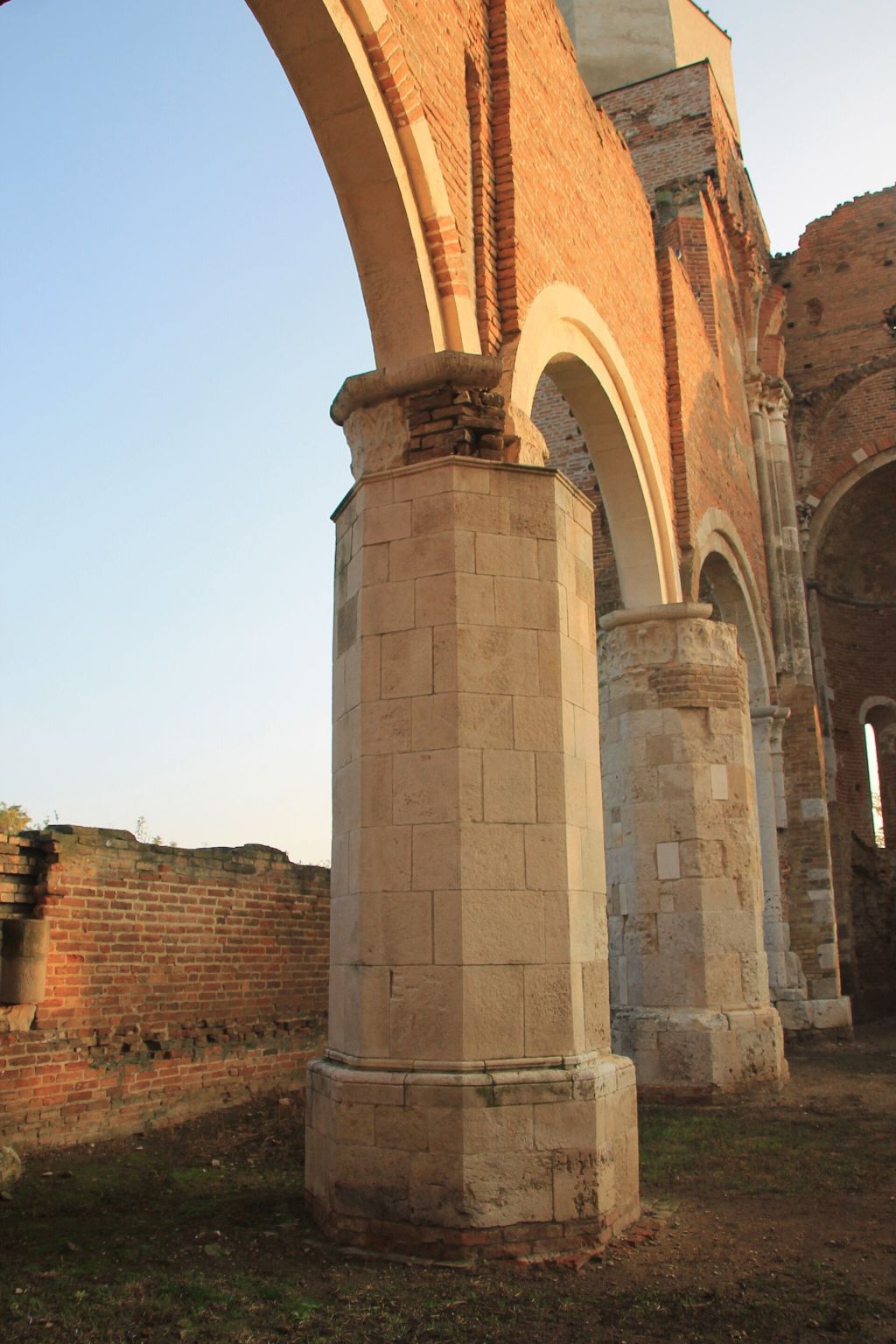
The surviving masonry conveys the former scale and solidity of the church.
Broken openings and edges
Fragmented door and window lines help you imagine the original structure without reconstructing it too neatly.
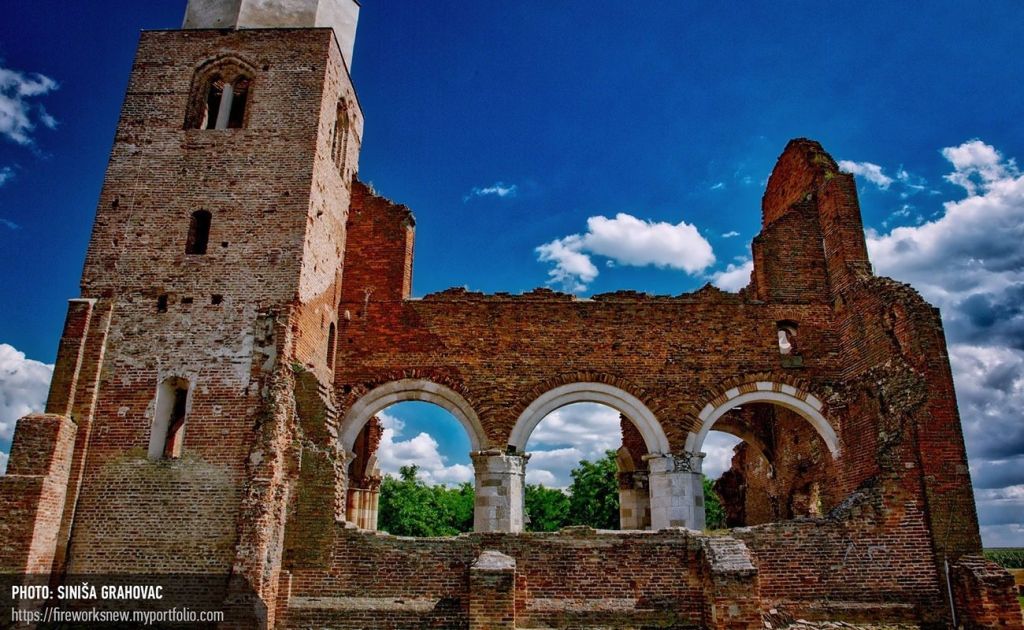
Ruin against flat horizon
Step back for a wider view. The relationship between monument and plain is part of the site's identity.
Arača is best treated as a rural stop in the Banat part of Vojvodina rather than a monument reached by a simple city walk. The supplied source identifies the site and its age, but it does not provide verified public transport line numbers, staffed entrance details, or parking arrangements. In practice, most travelers should plan to approach by car or arranged local transport, using offline navigation for the final stretch across the plain. If you are building a longer regional route, start with the broader Getting Around Serbia guide and check current road conditions before departure. Allow extra time for the final approach and do not assume frequent public service directly to the monument.
The most comfortable visits are usually in mild weather, when you can spend time reading the ruin and the surrounding plain without strong heat or wind. Morning and late afternoon are often the most rewarding parts of the day because angled light helps the stonework stand out and gives more definition to wall surfaces. Midday can feel exposed because the attraction is fundamentally an open-air stop. After rain, expect softer ground and a less comfortable walk around the remains. Because the site is valued for atmosphere rather than programmed activity, there is no need to time your visit around performances or urban nightlife patterns.
Expect a quiet, largely self-guided visit focused on looking rather than doing. There is no urban street life around the site, and the experience is not built around cafés, shops, or layered attractions. Dress for weather and open ground. Bring water, sun protection in warm months, and shoes that handle uneven terrain. Families with older children who enjoy space and ruins may find it rewarding, but younger children may see it as a short stop rather than a long outing. The source does not confirm formal interpretation, ticketing, or facilities, so the safest approach is to arrive prepared for a simple outdoor heritage visit.
Travelers interested in Banat and northern Vojvodina can place Arača within a wider route that also considers places such as Kikinda, though the monument itself remains the focus here.
Tell us where you want to go and how you travel. We reply within two working days with a tailored plan.
Start with the overall mass of the ruin, then move closer to read wall thickness, openings, and the surviving outline of the church plan.
Give yourself time to stand back from the monument. The open Vojvodina setting is central to the visit, not secondary to it.
Use the map for orientation before driving across the Banat plain.
Arača is one monument rather than a cluster of venues, so the most useful way to read the site is feature by feature.
West front remains
The surviving front-facing masonry gives the clearest first impression of the church's scale.
Approach slowly and look at the wall mass before focusing on details. This is where many visitors first understand that Arača is not a small chapel ruin but the remains of a substantial medieval church.
Nave walls
The standing sections of the nave help you trace the original volume of the church.
The nave remains are useful for understanding the plan of the building. Even without a roof or full enclosure, the surviving wall lines make the former interior readable.
Apse area
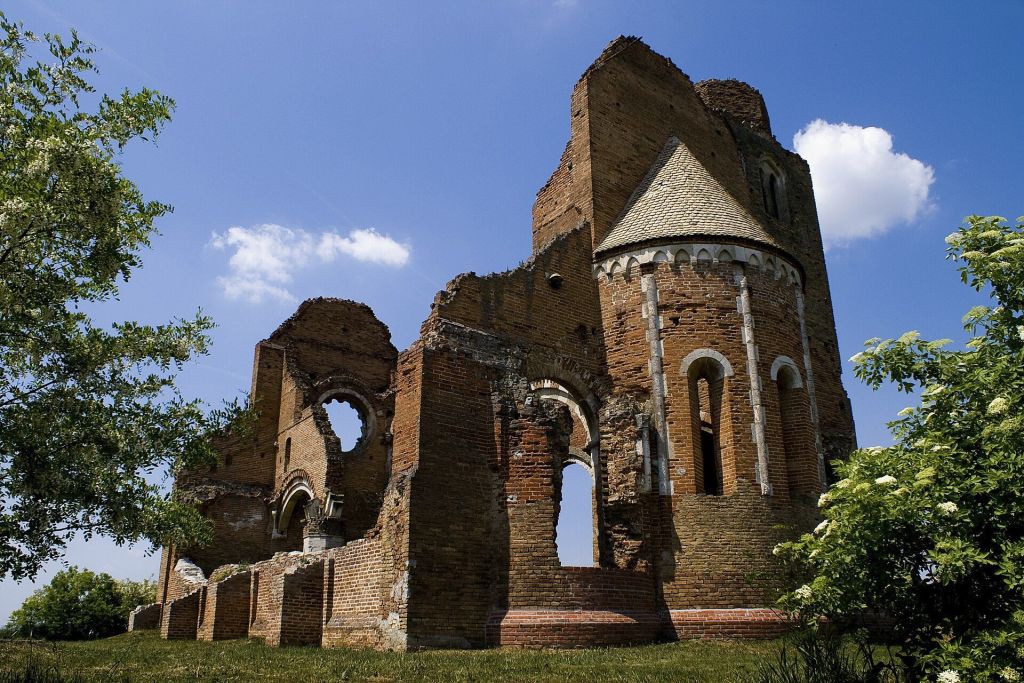
The eastern end is where the liturgical purpose of the building feels most tangible.
Spend a few minutes here after viewing the broader outline. The apse fragments help connect the ruin to its original monastic and religious use rather than seeing it only as a scenic shell.
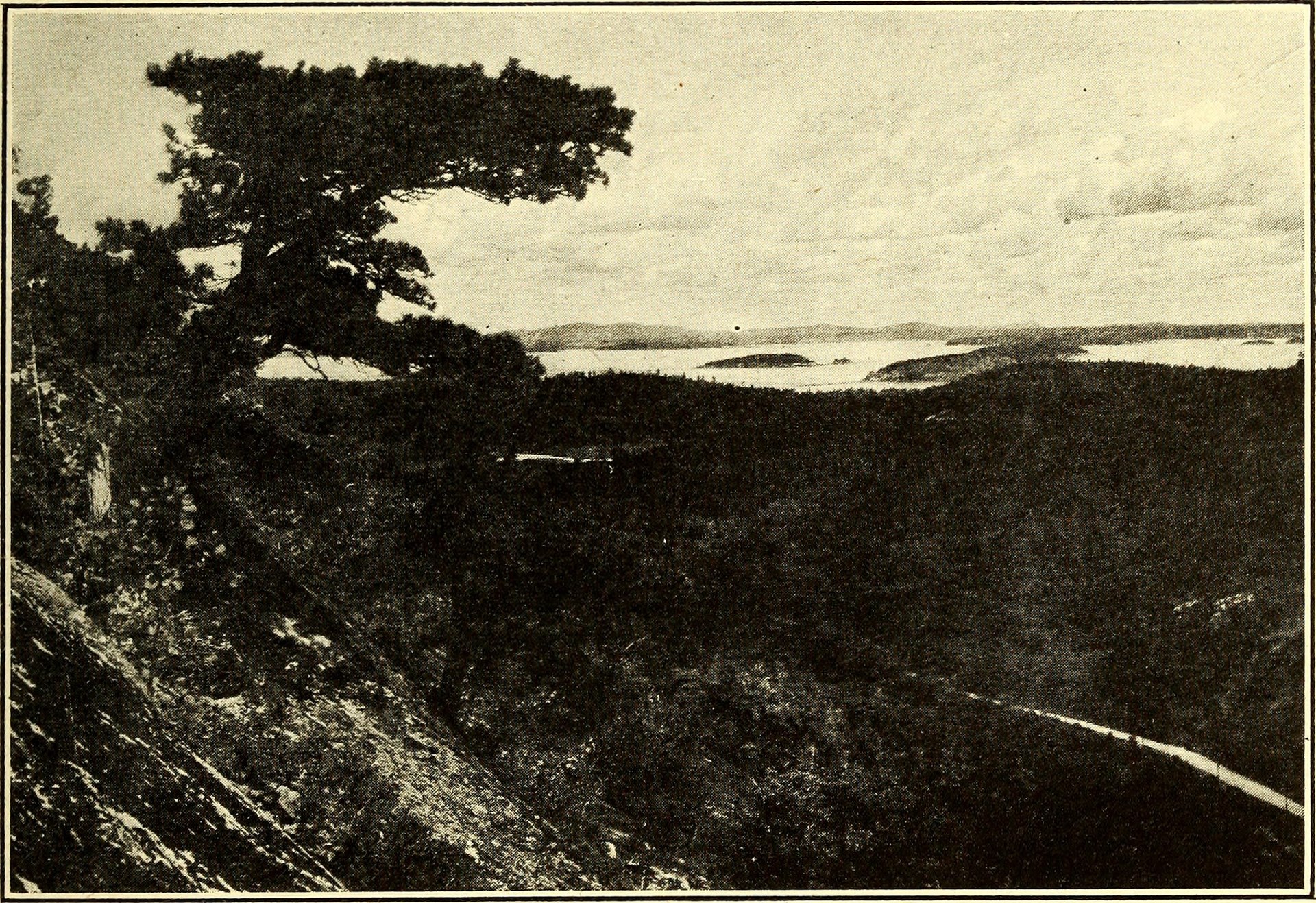
Open plain setting
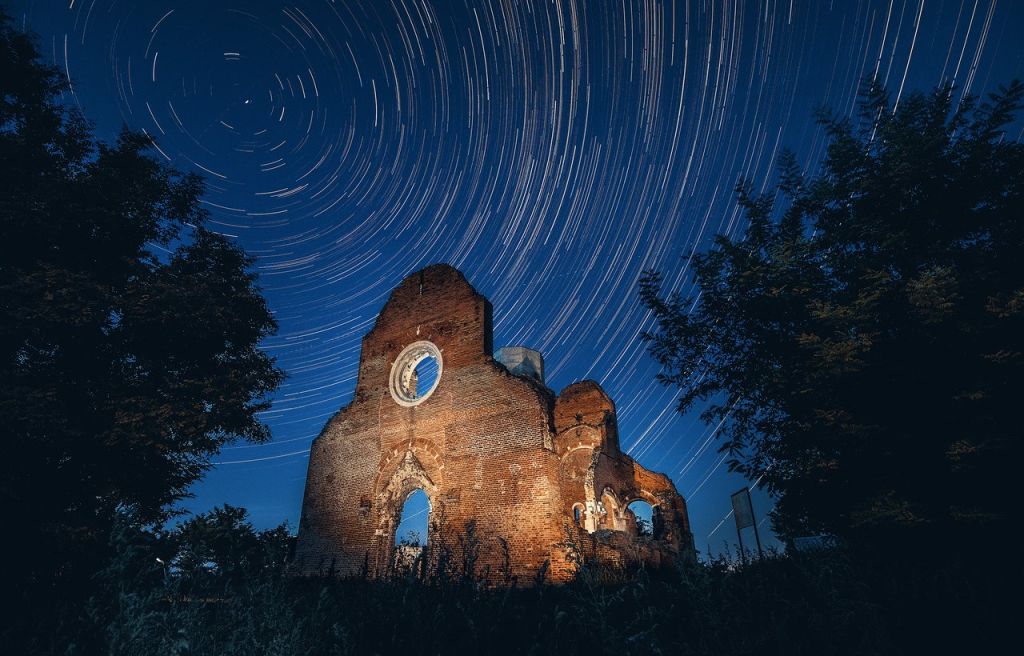
The surrounding Vojvodina landscape is part of the experience, not just a backdrop.
Arača feels distinct because the monument rises from flat country rather than a built-up settlement. The space around it changes how the ruin is read, photographed, and remembered.
Vojvodina, in the Banat plain
Romanesque monastery ruin
12th century
Open rural landscape rather than a town-center landmark
Medieval church remains in an isolated plain setting
About 30-60 minutes
Not confirmed in source
Mild weather, morning or late afternoon
No reservation information confirmed in source
The value of Arača is not in a museum-style visit with many services. It is in seeing a 12th-century Romanesque ruin still legible in the landscape where it has stood for centuries.
Because the supplied source confirms the monument but not visitor infrastructure, plan for a simple outdoor stop. Do not count on staffed services, shade, toilets, or food on site unless you verify them locally before departure.
This is an outdoor heritage stop in an exposed setting. Surfaces may be uneven, and the source does not confirm accessibility adaptations. Wear stable shoes and plan conservatively if mobility is a concern.
Arača is a 12th-century Romanesque monastery ruin in Vojvodina. Visitors come for the medieval remains and the unusual plain-landscape setting.
For most travelers, 30 to 60 minutes is enough. Stay longer if you want time for photography, sketching, or a slower architectural look.
No. The supplied source supports it as a historic ruin, not as a heavily serviced attraction with many visitor amenities.
Not based on the supplied source. Bring essentials with you and verify any current visitor services locally before setting out.
Yes, especially if you are already traveling through Vojvodina by car and want a quiet heritage stop that differs from city-center monuments.
Arača works best as one stop in a broader journey through northern Serbia, especially if you are traveling by car and want a mix of cities, landscapes, and heritage sites.
Stay connected in Serbia