Visa and entry
Who needs a visa, the 90/180 day rule, passport validity, border crossings from Hungary, Croatia, Bosnia, Montenegro, Bulgaria, and North Macedonia.
Read visa guide
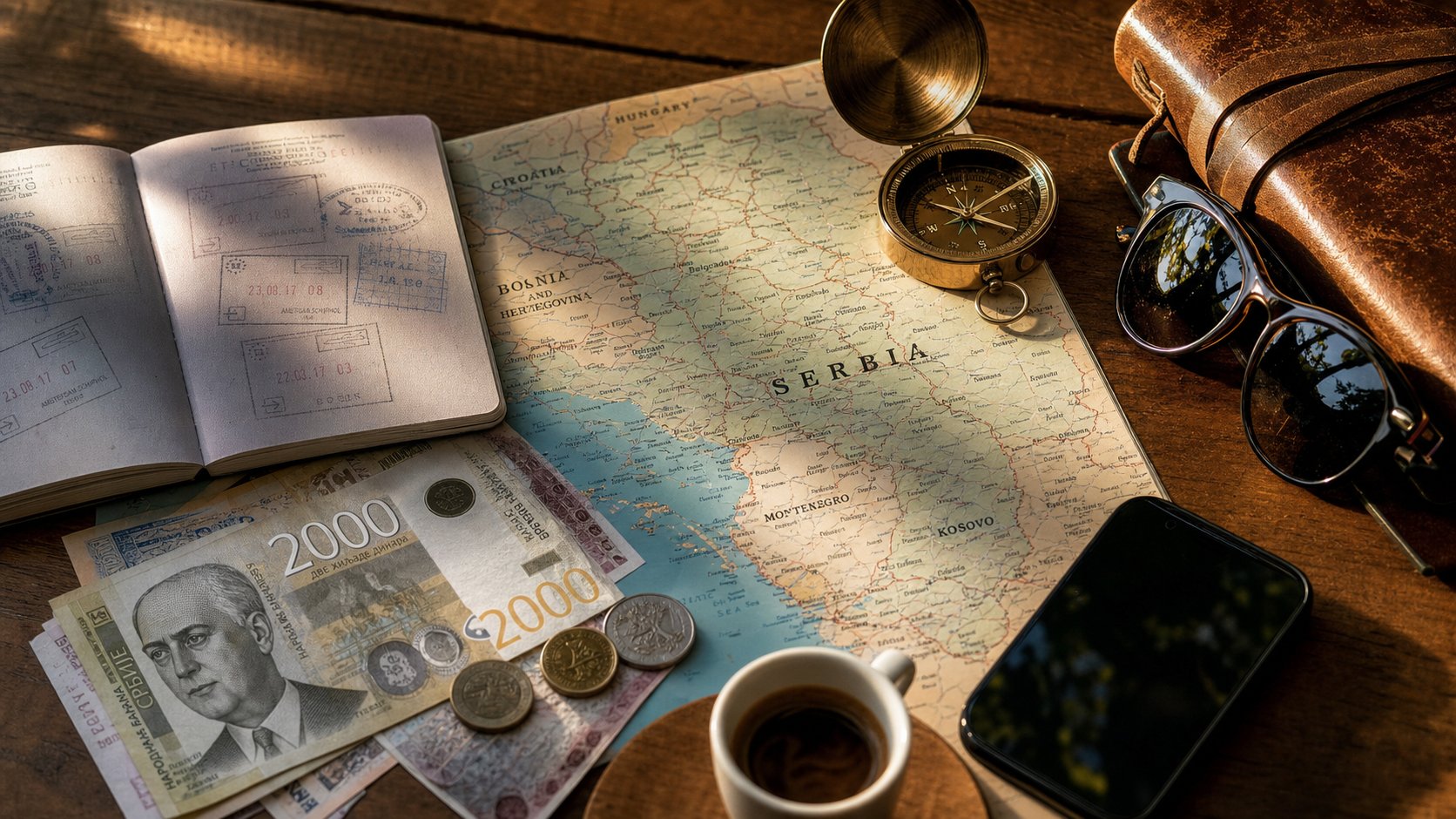
Serbia is one of the easiest countries in the Balkans to visit. Most travellers from the EU, UK, US, Australia, Canada, and Japan enter visa-free for up to 90 days within any 180-day period. The currency is the Serbian dinar (RSD) — euros are sometimes accepted in tourist areas, but you will get worse rates than at a local exchange office (menjačnica). ATMs are common, contactless payments work in most cafés and restaurants in cities, and Wi-Fi is fast and almost everywhere. The bigger questions are which regions to visit, how to move between them, and what to expect day to day. The cards and facts below cover the practical groundwork.
Last checked: 2026-05-28. For corrections, contact us.
Who needs a visa, the 90/180 day rule, passport validity, border crossings from Hungary, Croatia, Bosnia, Montenegro, Bulgaria, and North Macedonia.
Read visa guide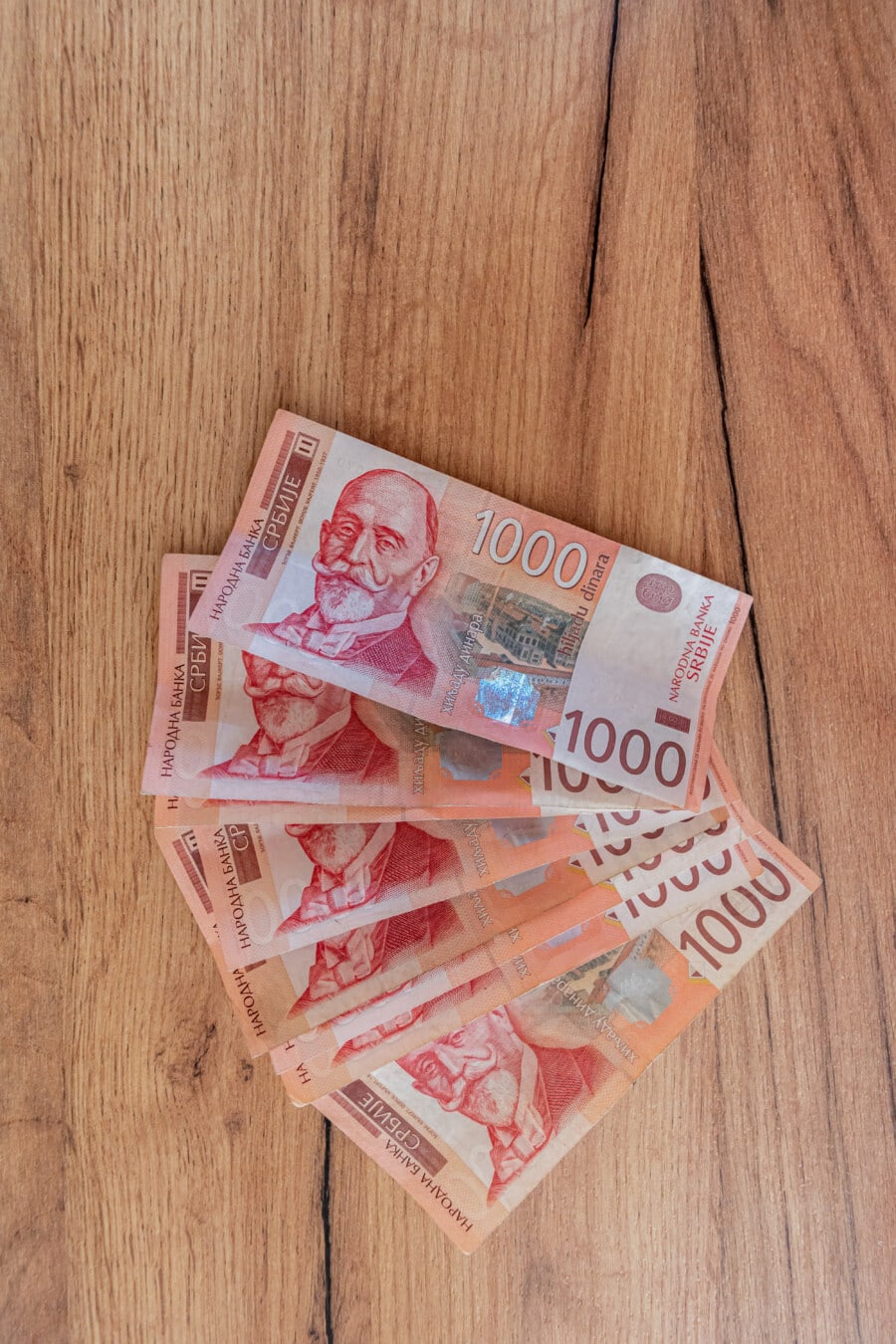
Dinar (RSD) basics, where to exchange, ATM tips, card acceptance, tipping norms, and rough daily budgets for backpackers, mid-range, and comfort travellers.
Money & currency guide
Trains between Belgrade and Novi Sad, intercity buses, the Soko high-speed line, renting a car, taxis vs. ride-hail apps, and when to use which.
Transport overview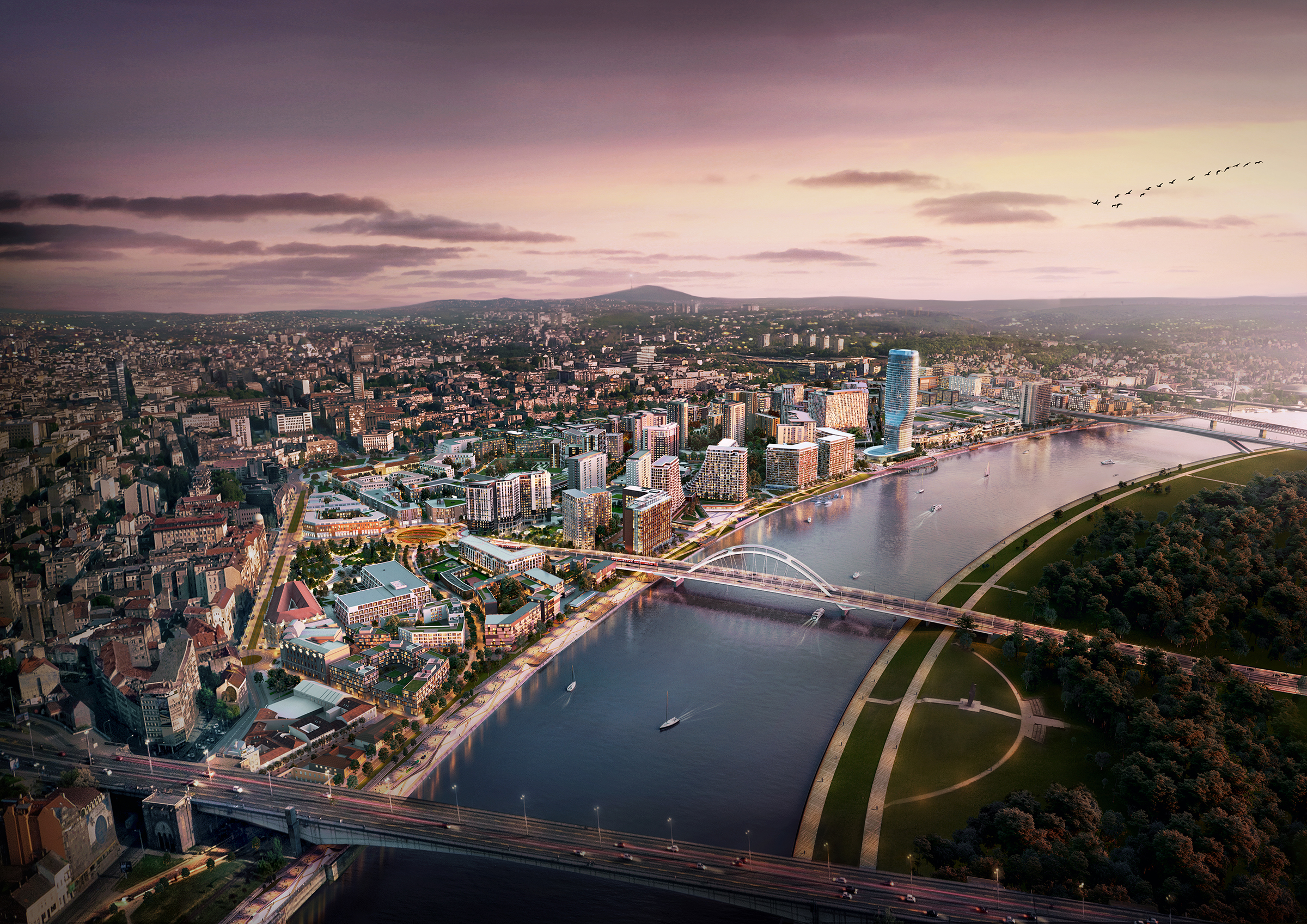
Serbian uses both Cyrillic and Latin alphabets. A handful of phrases — hello, thank you, the bill — go a long way. English is widely spoken in Belgrade and Novi Sad.
Common phrases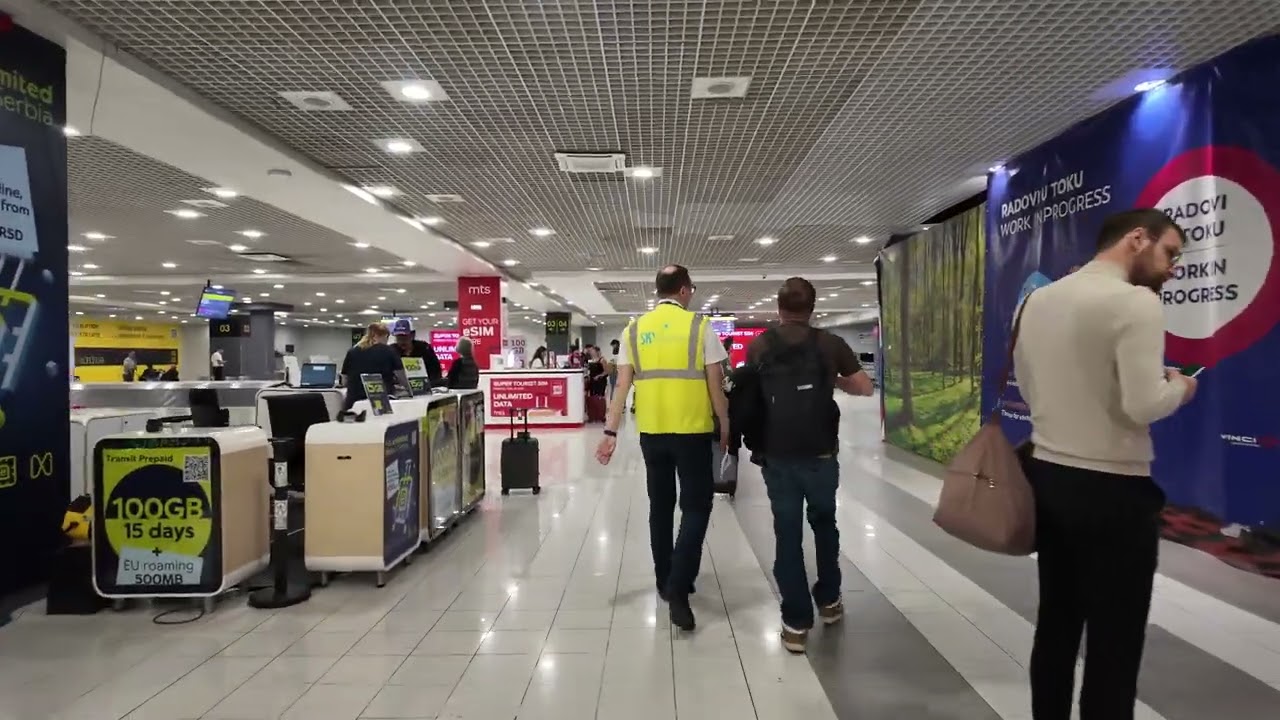
Prepaid SIMs from MTS, Yettel, or A1 are cheap and fast. eSIMs work for most travellers. Public Wi-Fi is common in cafés, hotels, and city centres.
SIM card guide
Serbia is a safe destination. Pickpocketing in tourist zones is the main concern. Tap water is drinkable in cities. Pharmacies (<em>apoteka</em>) are well stocked.
Read safety guide
Drive on the right, motorway tolls, winter tyres from November to April, an International Driving Permit for non-EU licences, and how to handle parking in Belgrade.
Driving guide
Mild spring, hot summer with the festival peak, golden autumn for food and wine, and a quiet snowy winter on the Tara and Zlatibor mountains.
Seasonal guide
Daily budget tiers, average hotel and meal prices, free Belgrade public transport since 2025, and where Serbia is genuinely cheaper than the rest of Europe.
Costs guide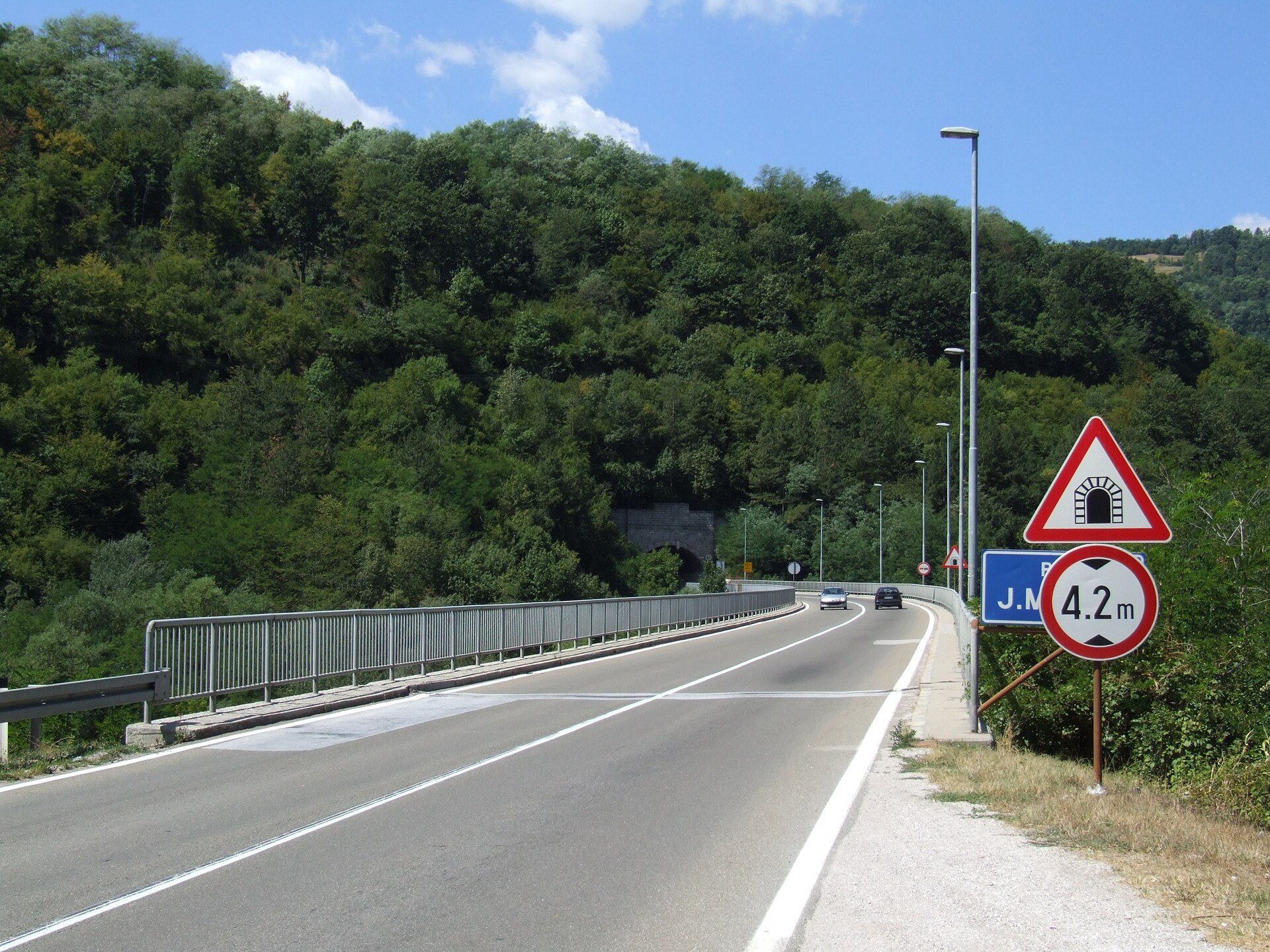
Road Into Tunnel
A curving mountain road leads toward a tunnel in the Travel Tips section, with warning signs beside the lane
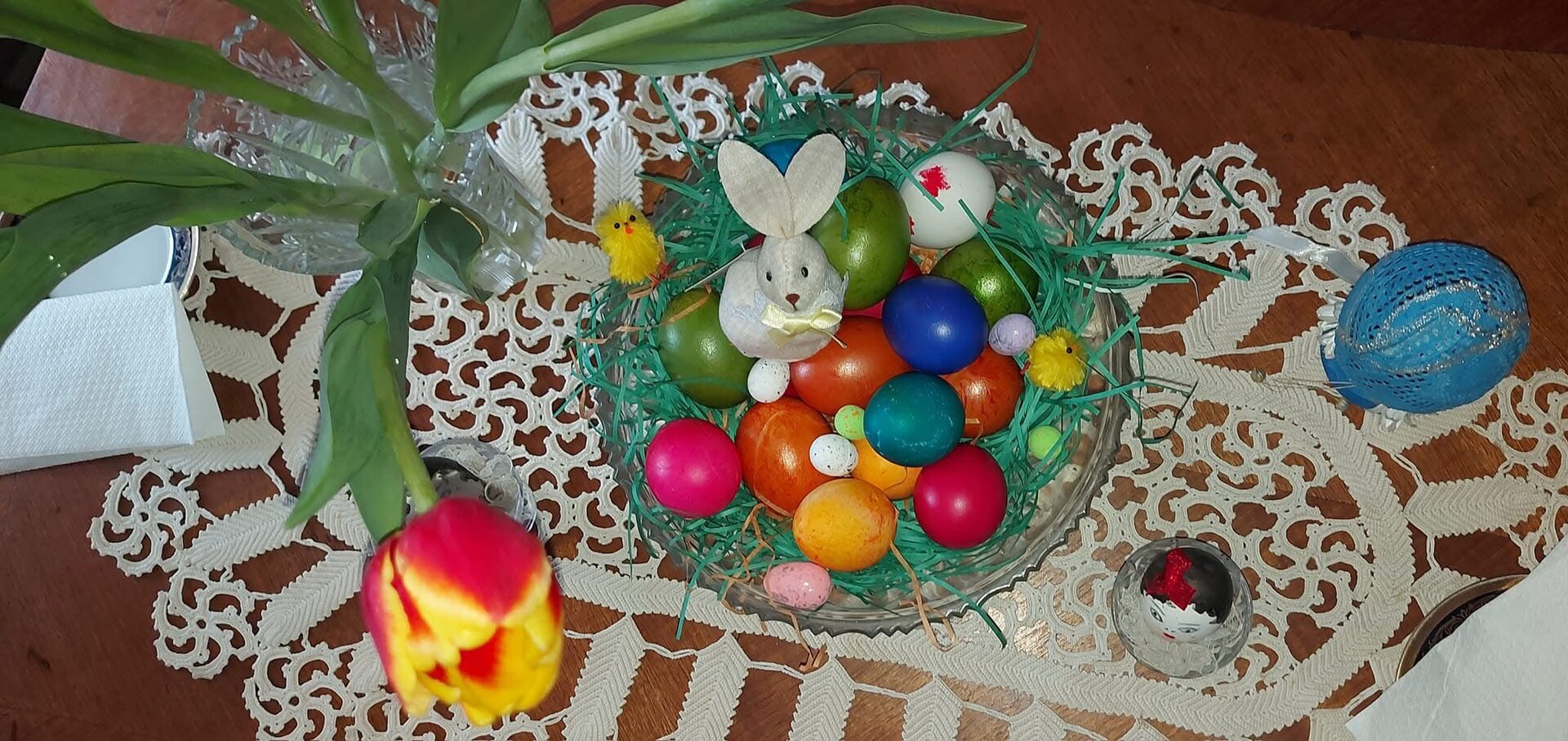
Decorated Easter Basket
A colorful Easter egg arrangement sits on a lace tablecloth in the Travel Tips section, with a bunny and small chicks
Wooden Shingle Roof
A close view of layered wooden shingles appears in the Travel Tips section of the Serbia Travel website
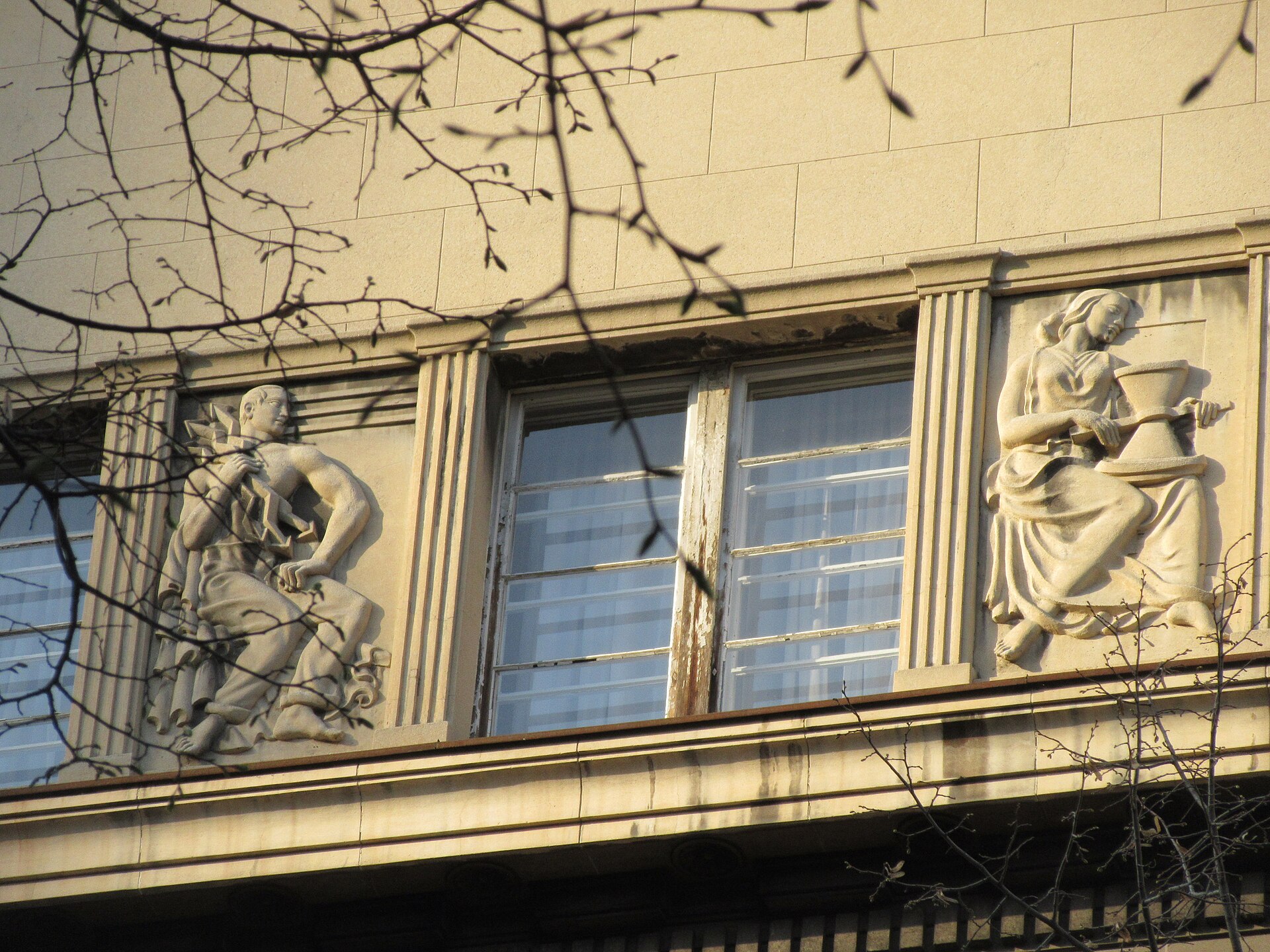
Sculpted building facade
Carved figures flank the windows on a sunlit facade in the Travel Tips section
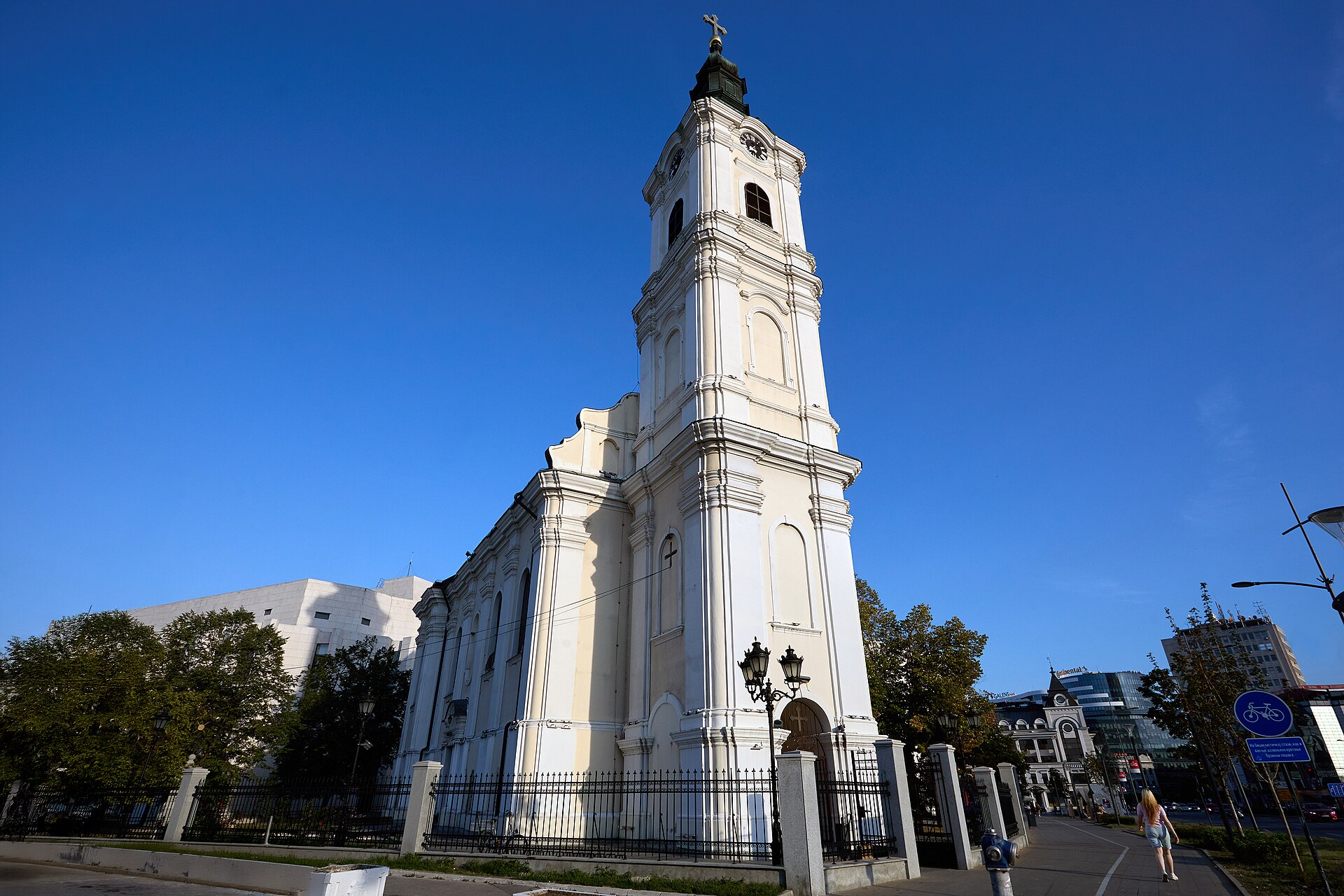
White Church Tower
A tall white church tower rises beside a fenced sidewalk in the Travel Tips area, under a clear blue sky
Serbian dinar (RSD) — about 117 RSD = 1 EUR
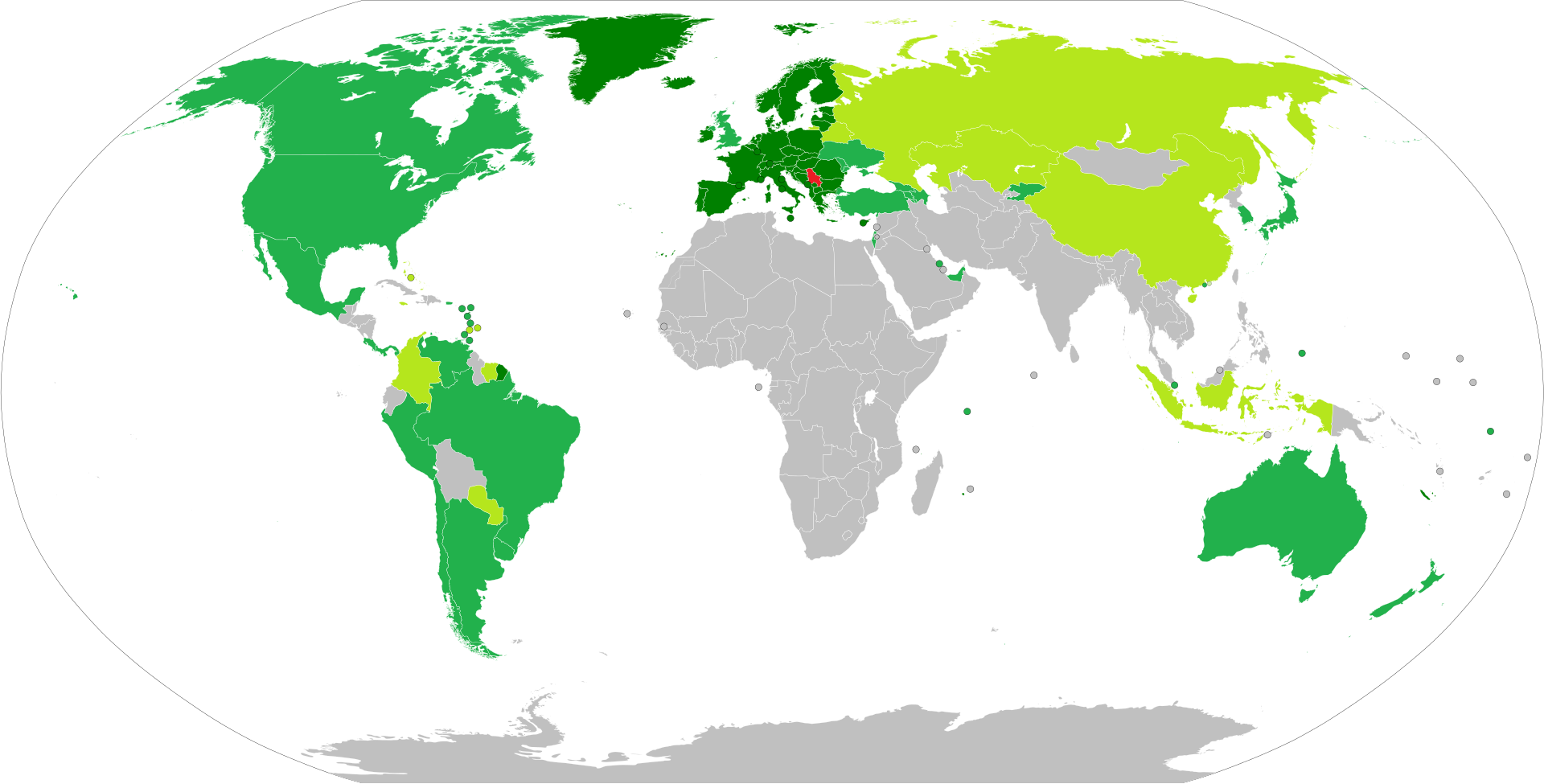
90 days in any 180 for EU/UK/US/AU/CA/JP
CET (UTC+1) / CEST (UTC+2)
Type C and F (European, 230V / 50Hz)
Drinkable in Belgrade and most cities
Round up or 10% in restaurants if happy
Right side; IDP recommended for non-EU licences
112 (general) · 192 (police) · 194 (ambulance)
May, June, September, early October
<p>Citizens of the EU, UK, US, Canada, Australia, Japan, and many other countries enter Serbia visa-free for up to 90 days within any 180-day period. Your passport must be valid for at least the duration of your stay. Check the official list at the Ministry of Foreign Affairs before travel.</p>
<p>Serbia uses the Serbian dinar (RSD). Euros are sometimes accepted at hotels and tourist-area shops, but at unfavourable rates. Bring a small amount of euros as backup, and exchange most of your cash at a local <em>menjačnica</em> (exchange office) — they typically offer better rates than airports or banks.</p>
<p>The Soko high-speed train runs between Belgrade Centre and Novi Sad in about 30–40 minutes, several times per day. Tickets cost roughly 700–1000 RSD and can be booked at the station or online. Buses run more frequently but take 60–90 minutes depending on traffic.</p>
<p>Yes — tap water in Belgrade, Novi Sad, and most cities is treated and safe to drink. In rural areas, bottled water is recommended. Restaurants serve tap water on request and most cafés will refill a bottle for free.</p>
<p>Tipping is appreciated but not obligatory. In restaurants, round up the bill or leave around 10% if service was good. For taxis, round up to the nearest 100 RSD. Hotel porters and housekeeping appreciate 100–200 RSD per service.</p>
<p>Cards (Visa, Mastercard, contactless) are accepted in most restaurants, hotels, supermarkets, and shops in cities. Smaller cafés, bakeries, taxis, and rural establishments often prefer cash. Always carry some dinar for small purchases and tips.</p>
<p>May–June and September–early October offer warm days, cool evenings, and few crowds. July–August is hot (35°C+ in Belgrade) but the festival season is at its peak (EXIT, Beer Fest). Winter is cold but cheap and atmospheric — Belgrade has a lively café culture year-round.</p>
Pick a region or open a curated multi-day itinerary that strings together the country's best food, history, and landscapes.
Discover the destinations within this region.
Digital Nomad
Digital Nomad — travel guide
Your complete guide to Digital Nomad.
Belgrade Airport Internet
Belgrade Airport Internet — travel guide
Your complete guide to Belgrade Airport Internet.
eSIM for EXIT Festival
eSIM for EXIT Festival — travel guide
Your complete guide to eSIM for EXIT Festival.
eSIM for Expo 2027 Belgrade
eSIM for Expo 2027 Belgrade — travel guide
Your complete guide to eSIM for Expo 2027 Belgrade.
eSIM for Serbia
eSIM for Serbia — travel guide
Your complete guide to eSIM for Serbia.
Internet in Serbia for Tourists
Internet in Serbia for Tourists — travel guide
Your complete guide to Internet in Serbia for Tourists.
Serbia Visa & Entry
Serbia Visa & Entry — travel guide
Who needs a visa, who travels visa-free, 90/180-day rule, passport validity, and the police-registration rule.
Money & Currency in Serbia
Money & Currency in Serbia — travel guide
Serbian dinar (RSD), ATMs, cards, where to exchange, tipping norms, and common money traps to avoid.
SIM Cards in Serbia
SIM Cards in Serbia — travel guide
The three Serbian operators, current tourist data plans, where to buy a SIM, and when an eSIM is the better choice.
Driving in Serbia
Driving in Serbia — travel guide
Speed limits, tolls, drink-drive limits, parking in Belgrade, and what to know before renting a car or driving across the border.
Best Time to Visit Serbia
Best Time to Visit Serbia — travel guide
Month-by-month weather, seasonal pricing, and Serbia's biggest festivals — EXIT, Guča, BELDOCS — so you can pick the right window.
Serbia Travel Costs
Serbia Travel Costs — travel guide
Daily budgets and realistic 2026 prices for hotels, restaurants, public transport, taxis, museums, and day-trip activities.
Getting Around Serbia
Getting Around Serbia — travel guide
Buses, trains, ride-hailing, and rental cars — how Serbia's transport options compare and what to book in advance.
Is Serbia Safe to Visit
Is Serbia Safe to Visit — travel guide
Practical safety guide: city safety, transport risks, health, emergency numbers, and official advisory sources for Serbia.
Guided routes, walking tours, and experiences that help you make the most of a visit to Serbia Travel Tips.
What Serbia Is Good For: City Breaks, Food, Wine
What Serbia Is Good For: City Breaks, Food, Wine in Serbia Travel Tips.
Serbia is a strong match for travelers who prefer a mixed itinerary over a single-theme holiday. The country is compact enough for practical overland travel, but varied enough to combine a capital ...
How Long to Spend in Serbia: How Many Days for a First Trip
How Long to Spend in Serbia: How Many Days for a First Trip in Serbia Travel Tips.
Short answer: most first trips to Serbia work best at 5 to 7 days. That is long enough for the capital plus one more region, while still leaving room for slow meals, station time and one scenic day...
What Serbia Is Good For: City Breaks, Food, Wine
What Serbia Is Good For: City Breaks, Food, Wine in Serbia Travel Tips.
Serbia is a strong match for travelers who prefer a mixed itinerary over a single-theme holiday. The country is compact enough for practical overland travel, but varied enough to combine a capital ...
Other pages and guides connected to Serbia Travel Tips.
Serbia Visa & Entry Requirements
Serbia Visa & Entry Requirements.
Serbia maintains one of the most open visa regimes in Europe. Holders of passports from EU and Schengen states, the United Kingdom, United States, Canada, Australia, New Zealand, Japan, South Korea...
Best Time to Visit Serbia
Best Time to Visit Serbia.
Serbia has a continental climate with four distinct seasons. Summers are warm to hot (often 30-35 °C in Belgrade and Vojvodina), winters are cold (often below 0 °C, with snow), and spring and aut...
Getting Around Serbia
Getting Around Serbia.
Serbia has good intercity transport between the major cities and the main destinations, mediocre rail links outside the new Belgrade-Novi Sad high-speed line, and reliable taxi and ride-hailing in ...
Money in Serbia
Money in Serbia.
Serbia is not in the eurozone. The local currency is the Serbian dinar (RSD), and almost all shops, restaurants, taxis, and bus tickets must be paid in dinars by law. You can comfortably travel in ...
Driving in Serbia
Driving in Serbia.
Serbia is comfortable to drive in for most visitors. The country drives on the right, signs follow European conventions, and the highway network — particularly the A1 from Belgrade to Niš and th...
Serbia Travel Costs
Serbia Travel Costs.
Compared to Western Europe, Serbia is consistently 40-60 percent cheaper for food, transport, museums, and mid-range accommodation. A bowl of pasulj (Serbian bean stew) at a kafana costs 5-7 EUR. A...
eSIM Serbia
eSIM Serbia.
Serbia has full nationwide coverage on three carriers (Yettel, MTS, A1). Roaming with a European phone plan now caps out at fair-use limits and may downshift after a few days — a dedicated travel...
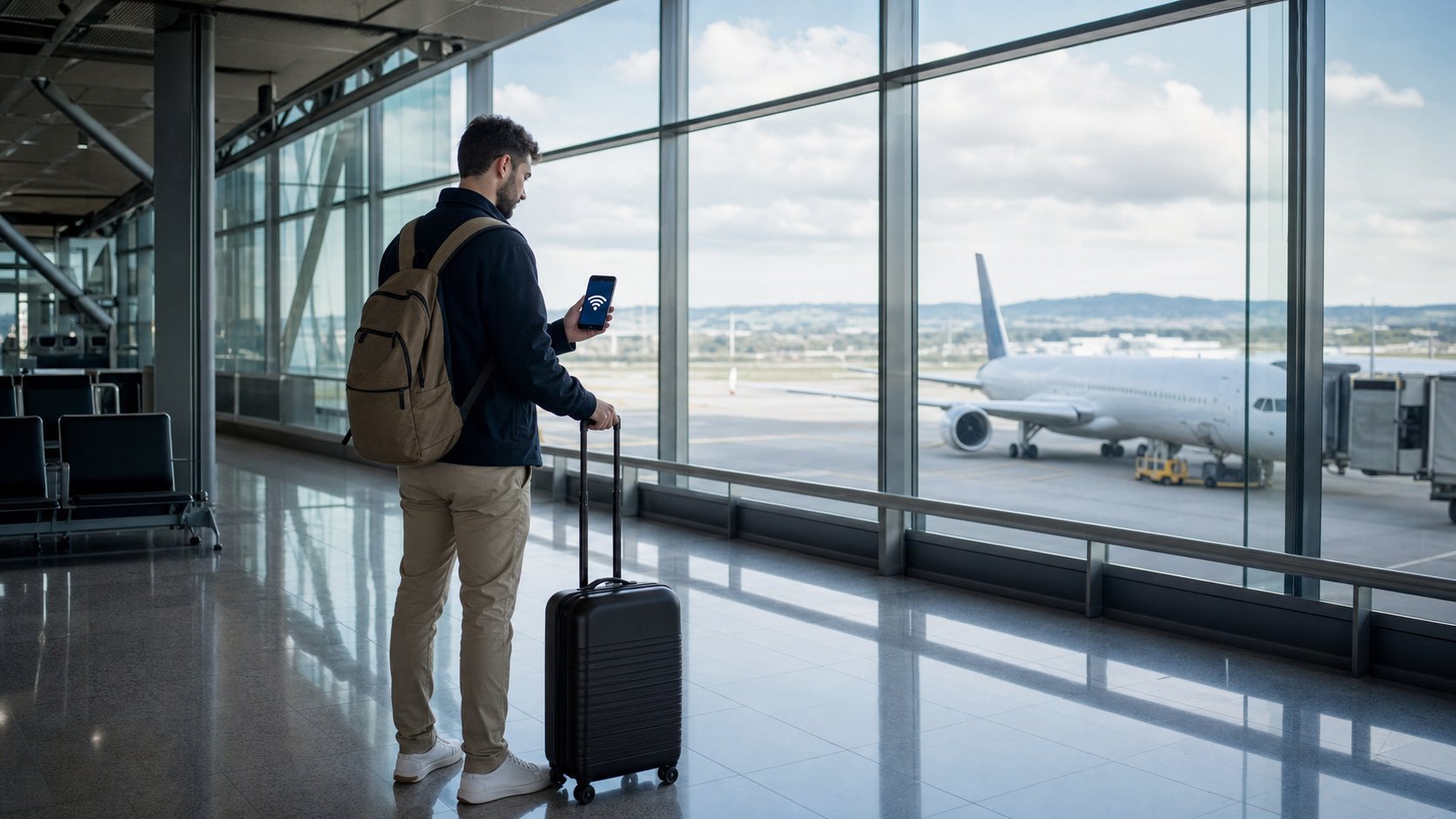
Belgrade Airport Internet
Belgrade Airport Internet.
Your complete guide to Belgrade Airport Internet.
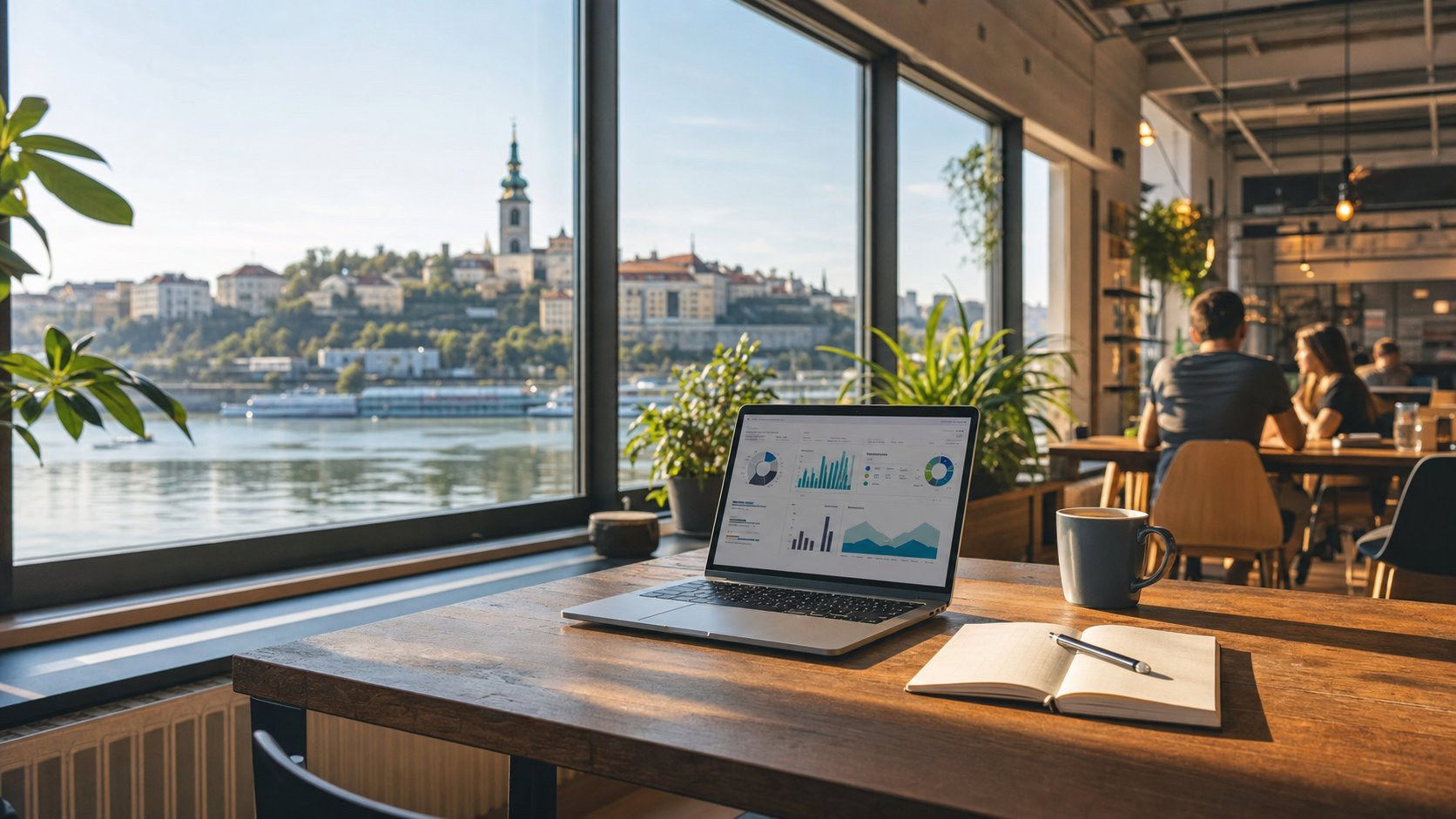
Digital Nomad Guide to Serbia
Digital Nomad Guide to Serbia.
Your complete guide to Digital Nomad Guide to Serbia.
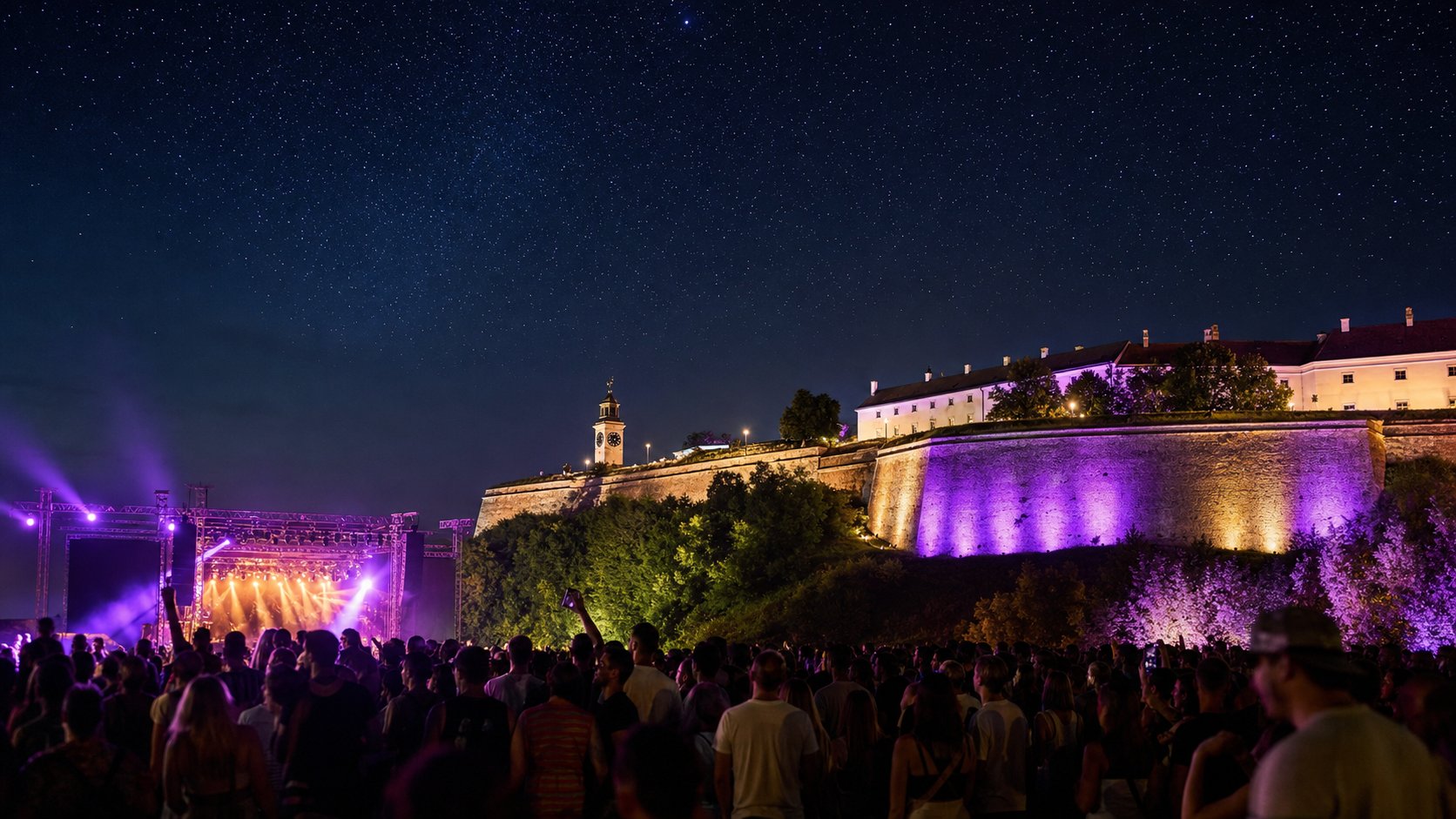
eSIM for EXIT Festival
eSIM for EXIT Festival.
DatesEarly July, four main festival nightsLocationPetrovaradin Fortress, Novi SadPrimary use of dataFriend-finding, maps, ride home, photo and video uploadTypical price band€ to €€ for 5-10 G...
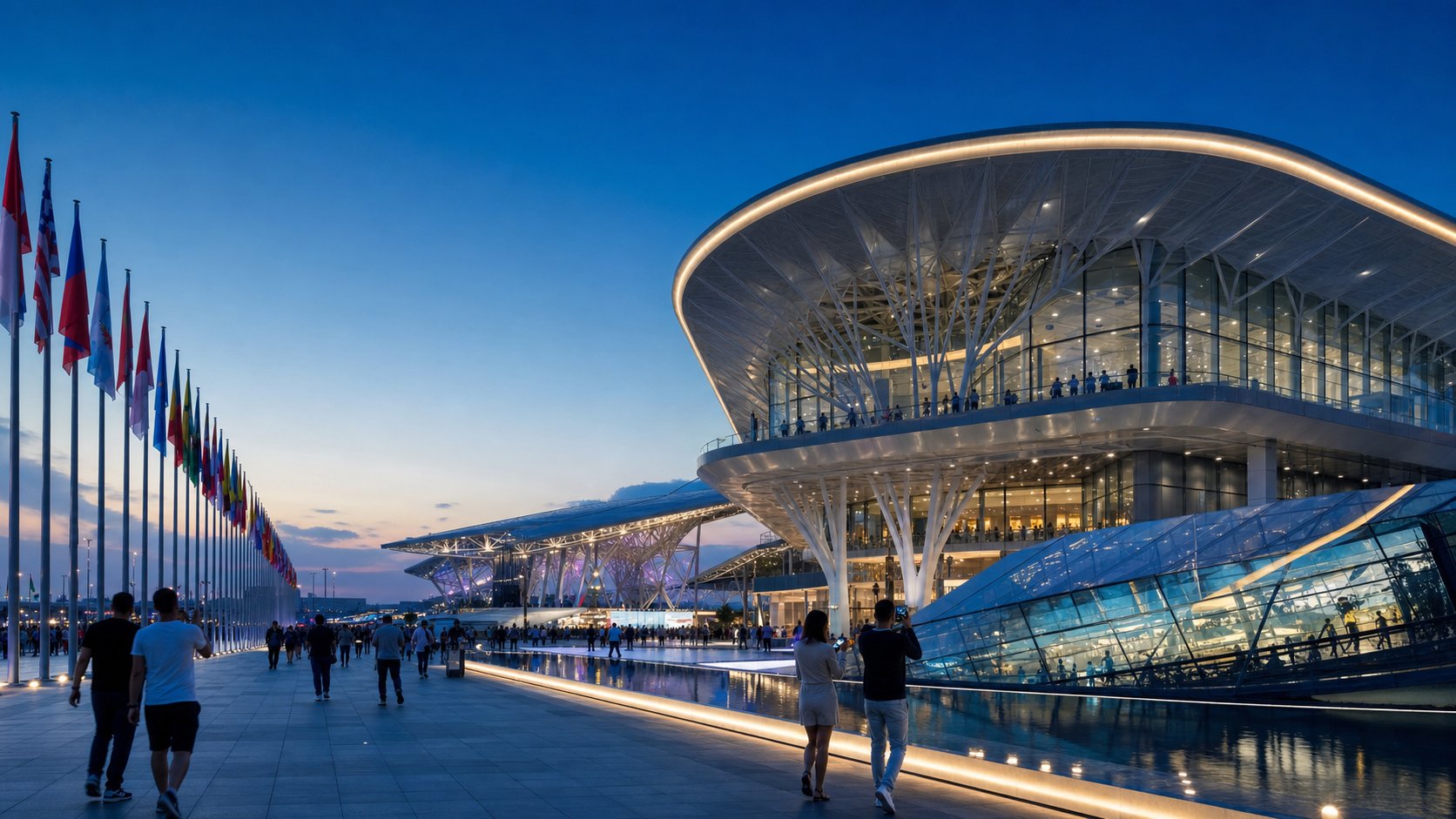
eSIM for Expo 2027 Belgrade
eSIM for Expo 2027 Belgrade.
Specialised Expo 2027 Belgrade is a three-month international exhibition at Surčin, close to the airport, with the theme Play for Humanity — Sport and Music for All. If you are flying in for a d...
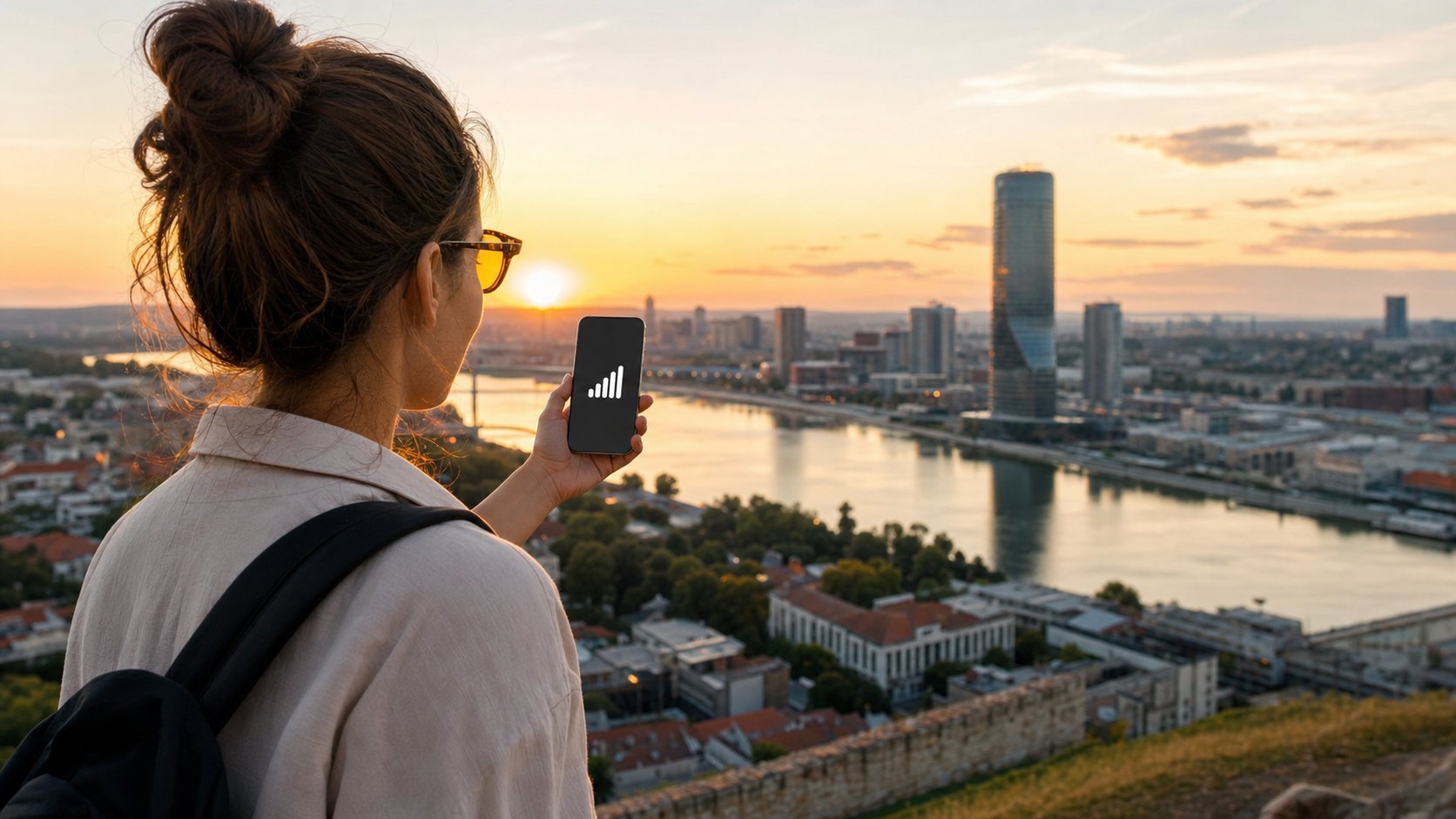
eSIM for Serbia
eSIM for Serbia.
If your phone supports eSIM, buy the plan before your flight, install it over Wi-Fi, and turn it on after landing in Belgrade, Novi Sad, or Niš. The best choice depends on your trip length: small ...
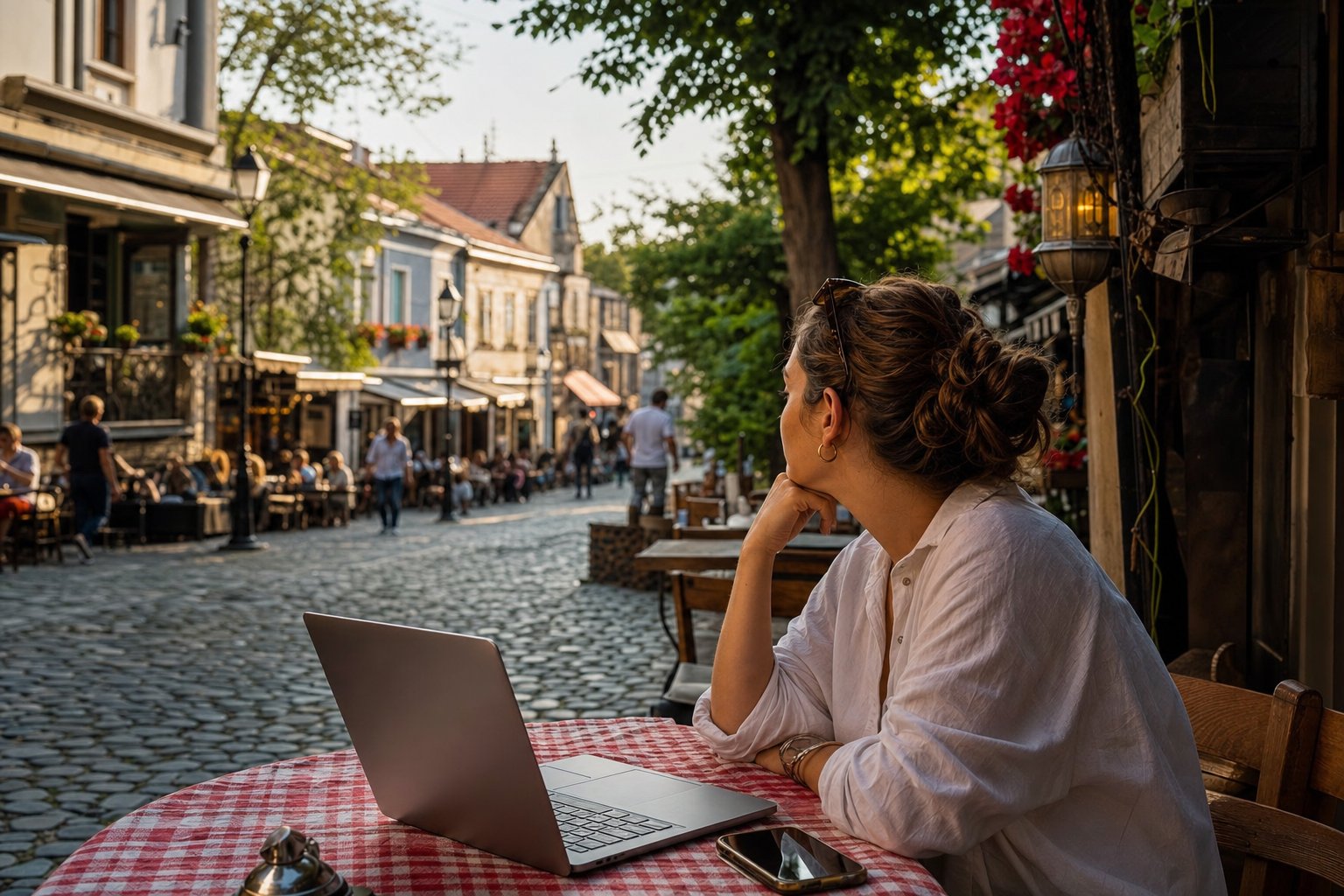
Internet in Serbia for Tourists
Internet in Serbia for Tourists.
For most visitors, Serbia is straightforward: 4G is broadly available, 5G is live in the main cities, and prepaid data is affordable. The best choice depends on how much you move around. If you lan...
Is Serbia Safe to Visit? Practical Safety Guide
Is Serbia Safe to Visit? Practical Safety Guide.
Serbia is considered a safe travel destination for most visitors. Violent crime targeting tourists is uncommon. The risks that do exist — pickpocketing in crowded Belgrade markets and bus station...
SIM Cards in Serbia
SIM Cards in Serbia.
Serbia has three mobile network operators: MTS (state-owned, best rural coverage), Yettel (formerly Telenor, urban focus), and A1 (formerly Vip mobile). All three have strong 4G LTE coverage and gr...
Stay connected in Serbia