Easy mountain base
Zlatibor works well for short breaks because you can combine nature, food, and attractions without a complicated itinerary.

Zlatibor is a mountain region in western Serbia, a year-round resort of rolling pine-covered highlands. Visitors come for the central lake and promenade, the Gold Gondola cable car, the Sirogojno open-air village museum, and nearby Stopića Cave. The plateau is known for clean mountain air, traditional smoked meats, and winter and summer activities.
Zlatibor is a highland resort area in western Serbia, centred on the town and plateau of the same name. The surrounding mountain range, the Zlatibor mountain range, rises through golden hills, conifer forests, and clear highland lakes — features that have made this the most visited domestic destination in Serbia. The main town has grown from a small village into a resort with around 15,000 beds, a figure that continues to rise.
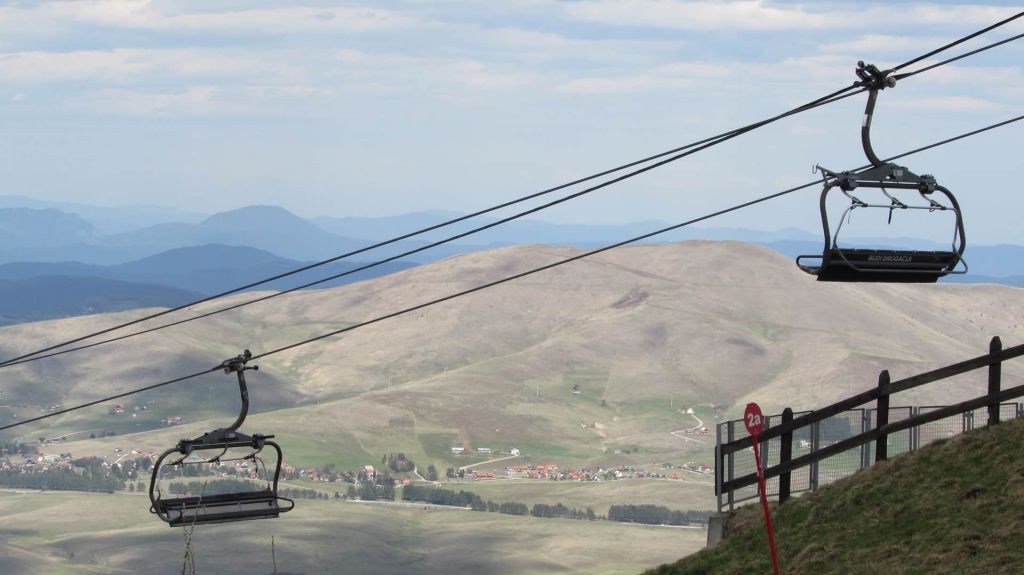
The landscape includes gentle walking terrain in summer, ski slopes at Tornik in winter, the open-air museum Sirogojno at 24 km distance, the Stopića cave system 20 km to the west, and the narrow-gauge railway at Šarganska osmica in neighbouring Mokra Gora. Drvengrad (Küstendorf), the traditional-style village built by film director Emir Kusturica 50 km from Zlatibor, hosts an annual international film festival in January and is reachable by the Šarganska osmica train.
Last checked: 2026-05-27. For corrections, contact us.
The Zlatibor plateau sits at approximately 1,000 metres elevation, giving the area its characteristic mild summer climate and the highest tree-per-capita rate in Europe — around 1,000 trees per person on average, according to local figures. The air quality and the altitude make it a traditional health resort destination, a role it has held since King Aleksandar Obrenović encouraged its development as a holiday area around the turn of the 20th century.
Development accelerated in the 1970s with the construction of hotels and sanatoria throughout the forested areas. The centre of the town today is a compact resort core with shops, restaurants, a live-music stage at Kraljev trg, and an artificial lake. The surroundings are considerably quieter, and most of the better walking and cycling is done away from the centre.
Drawing on Matthias Pasler's Serbia Travel Pocketbook: the Kraljeva česma — the King's Spring — at the edge of town was established by King Aleksandar in 1893, prompting the renaming of the village from Kulaševac to Kraljeva Voda ('King's Water'). After World War II it became Partizanska Voda, a name that persisted into the 1990s.
The Sirogojno open-air museum (Muzej Staro selo), 24 km from Zlatibor, is one of the more carefully constructed rural museums in Serbia. Old timber houses from across the Zlatibor mountain region were dismantled and reassembled here from 1980 onwards; the collection now includes more than 50 buildings with approximately 1,500 objects documenting 19th-century highland life. Seven of the houses are fitted to modern standards and available as accommodation. The museum was nominated for the European Museum Prize in 2014. Guided tours in English require advance reservation.
The Stopića cave (Stopića pečina), around 20 km west of Zlatibor, is noted not primarily for rock formations but for its pools — the deepest reaches 7 metres — and a 10-metre underground waterfall. The cave is open to visitors on a seasonal basis.
The Šarganska osmica narrow-gauge railway departs from Mokra Gora–Vitasi station. The route, 15.4 km long with 22 tunnels, was first opened in 1925 and closed in the 1970s; it was restored as a heritage line and now operates primarily for leisure travel. The Drvengrad village of Emir Kusturica is 40 km from the Zlatibor station by taxi, and reachable from Mokra Gora by the heritage train.
The best restaurants in the Zlatibor centre are noted for using high-quality local ingredients rather than simply capitalising on the resort setting. Traditional Serbian dishes — grilled meats, hearty soups, cured produce — appear here in preparations that reflect the quality of the surrounding agricultural land. Lamb, dairy products, and vegetables from the highland farms are the basis for most menus.
In Drvengrad (Küstendorf, the village built by Emir Kusturica), three main eating options each take a different approach: the Konak guesthouse serves breakfast coffee and traditional fare; Lotika grills meat and vegetables sourced from Kusturica's own farm; and Visconti combines Serbian and Italian influences with a wine selection. The Ćorkan café — named after a character from Ivo Andrić's fiction — handles desserts, and the Kapor-Bar opens according to demand and crowd size.
This route balances town time with the region’s most rewarding short excursions.
Best if you want restaurants, shops, and the easiest walking access. Choose this area for a short stay or if you’re traveling without a car.
Best for quieter mornings, better views, and a more chalet-like feeling. You’ll usually need a car or taxi for central dining.
Use this map to understand the town layout and plan nearby day trips.
Zlatibor works well for short breaks because you can combine nature, food, and attractions without a complicated itinerary.
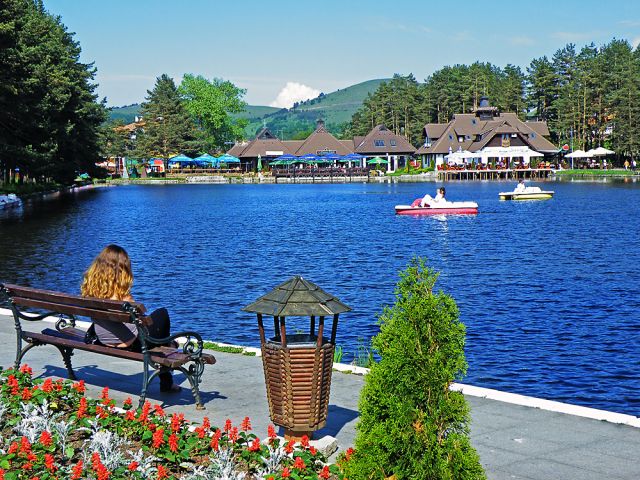
Cable cars, parks, lake walks, and indoor options make it a good pick in both summer and winter.
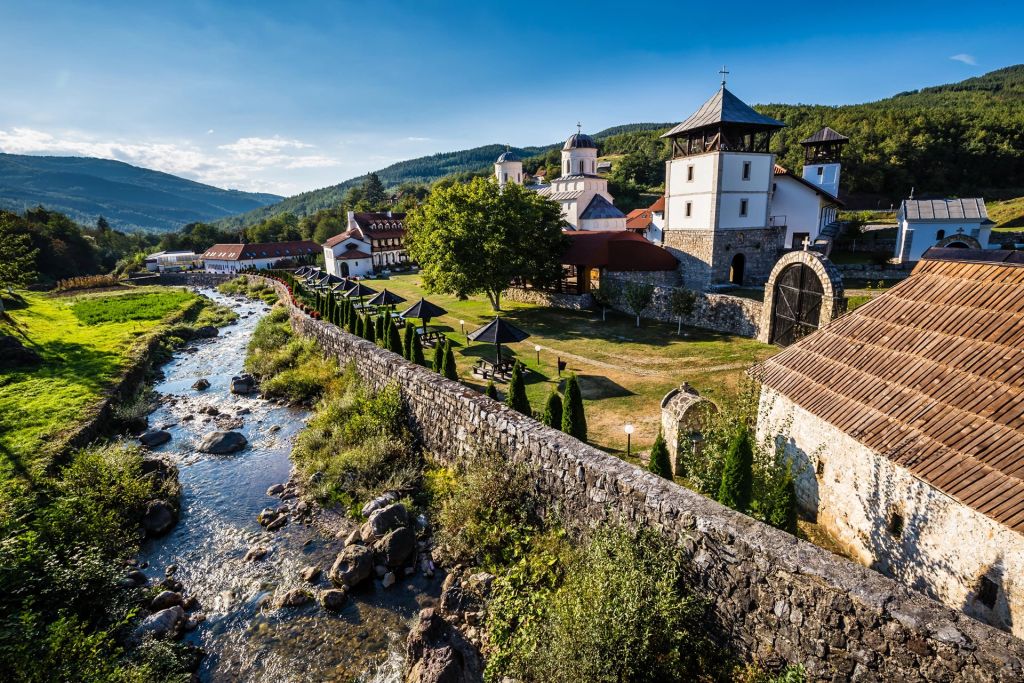
Nearby caves, waterfalls, open-air museums, and viewpoints are close enough for half-day or full-day outings.
Day-trip destinations and local highlights across the Zlatibor plateau and the surrounding western Serbian highland, including Mokra Gora and Sirogojno.
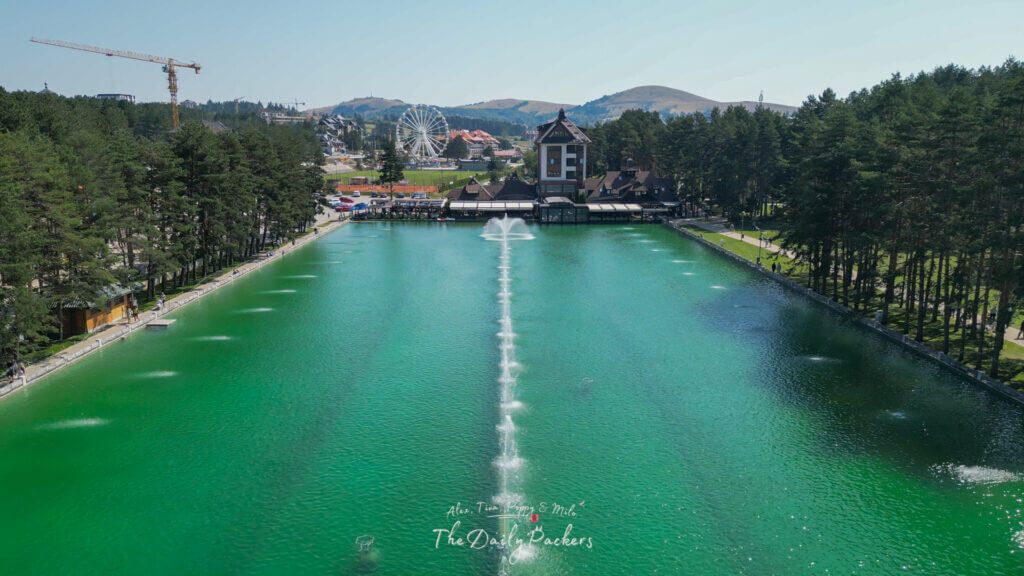
Zlatibor Center
Best for first-time visitors, restaurants, apartments, and easy access to the lake area.
Use the center as your practical base if you want walkable evenings and simple logistics.
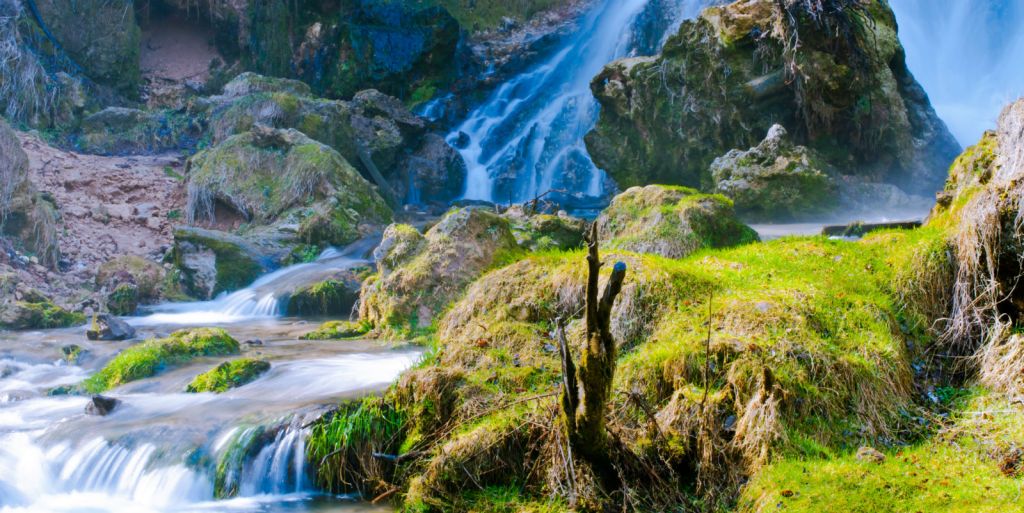
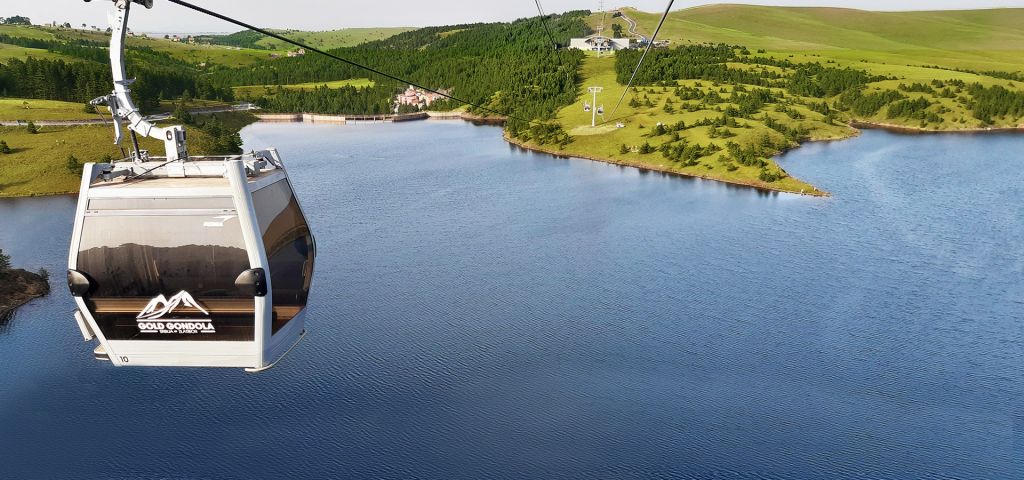
Gold Gondola
The signature ride for panoramic views and a relaxed outing.
A top pick if you want the classic Zlatibor viewpoint experience with minimal effort.
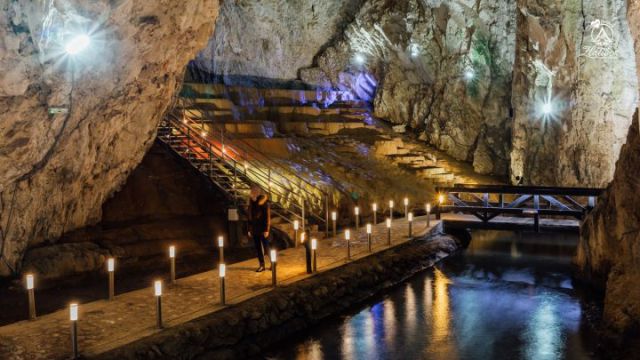
Stopića Cave
One of the most popular natural attractions near Zlatibor.
Pair it with nearby villages or a waterfall stop for a fuller half-day trip.
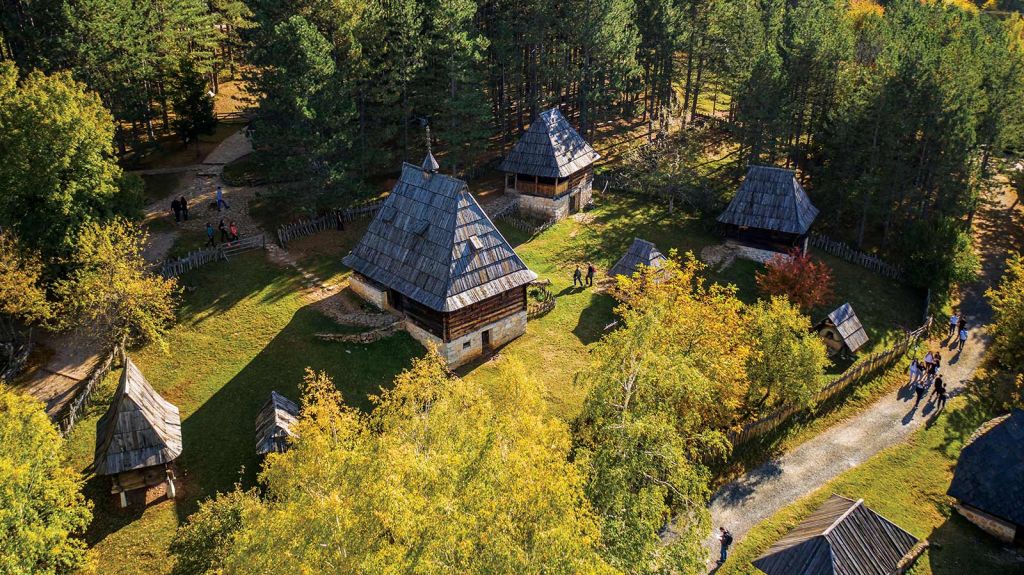
Sirogojno
A strong cultural stop for architecture, crafts, and heritage.
Best for travelers who want something more rooted in local history than the resort core.
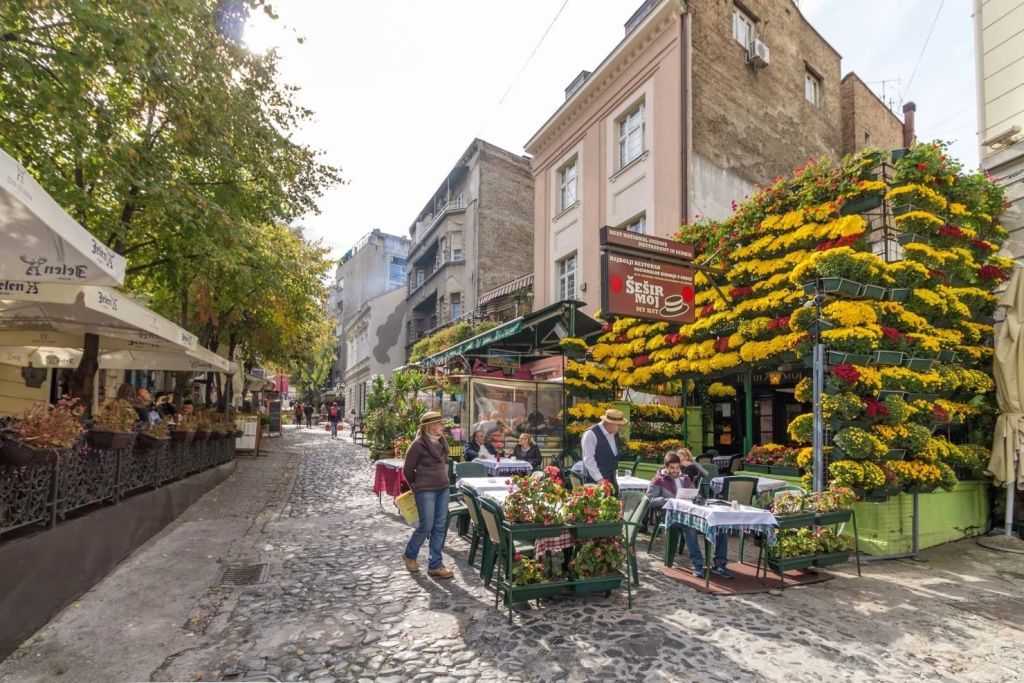
Belgrade City Guide | Best Things to Do, Where to Stay & Eat
Families, couples, easy nature breaks, and road-trip stops
May–October for hiking; December–February for snow and ski time
Zlatibor center (the plateau around Lake Zlatibor and Obudojevica)
Stopića Cave, Gostilje Waterfall, Sirogojno, Uvac Special Nature Reserve
2–4 days is enough for the essentials
Best by car, though the core town area is easy on foot
The Zlatibor railway station is not in the resort town itself but 20 minutes away by taxi (approximately 2,000 RSD). Trains connect to Belgrade (about 5 hours) and Užice (about 1 hour). The intercity bus terminal in the resort centre is the more practical arrival point, served by national operators. From Zlatibor to Mokra Gora (Drvengrad, Šarganska osmica) is 50 km; to Užice, 40 km.
Two days is enough for the town center and one major excursion. Three or four days lets you add caves, waterfalls, villages, and a slower pace.
Yes, if you stay in the center and use taxis or tours for day trips. A car still makes the region much easier to explore.
Late spring and early autumn are the most comfortable for walking and sightseeing. Winter is best if you want a snowy mountain break.
Very much so. The town is built for easy strolling, and many attractions are low-effort and suitable for children.
Start with a central base, add one big attraction, and leave room for a slow meal or two. That’s usually the best Zlatibor trip.
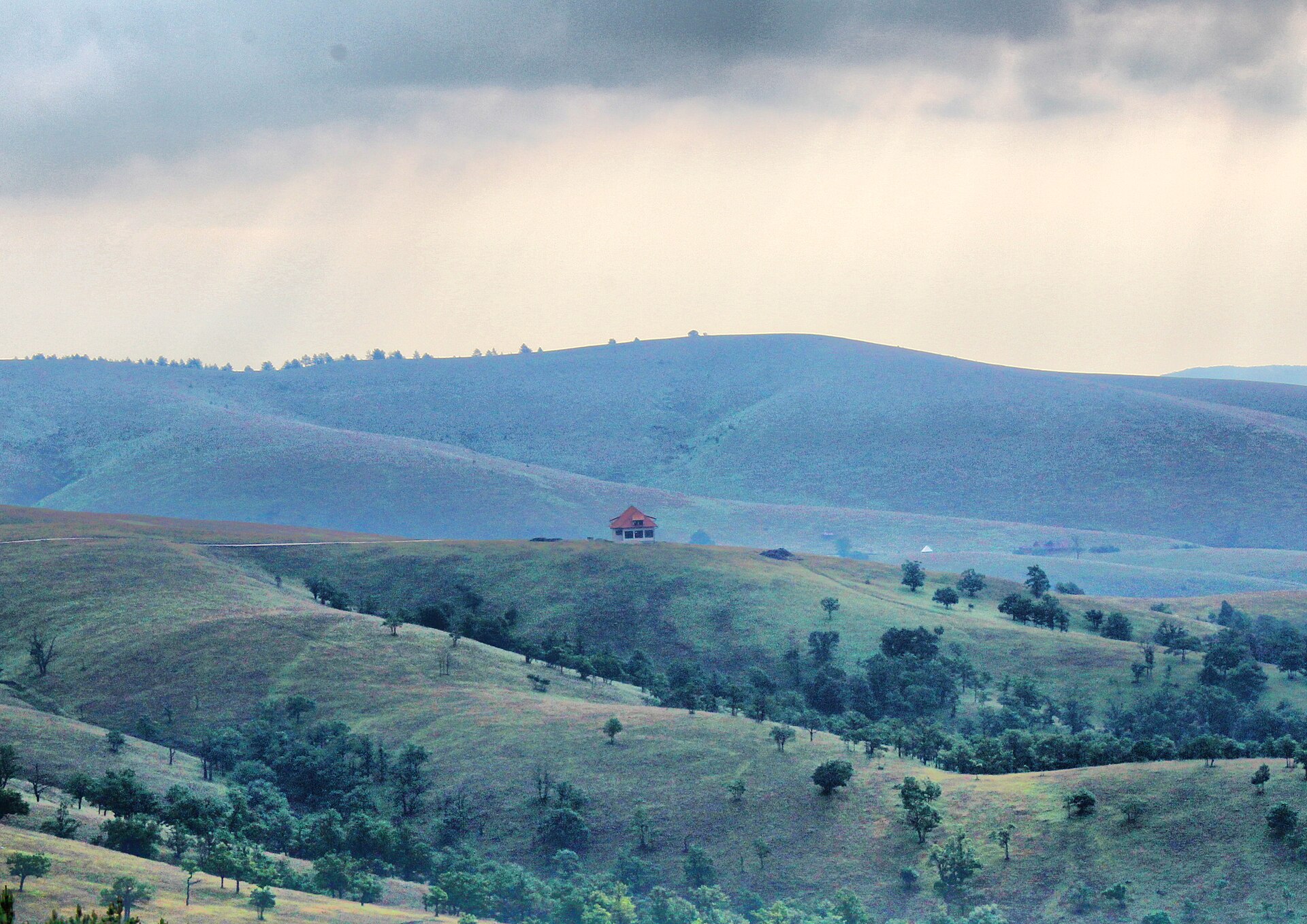
Rolling Zlatibor Hills
Rolling hills and scattered trees stretch across Zlatibor beneath a heavy, rain-filled sky
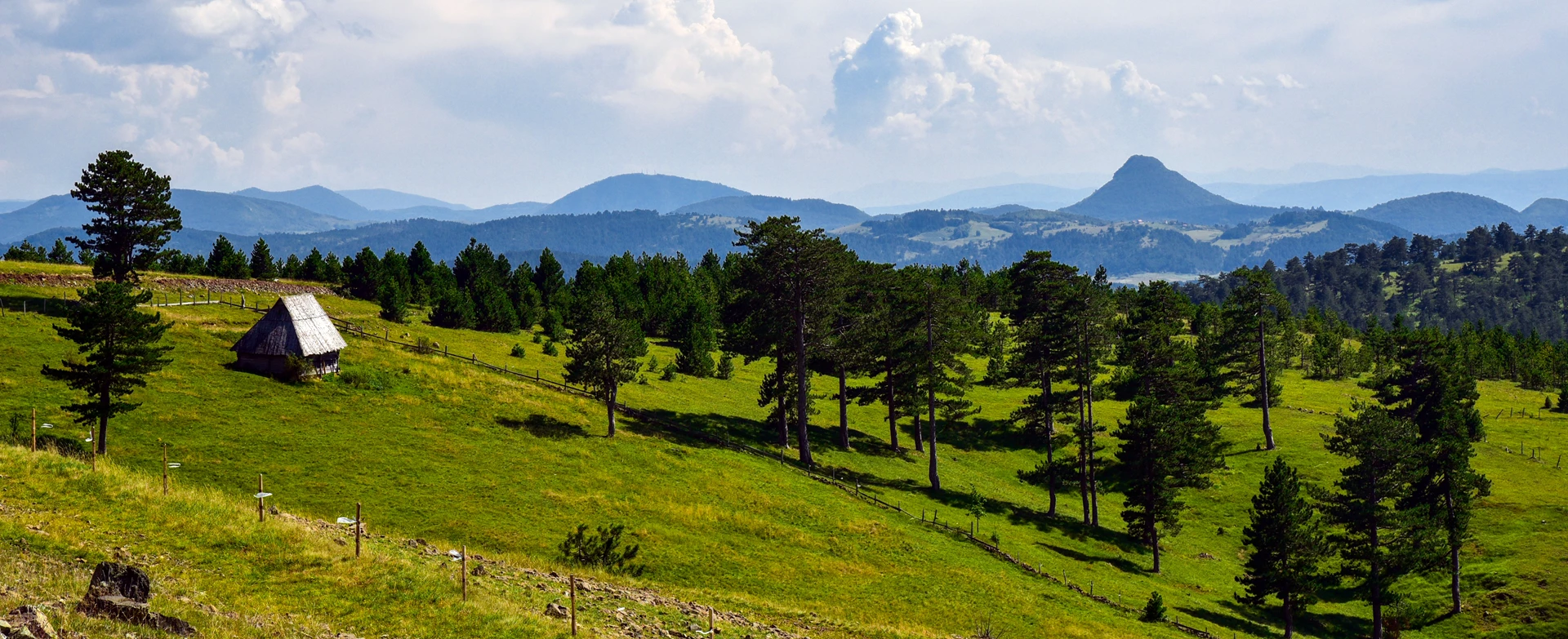
Zlatibor Hills and Pines
Rolling green hills with scattered pine trees and a small wooden hut stretch across Zlatibor under layered mountain ridges
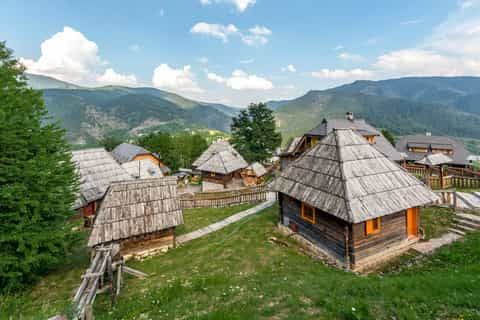
Wooden mountain cottages
Traditional wooden cottages sit on grassy slopes in Zlatibor, with mountains and a partly cloudy sky in the background
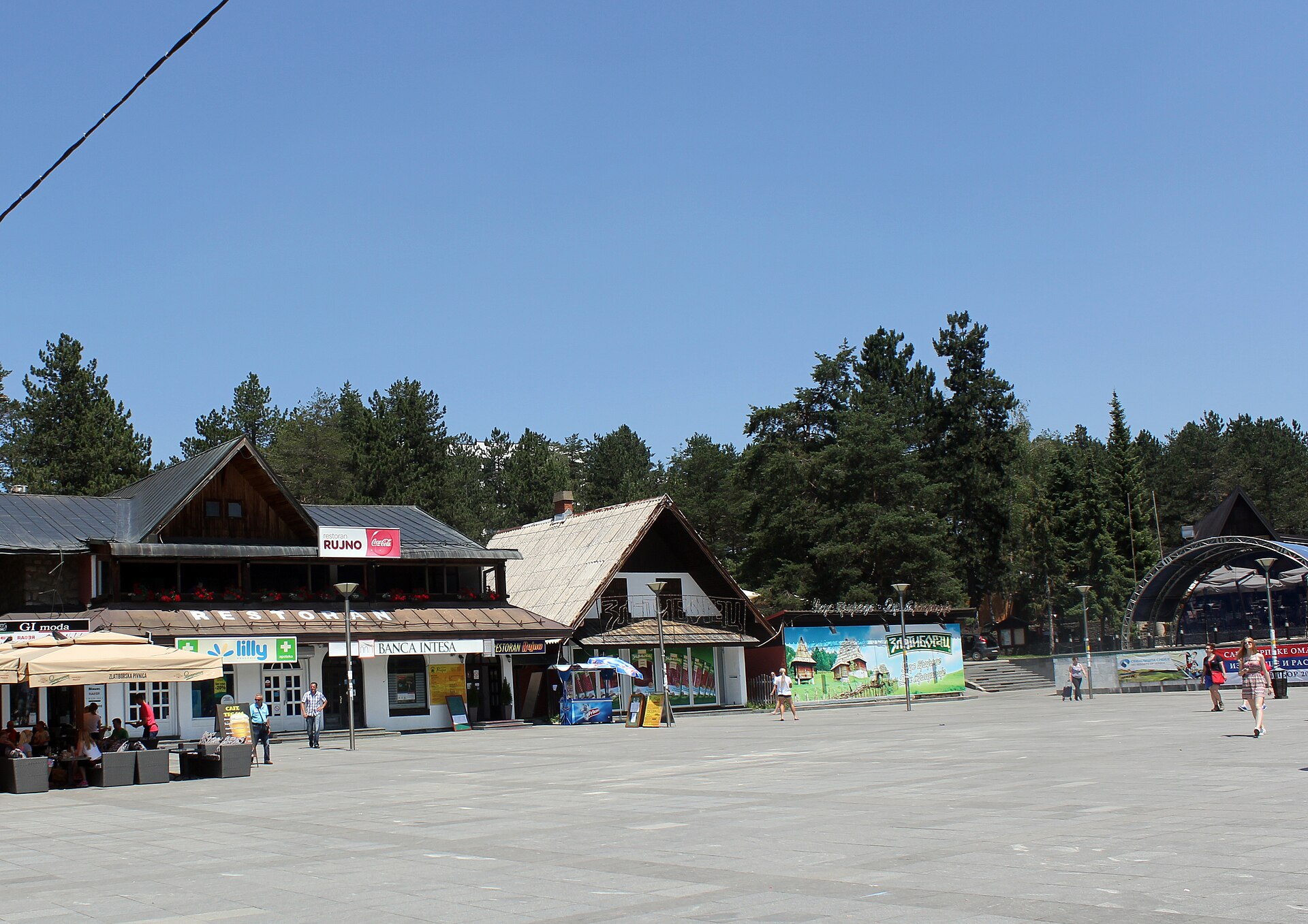
Zlatibor Town Square
A paved plaza with restaurants, shops, and pine trees in Zlatibor under a clear blue sky
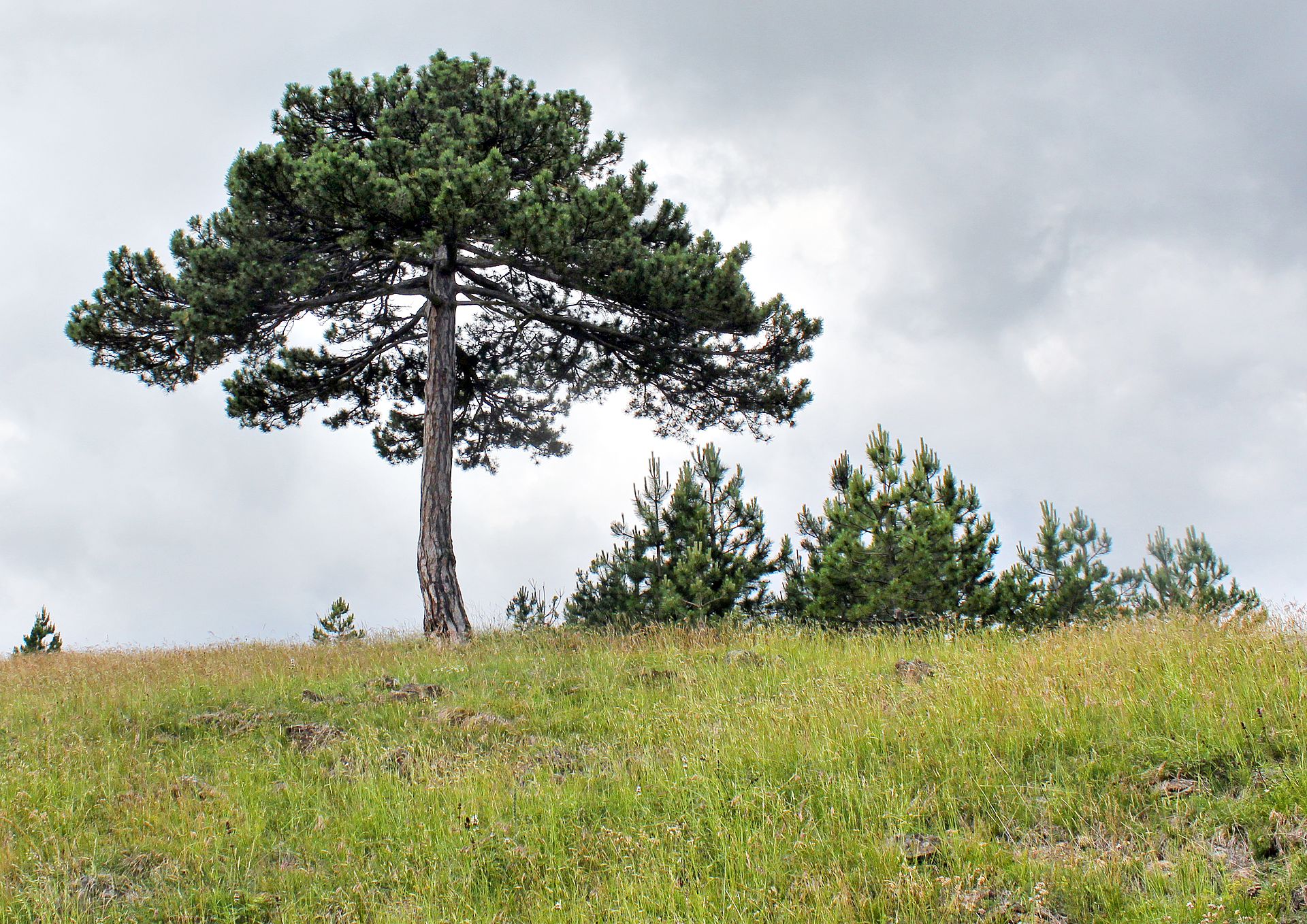
Solitary pine on hillside
A lone pine stands above a grassy slope in Zlatibor, with smaller pines scattered below under a cloudy sky
Guided routes, walking tours, and experiences that help you make the most of a visit to Zlatibor Travel Guide.
Zlatibor Gondola
Zlatibor Gondola in Zlatibor Travel Guide.
Base station and ticket office: Ulica Sportova bb, 31315 Zlatibor.Route: central Zlatibor to Tornik via Ribničko Lake, with a middle stop.Standard visit: return gondola ride; adult 2,000 RSD, chil...
Zlatibor Ski Resort
Zlatibor Ski Resort in Zlatibor Travel Guide.
Plan your visit to Zlatibor Ski Resort — what to see, how to get there, and what to combine it with.
Stay connected in Serbia