The heart of the city: Old Town
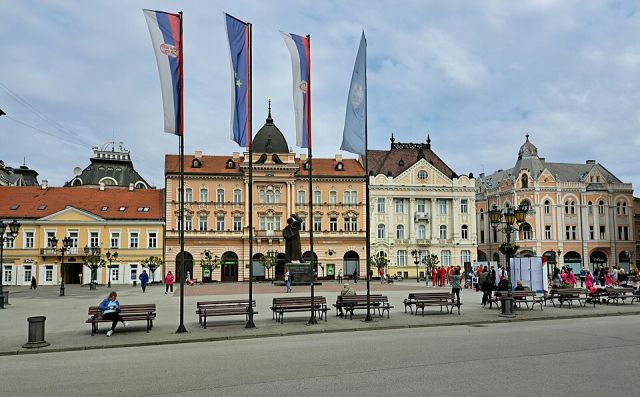
The central square, Trg Slobode, is where residents say city life begins and ends. Events — concerts, markets, celebrations — take place here throughout the year, and even without a scheduled occasion the square functions as a gathering point around the statue of lawyer and politician Svetozar Miletić (1826–1901), who campaigned for recognition of Serbian civic rights.
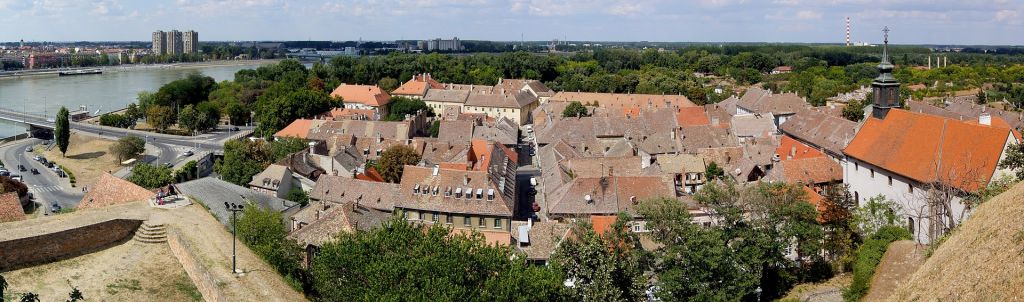
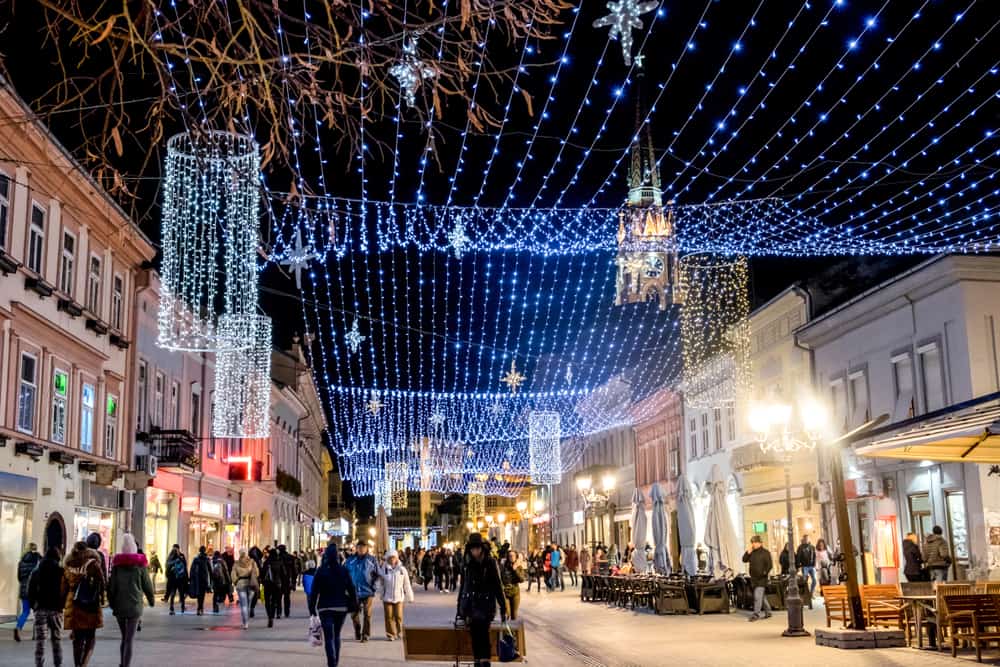
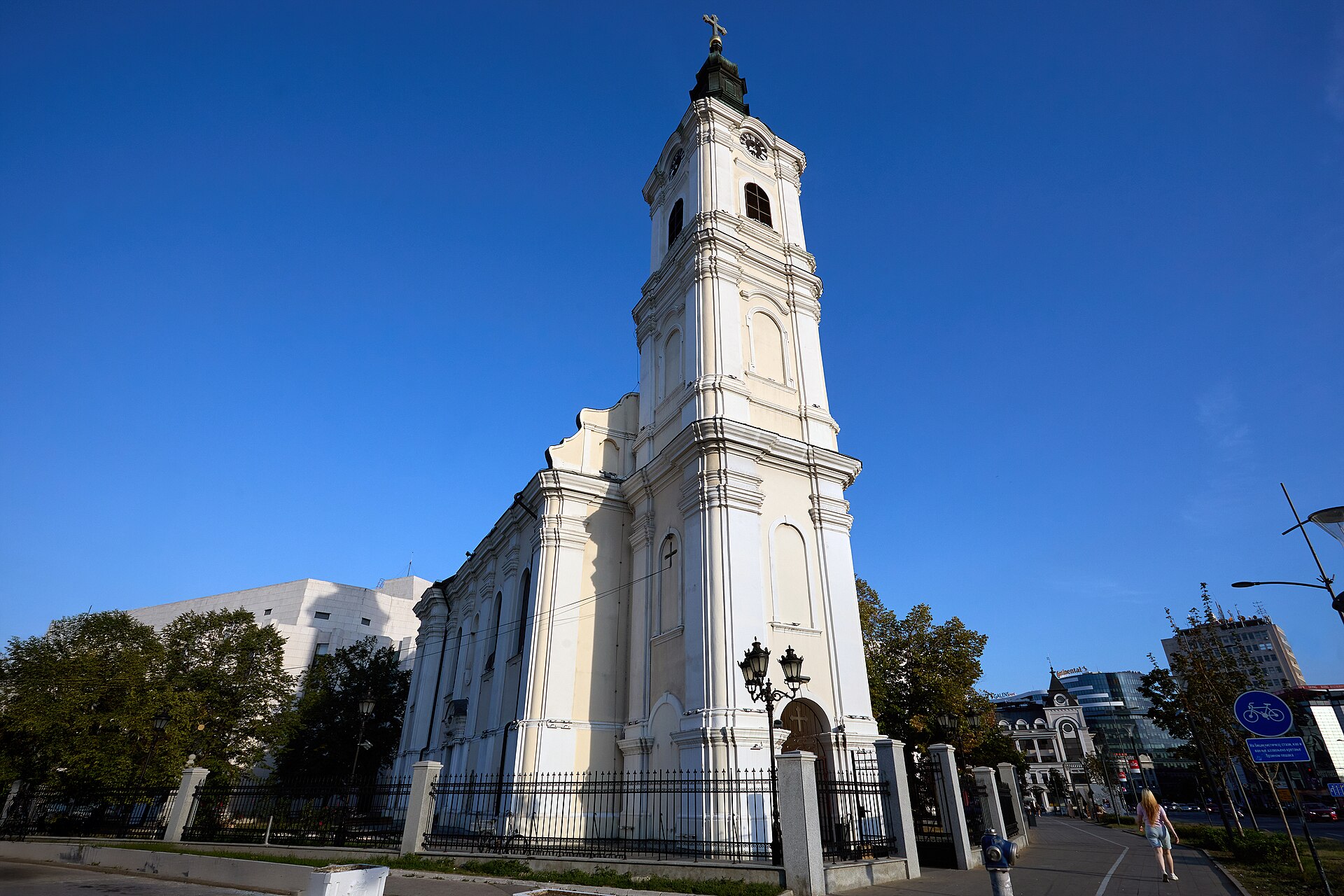
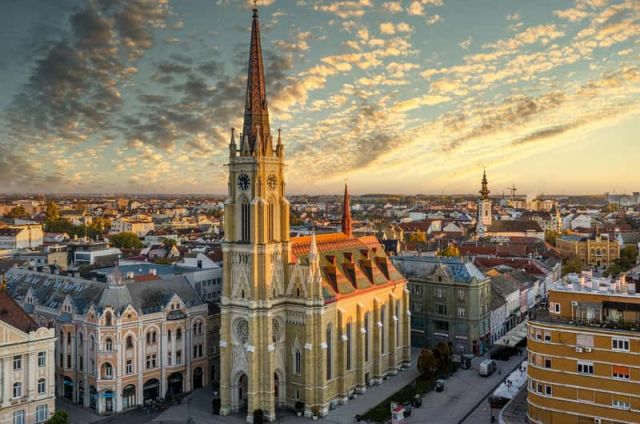
The Neorenaissancе Rathaus (City Hall), completed in 1895 after the model of the Graz city hall, faces the square. Alongside it stands the Church of the Name of Mary, whose 72-metre tower has been a landmark since the building's completion in 1894, replacing an earlier church destroyed during the Hungarian Revolution of 1848.
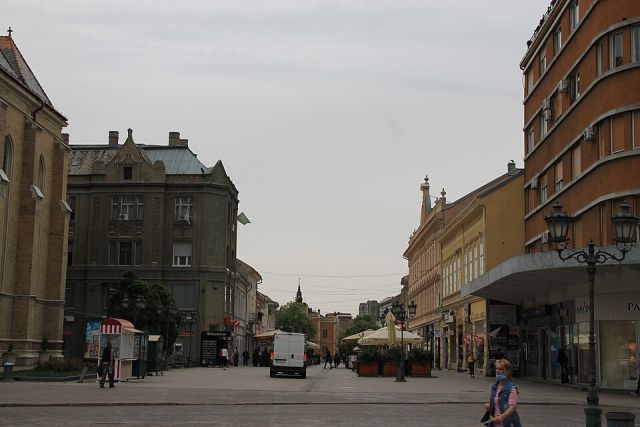
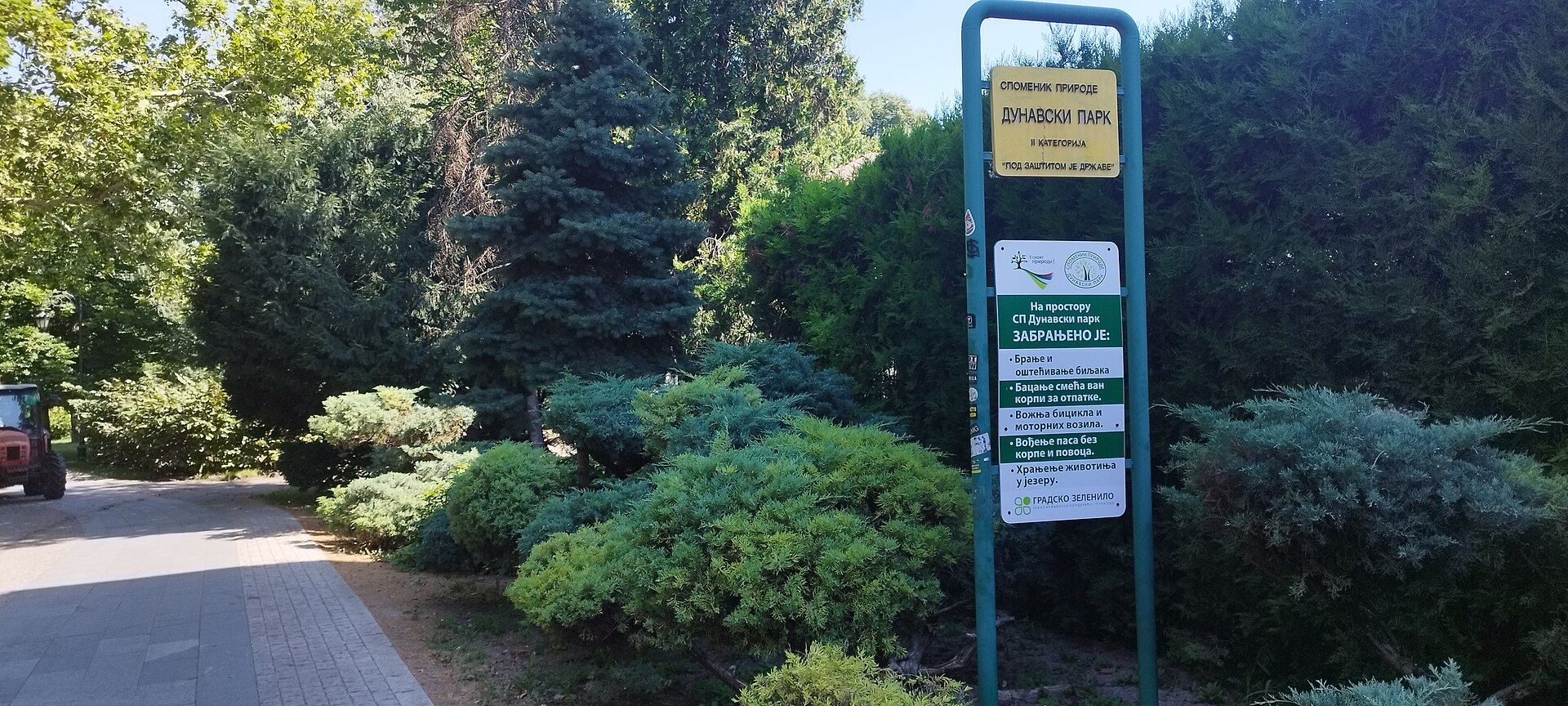
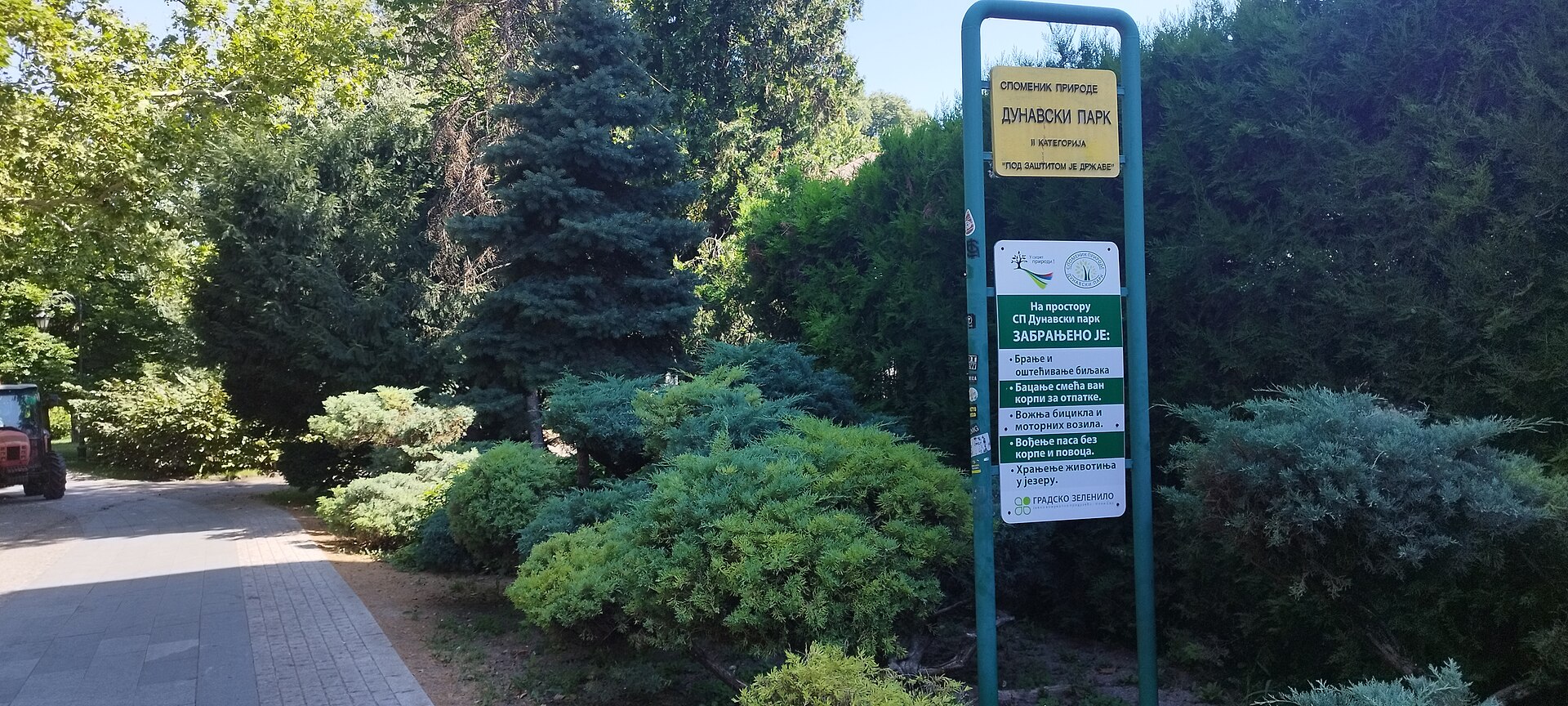
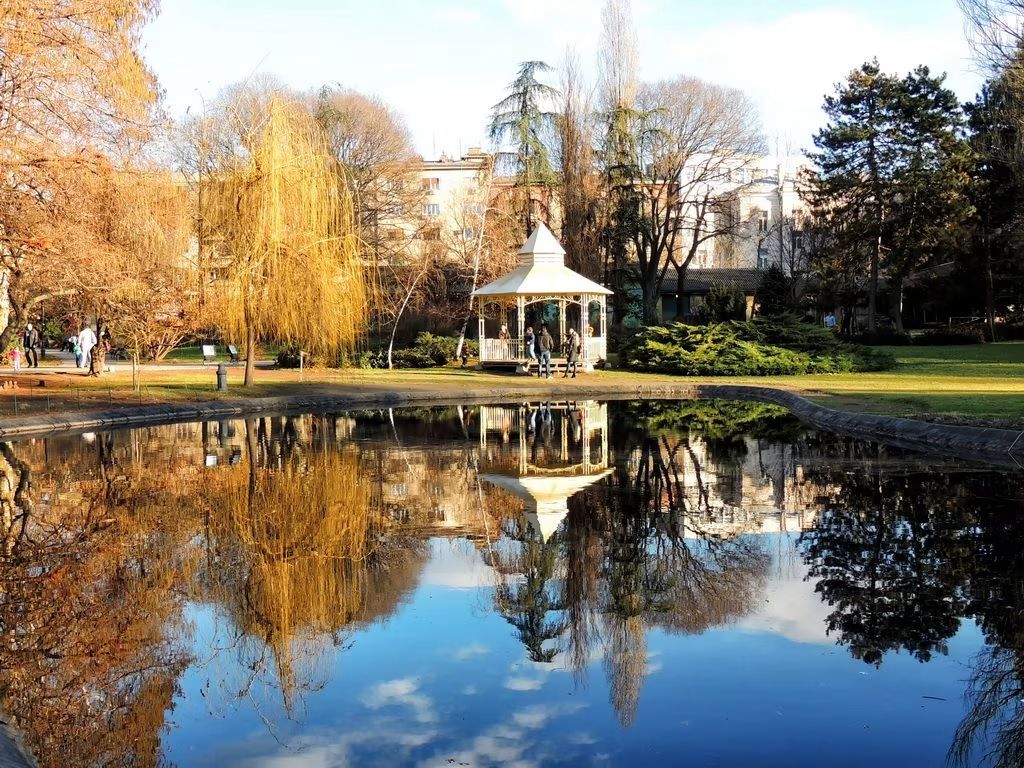
The pedestrian street Zmaj Jovina runs from the square toward the Danube. It was the city's historic market and remains its busiest walking street today, lined with restaurants, shops, and older buildings — among them the White Lion (Beli Lav), the city's oldest surviving structure, dating to 1720. At the top of Zmaj Jovina stands the Bishop's Palace (Vladičanski dvor), built after 1901 in a mix of Byzantine, Eastern, and medieval styles. The street continues as Dunavska, one of the city's oldest roads, ending at Donaupark — the Dunavski park — which was a wetland until 1895, when the area was filled in, leaving only the existing lake.
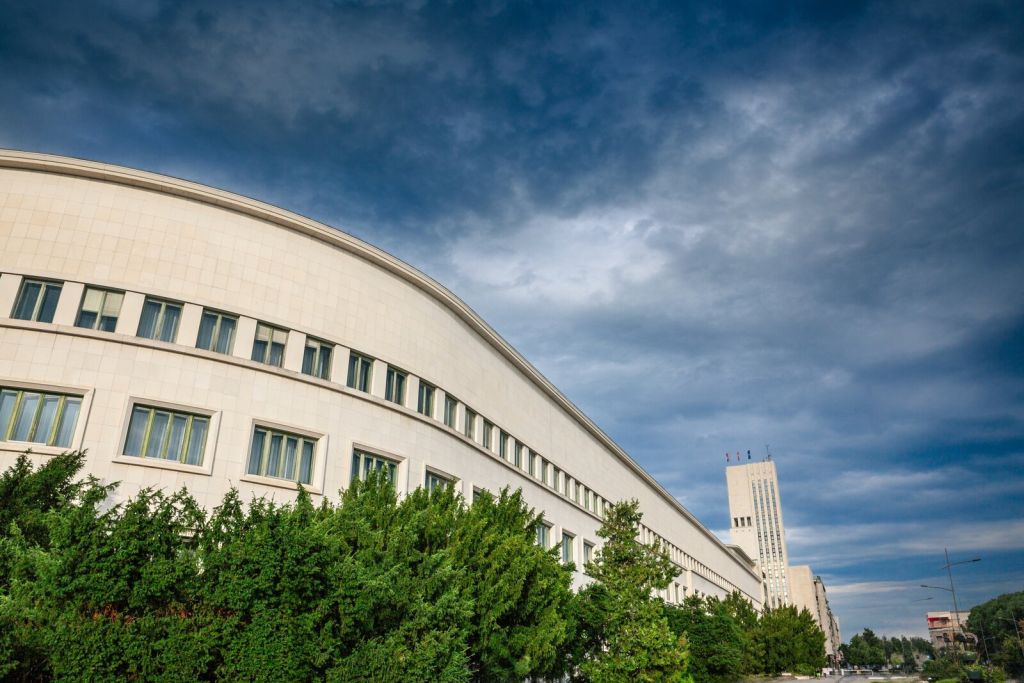
Southwest of Trg Slobode, the Synagogue (Sinagoga) is one of the largest in this part of Europe. Designed by Budapest architect Lipót Baumhorn and built between 1905 and 1909, the Secessionist building has also served as a concert venue in recent years. The Banovina (Bulevar Mihajla Pupina), built 1935–1939 by architect Dragiša Brašovan with a design inspired by Bauhaus principles and nicknamed the 'white cruiser', is the seat of the Vojvodina provincial government.