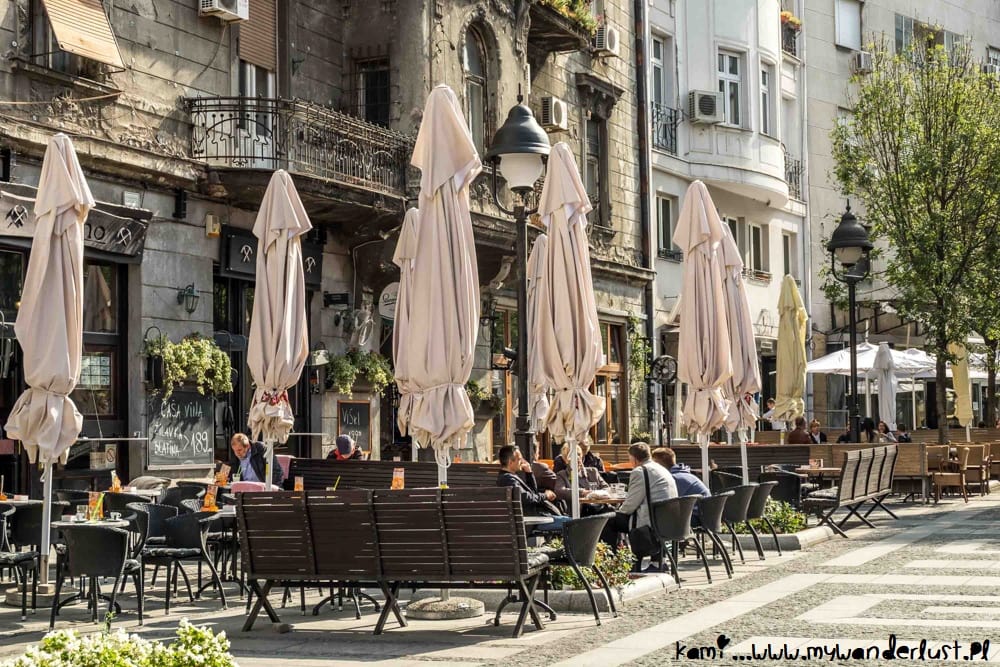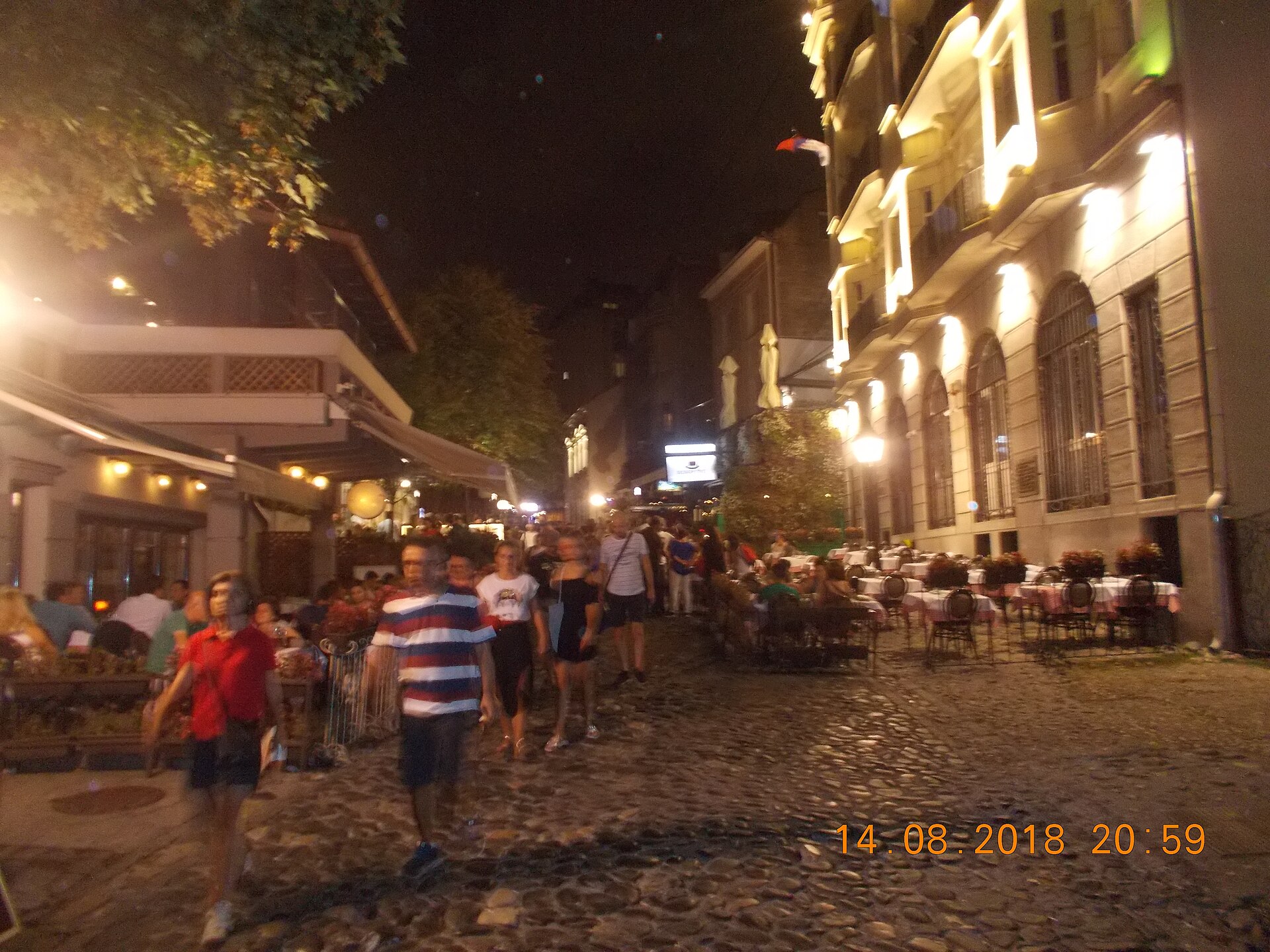
Nightlife is a signature experience
From kafanas to floating clubs, Belgrade’s nightlife is one of the city’s defining experiences.

Belgrade is the capital of Serbia, set where the Sava meets the Danube. Visitors come for Kalemegdan Fortress, the Skadarlija bohemian quarter, the Cathedral of Saint Sava, riverside nightlife along the Sava and Danube, and the museums of the old town and New Belgrade. Allow two to three days to cover the main districts.
Belgrade is Serbia's capital and its largest city, positioned at the confluence of the Sava and Danube rivers. Archaeological finds near the suburb of Vinča indicate settlement here some seven thousand years ago, while the first formal settlement, Singidunum, was established in 279 BC. Today the city is home to around 1.4 million people within city limits, with a notably young population — over 40 percent of residents are between 15 and 44 years old.
The city carries the marks of its complicated twentieth century plainly: bombed as recently as 1999, certain ruined buildings in the centre still stand as reminders, though reconstruction in the 2020s has reshaped much of the old core. At the same time, Belgrade's cultural energy centres on neighbourhoods like Savamala, Skadarlija, and Dorćol, each with its own character. Cafés, live music, and a nightlife culture that resists easy categories run through most of them.
For a broader picture of Serbia, pair this guide with the Serbia Travel Guide or continue north to the Vojvodina region.
Last checked: 2026-05-27. For corrections, contact us.
The Savamala district on the Save riverbank offers the sharpest version of this split. It developed as a Serbian settlement during Austrian occupation of the fortress in the early eighteenth century, declined to near-abandonment by the turn of the millennium, then revived sharply from 2009 onwards as independent cultural venues moved in. Since 2014, the Belgrade Waterfront project — financed by Arab investors at a value exceeding three billion euros — has been transforming the same riverbank with luxury towers and a mall, to considerable local controversy.
Kalemegdan and the pedestrian street Knez Mihailova provide the clearest starting point for first-time visitors. The fortress complex overlooks the rivers and concentrates most of the historical layering the city has to offer. From there, the old core of Stari Grad connects directly to the bohemian quarter of Skadarlija and to Zemun across the Danube.
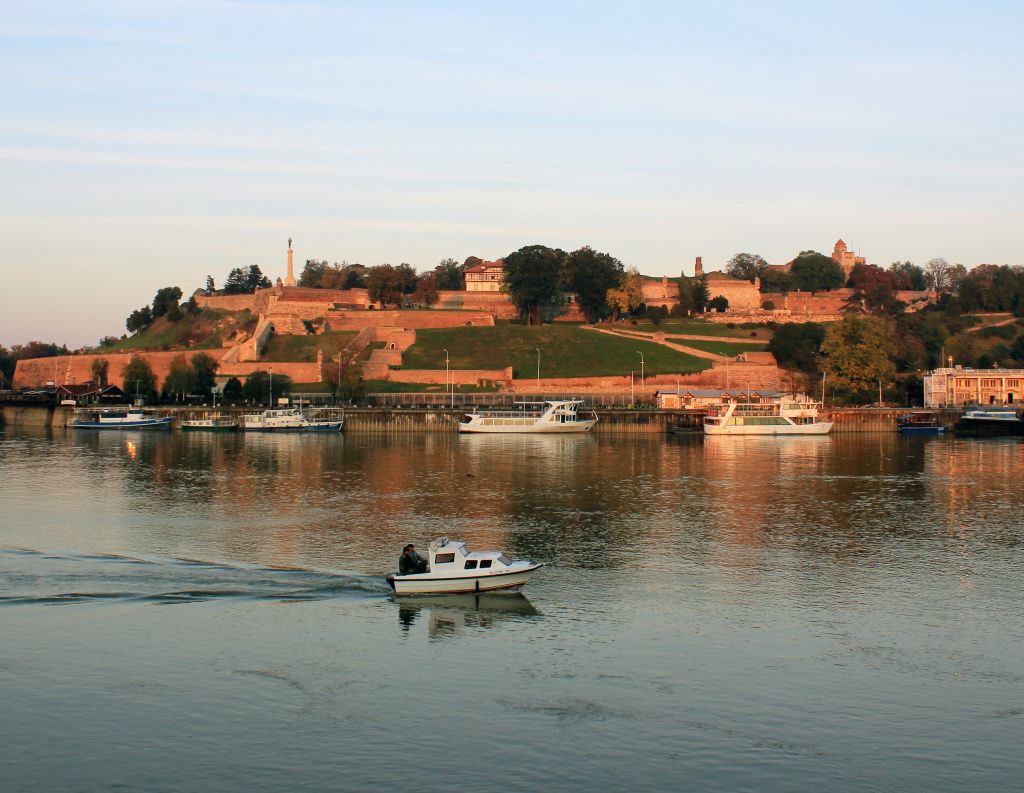
Belgrade is one of the easiest places in the region to eat well on any budget. For a classic meal, book a traditional kafana in Skadarlija or the old center and expect hearty portions, grilled meats, and long dinners.
For casual meals, search out bakeries, ćevabdžinice, and modern bistros in Dorćol or Savamala. Street food is excellent for quick lunches, especially if you want to keep sightseeing without a long break.
As a rule, reserve popular dinner spots on weekends and make room for at least one riverside meal.
Belgrade’s nightlife is one of its biggest draws and a major reason many travelers extend their stay. The pace is late, the atmosphere is social, and the city offers everything from laid-back bars to all-night clubs.
For a more traditional evening, start with dinner in Skadarlija. For a modern night out, move toward Savamala, the riverfront, or selected clubs in New Belgrade. Summer adds floating clubs and open-air venues along the river.
Belgrade’s identity comes from its strategic river location and its history of repeated rebuilding. That is why the city feels layered rather than preserved behind glass.
You will notice Ottoman, Austro-Hungarian, socialist, and contemporary influences in the architecture, food, and street life. Museums and memorials add depth, but the city’s mood is often best understood through everyday life: café terraces, busy boulevards, and the constant pull of the river.
[8]A flexible plan for 2 to 4 days in the city.
Order čevapi, pljeskavica, karađorđeva šnicla, sarma, grilled river fish, and bakery staples like burek. For dessert, try palačinke or a rich regional cake.
For an easy food-first route, pair a traditional meal with a walk through Skadarlija or the old center.
Belgrade’s café scene runs on slow coffee, dessert breaks, and long social lunches. At night, beer bars, wine bars, and rakija tastings become part of the city rhythm.
If you like atmosphere, look for places with outdoor seating and river views in spring and summer.
Use this map to orient yourself around the fortress, old center, riverfronts, and major neighborhoods.
From kafanas to floating clubs, Belgrade’s nightlife is one of the city’s defining experiences.
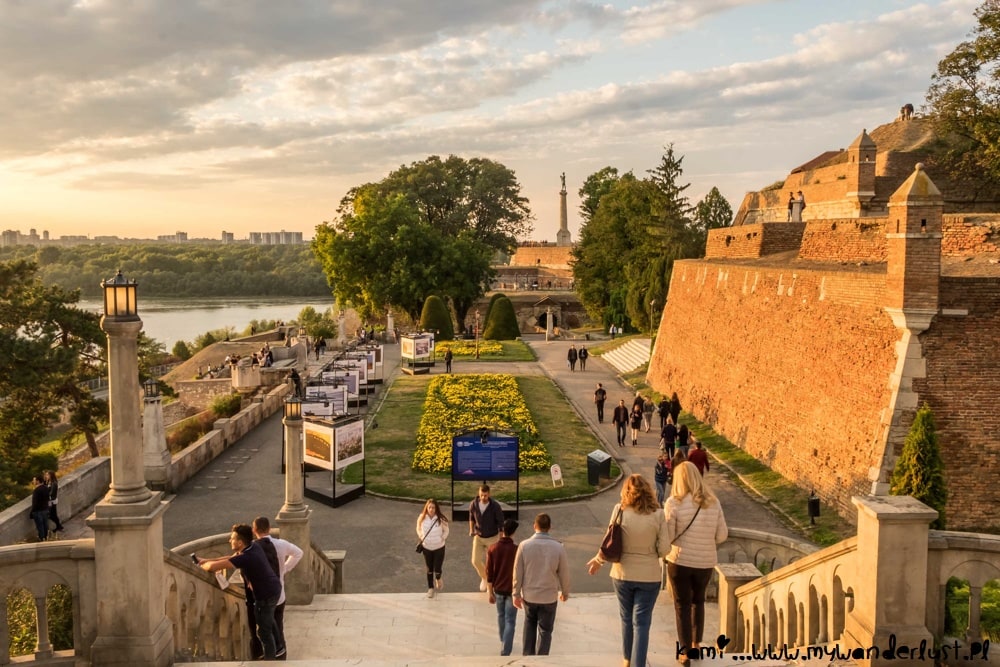
Belgrade has history, but it also has a busy, lived-in rhythm that makes simple wandering enjoyable.
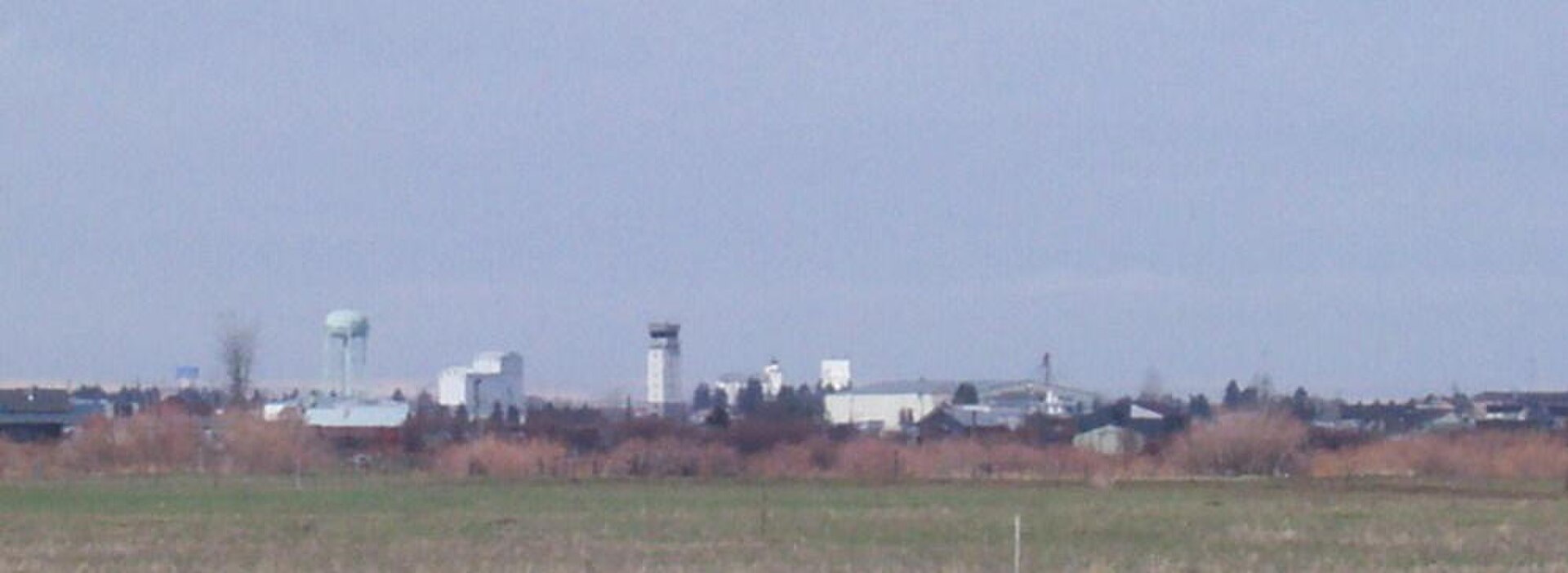
Belgrade works well as a starting point before moving on to Novi Sad, Tara, or northern Serbia.
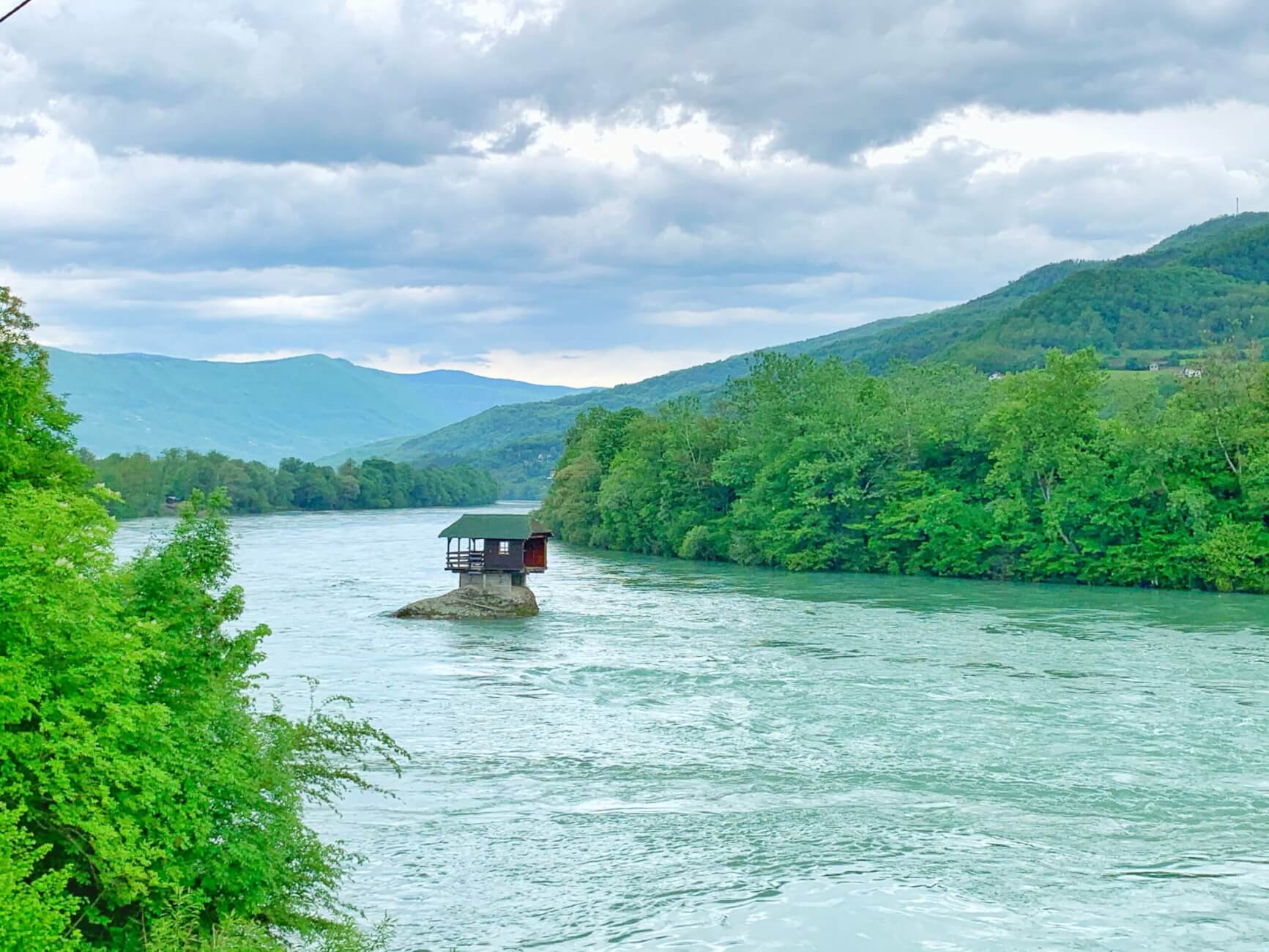
Short-break inspiration for travelers looking for nature, culture, food and easy spring escapes across Serbia.
These are the places and experiences most useful for structuring a first visit to Belgrade.
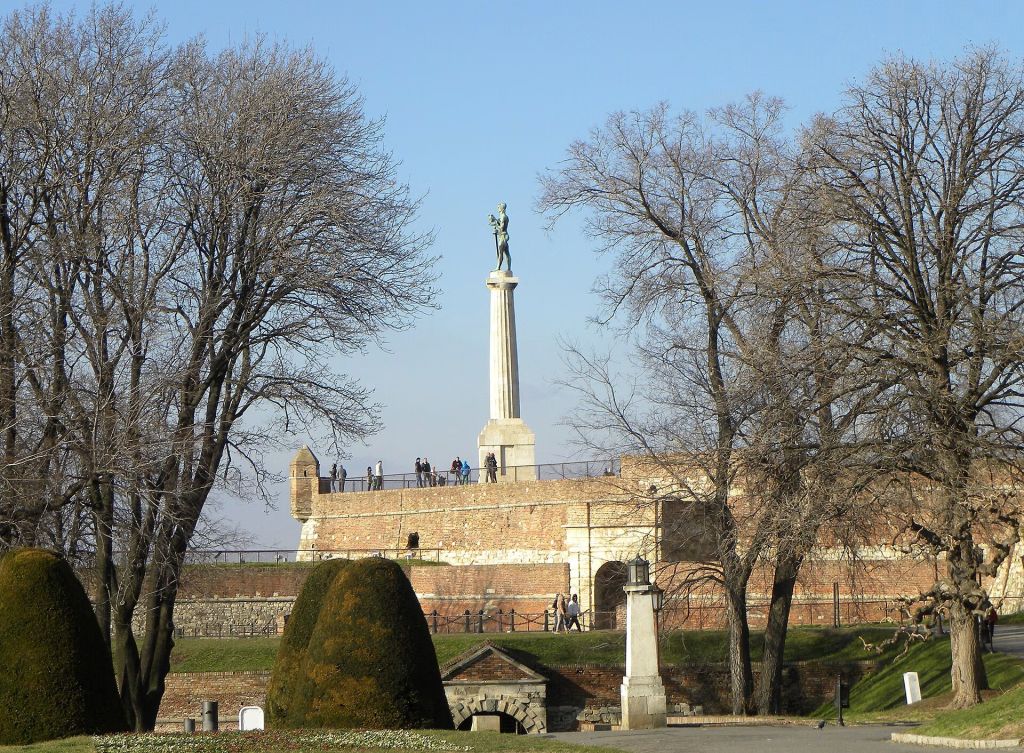
Kalemegdan Fortress
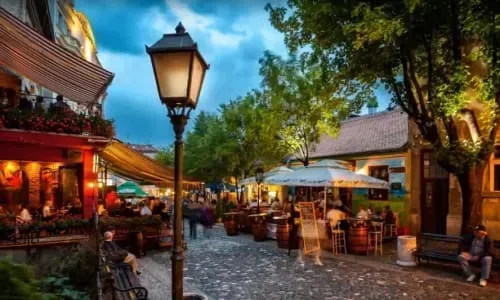
Skadarlija Bohemian Quarter
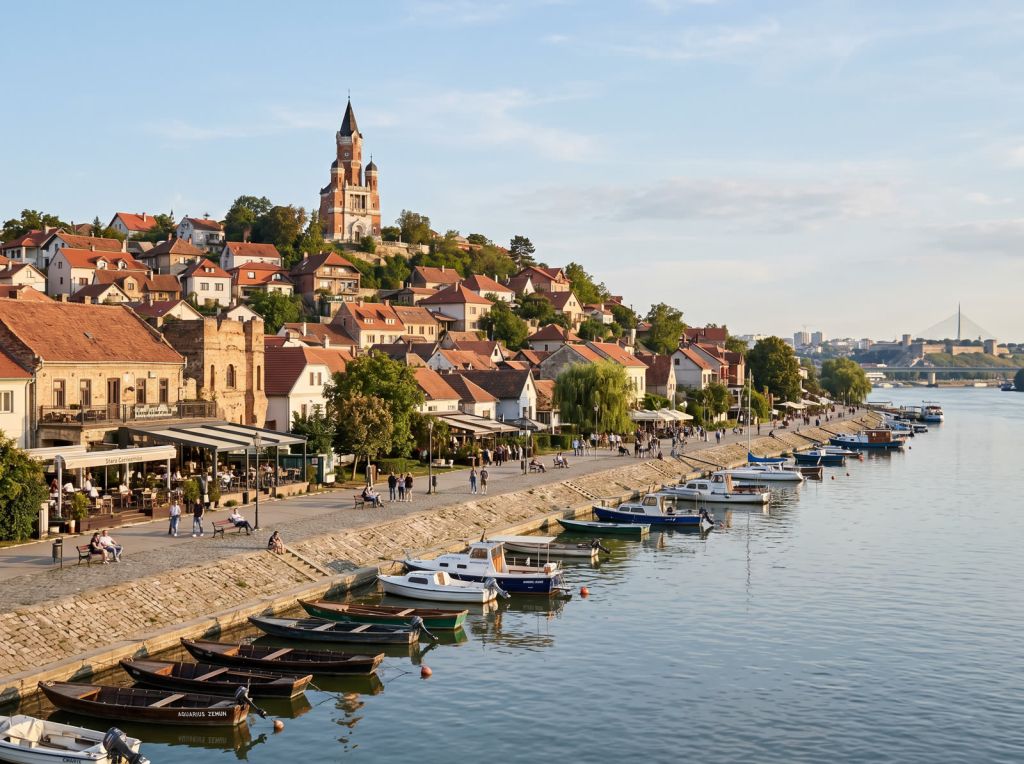
Zemun Riverfront
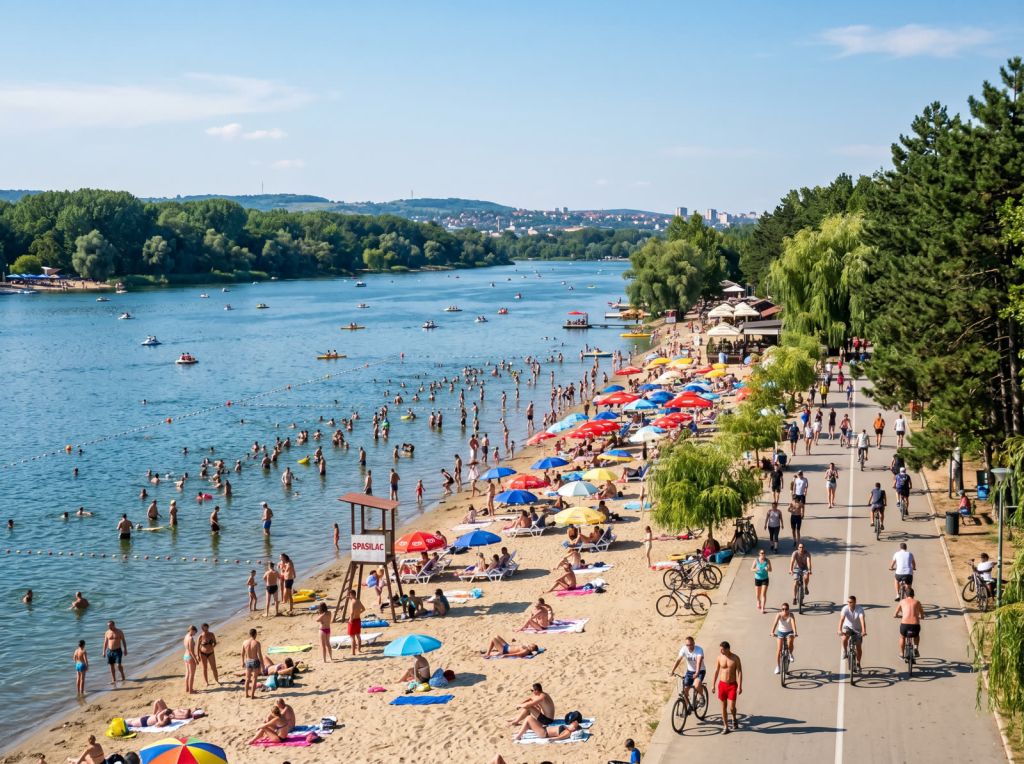
Ada Ciganlija
Kalemegdan, Belgrade
Kalemegdan, Belgrade — nature & attractions
Kalemegdan is the historic fortress-and-park complex at the edge of Belgrade’s Old Town. Come for the view, stay for the riverside walk, the military history, and the easy access to nearby cafés...
May Day Getaways in Serbia
May Day Getaways in Serbia — travel guide
May Day is one of the best times to explore Serbia: the countryside is green, rivers are full, outdoor cafés come alive, and many destinations are close enough for a 2–3 day escape. If you are p...
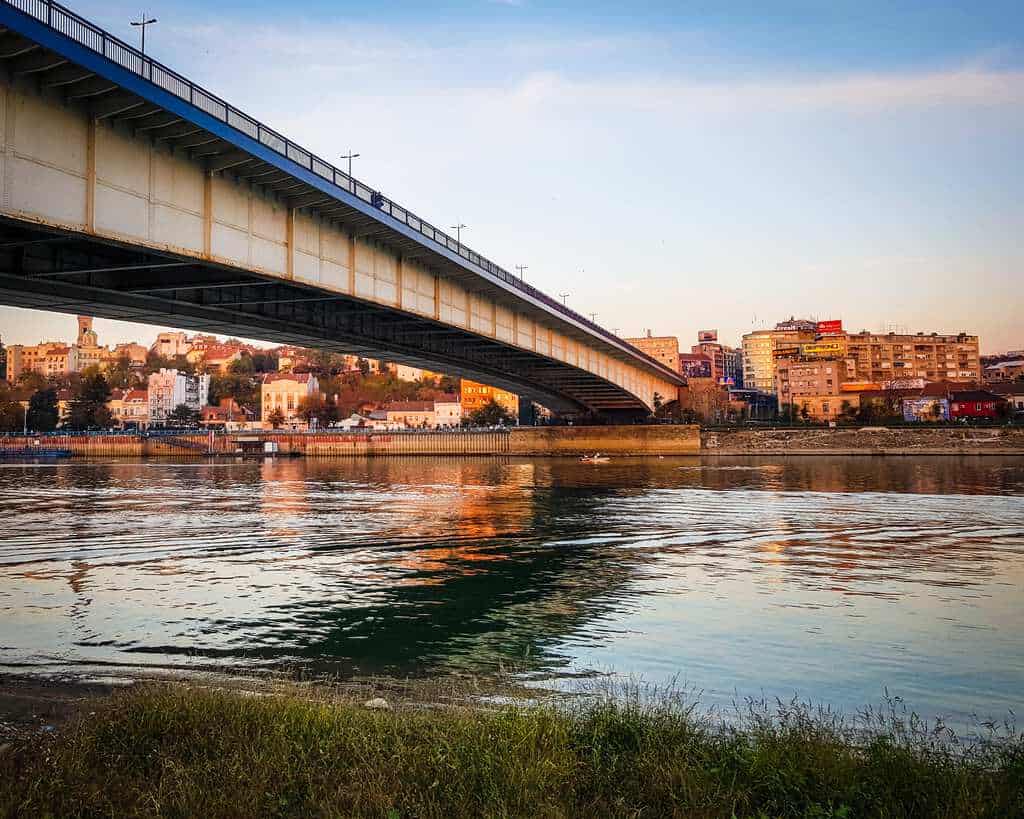
Zemun
Things to Do in Zemun — city guide
Explore Zemun — history, culture, and practical tips for your visit.
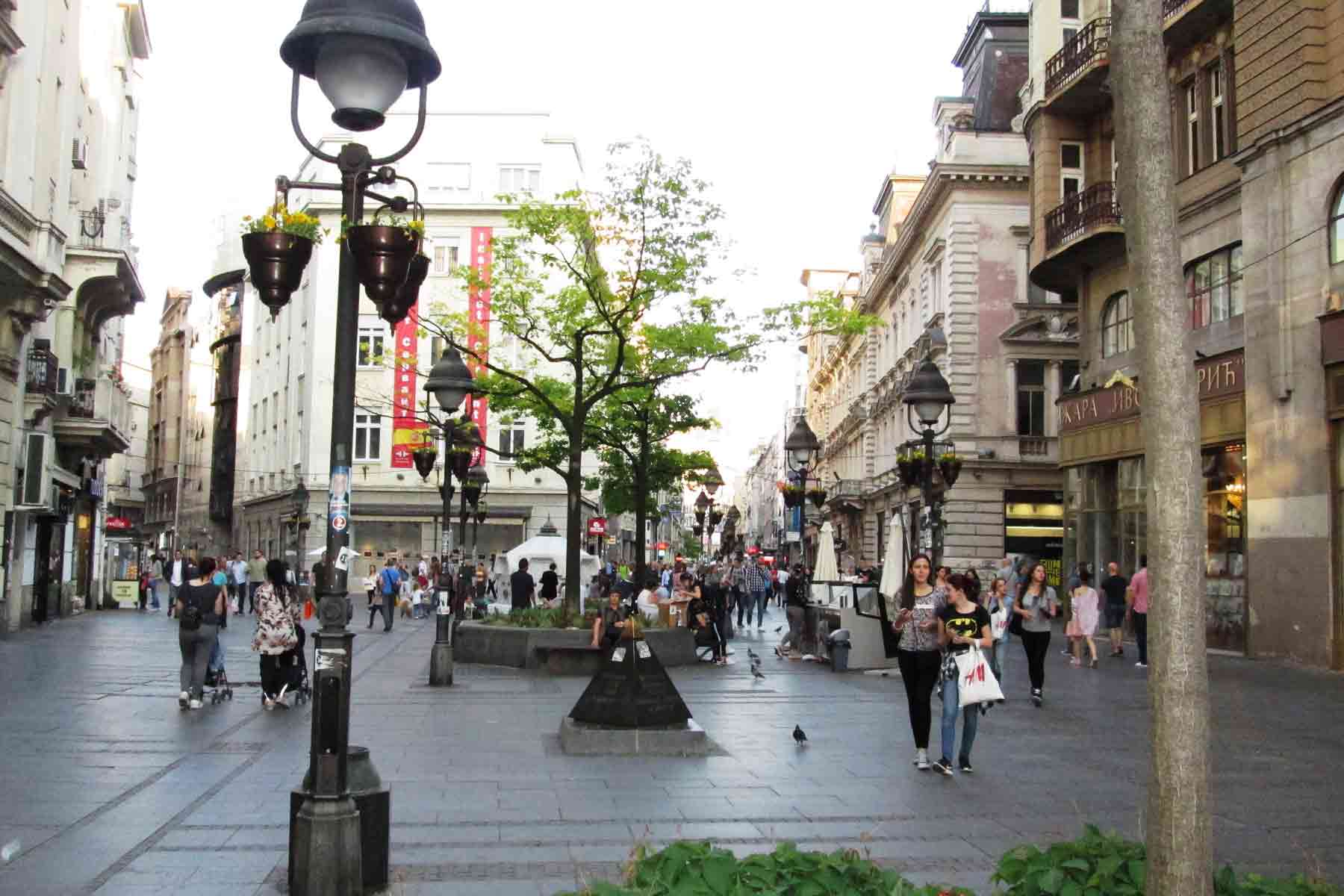
Exploring Belgrade: Knez Mihailova and Beyond
Exploring Belgrade: Knez Mihailova and Beyond — city guide
Belgrade works well as a city walk. Knez Mihailova Street links shops, cafes, and the main pedestrian zone with Kalemegdan Fortress, while the river promenade brings a slower pace near the Sava and...
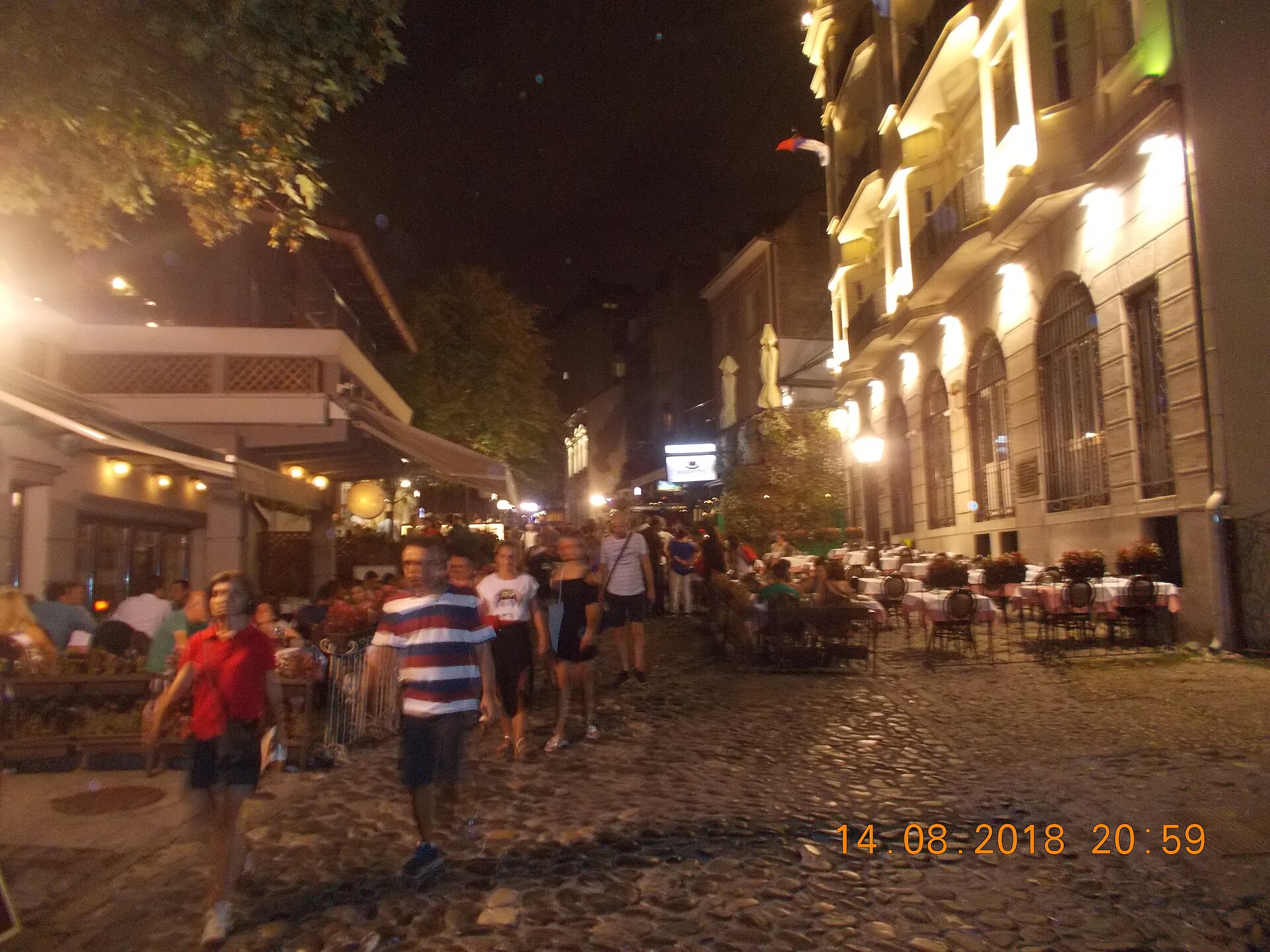
Belgrade Nightlife
Belgrade Nightlife — city guide
Belgrade nightlife works in layers. We often start in the city center, drift through Knez Mihailova or Skadarlija, and then decide whether to stay in a wine bar, sit in a kafana, or cross the river...
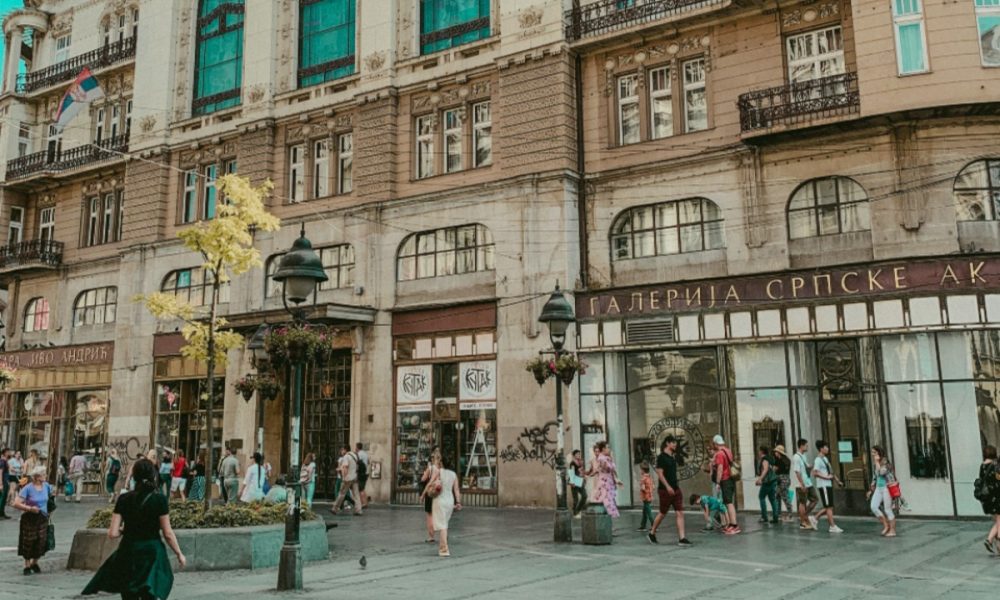
Exploring Knez Mihailova Street in Belgrade
Exploring Knez Mihailova Street in Belgrade — nature & attractions
Plan your visit to Exploring Knez Mihailova Street in Belgrade — what to see, how to get there, and insider tips.
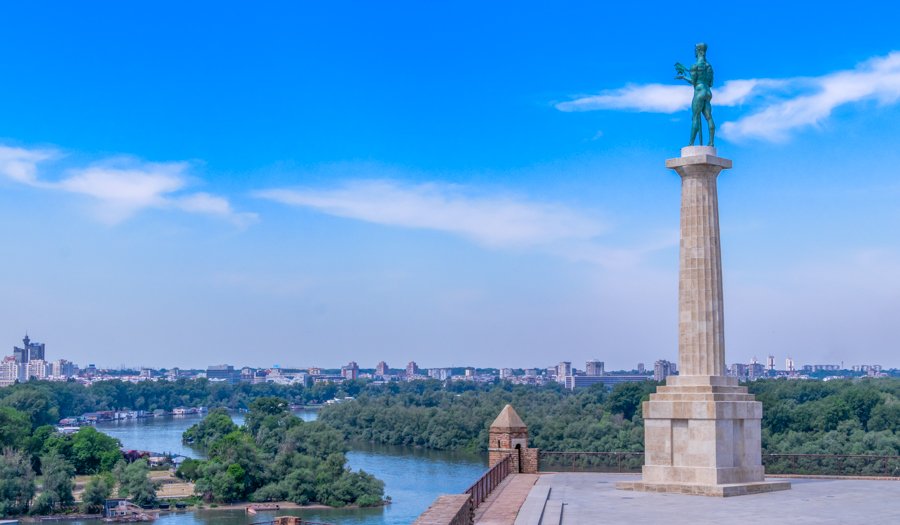
Victor Monument in Belgrade
Victor Monument in Belgrade — nature & attractions
The Victor Monument stands inside Kalemegdan, the largest city park in Belgrade and home to the Belgrade Fortress. From the platform near the stronghold, you get wide views toward the Sava and Danu...
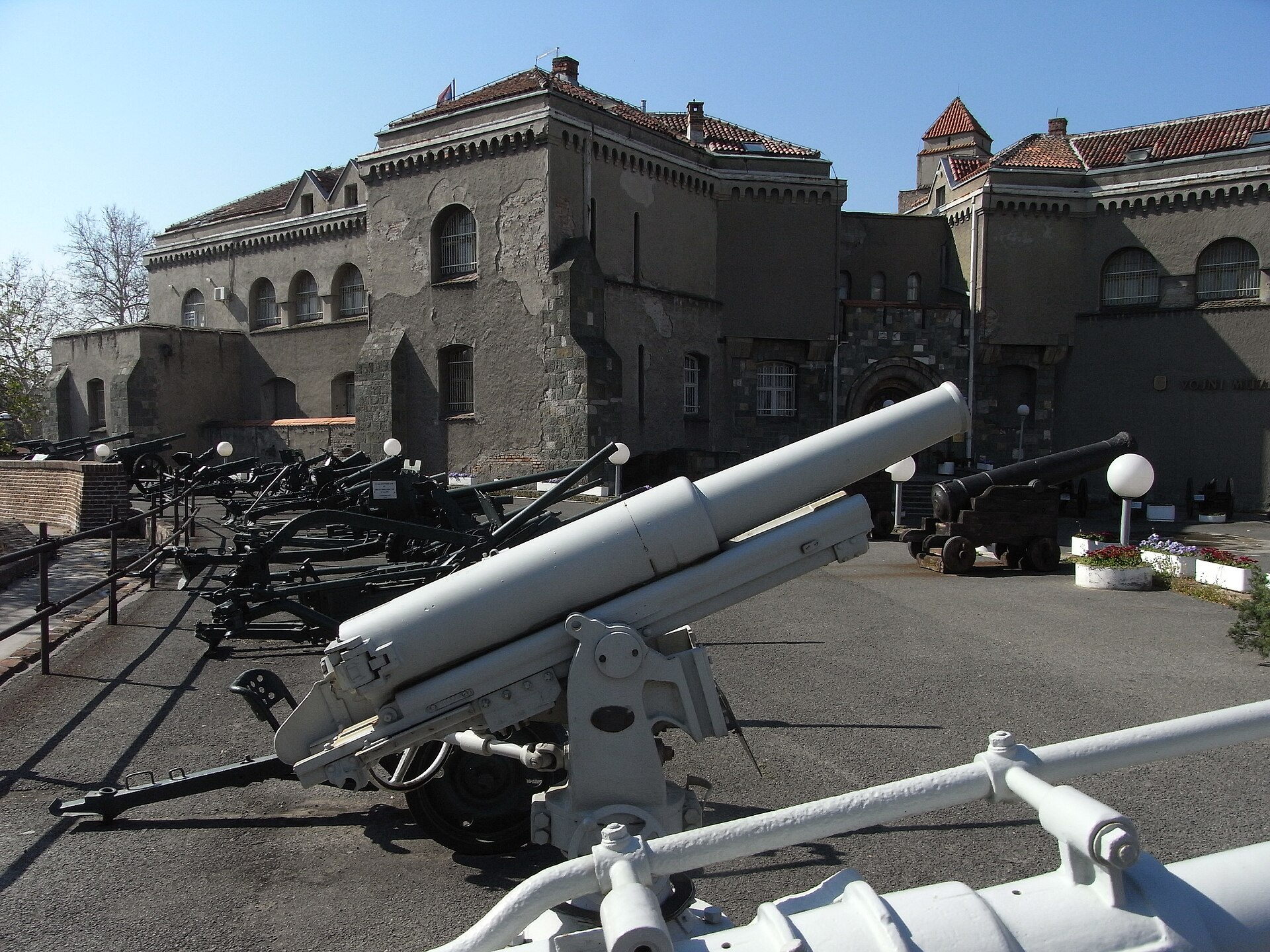
Museums in Belgrade
Museums in Belgrade — nature & attractions
Belgrade works well for museum-hopping because the city offers a clear spread of themes rather than one single type of collection. If you want classical art, start with the National Museum. For mod...
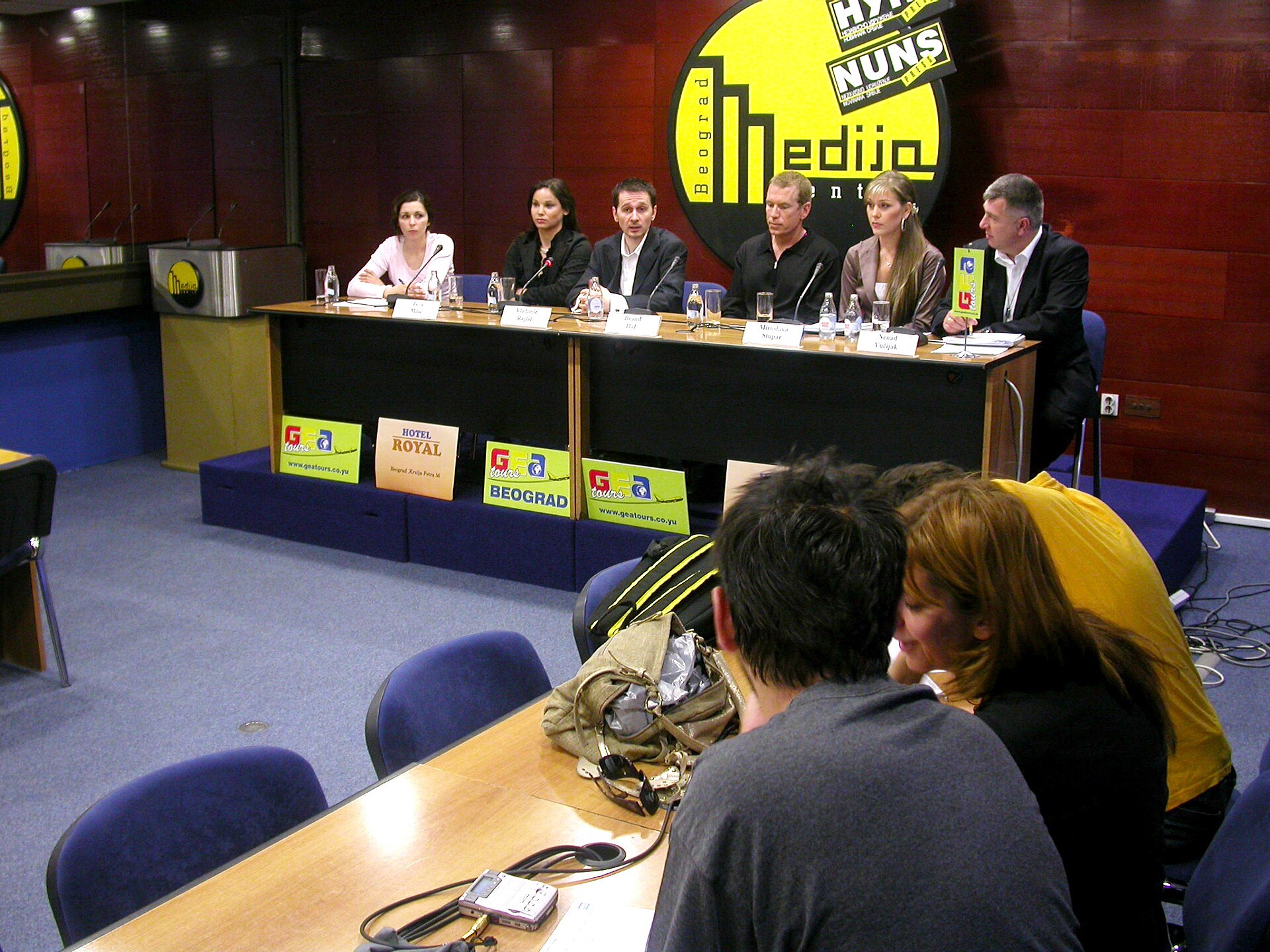
Scars of a City in Belgrade
Scars of a City in Belgrade — travel guide
Scars of a City is a reflective Belgrade theme focused on the visible scars left by the 1999 NATO bombings. The most practical way to approach it is as a short walking route through central Belg...
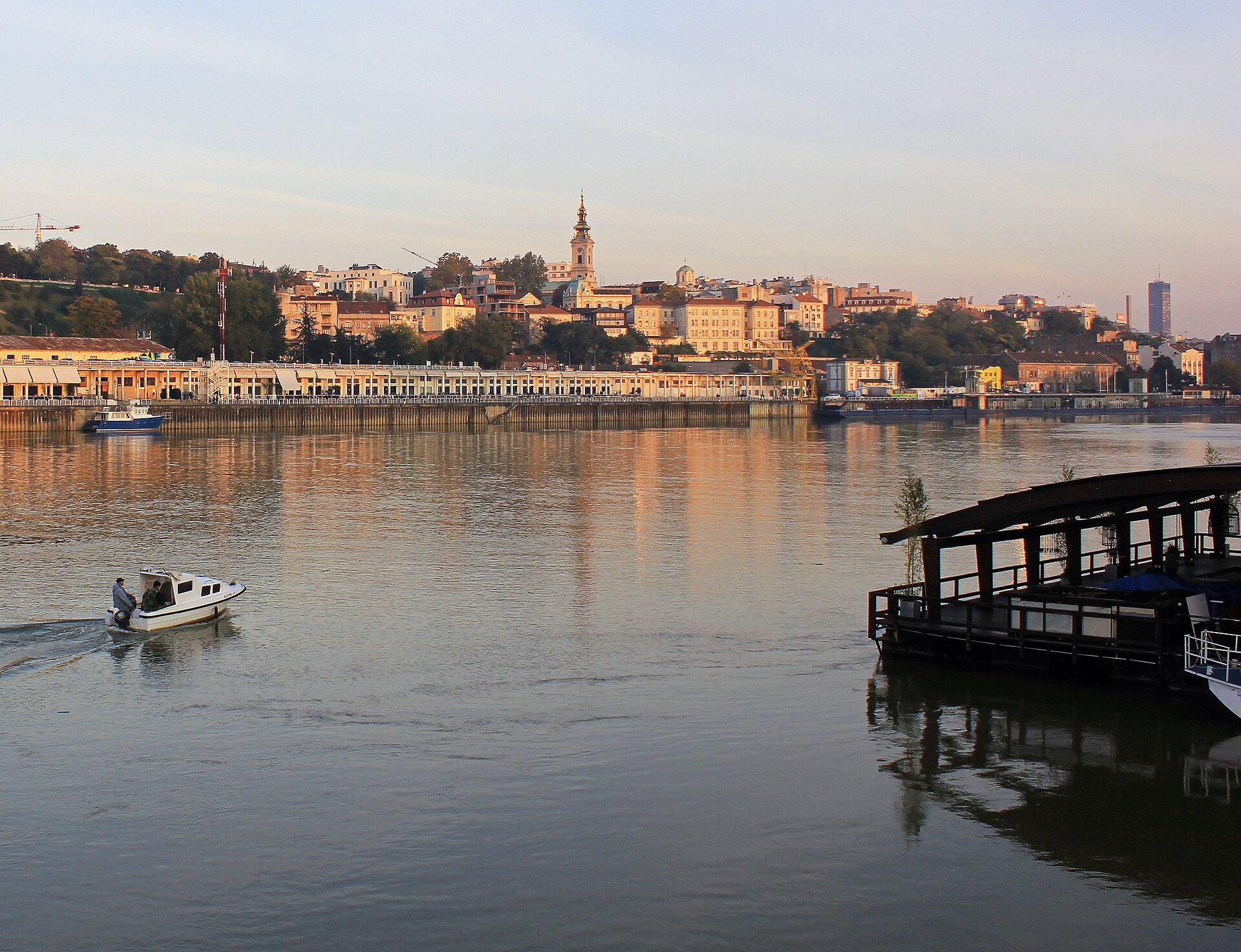
Stari Grad Belgrade
Stari Grad Belgrade — travel guide
Stari Grad is the historic center of Belgrade and one of the best areas for a first visit because many of the city’s well-known sights are close together. It brings together Kalemegdan Fortress,...
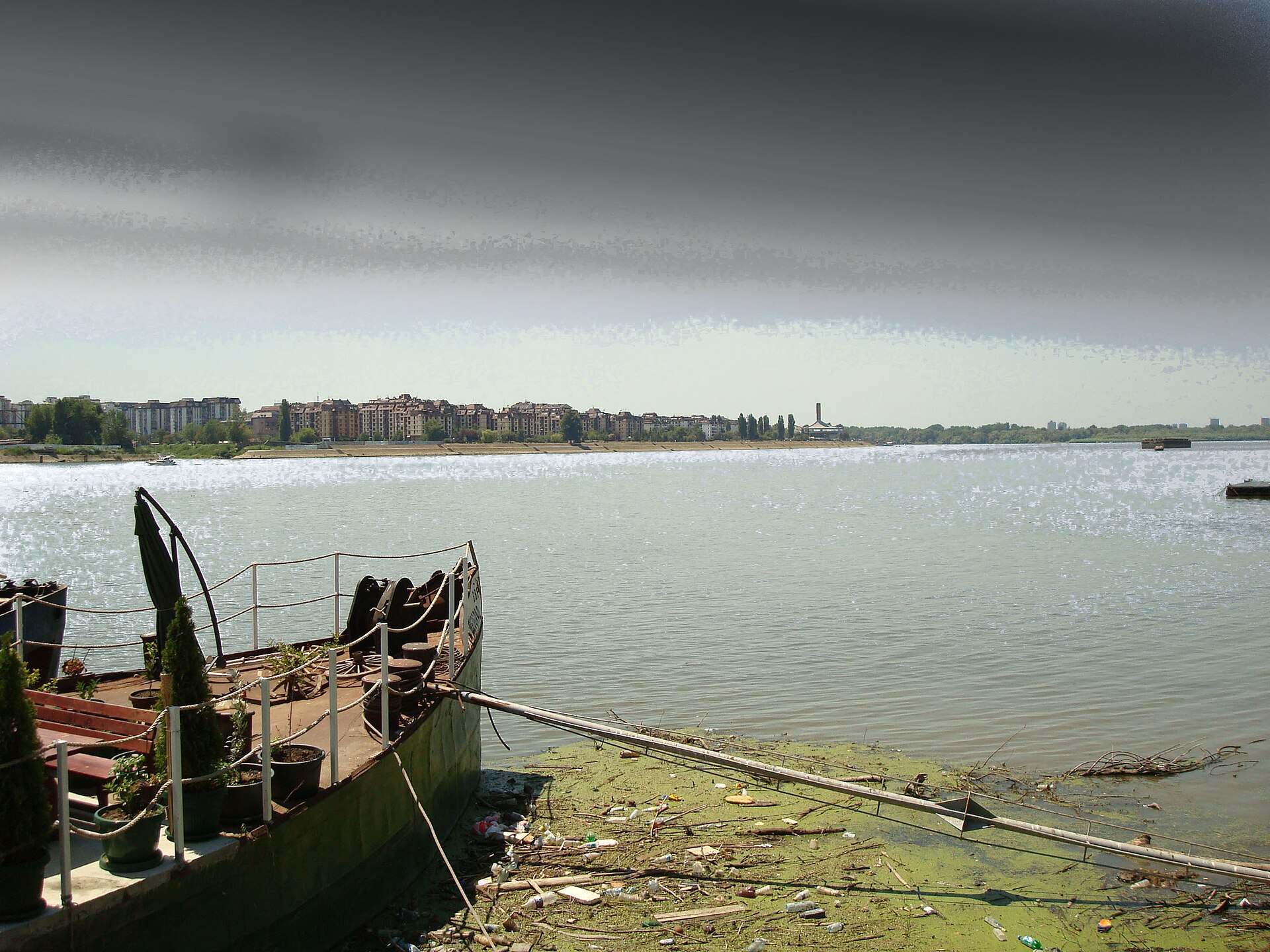
Dorćol, Belgrade
Dorćol, Belgrade — nature & attractions
Dorćol is a central Belgrade neighborhood north of the city core, close to Stari Grad, Kalemegdan Fortress, and the Danube waterfront. It is a good area for travelers who want cafés, everyday cit...
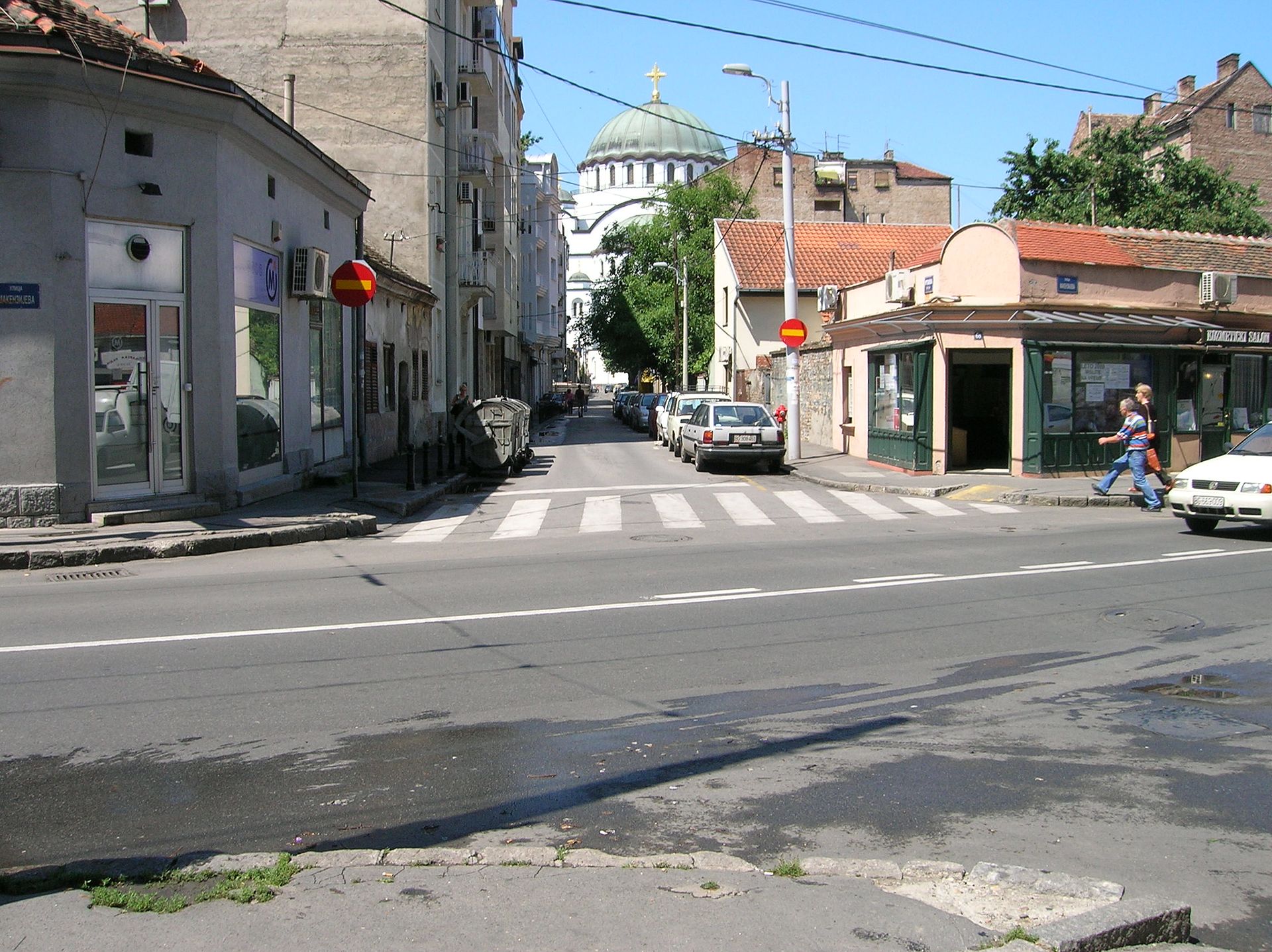
Vračar, Belgrade
Vračar, Belgrade — nature & attractions
Vračar is one of the most recognizable parts of Belgrade for first-time visitors because it combines a major landmark, the Cathedral of Saint Sava, with a more local, creative feel in the surround...
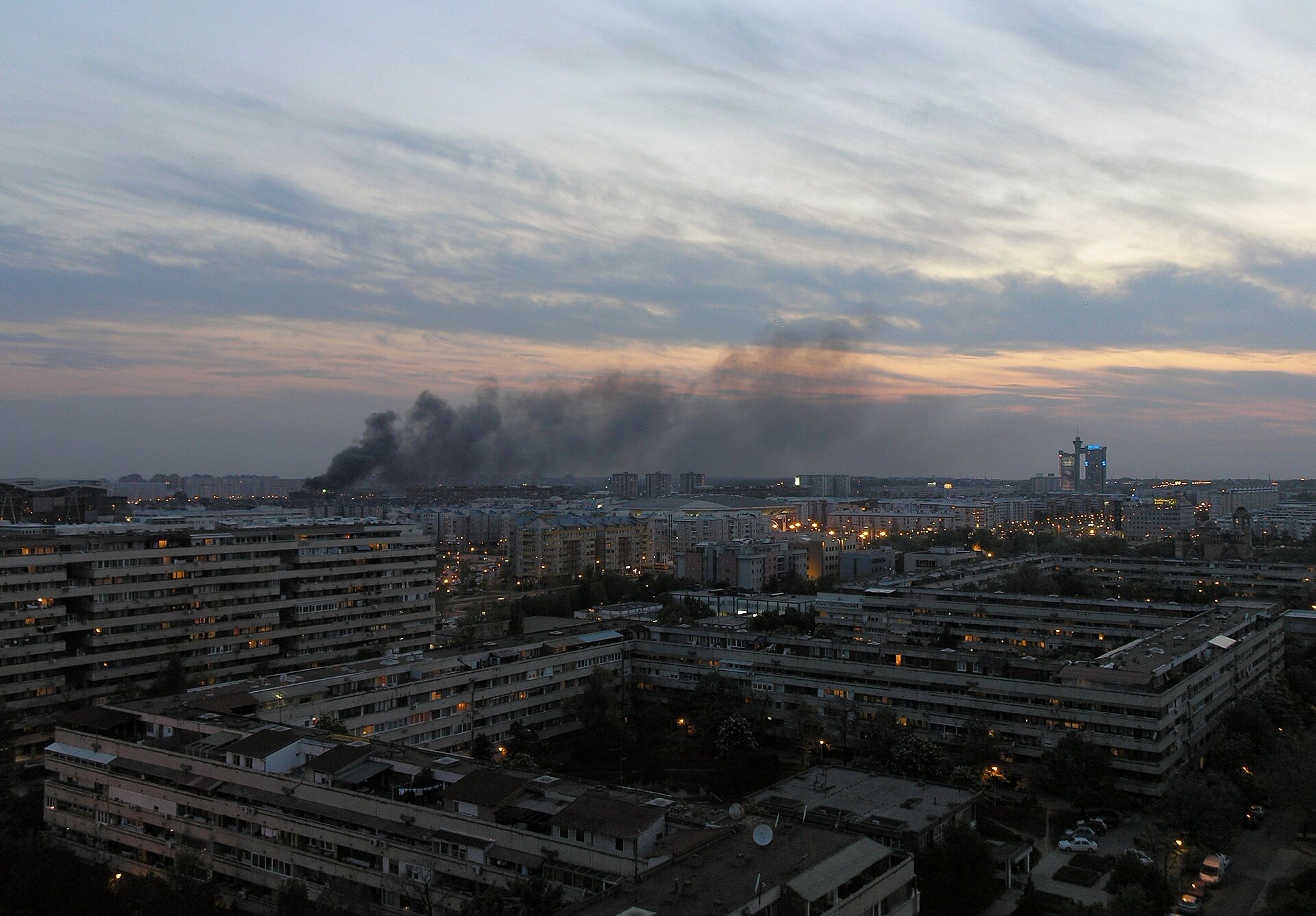
Novi Beograd
Novi Beograd — nature & attractions
Novi Beograd is Belgrade’s large planned district on the left bank of the Sava. It was developed after 1948 as a socialist city-building project, and today it is known for broad boulevards, moder...
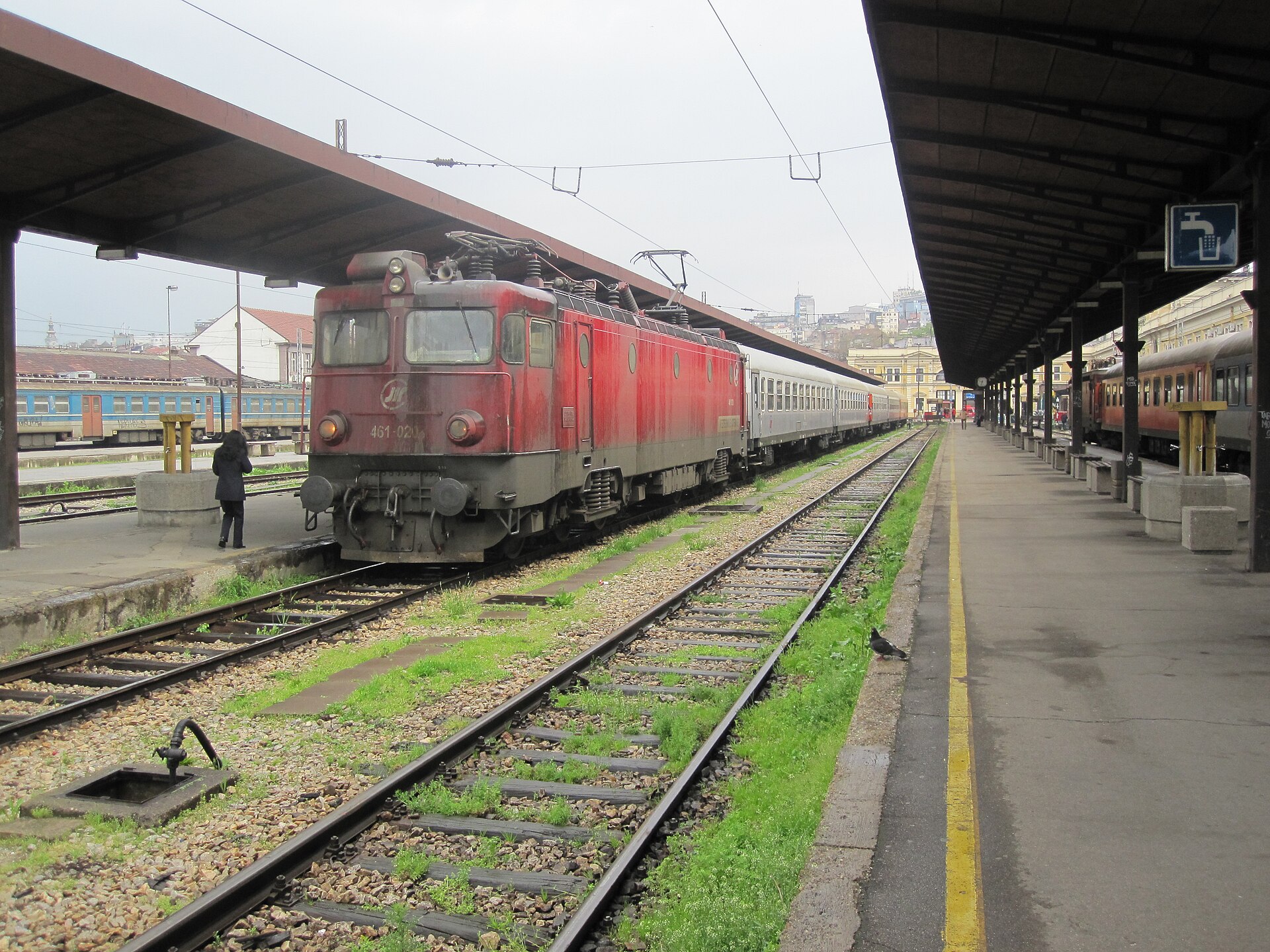
Day Trips from Belgrade
Day Trips from Belgrade — nature & attractions
Belgrade works well as a base for day trips because several notable destinations are within reach by train, bus, or car. The most practical options include Novi Sad, Fruška Gora and Vrdnik Spa, Sr...
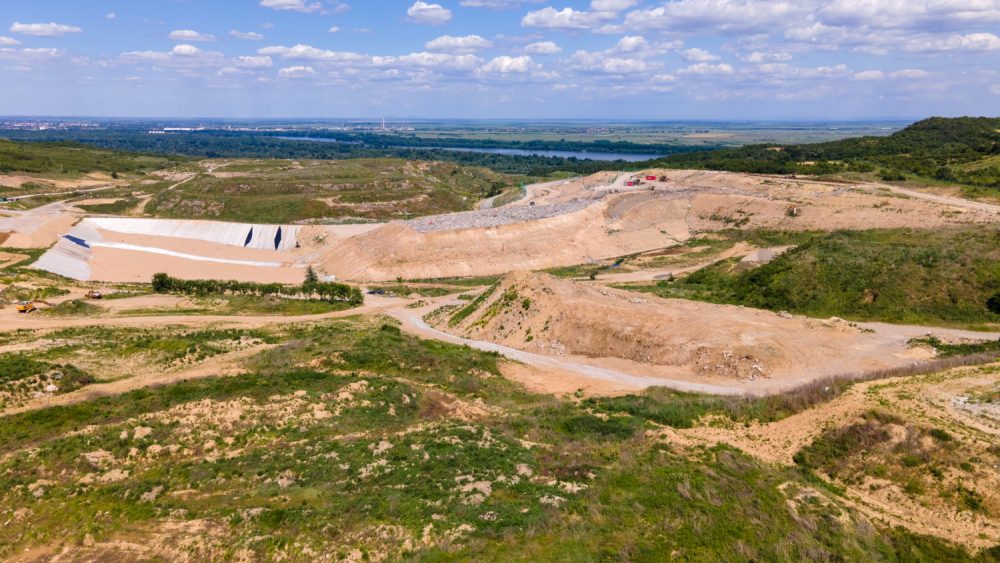
Vinča Archaeological Site near Belgrade
Vinča Archaeological Site near Belgrade — nature & attractions
Vinča is a prehistoric archaeological site near Belgrade, best known as the place that gave its name to the Vinča culture. The settlement belongs to Serbia’s deep past and is often discussed as...
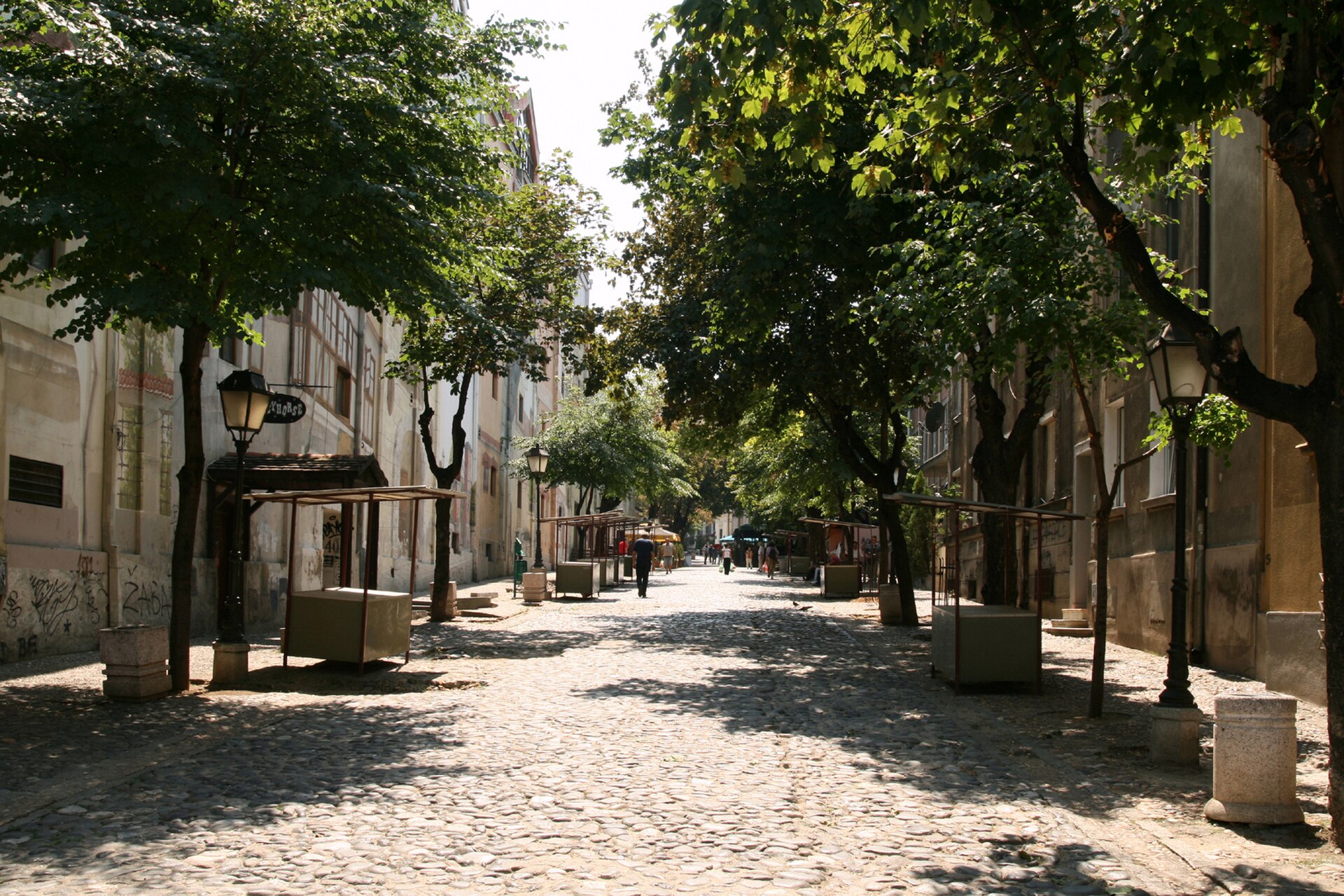
Skadarlija, Belgrade
Skadarlija, Belgrade — nature & attractions
Skadarlija is a compact pedestrian quarter just north of Trg Republike, lined with old kafanas, taverns, and restaurants that lean into Belgrade’s 19th-century urban memory. People come here for...
Cathedral of Saint Sava, Belgrade
Cathedral of Saint Sava, Belgrade — nature & attractions
Plan your visit to Cathedral of Saint Sava, Belgrade — what to see, how to get there, and insider tips.
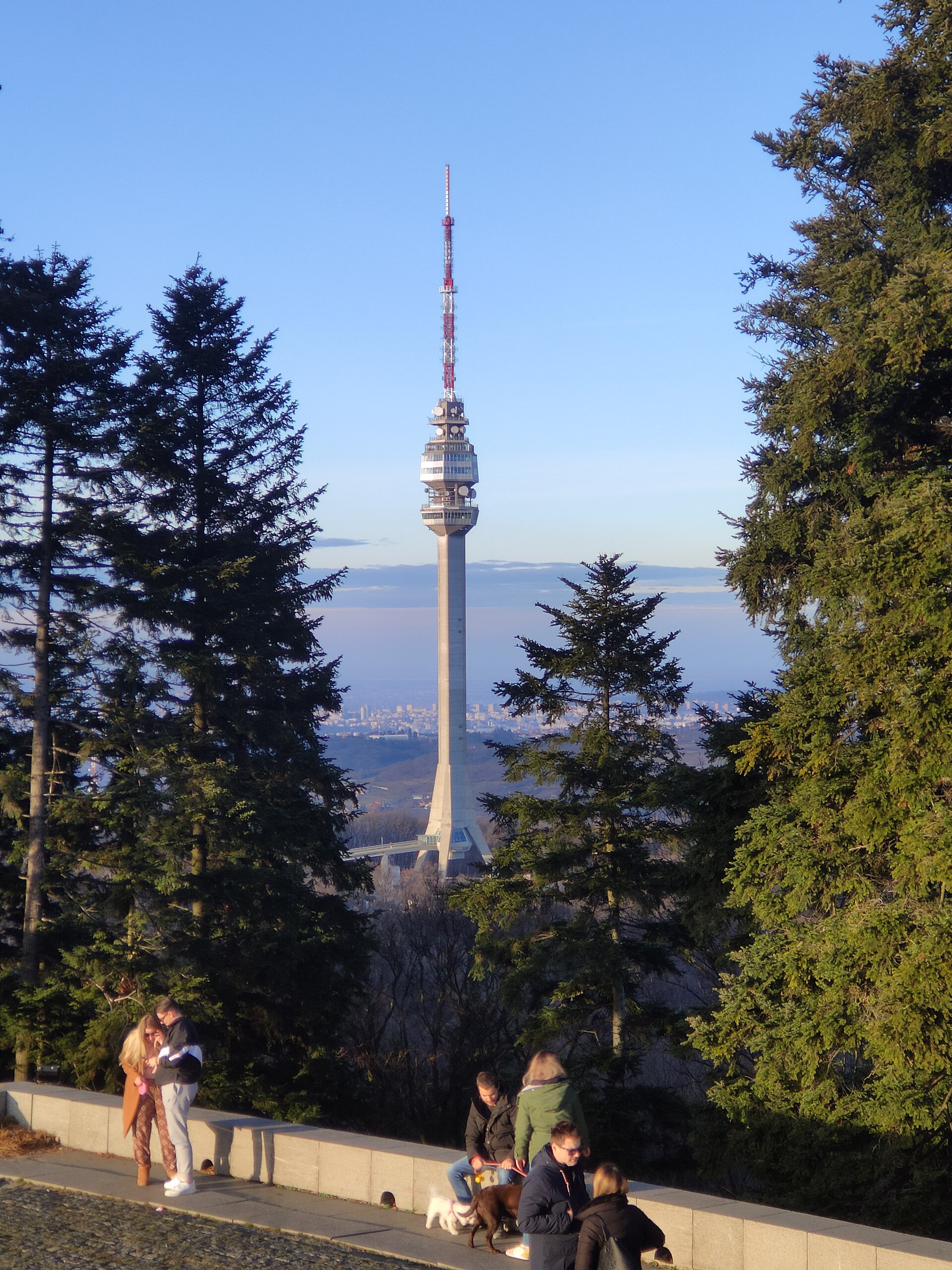
Avala Tower, Belgrade
Avala Tower, Belgrade — nature & attractions
Avala Tower is Belgrade’s main lookout tower on Mount Avala. Visitors come for the glassy observation deck, open views toward the city and the Danube plain, and a low-effort break from central Be...
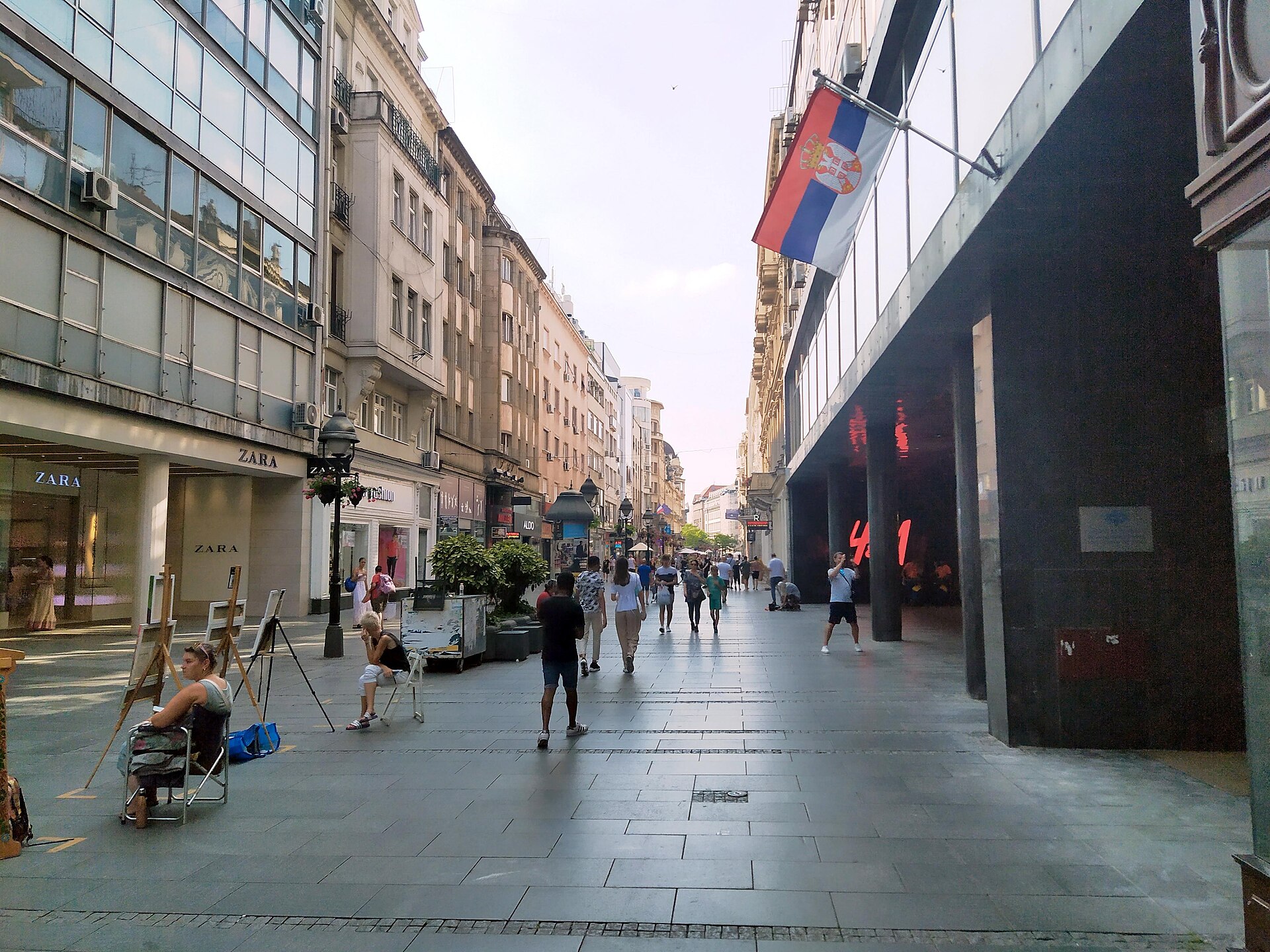
Knez Mihailova Street, Belgrade
Knez Mihailova Street, Belgrade — city guide
Belgrade’s main pedestrian street, best for walking, shopping, coffee, and a direct route between Republic Square and Kalemegdan.
Choose your base by travel style — not just by hotel price.
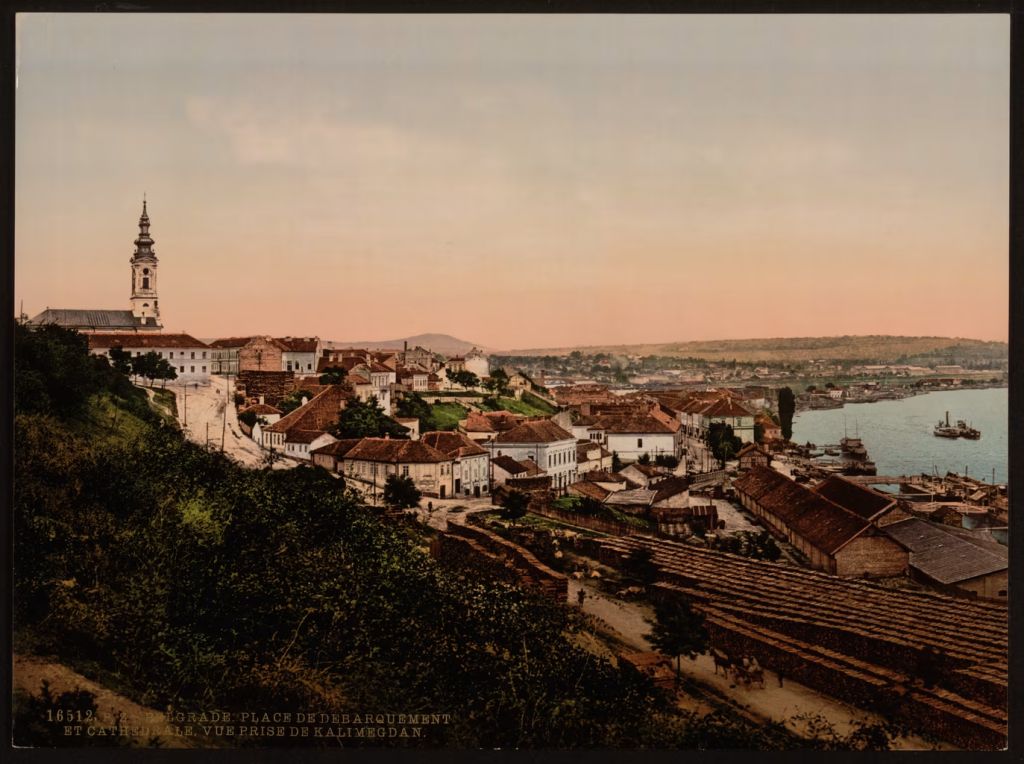
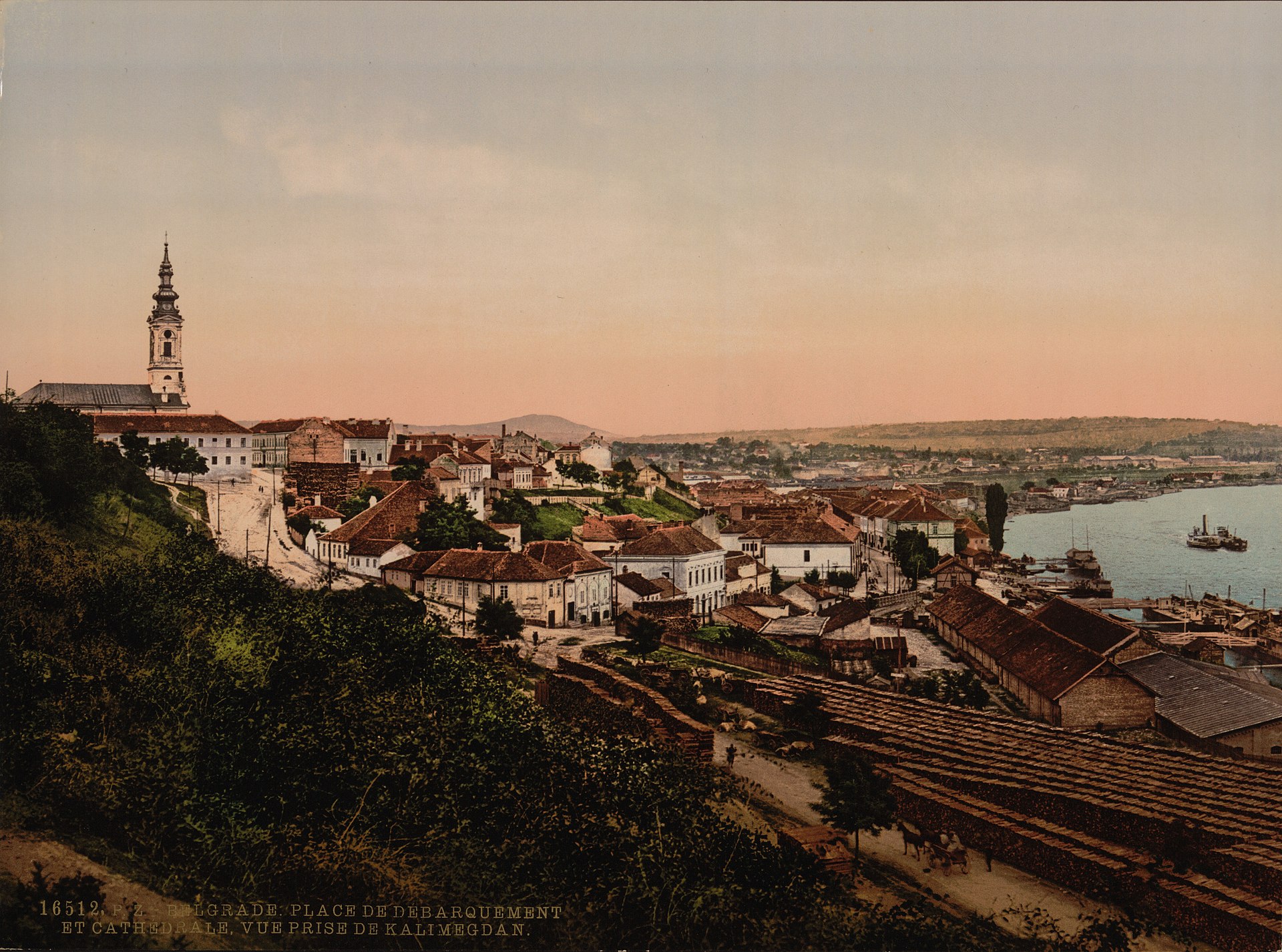
Belgrade cathedral and riverfront
The cathedral rises above red-roofed houses and the riverfront in Belgrade, viewed from Kalemegdan
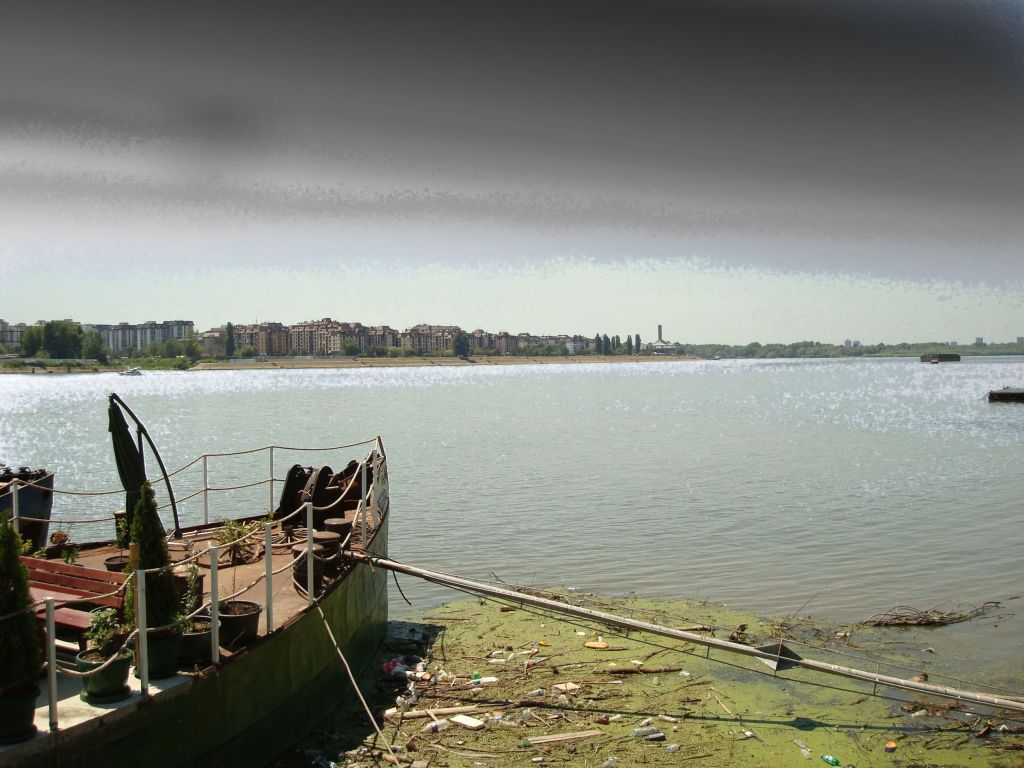
Riverfront boat terrace
A moored terrace boat overlooks the Sava River, with Belgrade apartment blocks lining the far bank
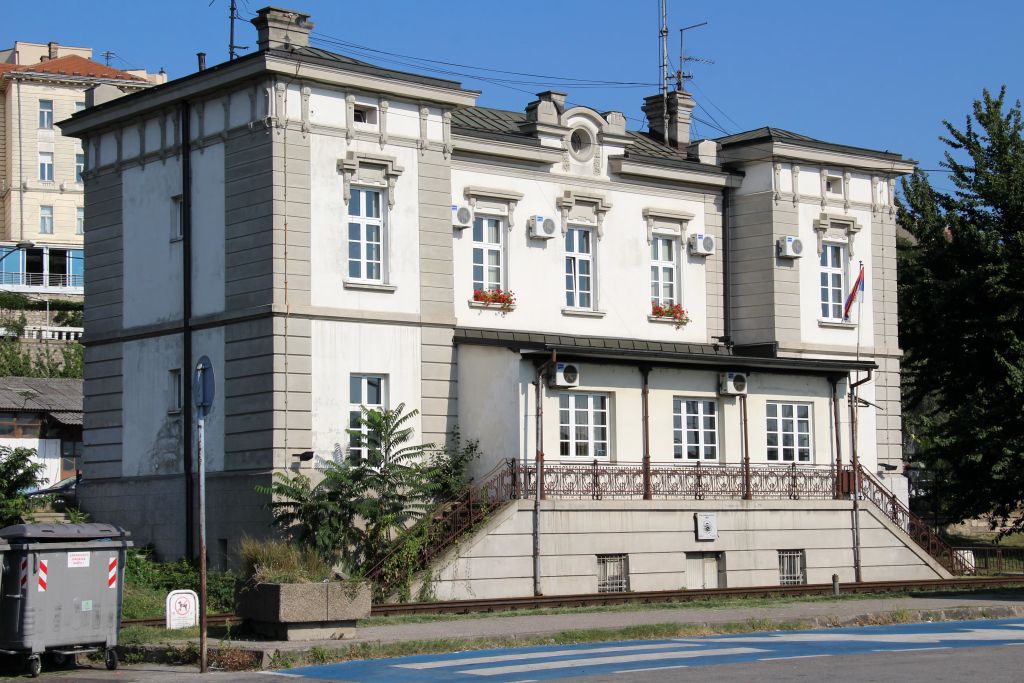
Historic White House
A white historic building with ornate windows and balconies stands in Belgrade beside railway tracks and overhead wires
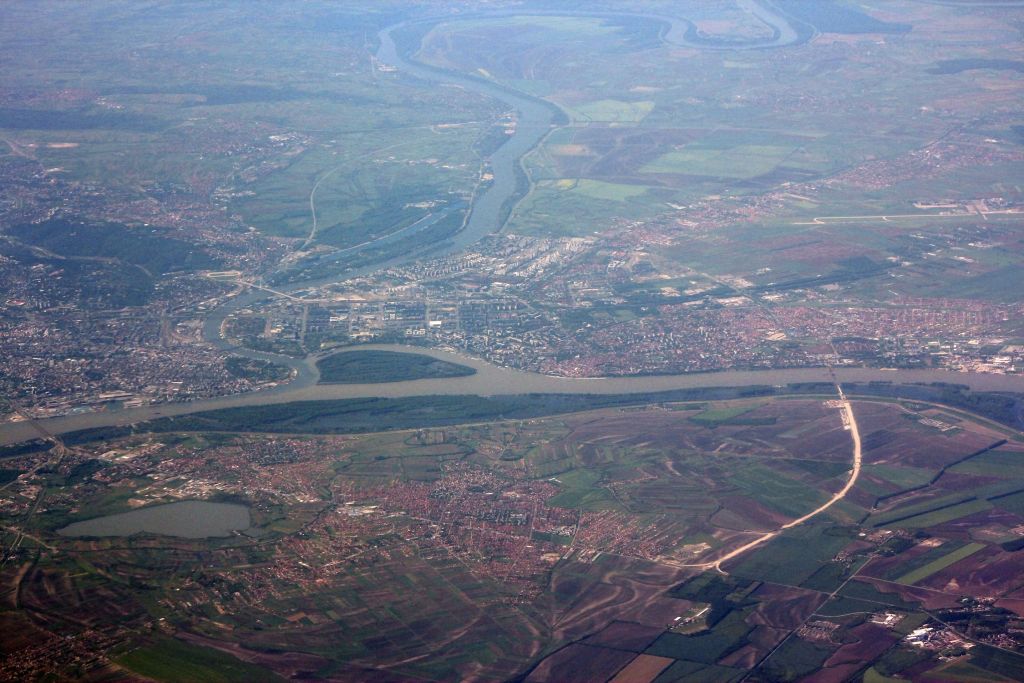
Belgrade River Confluence
Aerial view of Belgrade showing the Sava and Danube rivers meeting beside dense neighborhoods and surrounding fields
With an extra day or two, these nearby destinations extend a Belgrade trip into the wider region. See the dedicated Day Trips from Belgrade guide for the full list.
See all day trips from Belgrade
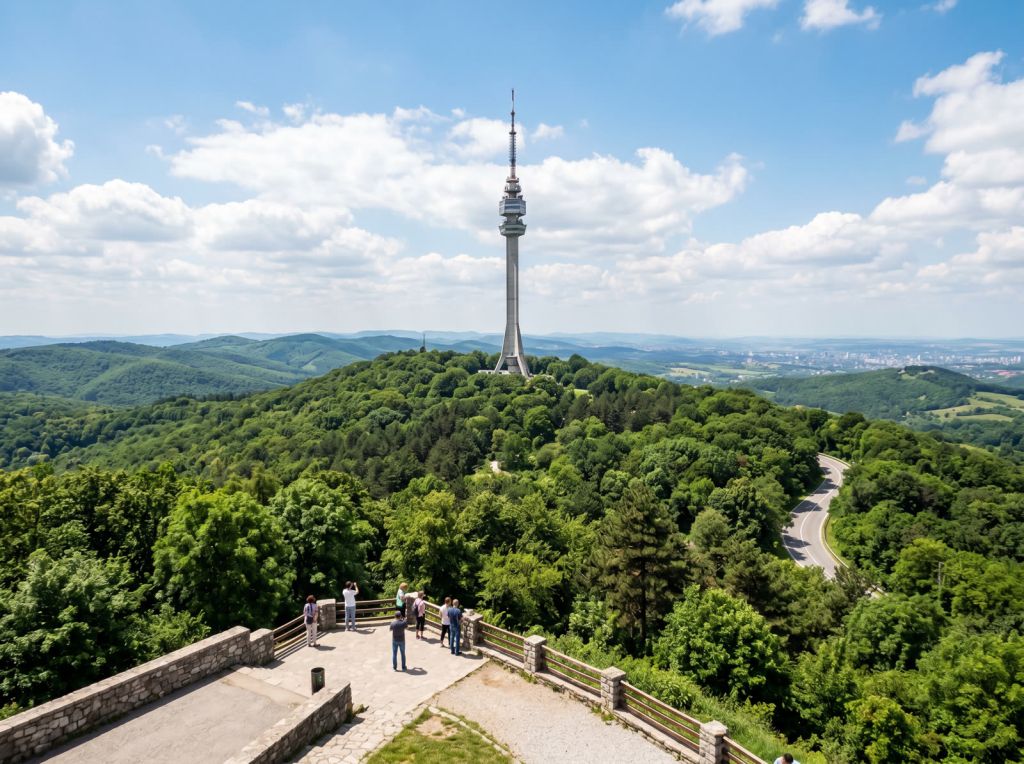
Avala Mountain
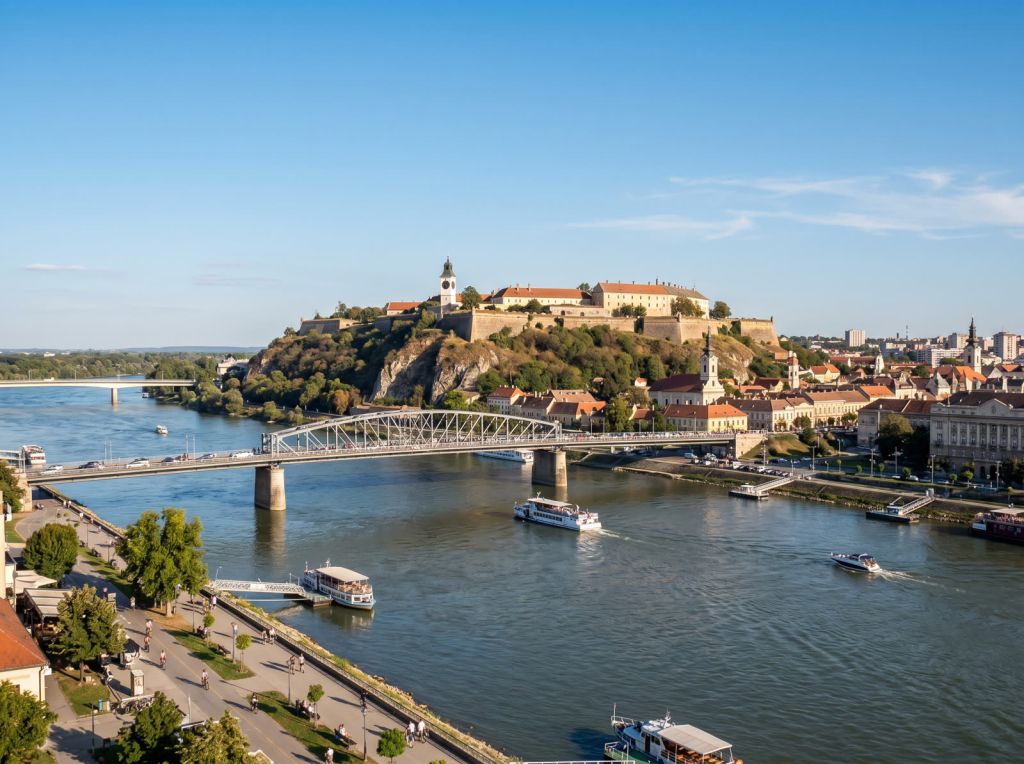
Novi Sad
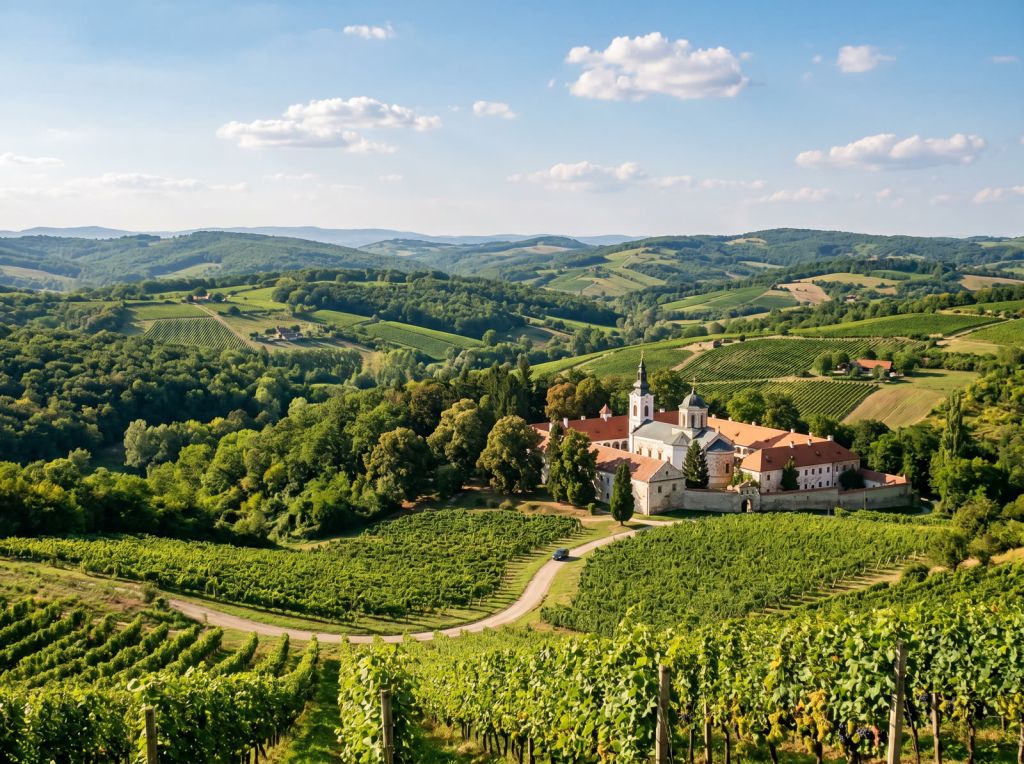
Fruška Gora
Stari Grad for sightseeing, Dorćol for cafés, or Savamala for nightlife and river access.
May–June and September are ideal for warm weather, outdoor dining, and fewer extremes.
Walk the center, then use buses, trams, taxis, or ride-hailing for longer distances.
First-time visitors, city breaks, food trips, nightlife, and a base for day trips.
2–4 days for the city; longer if you want river time, museums, and nearby excursions.
Generally cheaper than many European capitals, especially for food and taxis.
The historic centre is walkable, but Belgrade is a spread-out city. Buses, trolleybuses, and trams serve the city though traffic is heavy. Taxis and ride-hailing are practical after dark or for longer distances across the city.
From Stari Grad, Dorćol, or Savamala, most central sights are reachable on foot. For Zemun, Ada Ciganlija, or New Belgrade, a taxi or bus is usually the more efficient choice. Bicycles can be rented from Markoni Sport outlets, though cycling in Stari Grad involves uneven terrain and limited infrastructure.
Arriving at Nikola Tesla, the airport bus and metered taxis both work, though a pre-booked airport transfer removes the queue and the fare discussion after a late landing.
Two days covers the basics, but three to four days gives you time for neighborhoods, museums, food, and one easy day trip.
Yes. It is easy to navigate once you understand the main districts, and the city offers a lot without requiring a strict itinerary.
Stari Grad is the best all-around base for first-time visitors, while Dorćol and Savamala are great for cafés and nightlife.
Compared with many European capitals, Belgrade is still fairly affordable, especially for meals, coffee, and local transport.
Use this guide to choose your base, map your sightseeing, and build a smarter Serbia itinerary starting in the capital.
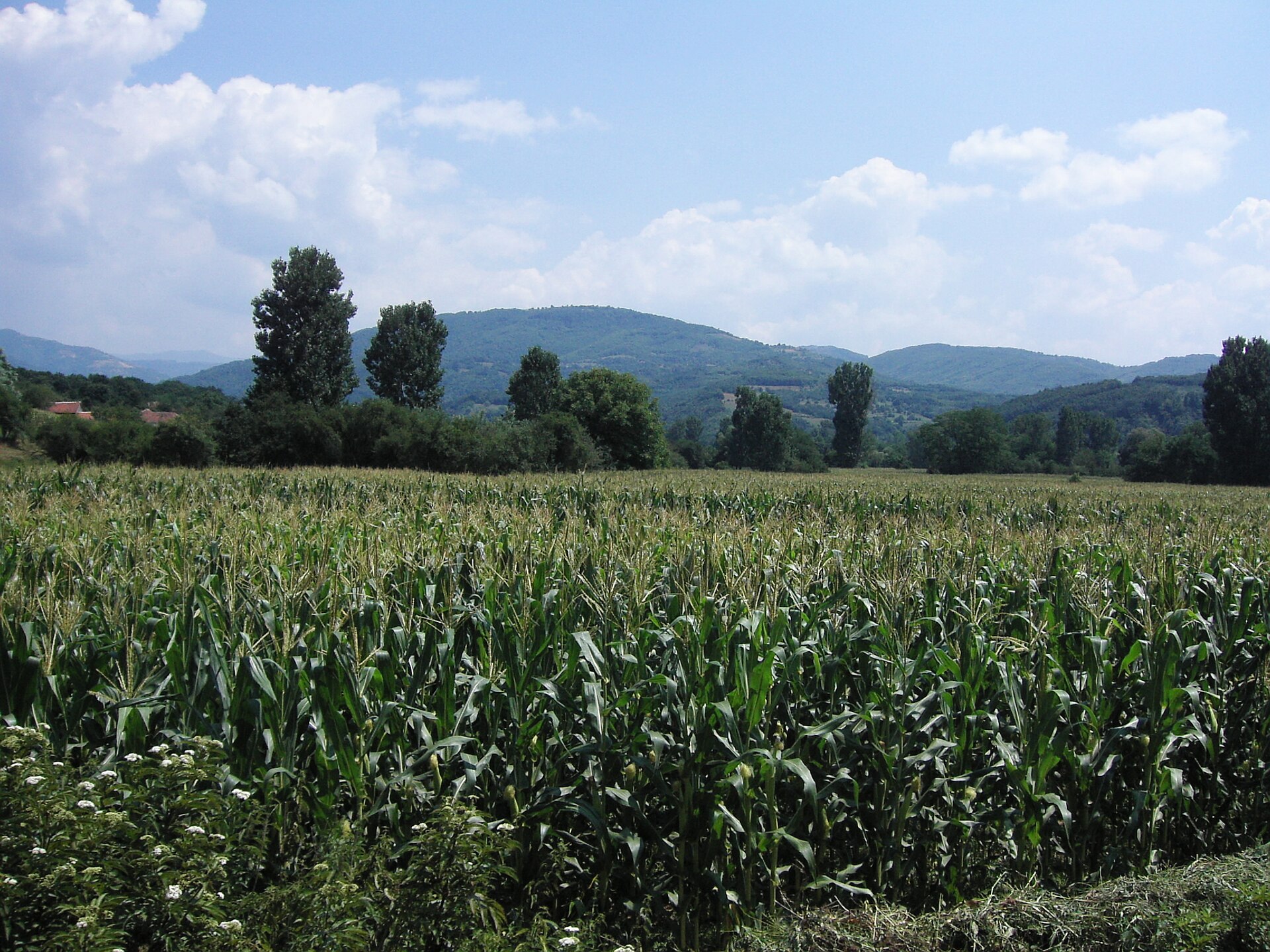
Rural Hillside Fields
A cornfield stretches across the foreground with wooded hills rising behind it in the Belgrade countryside
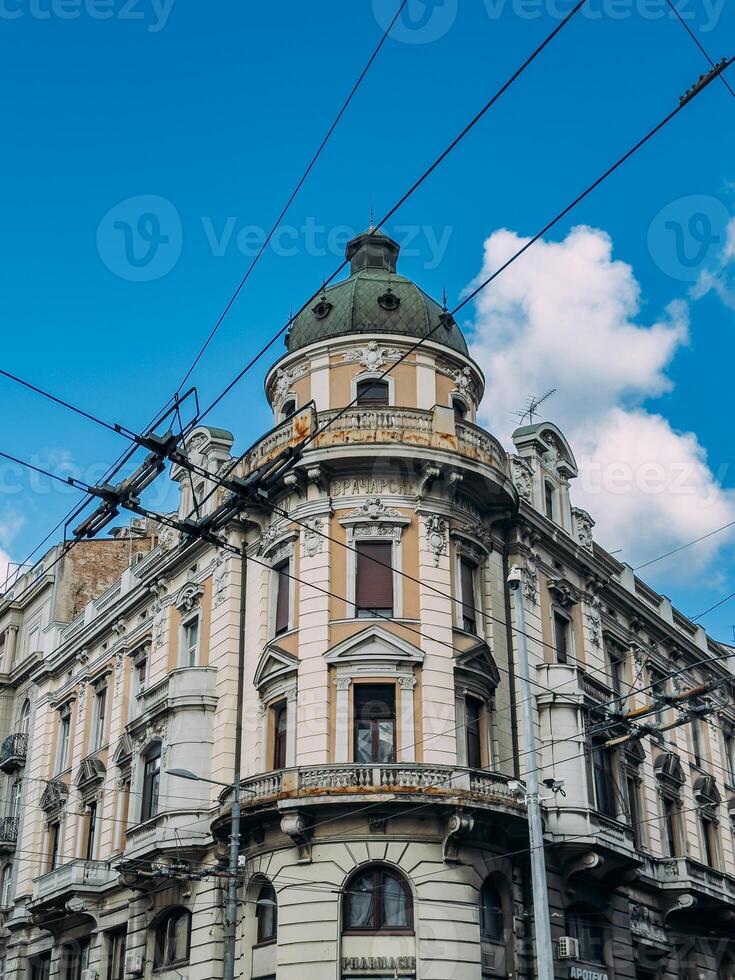
Corner Building with Dome
An ornate corner building rises among tram wires in central Belgrade under a bright blue sky
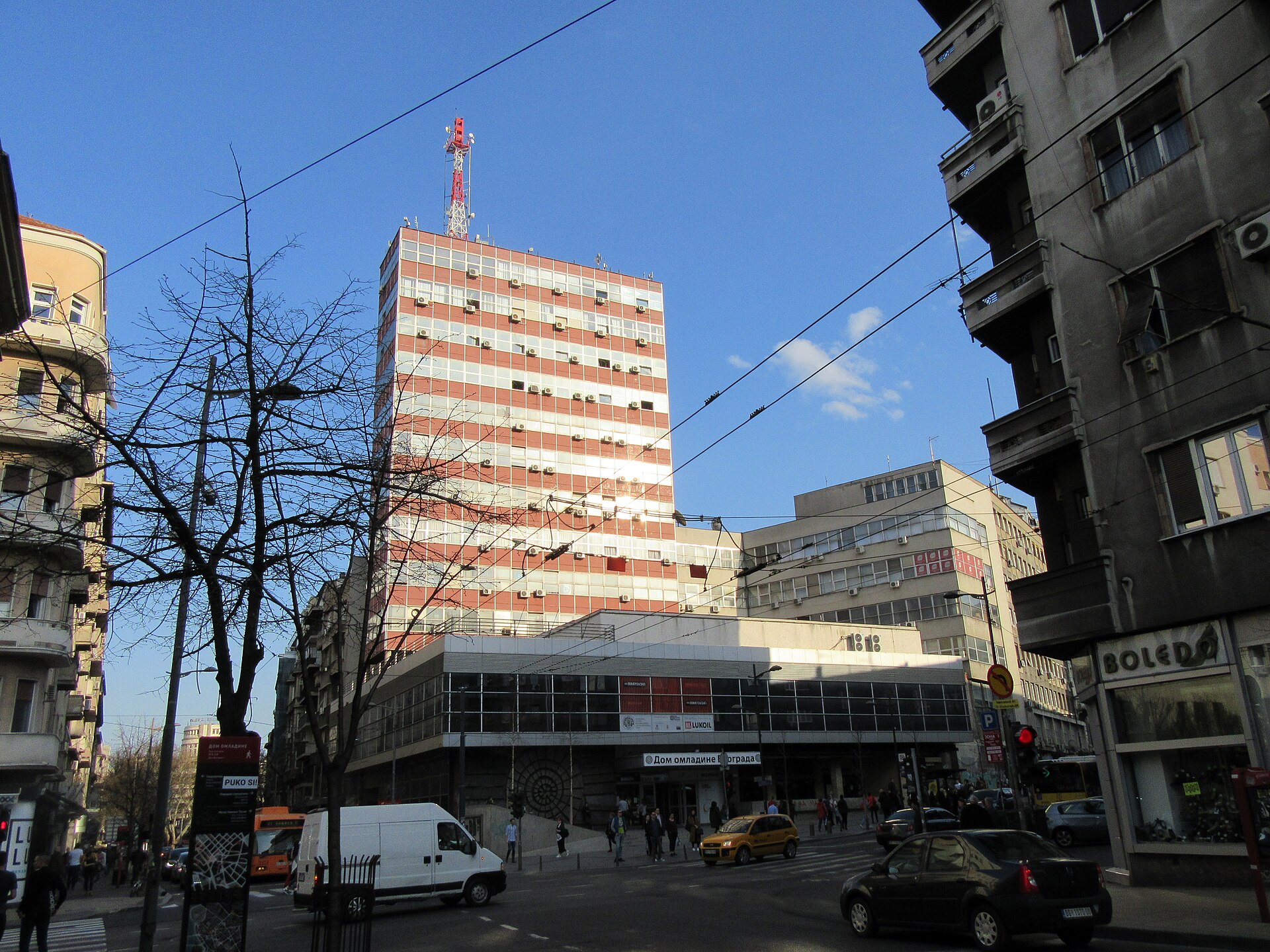
City Street with Tower
A busy Belgrade intersection shows mid-rise buildings, tram wires, and the Dom omladine center beneath a striped tower
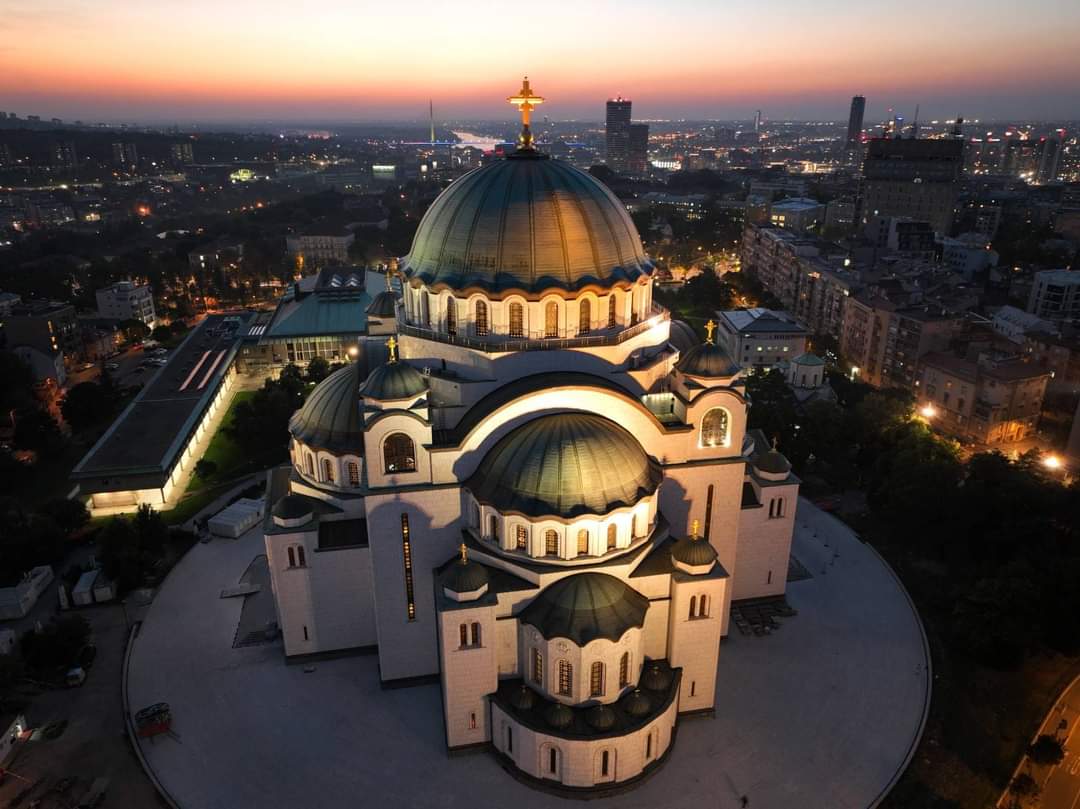
Saint Sava Temple
The Temple of Saint Sava rises above Belgrade at dusk, with its domes glowing against the city skyline
Outdoor cafe terrace
Closed umbrellas and seated diners line a pedestrian street cafe in Belgrade, with old façades behind them
Belgrade is a great start. If you want to pair it with Novi Sad, Tara, Niš or Vojvodina wineries, we will sketch the route for you — for free.
Guided routes, walking tours, and experiences that help you make the most of a visit to Belgrade Travel Guide.
Skadarlija
Skadarlija in Belgrade Travel Guide.
Address: Skadarska, Belgrade, Serbia.Closest landmarks: Trg Republike and the National Theatre.Known for: Kafanas, traditional Serbian food, local wine, and live acoustic music.Best timing: Late af...
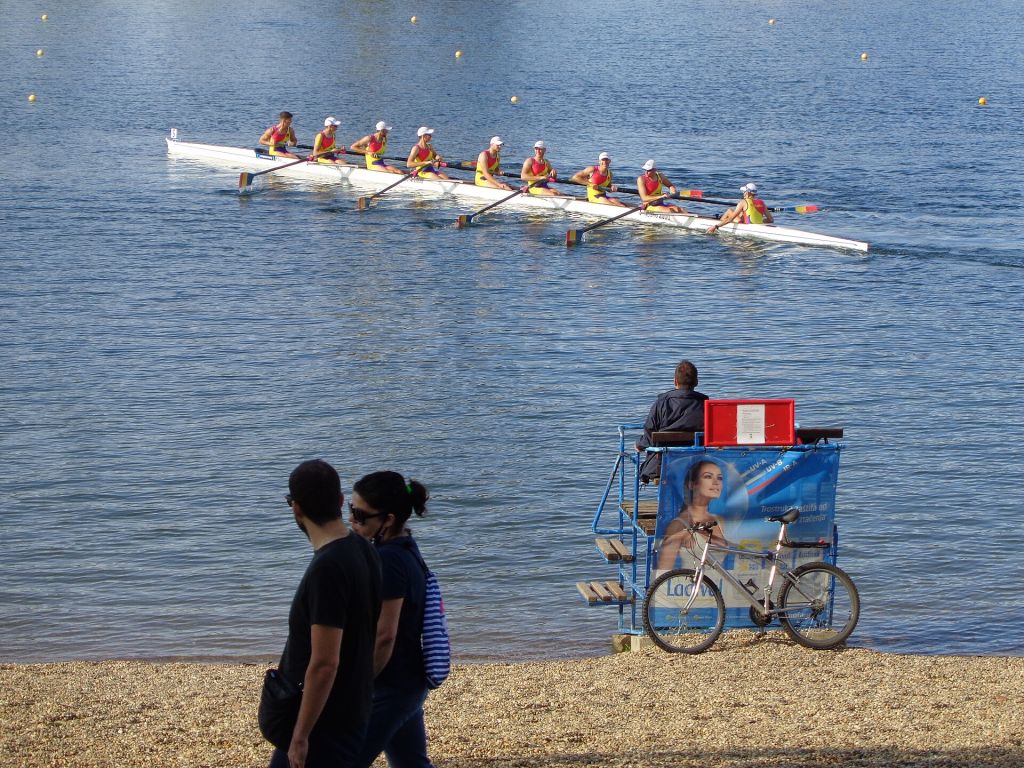
Ada Ciganlija
Ada Ciganlija in Belgrade Travel Guide.
Ada Ciganlija is one of Belgrade's main outdoor recreation areas, set along the Sava River. Travelers come here for walking, cycling, sports, and relaxed time near the water. It works well as a hal...
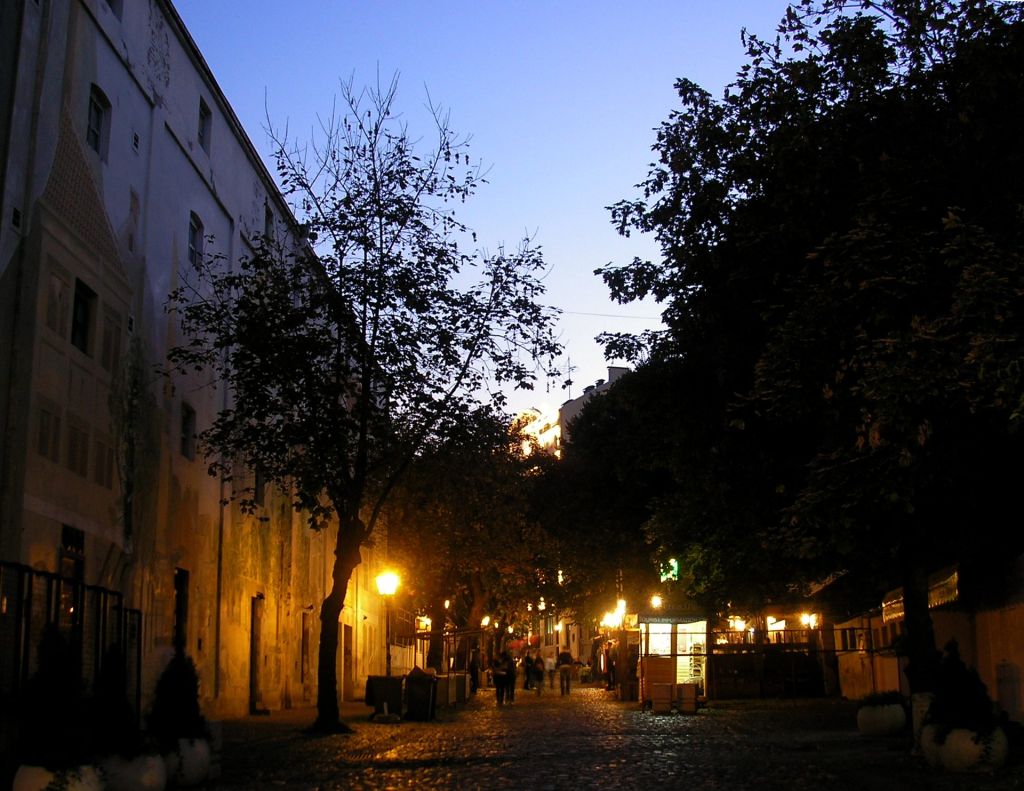
Belgrade Nightlife
Belgrade Nightlife in Belgrade Travel Guide.
Belgrade Nightlife | Kafanas, River Clubs & Late-Night Areas
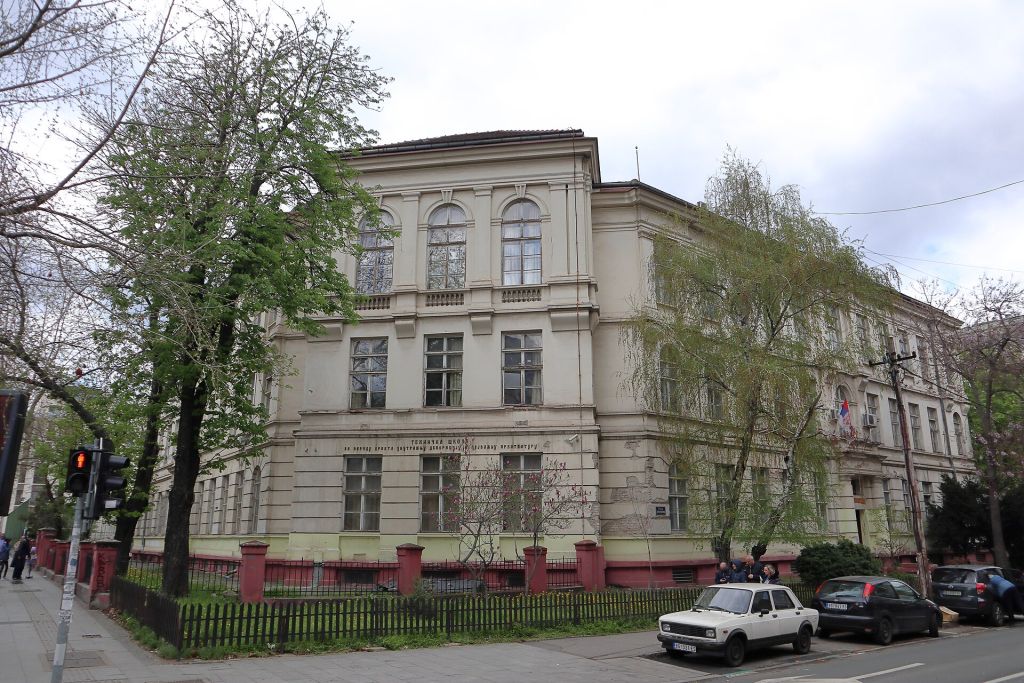
Dorćol
Dorćol in Belgrade Travel Guide.
Dorćol is a central Belgrade neighborhood north of the city core, close to Stari Grad, Kalemegdan Fortress, and the Danube waterfront. It is a good area for travelers who want cafés, everyday cit...
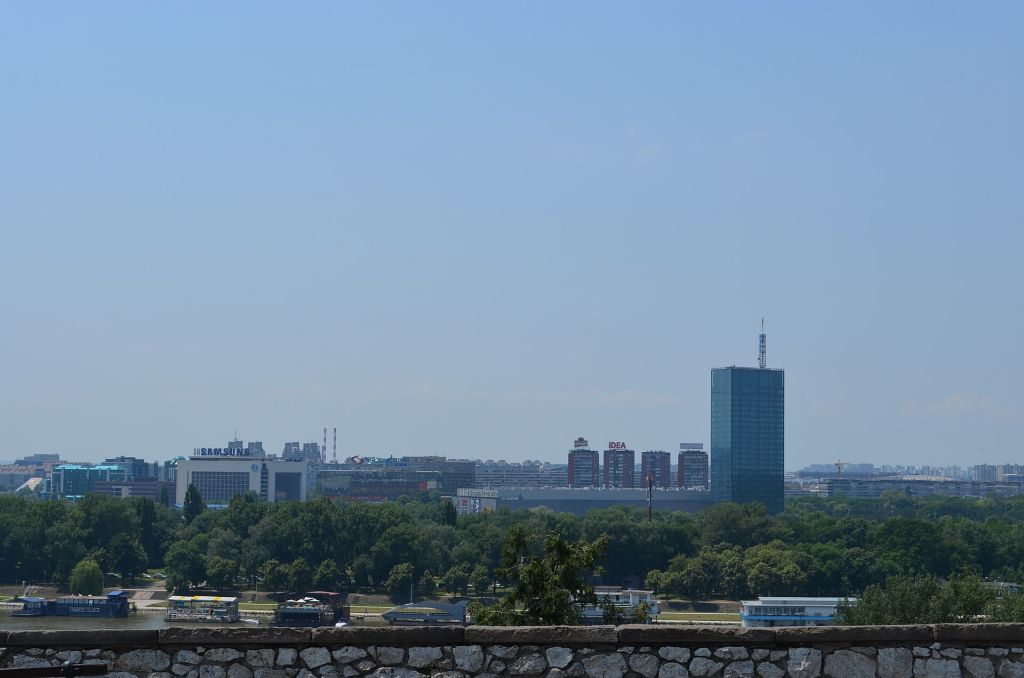
Novi Beograd Travel Guide
Novi Beograd Travel Guide in Belgrade Travel Guide.
Novi Beograd is Belgrade’s large planned district on the left bank of the Sava. It was developed after 1948 as a socialist city-building project, and today it is known for broad boulevards, moder...

Scars of a City in Belgrade
Scars of a City in Belgrade in Belgrade Travel Guide.
Scars of a City is a reflective Belgrade theme focused on the visible scars left by the 1999 NATO bombings. The most practical way to approach it is as a short walking route through central Belgrad...
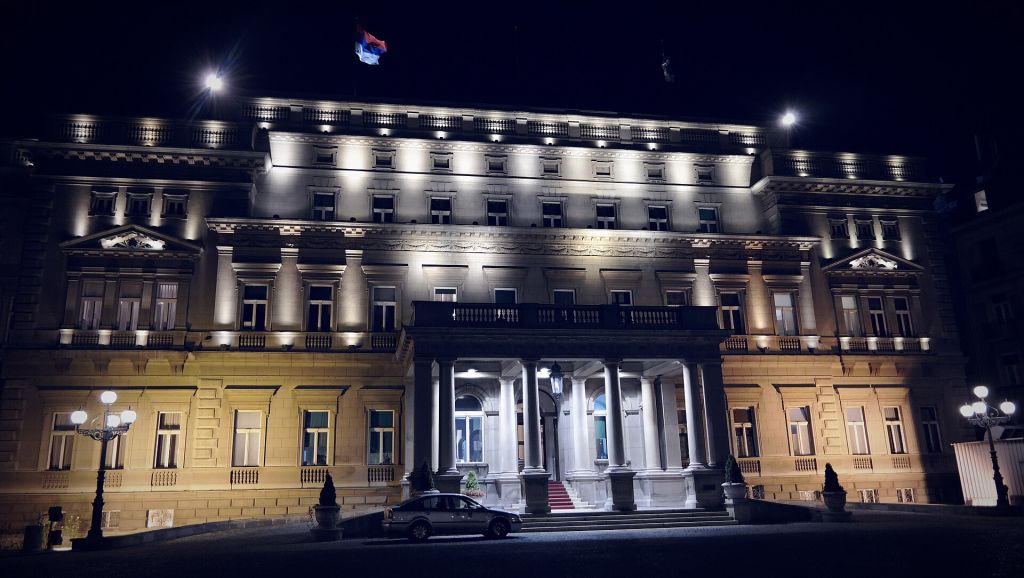
Stari Grad Belgrade Guide
Stari Grad Belgrade Guide in Belgrade Travel Guide.
Stari Grad is the historic center of Belgrade and one of the best areas for a first visit because many of the city’s well-known sights are close together. It brings together Kalemegdan Fortress, ...
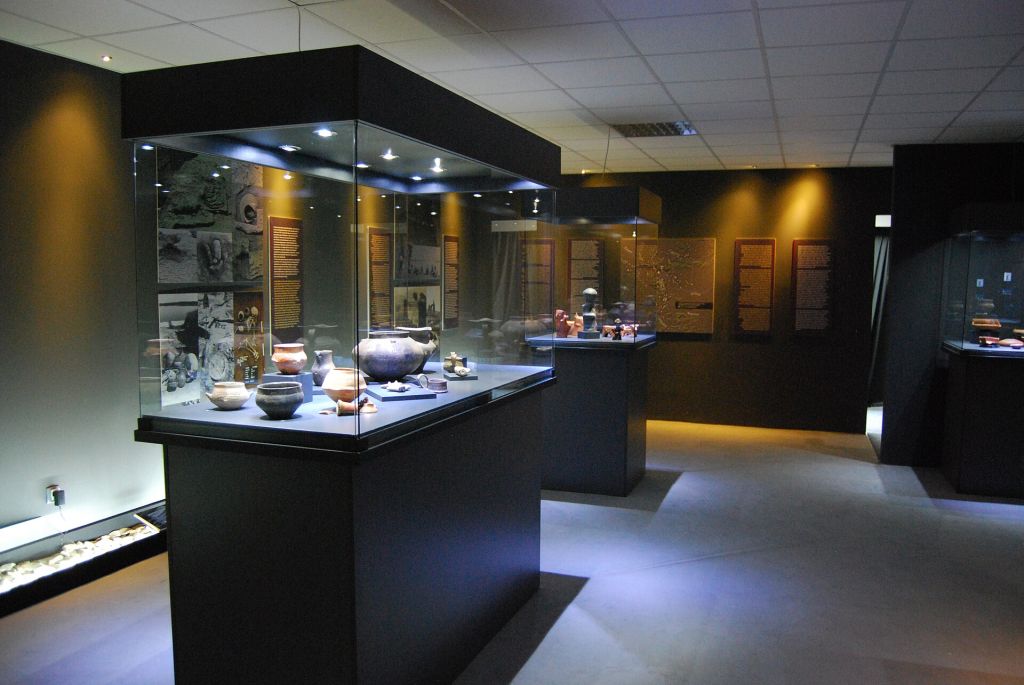
Vinča Archaeological Site near Belgrade
Vinča Archaeological Site near Belgrade in Belgrade Travel Guide.
Vinča is a prehistoric archaeological site near Belgrade, best known as the place that gave its name to the Vinča culture. The settlement belongs to Serbia’s deep past and is often discussed as...
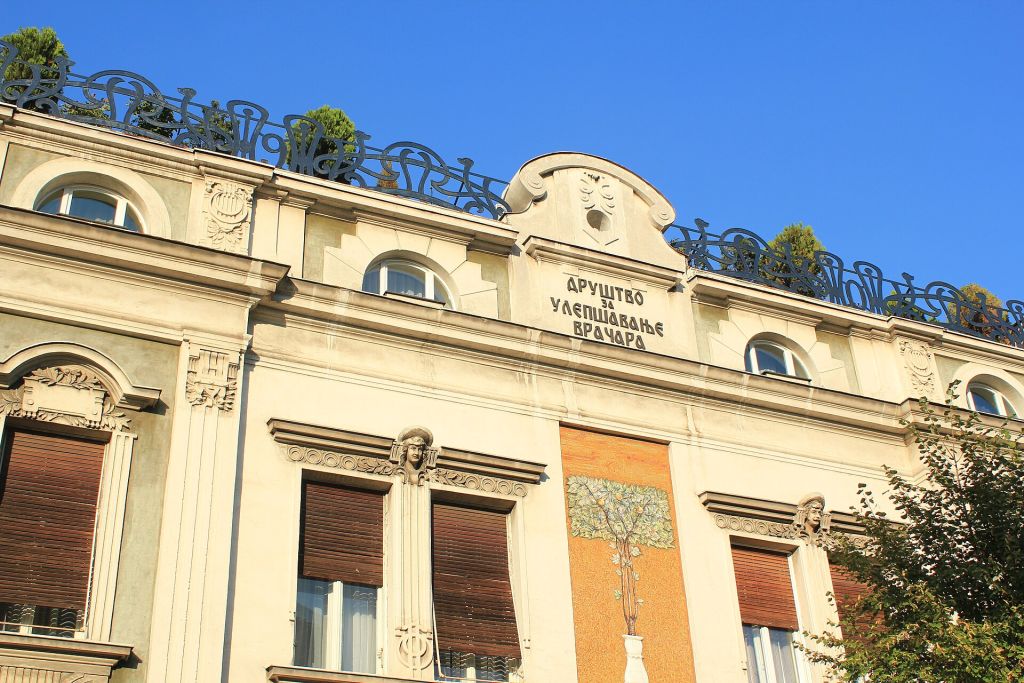
Vračar
Vračar in Belgrade Travel Guide.
Vračar is one of the most recognizable parts of Belgrade for first-time visitors because it combines a major landmark, the Cathedral of Saint Sava, with a more local, creative feel in the surround...
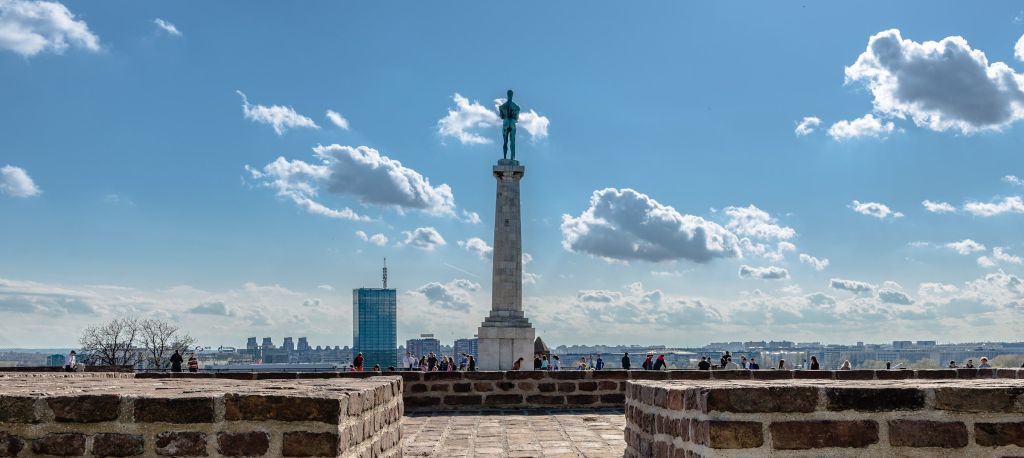
Victor Monument in Belgrade
Victor Monument in Belgrade in Belgrade Travel Guide.
The Victor Monument stands inside Kalemegdan, the largest city park in Belgrade and home to the Belgrade Fortress. From the platform near the stronghold, you get wide views toward the Sava and Danu...
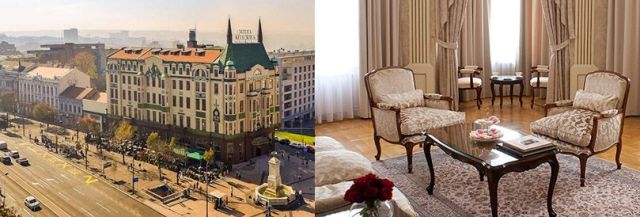
Hotel Moskva
Hotel Moskva in Belgrade Travel Guide.
Plan your visit to Hotel Moskva — what to see, how to get there, and what to combine it with.
Exploring Knez Mihailova Street in Belgrade
Exploring Knez Mihailova Street in Belgrade in Belgrade Travel Guide.
Exploring Knez Mihailova Street in Belgrade | History, Shopping & Street Life
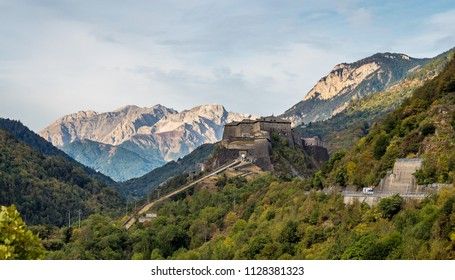
Kalemegdan Fortress
Kalemegdan Fortress in Belgrade Travel Guide.
Kalemegdan is Belgrade's most significant historic site, a fortress and park complex at the western edge of the old city where the Sava and Danube rivers meet. Its foundations date to the fourth ce...
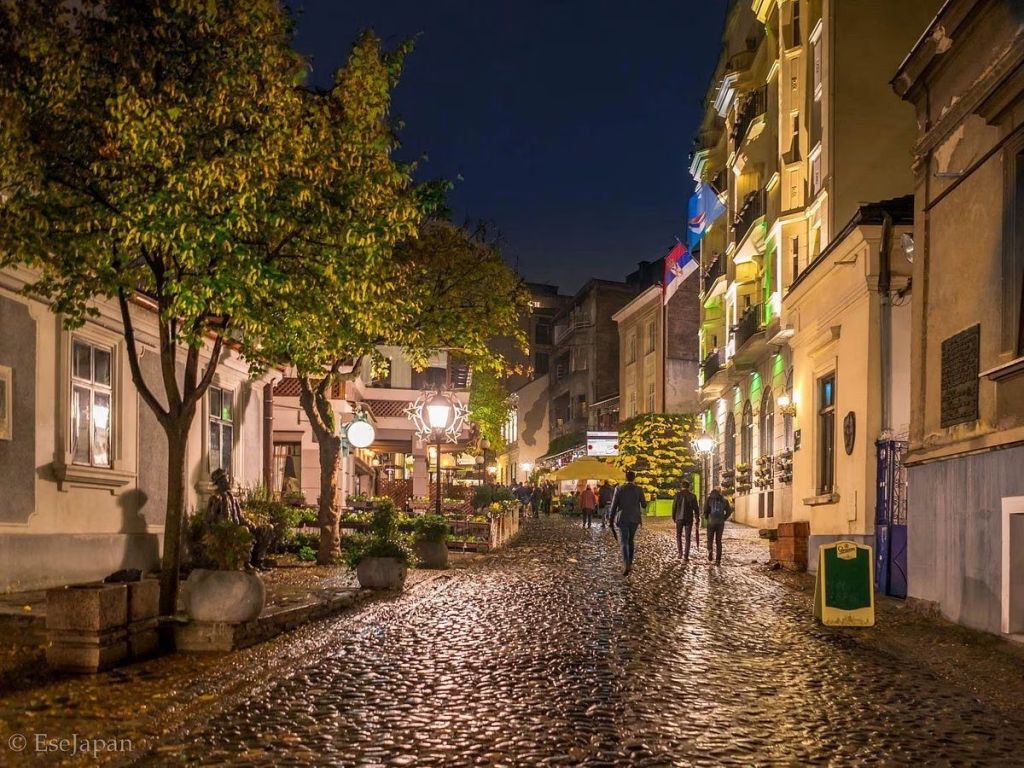
Skadarlija Bohemian Quarter
Skadarlija Bohemian Quarter in Belgrade Travel Guide.
Skadarlija is a short cobbled street in central Belgrade, traditionally counted as the city's bohemian quarter. It runs about 400 metres downhill from the top of Trg Republike towards the old centr...
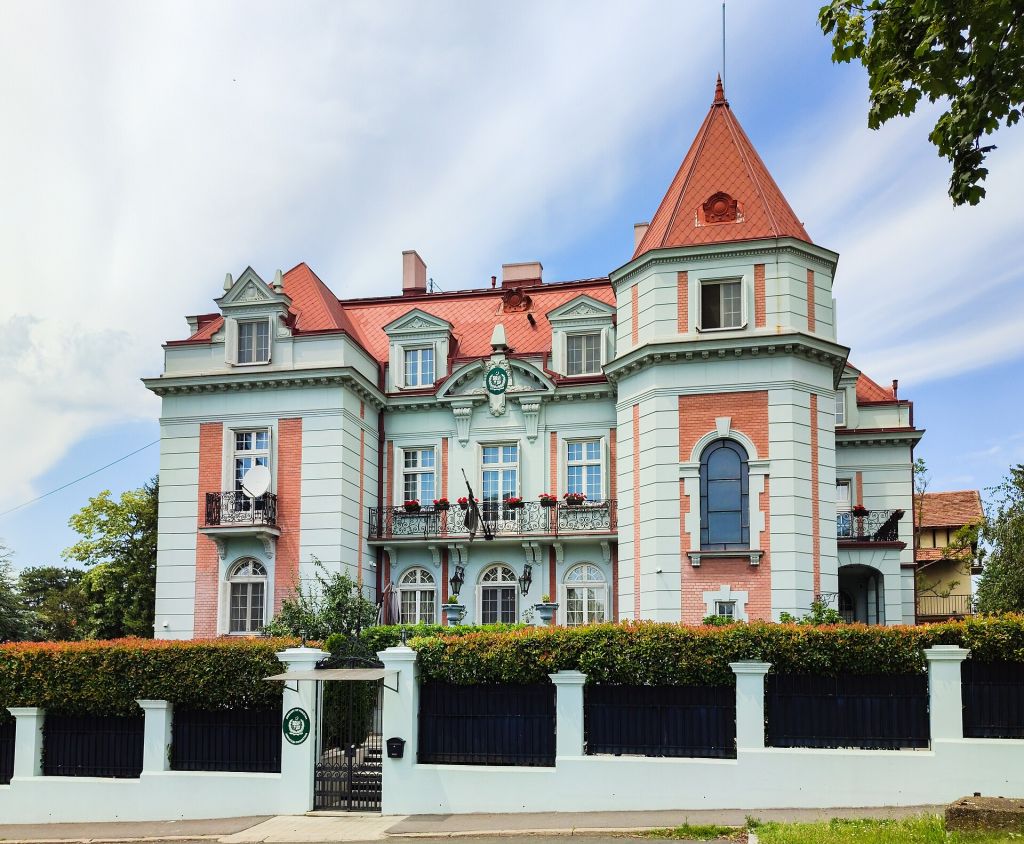
Museums in Belgrade
Museums in Belgrade in Belgrade Travel Guide.
Belgrade works well for museum-hopping because the city offers a clear spread of themes rather than one single type of collection. If you want classical art, start with the National Museum. For mod...
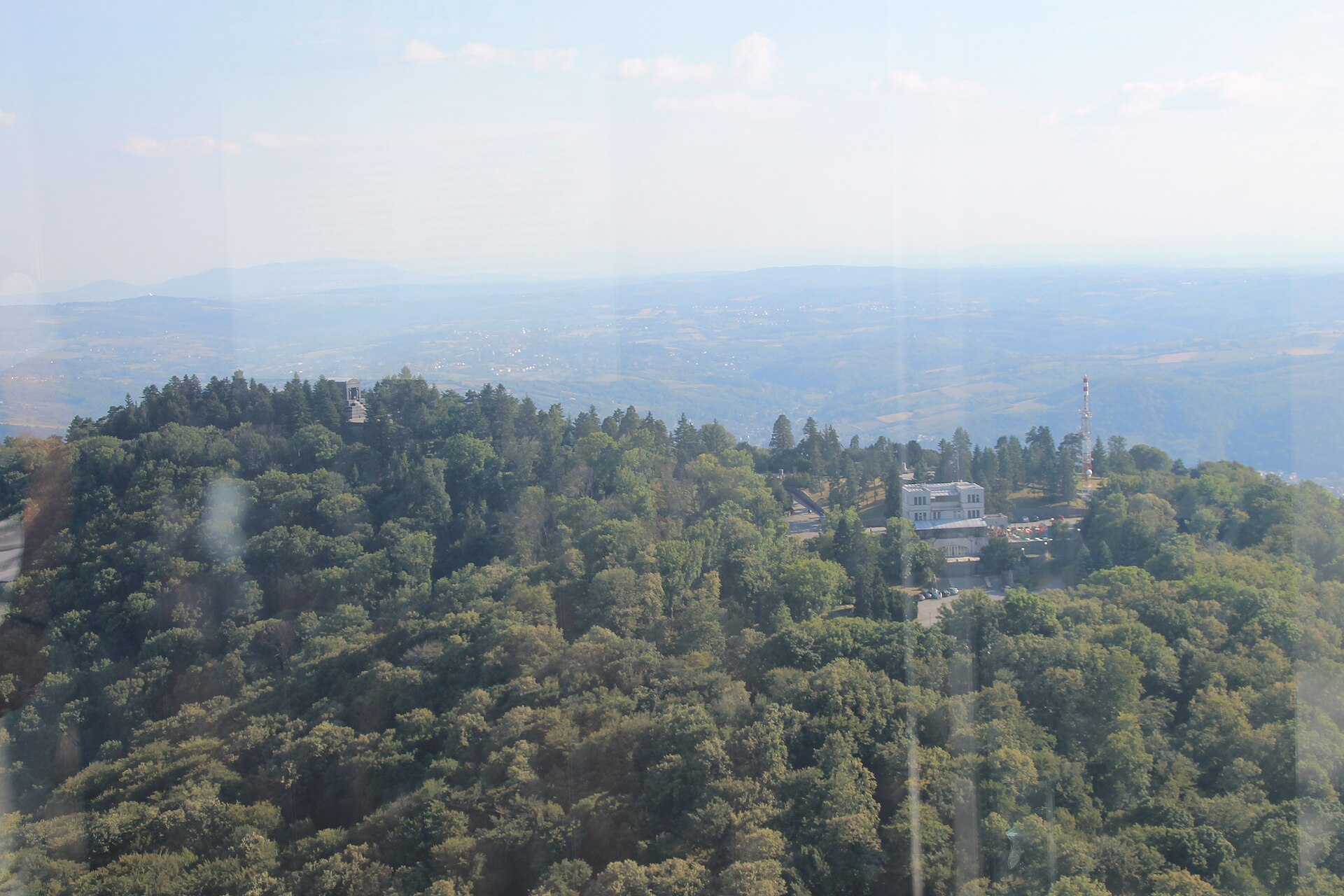
Avala Tower
Avala Tower in Belgrade Travel Guide.
Avala Tower is Belgrade’s main lookout tower on Mount Avala. Visitors come for the glassy observation deck, open views toward the city and the Danube plain, and a low-effort break from central Be...
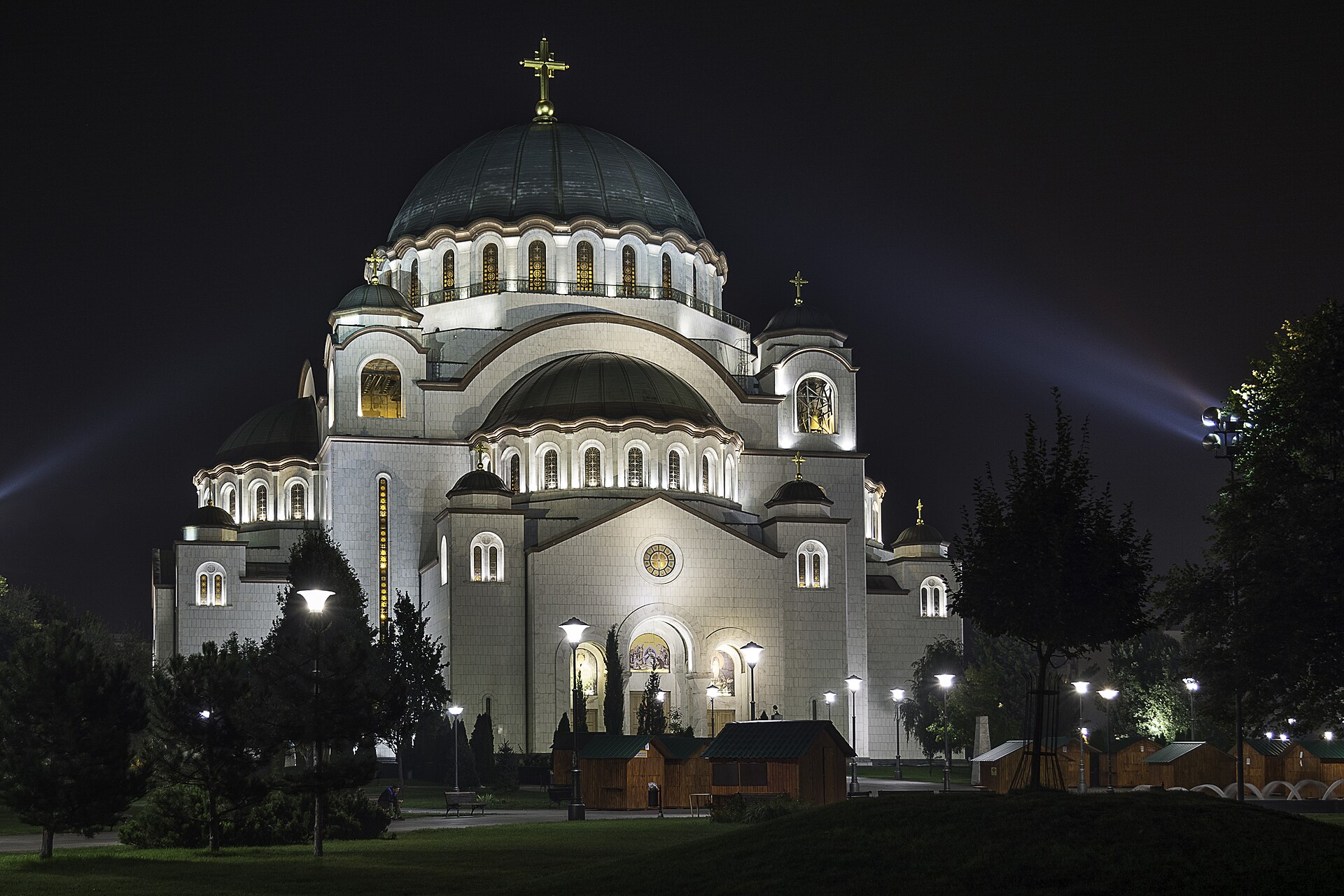
Cathedral of Saint Sava
Cathedral of Saint Sava in Belgrade Travel Guide.
Plan your visit to Cathedral of Saint Sava — what to see, how to get there, and what to combine it with.
Towns and destinations within Belgrade Travel Guide.
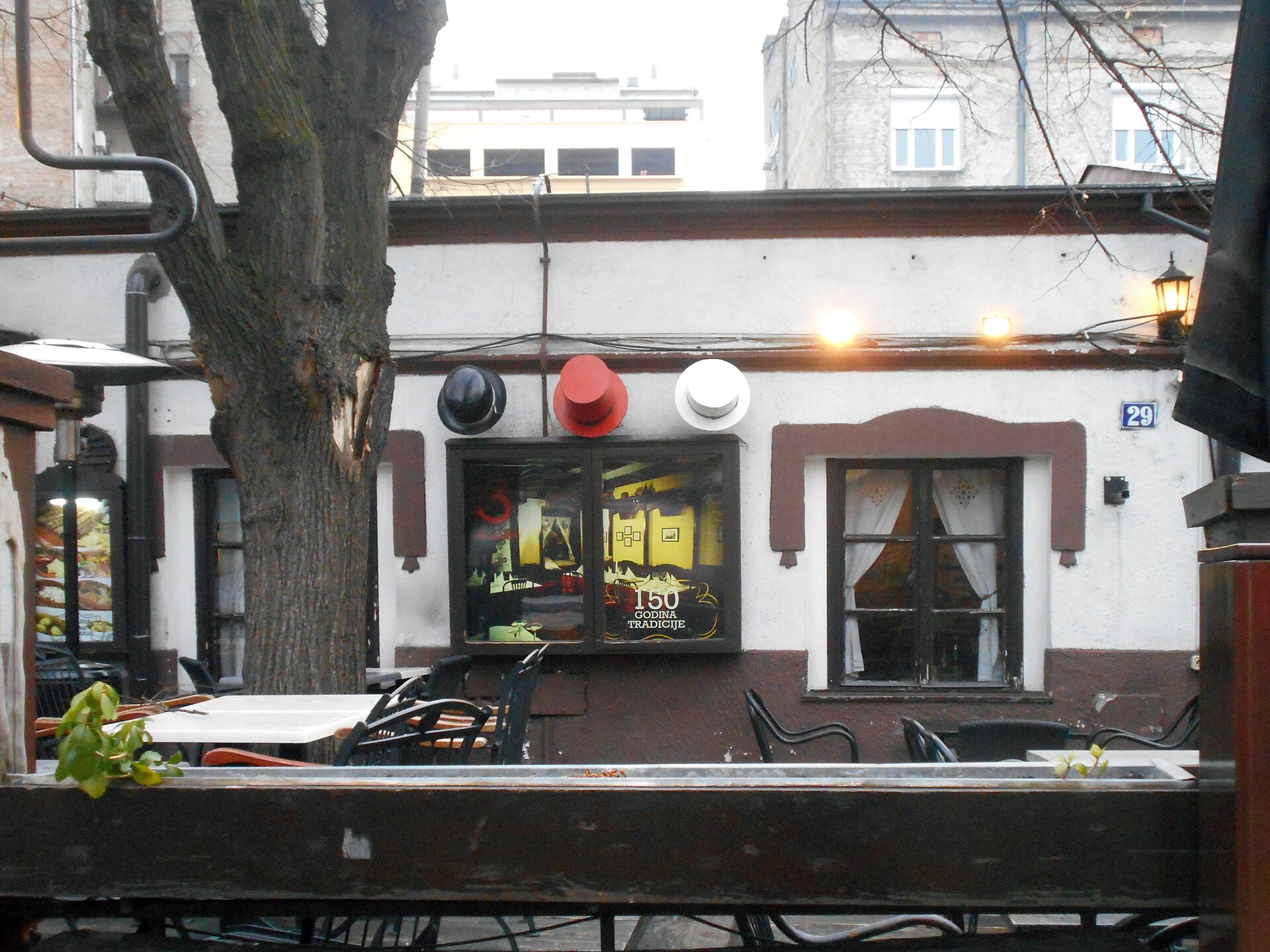
Skadarlija
Skadarlija.
Explore Skadarlija — history, culture, and practical tips for your visit.
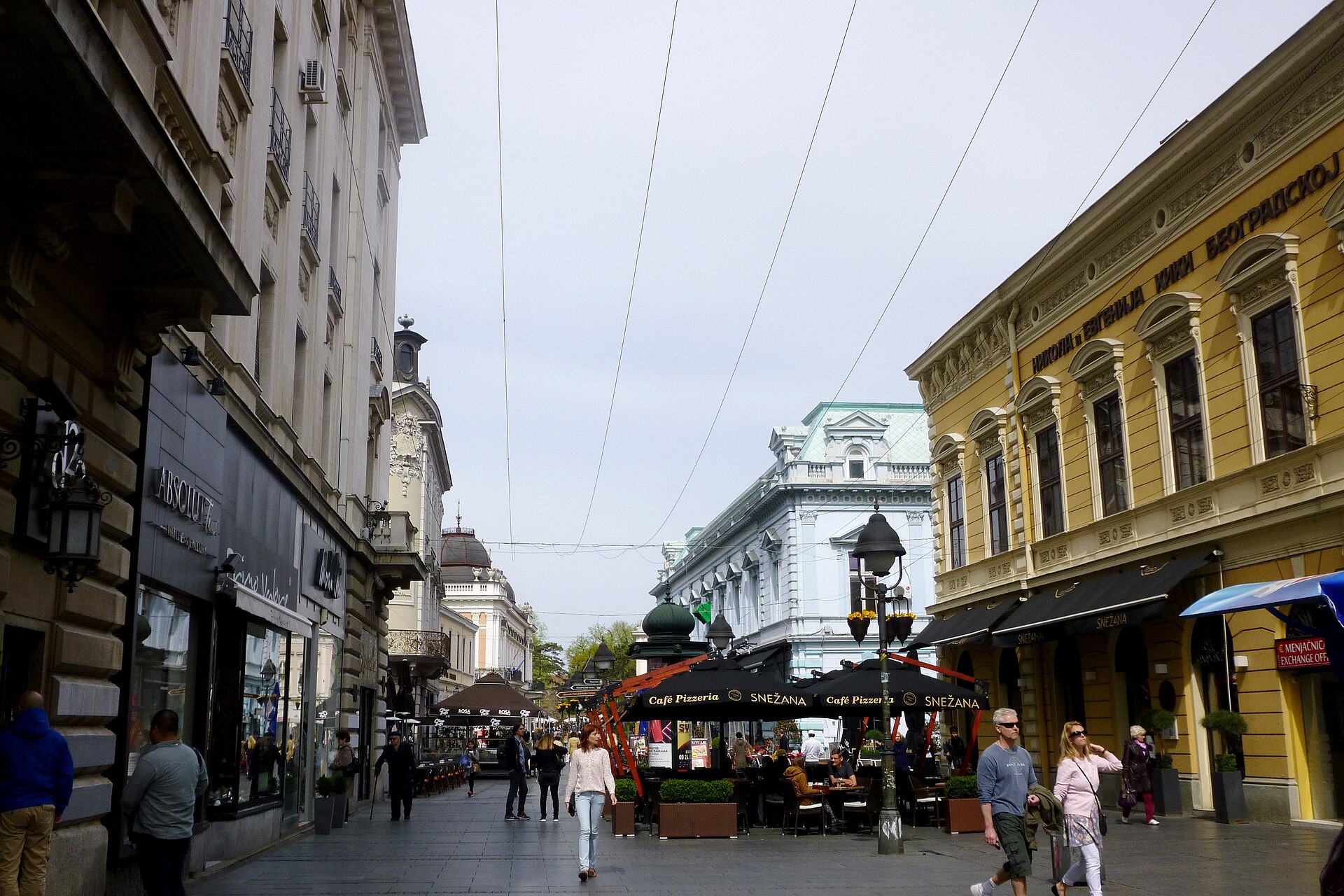
Knez Mihailova Street
Knez Mihailova Street.
Belgrade’s main pedestrian street, best for walking, shopping, coffee, and a direct route between Republic Square and Kalemegdan.
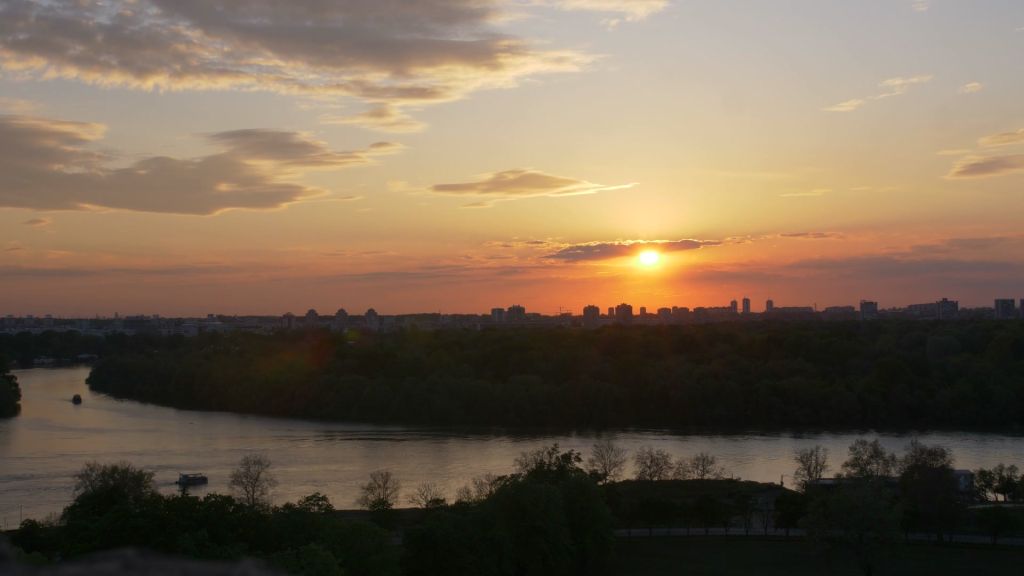
Exploring Belgrade
Exploring Belgrade.
Belgrade's center is organized around a single pedestrian spine. Republic Square — the Trg Republike — anchors the eastern end, marked by the equestrian statue of Prince Mihailo and flanked by ...
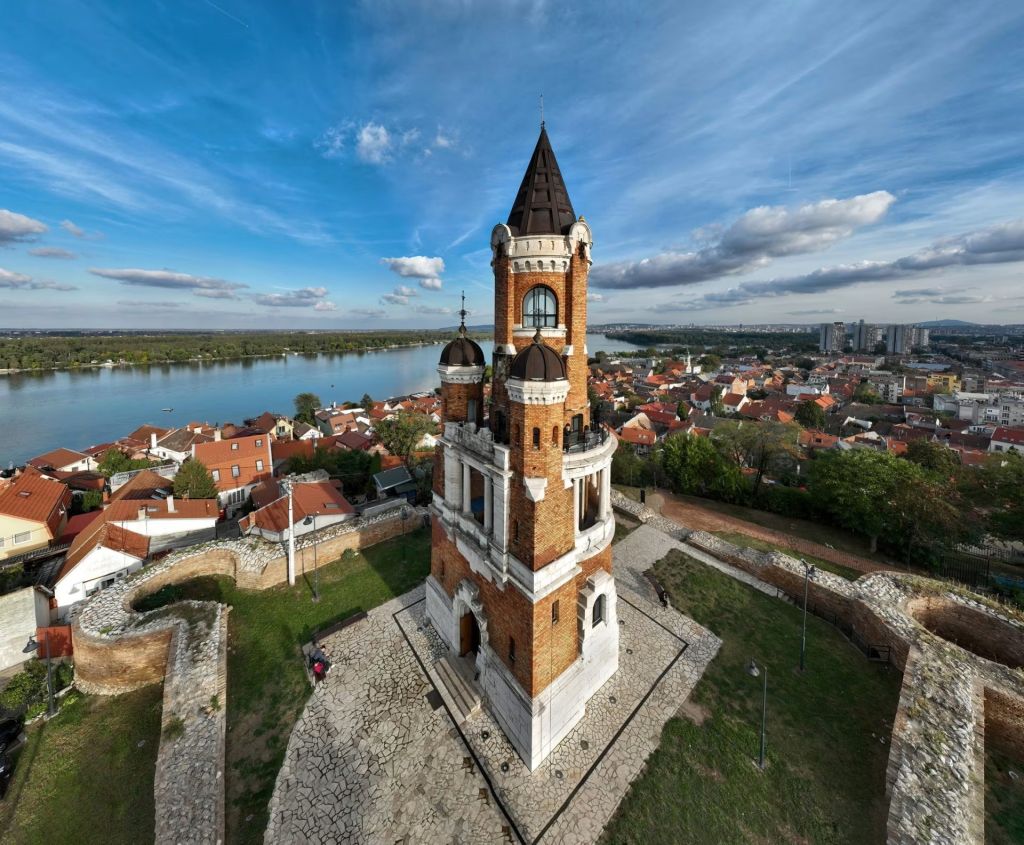
Zemun
Zemun.
Explore Zemun — history, culture, and practical tips for your visit.
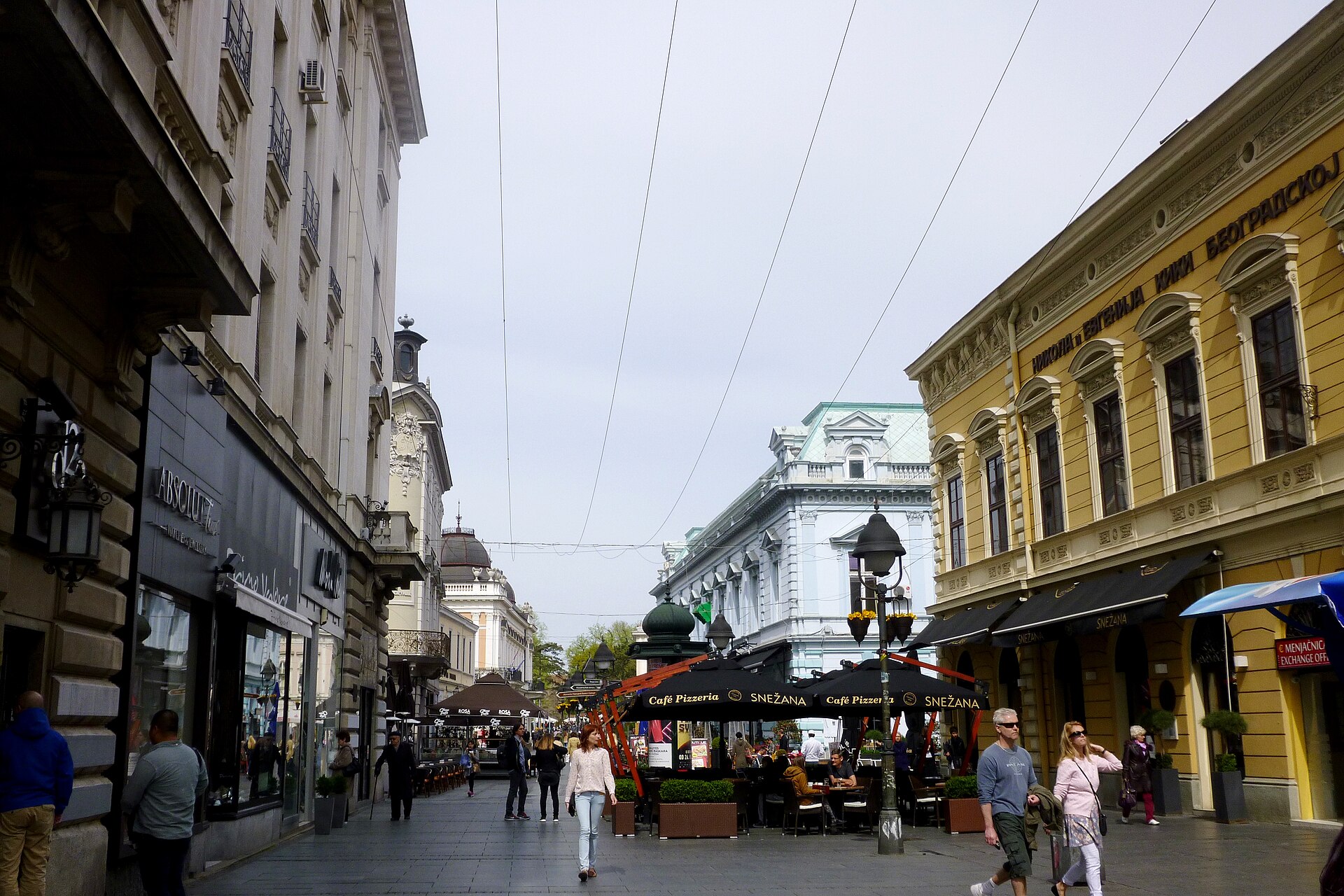
Knez Mihailova Street
Knez Mihailova Street.
Knez Mihailova Street is Belgrade’s best-known pedestrian promenade, lined with 19th-century façades, chain stores, bookstores, cafés, and street performers. It connects Trg Republike with the ...
Belgrade Nightlife
Belgrade Nightlife.
Belgrade nightlife works in layers. We often start in the city center, drift through Knez Mihailova or Skadarlija, and then decide whether to stay in a wine bar, sit in a kafana, or cross the river...
Other pages and guides connected to Belgrade Travel Guide.
Stay connected in Serbia