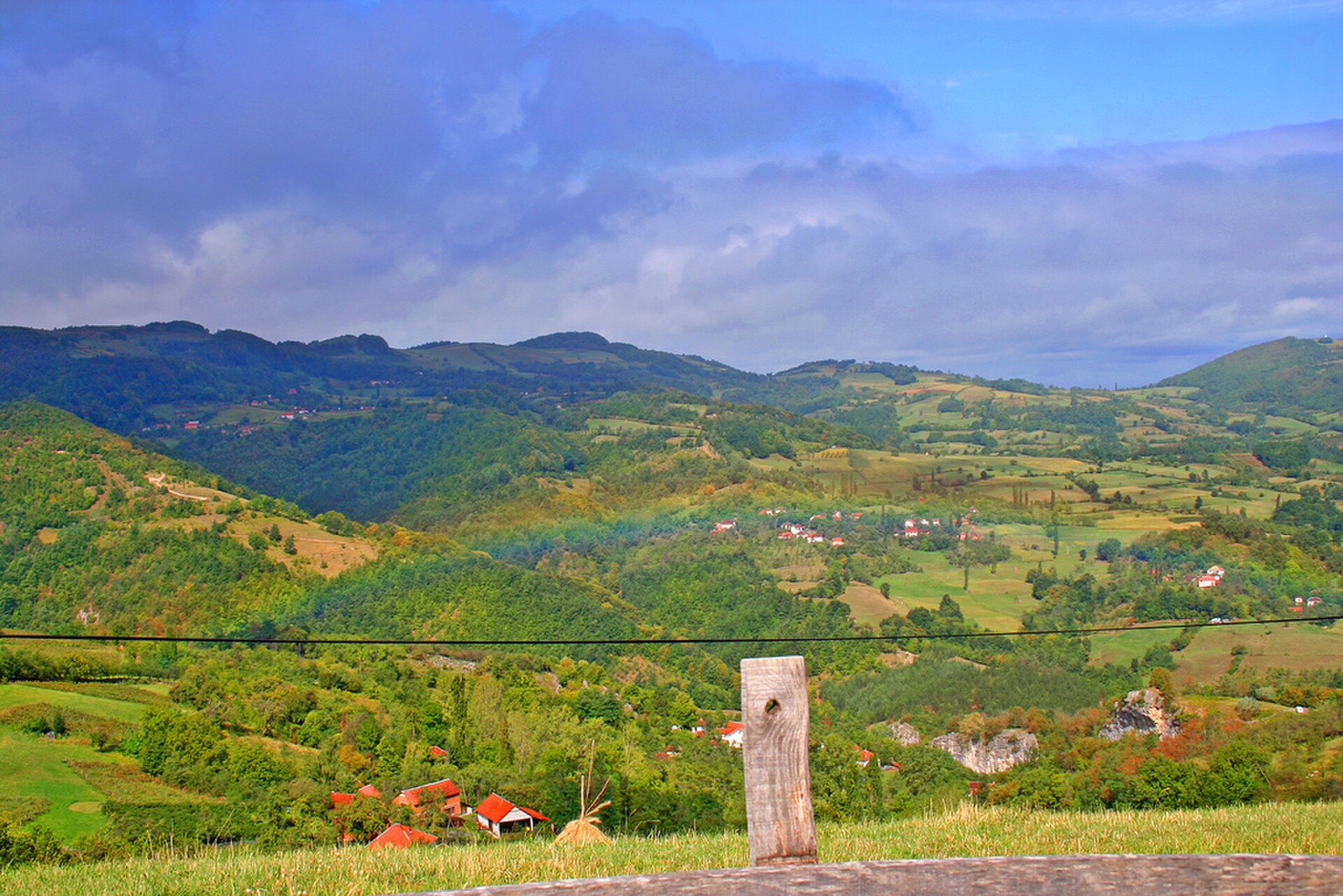
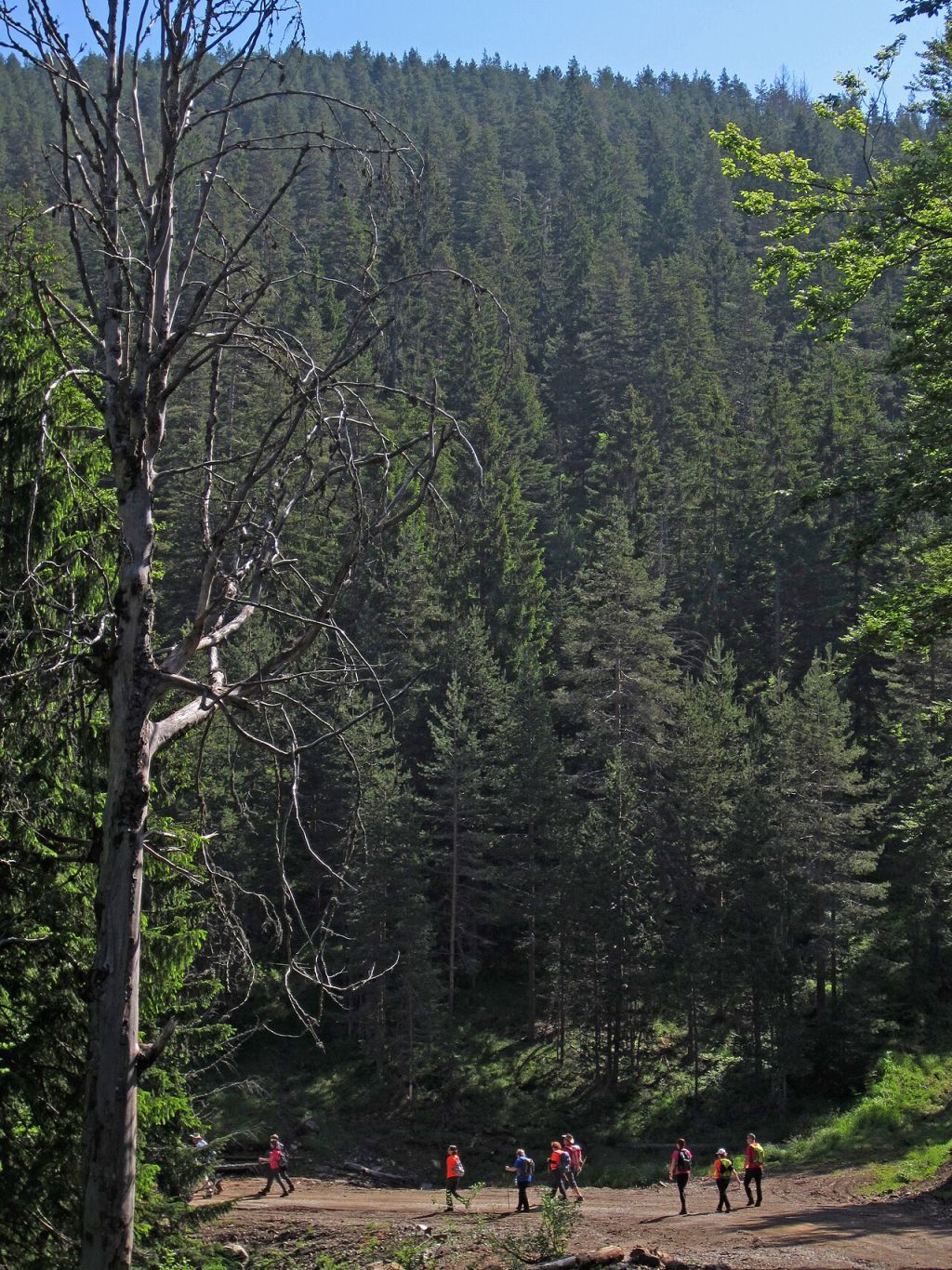
Tara National Park occupies a plateau in western Serbia above the deep bends of the Drina River, which forms the border with Bosnia and Herzegovina along much of this stretch. The park covers roughly 220 square kilometers of largely unbroken forest — predominantly silver fir and spruce — with open meadows and rock viewpoints at the plateau edges.
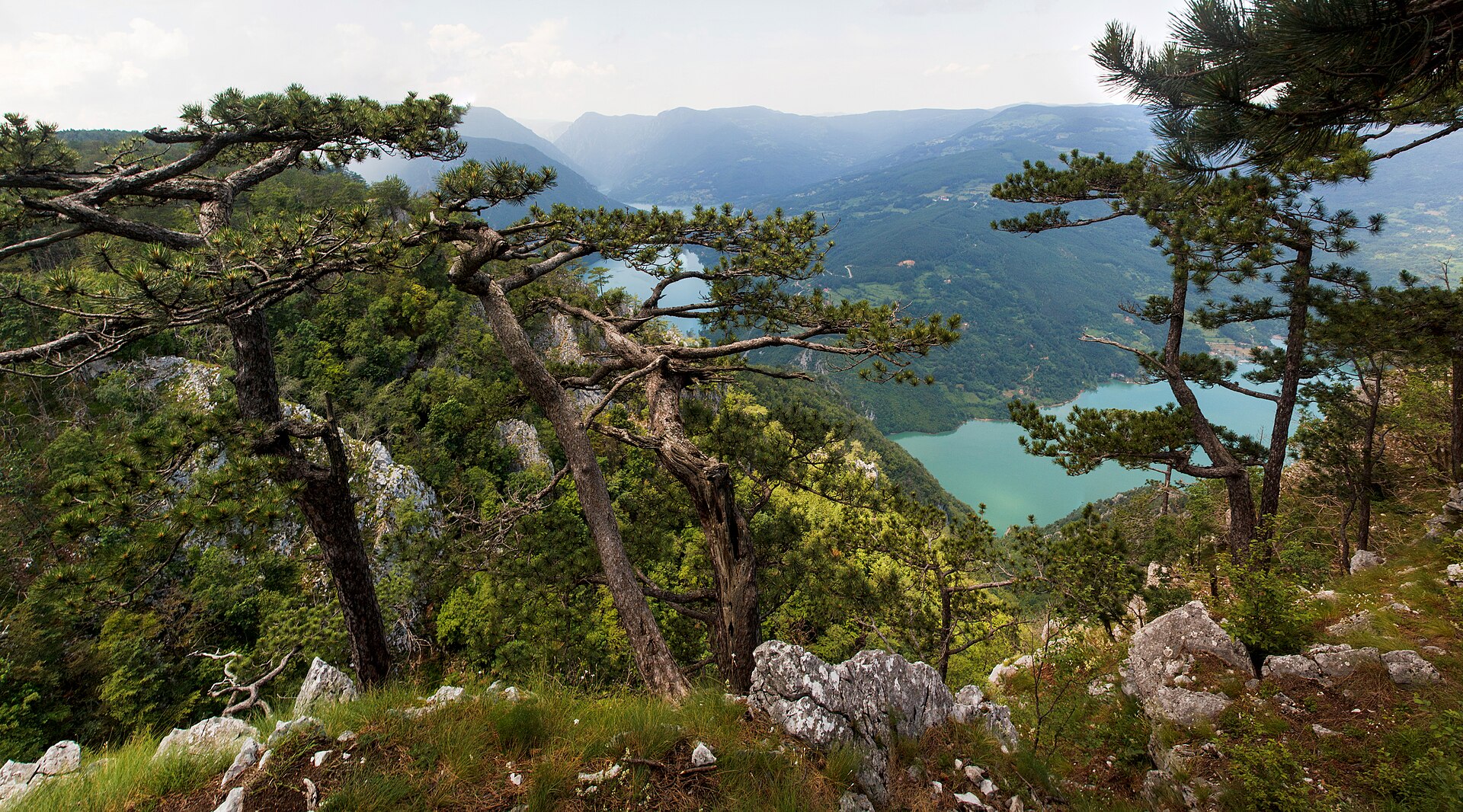
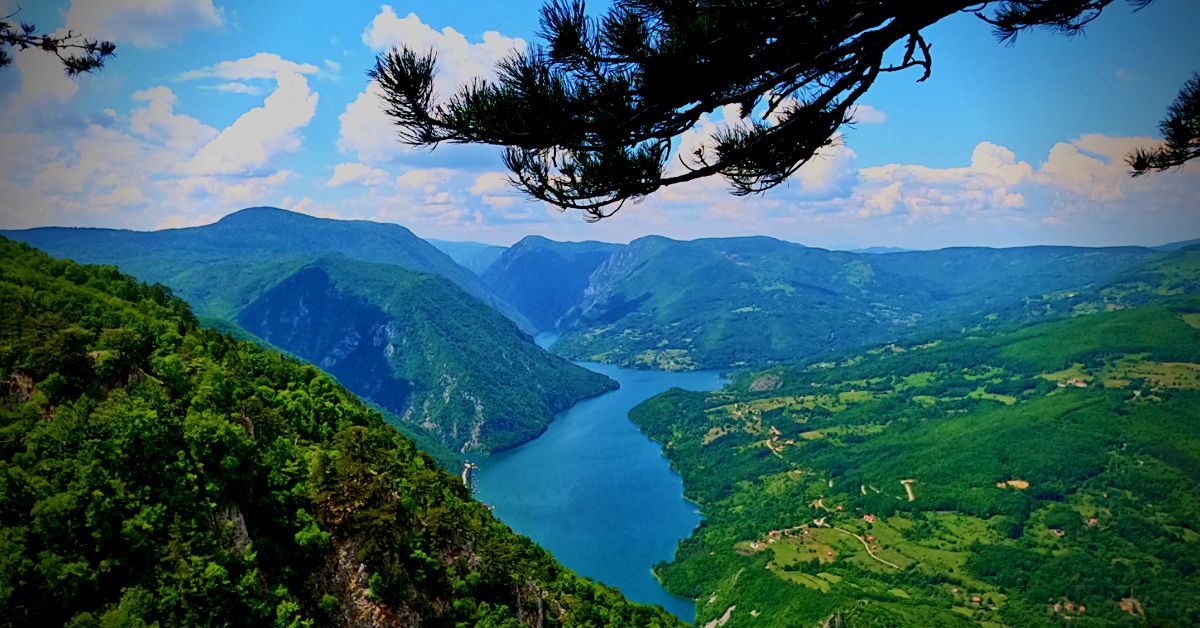
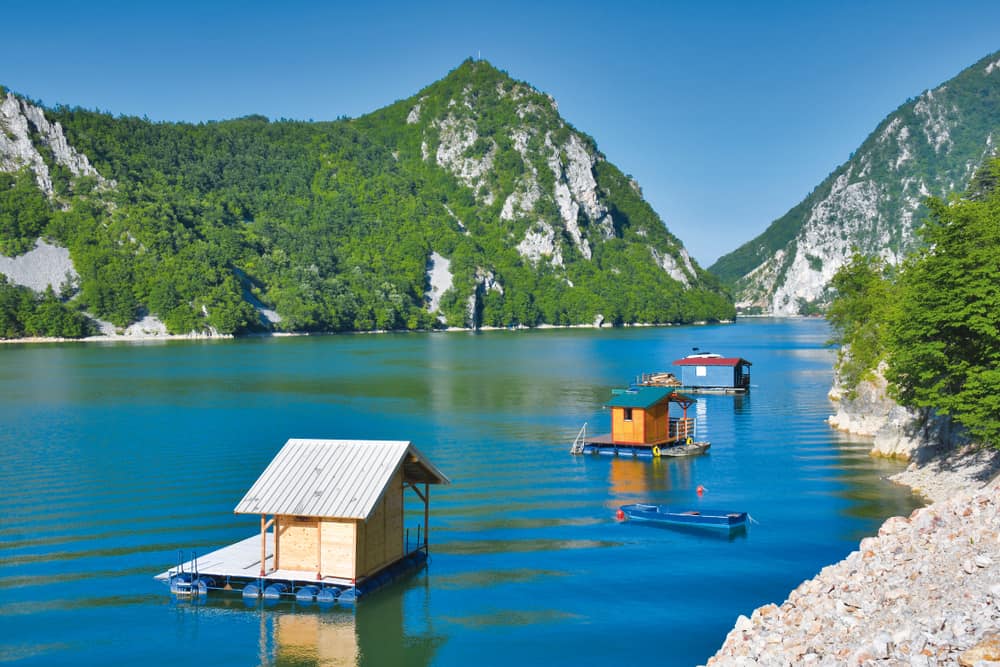
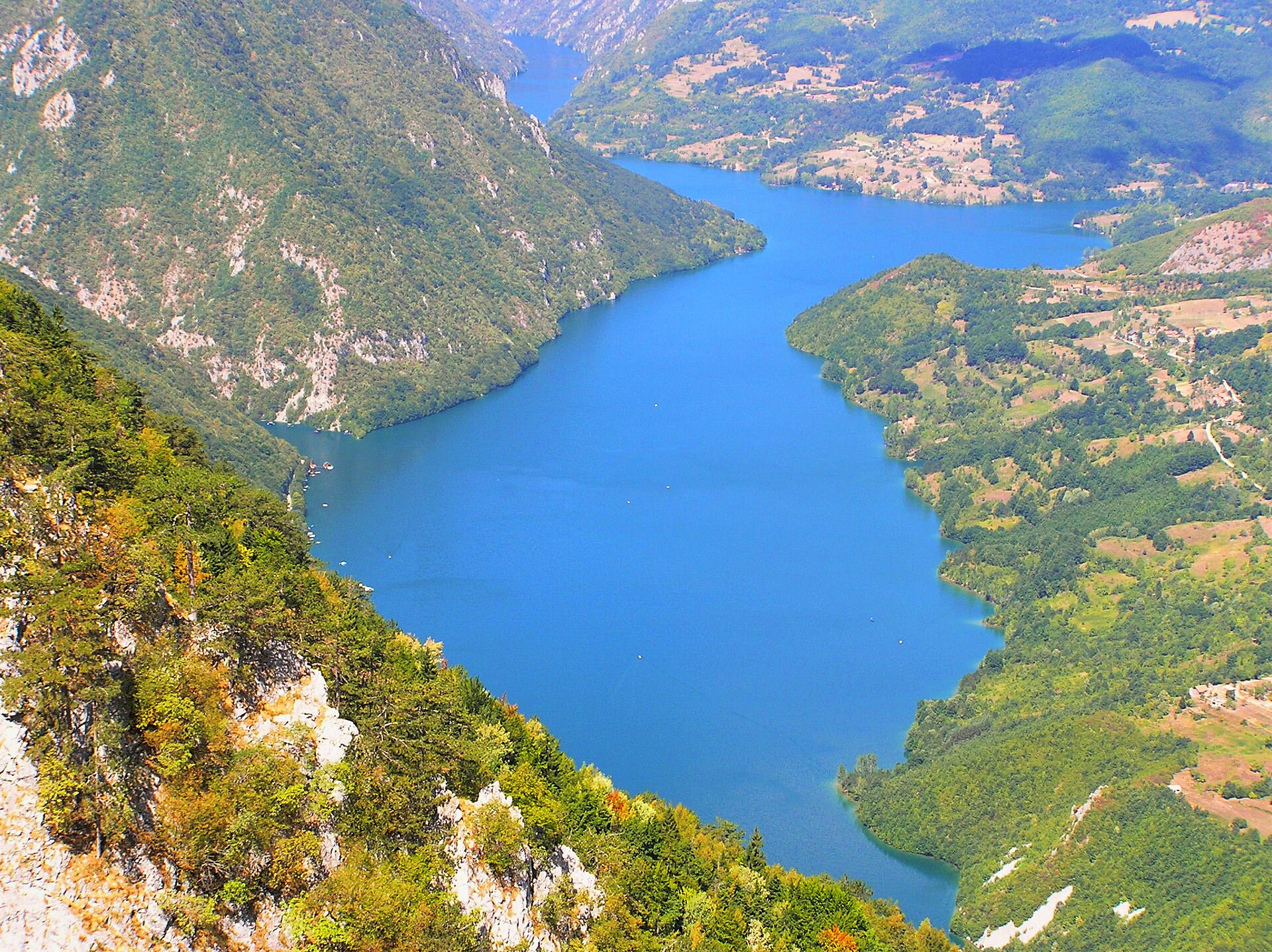
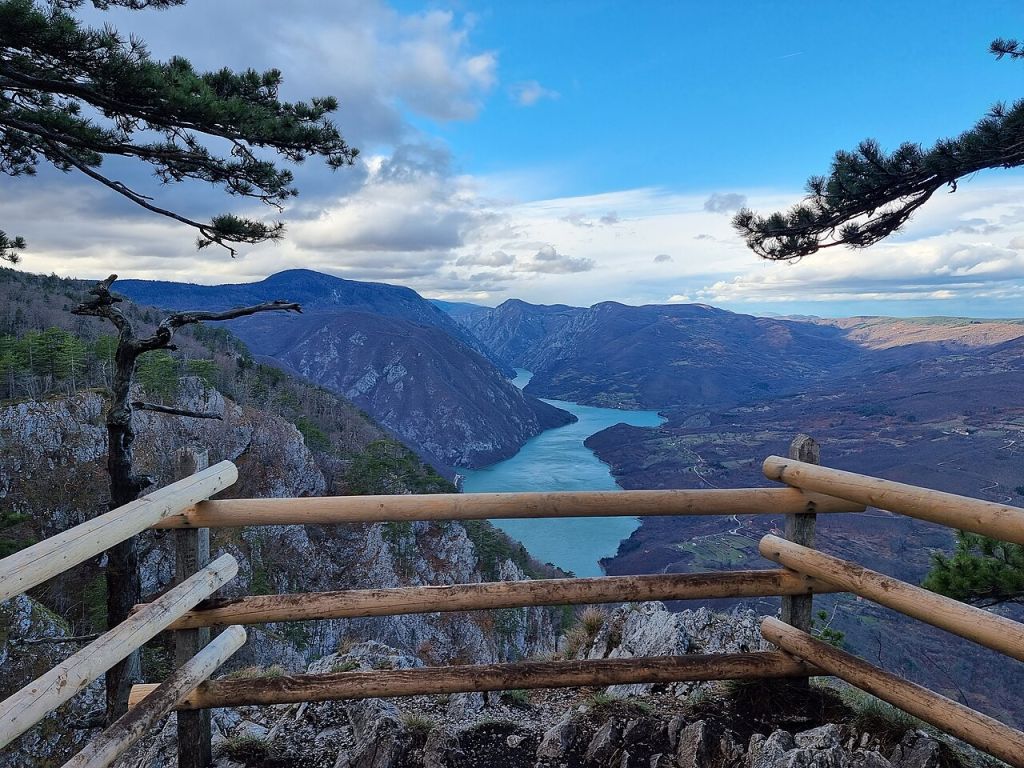
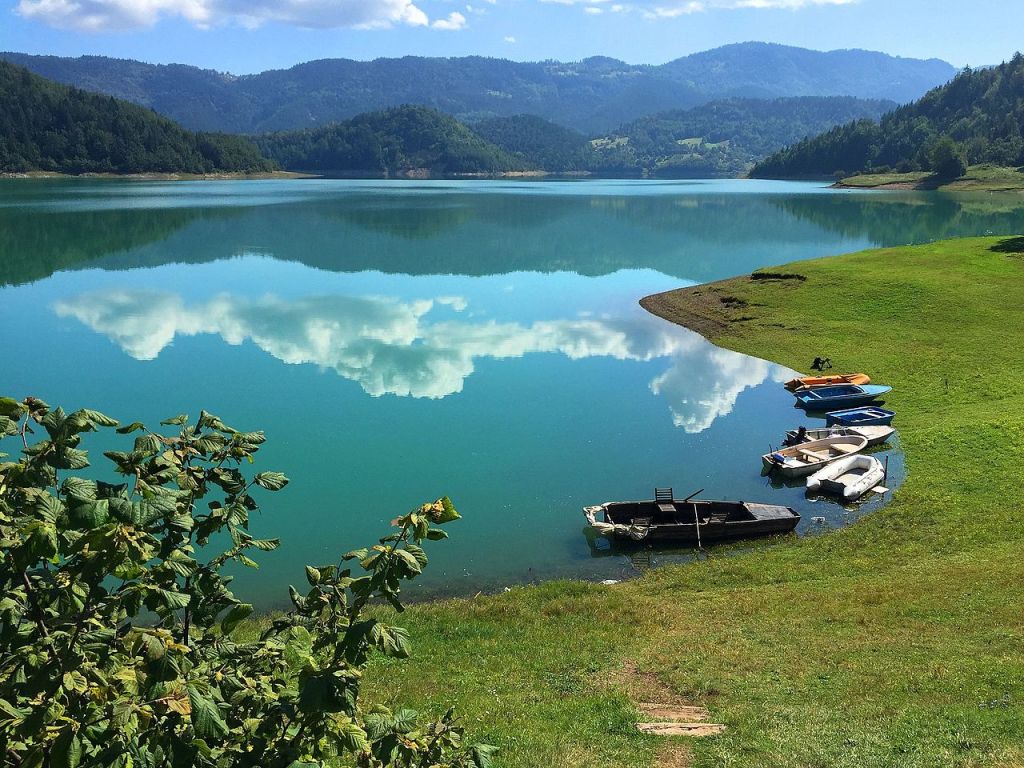
The name Tara refers both to the mountain massif and the national park established in 1981. The park's most visited point is the Banjska Stena viewpoint, which looks out over the Drina's canyon bends and the blue-green Perućac reservoir. Zaovine Lake, an artificial reservoir within the park formed in 1966 when a valley was flooded, has become a focal point for summer visitors. The village of Mitrovac, near the center of the park, serves as the main mountain access point, while Bajina Bašta at the foot of the mountain provides the nearest town-level services.
The book notes that Tara's forests and plateau road scenery give it a character resembling the landscape used for Western film productions — lush grazing lands, dense woods, and mountain terrain that would not look out of place in classic American genre cinema, though the actual Yugoslav Western productions were filmed mainly in what is now Croatia rather than Serbia.
Use this as a trip-planning reference for Banjska Stena, Zaovine Lake, Mitrovac, and Bajina Bašta.
Serbia is rich in canyons well beyond the Iron Gates — the Drina's canyon is one of the country's most compelling. The Perućac reservoir, created when the Bajina Bašta hydroelectric dam was built in the 1960s, flooded a valley and submerged old villages, but the resulting lake's turquoise-blue color against forest slopes has made it one of the most photographed scenes in the western part of the country.
The forests of Tara carry their own story. The pančić spruce (Picea omorika), a relict species surviving from before the last ice age, grows in the park and nowhere else in Serbia — its conservation was one of the founding reasons for the park's protected status. The dense cover of silver fir, spruce, and beech holds a quiet that is increasingly rare in the more visited parts of Serbian mountain country.
The valley of the Drina below the plateau adds a further layer. The river forms the national boundary here, and looking across from the Serbian bank you see Bosnian territory on the other side — a border that runs through what is otherwise a continuous mountain landscape, and that gives this stretch of the Drina a particular resonance.
These are the stops that give Tara its identity — best visited slowly, with time for forest roads, lake views, and Drina canyon perspectives.
Banjska Stena
The park’s must-see viewpoint, with a sweeping look over the Drina canyon and forested slopes.
Come early for the clearest views and softest light. It is the classic Tara photo stop and one of western Serbia’s most memorable panoramas.
Zaovine Lake
A peaceful reservoir with blue-green water, wooded shores, and a slower rhythm.
Perfect for a scenic drive, a quiet picnic, or a break between more active hikes. The lake is especially beautiful in bright summer weather.
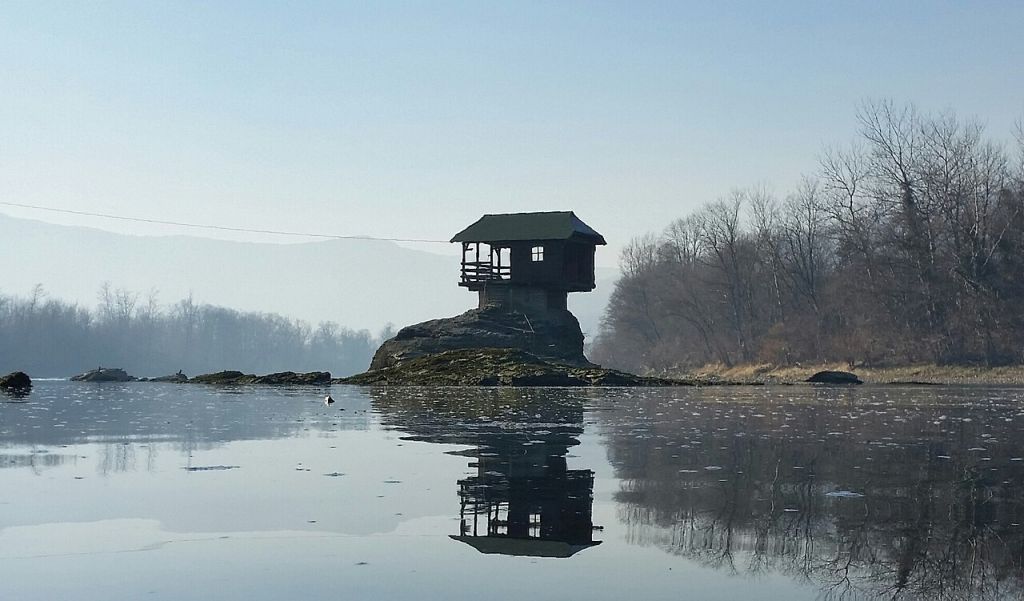
The House on the Drina
A tiny wooden house balanced on a river rock, one of Serbia’s most famous travel photos.
This is a quick stop rather than a long activity, but it is worth pairing with Bajina Bašta and the river landscape below Tara.
Serbian spruce forests
Rare, atmospheric woodland that gives Tara its quiet, almost cathedral-like character.
Tara is one of the best places to appreciate the Serbian spruce, an emblem of the park’s ecological importance and a reason nature lovers come here in the first place.
Choose the pace that matches your trip length. Tara is best when you leave room for views, weather, and a long lunch.
Mitrovac is the mountain choice: stay here for easy access to forest trails, the Banjska Stena walk, and the quiet of the plateau in the evening. Accommodation ranges from mountain lodges to small guesthouses. The village is small and services are limited — bring what you need or stock up in Bajina Bašta before the drive up.
Bajina Bašta offers a wider choice: hotels, restaurants, shops, and a direct connection to the Drina riverside and the Perućac reservoir. It is the better base if you want services and a lower-altitude resting point between days in the park. The town itself is modest but functional, and the Drina riverside walk provides a pleasant evening option.
Kaluđerske Bare, within the park, has a handful of accommodation options for those who want to stay at higher altitude without being in the busier Mitrovac area.
Tara's food follows the logic of mountain cooking: grilled meats, trout where available, hearty bean soups, kajmak (a fresh cream cheese spread), hard cheese, and potato dishes. Most kafanas in the area work within this range and do it reliably. Bajina Bašta has a broader restaurant selection. At Mitrovac, meals are largely tied to where you are staying — restaurant choice is limited, which is a reason to plan meals in advance or eat where you sleep.
A car is the easiest way to move around Tara. The distances within the park are not large, but the roads are narrow and winding. There is a bus connection between Belgrade and Bajina Bašta, but getting further up into the park from there requires a car or taxi. Some guesthouses at Mitrovac can arrange transfers from Bajina Bašta on request. Walking between park sites is possible on marked trails; allow full half-days for the longer routes to the viewpoints.
Spring brings fresh forest growth, good visibility from the viewpoints, and fewer visitors. The plateau roads are generally clear from April. Summer is the busiest period — Zaovine Lake and the Banjska Stena attract the most visitors between June and August, and accommodation fills quickly on weekends. Autumn turns the forests amber and brown from September; the crowds thin and the light on the Drina canyon is at its clearest. Winter covers the plateau in snow and some access roads become impassable — the park remains open but requires appropriate tyres and planning. Snowfall can arrive as early as November and persist into March.
Tara is straightforward to visit but easier with a car. Bus connections reach Bajina Bašta from Belgrade, but getting up to Mitrovac and the plateau viewpoints requires either a car or a local taxi. Drawing on Matthias Pasler's Reise-Taschenbuch Serbien, the most rewarding approach to the park is to allow at least two nights: one based lower at Bajina Bašta for the Drina canyon side and one higher at Mitrovac for the forest trails and the Banjska Stena walk. Single-day visits from Belgrade are possible but leave little time for the plateau road and lake stops.
Tara is green and undisturbed partly because it sits far enough from Belgrade to filter casual visitors. From Belgrade, Bajina Bašta is roughly 150 km by road — approximately 2 to 2.5 hours depending on traffic through Valjevo or Užice. The plateau road between Bajina Bašta and Mitrovac adds another 20–30 minutes. Driving between viewpoints within the park takes time because the roads curve and descend; allow half a day if you want to cover Banjska Stena, Zaovine, and the lower Drina viewpoints properly.
For summer weekends and holiday periods, book accommodation at Mitrovac well in advance — particularly if you want a cabin with a forest view. Bajina Bašta has more flexibility but is also busier during the main season. Spring and early autumn offer better availability and prices across the board.
Two days is enough for the main viewpoints and Zaovine Lake. Three to four days is better if you want hikes, slow drives, and time in Bajina Bašta or Mitrovac.
Yes. The park works well for families who want easy scenic stops, short walks, and peaceful lodging rather than a packed city schedule.
Bajina Bašta is the most practical base town. Mitrovac is better if you want to stay higher in the mountains and start early on the trails.
You can, but it is harder. Base in Bajina Bašta and plan local transfers or a guided day trip for the main sights.
Banjska Stena, Zaovine Lake, the Drina canyon, the House on the Drina, and at least one forest walk among the Serbian spruce trees.