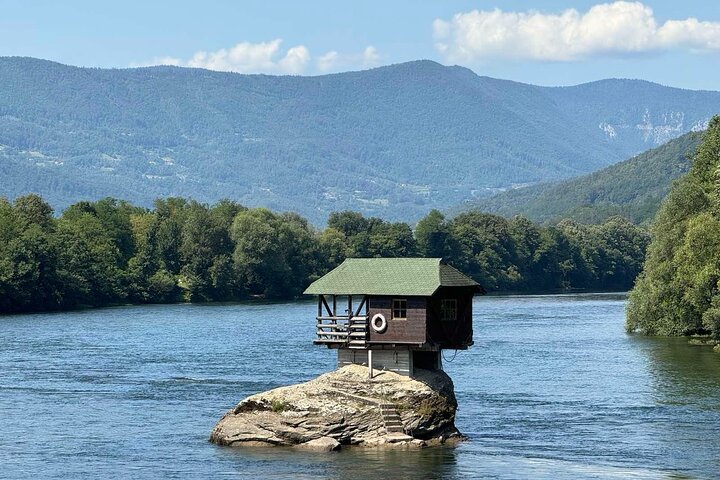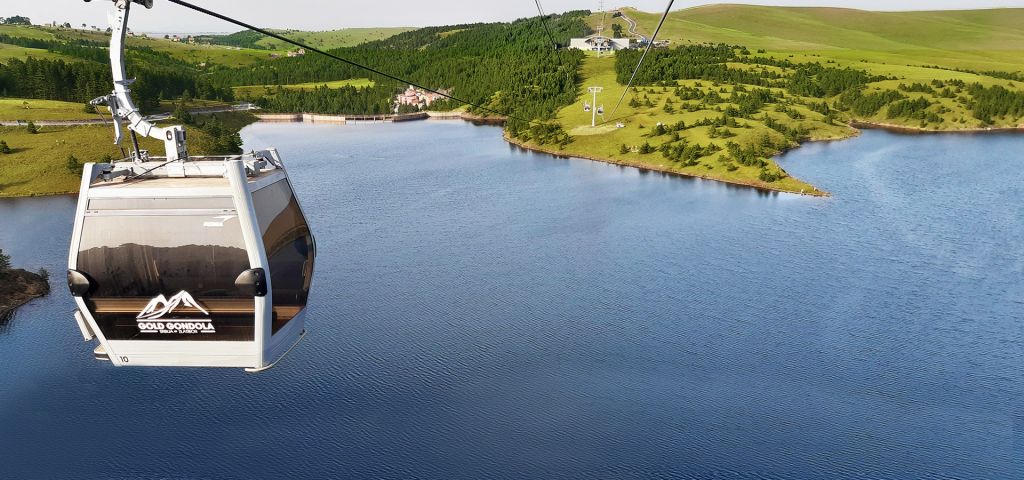
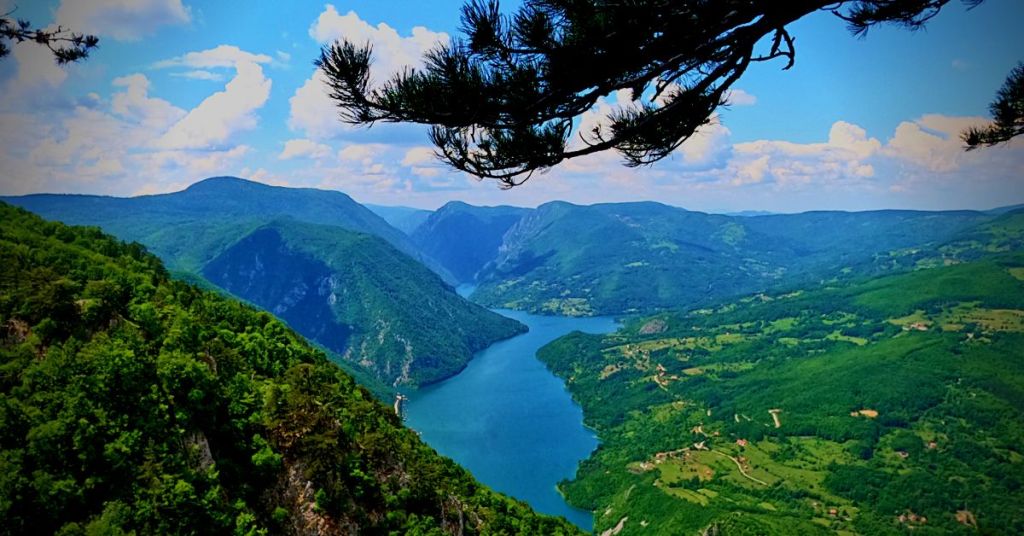
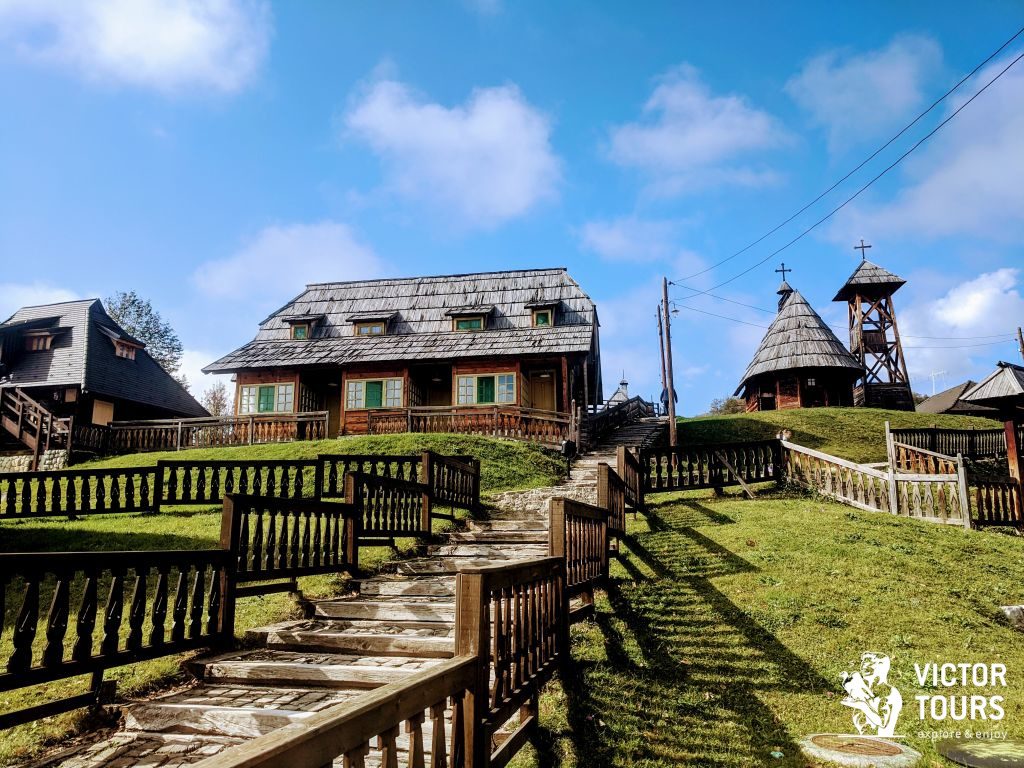
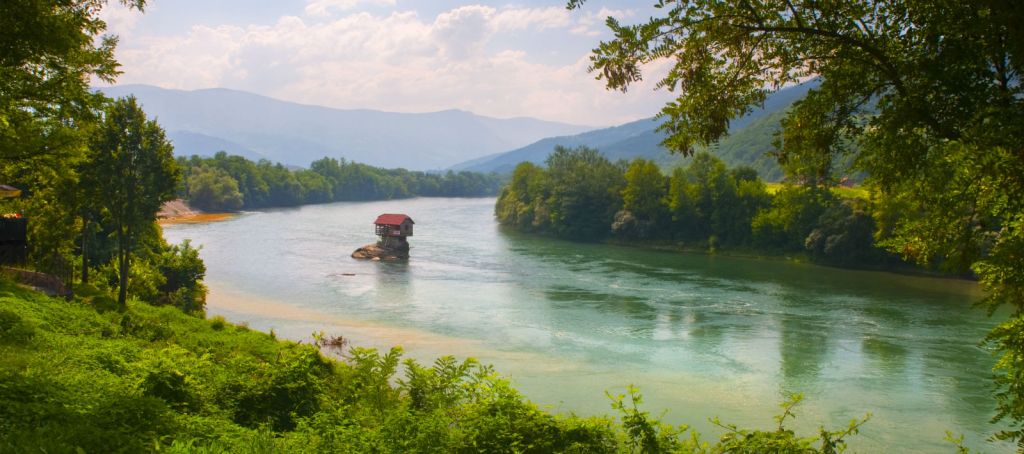
Zlatibor town for comfort and infrastructure; Bajina Bašta or Tara villages for nature.
Sources
Authoritative references for the facts on this page. Last reviewed 31 May 2026.
- Nightlife in Belgrade - Wikipedia en.wikipedia.org ↗ (opens in a new tab) Official
- Serbia - Wikipedia en.wikipedia.org ↗ (opens in a new tab) Official
- Tourism in Serbia - Wikipedia en.wikipedia.org ↗ (opens in a new tab) Official
- Serbs - Wikipedia en.wikipedia.org ↗ (opens in a new tab) Official
- National Tourism Organisation of Serbia serbia.travel ↗ (opens in a new tab) Official
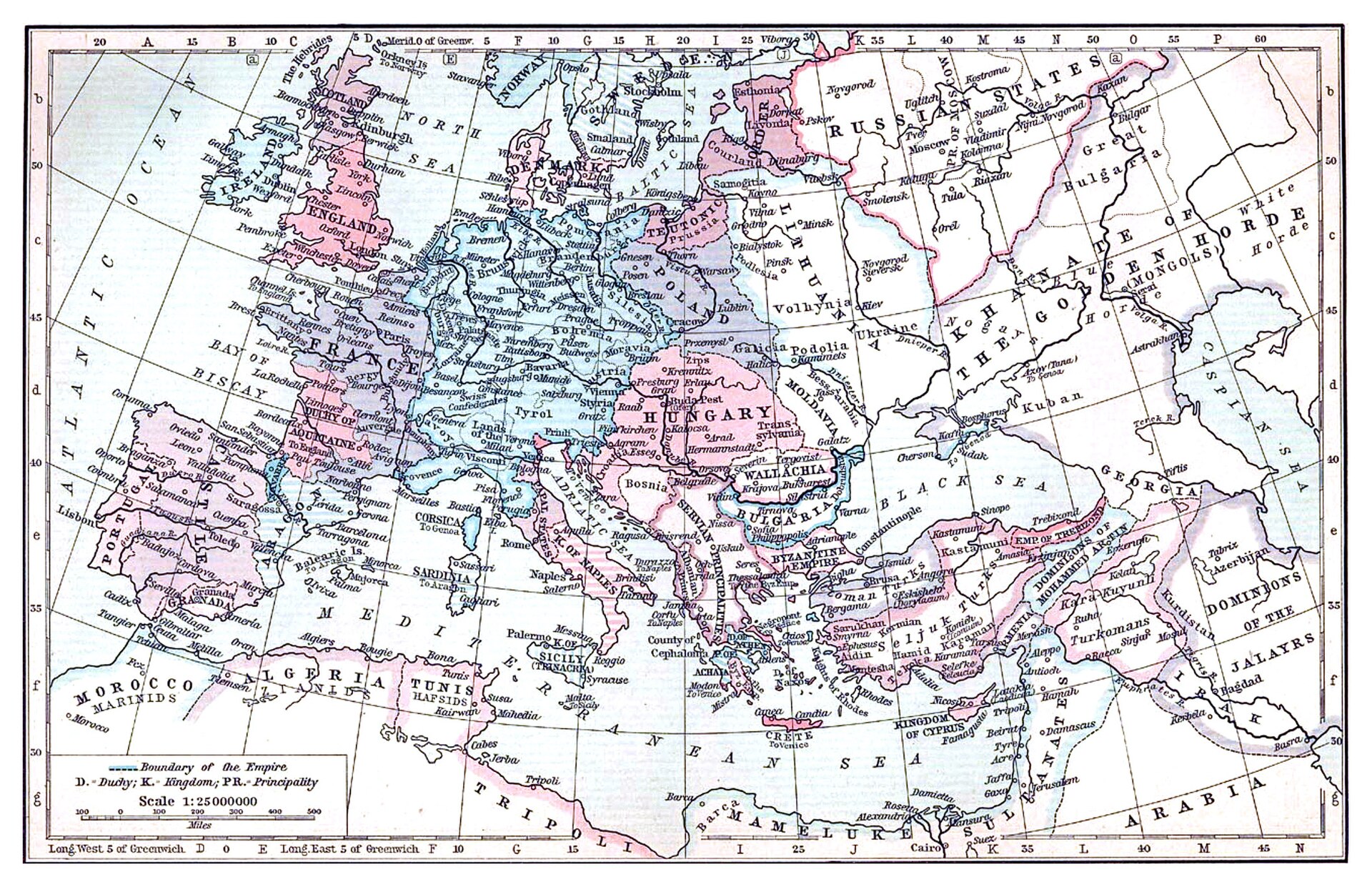
- History of Serbia - Wikipedia en.wikipedia.org ↗ (opens in a new tab) Official
Last checked: . For corrections, contact us.
Reviewed by editorial team led by Patrick. Researched and fact-checked from on-the-ground travel guides.
Some links are affiliate links. We only recommend places and services we would use ourselves.