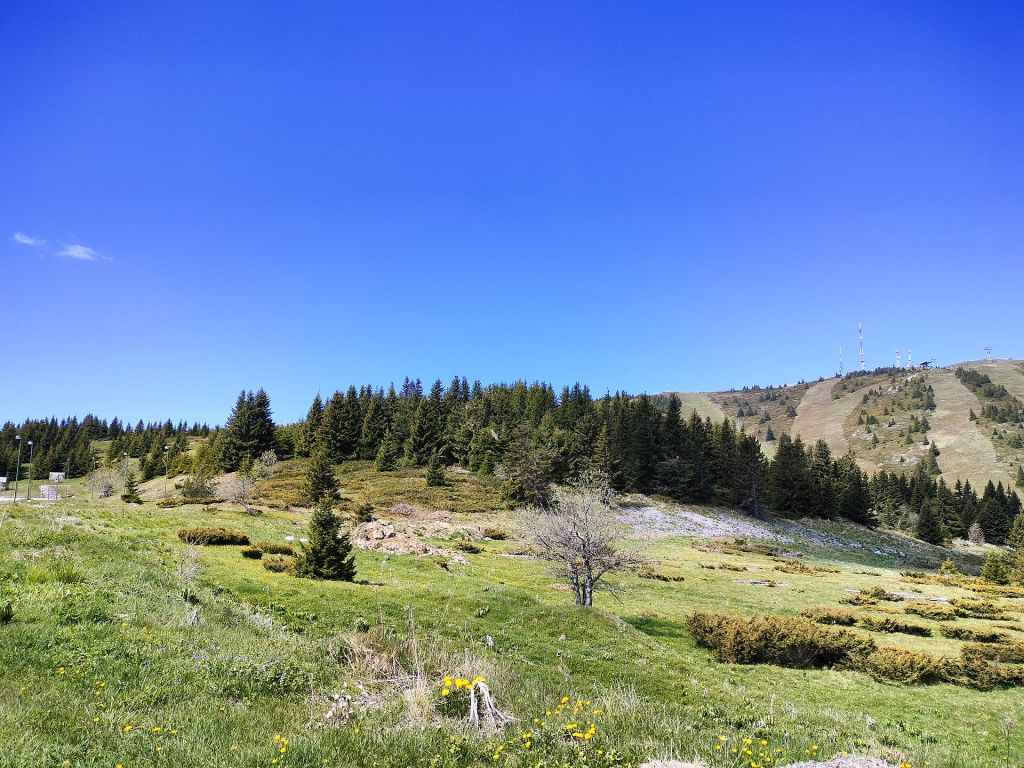
Kopaonik is Serbia's largest mountain range and its best-known ski destination — often described in the country as the equivalent of St. Moritz, but more affordable. The area was designated a national park in 1981; at its peak it reaches the Pančićev Vrh summit. Up to 200 sunny days per year have earned the mountain its local nickname: the 'Sunny Mountains.'
The ski season runs roughly from November to May, with reliable snow conditions at higher elevations. The national park's diverse flora and fauna are a distinct feature beyond the resort infrastructure — Kopaonik is one of approximately 35 designated bird protection zones in Serbia, where around 300 native species have been recorded (www.birdwatchserbia.rs).
Drawing on Matthias Pasler's Serbia Travel Pocketbook: those who can look past the resort character find varied fauna, spectacular views from elevations up to 2000 m, well-maintained hiking trails of different lengths and difficulty levels, lakes, springs, and waterfalls — including the Jelovarnik waterfall at Brzeće, the highest in all of Serbia. Mineral springs and wellness hotels are also concentrated here more densely than elsewhere in central Serbia.
Kopaonik differs from a standard ski resort in that the infrastructure sits inside a designated national park, which limits development and maintains a natural buffer around the accommodation and lifts. The park's classification protects both the endemic plant species on the high plateau and the bird habitats on the lower slopes.
The combination of skiing and national park status is unusual in the region. In winter, the resort atmosphere is dominant — slopes, rental shops, ski schools, and après-ski. In summer, the same terrain shifts toward hiking trails of varying lengths and difficulty, cycling, and quiet ridge walks with views that extend toward Kosovo and central Serbia. The well-maintained trail network is a practical asset that distinguishes Kopaonik from less-developed Serbian mountain destinations.
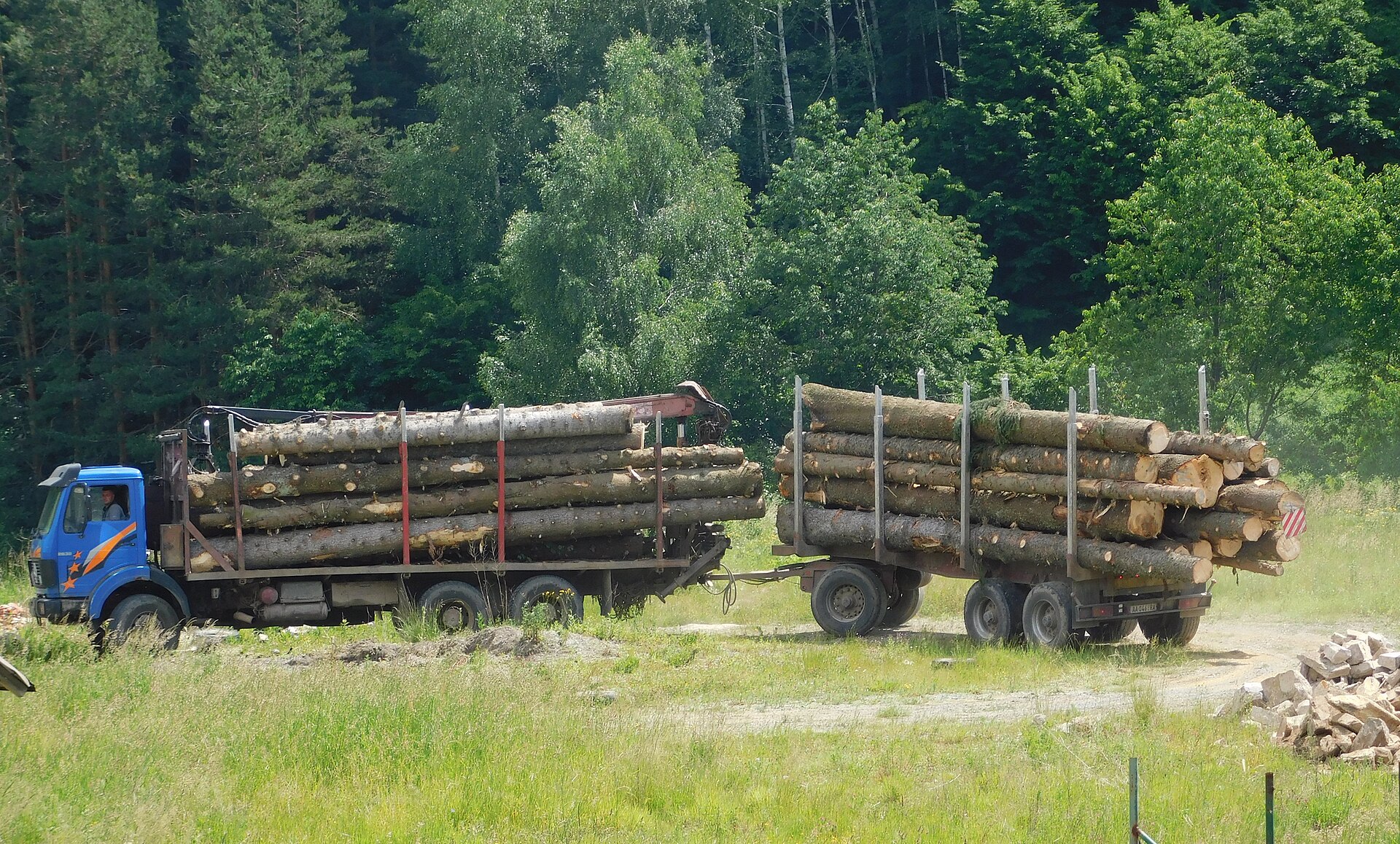
Logging trucks in forest
Two loaded logging trucks stand on a dirt clearing in Kopaonik, surrounded by dense green forest
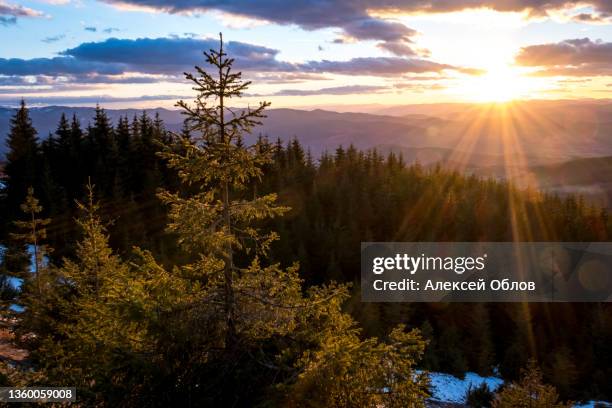
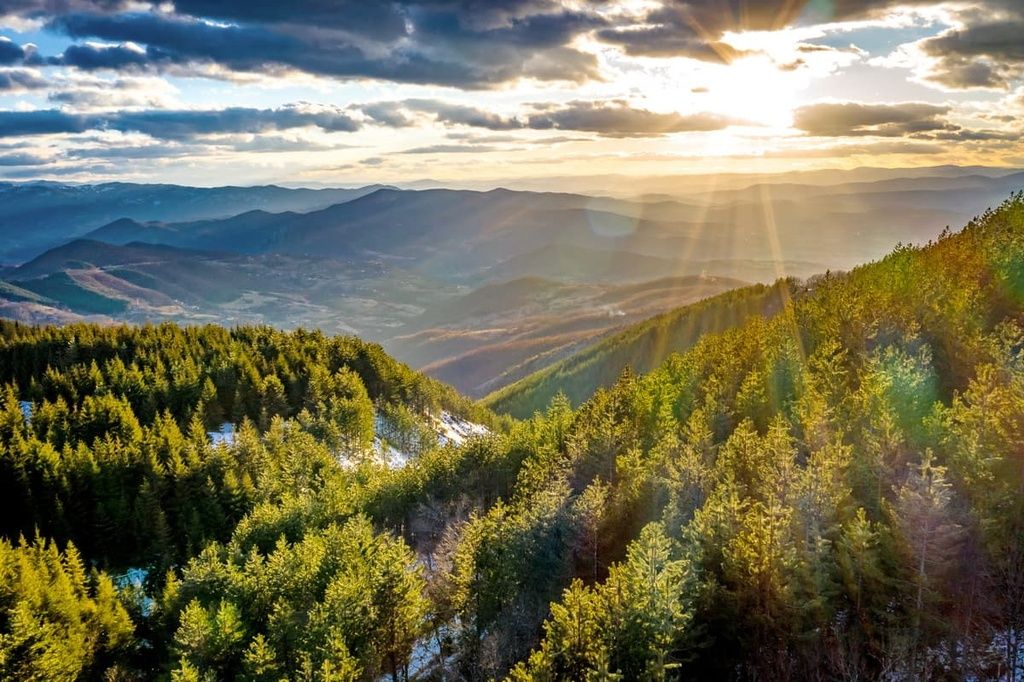
Sunset over Pine Forest
Sunlight spills over Kopaonik's pine-covered slopes as distant mountain ridges fade into the evening sky
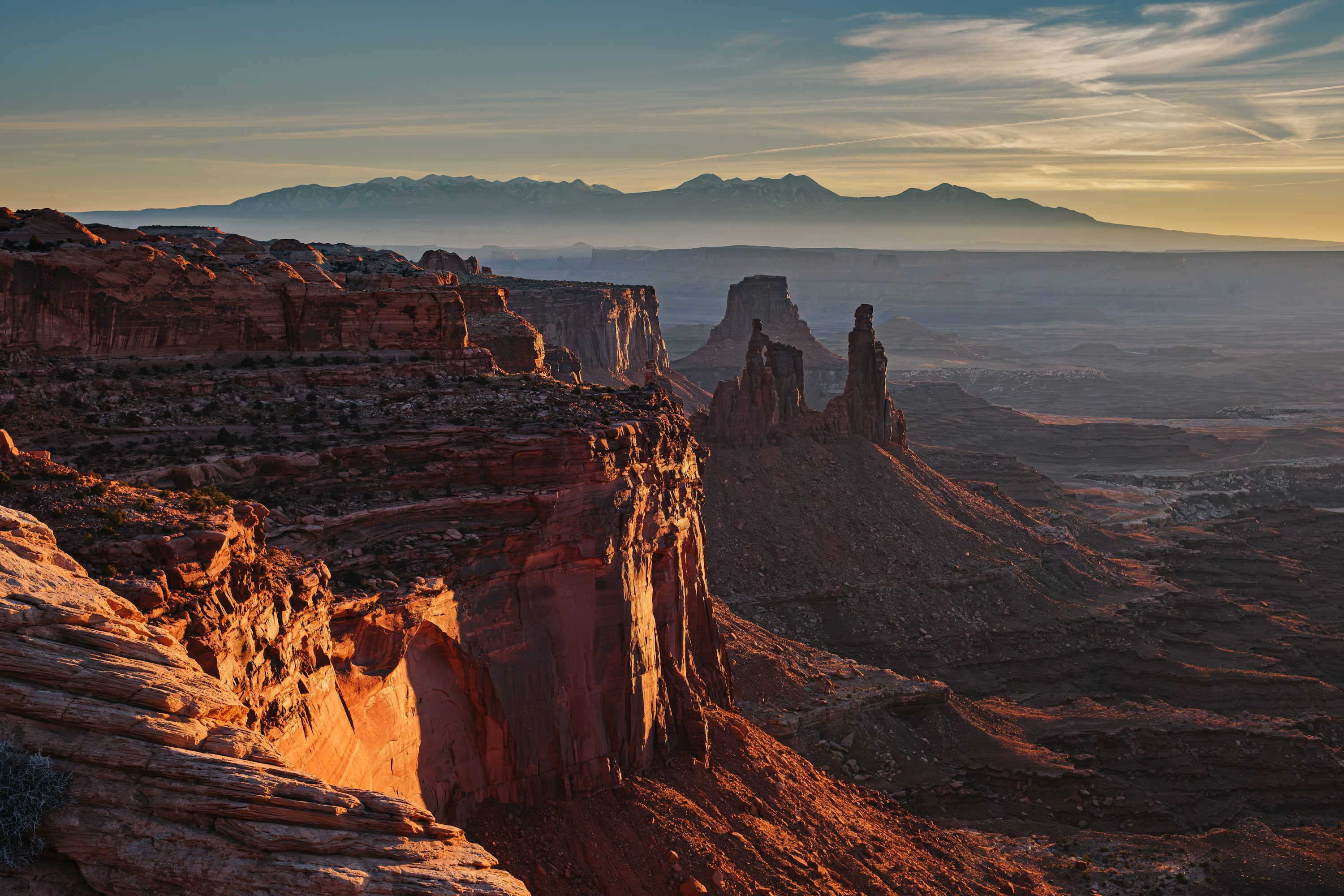
Red Canyon Cliffs
Sunlit sandstone cliffs and spires overlook a broad desert valley, with hazy mountains lining the horizon in Kopaonik page context
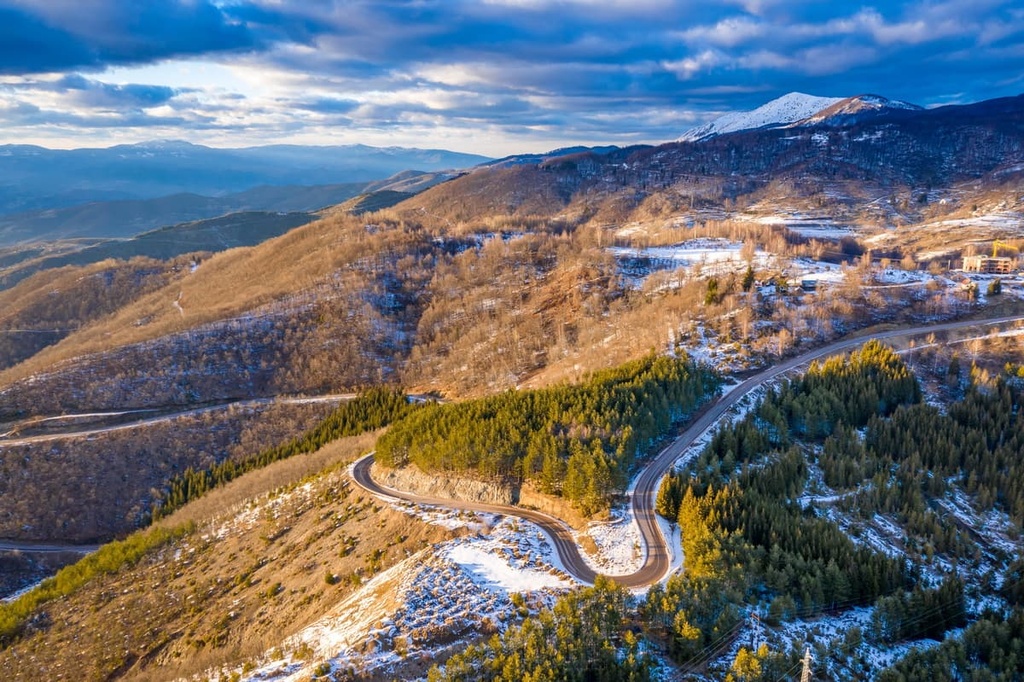
Mountain Road Landscape
A winding mountain road cuts through snowy forest slopes in Kopaonik National Park, near Kopaonik
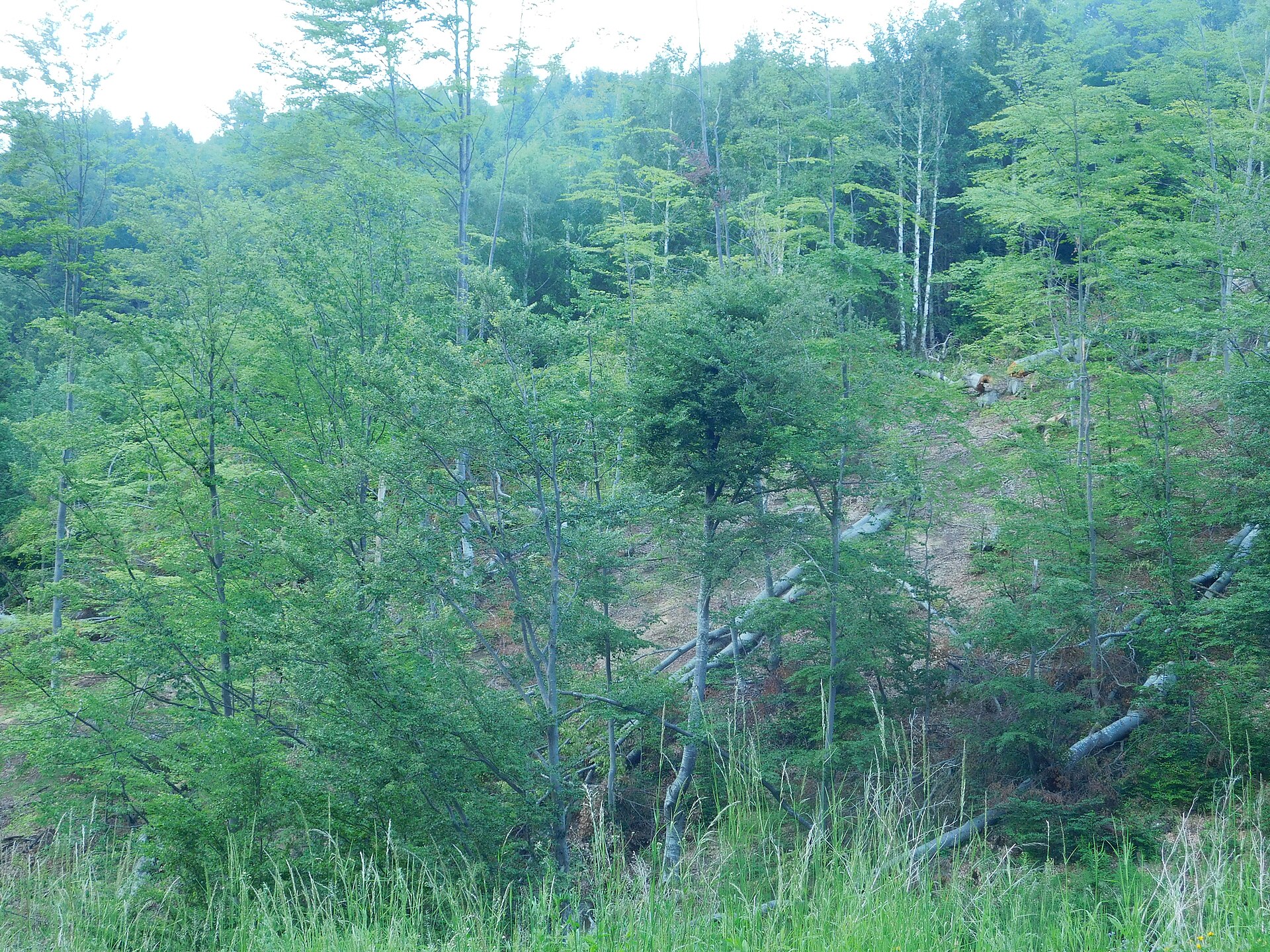
Forest Hillside
Dense green woodland covers a sloping hillside in Kopaonik National Park, with fallen trunks scattered among the trees
Accommodation is concentrated in the resort zone, with hotels ranging from large resort-style properties with wellness facilities to smaller guesthouses. Mineral springs and spa treatments are a particular feature of the area, drawing visitors outside the ski season who come specifically for health and recovery stays. Options outside the main resort area include rural guesthouses in the surrounding villages, which offer quieter bases for summer hikers.
The resort zone has the standard range of mountain restaurant options: ski-slope cafés, hotel restaurants, and a handful of traditional Serbian establishments serving grilled meat, cheeses and mountain stews. The further from the resort centre, the more local and affordable the eating tends to be. The villages on the approach roads to Kopaonik — particularly around Brzeće — have smaller family-run restaurants that serve straightforward regional food.
Most visitors reach Kopaonik by car. The main approach roads come from Kruševac (via Brus and Brzeće) or from Raška. In winter, the roads are maintained but require winter tyres; snow chains may be necessary in heavy snowfall. Allow extra time for mountain driving in winter conditions. From Belgrade the journey takes approximately 3–4 hours depending on the route and conditions.
Transfer services from Belgrade, Niš and Novi Sad operate during the ski season and can be booked through hotels or local operators. Within the resort zone, the main areas are walkable when snow conditions allow; ski buses connect some of the outlying accommodation options to the lifts.
The ski season runs November to May with the peak months of January and February seeing the highest lift usage and accommodation prices. The snow conditions at the Pančićev Vrh summit area are generally reliable; lower runs can vary. In summer the mountain switches character: up to 200 sunny days per year make June through September the best window for hiking, cycling and outdoor exploration. The Jelovarnik waterfall at Brzeće, Serbia's highest, is most impressive in spring and early summer when water levels are highest.
Autumn is the quietest and most underused season — accommodation prices fall, trails are clear, and the high-plateau views are often the sharpest of the year. Spring, particularly April and May, can combine late ski conditions with wildflower meadows at lower elevations, though road conditions require checking in advance.
Choose the pace that fits your season and energy level.
Serbia’s flagship ski destination has the strongest infrastructure for beginners, intermediates, and families who want easy lift access and a lively resort base.
When the snow melts, Kopaonik becomes a hiking and fresh-air destination with open ridges, cooler temperatures, and broad views over central Serbia.
Best for short winter breaks, families, and travelers who want to maximize slope time and minimize logistics.
Good for longer stays, self-drive trips, and visitors who want more space, flexibility, or a lower nightly budget.
Ideal after cold-weather activity; look for simple, filling recipes rather than fine-dining style plating.
Ćevapi, pljeskavica, potatoes, kajmak, and salads are reliable choices in resort restaurants and lodges.
Best for flexible summer trips and travelers combining Kopaonik with other parts of Serbia.
Best for winter weekends, airport arrivals, and anyone who wants the least stressful mountain access.
Choose this for skiing, lessons, and a lively resort base. Book early and expect the most active atmosphere.
Choose this for hiking, scenic drives, and better value. You will get more space and a calmer overall experience.
Guided routes, walking tours, and experiences that help you make the most of a visit to Kopaonik National Park.
Kopaonik Ski Resort
Kopaonik Ski Resort in Kopaonik National Park.
Kopaonik Ski Resort is the managed ski-center zone on Serbia’s best-known winter mountain. Published summer hours are 10:00-17:00 for Pančićev vrh, Krst, and Karaman greben. A published winter ...
Kopaonik Hiking Routes
Kopaonik Hiking Routes in Kopaonik National Park.
Kopaonik’s published summer hiking offer focuses on organized mountain walks rather than marked urban-style promenades.Official contact base: Suvo Rudiste nn, 36354 KopaonikOffice hours published...
Use this map to understand the main resort area, surrounding mountain access, and likely driving approach.
The resort zone provides the main infrastructure; natural highlights including the Jelovarnik waterfall and park viewpoints are accessible from it.
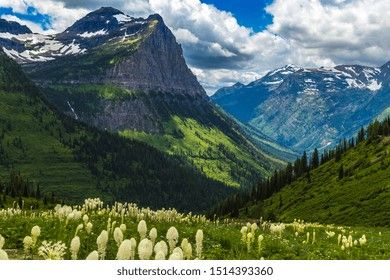
The high mountain meadows
Open ridgelines and grassy slopes are the backdrop for most scenic walks and photo stops.
Best in late spring, summer, and early autumn when the weather is stable and the mountain feels open and green.
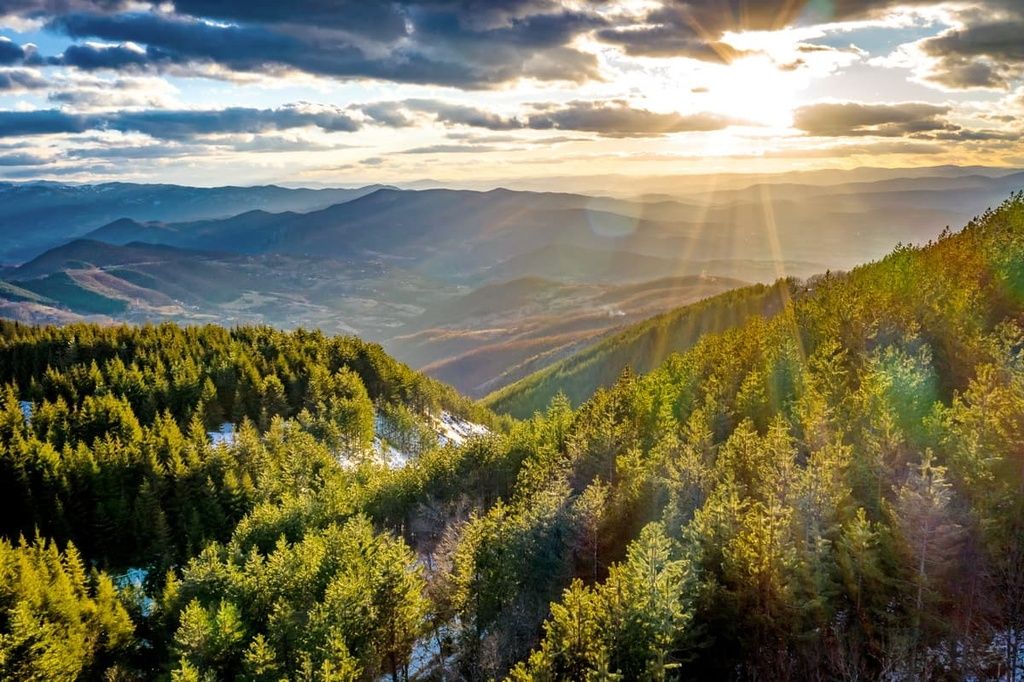
The resort core
The practical base for lifts, hotels, rentals, and evening dining.
Stay here if you want the simplest access to skiing and the widest choice of services without driving after dark.
Forest trail zones
Shaded paths through pine forest make summer hikes cooler and more comfortable.
These sections are great when you want a quieter walk away from the busiest lift areas and main resort streets.
National park status: since 1981.
Highest peak: Pančićev Vrh.
Ski season: November to May.
Sunny days per year: up to 200, which gives the mountain its nickname.
Highest waterfall in Serbia: Jelovarnik, near Brzeće.
Best for: skiing, hiking, family mountain breaks, mineral-spring wellness stays, and birdwatching in the protected national park zone.
Book early for winter weekends and school holidays; the resort fills quickly from December to February. In summer the mountain is significantly quieter, and accommodation is easier to arrange with shorter notice. If your priority is the ski season, checking snow conditions in advance is worthwhile, as quality varies by year and elevation.
Kloster Studenica, roughly 60 km south of Kraljevo and within driving distance of Kopaonik, is a UNESCO World Heritage site and useful addition to any regional itinerary. Founded in the late 12th century by Stefan Nemanja, it holds three surviving churches from an original dozen, including a Crucifixion fresco in the Virgin's Church that is among the best examples of Serbian medieval painting.
Belgrade to Kopaonik: approximately 250–300 km by road depending on the access route chosen (via Kruševac or Kraljevo).
Niš to Kopaonik: approximately 200 km via Prokuplje.
Novi Sad to Kopaonik: approximately 350 km.
In the resort zone, larger hotels typically include ski storage, shuttle access, breakfast service, and wellness facilities. These details matter in winter. For summer stays, proximity to trailheads and access to the national park trail network are the more relevant practical considerations.
No. Winter is the biggest draw, but summer and autumn are excellent for hiking, fresh air, and quieter mountain stays.
A first visit can be done in 2 days, but 3–4 days works better if you want skiing or hiking without rushing.
Yes. The resort setup, hotel options, and beginner-friendly winter activities make it one of Serbia’s easiest family mountain destinations.
Not always, but a car or transfer makes arrival and local movement much easier, especially outside the main resort core.
Stay connected in Serbia