Plan my Serbia route

Vojvodina's green escape

Fruška Gora: forests, monasteries, wine

A weekend in Fruška Gora is all about gentle hikes, quiet monastery roads, cellar tastings, and easy nature breaks just south of Novi Sad.

Weekend-friendly Monastery circuit Wine route Forest hikes Back to Vojvodina guide
Best mood: forest escape + wine Fruška Gora is a low forested mountain range in Vojvodina, with 16 surviving monasteries, a wine route of around 60 cellars, and walking trails accessible from Novi Sad.
Novi Sad base
Monasteries
Hiking
Wine tasting
Wellness

Fruška Gora is a low forested mountain and national park in Vojvodina, south of Novi Sad. It is known for a cluster of Orthodox monasteries dating from the 15th to 18th centuries, marked hiking and cycling trails, and vineyards on its southern slopes. The park is an easy day trip from Novi Sad for walking, wine tasting, and monastery visits.

Fruška Gora in one minute

Fruška Gora is a long, low mountain ridge in southern Vojvodina, declared a national park in 1960 and covering about 250 square kilometres. It sits between the Danube and the Sava and runs roughly 80 kilometres from west to east, with its highest peak, Crveni Čot, just under 540 metres.

The park is best known for its belt of 16 active Serbian Orthodox monasteries, the wine route along the southern slopes around Sremski Karlovci, and a network of hiking and cycling trails through oak and lime forest. Most visitors come on a day trip from Novi Sad.

For the gateway town, see the Sremski Karlovci guide; for the region, see Vojvodina.

Last checked: 2026-05-27. For corrections, contact us.

Where is Fruška Gora?

Fruška Gora is a ridge of forested hills in southern Vojvodina, rising above the surrounding Pannonian plain to a maximum elevation of just over 500 metres. The name meant 'Frankish Forest' in an earlier era; it now refers both to the mountain and to the national park that covers it and the land around it. The park is approximately 90% forested, with the remaining terrain a mix of valleys, meadows, orchards, and vineyards.

The range runs roughly east–west for about 80 km between the Danube in the north and the Sava in the south. Novi Sad lies to the northeast. Belgrade is around 80 km southeast. Both cities make convenient starting points for day trips or overnight visits, and most visitors who come for hiking or wine tasting combine Fruška Gora with one of them.

Why Fruška Gora feels different from the rest of Serbia

Fruška Gora occupies an unusual position in Serbian geography: it is the only significant elevated terrain in an otherwise entirely flat province, and it has carried cultural weight for centuries as the place where Serbian Orthodox monasteries survived through periods of Ottoman dominance. At its peak, 35 monasteries existed on the ridge; 16 remain in use today, spanning buildings from the 15th to the 18th century.

The monks who preserved Serbian ecclesiastical traditions here during the centuries of Ottoman rule gave the ridge its reputation. The monasteries vary in scale and condition — some are large, well-visited complexes; others are quiet and easily missed. Personally recommended on the basis of their mosaics: Krušedol and Grgeteg. The monastery of Kovilj is noted for an unusually designed spiral tower.

Wine is the other defining feature. The vineyards on the slopes of Fruška Gora produce Welschriesling, Cabernet Sauvignon, and Prokupac alongside the local Probus blend. Most of the roughly 60 estates on the wine route are family operations, and visits usually involve tasting directly with the producers.

Wellness: the good options in the Fruška Gora area

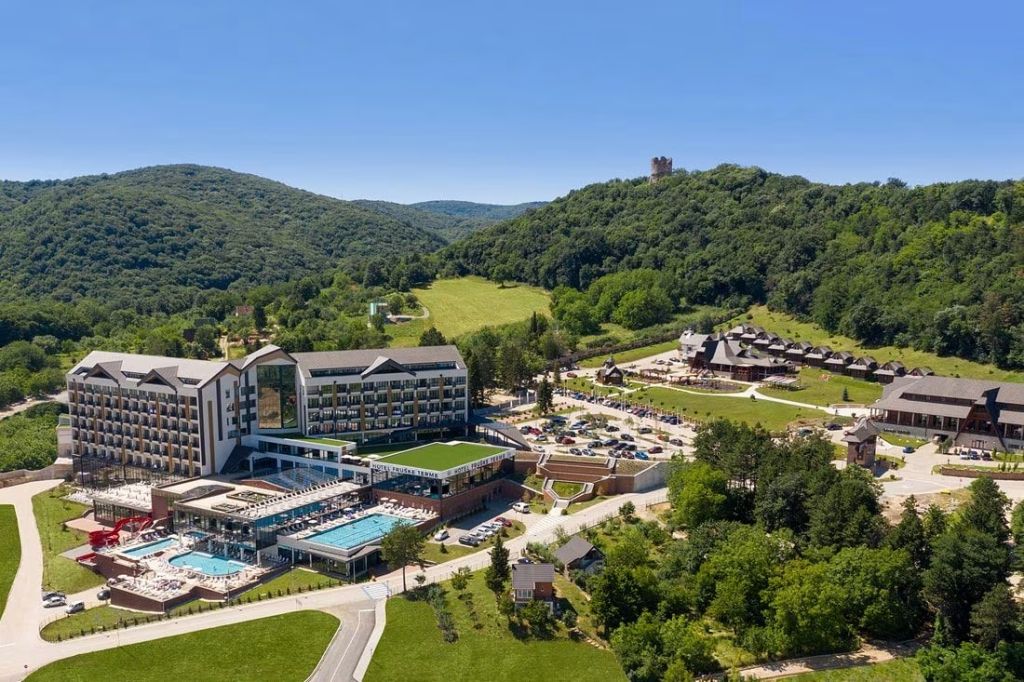
Vrdnik-Banja, on the southern slope of Fruška Gora, is the main spa village in the national park area. Thermal water facilities and accommodation are available there, with the monasteries and wine route within easy reach. The forested ridge itself provides a cooler microclimate during summer compared to the surrounding plain, making even simple walking routes through the park more comfortable in warm weather than comparable routes in lowland Serbia.

Food & wine in Fruška Gora

The wine route is the main culinary draw in Fruška Gora. Around 60 family cellars participate, producing a range of varieties including the established Welschriesling and Cabernet Sauvignon, the indigenous Serbian Prokupac, and the local Probus blend — a combination of Cabernet and Skadarka named after the Roman emperor credited with introducing viticulture to the ridge. The dessert wine Ausbruch (Bermet) has been produced in Sremski Karlovci since the 18th century and was historically exported across Europe.

Restaurants in the park area and in Sremski Karlovci typically offer traditional Vojvodina cooking alongside wine from local producers. The salaši farmstead tradition, common to the wider Vojvodina plain, is also represented in Fruška Gora in a handful of properties that serve food from their own land.

Getting around Fruška Gora

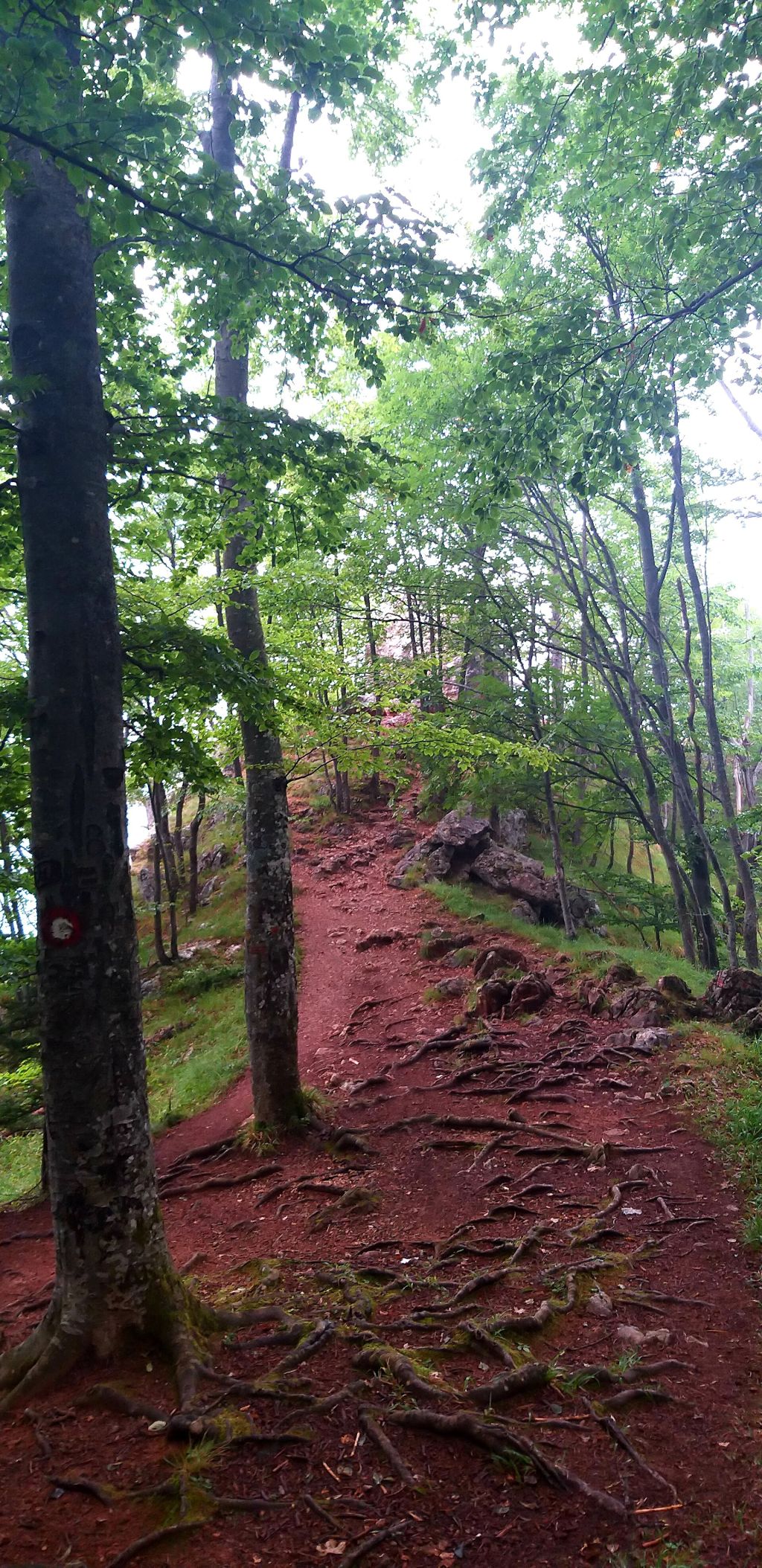
A car or bicycle is the most practical way to move between monasteries and wine cellars on Fruška Gora. Public transport from Novi Sad reaches Sremski Karlovci and some other points at the base of the range, but interior trails and cellar roads require either a vehicle or a dedicated walking plan. The marked walking trails in the national park are manageable without specialist equipment; some routes connect several monasteries in a single day.

When to go

Spring and autumn are the most comfortable seasons on Fruška Gora. Spring brings the vineyards into leaf and the monastery gardens into colour; autumn coincides with the grape harvest, when many cellars are active and tasting visits are most natural. Summer is warm but manageable in the forested upper areas; the ridge provides cooling shade that the surrounding plain lacks. Winter walking is possible on the main trails but conditions are variable.

Itineraries that actually work

Choose the pace that matches your trip. Fruška Gora rewards slow planning.

Classic forest-and-monastery loop
  • Start from Novi Sad after breakfast.
  • Visit 2-3 monasteries with short scenic drives between them.
  • Add one viewpoint and one long lunch stop.
  • Return to the city for dinner.
Wine weekend with a nature break
  • Day 1: Sremski Karlovci tasting and riverside time.
  • Day 2: Monastery circuit plus an easy hike in Fruška Gora.
  • Sleep in Novi Sad or a boutique stay near the hills.
  • Keep one meal unplanned for a spontaneous cellar stop.
Slow Vojvodina escape
  • Combine Fruška Gora with Novi Sad and Petrovaradin.
  • Use one day for culture, one for nature, one for wine.
  • Leave room for cafés, local bakeries, and scenic driving.
  • This works best in spring, early autumn, or warm summer evenings.
If you only have one day, choose one monastery cluster, one winery, and one viewpoint. That is the best balance.

What makes a Fruška Gora trip work

Nature without the rush

The trails are approachable, the roads are manageable, and the scenery changes fast enough to keep short trips interesting.

Culture in the forest

The monasteries are the signature experience here: quiet, historic, and scattered through the hills in a way that feels uniquely local.

Fruška Gora

Best for couples

Look for quiet boutique stays with vineyard views, sauna access, and an easy drive to the monastery roads.

Best for active travelers

Choose a base near Novi Sad so you can pair morning hikes with an afternoon massage or thermal pool session.

Fruška Gora

What to order

Try the local wine flight, homemade strudels, fish dishes where available, and simple grilled plates that work well after a long walk.

How to taste well

Book ahead on weekends, keep one driver, and plan only 1-2 serious tastings so you can actually enjoy the setting.

Fruška Gora

With a car

Best for flexible loops, scenic stops, and independent winery visits.

Without a car

Best if you stay in Novi Sad and keep the day focused on one side of the mountain.

Fruška Gora

Best overall season

Late spring and early autumn, when the forests and vineyards are at their most photogenic.

Best for quiet travel

Weekdays in shoulder season, when monastery stops and wine rooms feel more relaxed.

Map: Fruška Gora highlights

Use this as a planning map for monasteries, viewpoints, and wine stops around the national park.

Places that define Fruška Gora

A selection of stops that cover Fruška Gora's main draws: monasteries, wine estates, and the historic town of Sremski Karlovci at the base of the ridge.

Fruška Gora monastery surrounded by trees

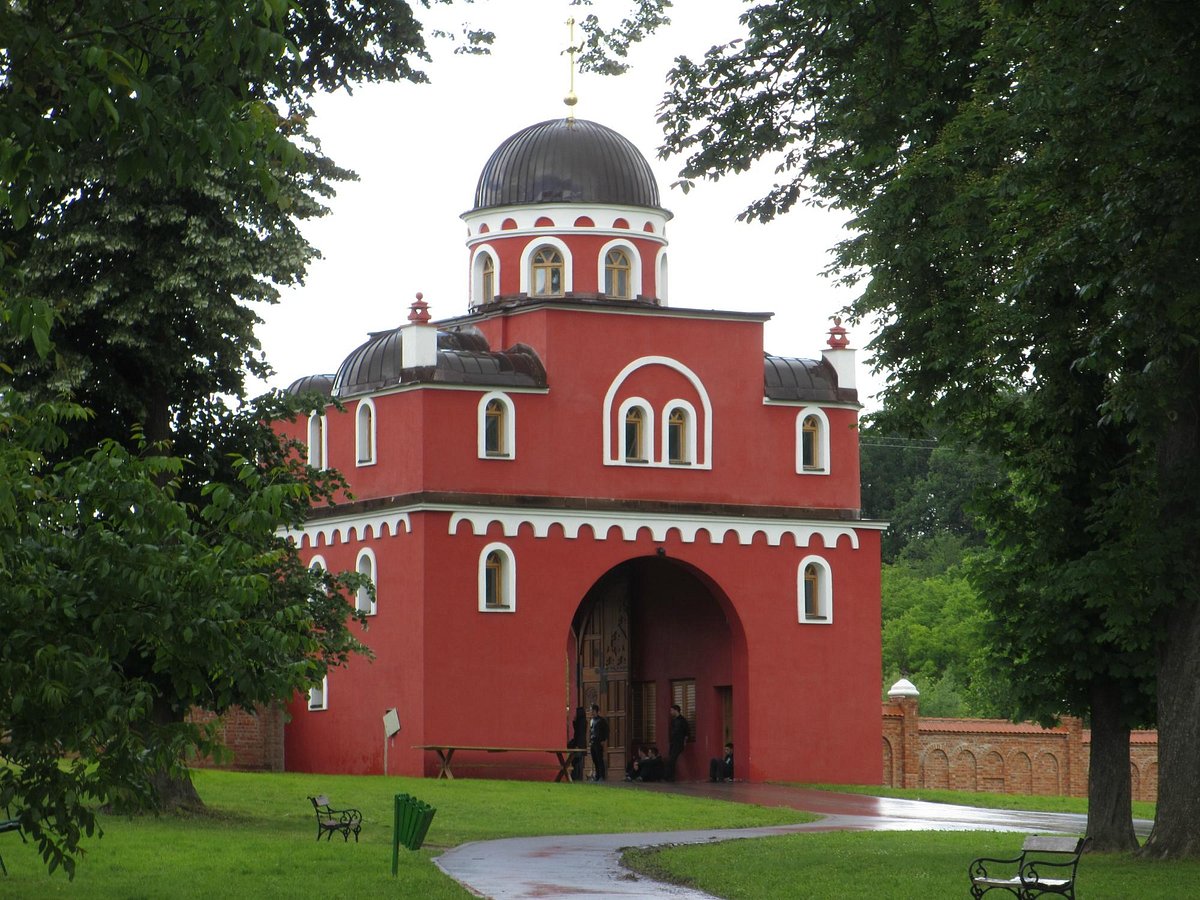
Monasteries of Fruška Gora

The region’s most important heritage stops, often tucked into forest clearings and quiet side roads.

Visit a few rather than racing through all of them; the setting is part of the experience.

  • Quiet atmosphere, Historic architecture, Short drive loops
Sremski Karlovci square and historic buildings

Sremski Karlovci

A refined wine-and-history town on the edge of the hills.

Ideal for tasting rooms, a relaxed lunch, and a scenic stop before or after the park.

  • Wine cellars, Baroque streets, Easy half-day trip
Viewpoint over Fruška Gora forest and Vojvodina plains

National park viewpoints

Short hikes and roadside viewpoints with broad views across the plains.

Perfect when you want a nature stop without committing to a long mountain trek.

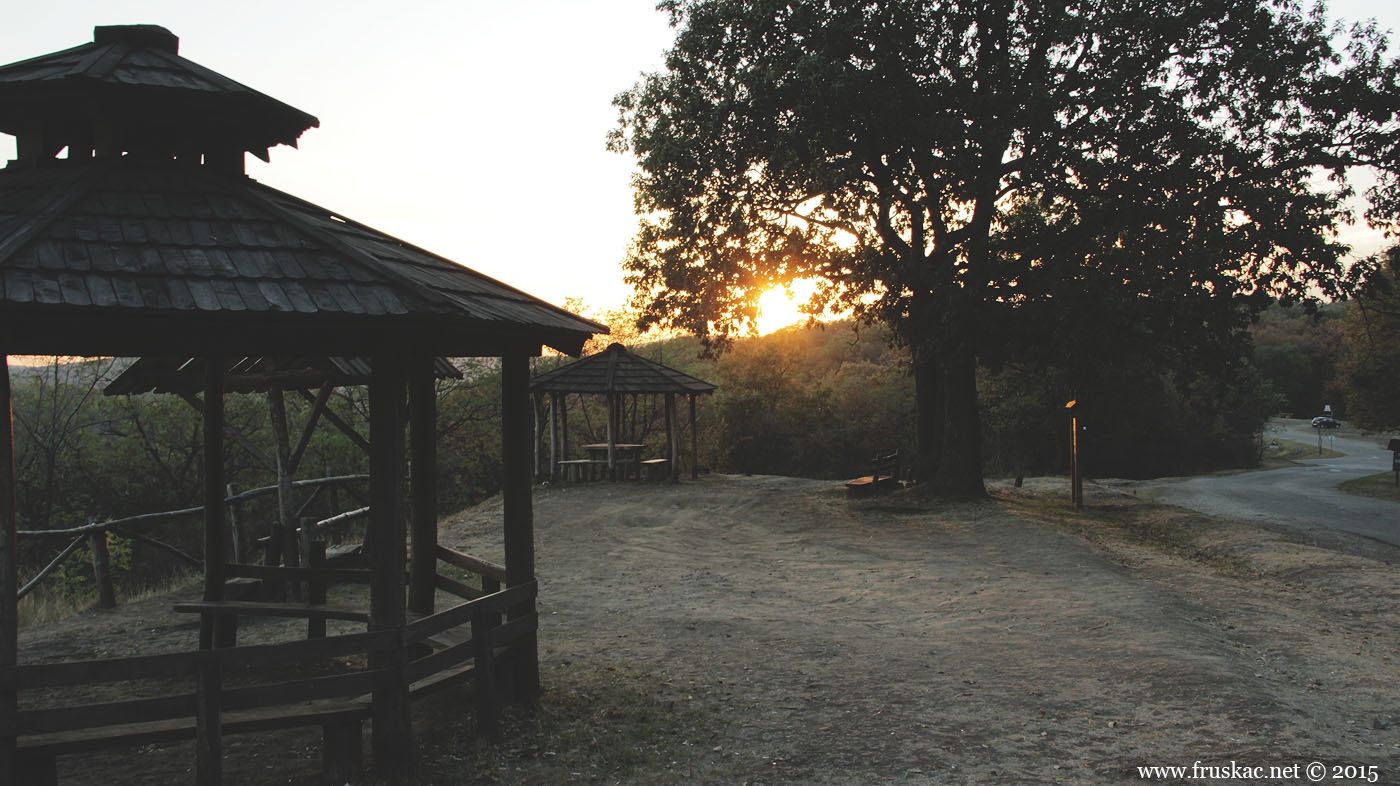
  • Accessible walks, Forest shade, Sunset-friendly
Vrdnik Spa

Vrdnik Spa

A peaceful spa village on Fruška Gora where thermal wellness, monastery heritage and wine country meet.

Krušedol Monastery, Serbia

Krušedol Monastery

Krušedol Monastery — nature & attractions

Krušedol Monastery is one of the most important spiritual and historical sites on Fruška Gora. Founded in the 16th century, it combines monastery life, preserved frescoes, and royal memory in one...

  • Best for: History, Orthodox heritage, frescoes, calm atmosphere
  • Typical visit: 45–90 minutes
  • Best paired with: Sremski Karlovci, Vrdnik Spa, nearby wineries

Quick facts for Fruška Gora

Best base

Novi Sad for comfort; Sremski Karlovci for direct access to wineries and the eastern monasteries.

Best time to visit

May, June, and September; late September for the grape harvest.

Getting around

A car or guided day tour; buses reach Sremski Karlovci but monasteries are spread out.

Don't miss

Krušedol, Hopovo, and Vrdnik monasteries; the Sremski Karlovci wine route.

Good for

Day trips from Novi Sad, wine and monastery routes, and slow forest walks.

Typical stay

1 long day trip; 2 days if combining wineries with an overnight in Sremski Karlovci.

Quick glance

Quick glance

Drawing on Matthias Pasler's Serbia Travel Pocketbook: tradition credits Emperor Marcus Aurelius Probus with planting the first vines on Fruška Gora approximately 1,700 years ago — a project that reportedly led to a mutiny among his soldiers, who considered vineyard work beneath them in peacetime. Today the wine route passes around 60 family-run cellars. The local Probus blend of Cabernet Sauvignon and Skadarka is named in his honour.

Planning tip

Planning tip

Fruška Gora works well as a one- or two-day trip from Novi Sad or Belgrade. For those staying overnight, accommodation is available at several monasteries and in the small village of Iriški Venac, where Hotel Norcev sits directly adjacent to the ruins of the NATO-bombed television tower — a stark 1999-era remnant left standing as an unrestored landmark on the hilltop.

See Novi Sad base options
Useful distance feel

Useful distance feel

From Novi Sad to the main monastery area of Krušedol takes under 30 minutes by car. Sremski Karlovci, a small historic town at the foot of Fruška Gora, is accessible by city bus from Novi Sad and makes a practical first stop before heading up into the hills. The town's 18th-century Baroque architecture and long wine tradition are well-matched with the Fruška Gora visit.

Hotel strategy

Hotel strategy

The television tower ruin at Iriški Venac, bombed by NATO in 1999 and left standing as-is in the years since, is visible from the hillside road and provides an unexpected landmark on the ridge. Hotel Norcev is situated immediately adjacent to it, with a pool and access to the park trails.

Frequently asked questions about Fruška Gora

Is Fruška Gora worth visiting without a car?

Yes, but it is easier with a car. Without one, the best plan is to stay in Novi Sad and choose a focused route rather than trying to see the whole area.

How long do I need in Fruška Gora?

One full day is enough for a satisfying highlights trip. Two days are better if you want both monastery time and a proper wine weekend.

What is the best base for Fruška Gora?

Novi Sad is the most practical base. Sremski Karlovci is the better choice if wine and a slower atmosphere are your priority.

Can I combine Fruška Gora with Novi Sad?

Absolutely. That is the most common and most efficient combination for first-time visitors.

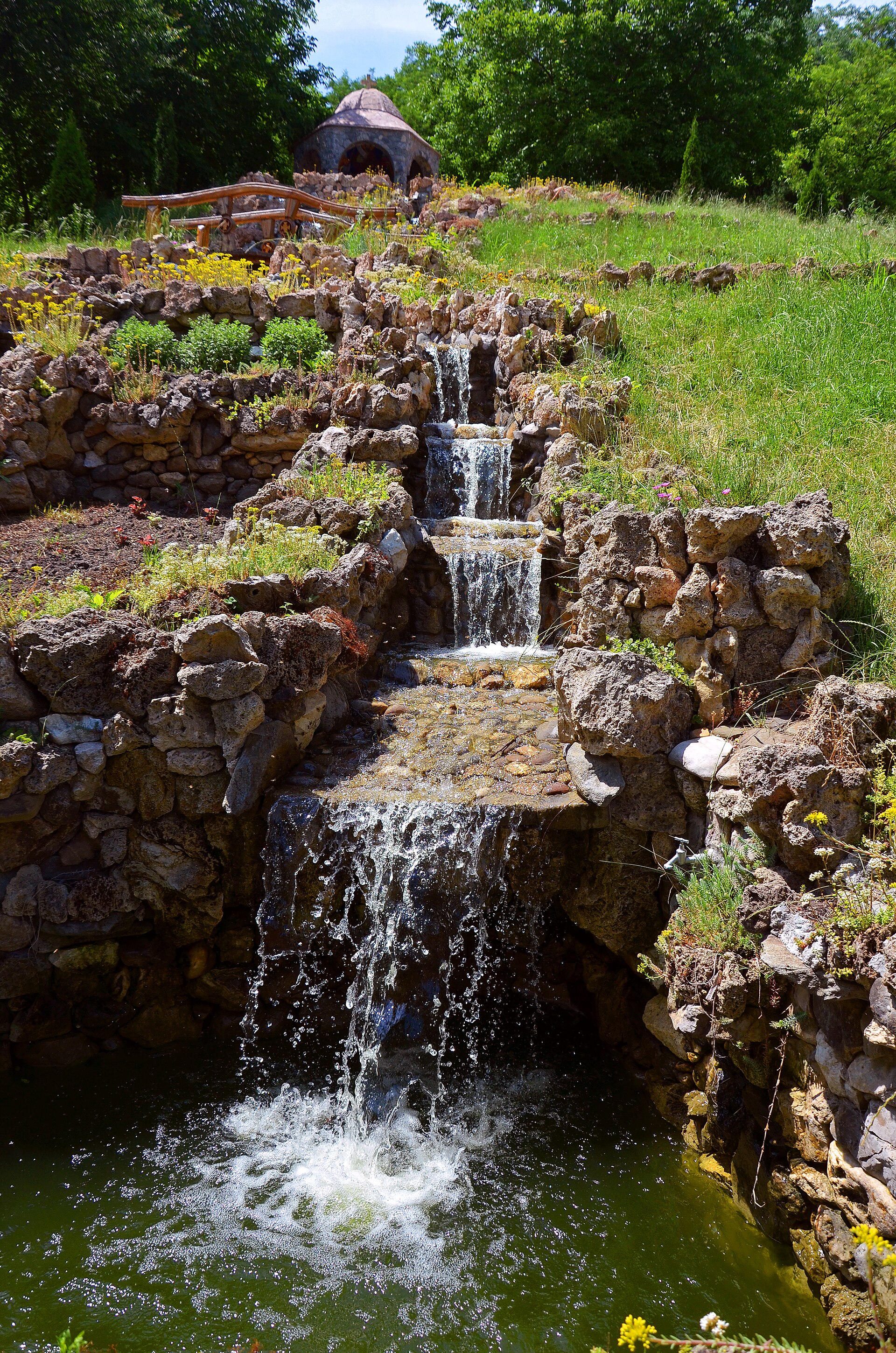
Terraced rock waterfall with a wooden bridge and small pavilion in Fruska Gora National Park

Rock Garden Waterfall

A terraced rock waterfall and small wooden bridge sit among greenery in Fruska Gora National Park

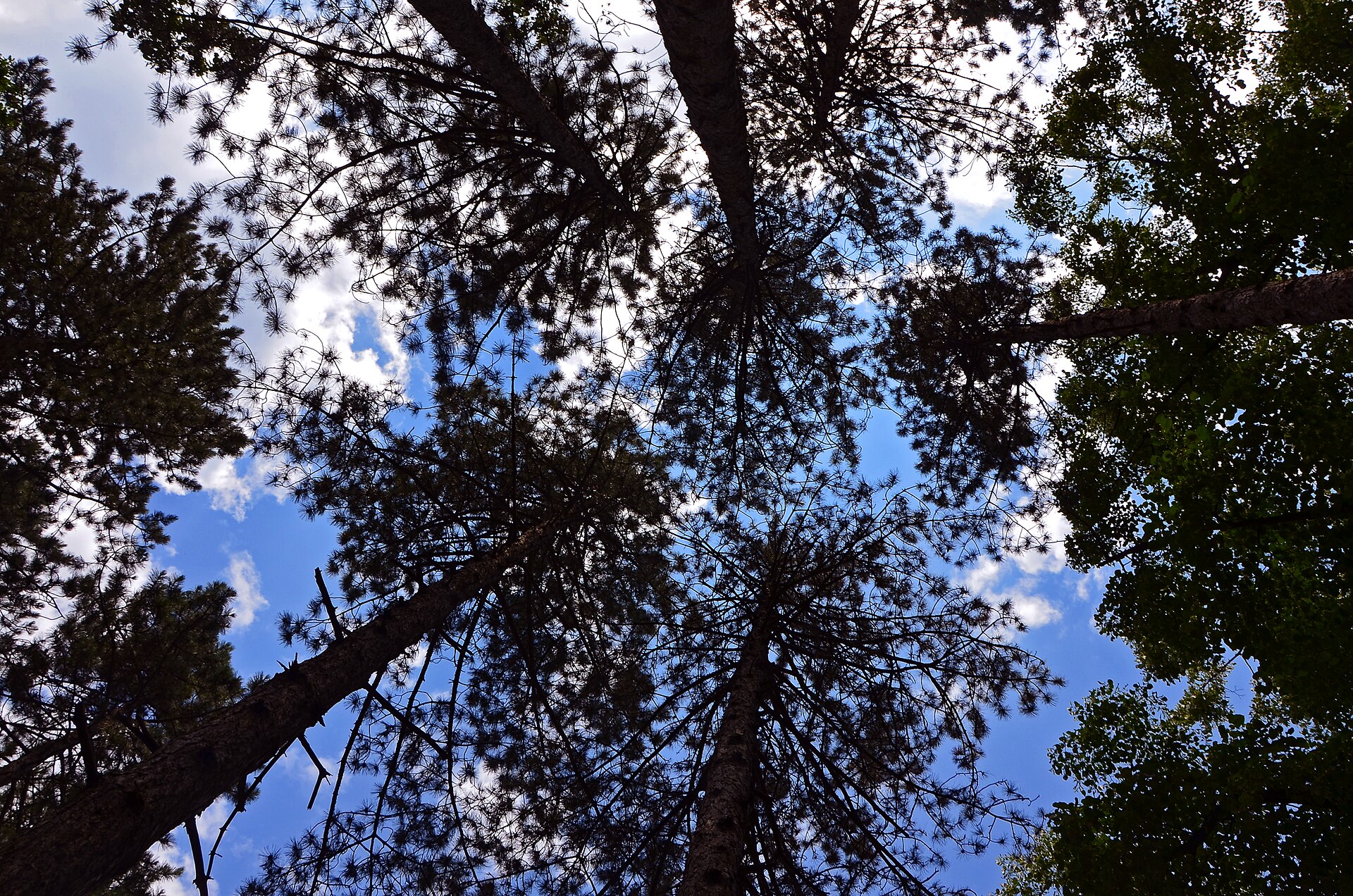
Upward view of tall pine trees framing a cloudy blue sky in Fruska Gora National Park

Pine Trees Skyward

Tall pine trees frame the sky in Fruska Gora National Park, with patches of clouds overhead

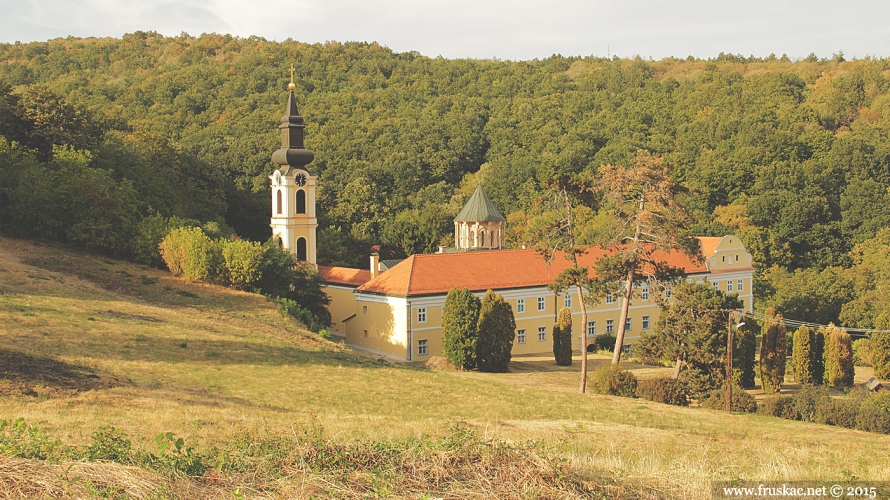
Monastery complex with bell tower on a grassy hillside in Fruska Gora, backed by dense forest

Monastery on hillside

A monastery complex with a tall bell tower stands among wooded hills in Fruska Gora

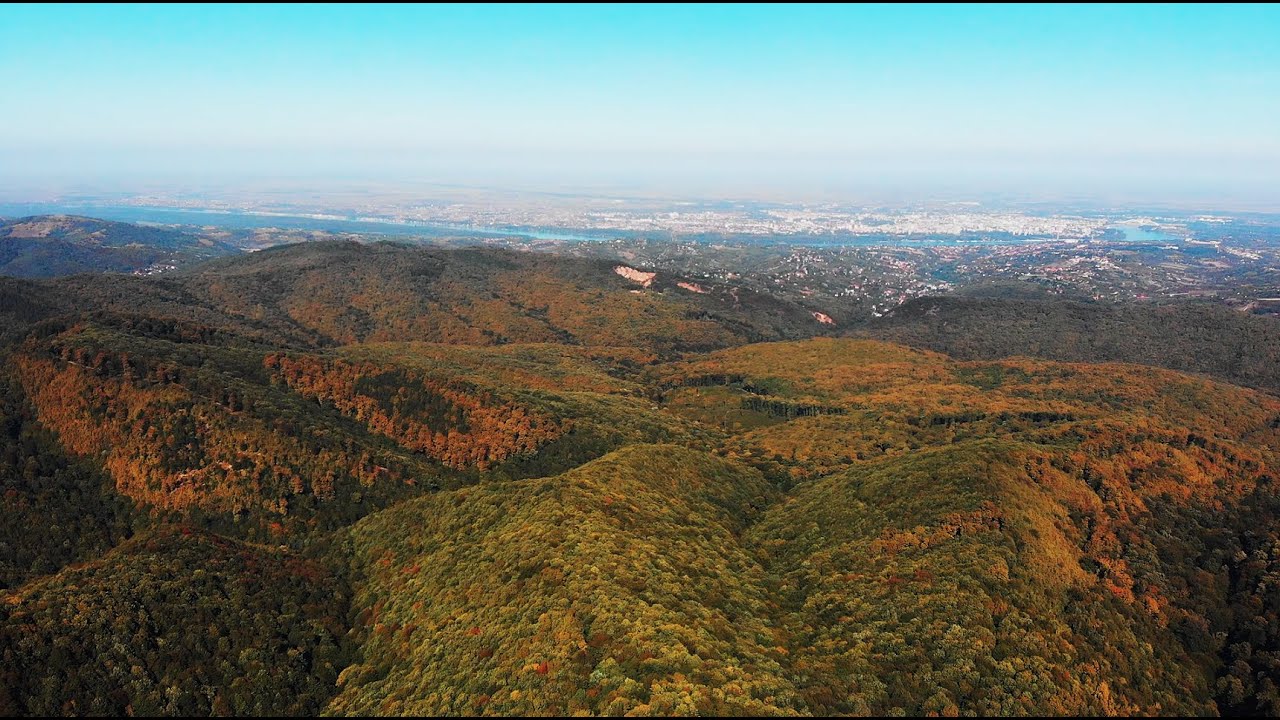
Forested hills in Fruska Gora National Park overlooking a distant city and river plain

Wooded Hills Over Plain

Aerial view of forested hills spreading across Fruska Gora, with the distant city and river plain beyond

Unavailable card image for Fruska Gora National Park

Unclear image content

The provided card image is not visible here, so I cannot identify a specific scene in Fruska Gora

Things to do in Fruška Gora National Park

Guided routes, walking tours, and experiences that help you make the most of a visit to Fruška Gora National Park.

Travel essentials

Stay connected in Serbia