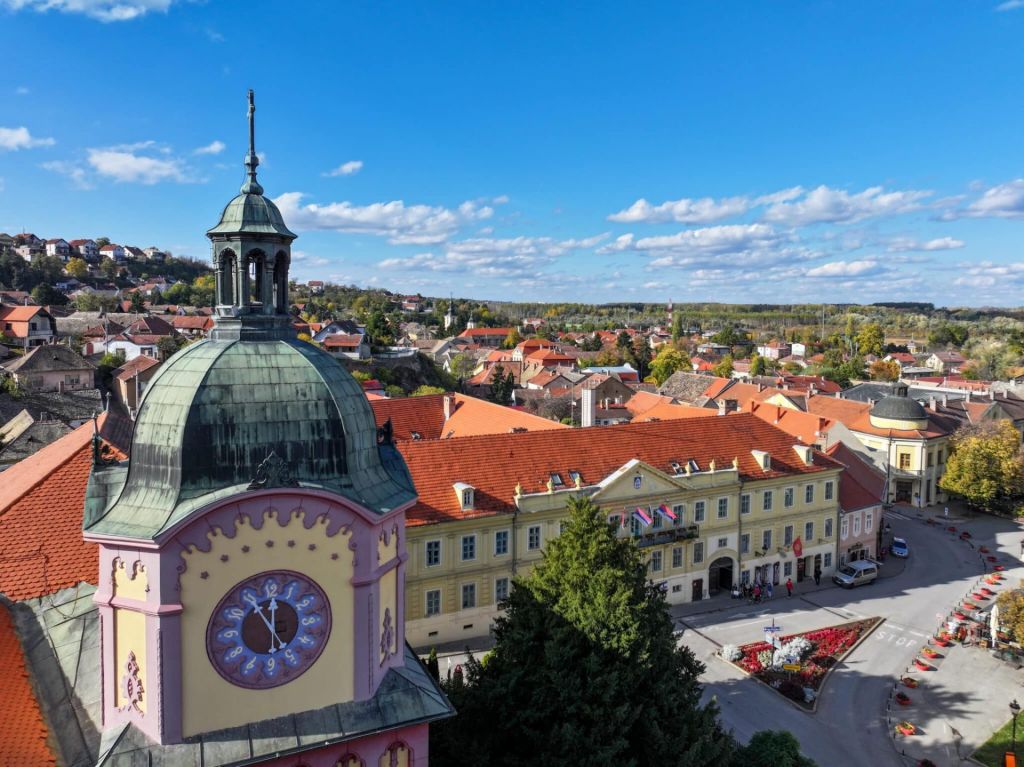
Branko Radičević Square, Sremski Karlovci

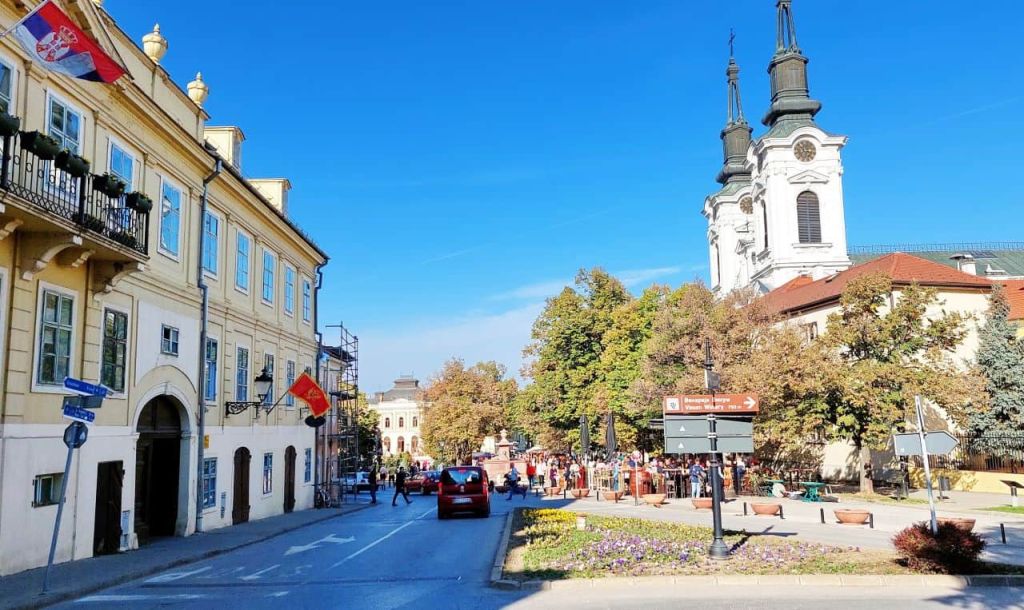
Sremski Karlovci sits on the Danube at the northern edge of Fruška Gora. Branko Radičević Square, once marshland fed by an arm of the river, became the town's civic core during a concentrated burst of building at the end of the 19th century. For a first visit, the place reads as one compact set of streets shaped by church life, education and wine for more than three centuries. The mood is calm and measured, with most sights close enough to absorb on foot without planning a long circuit.
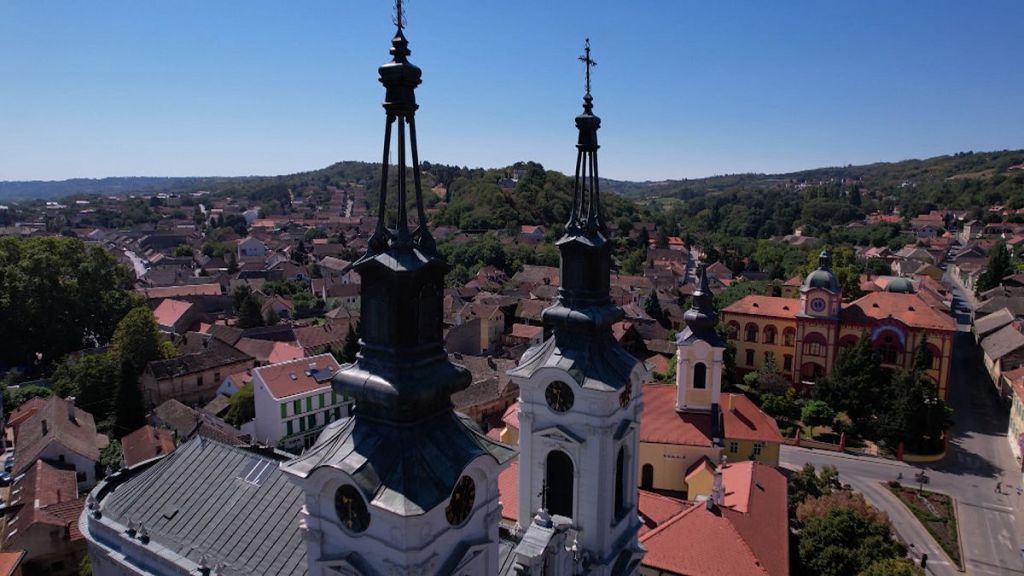
Almost everything a first-time visitor wants to see sits around Branko Radičević Square, so the town's main speciality is not a single monument but a short, level loop that ties its identity together. The walk begins in the courtyard of the Patriarchal Palace, crosses to Saint Nicholas Cathedral, continues past the Karlovci Gymnasium and the Seminary of Saint Arsenije of Srem, and returns toward the centre where cellars and cafés close the route. The distance is only a few hundred metres: about 15 minutes without stops, or closer to 90 minutes if you enter the church and linger at each building. What makes the route distinct is the way church, school and wine still occupy the same few streets.
These are the visual cues that make the short town walk easy to read even if you stay outdoors.
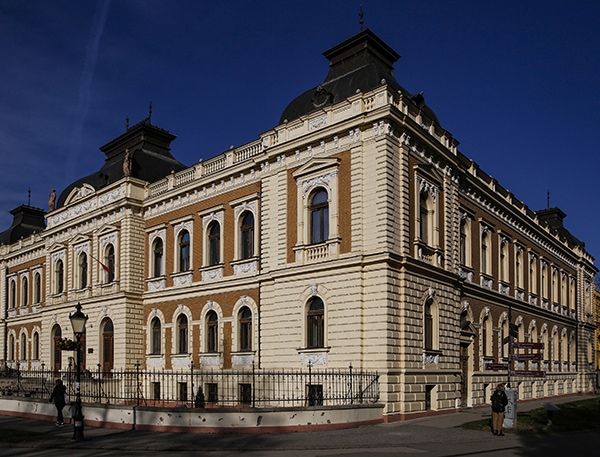
Patriarchal Palace courtyard
The walk begins here, with the palace's late-19th-century facade framing the civic heart of the town.
Saint Nicholas Cathedral iconostasis
Inside the Cathedral, the painted screen by Kračun and Orfelin is the main artistic focus of the route.
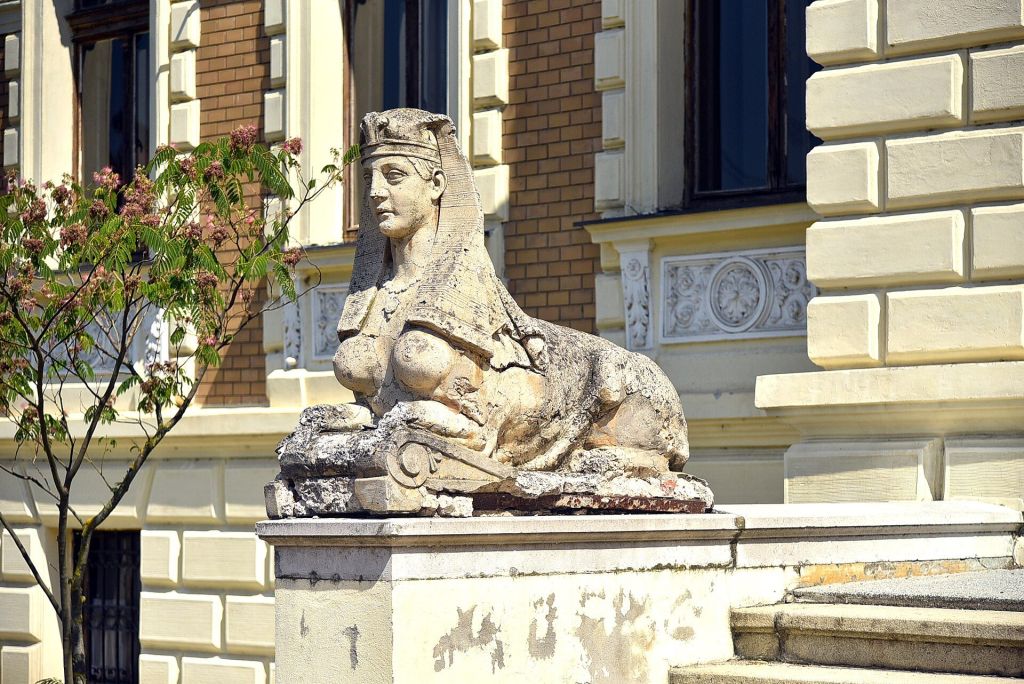
Sphinxes opposite the Seminary
The former Church-People's Funds building keeps its bank symbolism visible on the street through sphinx figures and muses.
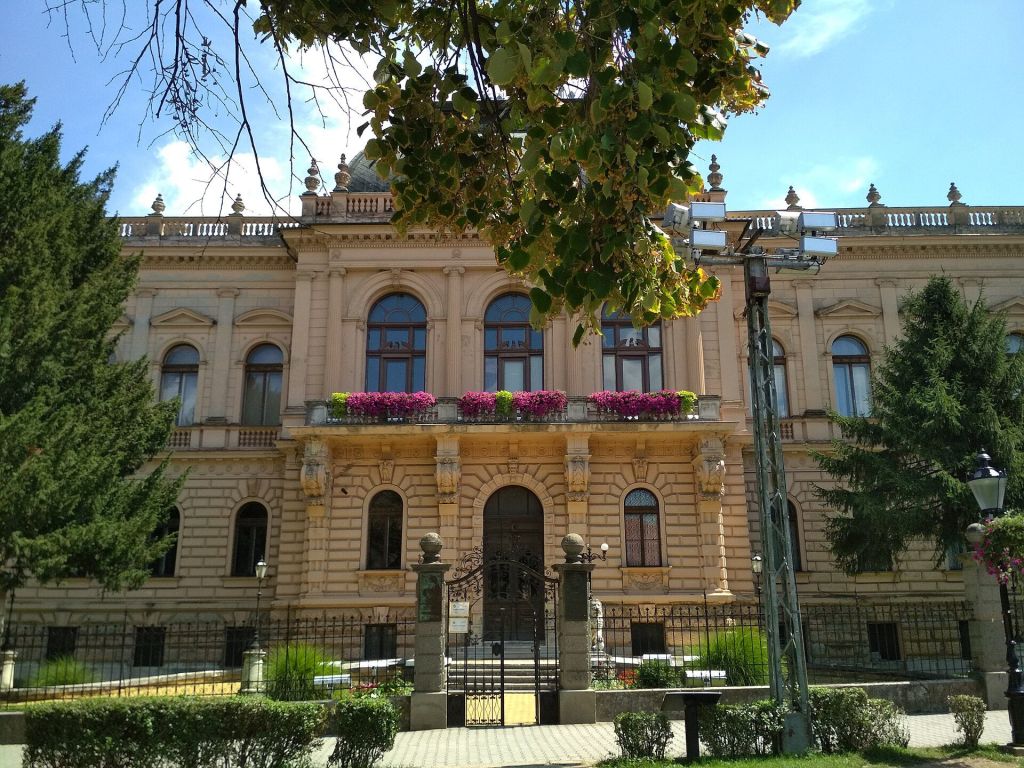
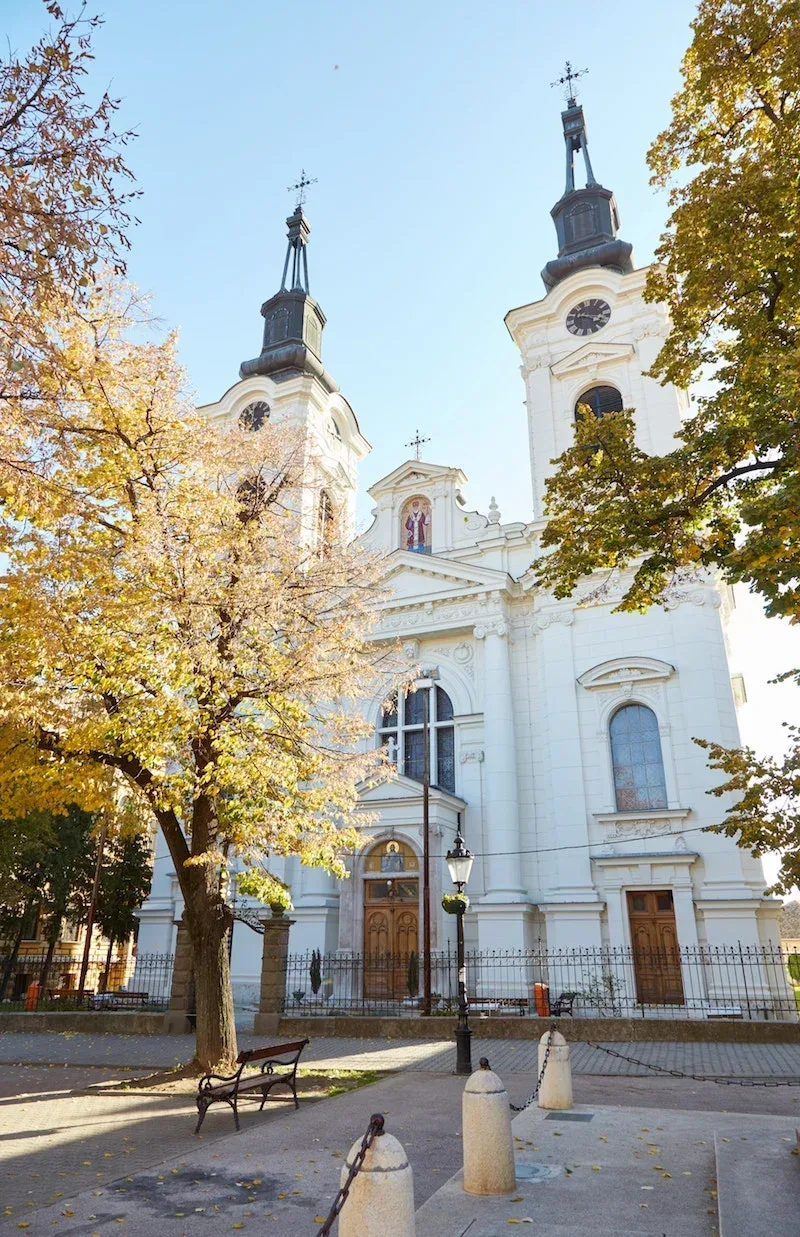
Saint Nicholas Cathedral, or Saborna crkva Svetog Nikole, stands immediately beside the palace and serves as the central church of the Eparchy of Srem. It is often treated as one of the defining works of Serbian Baroque architecture in Vojvodina. Metropolitan Pavle Nenadović began the present stone church in 1758 on the site of an earlier wooden one, using plans drawn in Vienna, and the work finished in 1762.
The building changed over time. After a fire in 1799 and a neoclassical refit in 1811, the facade was reworked between 1909 and 1910 by Vladimir Nikolić so it would sit more harmoniously with the palace next door. Inside, the main focus is the iconostasis painted between 1780 and 1781 by Teodor Kračun and Jakov Orfelin, two major Serbian painters of the 18th century. Kračun painted the festal icons and the royal doors, while Orfelin painted the rest. Also look for an icon of the Virgin and Child attributed to 14th-century Russian masters, works by Paja Jovanović, two ceremonial thrones between altar and nave, and the crypt below, where almost every Metropolitan and Patriarch of Karlovci was buried.
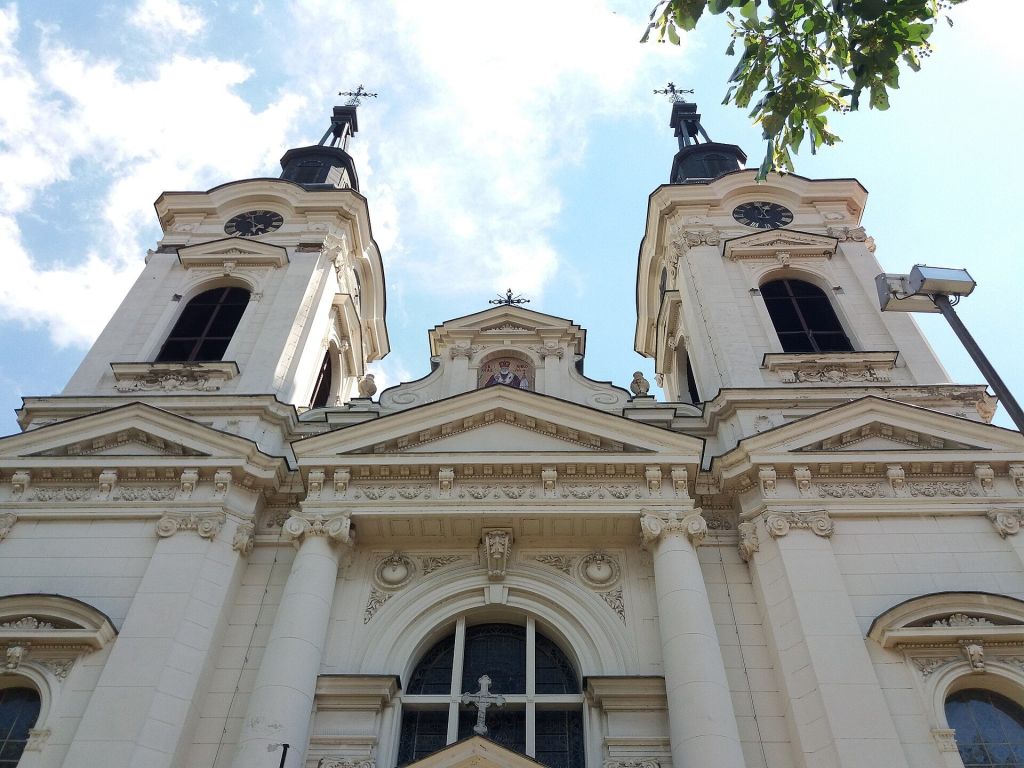
Across the square stands Karlovačka gimnazija, the Karlovci Gymnasium, the oldest Serbian secondary school and one of the oldest in southeastern Europe. It opened on 1 November 1791 as the first Serbian gymnasium in the Habsburg Monarchy. Metropolitan Stefan Stratimirović secured the imperial licence from Emperor Leopold II, and the merchant Dimitrije Anastasijević Sabov supported the foundation with a donation of 20,000 Austrian forints.
The present building was completed in 1891 to a design by the Hungarian architect Djula Partoš. Its style mixes neo-Renaissance and Baroque with details that echo Studenica Monastery. The library is the oldest school library in Serbia and holds close to 18,000 titles, including a photo-type edition of the Gospel of Miroslav and first editions by poets such as Branko Radičević, once a pupil here. The building still functions as an active high school for around 600 students and opens to visitors by appointment.
A short walk on from the Gymnasium brings you to the Seminary, or Bogoslovija, of Saint Arsenije of Srem. It is one of the oldest Orthodox seminaries in the world, with the small general seminary opening in 1794 soon after the Gymnasium. One local rule still stands out: boys from Sremski Karlovci itself cannot enrol, because leaving home is treated as part of the test of maturity. Today the seminary has around sixty pupils, compared with closer to three hundred thirty years ago. The day begins at 06:00 and ends at 21:30, with morning and evening services built into the routine.
Opposite stands another Vladimir Nikolić building that often catches visitors off guard: a facade flanked by sphinxes and muses. Completed in 1902, it originally housed the Church-People's Funds, effectively an ecclesiastical bank. At the time, sphinxes were standard guardians of banks across Europe, symbols of secrecy and protection, and when the building changed use there was no reason to remove them.
Late morning to early afternoon works best because the church and the Gymnasium are easier to enter before evening, and cellar visits are simpler to arrange in daylight. Weekdays are calmer than weekends, when day visitors arrive from Novi Sad. Spring and early autumn are the most comfortable seasons for the walk. Summer is still workable, but it can be warm and some parts of the square offer limited shade.
If you want to go inside the Cathedral or the Gymnasium, or add a cellar tasting, message ahead, especially outside the main tourist months. For a broader town visit, Saturday tends to be busier if you are coming from Novi Sad. Winter still works, but shorter daylight hours make Sremski Karlovci better as a focused stop than a long roam. Festival visits need extra checking because Podrumarenje and grape-festival dates can move slightly from year to year.
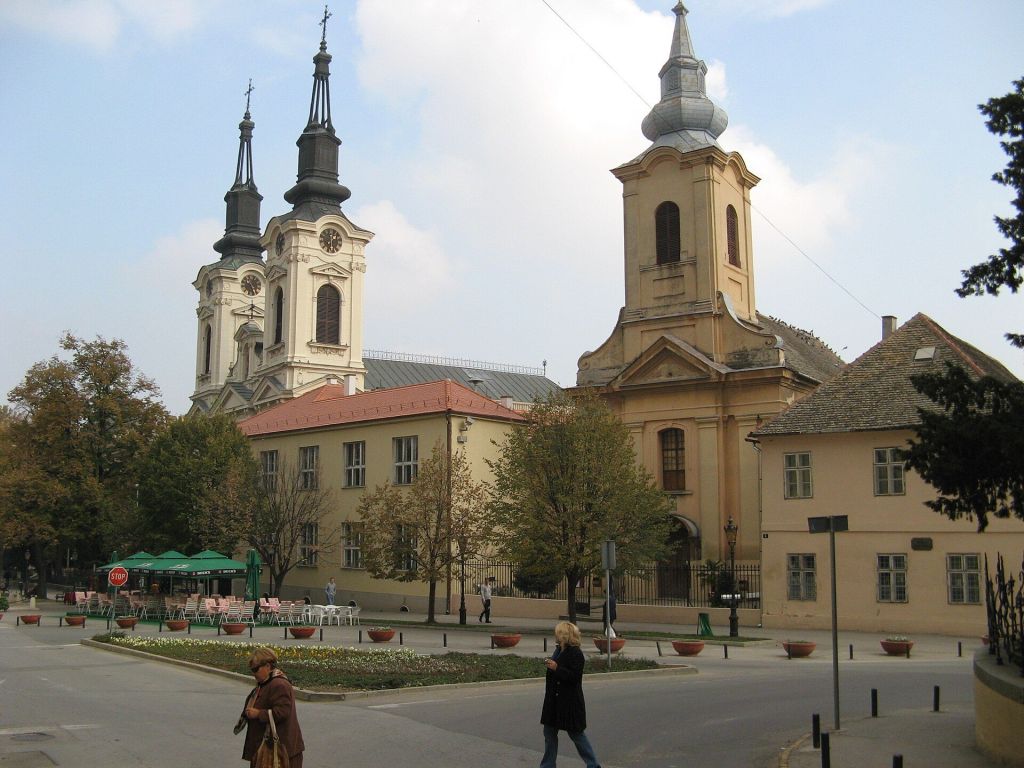
This is a calm, low-key walk rather than a packed sightseeing circuit. Most of your time is spent outdoors around the square, with optional interiors at the church and the Gymnasium. Several stops belong to the Serbian Orthodox Church, so modest clothing and low noise are appropriate inside the Cathedral and in the Patriarchal Palace area. The main square is level and easy underfoot, although some older nearby surfaces are uneven.
Families can do the route comfortably because the distances are short, but the appeal is cultural rather than activity-based. Bring water in warm months and keep some cash for cellar purchases and any small museum fees. If you add a tasting, slow the pace rather than treating the town like a checklist. More broadly, Sremski Karlovci is a small place where visitors mainly walk, enter churches or museums where open, and stop for wine or coffee. Dress is usually casual, the streets are manageable on foot, and noise levels are generally lower than in Novi Sad.
Tell us where you want to go and how you travel. We reply within two working days with a tailored plan.
Operational booking facts below refer only to the cited third-party day-tour listing, not to universal opening hours for all town sights or cellars.
From the square, the wine part of the visit feels like a continuation of the town rather than a separate excursion. Sremski Karlovci is one of Serbia's established wine places, known above all for Bermet, the fortified dessert wine linked with the town, as well as local white and red varieties sold in family cellars and tasting rooms. Production, storage and direct tasting all sit within a center still small enough to cover on foot. One or two tastings can fit between church visits and a walk around the square. In the wider context of Fruška Gora National Park, Karlovci feels especially tied to local identity and church history because the cellar houses sit in the same streets as the Cathedral, the Gymnasium and the main square.
Just below the palace lies the Patriarchal Wine Cellar, a reminder of how old winemaking is here. By the 3rd century, the Romans had already recognised that the slopes of Fruška Gora suited the vine because of their warm exposure, the moderating Danube and well-drained soils. Tradition credits Emperor Probus, Marcus Aurelius Probus, who reigned from 276 to 282, with planting the first vines. Today the area counts around 25 registered wineries, and almost every second house keeps a small cellar.
The warm months bring a steady event calendar: Sacijada at Stražilovo on 6 June, Kult Fest over five weekends in August, and Grožđebal in late August or early September. A newer addition is Podrumarenje, a guided cellar-hopping tour with tastings, traditional meze and live music, including a fixed edition on 14 February for Saint Tryphon, patron of winemakers.
Guided routes, walking tours, and experiences that help you make the most of a visit to Sremski Karlovci.
Sremski Karlovci City Tour
Sremski Karlovci City Tour in Sremski Karlovci.
This self-guided walking tour fits inside a single loop around Branko Radicevic Square, the central space of Sremski Karlovci about 12 km south of Novi Sad. In roughly 90 minutes it links the Patri...
The town sits on the Danube south-east of Novi Sad, with Branko Radičević Square as the practical start for the main walk.
These are the core named stops on the Branko Radičević Square loop. Published general opening hours are limited in the supplied sources, so treat interior access as something to confirm locally or by appointment.
Patriarchal Palace
Historic home of the Serbian Patriarch and the starting point of the town walk.
Built between 1892 and 1894 to a design by Vladimir Nikolić in mixed Baroque and pseudo-Renaissance style. The first floor contains a six-room museum.
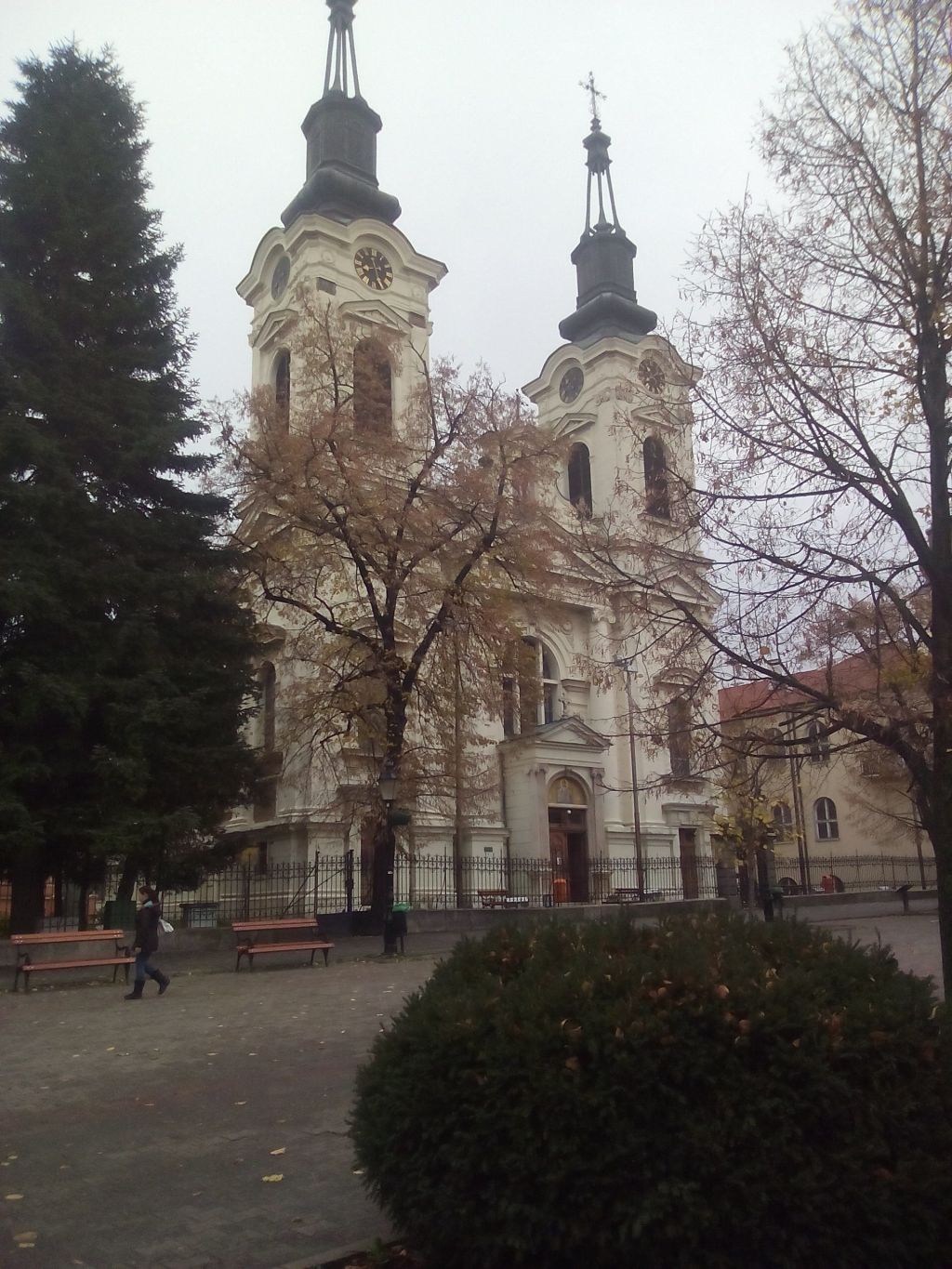
Saint Nicholas Cathedral
Main church of the Eparchy of Srem, set directly beside the palace.
Stone church begun in 1758 and completed in 1762, with an interior known for its 1780-1781 iconostasis by Teodor Kračun and Jakov Orfelin.
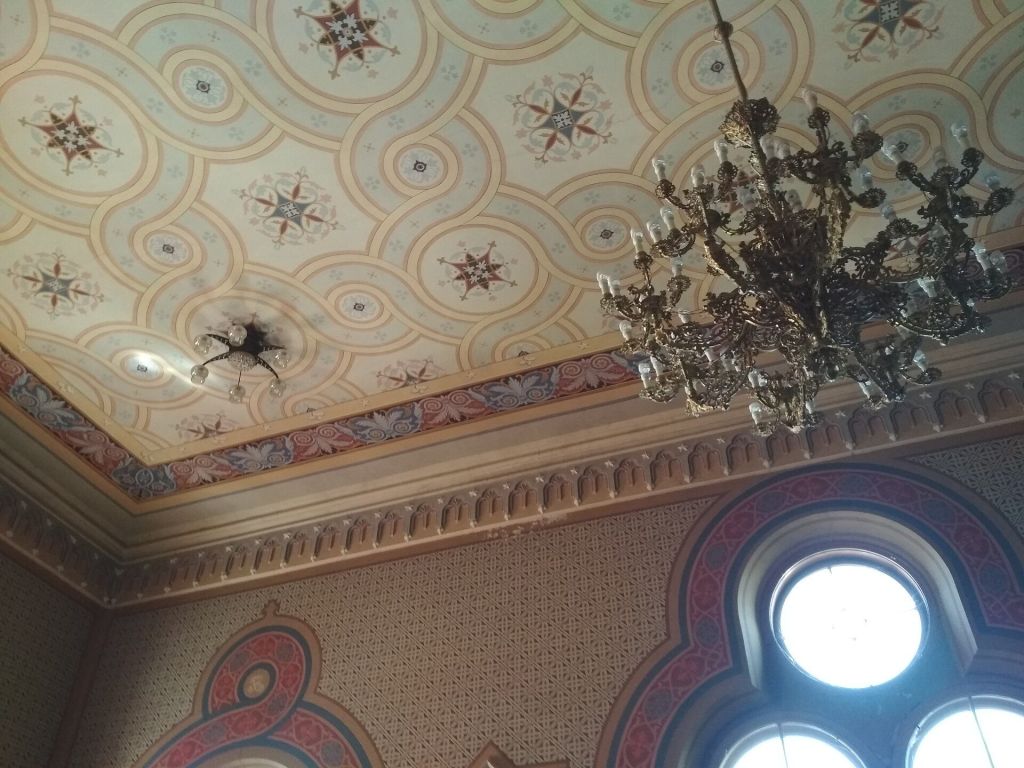
Karlovci Gymnasium
Historic secondary school across the square from the church complex.
Opened on 1 November 1791 and housed today in an 1891 building by Djula Partoš. It remains an active high school.
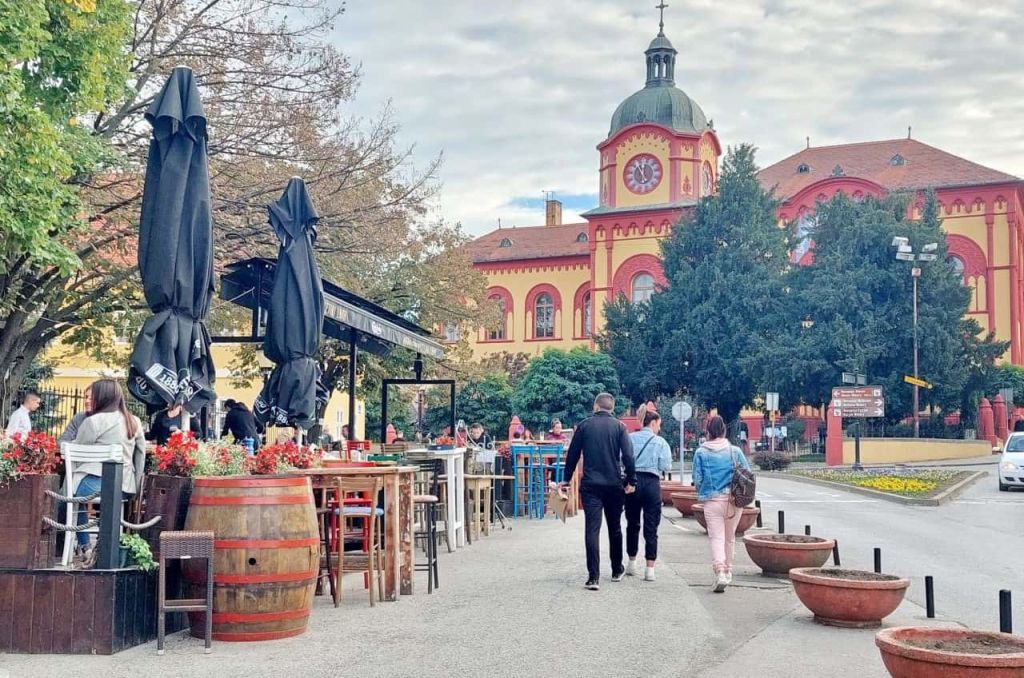
Seminary of Saint Arsenije of Srem
Orthodox seminary a short walk from the square, opposite the sphinx-guarded former Church-People's Funds building.
The small general seminary opened in 1794 and today has about sixty pupils. Morning and evening services remain part of the daily schedule.
Branko Radičević Square, Sremski Karlovci
Patriarchal Palace
Baroque square walking route and Bermet cellar culture
Town walk free; museum and tasting fees not published
Late morning to early afternoon; spring and early autumn
Recommended for Gymnasium visits and cellar tastings
One published private-tour option comes from Serbian Adventures in Novi Sad. It lists a 10:00 departure, a duration of about 7 hours, and a program that combines Sremski Karlovci with wine tasting, Novi Sad and Petrovaradin Fortress. The published inclusions are transfer, an English-speaking guide and wine tasting; lunch and drinks are not included.
Published booking terms: minimum 2 persons, online booking available, and payment required 1 day before the tour. Published price: 50 EUR regular price. Published contact details: Nikole Pašića br. 7, 21000 Novi Sad, +381 62 737242, office@serbianadventures.com.
Sacijada at Stražilovo falls on 6 June. Kult Fest runs over five weekends in August. Grožđebal comes in late August or early September, and Podrumarenje has a fixed edition on 14 February for Saint Tryphon. Check dates before you go because some events shift slightly from year to year.
Several stops belong to the Serbian Orthodox Church. Dress modestly, keep noise low inside the Cathedral and around the Patriarchal Palace, and expect some uneven older paving near otherwise level walking surfaces.
The supplied sources do not publish standard daily opening hours for the main town walk. Late morning to early afternoon is the safest window because church entry, school appointments and cellar arrangements are easier in daylight.
The core route covers a few hundred metres. It takes about 15 minutes without stops, or around 90 minutes if you go inside the church and pause at each building.
If you want to enter the Gymnasium or arrange a cellar tasting, message ahead. Published general opening hours were not available in the supplied sources for several interiors.
Yes. The town is about 12 km from Novi Sad, with a ride of roughly 20 to 30 minutes by bus and about 20 minutes by car.
Bermet is the fortified dessert wine most closely associated with the town. It sits at the centre of Karlovci's cellar identity alongside local white and red wines.
Yes, but the shorter daylight hours make it better as a focused stop rather than a long day of wandering.
Stay connected in Serbia