
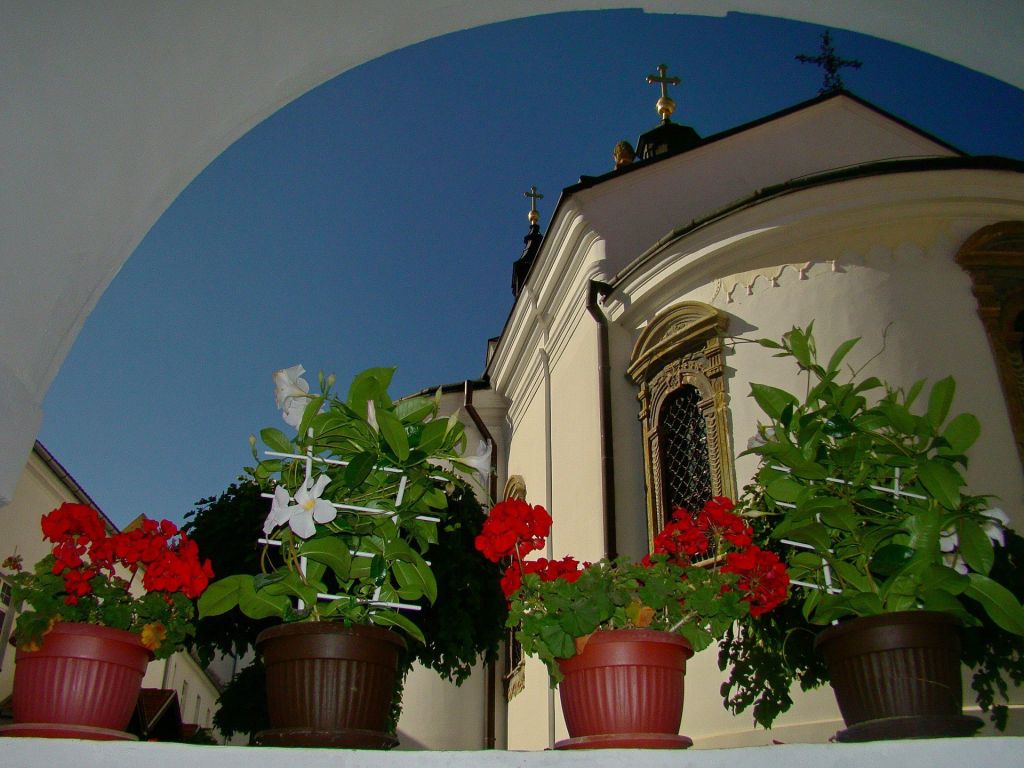
Where is Krušedol Monastery?
Krušedol Monastery stands on the southern slopes of Fruška Gora, the low mountain range that runs along the Danube in Vojvodina. The monastery is roughly 50 km northwest of Belgrade by road, reachable through Novi Sad or directly via the highway along the Danube. Fruška Gora holds more than a dozen medieval monasteries in its forested hills, earning comparisons to monastic mountain complexes elsewhere in the Orthodox world.
The surrounding landscape is quiet outside of weekend and pilgrimage visits. Fruška Gora is also wine country, with vineyards distributed across the southern slopes, and several wineries operate in the vicinity of the monastery roads.
Krušedol is most easily reached by car from Novi Sad or Belgrade. The road through Fruška Gora to the monastery passes vineyards and forested hillsides. Public transport connections are limited; a taxi from Novi Sad is the most practical option for visitors without a car.
A landmark that makes Fruška Gora feel complete
The monastery church at Krušedol was built in the early sixteenth century and contains frescoes from several periods. The complex serves as a working monastery and the site holds significance as a burial place for members of the Branković and Habsburg-era Serbian noble families. The monastery's role in Serbian cultural memory extends from its founding period through its use as a place of refuge and preservation during the Ottoman centuries.
The physical setting — a small monastery compound enclosed within walls, surrounded by Fruška Gora forest — is consistent with the other foundations on the mountain. The hill-slope position means the approach from the road involves a short climb, and the quiet of the compound contrasts with the activity on the Danube plain below.
The monastery and its role in the wider Fruška Gora circuit
Fruška Gora's monasteries are generally visited as a circuit rather than individually. The mountain road connecting them passes through forest and occasional clearings with views toward the Danube. Krušedol is one of the better-preserved and more frequently visited foundations on the range, partly because of its historical importance and partly because its position on the southern slopes makes it accessible from the main road network.
Why people keep coming back
The monastery rewards slow looking. Even repeat visitors usually notice something new — a fresco detail, a quieter corner of the grounds, or a better view of the surrounding forest.
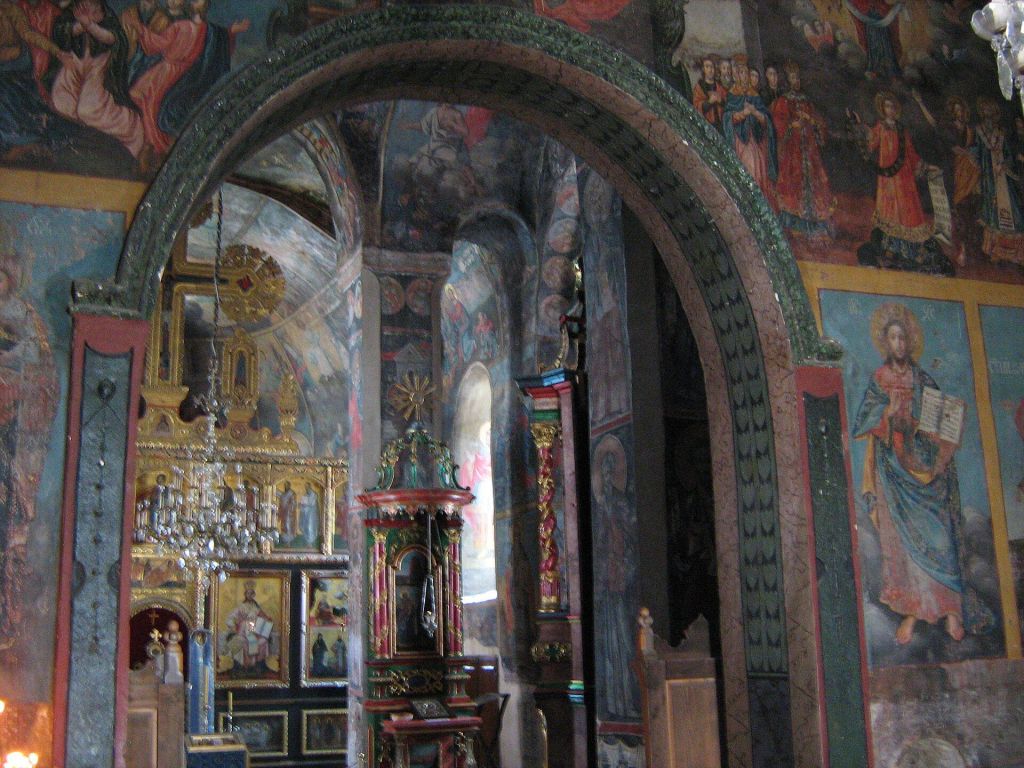
Fresco details
The interior art is one of the biggest reasons to visit. Look closely and take your time; the value is in the layers, not a rushed photo stop.
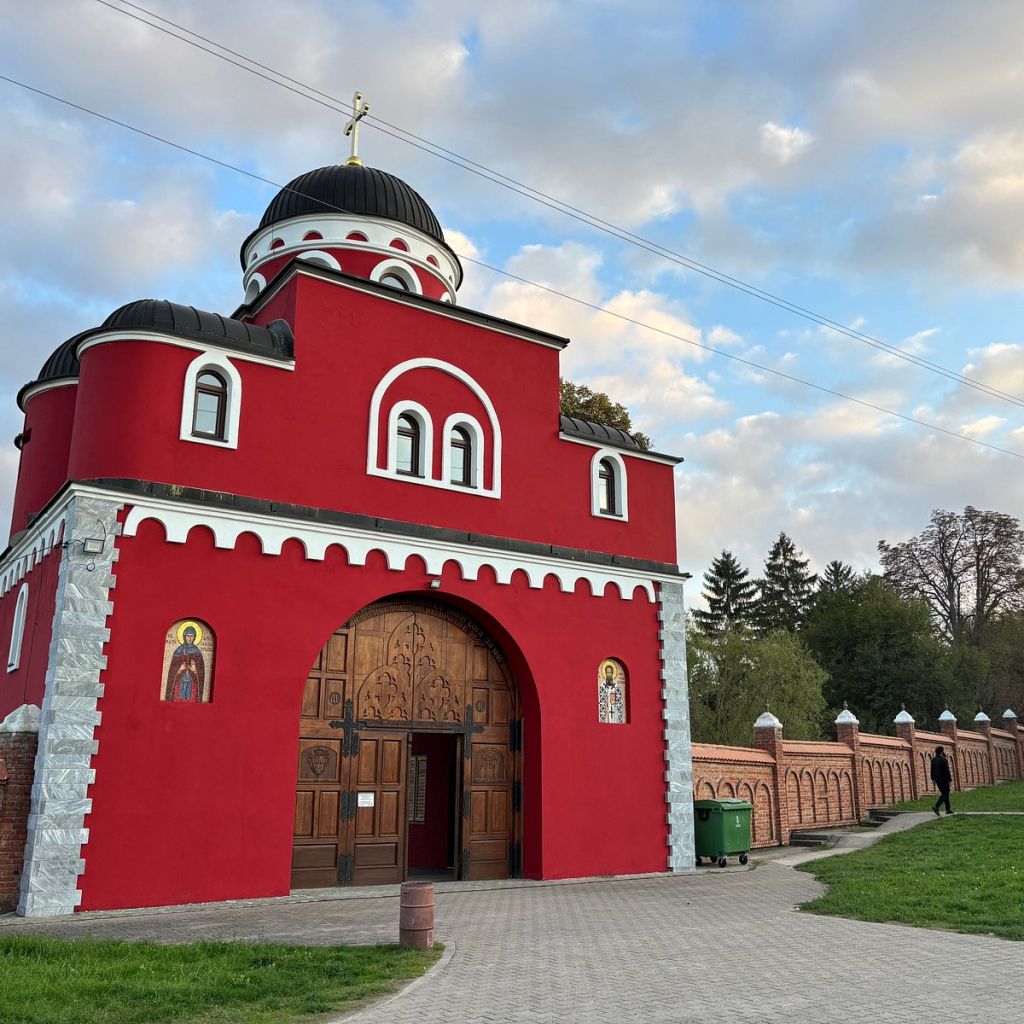
Royal burial site
Krušedol is closely linked to Serbian noble and royal memory, which adds a rare historical weight to the visit.
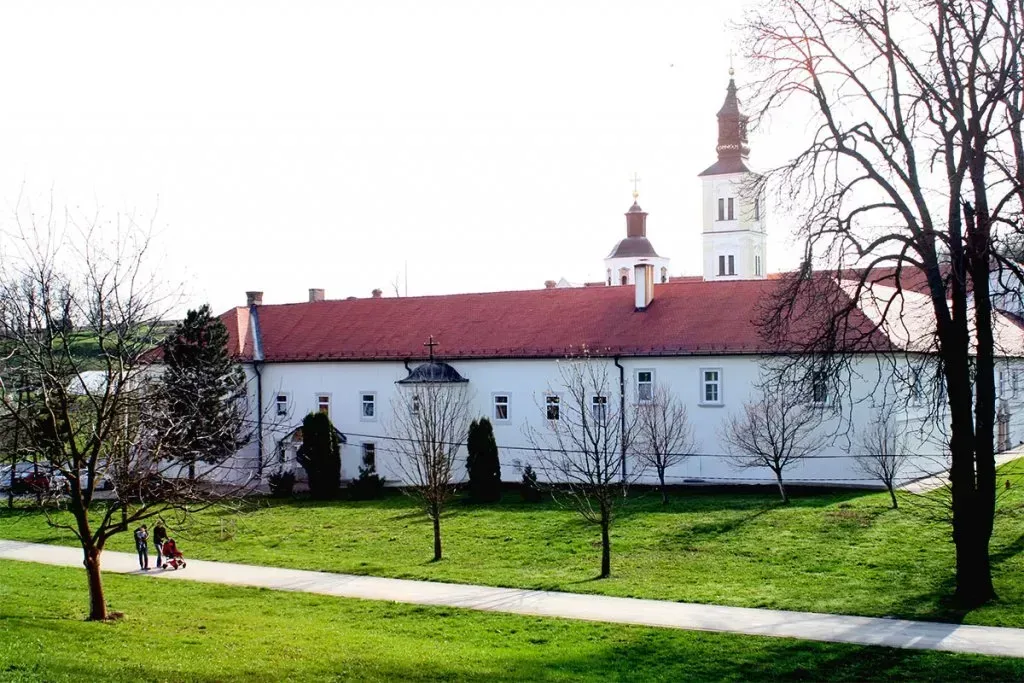
Quiet mountain setting
The surrounding landscape is ideal for travelers who want a spiritual site without the crowds and noise of a city attraction.
Dress modestly for a monastery visit: shoulders and knees covered. Photography inside the church may be restricted; check at the entrance. Weekdays are quieter than weekends and pilgrimage days.
Krušedol Monastery — what to expect on a visit
The monastery compound contains the main church, residential quarters for the monastic community, and the surrounding fortified wall. The church interior holds frescoes and the tombs of several important figures from Serbian medieval and early modern history. The exterior of the church shows the rounded apse and decorative stonework characteristic of the Serbian medieval building tradition.
The compound is small enough to walk through in under an hour. Most visitors pair a stop here with at least one or two other Fruška Gora monasteries and a visit to Petrovaradin Fortress or central Novi Sad on the same day.
The monastery in four chapters
Krušedol was founded in the 16th century and became a major monastic and cultural center in the region.
Like many Serbian holy sites, it was damaged over time and later restored, which is part of its historical importance.
The monastery is known for its connection to Serbian royal and noble burials, giving it a rare memorial role.
Visitors experience a living monastery, not a museum-only site, so respectful behavior matters throughout the grounds.
Fruška Gora's ensemble of monasteries has been compared to the monastic communities of Mount Athos in Greece, though the Serbian foundations are more dispersed across a forested hill range than concentrated in a single peninsula. The Fruška Gora monasteries are active religious sites, not open-air museums.
A quiet day trip with room for vineyards and forest
The Fruška Gora wine region extends across the same southern slopes as the monastery road. Several family wineries and larger estates produce wines from this area, and stopping at a winery on the way to or from Krušedol is a natural pairing. The mountain also has walking trails through the forest, some of which connect monastery sites.
The pace of a Fruška Gora day is generally slow: short drives on narrow roads, short walks between sites, and long stops for food or coffee in between. The region rewards visitors who are not trying to cover too much ground.
Best ways to enjoy the surrounding landscape
Don’t rush the drive. The monastery feels more special when you arrive through the forested Fruška Gora roads.
Pair the visit with a nearby winery or cellar in the Srem area for a balanced history-and-flavor day.
Even a small forest pause or viewpoint stop helps the monastery visit feel more complete.
Krušedol works well as the main stop on a relaxed half-day route from Novi Sad.
Heritage inside the monastery grounds
The primary cultural interest at Krušedol is the church itself, its frescoes, and the historical associations of the burial tombs. These elements are inseparable from the religious function of the site: Krušedol is an active monastery and the experience of visiting is shaped by that activity.
The Fruška Gora monasteries collectively hold a significant portion of surviving medieval Serbian art outside of the major national museums. The quality of the fresco work varies between foundations, but Krušedol holds enough of historical significance to justify the visit in its own right.
Food and cafés near Krušedol
The monastery road through Fruška Gora has a small number of roadside restaurants and kafanas, mostly serving Serbian grill and seasonal dishes. Options are limited near Krušedol itself; Novi Sad or Sremski Karlovci, both accessible from the highway below the mountain, offer a wider range of restaurants and cafés for a meal before or after the monastery visit.
Sremski Karlovci, a small historic town on the Danube at the foot of Fruška Gora, has preserved nineteenth-century architecture and several wine cellars that can be visited directly.
Plan food stops in Novi Sad or Sremski Karlovci rather than expecting to find a restaurant near the monastery. The area around Krušedol has limited services.
Getting to and around Krušedol
A car is the most practical way to visit Krušedol and other Fruška Gora monasteries. The monastery road is navigable but narrow in places. From Novi Sad, the drive takes around 30 to 40 minutes. From Belgrade, plan for about an hour via the E75 and then the Fruška Gora road. Taxis from Novi Sad work for a direct monastery visit. Public transport options are limited.
Combine Krušedol with one or two other Fruška Gora monasteries and a stop in Sremski Karlovci or Novi Sad for a complete day. Arrive at the monastery before 11:00 or after 14:00 to avoid peak visitor times on weekends.
Day trips and add-ons from Krušedol
Novi Sad is the most natural base for a Fruška Gora day, with the Petrovaradin Fortress, the city centre, and EXIT festival (July) as additional draws. Sremski Karlovci, at the base of the mountain, has its own wine cellars, a historic square, and easy riverside walks. The Danube road east toward Golubac passes Ram fortress and Smederevo for those extending the itinerary.
Smart pairings for your itinerary
Best for travelers who want monastery heritage followed by wine, baroque streets, and a more urban cultural stop.
Best for a city-and-hills balance, especially if you are basing yourself in the region for a few nights.
Best for a slower wellness-focused day with heritage in the morning and relaxation later.
Best for travelers interested in Serbian Orthodox heritage and the monastery trail of Fruška Gora.
Allow one to two hours for the monastery and its immediate surroundings. Half a day covers Krušedol plus one or two other Fruška Gora foundations. A full day is needed if Novi Sad or Sremski Karlovci are included.
FAQ
Is Krušedol Monastery worth visiting?
<p>Yes. It is one of the most important monasteries on Fruška Gora, especially if you care about Serbian history, frescoes, and peaceful heritage sites.</p>
How do I get to Krušedol Monastery?
<p>The easiest option is by car or tour. It is commonly visited as part of a Fruška Gora loop from Novi Sad or Sremski Karlovci.</p>
Can I combine Krušedol with other attractions?
<p>Absolutely. The best pairings are nearby monasteries, wine villages, Vrdnik Spa, and a city stop in Novi Sad.</p>
How much time do I need?
<p>Most visitors spend about an hour, though a slower visit can easily become part of a half-day excursion.</p>
Is there a dress code?
<p>Yes — modest clothing is recommended because it is an active religious site.</p>
How do I get to Krusedol Monastery from Novi Sad or Belgrade?
Krusedol Monastery is on Fruška Gora, in the Vojvodina region, and it is usually reached by car as part of a day trip. Many travelers combine it with nearby monasteries, vineyards, and forest stops.
What should I expect when visiting Krusedol Monastery?
Expect a quiet Orthodox monastery with a calm setting, historic buildings, and a short visit rather than a long tour. It is a good stop if you want culture, photography, and a slower pace.
Is Krusedol Monastery worth adding to a Fruška Gora itinerary?
Yes, it is one of the best-known stops on the Fruška Gora monastery circuit. It works well with a broader route that includes nature, wine, and other nearby landmarks.
Places to explore nearby
These sites complement a Krušedol visit and help build a fuller Fruška Gora itinerary.
Sremski Karlovci
Historic wine town with baroque architecture and easy cultural depth.
A great follow-up if you want to move from monastery heritage to town squares, churches, and cellar stops.
- Wine tasting, Historic center, Short drive
Vrdnik Spa
Relaxation stop on Fruška Gora with spa and wellness appeal.
Ideal if your monastery visit is part of a slower, restorative weekend on the mountain.
- Wellness, Weekend stay, Mountain setting
Novi Sad
The easiest city base for a Fruška Gora day trip.
Combine Krušedol with museums, riverside walks, and dinner back in the city.
- City base, Food scene, Easy transport
Find Krušedol Monastery
Use the map to plan the drive from Novi Sad, Sremski Karlovci, or other Fruška Gora stops.