Country guide

Serbia at a glance

A practical first-stop overview of Serbia for new visitors: where it sits, what the climate feels like, how to arrive, what you need at the border, and which regions are worth your time.

Why Serbia is easy to explore Compact cities, good road links, strong regional identities, and a food scene that rewards detours make Serbia a rewarding country even on a short trip.
Belgrade
Danube
Mountains
Monasteries
Wine

Where to start

Serbia sits in the central Balkans, where the Danube corridor, mountain belts, and fertile plains meet. For first-time visitors, the easiest mental map is simple: Belgrade is the main gateway, Vojvodina offers flat landscapes, wineries, and monastery routes, while Western Serbia and the south bring mountains, villages, and outdoor scenery.

If you only have a few days, base yourself in Belgrade and add one or two easy side trips. For a slower trip, combine the capital with Fruška Gora, Novi Sad, or Western Serbia depending on whether you prefer wine, culture, or nature.

Serbia is not a one-note destination. Distances are manageable, but the country changes quickly: city life on the river, Orthodox monasteries in green hills, rugged mountain parks, and a deeply regional food culture all sit within a few hours of each other.

At-a-glance

Best first base: Belgrade
Best easy add-on: Novi Sad and Fruška Gora
Best for nature: Tara or Kopaonik
Best for culture: monasteries, Sremski Karlovci, and Niš

Regions that define Serbia

These are the main regions first-time visitors should know, each with a different pace and travel style.

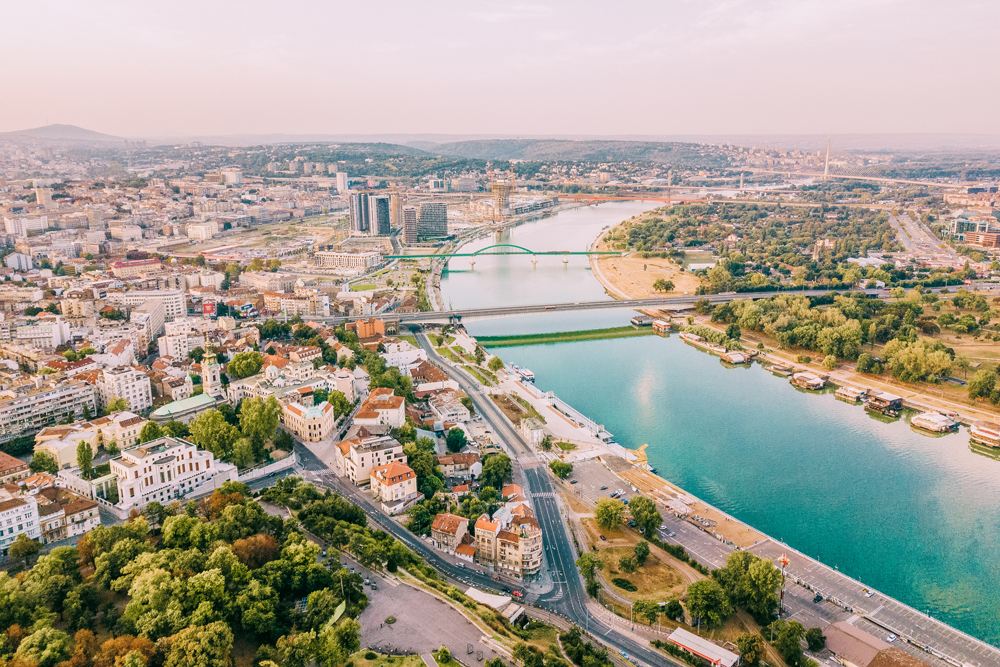
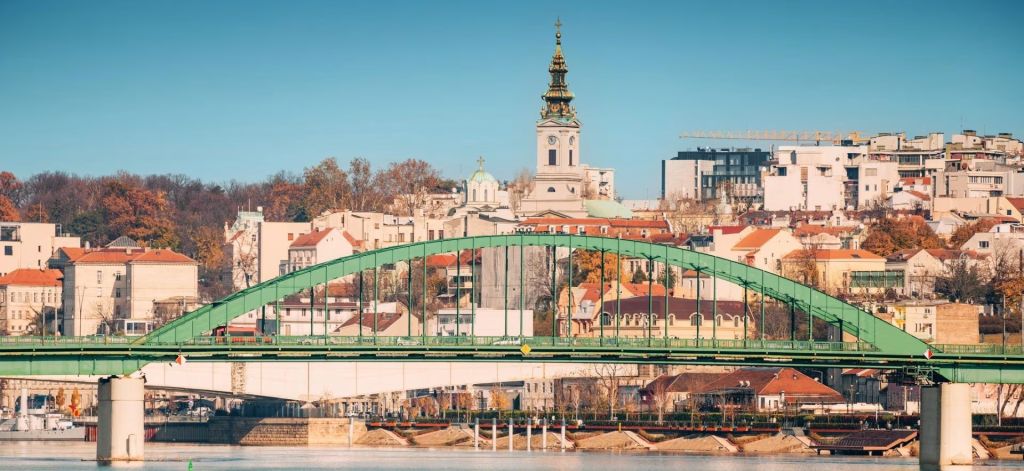
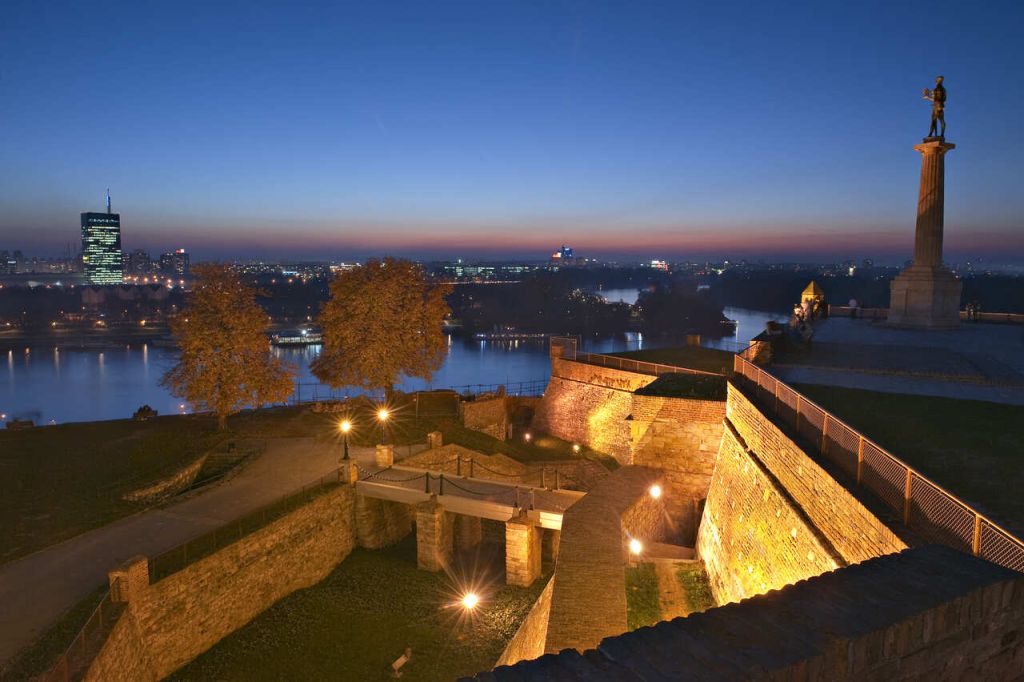
Belgrade skyline with the Sava and Danube rivers and Kalemegdan Fortress

Belgrade and the Danube corridor

Urban energy, fortress views, riverside walks, nightlife, and the country’s easiest international access.

Start with the capital, then use it as a base for day trips along the Danube and into nearby heritage towns.

  • Best for first arrivals
  • Museums, cafes, nightlife
  • Easy onward connections
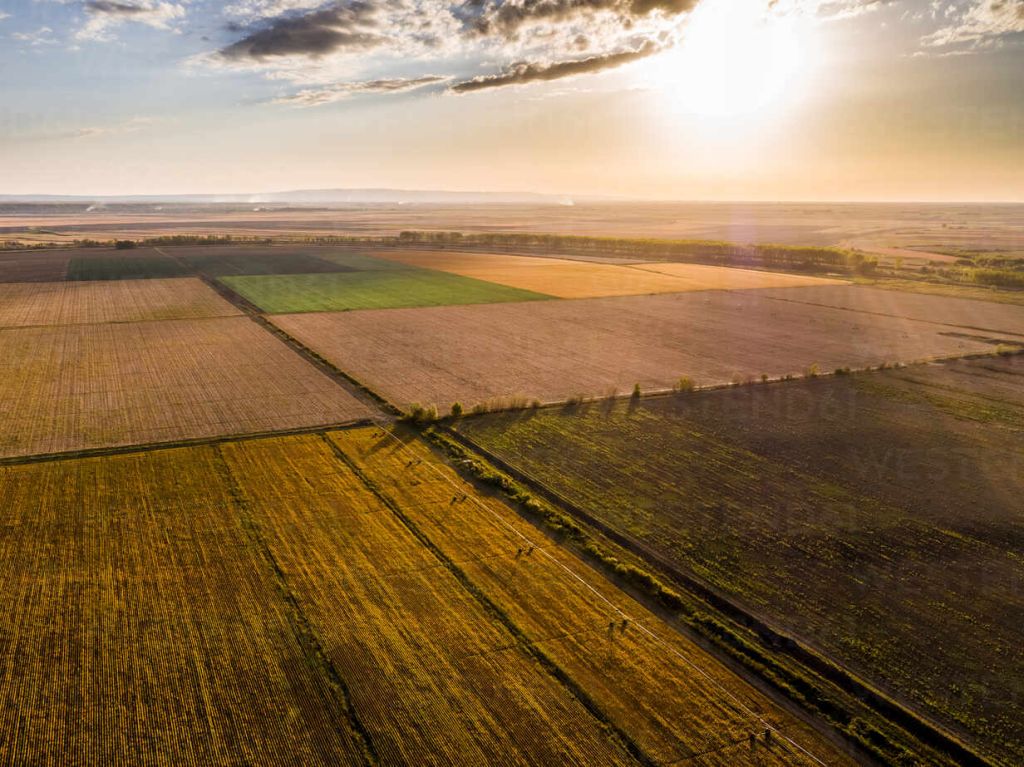
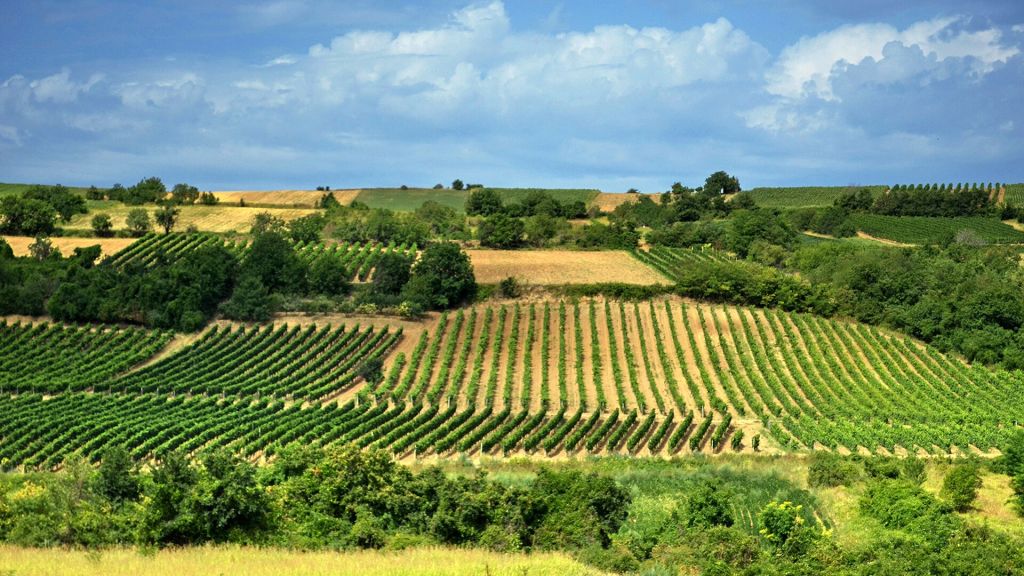
Vojvodina countryside with vineyards and low rolling fields near Novi Sad

Vojvodina

Flat plains, multicultural towns, farm-to-table food, and monastery weekends.

This is Serbia’s easiest region for relaxed road trips, especially around Novi Sad, Fruška Gora, and Sremski Karlovci.

  • Wine and slow travel
  • Cycle-friendly terrain
  • Historic towns
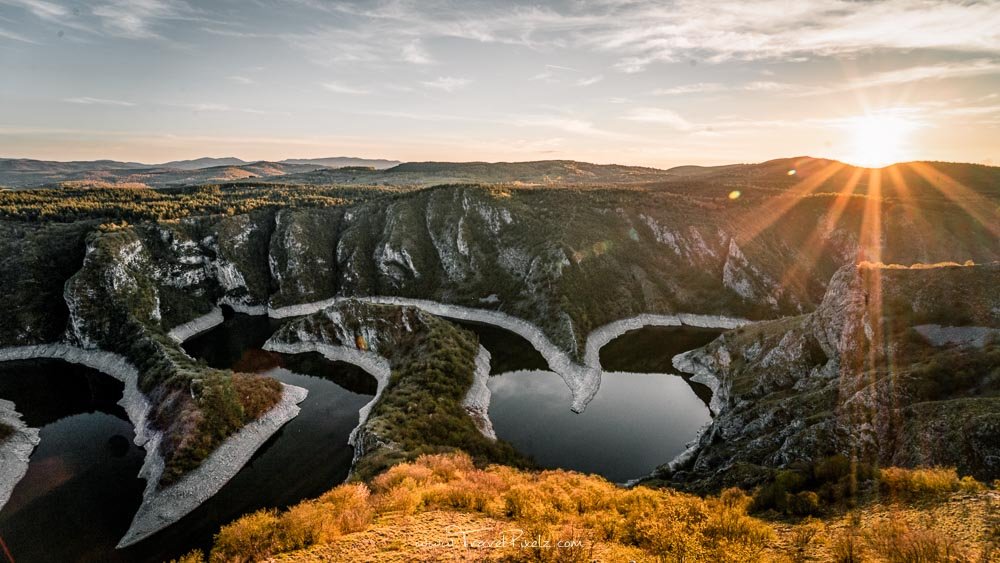
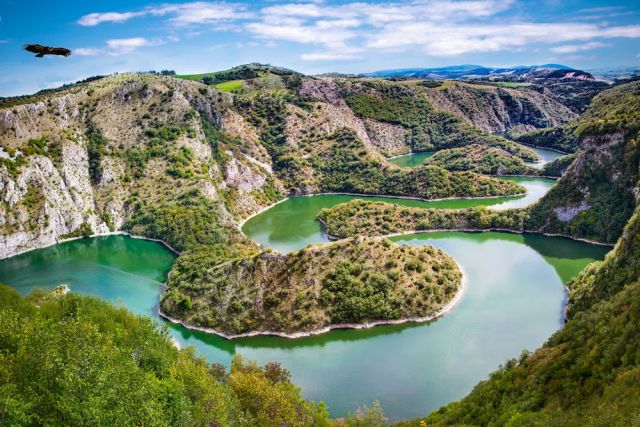
Western Serbia mountain landscape with forests and winding roads

Western Serbia

Mountains, river gorges, wooden villages, and outdoor escapes.

Ideal if you want a nature-heavy trip with scenic drives and longer stays in places like Tara, Zlatibor, or Golubac on the Danube side.

  • Hiking and viewpoints
  • Scenic drives
  • Traditional villages

How Serbia rewards slow travel

Serbia makes more sense when you travel at a moderate pace. The best experiences are often in the transitions: a café morning in the city, a monastery lunch in the hills, a late-afternoon walk by the Danube, then a dinner built around grilled meats, seasonal salads, and a glass of local wine or rakija.

Because regions are compact, it’s easy to combine contrasts without long transfers. That means you can link Novi Sad with Sremski Karlovci, or pair Tara National Park with a river stop or spa town. The country rewards curiosity, not just checklist sightseeing.

Itineraries that work

Use these simple route ideas to shape a first trip.

Belgrade first-timer
  • Old Town, Kalemegdan, riverfront walks, and one museum day
  • Add a long evening for kafanas and nightlife
  • Good if you want one city-focused base
Belgrade + Novi Sad + Fruška Gora
  • Pair the capital with a slower northern city
  • Add monasteries, vineyards, and a Sremski Karlovci stop
  • Ideal for culture, food, and easy driving
Cities, hills, and a national park
  • Combine Belgrade, Vojvodina, and one nature area like Tara or Kopaonik
  • Keep one flexible day for road stops and viewpoints
  • Best for travelers who want a balanced Serbia overview
If you’re choosing only one region beyond Belgrade, pick Vojvodina for a gentle introduction or Western Serbia for scenery and outdoor time.

Practical travel info

Climate: Serbia has four distinct seasons. Summers are warm to hot, especially in lowland areas and cities. Springs and autumns are often the sweet spot for sightseeing. Winters can be cold, with snow in the mountains and crisp city weather.

How to get there: Most first-time visitors arrive by air through Belgrade. International buses and trains connect Serbia with neighboring countries, while driving works well if you’re also visiting the wider Balkans or Central Europe.

Visa basics: Entry rules depend on nationality, length of stay, and purpose of travel. Many visitors can enter visa-free for short stays, but you should always check the latest official requirements before booking.

Food highlights: Expect grilled meats, pies, fresh bread, seasonal salads, soups, ajvar, kajmak, and excellent market produce. In wine areas and river towns, local white wines and rakija are part of the experience.

When to visit Serbia

Spring and autumn

These are usually the most comfortable seasons for city sightseeing, winery visits, and day trips. You’ll get pleasant temperatures and active outdoor landscapes without peak summer heat.

Summer and winter

Summer is best for festivals, river life, and mountain escapes; winter is better for skiing, spa breaks, and quieter cities. If you want the broadest mix, choose late May, June, September, or early October.

Belgrade, Serbia — Kalemegdan and the Victor monument

A few visual anchors help first-time visitors understand the country’s scale and character.

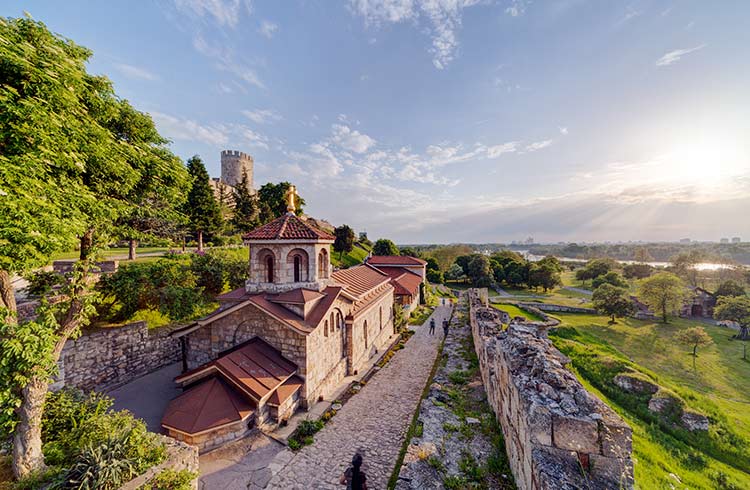
Kalemegdan Fortress with river confluence view in Belgrade, Serbia

Kalemegdan Fortress

The historic hilltop citadel where the Sava meets the Danube; one of the best introductory views in Serbia.

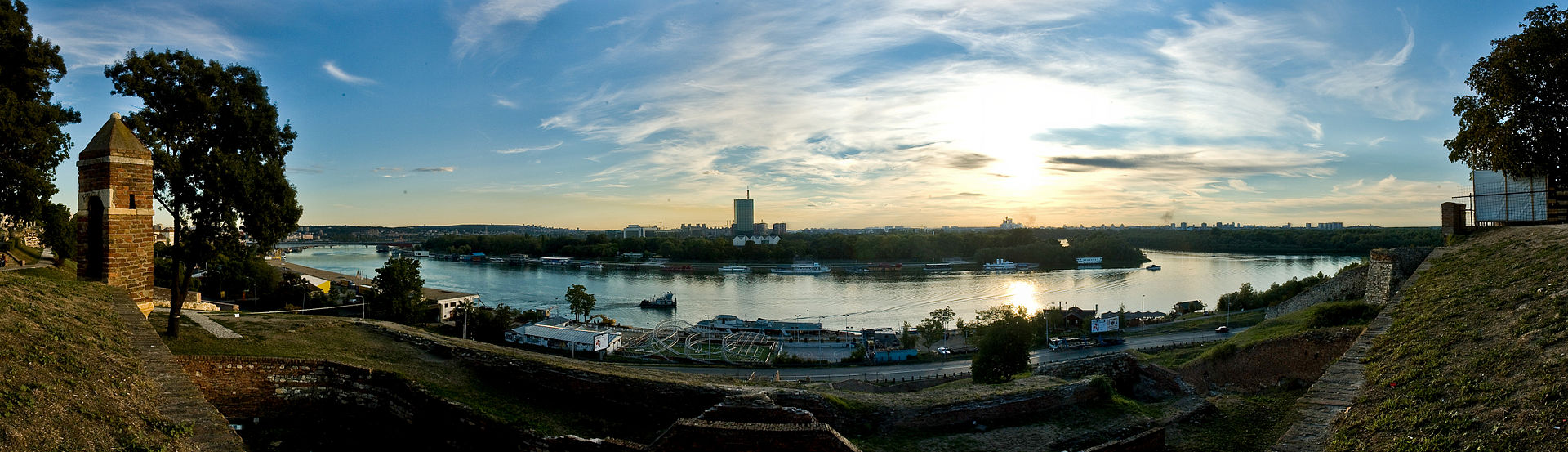
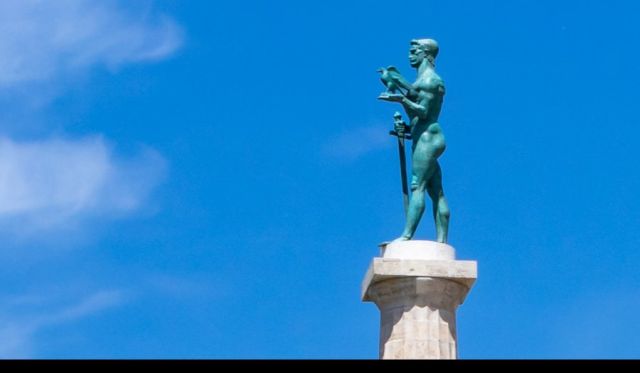
The Victor monument overlooking the Danube in Belgrade

The Victor monument

Belgrade’s signature riverside statue, best seen near sunset from the fortress promenades.

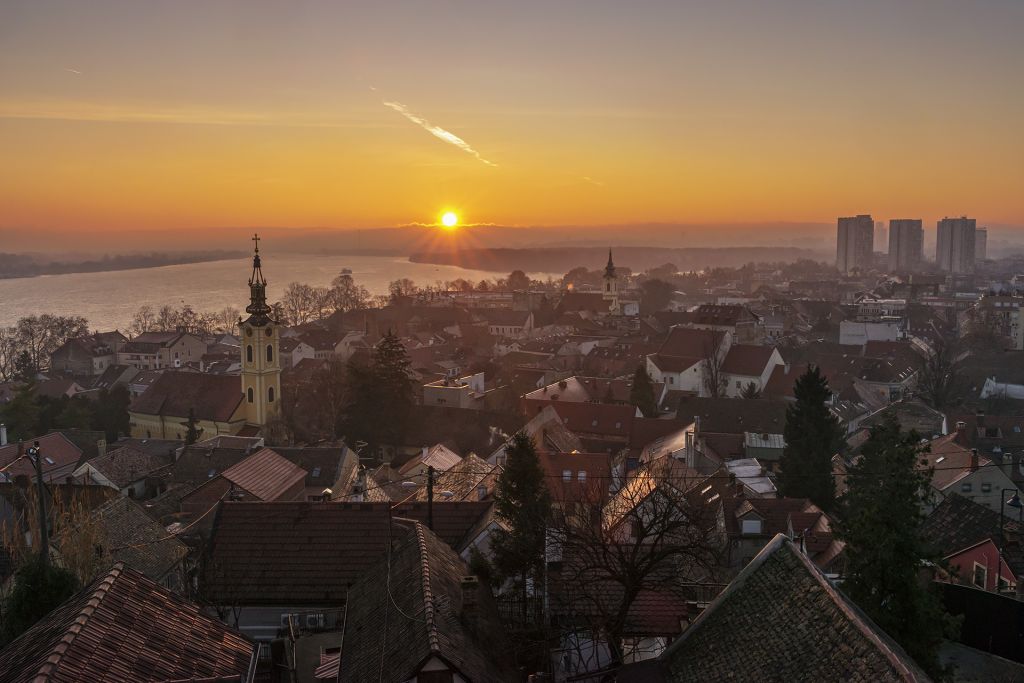
Belgrade old town street scene with cafes and historic architecture

Old Town and riverfront

Cafes, walking streets, and waterfront scenes that capture the city’s energetic first impression.

Frequently asked questions

Is Serbia easy for first-time visitors?

Yes. Belgrade is a straightforward gateway, and the country is compact enough to combine city, culture, and nature without complicated logistics.

How many days do I need?

Three to five days is enough for a first taste; a week lets you add one or two regions beyond the capital.

What should I eat first?

Try a grill meal, a pie or pastry, ajvar, kajmak, and whatever is seasonal at local markets. In wine regions, pair food with a local bottle.

Do I need a car?

Not for Belgrade alone. A car becomes useful if you want to explore Vojvodina, monasteries, or national parks at your own pace.

Map: Serbia regions and highlights

Use this map to orient yourself around Belgrade, Vojvodina, and the main nature corridors across the country.

Serbia in pictures

Look for these scenes when planning your route.

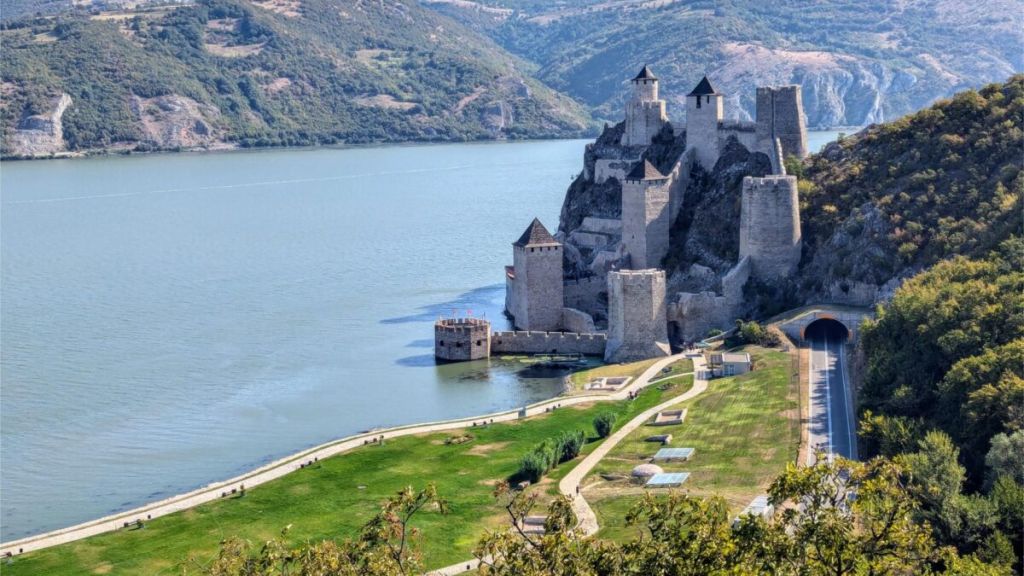
Danube River landscape in Serbia with fortress views

Danube river views

Fortress overlooks, river bends, and waterfront promenades shape many classic Serbia scenes.

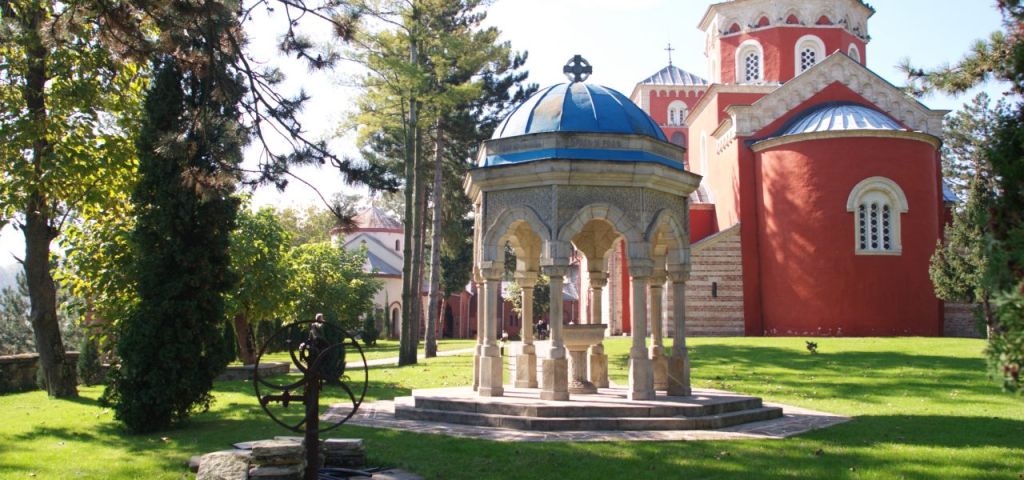
Serbian Orthodox monastery in a green hillside setting

Monastery country

Frescoes, quiet courtyards, and forest settings make for memorable cultural stops.

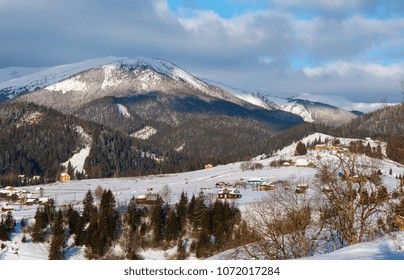
Mountain village landscape in Serbia with traditional houses

Mountain villages

Wooden houses, meadows, and scenic roads show a slower side of the country.