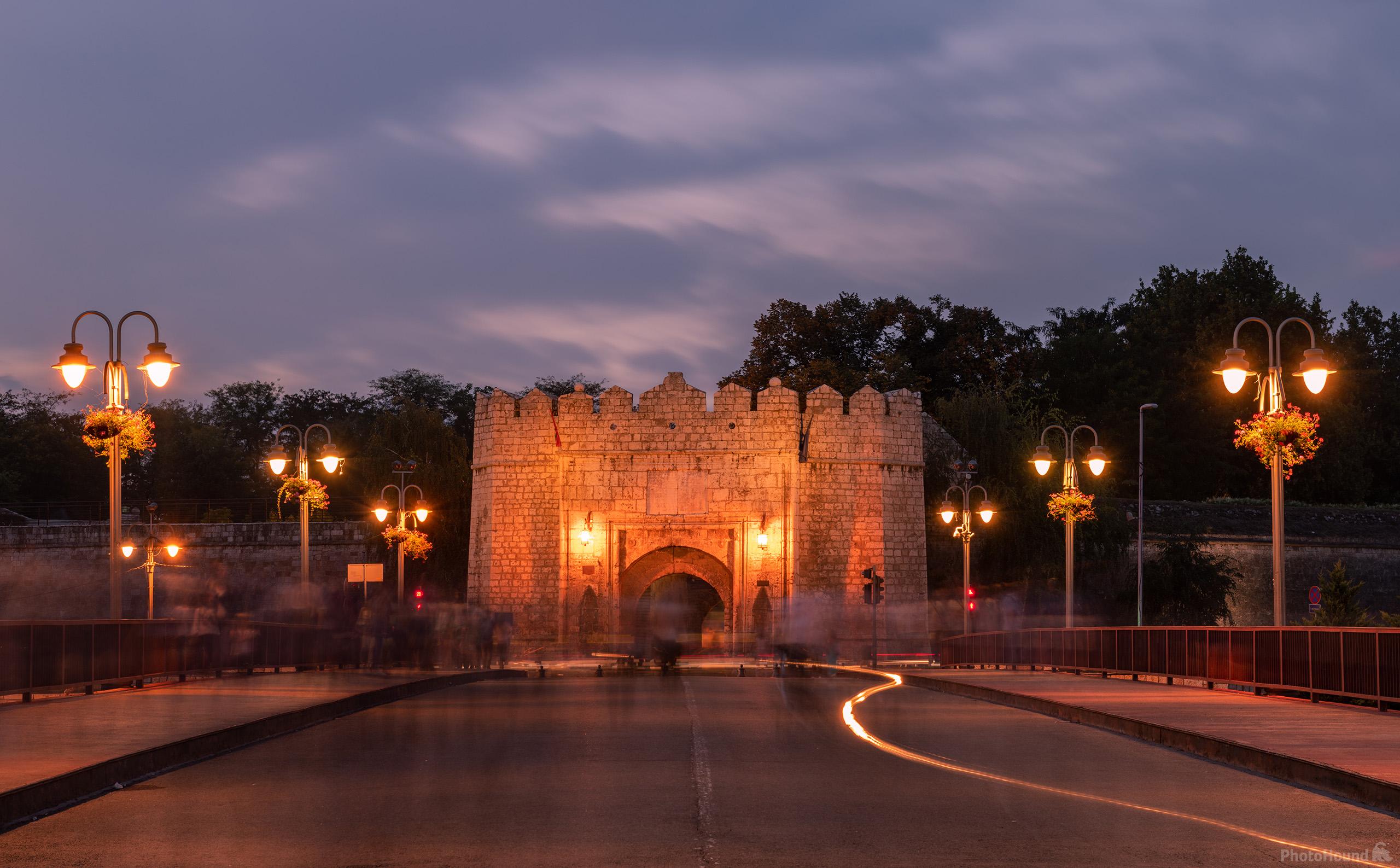
Layered history in one place
Niš has Roman, Byzantine, Ottoman, and modern Serbian layers in one compact destination. The fortress and Mediana are the easiest places to feel that story quickly.

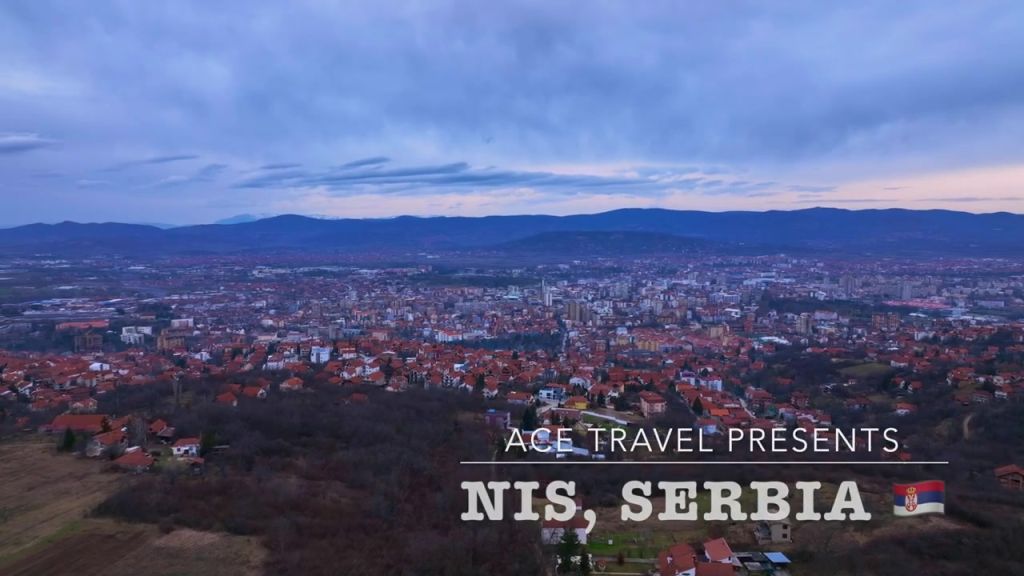
Niš is the largest city in southern Serbia and one of the oldest in the Balkans, the birthplace of Emperor Constantine. Key sights include Niš Fortress, the Ottoman-era Skull Tower, the Mediana archaeological site, and the Red Cross concentration camp memorial. The old town and Tinkers Alley hold most of the cafes, bars, and nightlife.
Niš is a southern Serbian city of historical depth, positioned at a crossroads used since antiquity. The Roman settlement of Naissus, established on the same site, was the birthplace of the Emperor Constantine the Great. The city's most prominent landmarks reflect this long history: the Niš Fortress (Niška tvrđava), rebuilt substantially in the 18th century under Ottoman administration, and the Skull Tower (Ćele kula), a structure raised by Ottoman forces after 1809 using the skulls of Serbian fighters killed at the Battle of Čegar Hill.
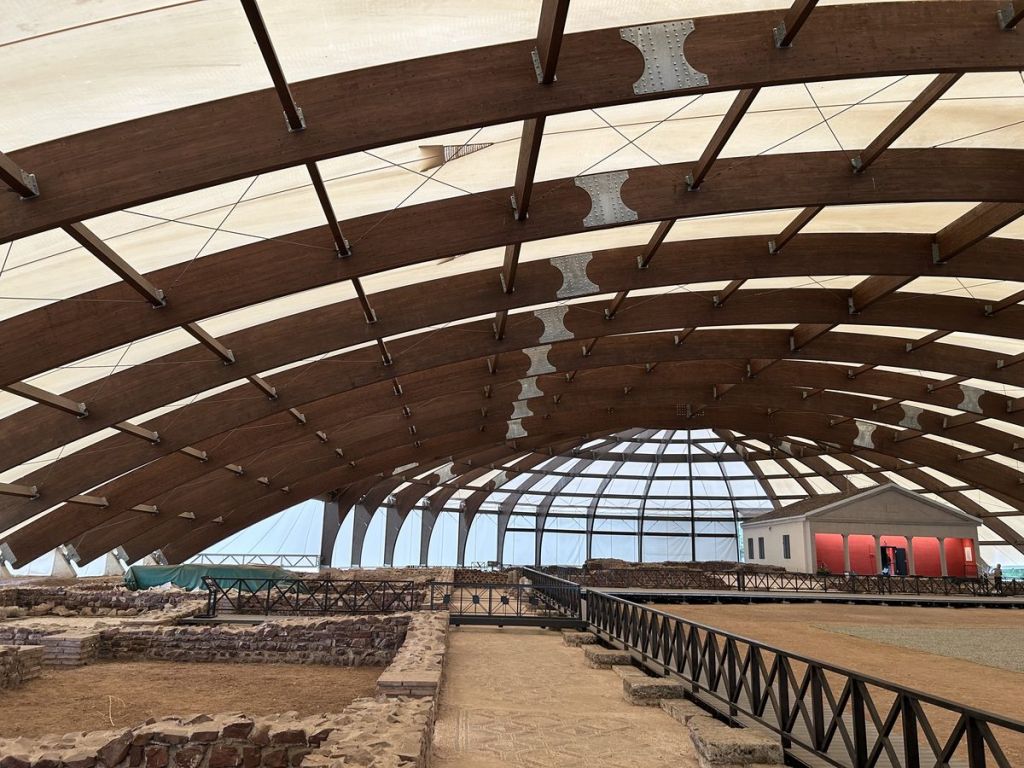
South of the city centre, the Mediana site preserves remains of a Roman imperial estate linked to Constantine's court, including mosaic floors and a villa with peristyle courtyard. The Sićevačka Gorge, east of the city, offers a natural contrast to the urban sights. Niška Banja, 10 km from the centre, is a small spa town with thermal springs used since antiquity.
The city is well connected: trains and buses to Belgrade run regularly, with the bus journey taking approximately two and a half hours. Niš is also a useful starting point for travel to the south, toward North Macedonia and Bulgaria.
Last checked: 2026-05-27. For corrections, contact us.
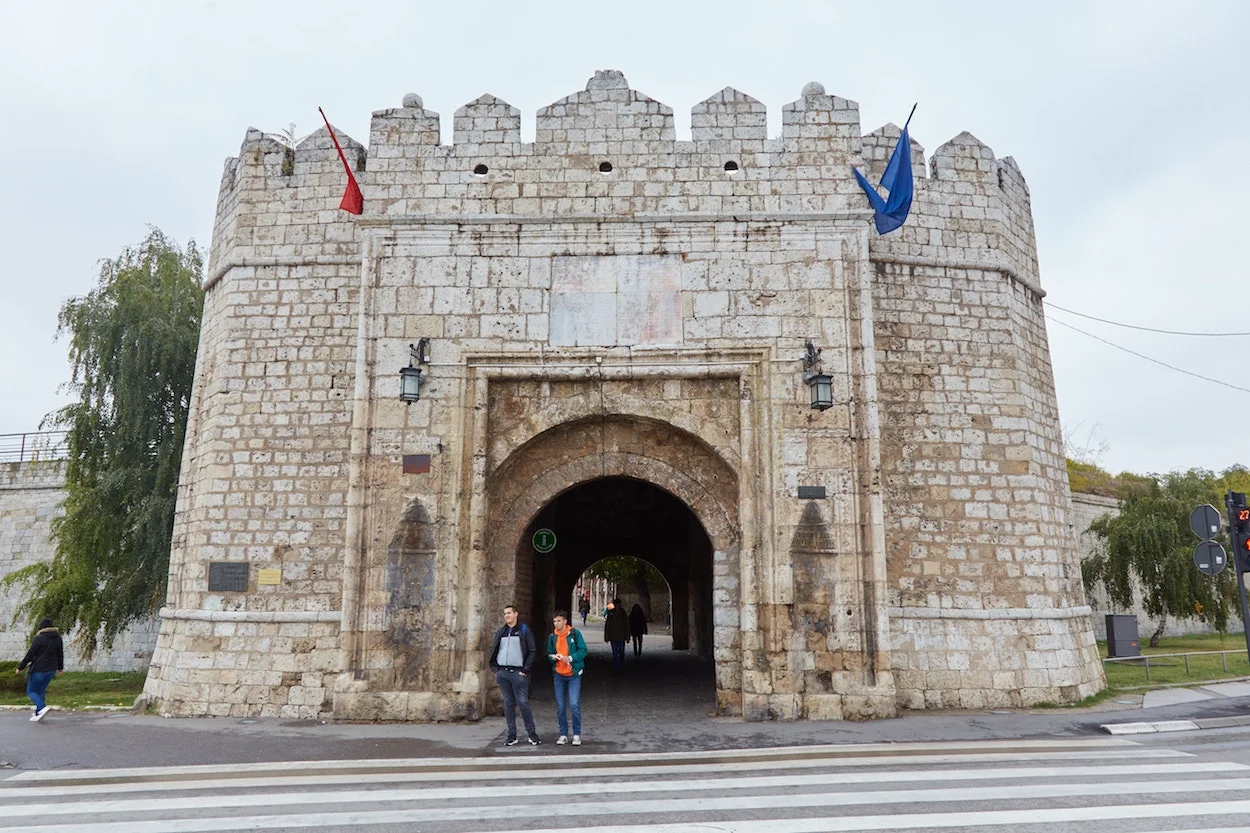
The Niš Fortress occupies a central position on the Nišava river. The structure visible today was largely built during Ottoman rule in the 18th century, though the site has been fortified since Roman times. The grounds within the walls are parkland — the gates and interior walls are easily walkable, and the area is quiet outside summer weekends.
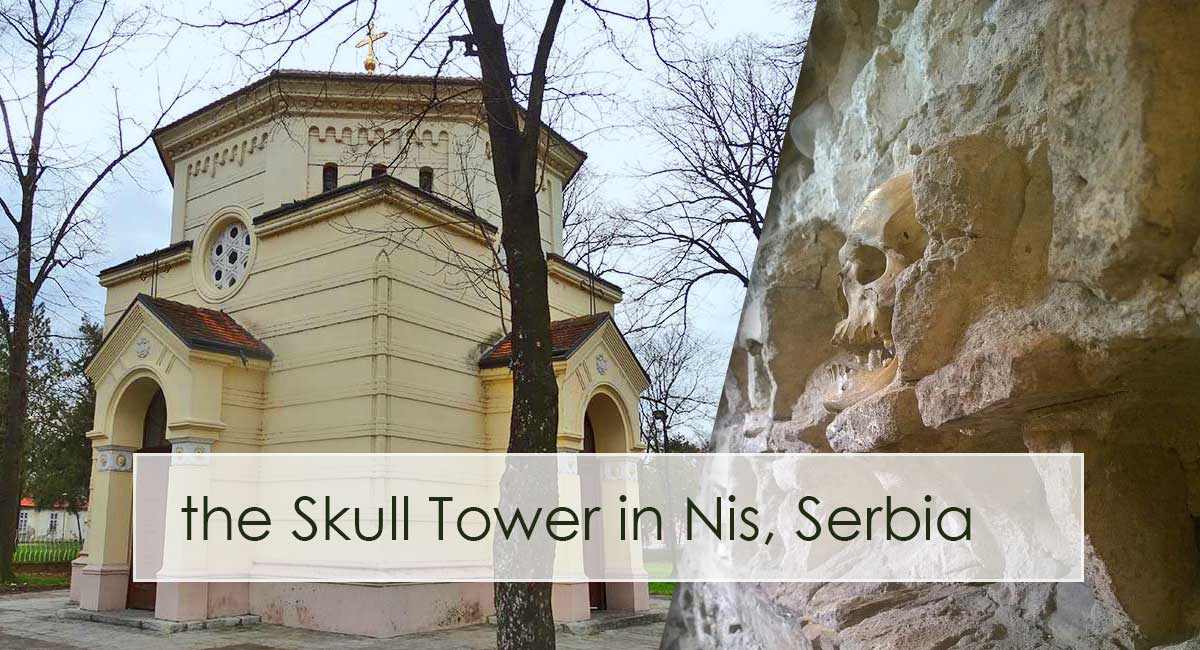
The Skull Tower (Ćele kula) stands on the road leading toward Sofia, northeast of the fortress. It was built by Ottoman forces after the Battle of Čegar in 1809, embedding the skulls of Serbian fighters in the structure as a demonstration of power. Fewer than sixty skulls remain visible today; originally there were several hundred. A small chapel encloses the tower. The site is direct and sobering, and it documents a specific moment in Serbia's 19th-century struggle for independence.
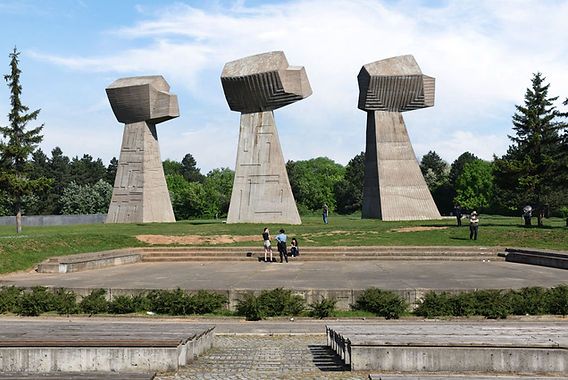
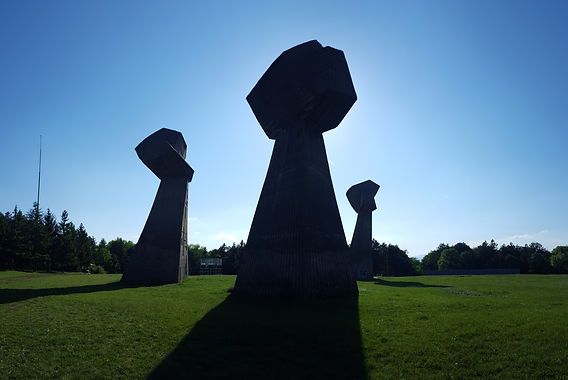
The Bubanj Memorial Park, west of the city, marks the site of mass executions carried out by German occupation forces between 1941 and 1944. Three large fist-shaped sculptures, installed in 1963, stand on the hill above the execution grounds. The Red Cross Concentration Camp (KZ Roter Kreuz), also within the city, was one of the largest Nazi camps on the territory of former Yugoslavia; it is now a museum. These two sites give Niš a significant place in the history of the Second World War in this region.
Drawing on Matthias Pasler's Serbia Travel Pocketbook: the connections between Niš and Roman imperial history run deep. Constantine the Great — born in Naissus — shaped the course of European religious and political history with the Edict of Milan in 313 AD. The Mediana estate outside the city was a favoured retreat of the late imperial court.
Niš is one of the more practical Serbian cities for eating: portions are typically generous, and the range of restaurants in the centre covers both local staples and grilled meat specialities. Ćevapi and pljeskavica are widely served; the local preparation of burek — flaky pastry filled with meat or cheese — is a reliable breakfast option.
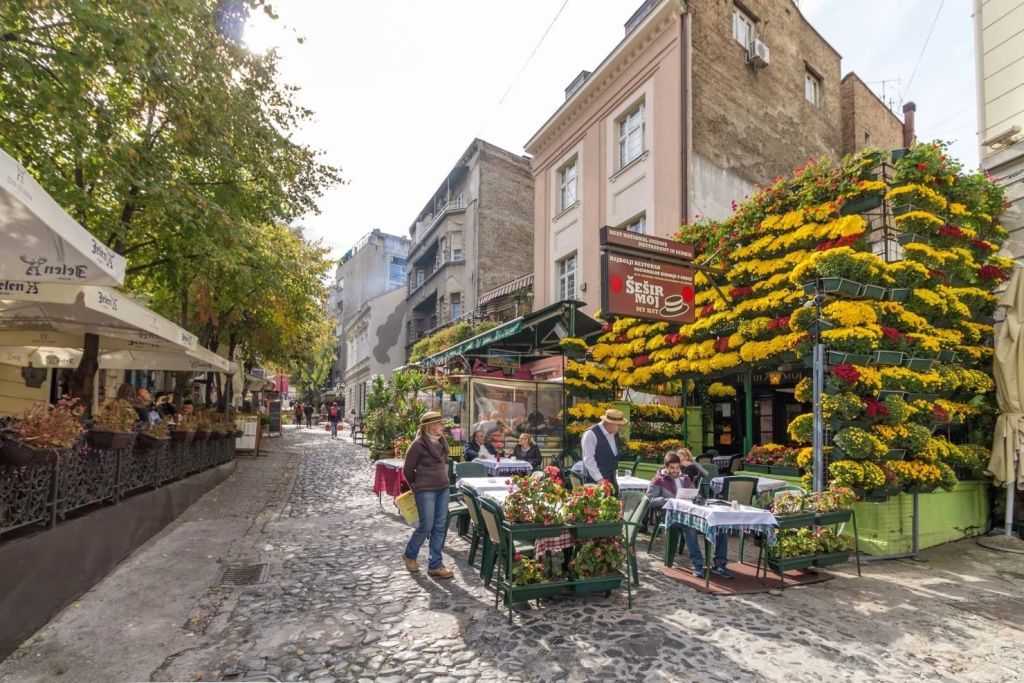
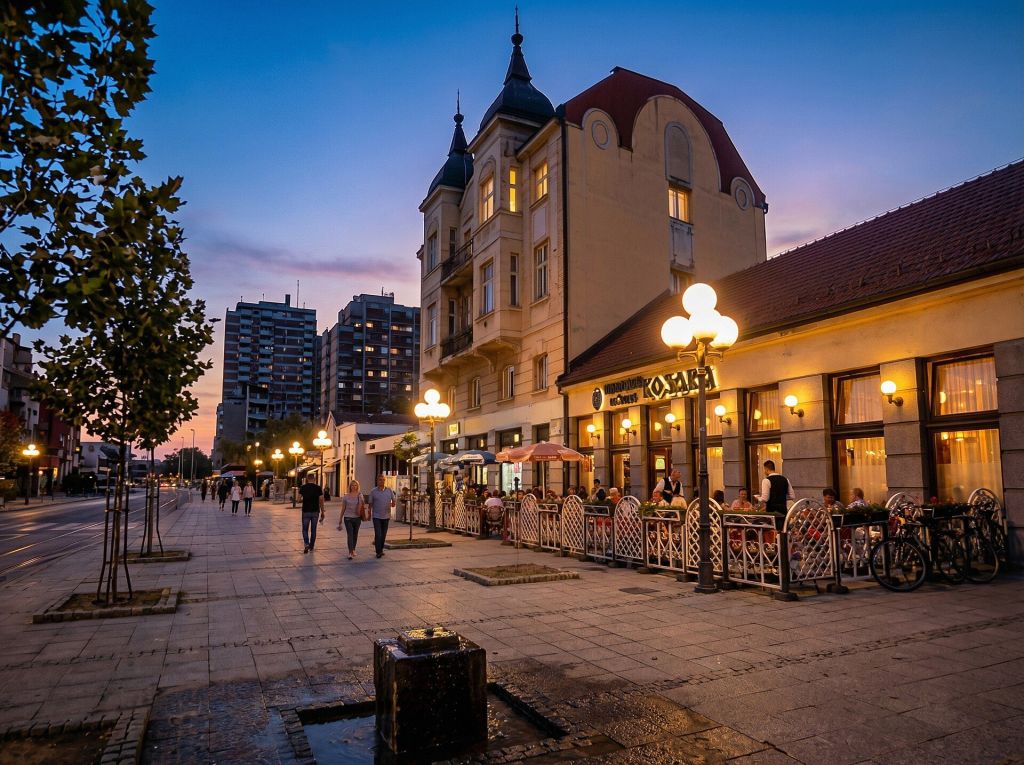
Kazandžijsko Sokače, the old coppersmith street, is now the main evening destination in the centre. The pedestrian lane is lined with bars and kafanas, busy from late afternoon into the night, with outdoor seating used through the warmer months. The atmosphere is consistent rather than exclusive — a mix of ages and groups, with tables spilling onto the cobblestones.
The city centre is compact and walkable. The fortress, Skull Tower, Kazandžijsko Sokače, and the main museum buildings are all within a reasonable walking distance of each other, though taxis are practical for combining the fortress area with Mediana or Niška Banja in a single day.
Niš is well served by bus from Belgrade (approximately 2.5 hours) and by train, though rail services are generally slower. The city's position on the E75 corridor means it is also a natural stop on overland routes toward the south. Spring and autumn offer comfortable temperatures; summer in southern Serbia is hot, and August in particular can make extended outdoor sightseeing uncomfortable in the middle of the day.
A simple plan for a first visit.
Niš is a strong city for grilled meat, with plenty of casual spots serving ćevapi, pljeskavica, and other Balkan barbecue staples. Keep an eye out for busy local places rather than only tourist-facing restaurants.
Try burek early in the day, especially if you want a quick, filling meal before sightseeing. Cheese and meat versions are the most common, and they pair well with yogurt.
Use this map to orient yourself around the fortress, central streets, and nearby day-trip areas.
Niš has Roman, Byzantine, Ottoman, and modern Serbian layers in one compact destination. The fortress and Mediana are the easiest places to feel that story quickly.
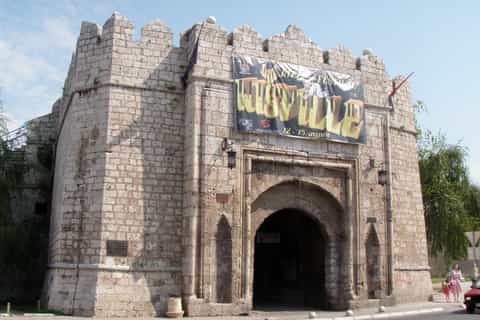
Compared with Belgrade, Niš is usually cheaper for food, coffee, taxis, and accommodation, making it a smart stop for budget-conscious travelers.
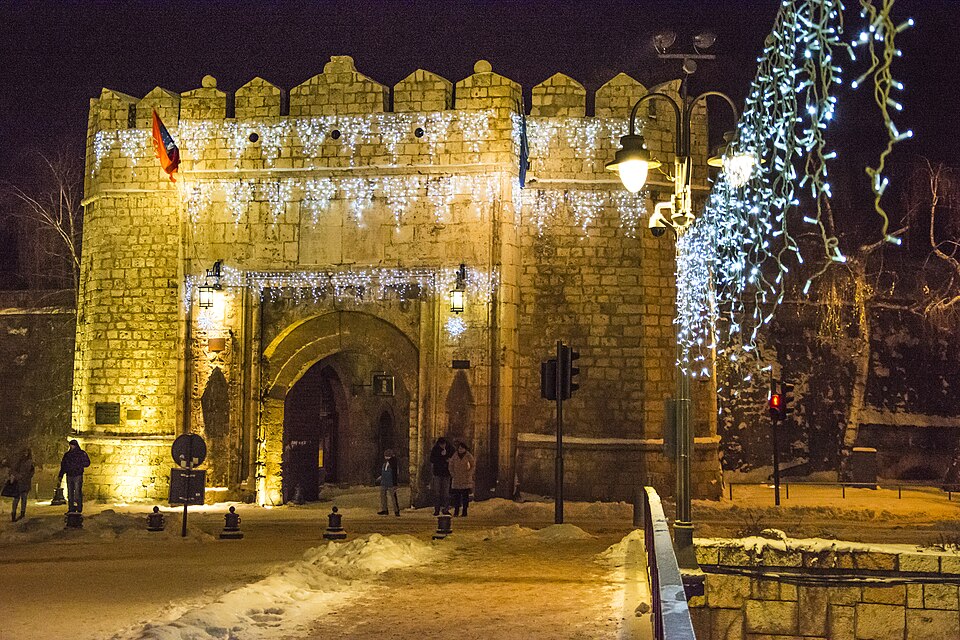
Niš works well with day trips or onward travel to spa towns, mountain areas, and routes toward the south and east of the country.
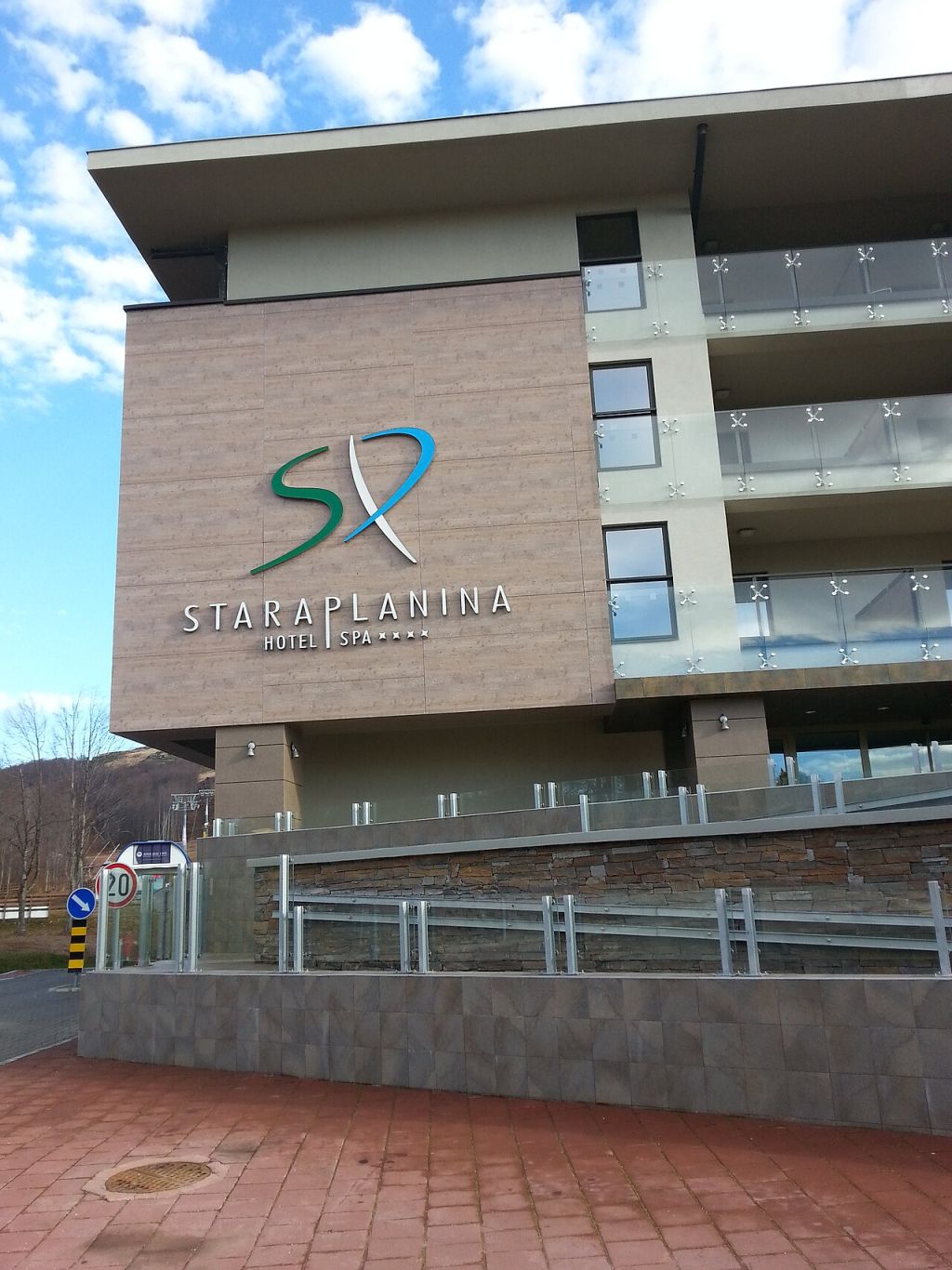
A vast mountain wilderness of high peaks, waterfalls, ski slopes, and quiet villages on Serbia’s eastern border.
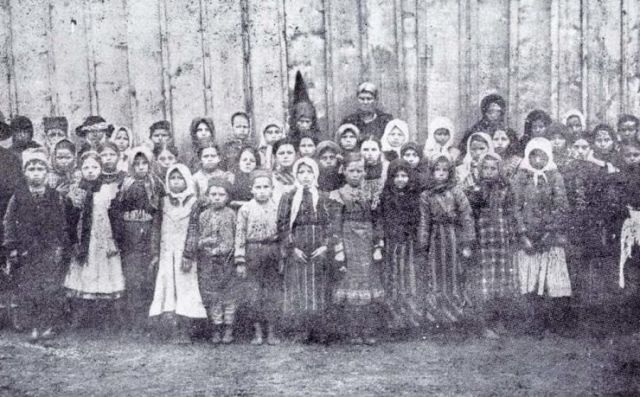
A southern Serbian city known for legendary barbecue, layered history, and rewarding excursions into nature and archaeology.
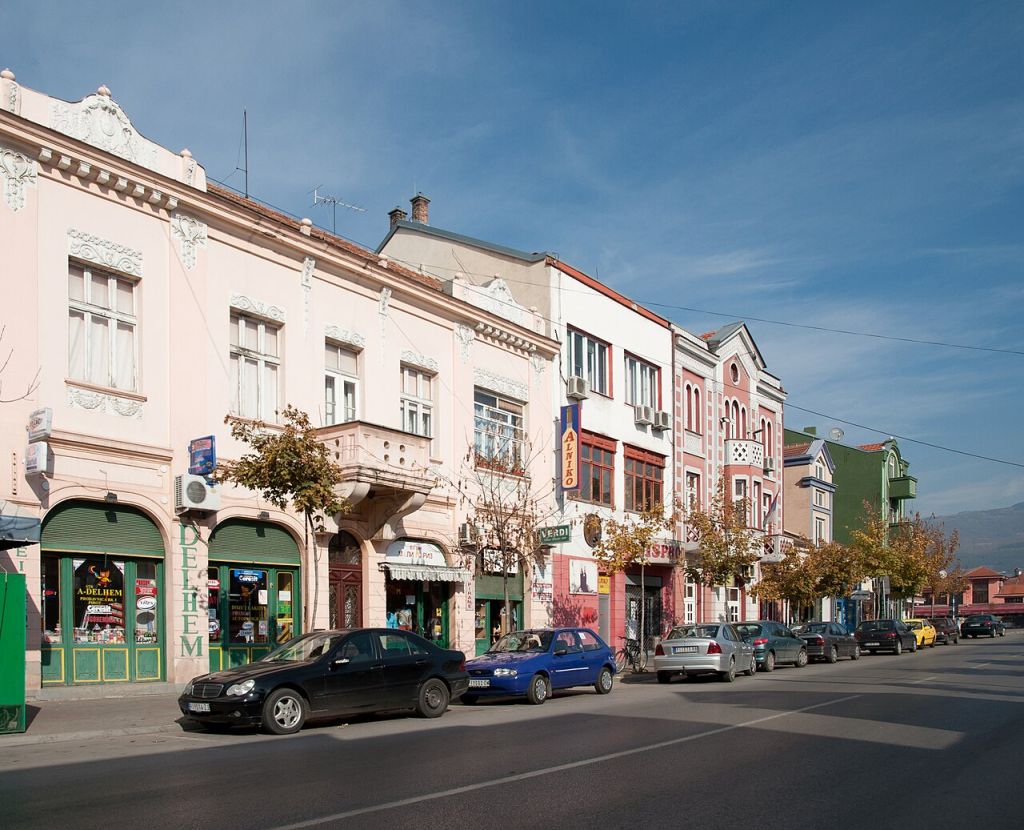
A borderland town of medieval walls, handwoven carpets, mountain flavors and easy escapes into wild eastern Serbia.
Essential stops in and around Niš, from the Roman-era Mediana estate to the fortress, Skull Tower, and the Sićevačka Gorge to the east.
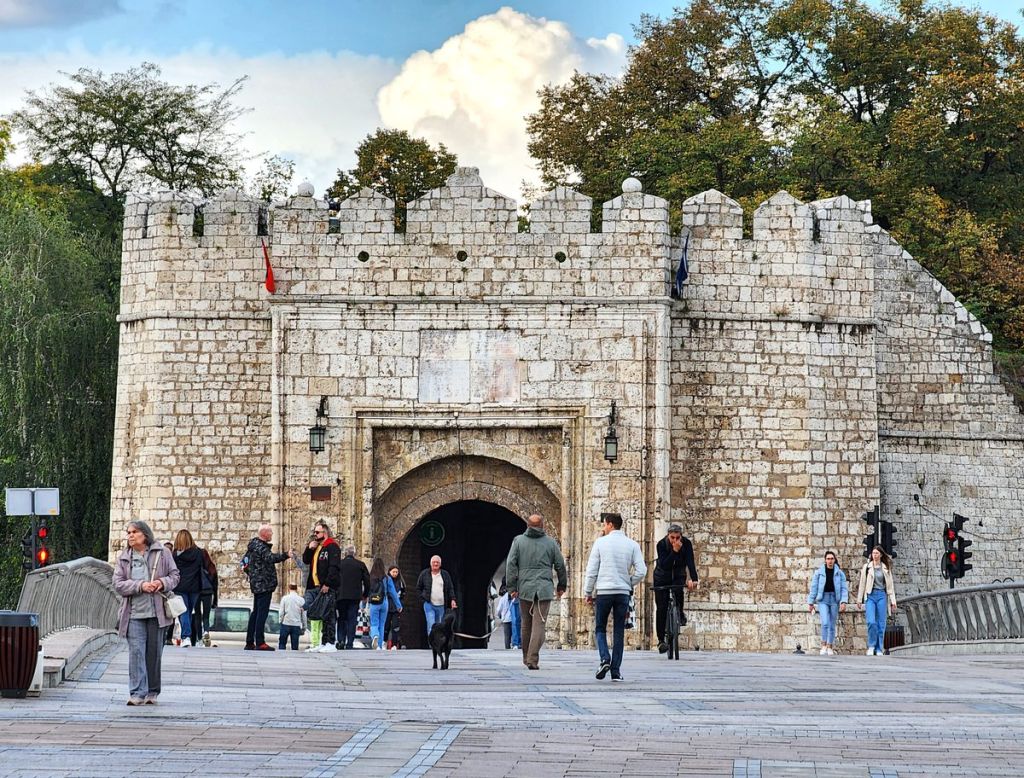
Niš Fortress
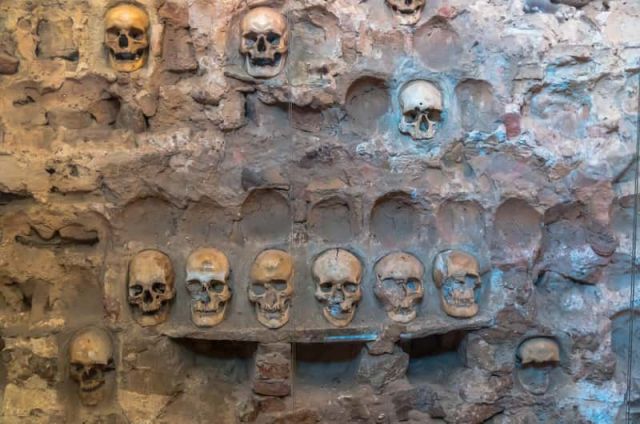
Skull Tower
Mediana
Belgrade City Guide | Best Things to Do, Where to Stay & Eat
Pirot
Pirot — travel guide
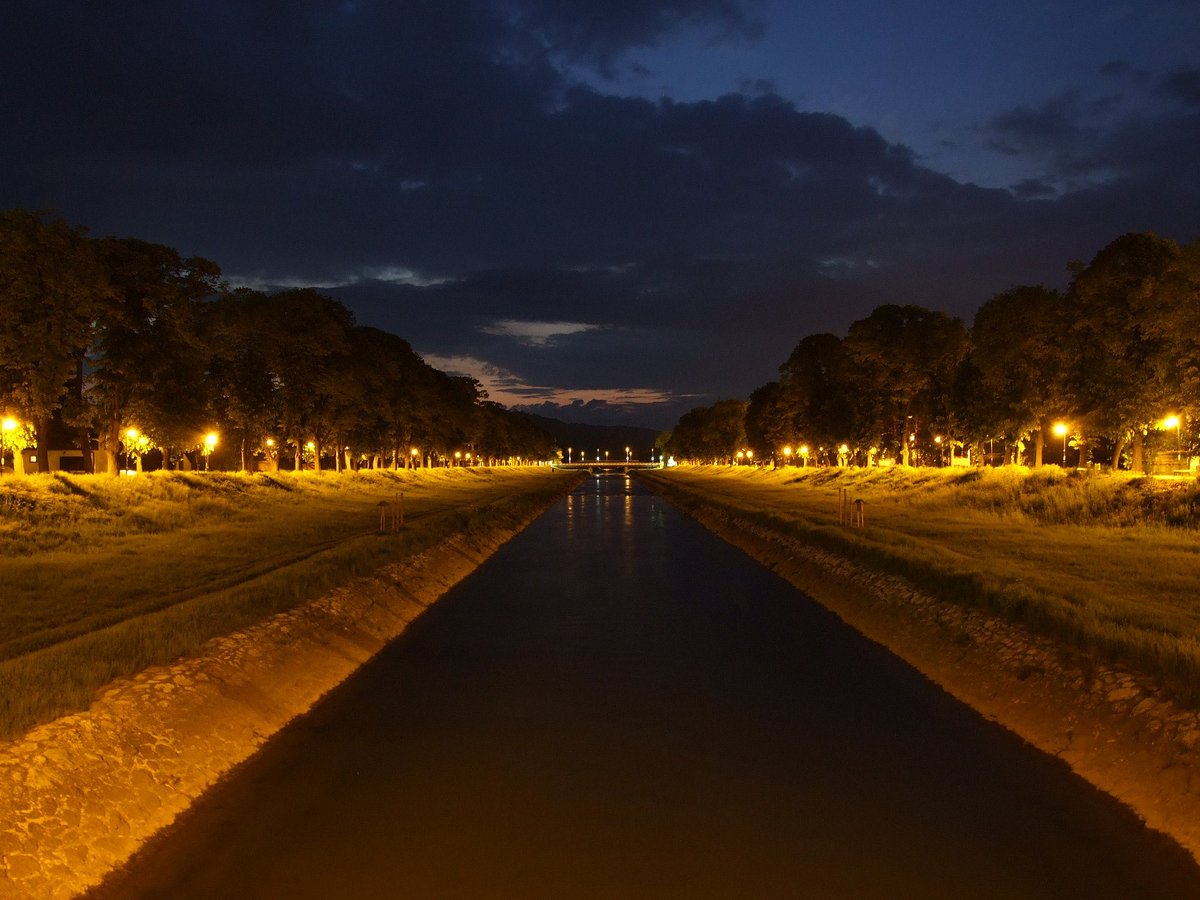
Pirot sits in the Nišava River valley near the Bulgarian border, framed by some of Serbia’s most dramatic mountain scenery. It is best known for its medieval fortress, the old Tijabara quarter, ...
Stara Planina
Stara Planina — travel guide
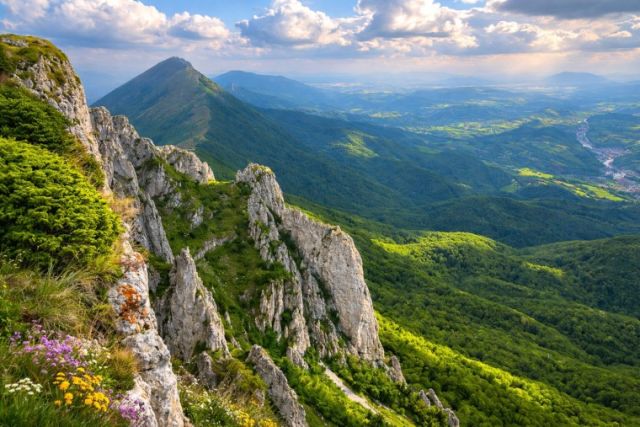
Stara Planina is one of Serbia’s most dramatic mountain landscapes, stretching along the border with Bulgaria in the far east of the country. Travelers come here for panoramic hikes, winter sport...
Leskovac
Leskovac — travel guide
Leskovac sits in the fertile South Morava basin, where food, trade, and history have shaped a city with a strong local identity. Travelers come for the famous grilled specialties, but stay for hill...
History, food, easy city walks, and affordable weekend trips.
Niš Fortress, Skull Tower, Mediana, Niška Banja, and Kazandžijsko Sokače.
April-June and September-October for comfortable walking weather.
Yes. Niš combines major historical sites, good food, and a relaxed atmosphere, and it is often less expensive than bigger Serbian cities.
One day is enough for the main sights, but two days is ideal if you want Mediana, Niška Banja, and a proper food-and-nightlife experience.
Niš is known for Niš Fortress, Skull Tower, Roman history at Mediana, and a strong food scene centered on grilled dishes and burek.
Yes, especially if you want a quieter half-day trip for spa time, fresh air, and a break from city sightseeing.
Use Niš as a history-rich stop on a wider Serbia route, then continue north to Belgrade or west toward other highlights in the country.
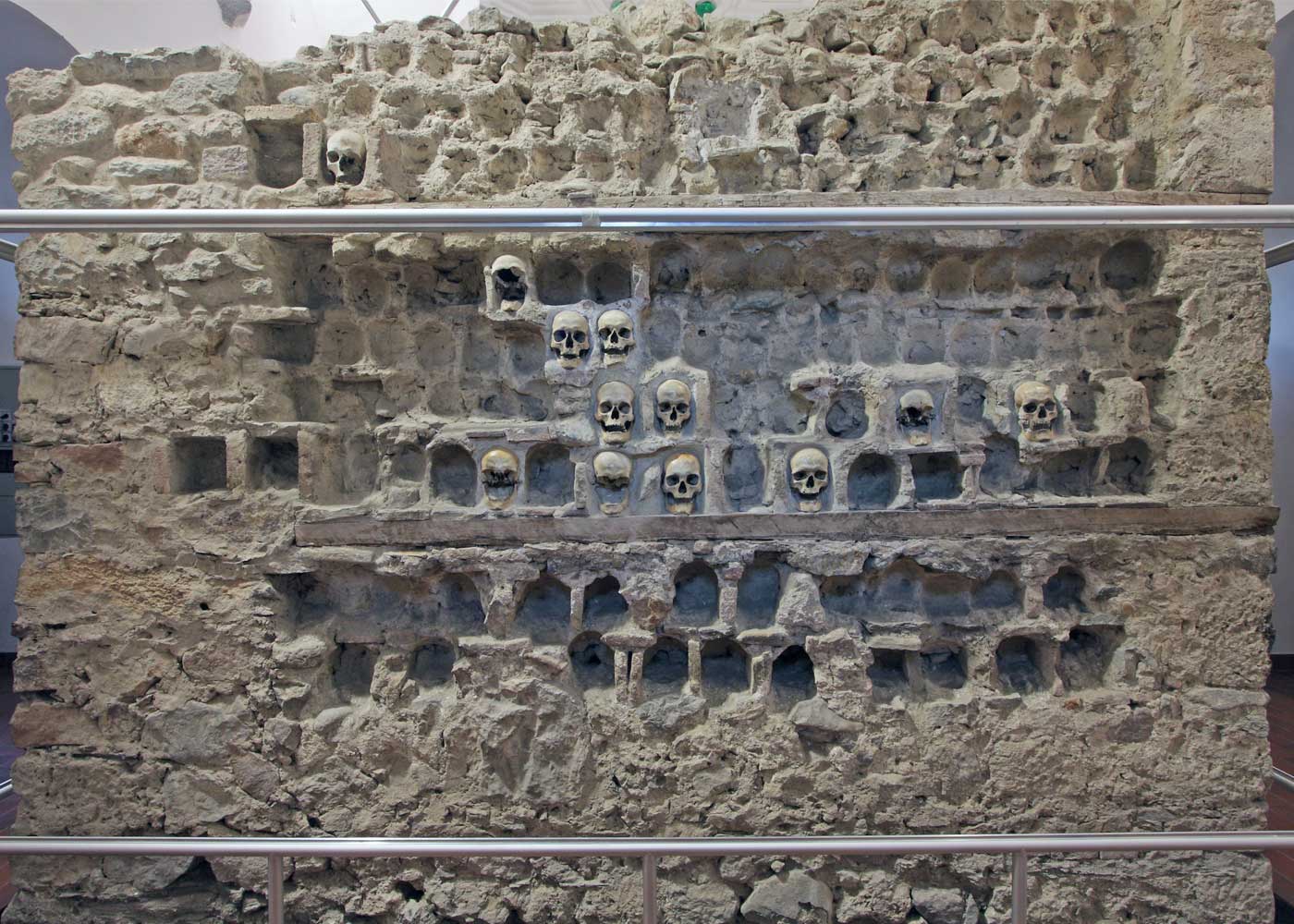
Skull Tower Wall
A preserved stone wall with embedded skulls stands on display in Niš, showing the Skull Tower remains
Stone fortress gate
A stone fortress gate with flags stands at the entrance to Niš Fortress in Niš
Stone Fortress Gate
A stone fortress gate stands in Niš beneath a clear blue sky, framed by defensive walls and an open forecourt
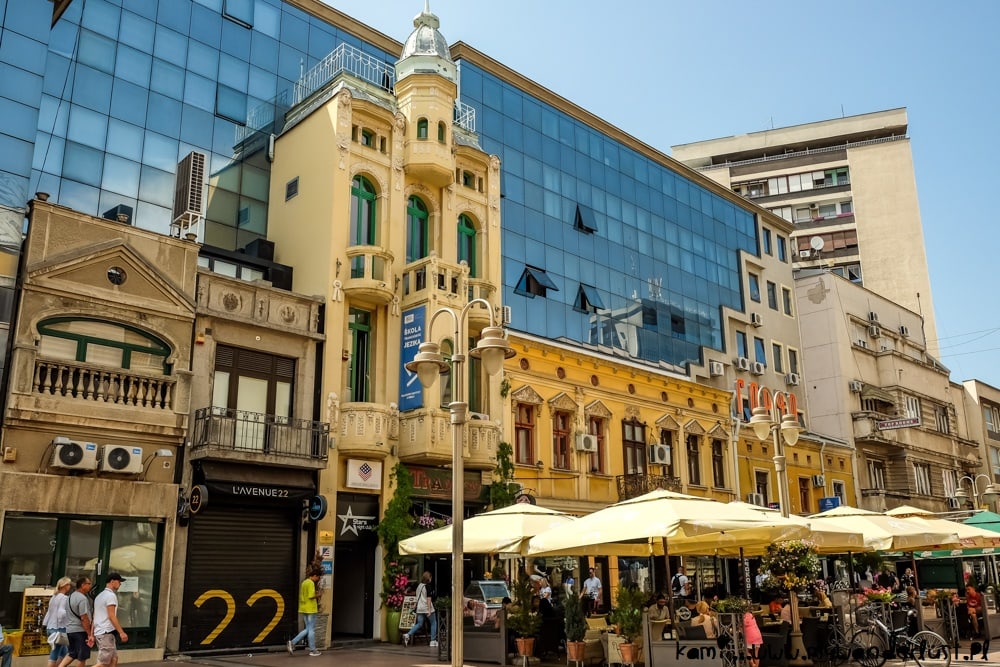
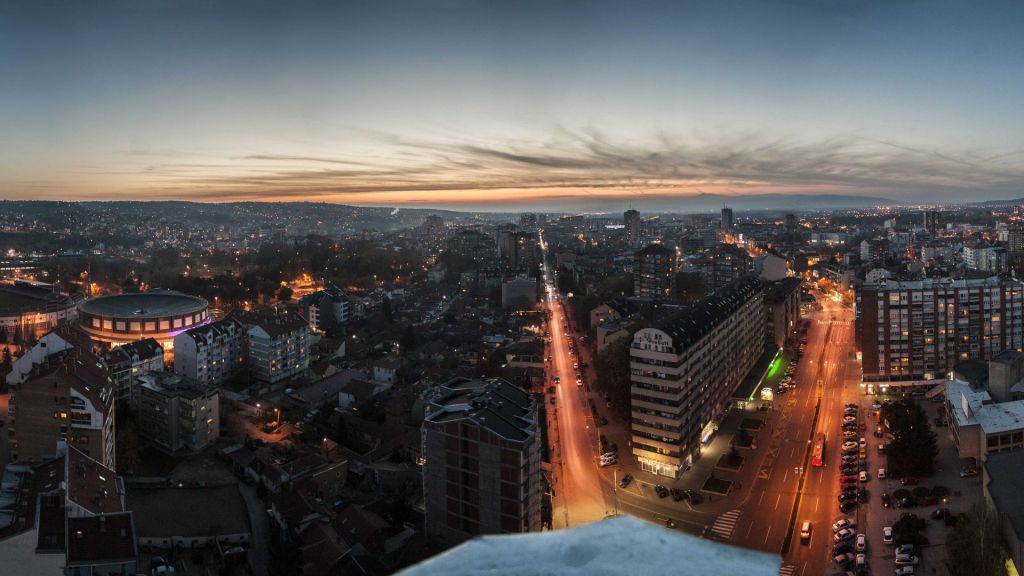
Cafe street in Niš
Historic façades and modern glass buildings line a busy pedestrian street in Niš with outdoor cafés
Skull Tower in Niš
The Skull Tower stands in Niš, showing a pale chapel-like structure beside a close-up of embedded skull remains
Guided routes, walking tours, and experiences that help you make the most of a visit to Niš City Guide: Fortress.

Čegar Hill
Čegar Hill in Niš City Guide: Fortress.
Čegar Hill matters because it is one of the key uprising sites around Niš. It is best for travelers who want the historical background behind later memorials in the city, especially Skull Tower. ...
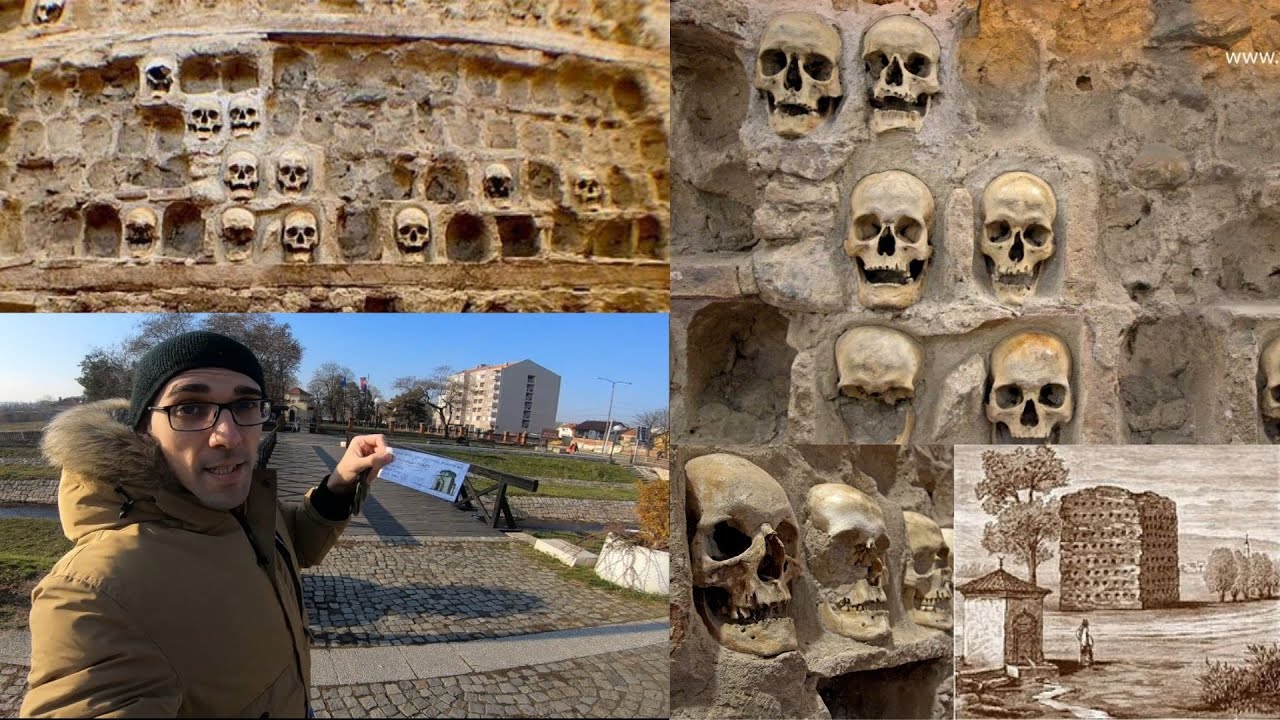
Skull Tower
Skull Tower in Niš City Guide: Fortress.
Skull Tower is one of Niš’s most important historical monuments. It was built by the Ottomans after the 1809 Battle of Čegar, using the skulls of Serbian rebels as a warning. Today, visitors co...
Mediana Niš – Roman Imperial Estate & Archaeology Guide
Mediana Niš – Roman Imperial Estate & Archaeology Guide in Niš City Guide: Fortress.
Mediana was a Roman imperial estate situated on the main road east of the ancient city of Naissus — modern Niš. The estate is associated with the late Roman imperial court, including the reign o...
Red Cross Concentration Camp
Red Cross Concentration Camp in Niš City Guide: Fortress.
The Red Cross Concentration Camp in Niš was a Nazi concentration camp used from 1941 to 1944. Today it functions as a memorial and museum. For most travelers, this is not a casual sightseeing stop...
Bubanj Memorial Park
Bubanj Memorial Park in Niš City Guide: Fortress.
Bubanj Memorial Park is one of the key memorial sites in Niš. It marks the place where around 10,000 people were executed during the Second World War. Most visitors come for the Three Fists monume...
Sićevačka Gorge
Sićevačka Gorge in Niš City Guide: Fortress.
Sićevačka Gorge is the main river-gorge outing east of Niš. Go for Nišava views, roadside and trail-based scenery, and an active landscape that works well as a break from city history sightseei...
Suva Planina near Niš
Suva Planina near Niš in Niš City Guide: Fortress.
Base: Niš. Core decision: choose a mountain hike, a gorge-focused outing or an organized activity rather than trying to improvise between them. Visitor structure: there are no published mountain-w...
Other pages and guides connected to Niš City Guide: Fortress.
Stara Planina — Serbian Travel
Stara Planina — Serbian Travel.
Stara Planina — Old Mountain in Serbian — is the range that gave the Balkan Peninsula its name. It runs along the border with Bulgaria in southeastern Serbia and reaches its highest point at Mi...
Leskovac travel guide
Leskovac travel guide.
Leskovac sits in the South Morava basin, where a long tradition of cattle farming, pepper cultivation, and open-fire cooking converged into one of Serbia's most recognizable regional cuisines. The ...
Pirot Travel Guide
Pirot Travel Guide.
Pirot is a 35,000-person city on the Nišava River, close to the Bulgarian border. Its name derives from the Greek pyrgos (tower) and from the Roman settlement Turres that preceded it. When Serbia ...
Stay connected in Serbia