Aranđelovac & Bukovička Banja
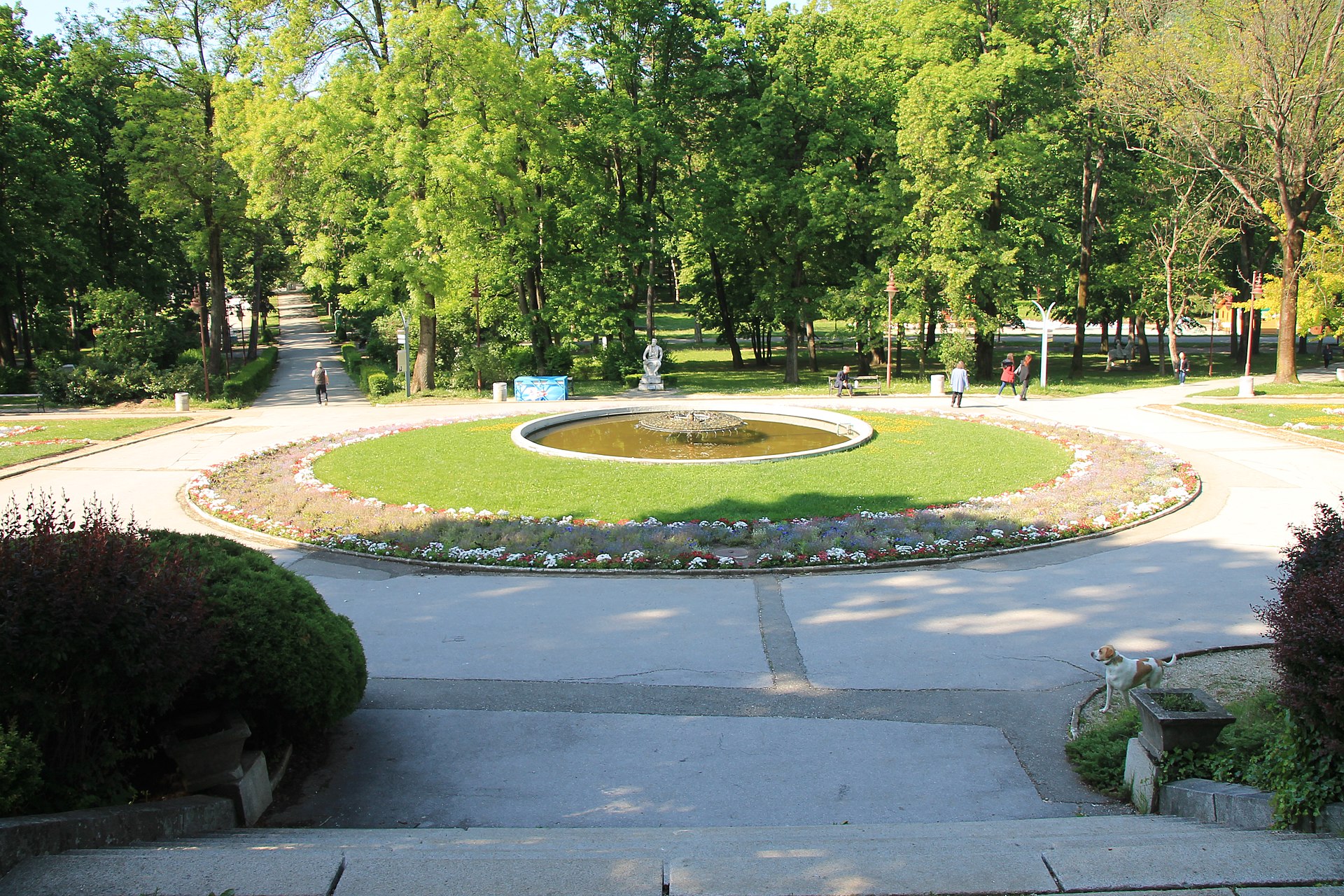
A relaxed spa-town stop with parks, sculpture, and mineral water.

Šumadija is the central region of Serbia, a hilly heartland of forests, vineyards, and orchards south of Belgrade. Its main centres are Kragujevac, the first capital of modern Serbia, and Topola with the Oplenac mausoleum of the Karađorđević dynasty. The area is known for plum orchards, rakija production, and 19th-century Serbian history.
Šumadija occupies the geographic center of Serbia, a rolling landscape of plum orchards and oak forests threaded by roads that connect three historically significant cities: Kragujevac, Kruševac, and Kraljevo. Each begins with K, each has served as a Serbian capital at some point, and each carries its own layer of medieval and modern history.
Kragujevac, the largest of the three and Serbia's fourth city by population, is where the Zastava factory produced the Yugo under Fiat license from the mid-1950s onward — and where annual festivals still celebrate the original Fiat 750 assembled here. Kruševac was founded in 1371 by Prince Lazar Hrebeljanović, who died at the Battle of Kosovo in 1389 and was later canonized as a saint. Kraljevo takes its name from King (kralj) Milan I Obrenović and centers its civic life on a large circular square.
Between the cities, monastery roads and village detours make Šumadija one of the most rewarding parts of central Serbia for unhurried travel grounded in local culture and history.
Last checked: 2026-05-27. For corrections, contact us.
Matthias Pasler's Serbia Travel Pocketbook describes Šumadija's center as a triangle of three cities whose names are so similar that even Serbian speakers occasionally mix them up. Drawing on that account: Kragujevac carries the kraguj falcon in its coat of arms; Kruševac derives its name either from the pear tree (kruška) or from the pear-shaped ornamentation typical of Morava architectural style; Kraljevo simply means King's Town.
The Morava School of medieval architecture, visible at Manasija Monastery near Despotovac, flourished here from around 1370 and introduced an almost experimental decorative vocabulary — interlaced stone carvings, rosette motifs — that distinguishes it from earlier Raška-style monasteries. Manasija, built in the early 15th century by Despot Stefan Lazarević, combined a fortified outer wall with an inner church of unusual refinement. Its frescoes rank among the most important surviving examples of Serbian medieval painting.
Šumadija also offers access to the spring at Krupajsko vrelo, a deep-blue karst source whose underground channels remained unmapped even after a German diving team reached 48 m in October 2012. The spring runs dry each year around the same week in August — a regularity that local researchers have not yet explained.
The monastery circuit of central Serbia begins with Manasija Monastery (Manasija), constructed under Despot Stefan Lazarević in the early 15th century. Its twelve defensive towers encircle the Church of the Holy Trinity, whose frescoes — despite damage over centuries — remain a benchmark of late Byzantine art in the region. The complex is roughly 60 km east of Kragujevac along the Resava river valley.
Further south, the three-K cities each maintain their own medieval remnants. In Kruševac, the Prince Lazar Complex — the ruins of Prince Lazar's 14th-century citadel and the Church of the Ascension — stands within the modern city. The mosaic hall inside Kruševac's 1898 neoclassical town hall, depicting scenes from local history, folklore and mythology across 112 m² of floor, walls and lunettes, can be visited by prior arrangement with the tourism office.
Vrnjačka Banja, approximately 30 km southwest of Kruševac, has operated as a spa town since at least the 1830s, when Prince Miloš Obrenović sent a sergeant there to recover. The town also claims the original love-lock bridge — Most Ljubavi — a tradition that spread globally from this single footbridge.
Choose a pace based on how much driving you want to do.
Šumadija is central to modern Serbian statehood, so museums, memorials, and royal sites are not side notes here — they are the region’s core story.
Expect hearty meals, grilled dishes, homemade pastries, plum products, and village roads lined with orchards and family farms.
Use this map to orient yourself around Kragujevac, Topola/Oplenac, Aranđelovac, and the surrounding central-Serbia countryside.
A relaxed spa-town stop with parks, sculpture, and mineral water.
A historic Serbian city where medieval heritage, relaxed urban life, nearby mountains, and traditional food come together.
From Kragujevac's industrial and royal heritage to the monasteries and spa towns of the surrounding hills, Šumadija rewards visitors who plan at least two days in the region.
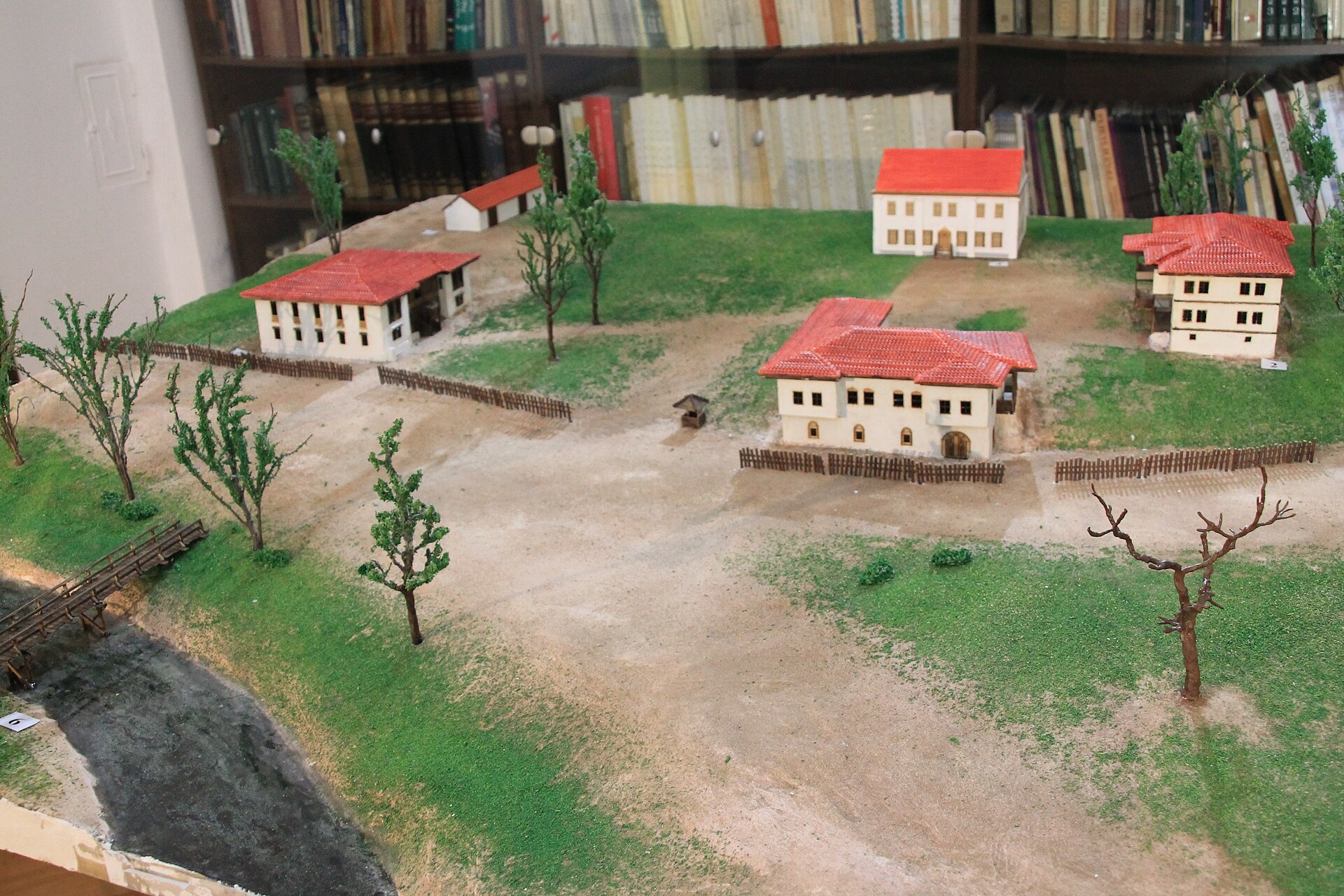
Kragujevac
The region’s main city and one of Serbia’s key modern history centers.
Visit the old city core, memorial sites, museums, and the urban parks that make Kragujevac a practical, walkable base for Šumadija exploration.
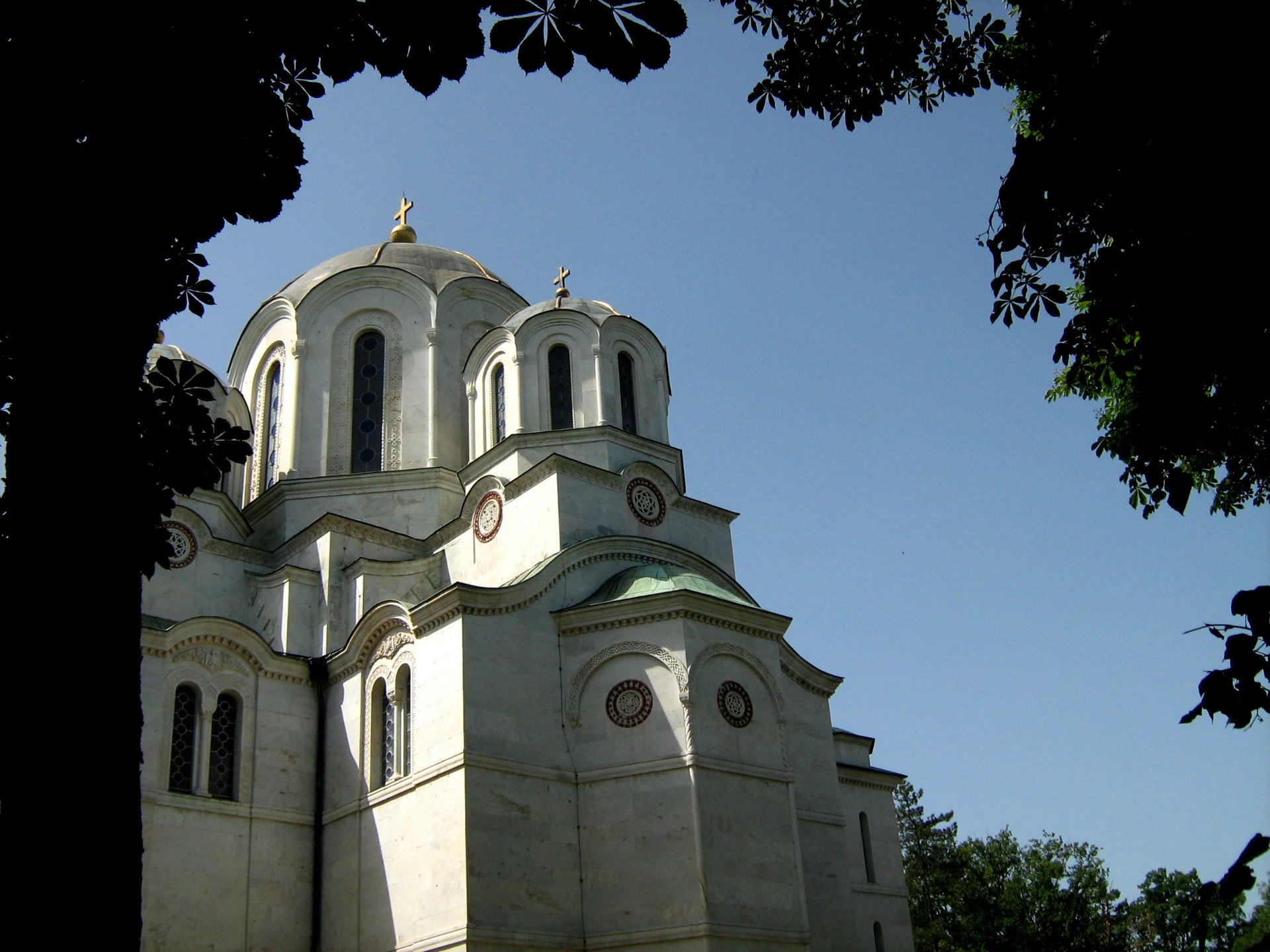
Topola / Oplenac
Royal heritage, church art, and one of the most meaningful viewpoints in central Serbia.
Oplenac is a must for first-time visitors: the Hill of the King, the St. George’s Church mosaics, and the royal complex that tells the story of the Karađorđević family.
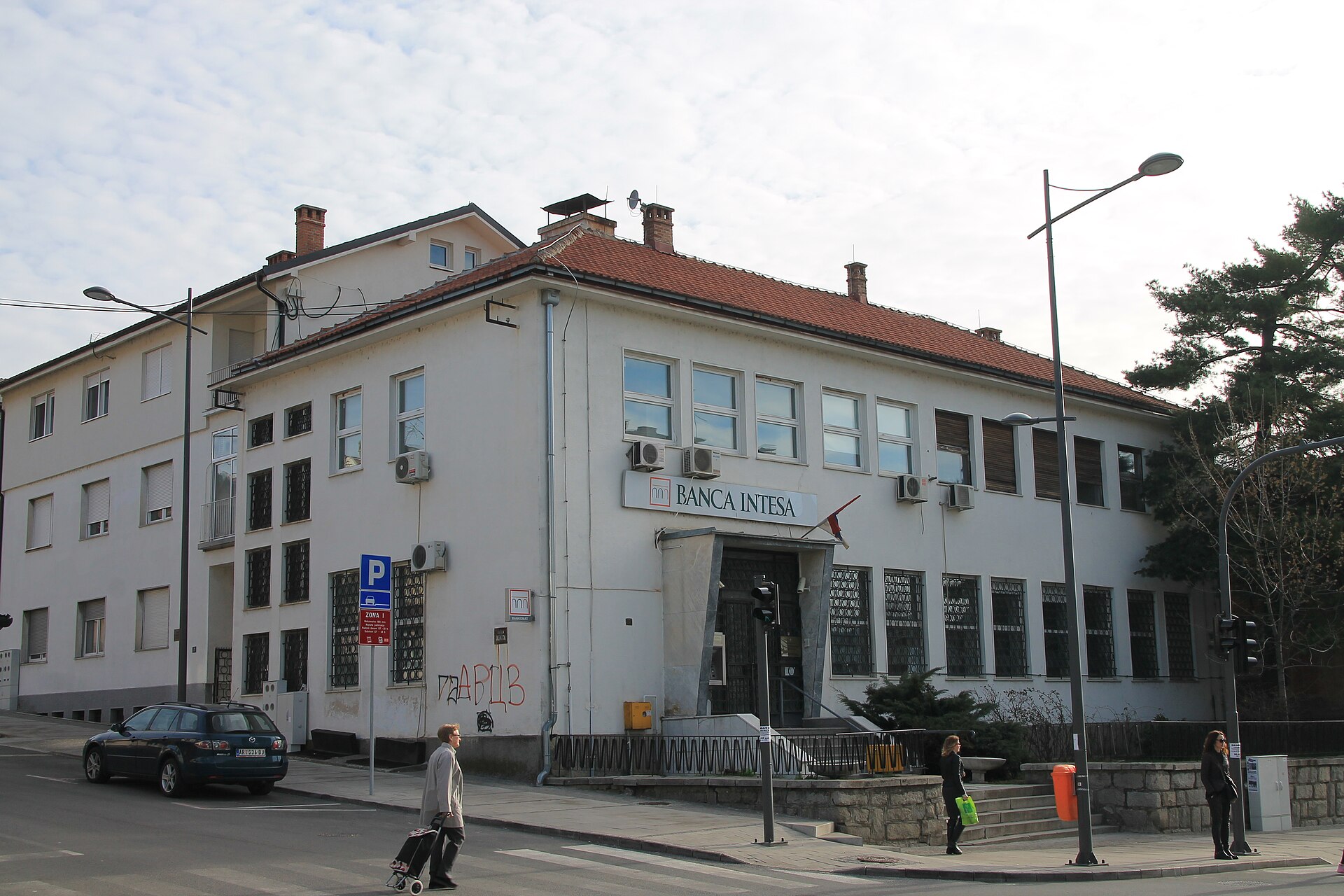
Aranđelovac
A soothing spa-town stop with parks, mineral water, and a slower pace.
This is the place to pause, walk, and enjoy the green center of town before continuing toward Bukovička Banja or nearby villages.
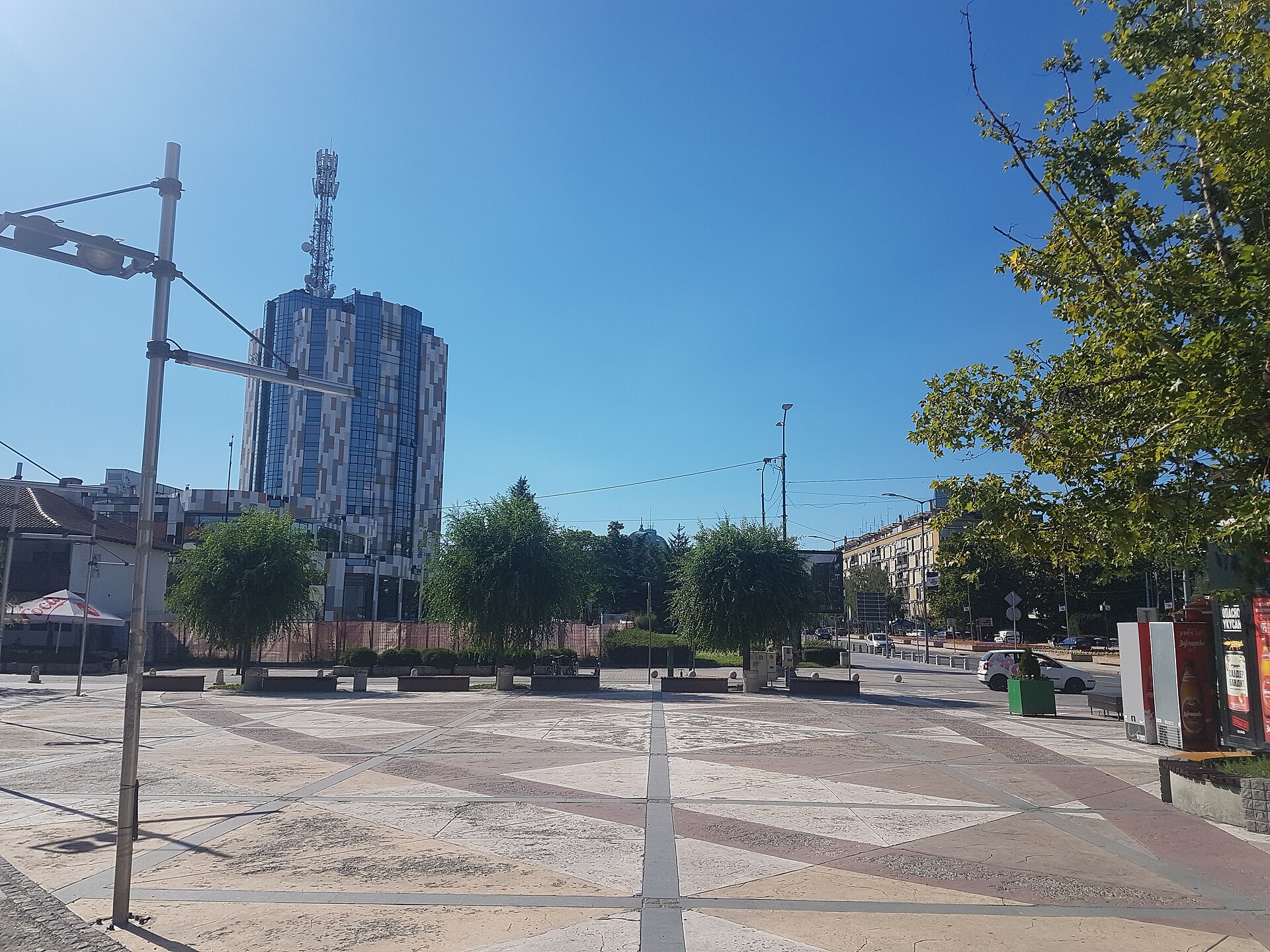
Kruševac — Serbia
Kruševac: Serbia — travel guide
Your complete guide to Kruševac: Serbia.
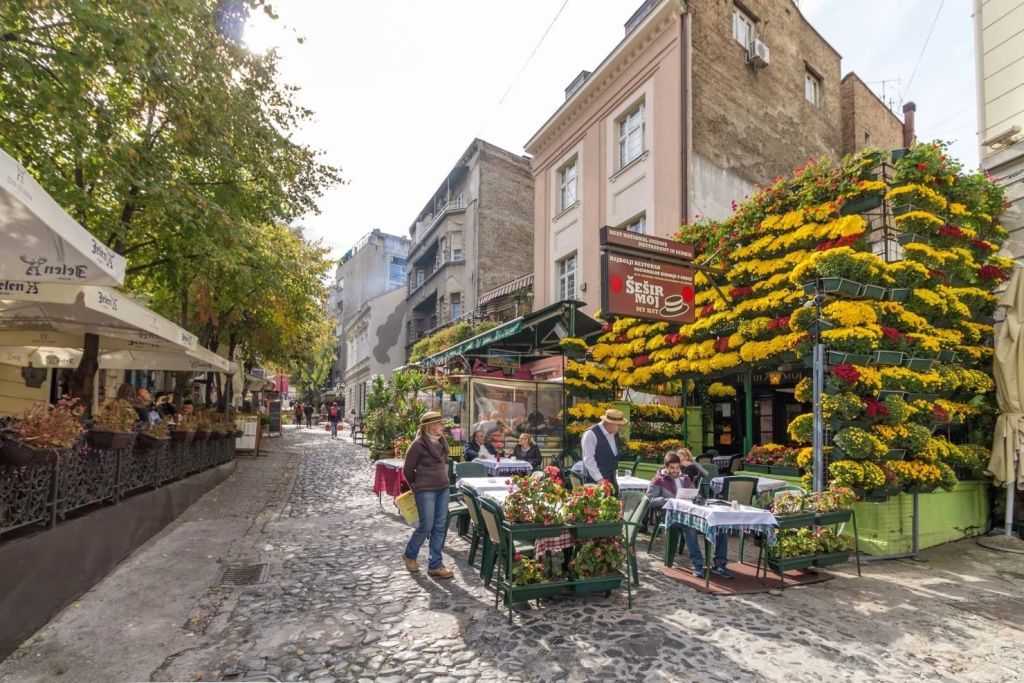
Belgrade City Guide | Best Things to Do, Where to Stay & Eat
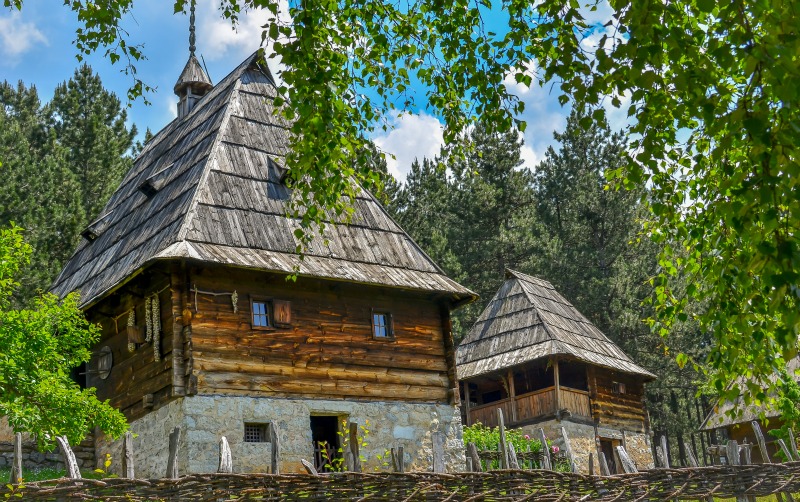
Sirogojno Ethno Village
Sirogojno Ethno Village — nature & attractions
Sirogojno is an open-air museum village 24 km from Zlatibor where more than 50 wooden houses from the Zlatibor mountain region have been dismantled and rebuilt on a single site, together with aroun...
Central Serbia, south of Belgrade
Pastoral calm
Kragujevac
Oplenac Royal Complex
Weekend road trips, history, food
Monasteries, spa towns, orchard villages
Drawing on Matthias Pasler's Serbia Travel Pocketbook: the region's three administrative cities — Kragujevac, Kruševac, and Kraljevo — each served as a Serbian capital at different points in history. Travelling between them in a single day is possible; doing justice to all three takes at least three days, particularly if monastery stops are included.
One day is enough for a focused Topola/Oplenac loop, but 2–3 days is better if you want Kragujevac, Aranđelovac, and a slower countryside experience.
Kragujevac is manageable without a car, but the region is much easier with one because the best stops are spread across hills and smaller towns.
For first-time visitors, Oplenac and Topola are the signature highlight, while Kragujevac gives the strongest sense of the region’s modern history.
Yes. It is an excellent weekend escape from Belgrade and one of the easiest ways to see central Serbia beyond the capital.
Use Šumadija as the calm, historic center of your Serbia trip — then connect it with Belgrade, Vojvodina, or western Serbia for a richer route.
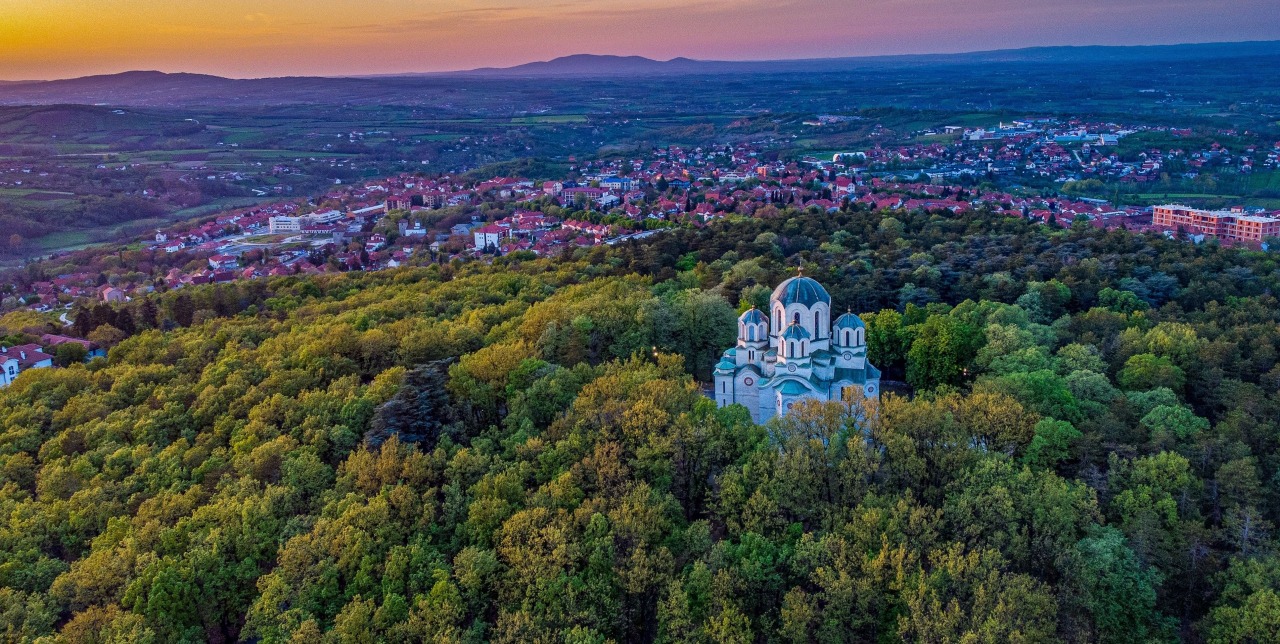
Hilltop church over town
Aerial view of a domed church rising above forested hills and the town of Topola in Šumadija
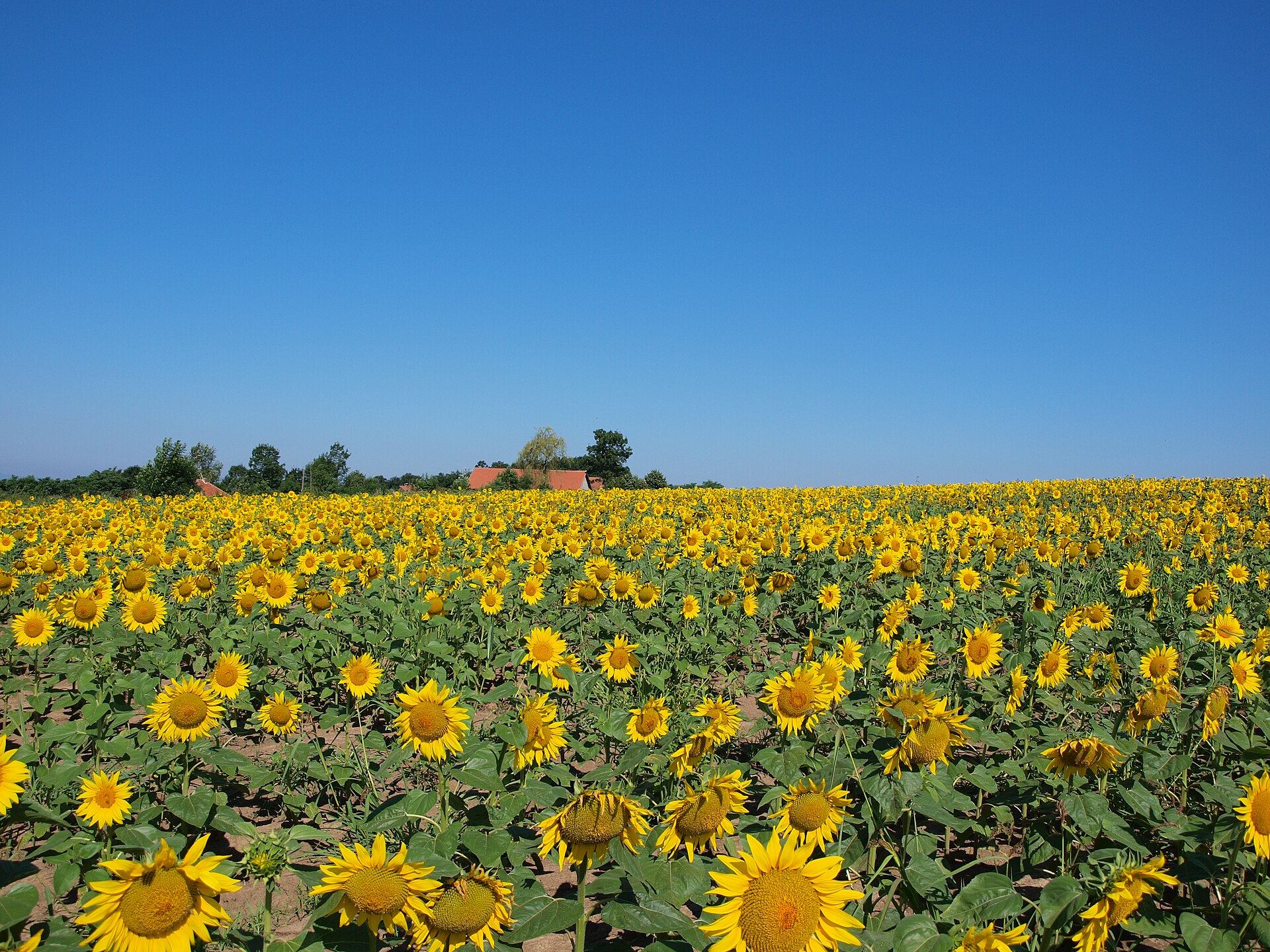
Sunflower Field Landscape
A wide sunflower field stretches across Šumadija beneath a clear blue sky, with distant farm buildings on the horizon
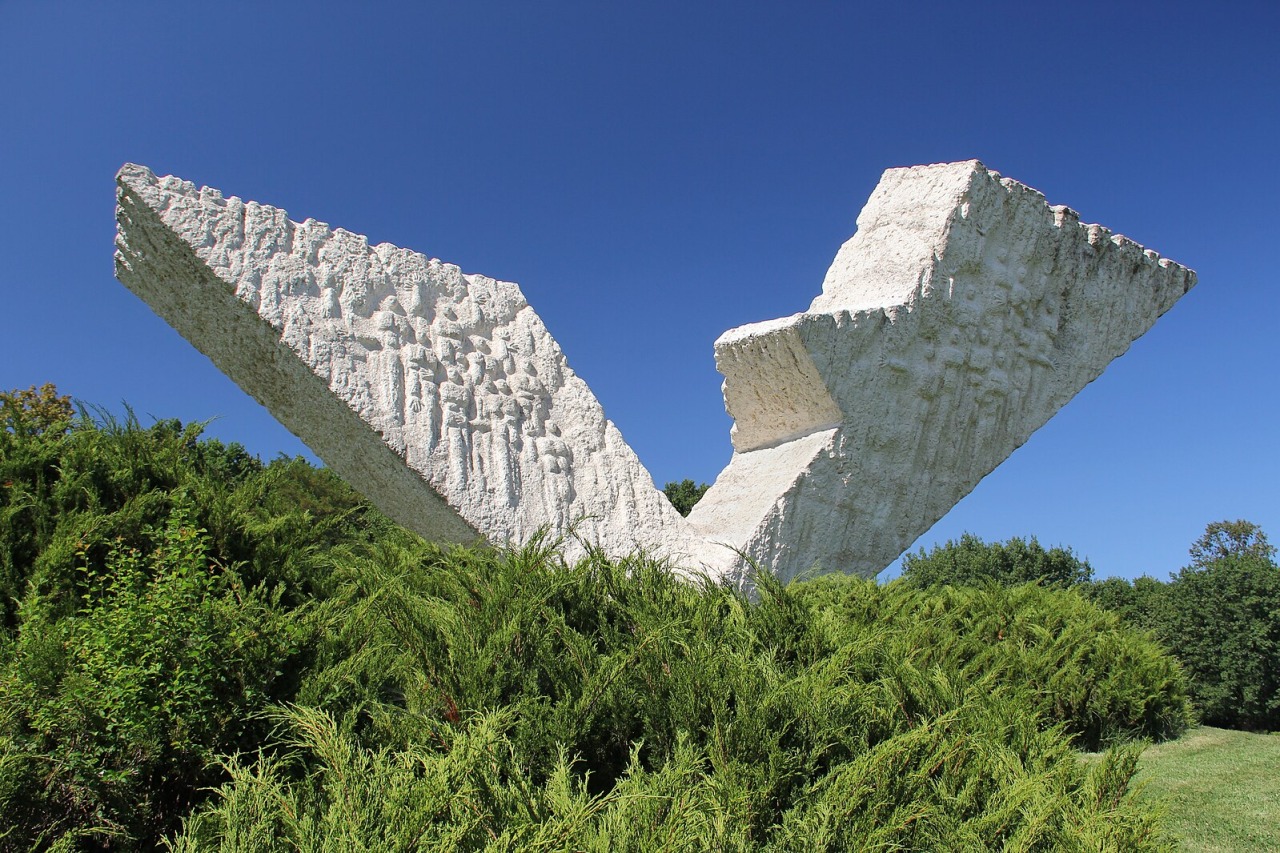
White Concrete Monument
A large white concrete monument rises above dense greenery in Šumadija under a clear blue sky
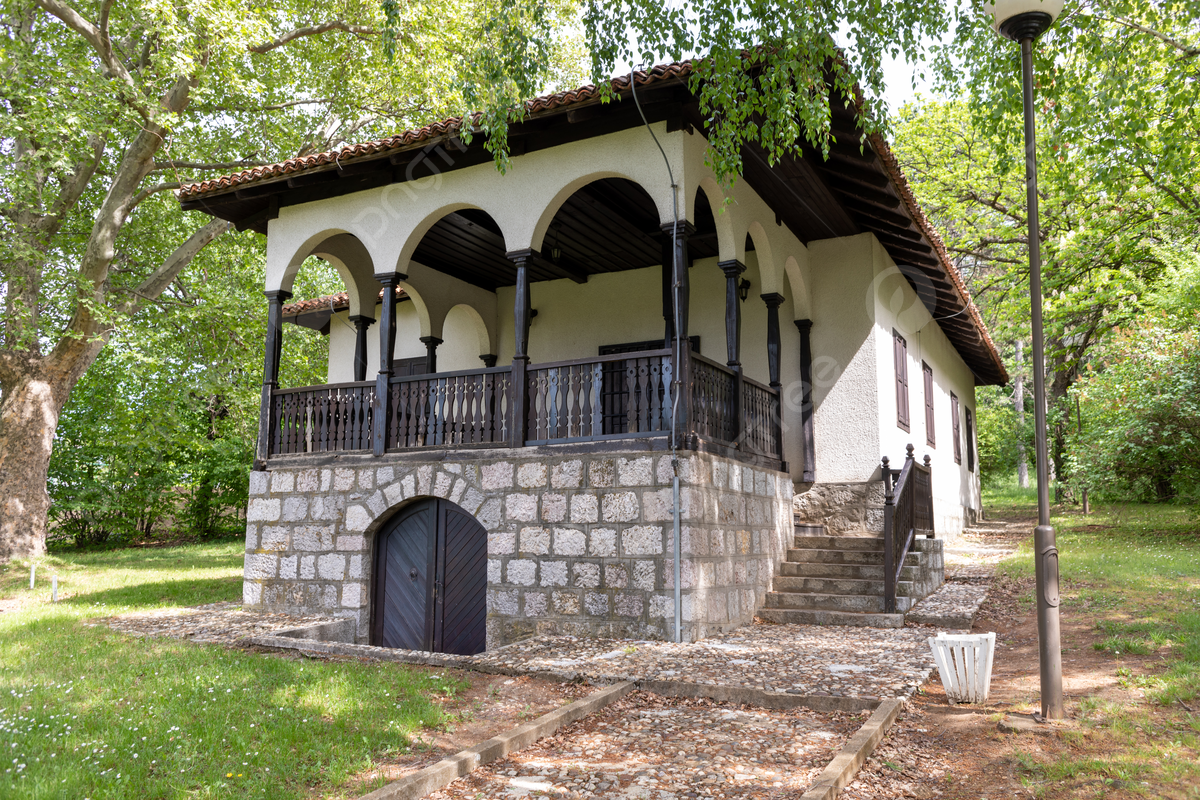
Traditional House Porch
A traditional house with arched porch and stone base stands among trees in Šumadija
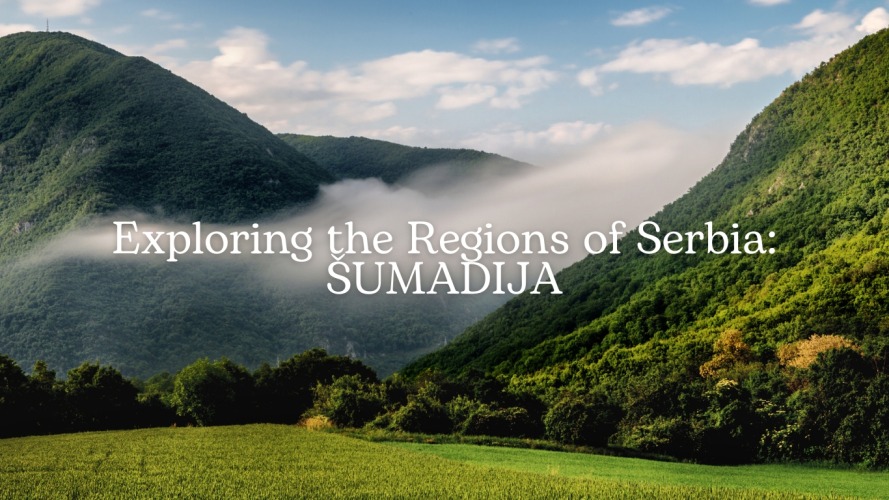
Misty Šumadija Mountains
Green mountains rise above a misty valley and meadow in Šumadija, Serbia
Guided routes, walking tours, and experiences that help you make the most of a visit to Šumadija Travel Guide.

Vrnjačka Banja
Vrnjačka Banja in Šumadija Travel Guide.
Vrnjačka Banja is best approached as a Serbian spa town built around mineral springs, park walking, and wellness stays. The key names to know are Topla Voda, Snežnik, Jezero, and Slatina. Most fo...
Sirogojno Ethno Village
Sirogojno Ethno Village in Šumadija Travel Guide.
Sirogojno is an open-air museum village 24 km from Zlatibor where more than 50 wooden houses from the Zlatibor mountain region have been dismantled and rebuilt on a single site, together with aroun...

Topola
Topola in Šumadija Travel Guide.
Topola works best as a history-and-wine stop in Šumadija. Most visitors come for Oplenac Hill, where the Church of St. George holds the royal mausoleum of the Karadjordjević dynasty. The town als...
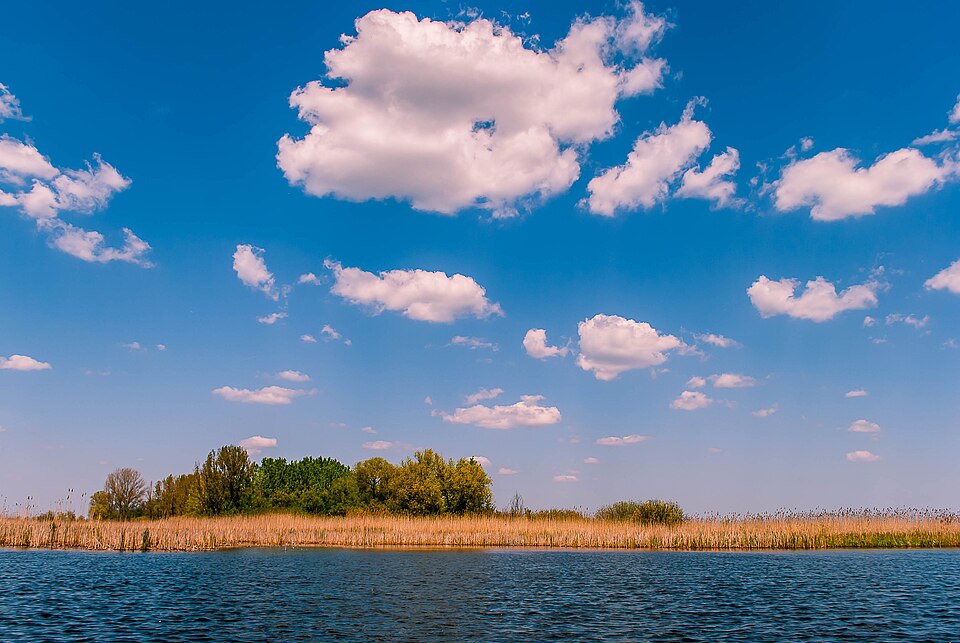
Vrnjačka Banja
Vrnjačka Banja in Šumadija Travel Guide.
Vrnjačka Banja is best approached as a Serbian spa town built around mineral springs, park walking, and wellness stays. The key names to know are Topla Voda, Snežnik, Jezero, and Slatina. Most fo...

Aranđelovac
Aranđelovac in Šumadija Travel Guide.
Plan your visit to Aranđelovac — what to see, how to get there, and what to combine it with.
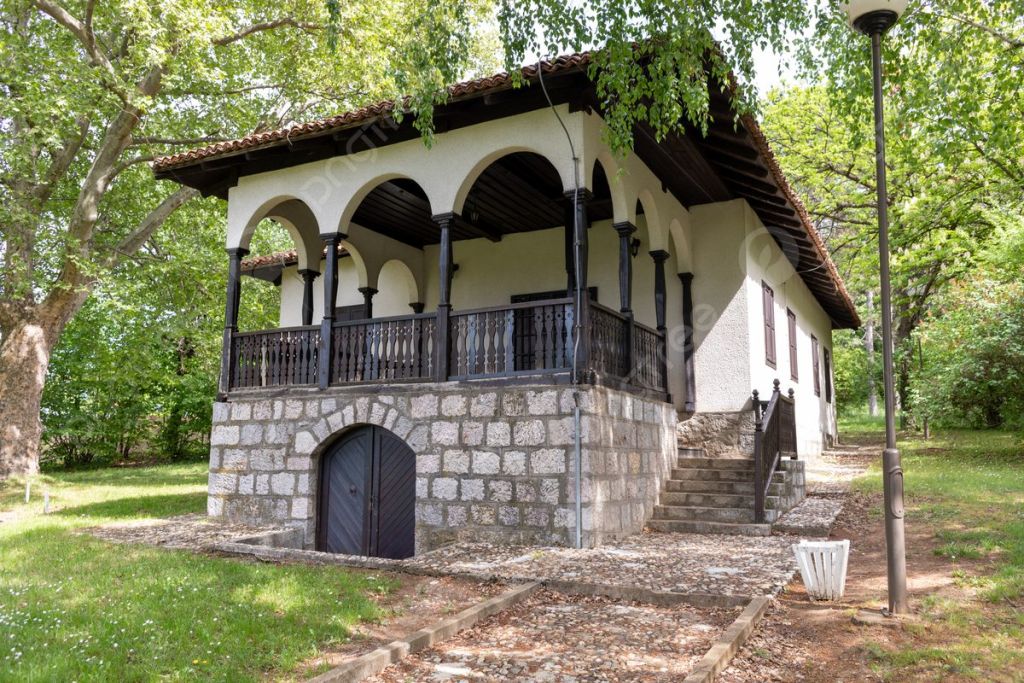
Topola
Topola in Šumadija Travel Guide.
Topola works best as a history-and-wine stop in Šumadija. Most visitors come for Oplenac Hill, where the Church of St. George holds the royal mausoleum of the Karadjordjević dynasty. The town als...

Kruševac
Kruševac in Šumadija Travel Guide.
Kruševac is best visited for its late medieval heritage rather than for a long city-break checklist. The core visit usually combines Lazar's Town, Lazarica Church, and the wider center, with optio...

Manasija Monastery
Manasija Monastery in Šumadija Travel Guide.
Manasija Monastery is one of the clearest places in Serbia to understand how late-medieval faith, political power, and defense came together in one complex. Travelers usually spend most of their ti...

Krupaj Spring
Krupaj Spring in Šumadija Travel Guide.
Krupaj Spring is a short-stop natural attraction near Despotovac, best known for emerald-green karst water beneath limestone slopes. It suits travelers building a driving itinerary through the wide...
Topola and Oplenac
Topola and Oplenac in Šumadija Travel Guide.
Most travelers come here for three connected reasons: Serbia’s uprising story in Topola, the Karađorđević dynastic memorial on Oplenac, and wine tasting at PIK Oplenac.Published Oplenac comple...
Takovo Memorial Complex: Museum
Takovo Memorial Complex: Museum in Šumadija Travel Guide.
Begin with the museum exhibition to establish the chronology, then read the oak memorial, monuments and wooden church as later layers of remembrance. The branch publishes regular weekly hours and o...
Towns and destinations within Šumadija Travel Guide.
Stay connected in Serbia