Spa town in central Serbia, within the wider Šumadija travel region

Vrnjačka Banja is best approached as a Serbian spa town built around mineral springs, park walking, and wellness stays. The key names to know are Topla Voda, Snežnik, Jezero, and Slatina. Most foreign visitors arrive from Belgrade, usually via Kraljevo as the nearest regional gateway.
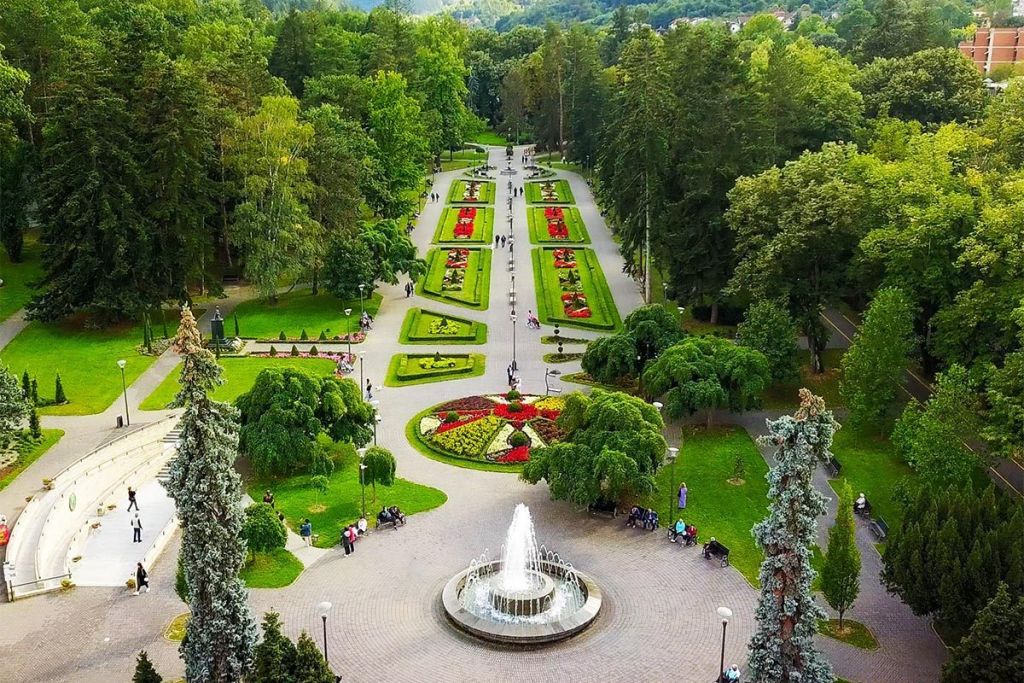
Vrnjačka Banja is a spa town in central Serbia shaped by mineral water sources, a landscaped park core, and a long pedestrian rhythm rather than a dense urban center. It developed as a health resort around thermal and mineral springs and is most closely associated with spa treatment and restorative stays. The part most visitors remember is the walkable park-and-promenade zone where fountains, shaded paths, and spring points structure the day. Within the wider Šumadija travel region, the atmosphere is calm, domestic, and oriented toward slow routines rather than sightseeing at speed.
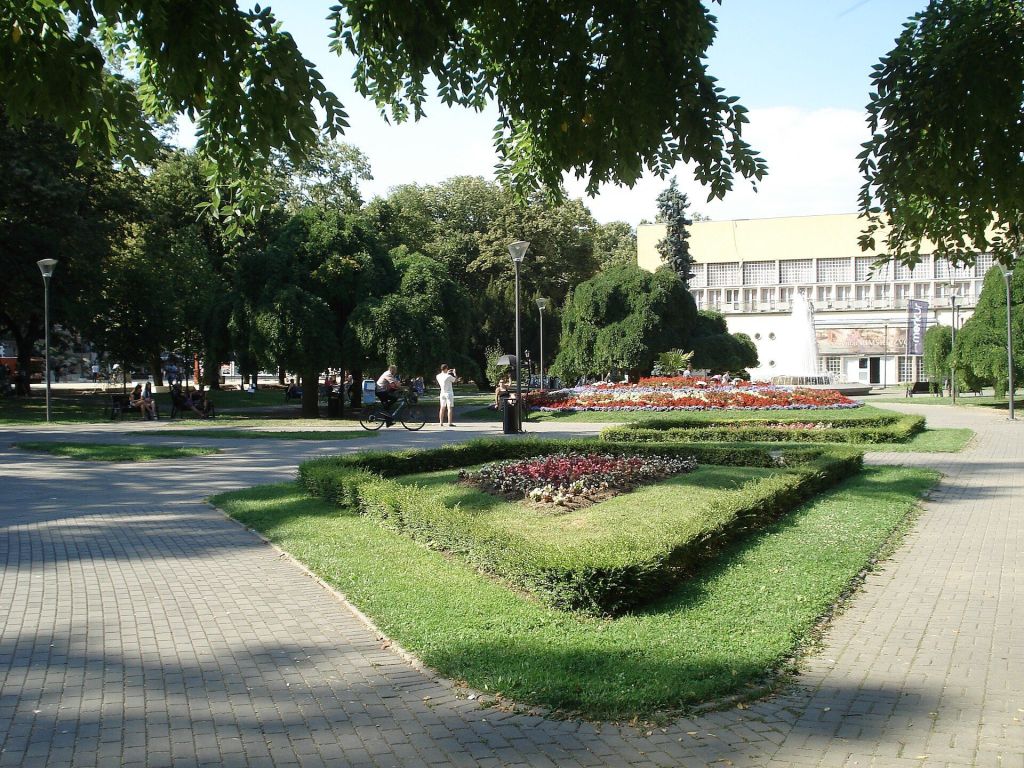
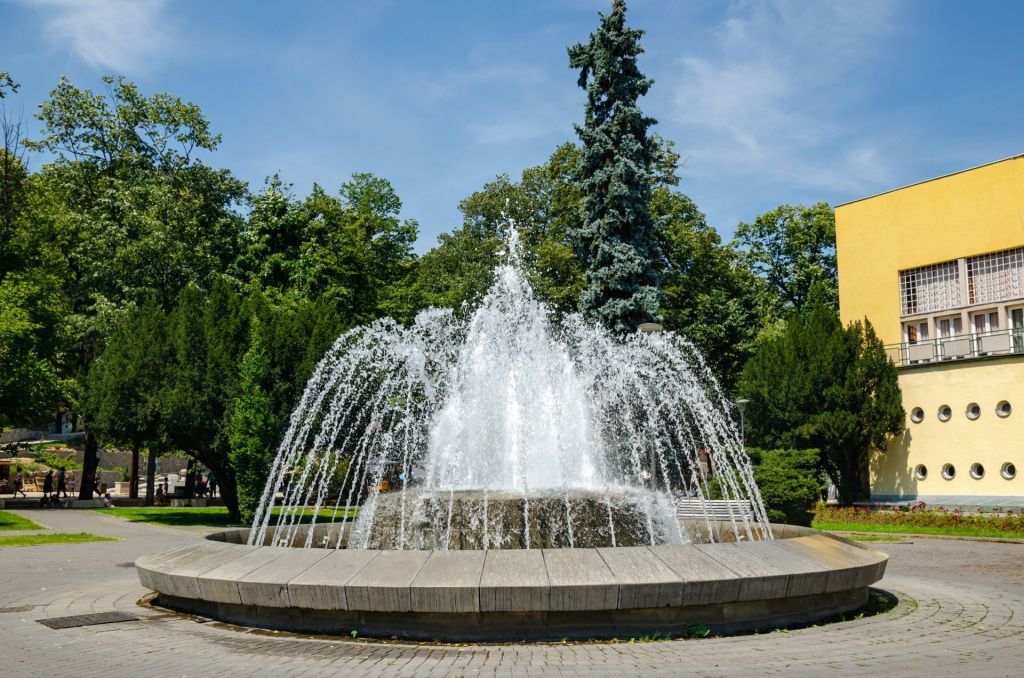
The defining speciality of Vrnjačka Banja is its cluster of named mineral springs rather than a single bath complex. Topla Voda, Snežnik, Jezero, and Slatina are the best-known names visitors encounter, and together they give the town its identity as a place of hydrotherapy, wellness, and rehabilitation. What makes the spring culture here distinct is how public and legible it is: the waters are part of everyday movement through the town, not hidden inside one resort perimeter. Walking the park and promenade means moving between spring points, spa buildings, and gardens in a setting designed for rest. That combination of treatment tradition and open-air strolling is what makes Vrnjačka Banja different from a standard hotel spa.
Most international visitors reach Vrnjačka Banja overland from Belgrade. By car, the usual approach is south from Belgrade toward central Serbia, then onward through the Kraljevo area into the spa town. From Kraljevo, Vrnjačka Banja is a short regional continuation and is often paired with the town as the nearest larger transport point. Intercity buses are the standard public transport option from both Belgrade and Kraljevo; use Serbia Transit Search to check current departures. If you arrive by taxi from Kraljevo, agree the fare before departure. Drivers can usually drop you close to the central promenade area, where many hotels and spa facilities are concentrated. If you drive, ask your accommodation in advance about parking because central pedestrian zones limit how close you can stop.
Vrnjačka Banja is easiest to enjoy in mild weather when the park, promenade, and garden spaces are part of the experience rather than just the route between indoor stops. Spring and early autumn usually suit long walks and short spa breaks well. Summer can work if you want a resort-town atmosphere with evening strolls, while colder months are better if your focus is mainly indoor wellness, treatment, and hotel-based relaxation. Weekends tend to feel busier than weekdays in Serbian spa towns, so travelers who prefer a quieter stay should consider arriving from Sunday to Thursday. If your hotel or wellness package includes treatments, book ahead instead of assuming same-day availability.
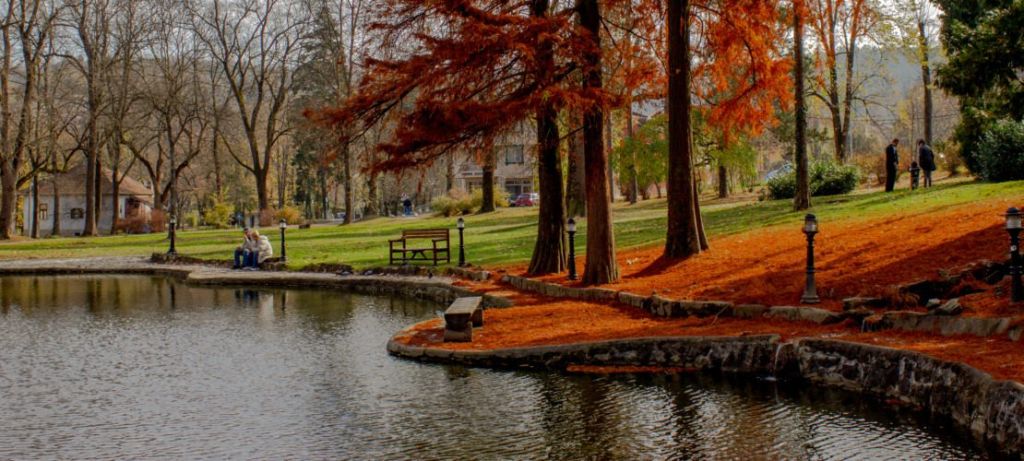
Expect a resort town built around calm movement, park space, and health routines rather than a dense list of monuments. Dress is generally casual; comfortable walking shoes are more useful than formal clothes because the town is experienced on foot. Families, older visitors, and people on treatment stays all use the same public spaces, so the atmosphere is broad rather than trend-driven. Accessibility depends on the exact hotel, spa building, and park route, so check with your accommodation if step-free access matters. Bring water, a light layer for evenings, and any documents your wellness provider may require if you have booked rehabilitation or treatment services.
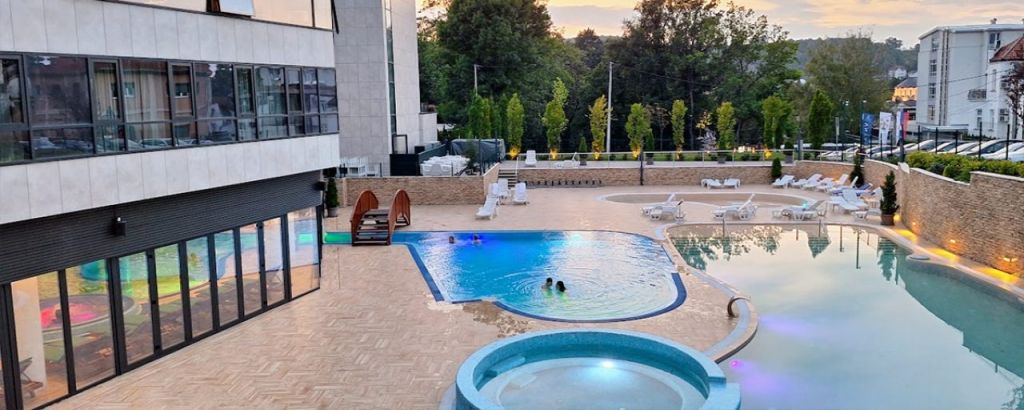
Choose accommodation based on your reason for coming. If you want to spend most of your time walking the park and reaching the springs easily, stay as close as possible to the central promenade area. If your trip is treatment-led, prioritize properties with direct wellness or rehabilitation services over general hotel amenities. For a short weekend break, central access matters more than room size because much of the town's appeal is outside in the park system. For longer stays, confirm parking, lift access, and whether meals or treatment packages are bundled into the rate. Since exact hotel data was not present in the source set, it is worth comparing current options directly before booking.
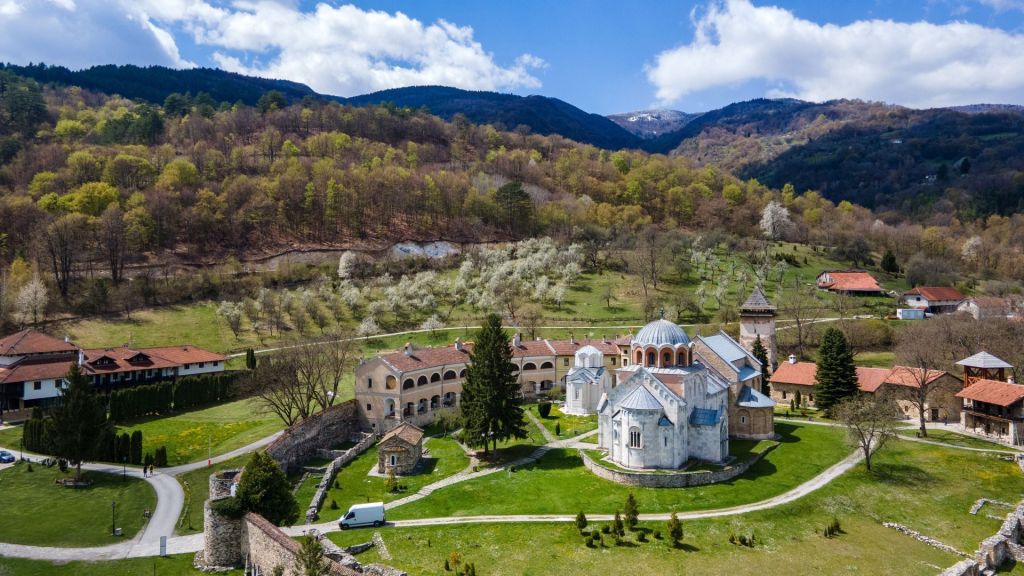
If you want to add cultural or mountain stops to a spa stay, look beyond the immediate park zone. Manasija Monastery works for travelers interested in medieval Serbia, while Kopaonik National Park is the stronger option if you want mountain scenery and a different climate after the spa town. For a broader urban base with memorial and industrial-era context, Kragujevac fits better as a separate stop before or after Vrnjačka Banja. These are better treated as full or half-day additions rather than quick detours.
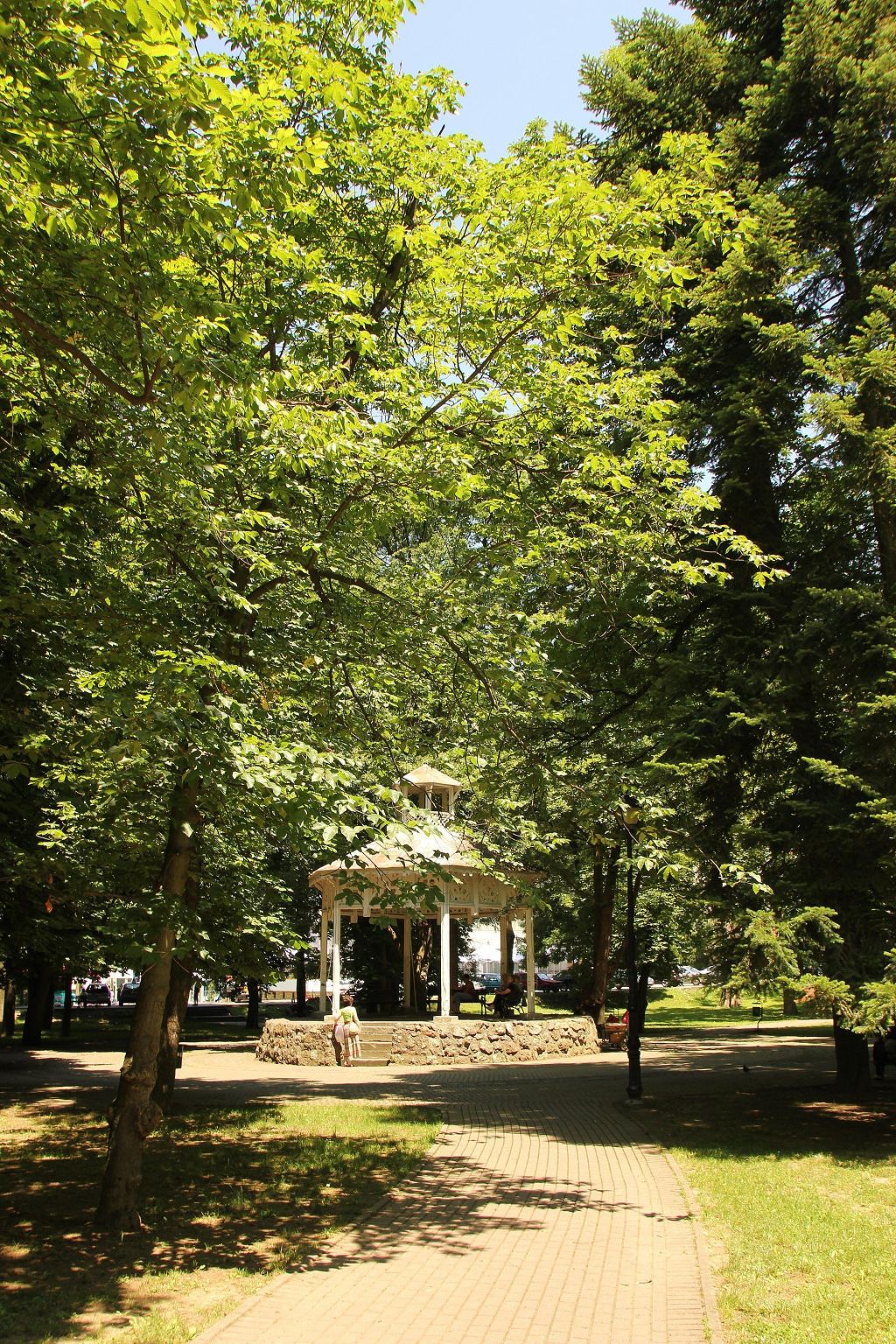
The central park and promenade are the town's main public space. Most visitors spend time walking slowly between spring points, benches, bridges, cafés, and landscaped sections such as the Japanese Garden.
Vrnjačka Banja is associated with rehabilitation stays, spa routines, and wellness-focused breaks. Some travelers come for a few hours; others stay several nights to combine treatments with easy walks and rest.
Guided routes, walking tours, and experiences that help you make the most of a visit to Vrnjačka Banja.
Map of the spa-town center in Vrnjačka Banja.
These are the named water sources most closely associated with Vrnjačka Banja. Exact prices and operating hours were not stated in the provided source material.
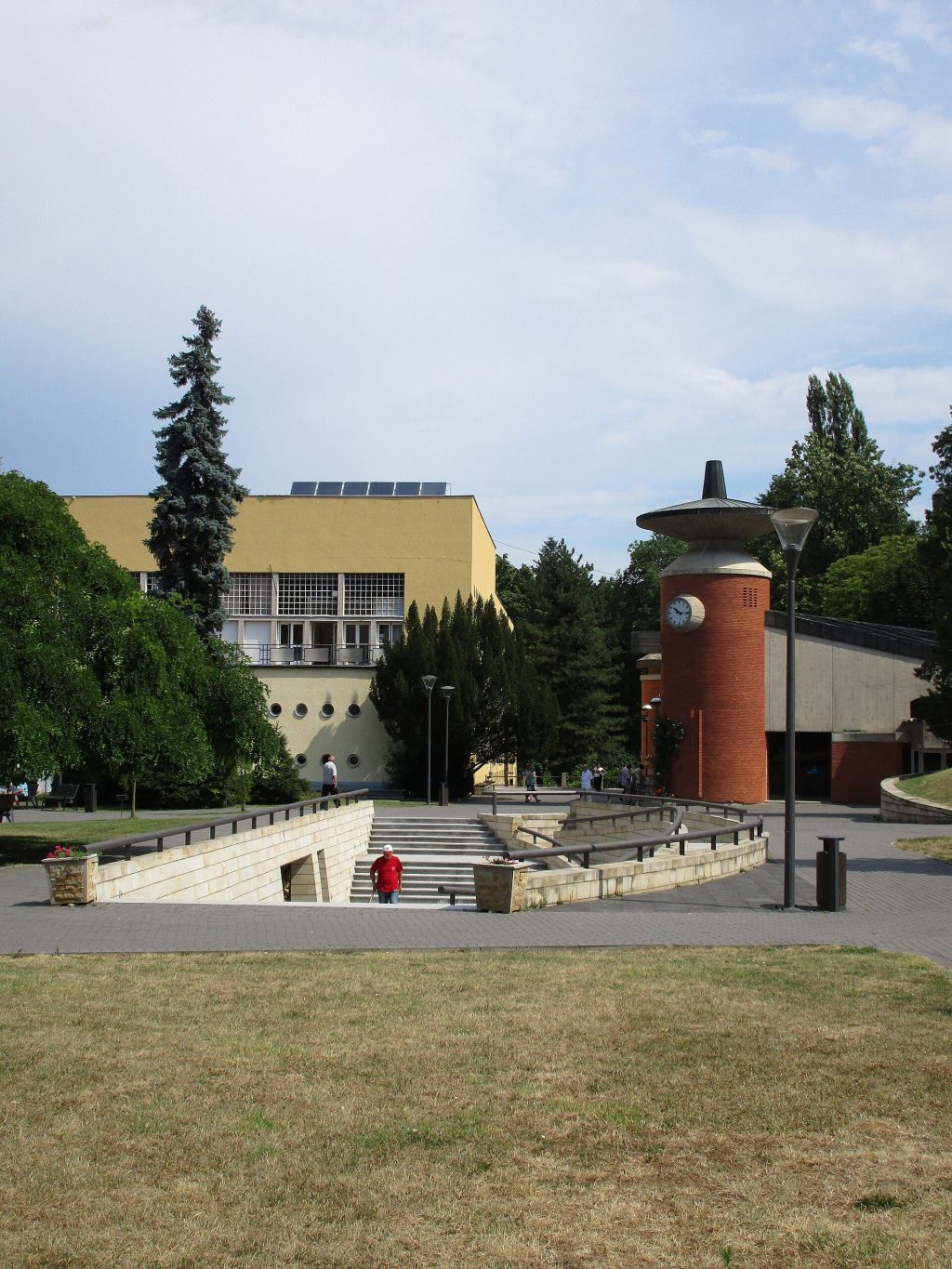
Topla Voda
The best-known thermal source in Vrnjačka Banja and the spring most visitors hear about first.
Topla Voda is central to the town's spa identity and is commonly treated as the reference spring when people talk about Vrnjačka Banja's thermal water tradition.
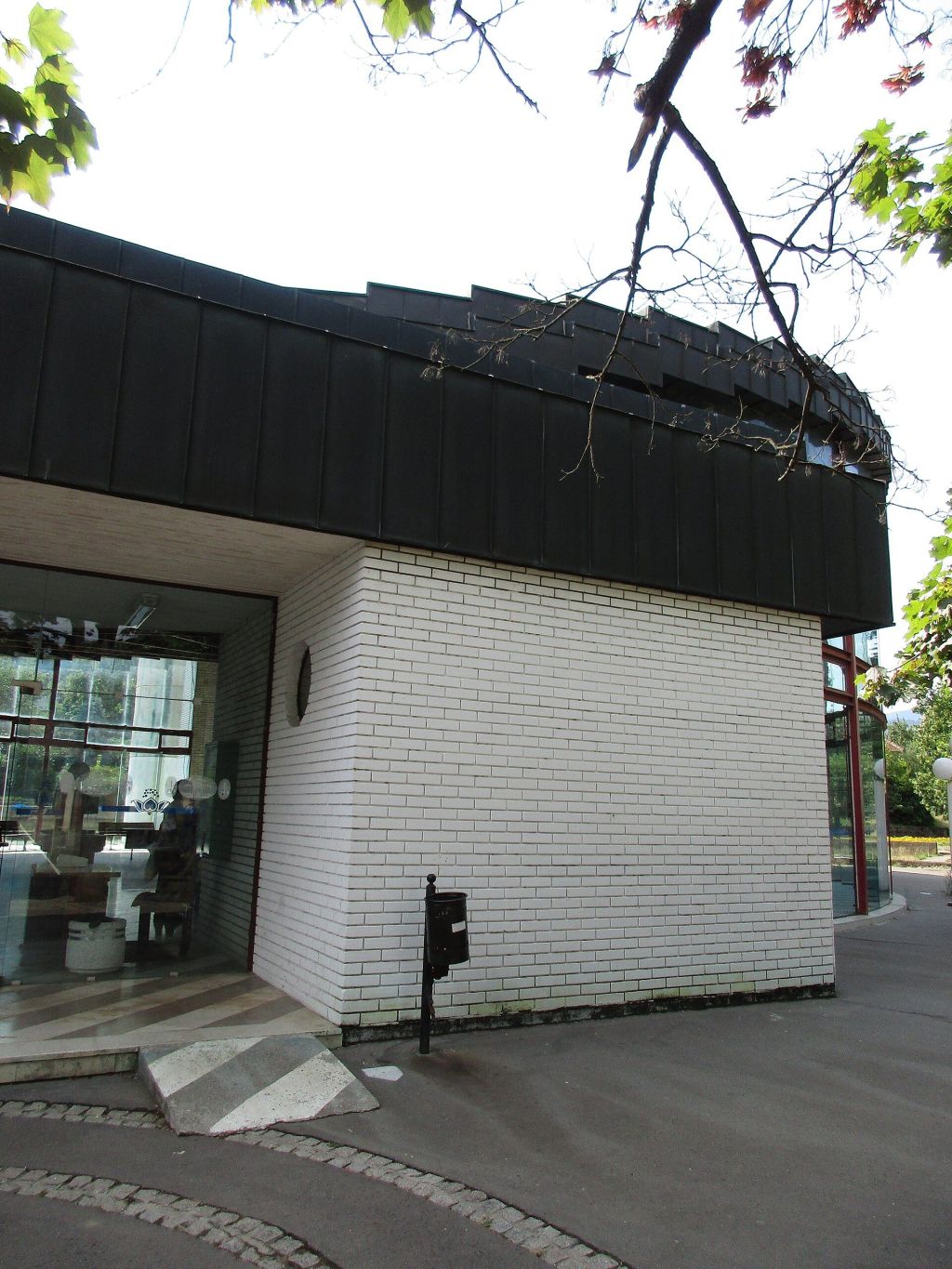
Snežnik
One of the principal named springs linked to the town's mineral-water culture.
Snežnik is regularly listed among the core springs that define the therapeutic and wellness character of Vrnjačka Banja.
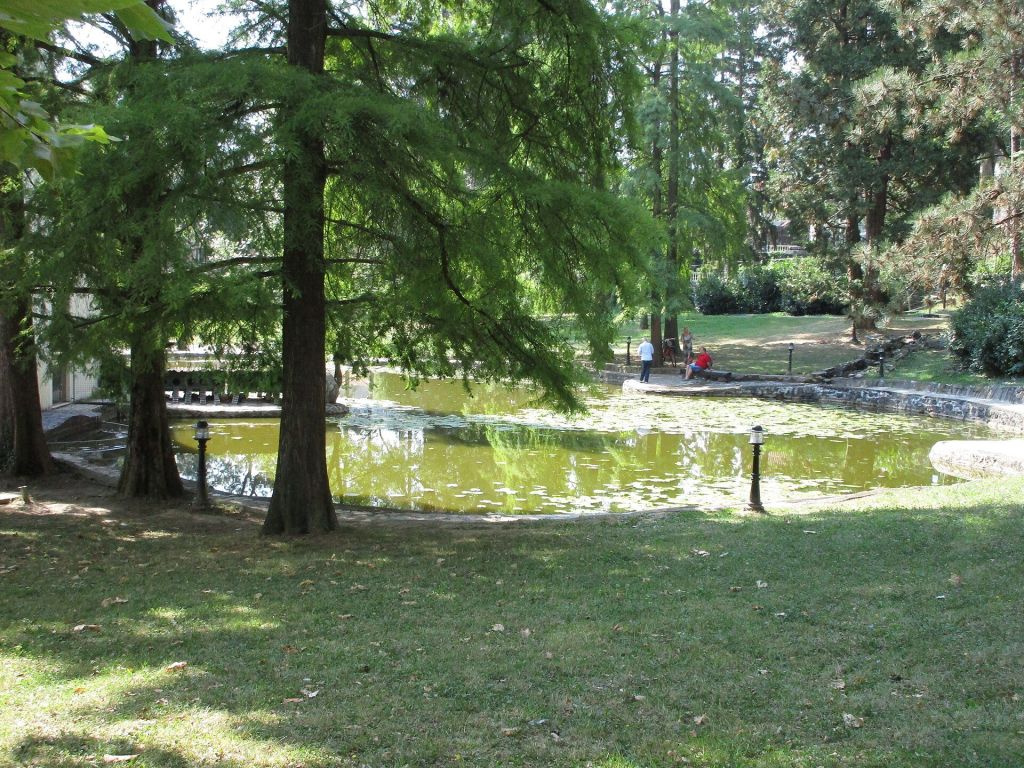
Jezero
A recognized spring point within the cluster of Vrnjačka Banja's water sources.
Jezero forms part of the broader set of public spring names that visitors encounter while moving through the spa core.
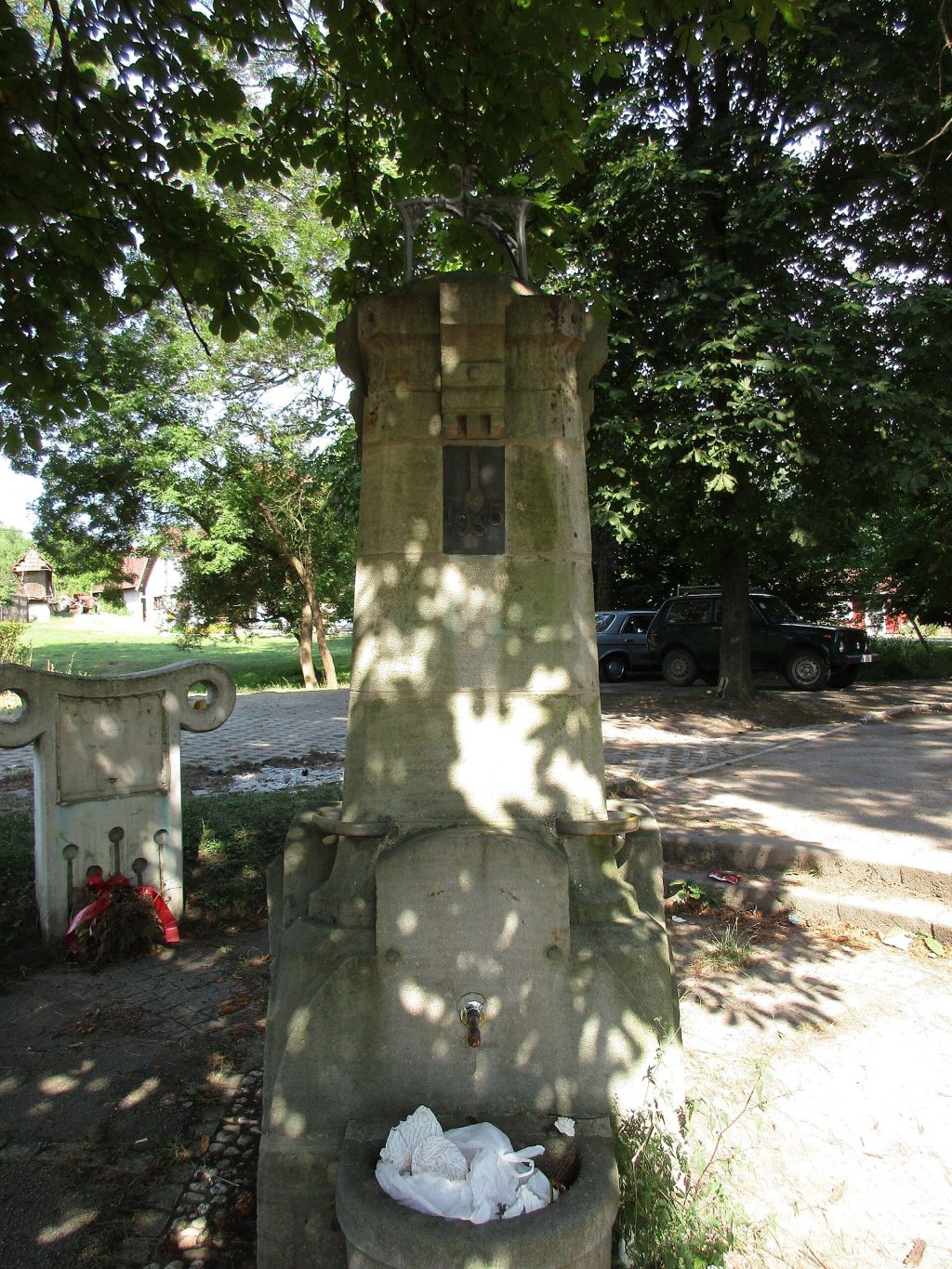
Slatina
One of the standard spring names associated with Vrnjačka Banja's hydrotherapy tradition.
Slatina belongs to the group of springs that give the town its long-standing health-resort identity.
Spa town in central Serbia, within the wider Šumadija travel region
Kraljevo
Named mineral springs, thermal water culture, park promenade
Topla Voda, Snežnik, Jezero, Slatina
Wellness breaks, rehabilitation stays, slow walks
Spring and early autumn for walking; year-round for spa stays
Park-centered, pedestrian-friendly, relaxed
Recommended for hotels, treatments, and wellness packages
Plan transport and accommodation first, then build in park time
Vrnjačka Banja works best if you plan it as a slow day or an overnight stay. The core experience is walking between springs, park paths, wellness facilities, and hotel zones rather than following a fixed sightseeing checklist.
Belgrade is the main long-distance arrival point for foreign travelers. Kraljevo is the practical regional gateway for the final approach into Vrnjačka Banja.
For park walks and open-air time, aim for spring or early autumn. For a treatment-led stay, season matters less than hotel availability and your planned spa schedule.
The town is known for both leisure wellness and more structured health-oriented stays. If you are booking for treatment rather than a casual spa break, confirm in advance what is included, what documents are needed, and whether medical consultation is part of the stay.
Yes. The town is primarily known for its mineral springs, thermal-water identity, wellness facilities, and rehabilitation stays rather than for a dense concentration of historic monuments.
The source material highlights Topla Voda, Snežnik, Jezero, and Slatina as the key named springs visitors should know.
Most arrive overland, usually by car or intercity bus from Belgrade, with Kraljevo functioning as the nearest practical regional gateway.
A day is enough for a park walk and a first look at the spring-centered town core. An overnight stay makes more sense if you want wellness treatments or a slower schedule.
Spring and early autumn are usually the most comfortable seasons for promenade and park time. Indoor wellness stays can work year-round.
Serbian Travel can help you place Vrnjačka Banja within a wider trip that also covers Belgrade, Šumadija, or mountain stops.
Stay connected in Serbia