Central Kragujevac, Šumadija, Serbia

Kragujevac is the administrative center of Šumadija and one of Serbia’s key inland cities. It grew around the old state foundry and armaments industry, then expanded into a modern urban center with a compact core, broad avenues, and a strong civic memory. Visitors usually come for Šumarice Memorial Park, the old town streets around the center, and the cathedral and museums near the main square.
The city feels practical rather than polished: locals use it for work, errands, cafés, and evening walks. In one day you can move from memorial sites to the old center, then finish with dinner near the pedestrian streets.
The main speciality in Kragujevac is Šumarice, the memorial landscape built around the site of the 1941 mass shooting of civilians and students. That history shapes how the city is read today: the park is not just a green space, but a place of remembrance with monuments, trails, and the Museum 21 October. It is different from a standard city park because the walk itself is part of the visit.
What makes it specific to Kragujevac is the scale of the memorial complex and the way it sits inside ordinary urban life. People come to jog, walk, or cycle, but they also come for ceremonies, school visits, and quiet reflection. The result is a city experience that mixes public park use with civic memory in a way you do not get elsewhere.
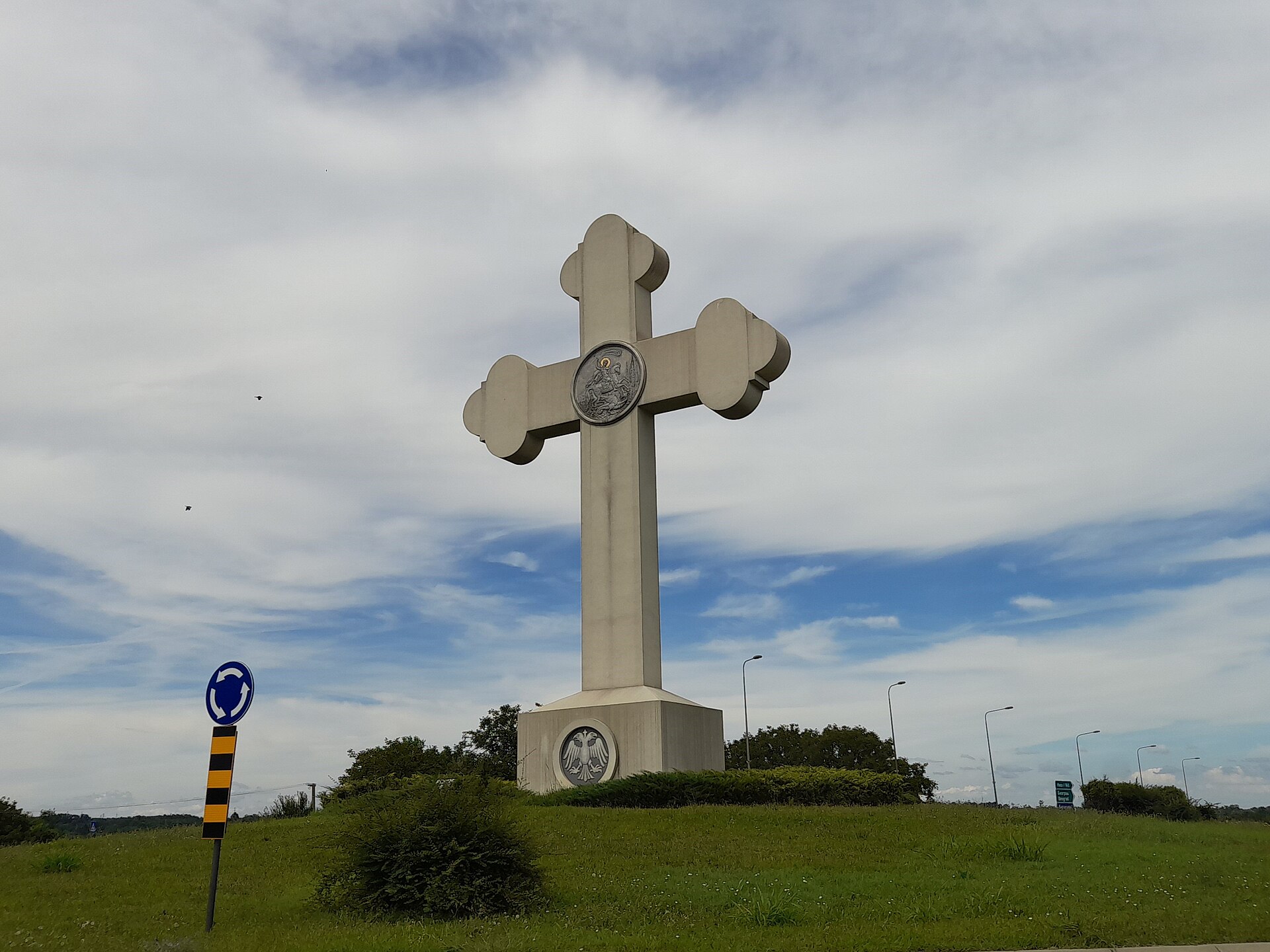
Large roadside cross
A tall stone cross stands on a grassy roundabout in Kragujevac beneath a cloudy sky
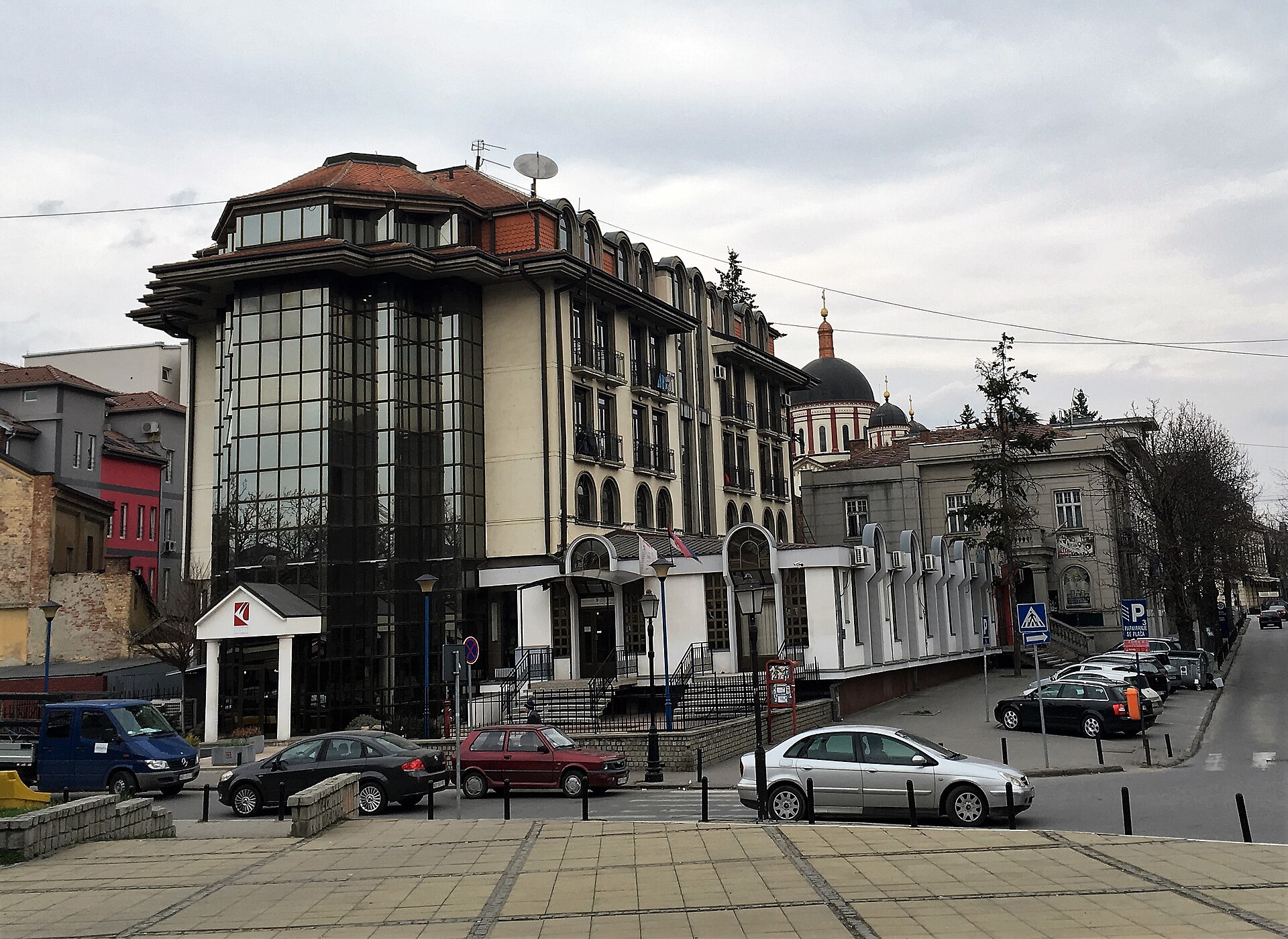
Downtown street and church
A modern corner building stands beside parked cars, with church domes rising behind it in Kragujevac
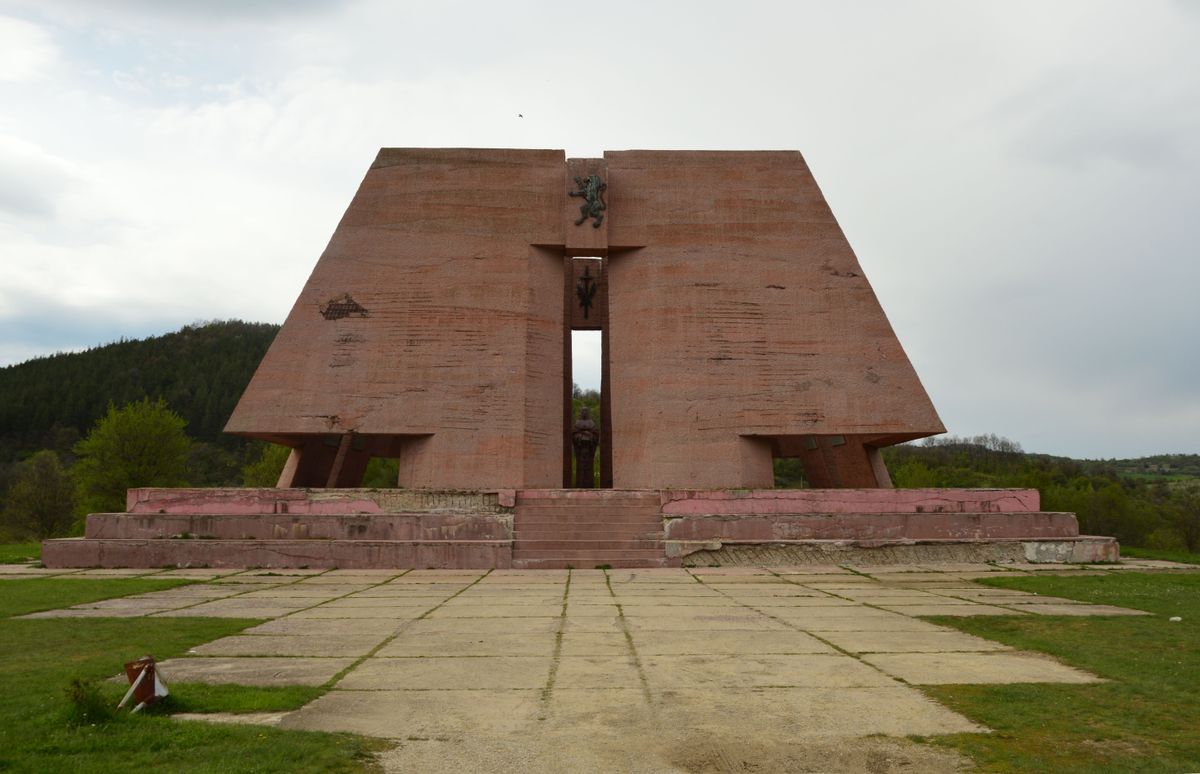
Memorial Monument
A large concrete memorial rises on a stepped platform in Kragujevac, framed by grassy hills and open sky

Handwritten Postal Cover
An aged paper cover with cursive writing and blue Cyrillic stamps is shown in Kragujevac
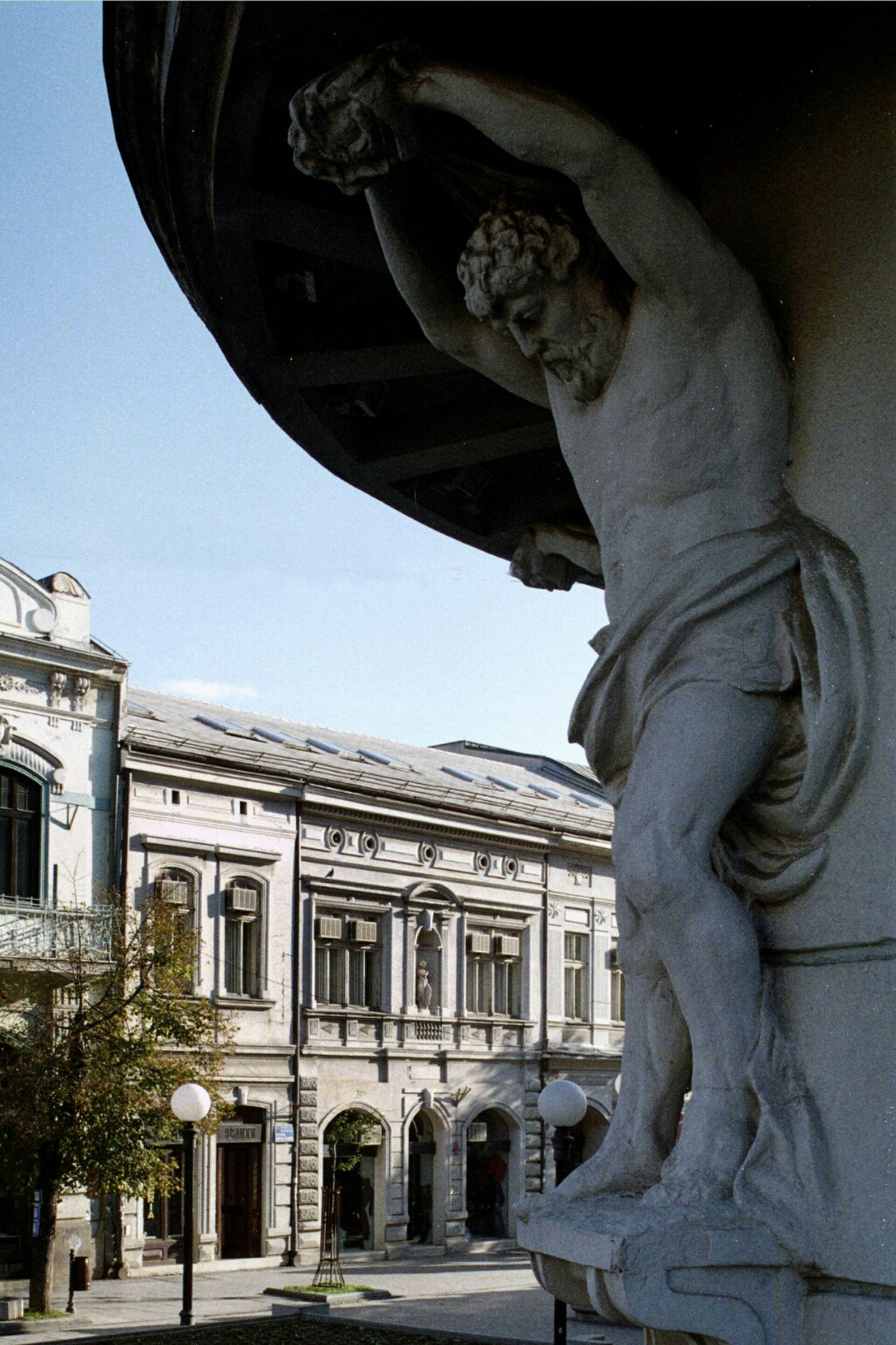
Stone Fountain Statue
A stone figure stands under a dark fountain canopy in central Kragujevac, with ornate historic façades behind it
Kragujevac sits in central Serbia, about 130 km south of Belgrade — a 1h 35m drive on the A1 motorway, or roughly a 2-hour intercity bus ride. Belgrade Nikola Tesla airport (BEG) is 128 km north, about 2 hours by car. Niš is 110 km to the southeast, and the nearby Šumadija and Western Serbia hubs of Kraljevo (50 km) and Čačak (48 km) are both under an hour away, which makes Kragujevac a practical mid-Serbia stop between Belgrade and the southern routes.
The main public-transport link is the Belgrade ↔ Kragujevac bus from Beograd Autobuska Stanica, with departures roughly every half hour through the day. Additional intercity buses connect Kraljevo, Čačak, Niš, and other regional towns to the main bus station in Kragujevac, which is the easiest arrival point if you are not driving. Direct trains to Belgrade are not recommended — the route requires a change at Lapovo and takes around 4 hours, so the bus is the better choice.
From the main bus station, the city center is a short walk: from Trg Radomira Putnika, head north for about 15 minutes to reach the cathedral and the pedestrian streets. Šumarice Memorial Park sits a few kilometers out, a 10-minute taxi ride from the center for roughly 400–700 RSD, or reachable by city buses serving the Šumarice line — check current line numbers at the main bus station, as routes are updated more often than the landmarks. Parking is generally easier near the memorial park than in the narrowest center streets.
Go in the morning if you want quieter time at Šumarice and a slower walk through the city center. Late afternoon works well for cafés and the cathedral area, while the memorial park is also comfortable in the evening during warmer months.
Weekdays are calmer than weekends, and autumn is especially suitable for the memorial landscape. If you want to visit the Museum 21 October or go to a cultural event such as the Light Art Festival, check dates in advance and avoid assuming same-day availability.
Kragujevac is not a resort city; it is an inland working city with a strong historical center of gravity. Dress is casual in the streets and cafés, but modest clothing is sensible if you enter churches or memorial spaces. The memorial park is mostly flat and suitable for families, strollers, and relaxed walking, though the historical content makes it more reflective than playful.
Bring water in warmer months, comfortable shoes, and enough time to move between the center and Šumarice. Most central areas are walkable, but the museum and memorial park are better with a short taxi or bus ride if you are on a tight schedule.
The old center is where Kragujevac feels most legible on foot: compact streets, civic buildings, cafés, and the cathedral area are close enough for a short walking loop. You do not need a long itinerary here. The point is to read the city through its public spaces, then use a second stop for the memorial park.
If you are connecting Kragujevac with the rest of Šumadija, the city fits naturally into the same route as other places in Šumadija, especially if you are already planning Topola and Oplenac.
Saint George Cathedral is one of the easiest landmark stops in the center, especially if you are already walking between the main square and nearby streets. It gives the city a clear spiritual and architectural anchor without requiring a long visit.
The exterior and the immediate square area are the main reasons to stop, though services and interior access depend on the day and religious calendar.
Visitors often arrive for the park and only then realize how deeply the 1941 events shape the city’s public life. School groups, official ceremonies, and quiet individual visits all happen in the same landscape, which is why Šumarice feels more like a civic site than a recreational park.
That balance between everyday use and remembrance is the defining part of a first visit to Kragujevac.
Topola is the easiest history-focused side trip from Kragujevac. It gives context for the Karađorđević legacy and the wider Šumadija story.
From Kragujevac, it works well as a half-day trip by car or organized taxi.
The Church of Saint George on Oplenac is the main reason to go, with mosaics and the royal family tombs drawing most visitors.
Combine it with Topola so you do not split the same historical theme across separate days.
Kragujevac sits in central Šumadija, about an easy road trip south of Belgrade and west of Topola.
These are the places most visitors use to understand the city, move through the center, and connect Šumarice with the old core.
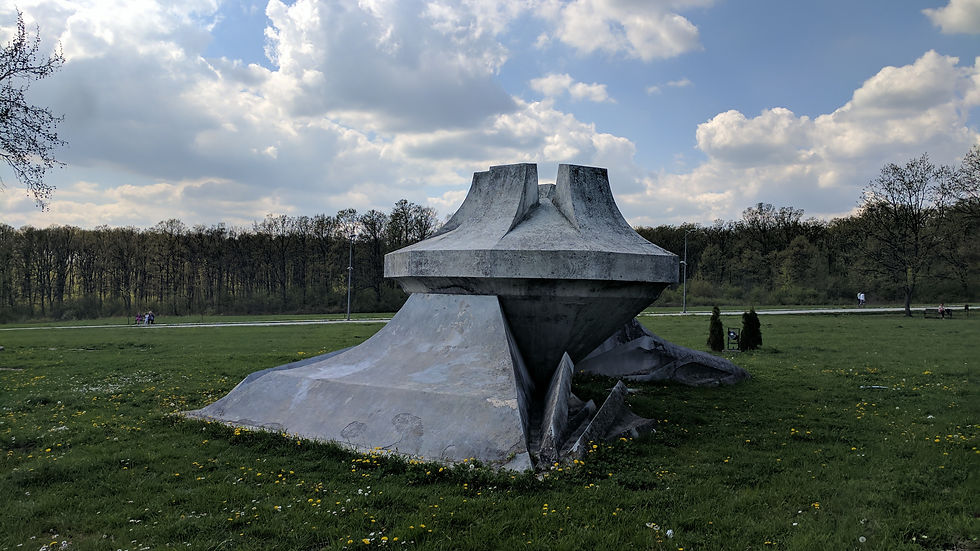
Šumarice Memorial Park
The main memorial landscape in Kragujevac, with monuments, lawns, and walking routes linked to the events of 1941.
A large memorial-park complex where people walk, cycle, and visit commemorative sites spread across the area.
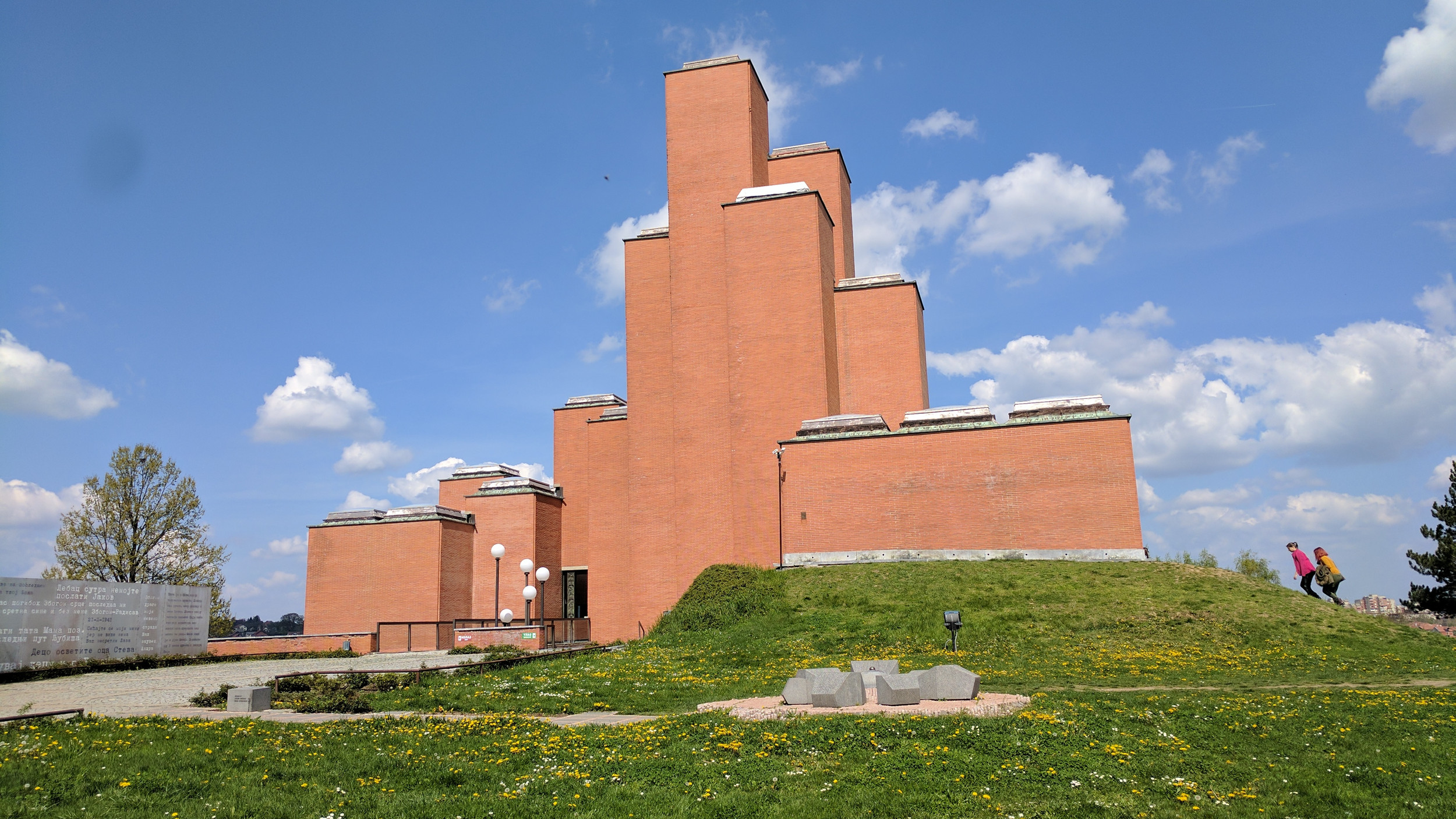
Museum 21 October
The museum that interprets the October 1941 tragedy through exhibitions and documents.
Best for understanding the historical context before or after walking the memorial park.
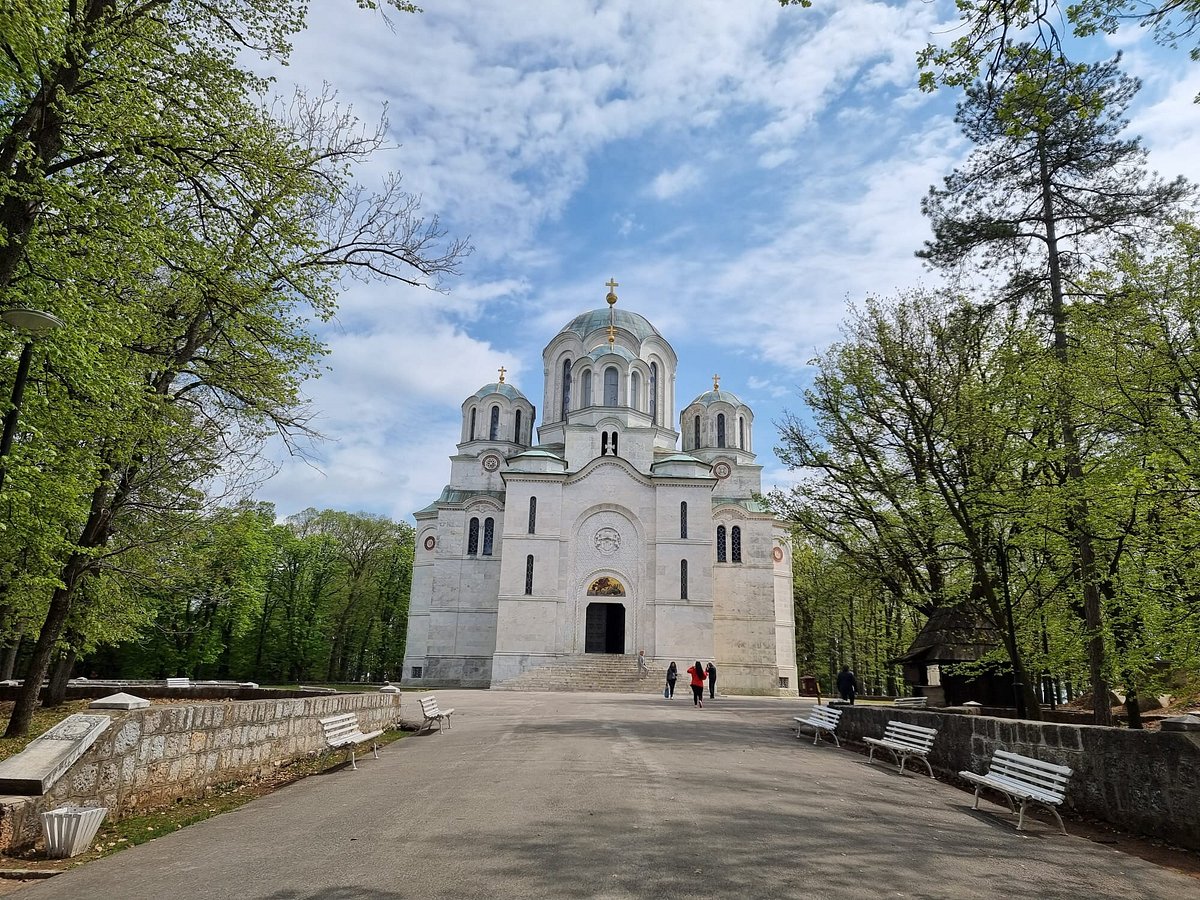
Saint George Cathedral
The main Orthodox cathedral in the city center.
A landmark for a short stop while walking the old core and nearby pedestrian streets.
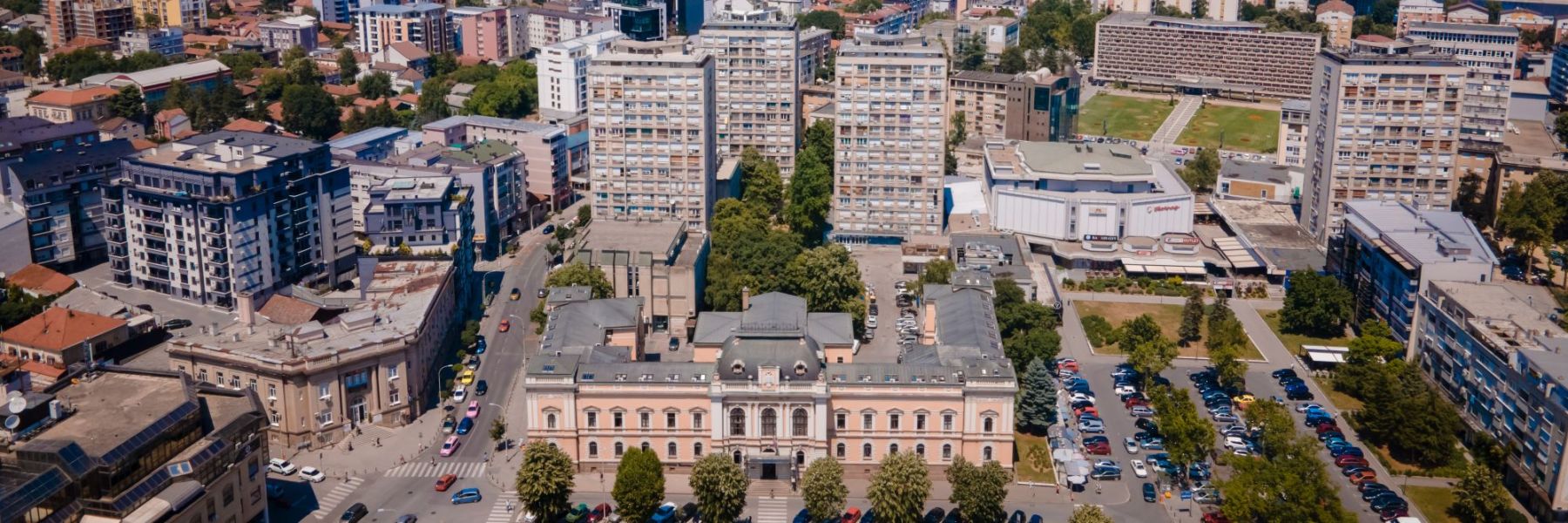
Old Kragujevac / Stara varoš
The older central streets around the civic core.
Useful for cafés, short walks, and reading the city’s 19th- and early 20th-century layer.
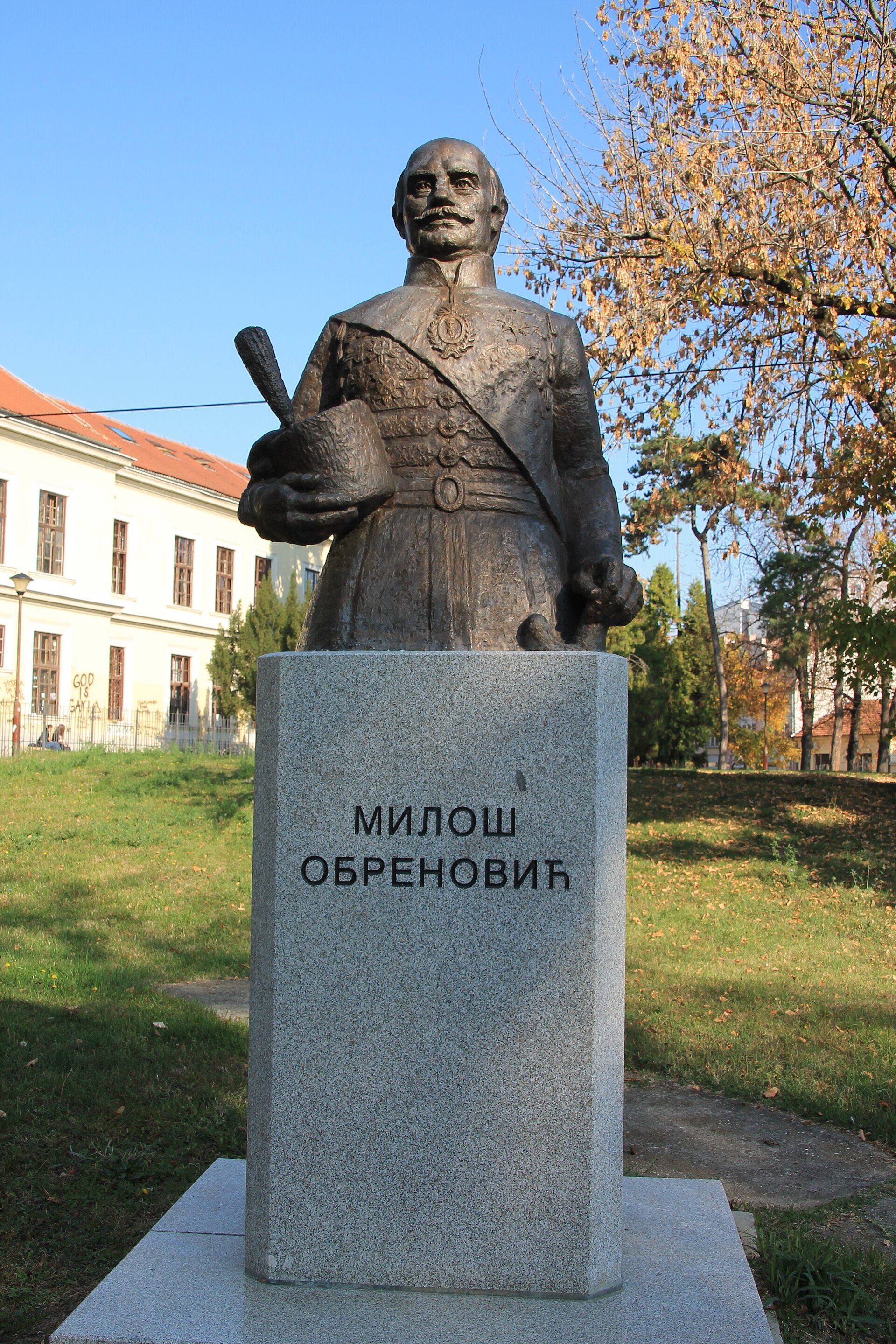
Kragujevac National Museum
Regional museum covering archaeology, history, and local identity.
A practical indoor stop when you want context for the city beyond the memorial park.
Second Kragujevac Gymnasium
Historic school building tied to education and the city’s civic life.
Worth a quick exterior look while moving through the center.
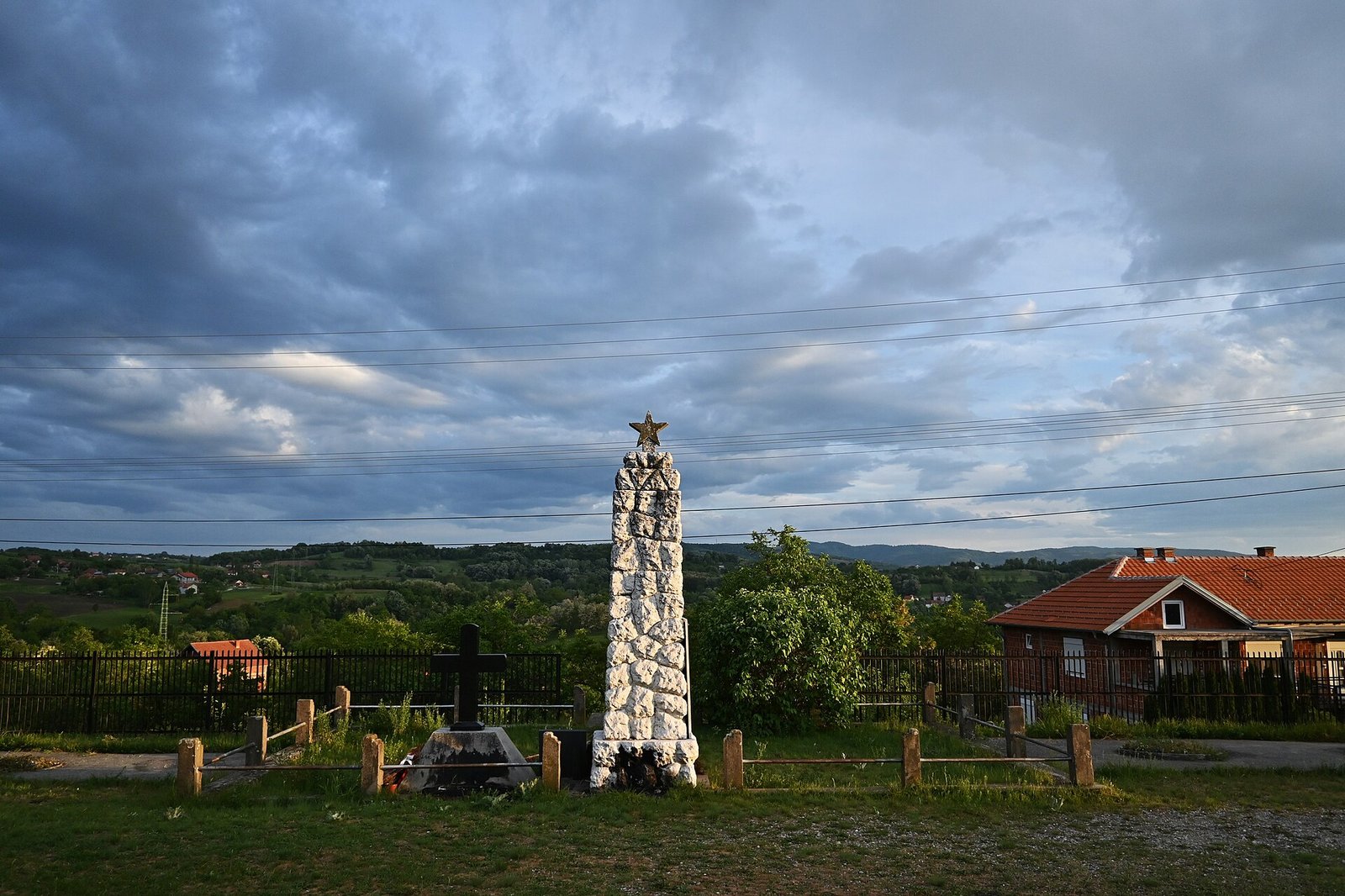
Stone memorial cross
A stone memorial cross stands in a fenced yard overlooking rolling hills near Kragujevac
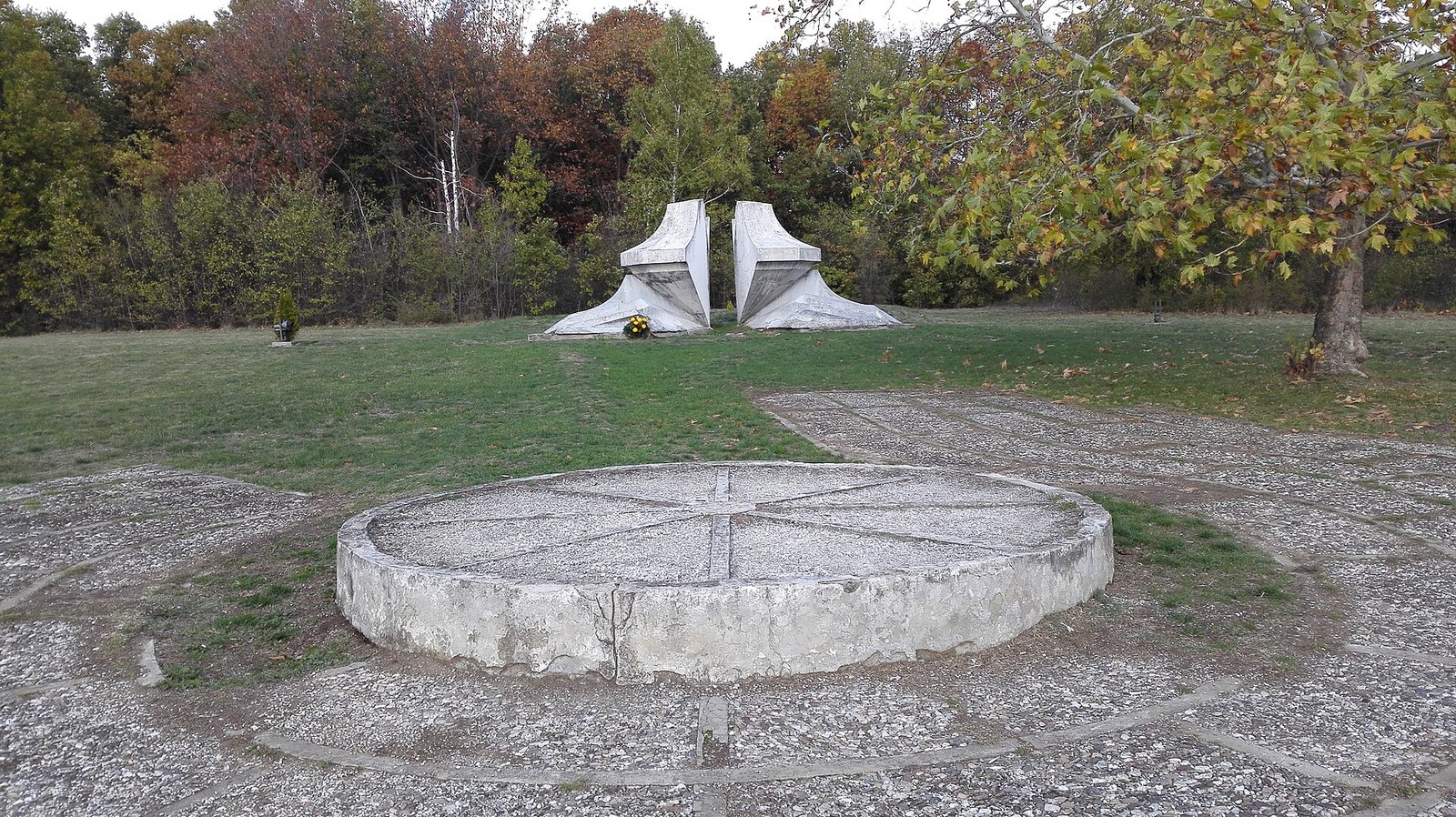
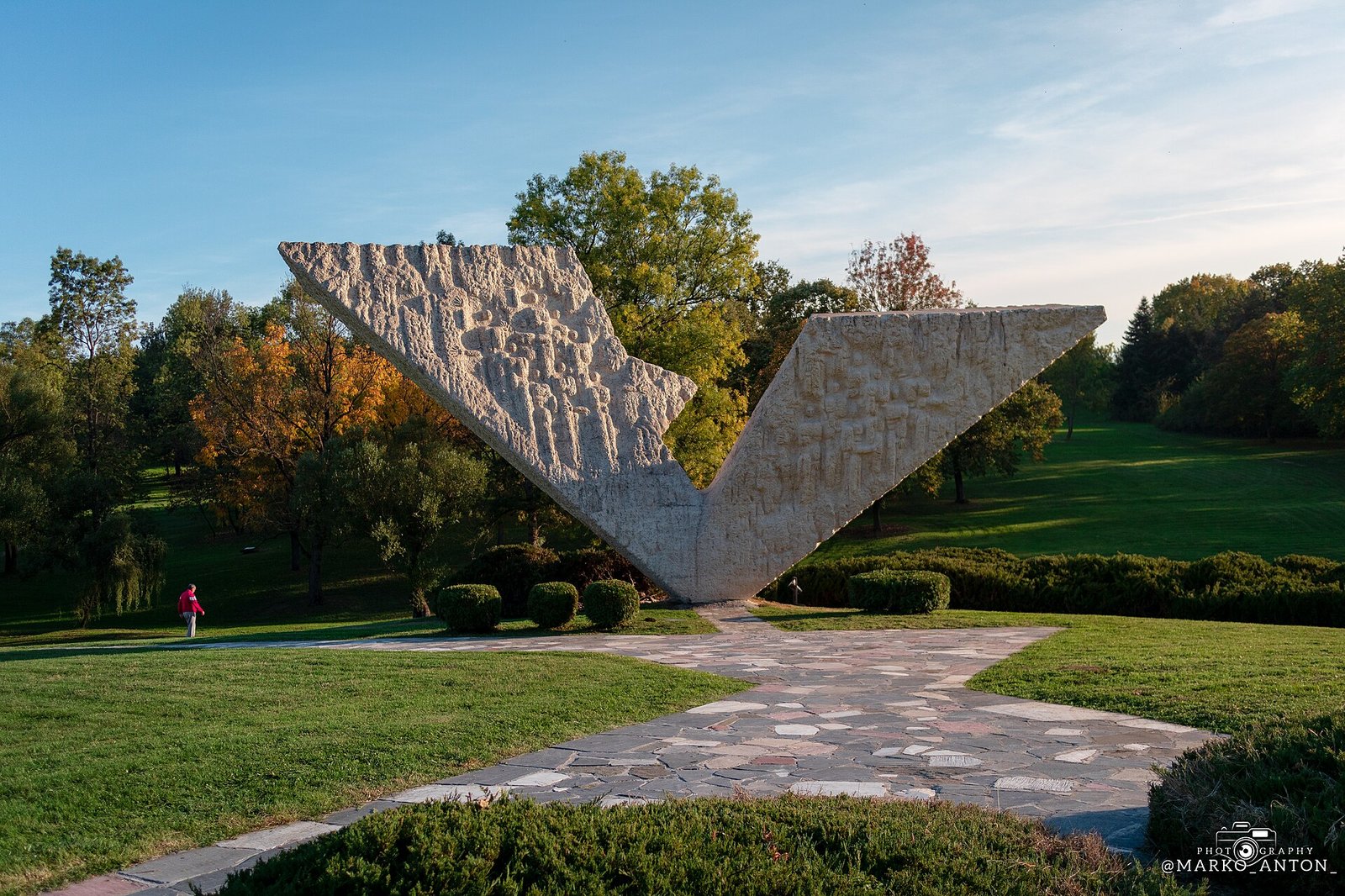
Abstract memorial sculpture
A concrete memorial sculpture stands in a wooded park in Kragujevac, surrounded by grass and stone paths
Abstract Stone Monument
A large abstract stone monument stands in a grassy park setting in Kragujevac, surrounded by trees and paved walkways
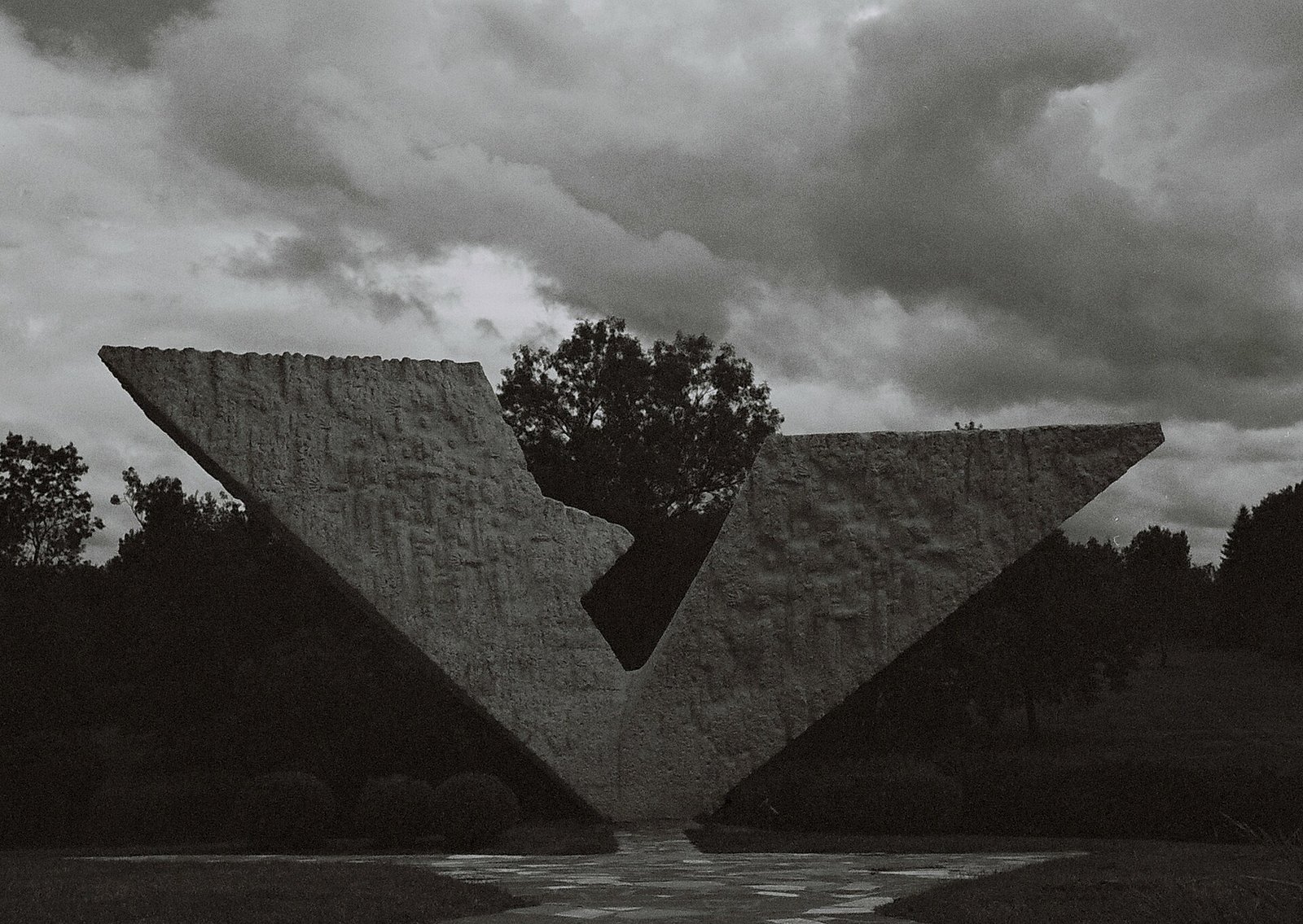
Abstract concrete monument
A stark abstract concrete monument rises against stormy clouds in Kragujevac’s memorial park setting
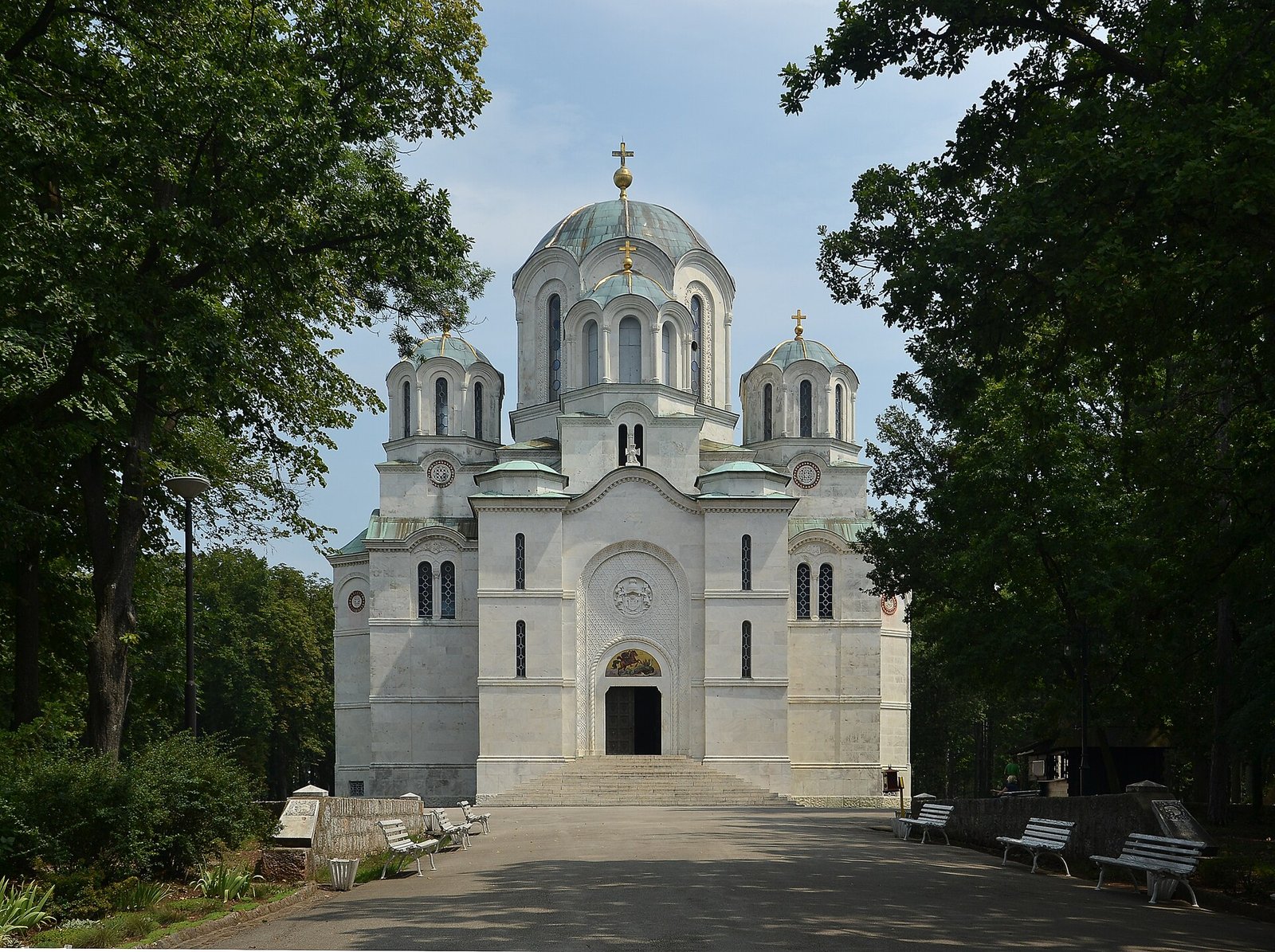
Orthodox Church Facade
A white Orthodox church with domes rises among trees in Kragujevac, with a paved approach and benches nearby
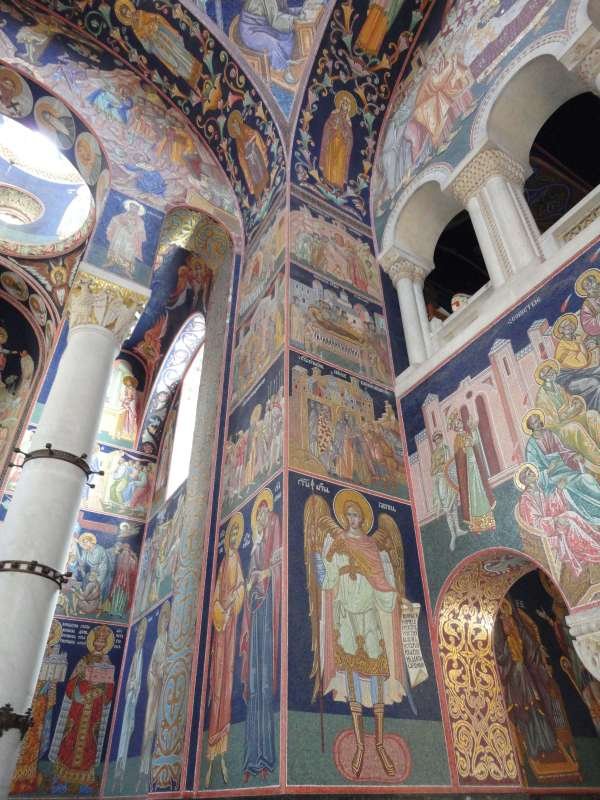
Frescoed Church Interior
Colorful Orthodox frescoes cover the vaulted interior of a church in Kragujevac
Central Kragujevac, Šumadija, Serbia
Trg Radomira Putnika and Šumarice Memorial Park
Memorial Park Šumarice and modern Serbian history
€–€€
Morning for Šumarice; late afternoon for the center
Only for some museum visits and events
The Light Art Festival brings projections, installations, and evening programming into the city center. It is strongest when you already know the streets around the main square and can move between venues on foot. Dates change from year to year, so it is worth checking the program before booking an evening in the city.
Shops and cafés in the center usually keep normal weekday hours, but some museum and memorial-site openings are shorter. If you want both Šumarice and the old center in one day, start early and leave the museum for the middle of the day.
A focused visit needs half a day for Šumarice and the center. If you want the museum, cathedral, and a calm lunch, plan a full day.
Yes, but a taxi or local bus saves time. The park is larger than the city-center streets, so expect some movement between memorial points.
Yes for the park, walking, and museums, though the memorial history is serious. It suits families who want context and open space more than nightlife.
Yes. It is a natural half-day or full-day extension if you leave early and travel by car or taxi.
The program changes each year, so check current dates before you travel. Evening visits work best because the installations are designed for darker hours.
Yes. One day is enough for Šumarice, the cathedral, and a short center walk without rushing too hard.
Start at Šumarice if the memorial park is your main goal, or at the city center if you want cafés, the cathedral, and the museum first.
A walk through the center or a festival visit if the Light Art Festival is running. Otherwise the city is calmer at night than Belgrade.
Pair the memorial park, the old center, and a half-day trip to Topola and Oplenac for the clearest first visit.
Stay connected in Serbia