Danube city guide

Uncovering the Secrets of Smederevo

A practical guide to Smederevo’s fortress, riverside walks, nearby archaeological sites, and the day trips that fit neatly into a visit on the Danube.

Why Smederevo works for a short trip

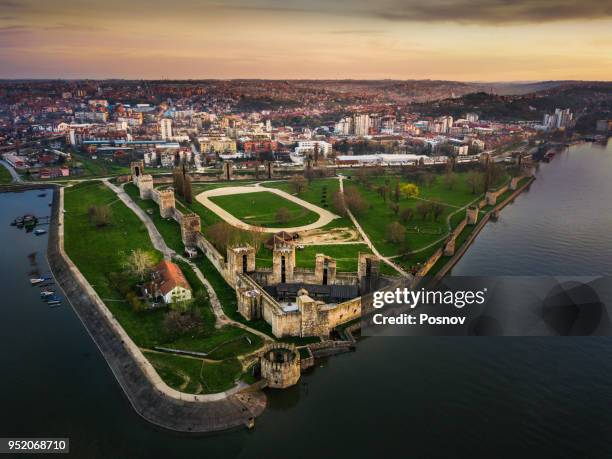
Smederevo is the first major stop east of Belgrade along the Danube, and the most populated city in this section of the river with around 59,000 residents in the city proper and 98,000 in the wider municipality. Its main draw is the fortress, completed between 1428 and 1459 by the Serbian despot Đurađ Branković — the last large-scale work of medieval Serbian military architecture.

Drawing on Matthias Pasler's Reise-Taschenbuch Serbien, Smederevo is a city with genuine historical substance but limited tourism infrastructure, and that gap creates both its limitations and its appeal. The fortress is freely accessible at all hours and integrated into daily life, with joggers, dog-walkers, and summer film screenings sharing the medieval walls. The Danube waterfront has its own slower rhythm.

The steel plant in the nearby village of Radinac — operated by US, Serbian, and now Chinese interests despite the sign reading "Serbian pride" on its facade — sits only 8 km from the centre and contributes to notable air pollution, a tradeoff that shapes the city's character.

Smederevo at a glance

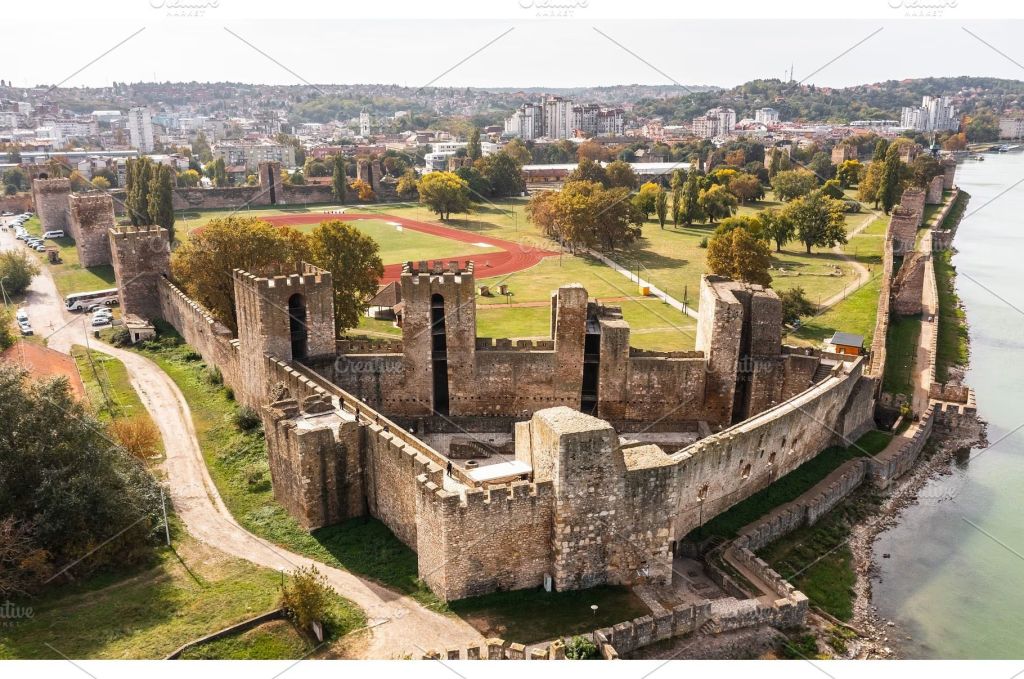
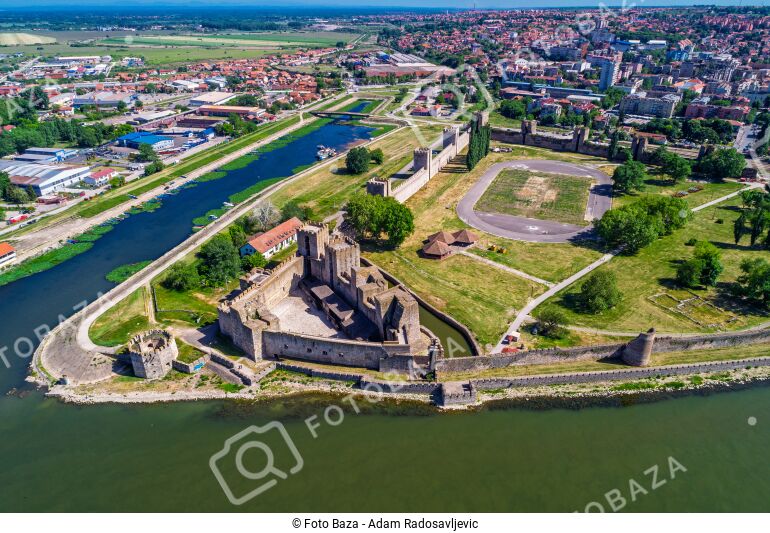
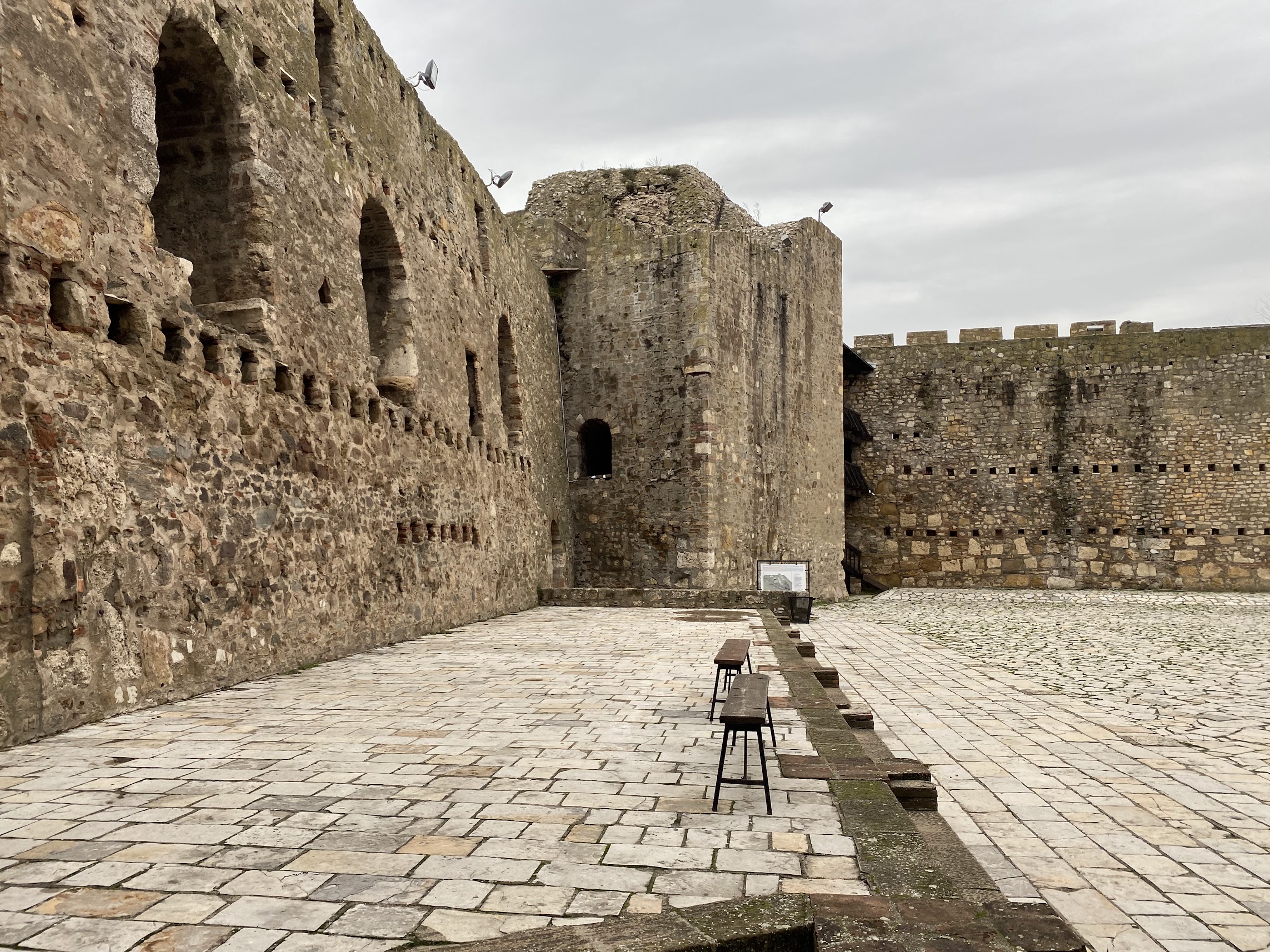
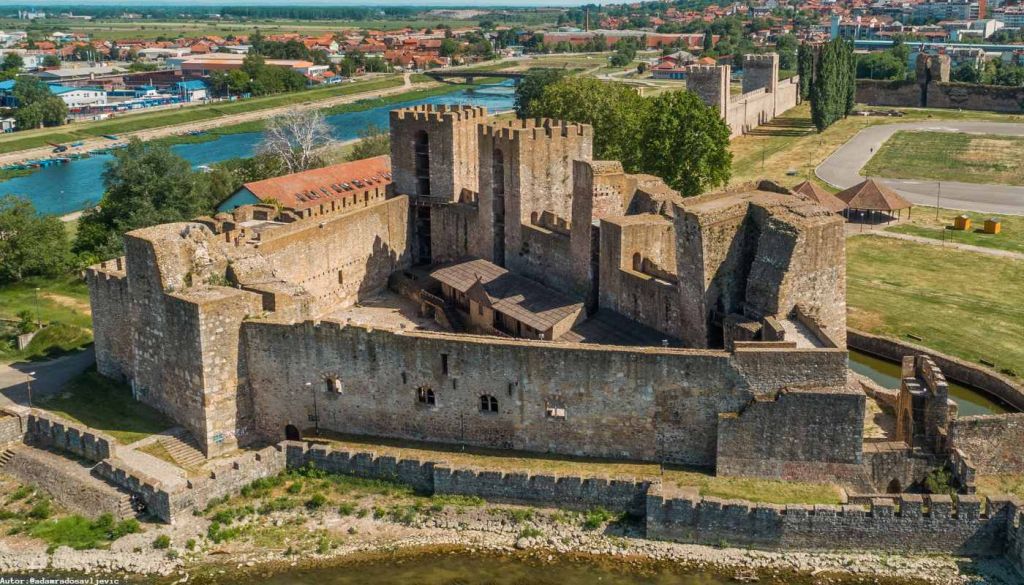
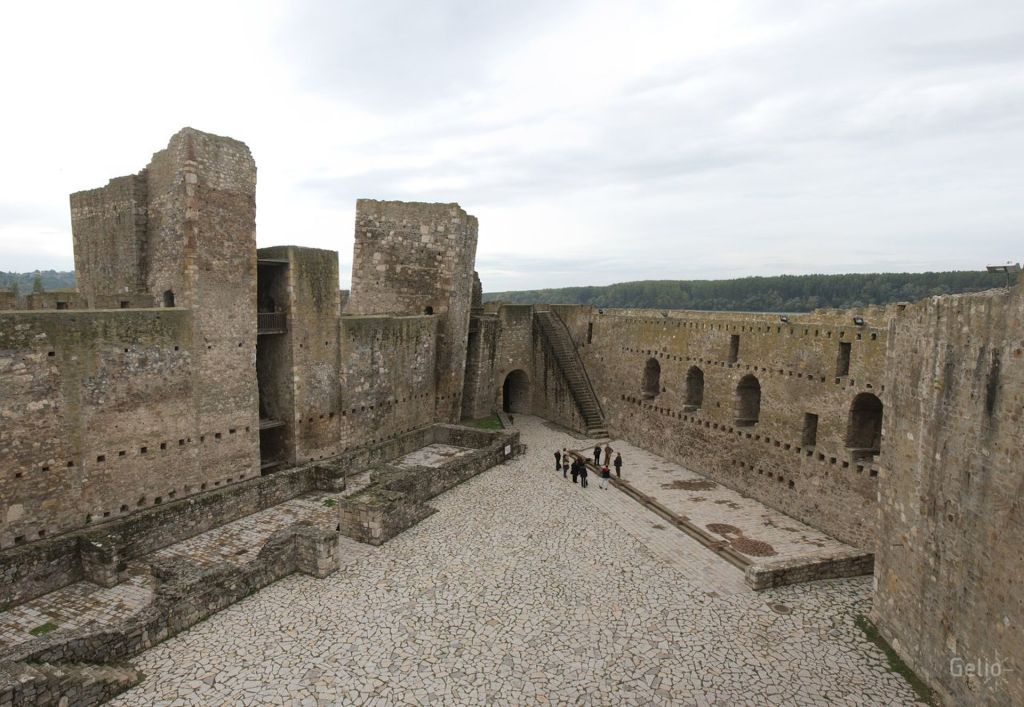
The city sits on the right bank of the Danube, roughly one to two hours by bus from Belgrade. Its triangular fortress was built after the model of Constantinople, beginning with the inner castle and then adding the Great Wall outer enclosure by 1459. The fortress's 25 towers were built without cannon openings — the design anticipated cold-weapon combat, and the Ottomans added only three artillery towers around 1480, the sole significant modification to the structure across its centuries of use.

Beyond the fortress, the city centre is organised around Trg Republike, which was itself built on a triangular plan echoing the fortress geometry. The Church of Saint George the Great Martyr has dominated the square since 1854. The wine market (Vinski Grad), a collection of stalls built into centuries-old wine barrels, sells wines from local estates.

Historical sites that shape a visit

The fortress (Smederevska tvrđava) is the primary site. Built between 1428 and 1430 as the first stage, it was completed with the outer wall by 1459. The building stone came from Roman and ancient sites in the surrounding area, including Viminacium and Mons Aureus, without great concern for historical preservation — sarcophagi and sculptural fragments were used as raw material. The fortress survived largely intact until the twentieth century; the greatest damage came from the Second World War, including a large explosion in June 1941.

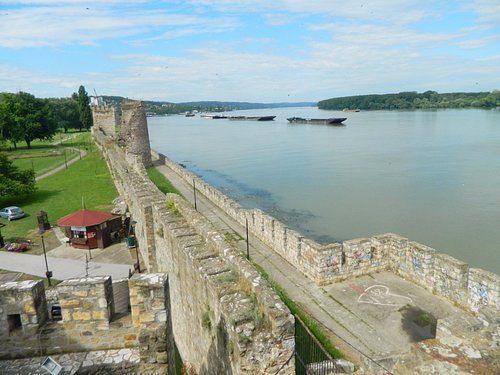
Like Kalemegdan in Belgrade, the fortress is open around the clock and free to enter at ground level. Climbing to the walls costs a small fee and offers views over the park, the river, and the surrounding countryside. Pasler notes a persistent legend that Despot Đurađ — under whose reign Serbian mines produced 30 tonnes of gold annually — hid a treasure in the fortress to keep it from Ottoman hands. Not all the underground tunnels have been fully explored.

The Trg Republike and its wine market are worth a short detour. The Kralja Petra I street between the Danube and the square has the highest concentration of bars and cafés for an evening stop.

Places to pair with Smederevo

These are the stops that fit naturally into a Smederevo visit or a wider Danube itinerary.

Smederevo Fortress walls above the Danube in Serbia

Smederevo Fortress

The city’s historical anchor and the clearest place to read the old defensive role of the town.

Start here for the city’s main historic character. The fortress gives context to the streets, the river, and the way Smederevo grew along the Danube.

  • Fortification history, River setting, Easy first stop
Quiet riverside scenery near Šalinac in Serbia

Šalinac

A useful local stop for travelers who want to expand beyond the main fortress area.

Šalinac belongs on a Smederevo day when you want a quieter contrast to the city center. It helps you see how the wider area around the Danube supports shorter outings.

  • Local side trip, Low-key pace, Good for half-day planning
Archaeological remains at Viminacium in eastern Serbia

Viminacium

A Roman-era heritage stop that pairs well with Smederevo’s medieval story.

Viminacium adds depth to a Danube route because it brings the Roman period into the same itinerary. It works especially well for travelers who want one day to show several historical layers.

  • Roman archaeology, Danube corridor, Pairs with fortress towns
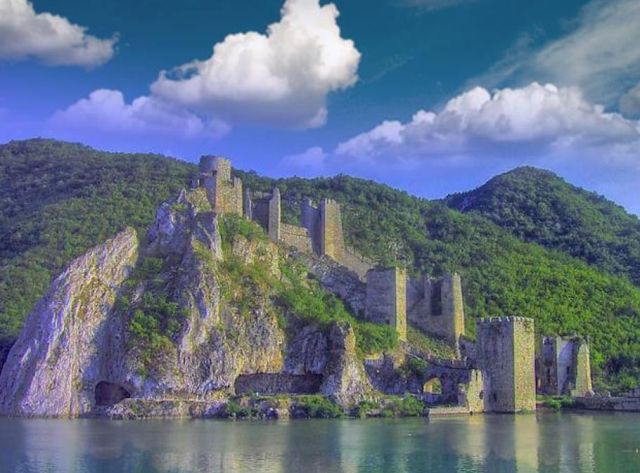
Danube fortress landscape at Ram or Golubac in Serbia

Ram and Golubac

Two Danube strongholds that extend the trip east and give the river journey more structure.

Ram and Golubac sit naturally in the same travel conversation as Smederevo. They are the places to add when you want the Danube to stay central in your itinerary.

  • Danube forts, Scenic road trip, Easy heritage pairing

The Danube gives the city its rhythm

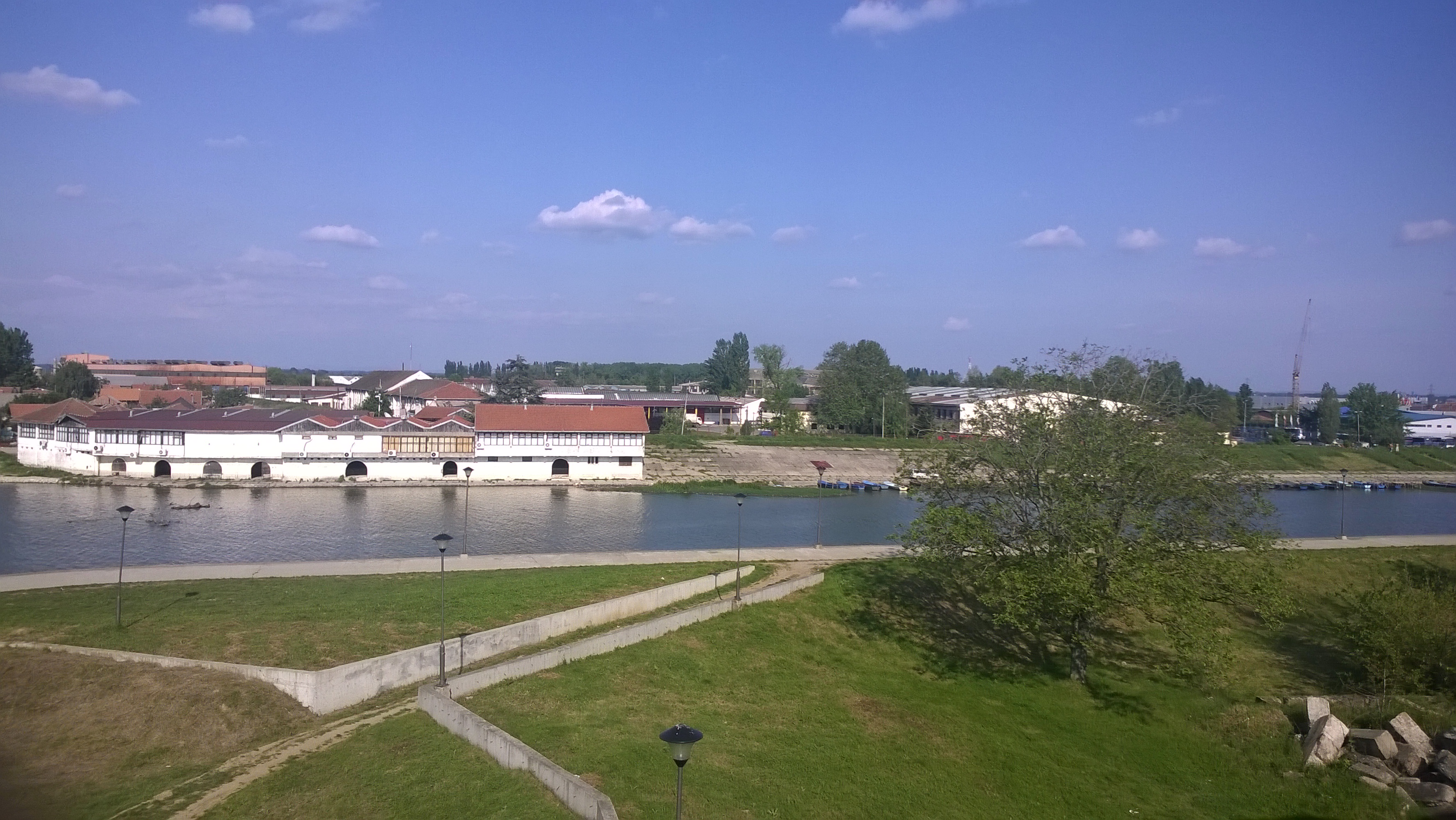
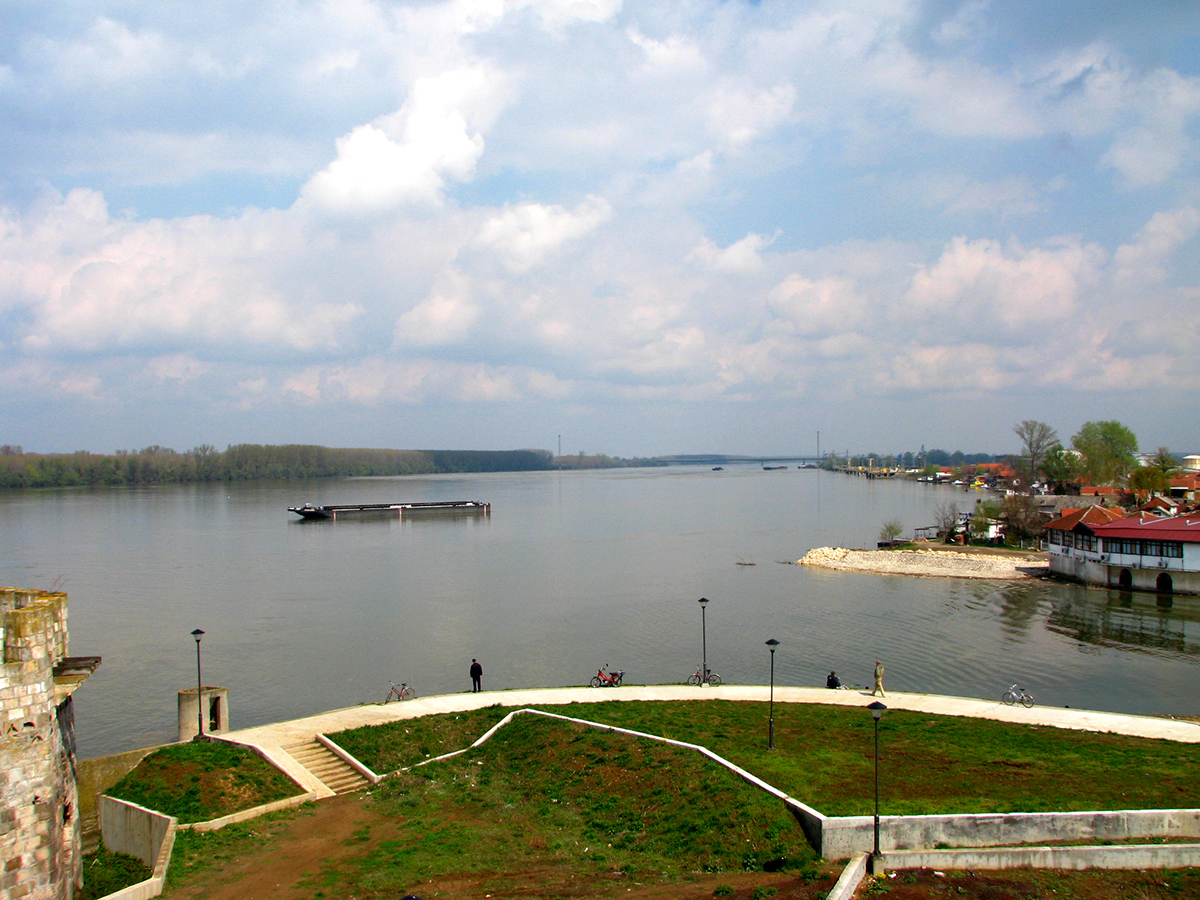
The Dunavski kej — the Danube quay — is where the city's daily life centres in the evenings. Old brick townhouses that once held craft workshops and shops line the waterfront, and Pasler describes the potential for transformation into the sort of animated waterfront spaces that exist in other river cities, while noting that investment and interest have not yet caught up with the opportunity. Floating party boats (splavs) moor on the quay for those who want an evening on the water.

The summer open-air cinema Patosinema runs film events inside the fortress walls from June through August. The Smederevska Jesen (Smederevo Autumn) wine harvest festival in early September draws on a winemaking tradition in the region going back around 2,000 years, with theatre, concerts, and folklore around the Trg Republike.

How to spend a day around Smederevo

Half-day inside the city

Start with the fortress area, then keep walking toward the river. Leave time for coffee and a slow lunch so the visit feels like a proper stop rather than a transit break.

Full day on the Danube

Combine Smederevo with Šalinac or Viminacium, depending on whether you want a quieter local detour or a stronger archaeological focus. If you have more time, add Ram or Golubac and let the river set the pace.

Where Smederevo fits in a broader Serbia trip

Smederevo is most naturally combined with other Danube sites. Viminacium, about 30 minutes by car to the east, is an extensively excavated Roman city that once held 30,000 residents and was a major legions headquarters; it hosted the conference where Constantine the Great's sons divided the empire after his death. Golubac fortress, further east along the Danube, was extensively restored with EU funds and reopened in 2019. Ram fortress, on the same road, was financed for renovation by Turkey as part of Ottoman heritage preservation. Belgrad is the most practical base if you want to make Smederevo a day trip.

Quick facts for Smederevo

Setting

Danube city in Serbia

Useful base

Smederevo for the city, Belgrade for a wider arrival point

Good pairings

Šalinac, Viminacium, Ram, Golubac

Route context

Part of the Danube corridor in eastern Serbia

Best mood

Fortress walks, riverside time, slower afternoons

Neighboring links

/serbia and /vojvodina for wider Serbia planning

A practical way to plan the trip

Smederevo is well connected to Belgrade by bus — close enough for a day trip or a short overnight stay. Bus is the main option east along the Danube from here; train connections are limited to the local area. The city is a logical first stop on a Danube itinerary heading east toward Ram, Golubac, Viminacium, and eventually the Đerdap gorge.

Frequently asked questions about Smederevo

Is Smederevo easy to combine with Belgrade?

Yes. It works well as a day trip or overnight extension from Belgrade, especially if you want a Danube-focused change of pace without a long transfer.

What should I prioritize on a first visit?

Begin with the fortress area, then spend time by the river. If you have more time, add Šalinac or plan a heritage loop with Viminacium, Ram, or Golubac.

How does Smederevo fit into a Serbia itinerary?

It belongs on the Danube corridor and pairs naturally with river and heritage travel. That makes it a useful stop between Belgrade and the eastern Danube sites.

Can I build a history-focused trip from here?

Yes. The city connects well with Roman sites, fortress towns, and the broader Danube landscape, so you can keep the whole trip tied to one historical theme.

Continue planning your Serbia route

Use Smederevo as a calm Danube stop, then continue east or return to Belgrade depending on the shape of your trip.

Explore the Serbia travel guide