Belgrade Travel Guide | Belgrade & Top Attractions
A complete city overview for first-time visitors.

Kalemegdan is Belgrade's most significant historic site, a fortress and park complex at the western edge of the old city where the Sava and Danube rivers meet. Its foundations date to the fourth century BC, and the site was built and rebuilt by Romans, Byzantines, medieval Serbian rulers, Hungarians, and Ottomans before passing into Serbian hands in the nineteenth century.
The complex spans an upper and lower town. The upper fortress contains the park where locals gather at the ramparts each evening, alongside monuments, a military museum, an Ottoman turbe, the Sahat clock tower, and the Roman Well, which has collected its own remarkable set of legends over the centuries.
Last checked: 2026-05-27. For corrections, contact us.
The fortress reached the end of Knez Mihailova, Belgrade's main pedestrian street, and has served as the city's historic core for over two thousand years. The site's layered construction reflects Belgrade's position as a repeatedly contested frontier city: Roman, Byzantine, medieval Serbian, Hungarian, and Ottoman rulers each left their mark on the walls, towers, and gates.
Despotic Stefan Lazarević made Belgrade the Serbian capital for the first time in 1405, and the upper fortress was the centre of that medieval court. Today a bronze statue of Lazarević stands in the park, alongside roughly twenty busts of notable Serbs from the arts, sciences, and politics placed along the secondary paths.
The park itself hosts concerts and open-air exhibitions, illustrating how the city integrates its history with contemporary life. Outdoor exhibitions frequently appear along the western terraces facing the rivers, where changing shows share space with the permanent stone ramparts.
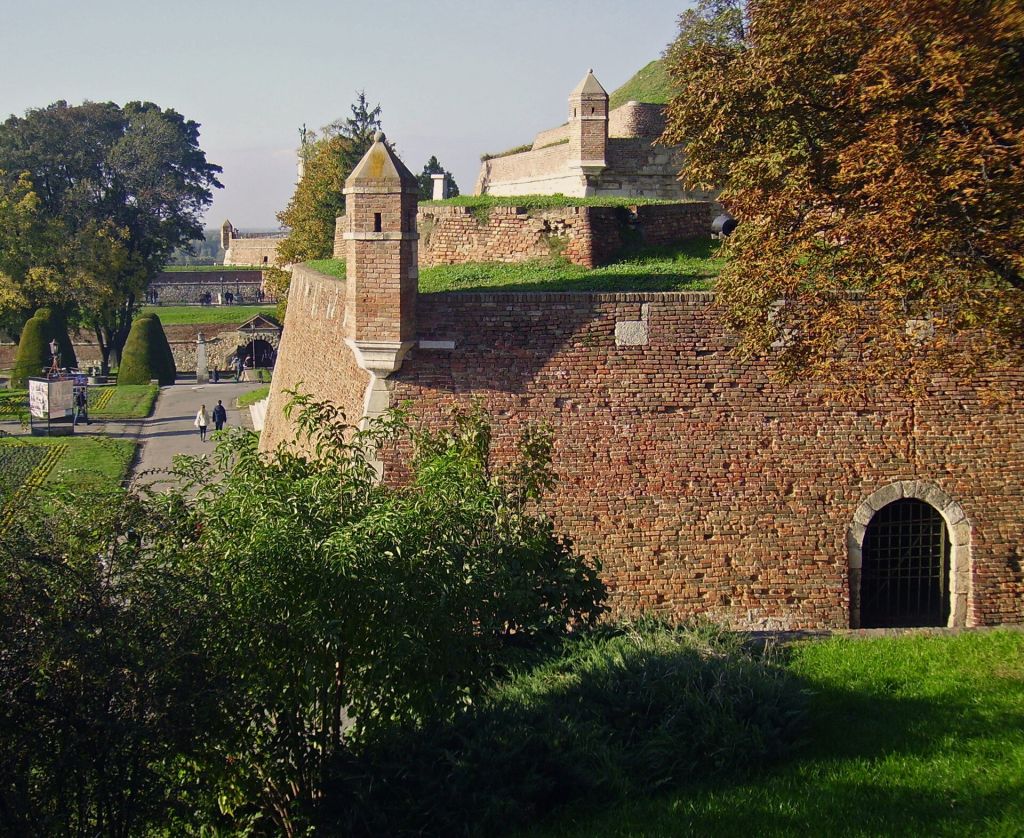
The fortress area is large and divided into several distinct zones. The upper fortress contains the main park, monuments, and museums. The lower fortress at the riverbank and the Nebojša Tower — partially excavated only in the early 2020s — are more recently accessible. Some areas involve uneven stone paths and gentle climbs between levels.
The same walls once attracted large impromptu crowds when international artists played concerts on the meadows below, though the city closed off that access in 2014.
Underground, the fortress holds a 1950s military bunker, a vaulted space that served as the Barutana club in the 1990s, and the Roman Well, around which several legends circulate — including the story that the Nazis sent three divers into the well to find rumoured Yugoslav gold, and none returned.
The most direct approach is on foot from the far end of Knez Mihailova, Belgrade's pedestrian street. This route brings you in through the upper fortress area and toward the Victor monument and river viewpoints. A calmer alternative is to approach from the riverside and ascend through the park.
The Military Museum, the Sahat clock tower, and several indoor spaces have restricted opening hours, so verify times before planning indoor stops. The fortress grounds themselves are open around the clock and admission is free, while internal attractions are ticketed individually or via a combination ticket. The Rose Church (Rose Church) in the northern part of the complex, originally a powder magazine and later fitted with a bell tower and chandeliers made from weapons and ammunition, is worth including in any circuit.
For the underground areas and the Nebojša Tower, check current access arrangements as these spaces have been partially in redevelopment.
Kalemegdan connects directly to the rest of the old city. Walking back down Knez Mihailova takes you past the Academy of Sciences and Arts and on to Republic Square. The bohemian quarter of Skadarlija is a short walk from the square and makes a natural evening follow-on from an afternoon at the fortress.
To the west, the Belgrade Waterfront development and the Save riverside promenade are accessible on foot. Zemun, the former Austro-Hungarian town now within the city limits, is reachable by bus or taxi and offers the Gardoš Tower and its own riverside walk along the Danube.
Use the map to orient yourself around the fortress park, the upper walls, and the main approaches from the city center.
These sites within or adjacent to the fortress help structure a visit to Kalemegdan.
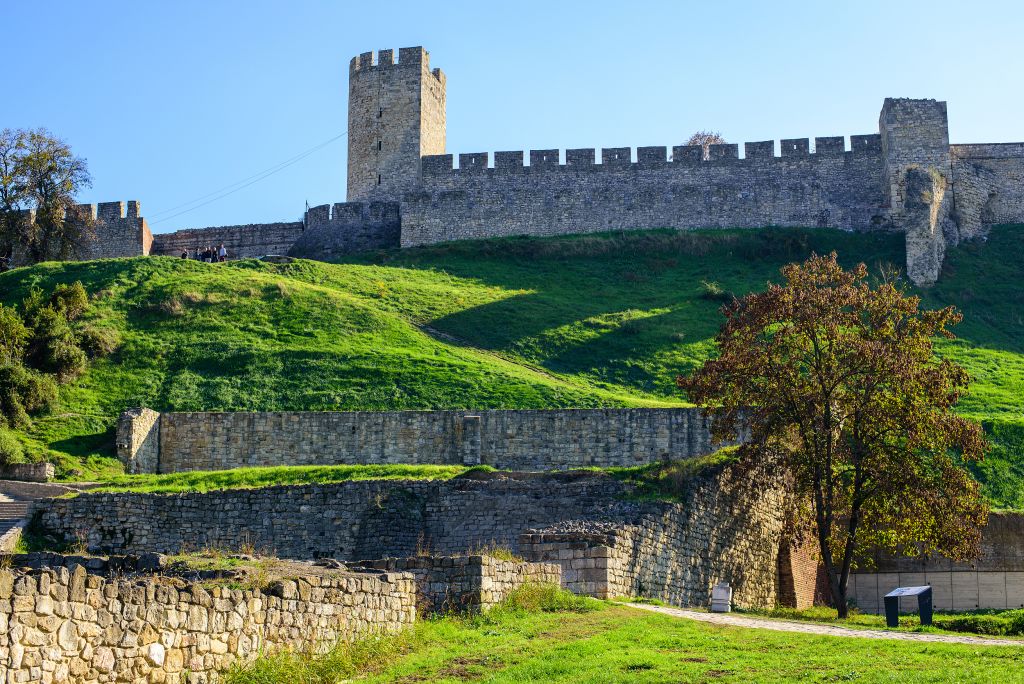
Upper Fortress walls
Walk the defensive edges for wide city and river views.
The upper section is the most scenic area for first-time visitors and the easiest place to understand the fortress layout.
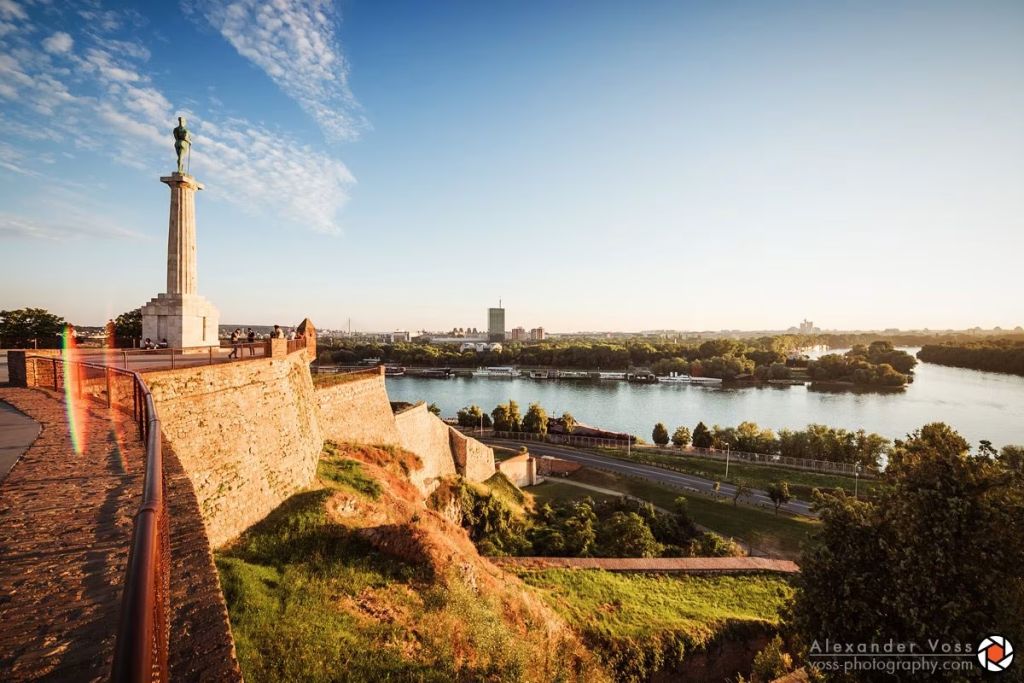
Victor monument viewpoint
The classic Belgrade skyline photo spot.
One of the city’s most recognizable monuments, with a dramatic angle over the rivers and the opposite bank.
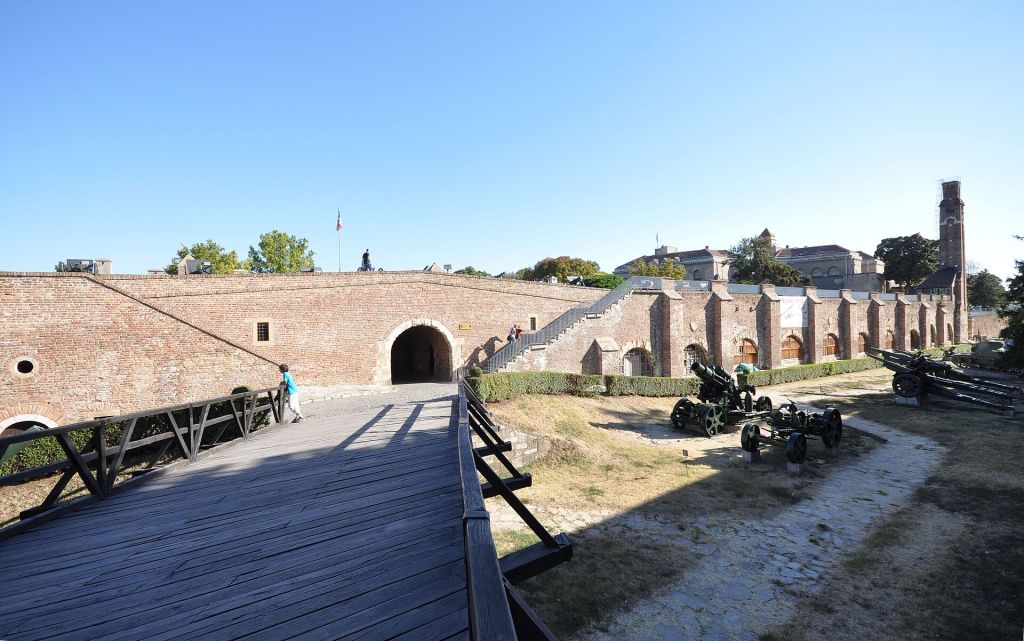
Military Museum
A compact museum stop inside the fortress.
Good if you want deeper context on the site’s long military history and the strategic role of Belgrade.
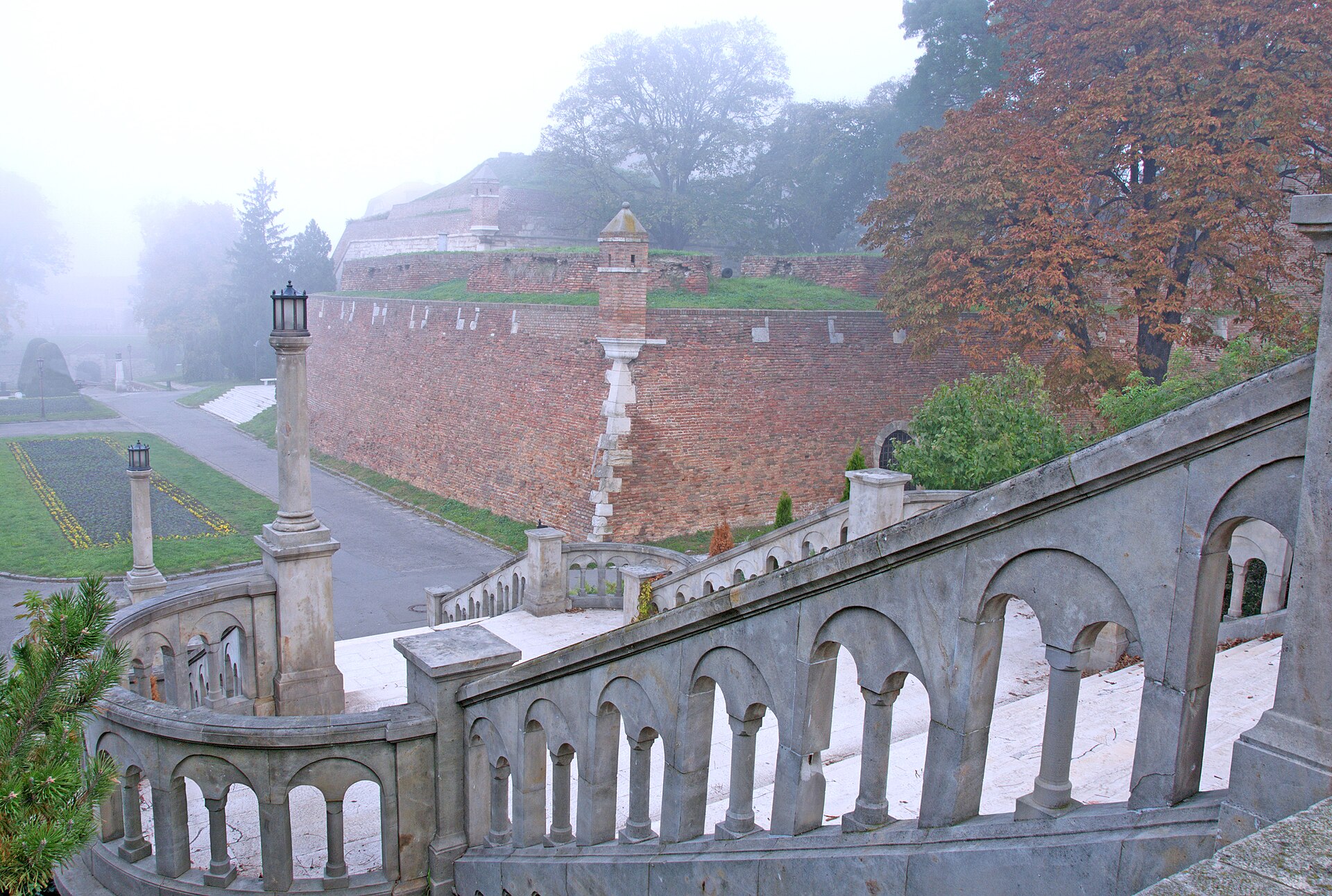
Kalemegdan Park, Belgrade
Kalemegdan Park, Belgrade — nature & attractions
Kalemegdan Park is Belgrade’s main fortress park, wrapping around the historic citadel with open lawns, tree-lined paths, monuments, and long-range views toward the Sava and Danube. Visitors come...
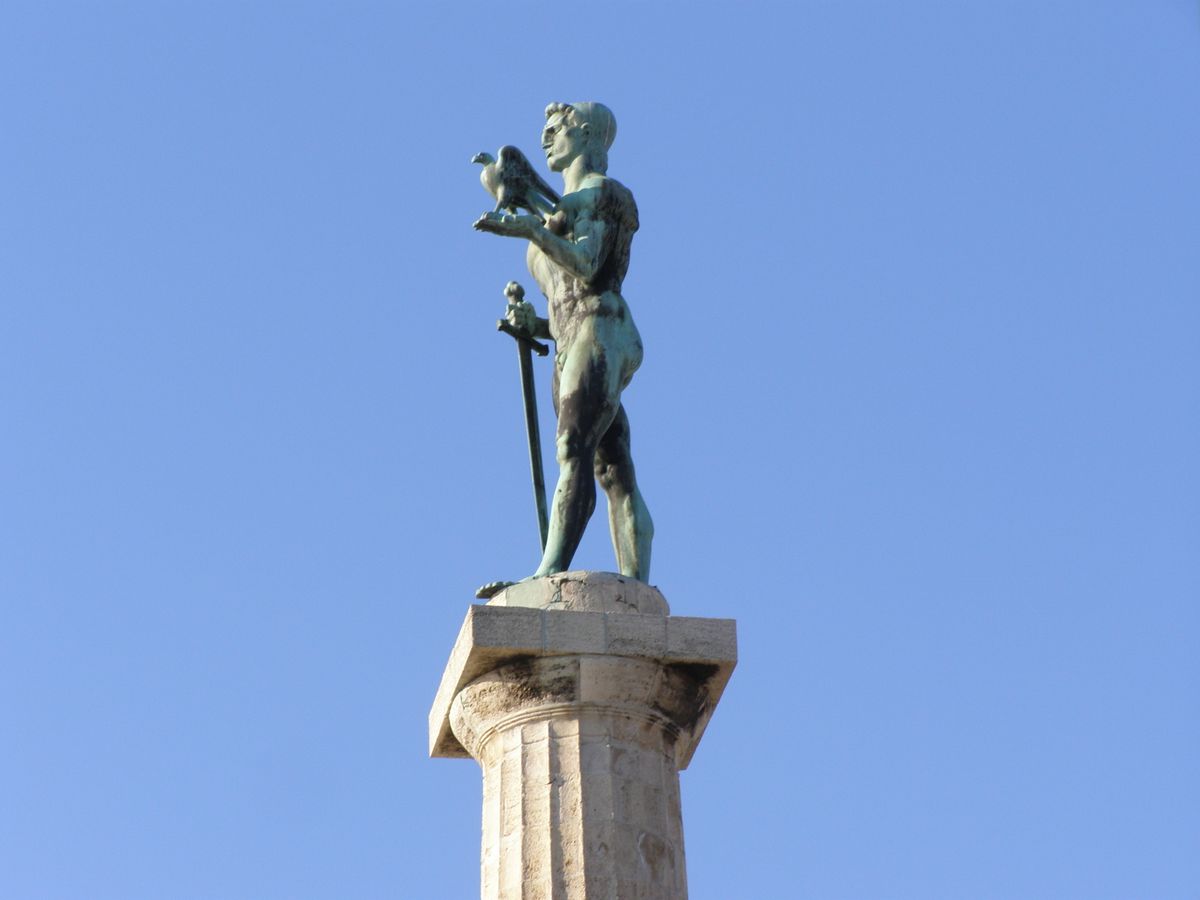
Pobednik
Pobednik — nature & attractions
Pobednik Monument is the Victory Monument on the Upper Town of Kalemegdan Fortress in Belgrade. It was unveiled in 1928 and is one of the city’s best-known symbols, linked to the Balkan Wars and t...
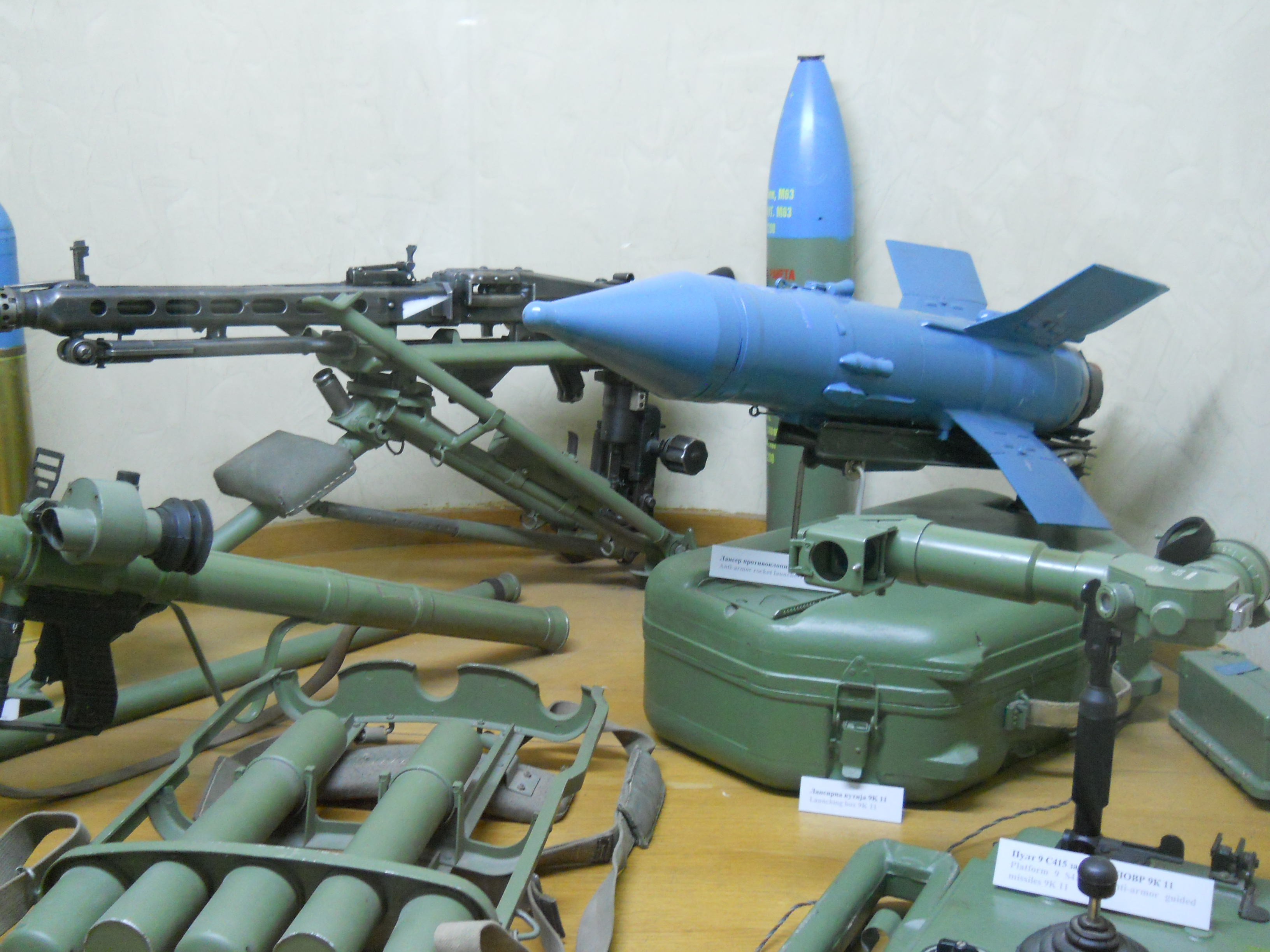
Military Museum, Belgrade
Military Museum, Belgrade — nature & attractions
The Military Museum at Kalemegdan is one of Belgrade’s clearest places to follow the city’s military past through objects rather than monuments alone. The setting matters: the museum sits insid...
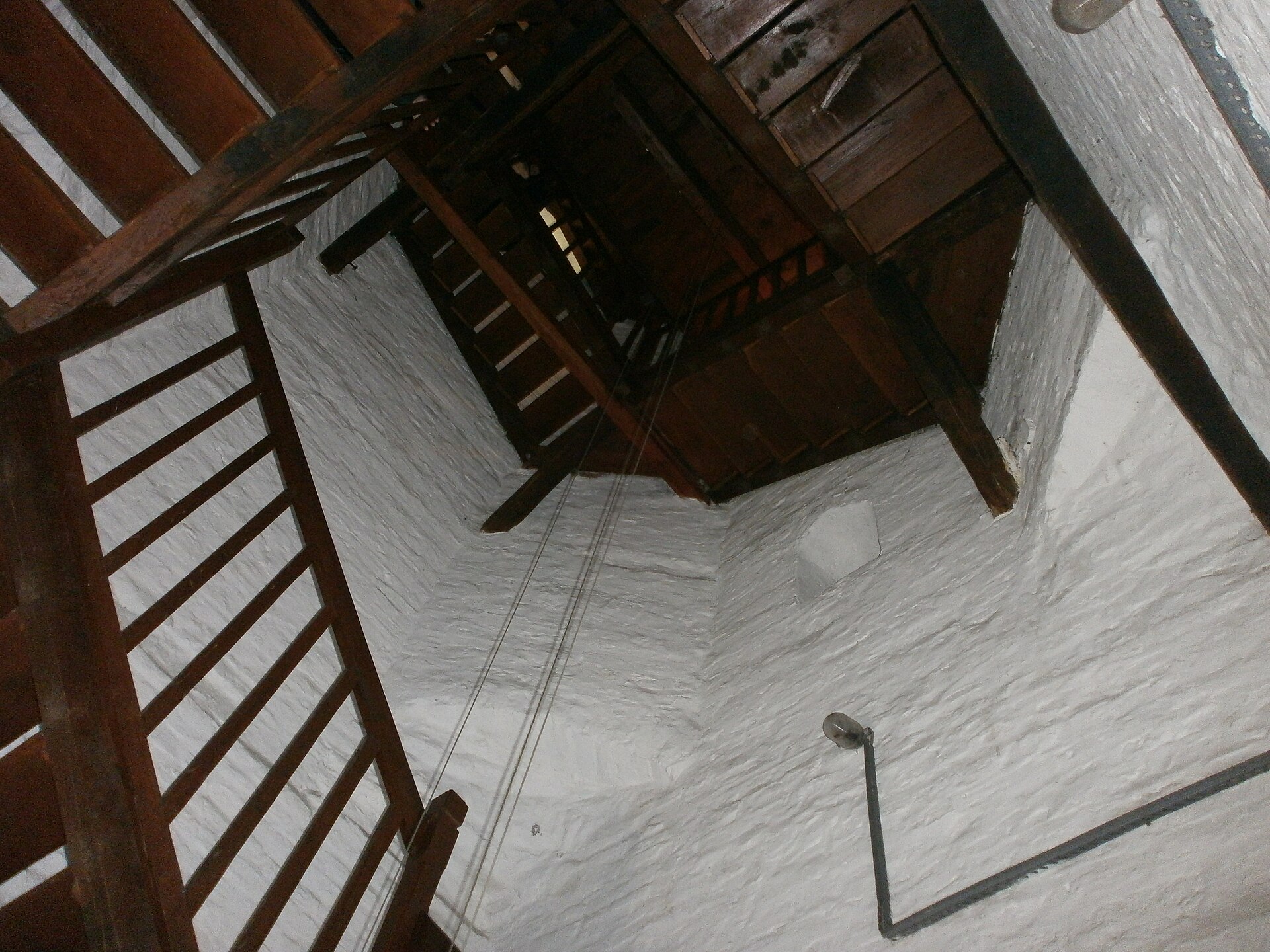
Sahat
Sahat — nature & attractions
Sahat Clock Tower is the Ottoman clock tower of Kalemegdan Fortress, built in 1789 and set within the fortress complex in central Belgrade. Visitors usually stop here during a Kalemegdan walk, pairin...

Rose Church, Kalemegdan
Rose Church, Kalemegdan — nature & attractions
Rose Church is one of Kalemegdan’s more unusual interiors: a former powder magazine that was later adapted for weddings, with chandeliers made from ammunition. Visitors usually come to understand...

Roman Well, Kalemegdan, Belgrade
Roman Well, Kalemegdan, Belgrade — nature & attractions
Roman Well is the underground well inside Kalemegdan Fortress, a place that draws interest because of its depth, stone construction, and the stories attached to it over time. For visitors, it...
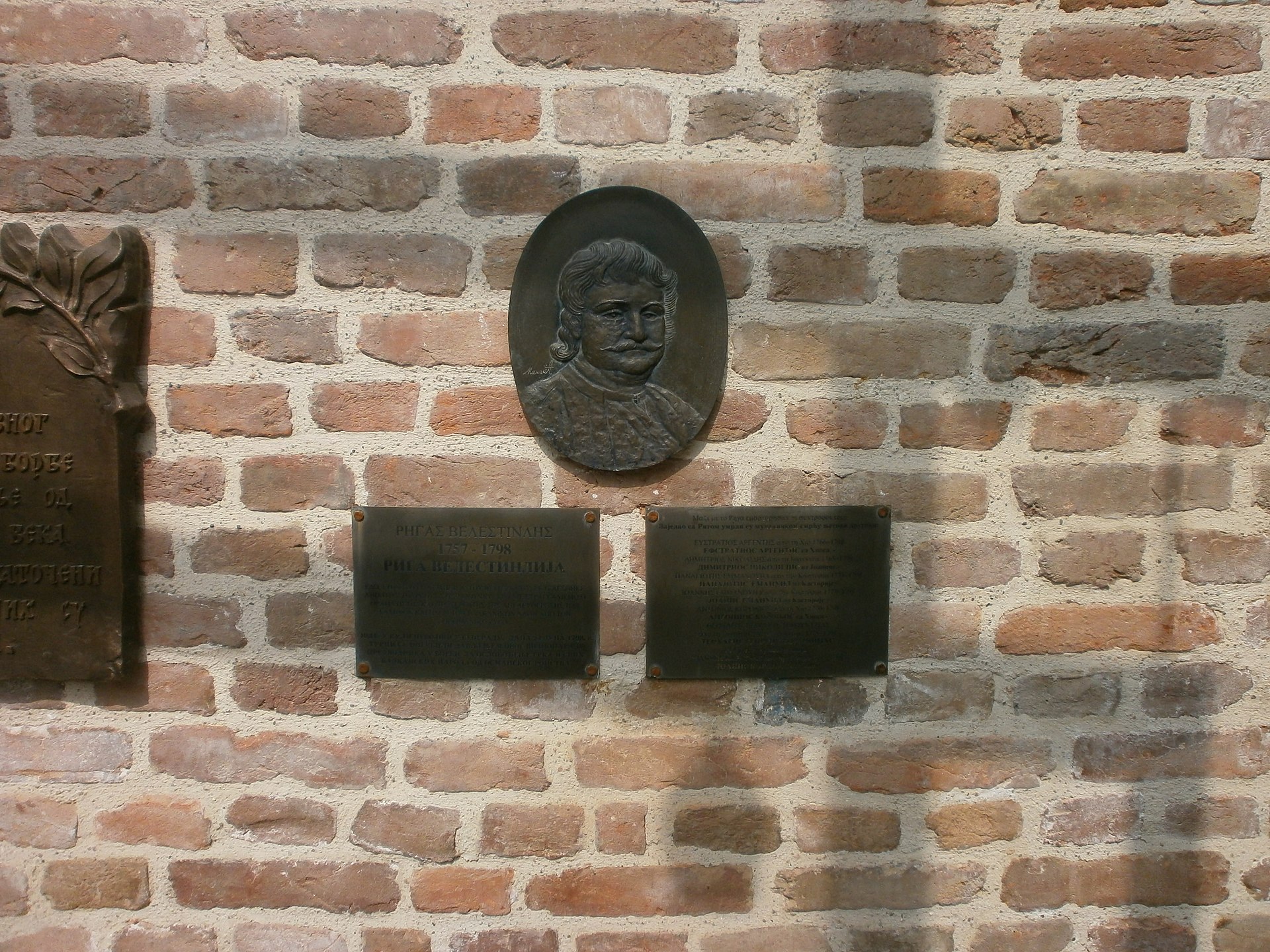
Nebojša
Nebojša — nature & attractions
Nebojša Tower is a medieval defensive tower at the lower Danube side of Kalemegdan Fortress in Belgrade. Visitors usually come for the fortress setting, the river-edge walk, and the sense of how t...
A complete city overview for first-time visitors.
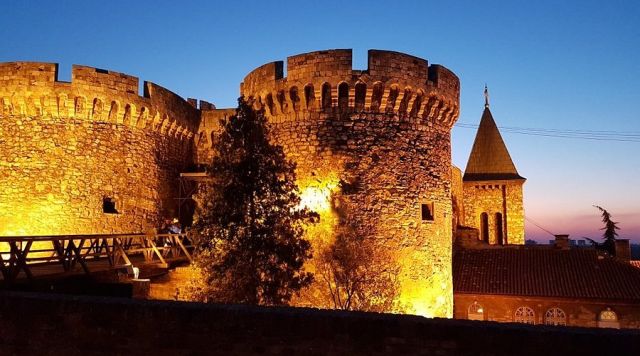
Add a riverside neighborhood walk to your Belgrade itinerary.
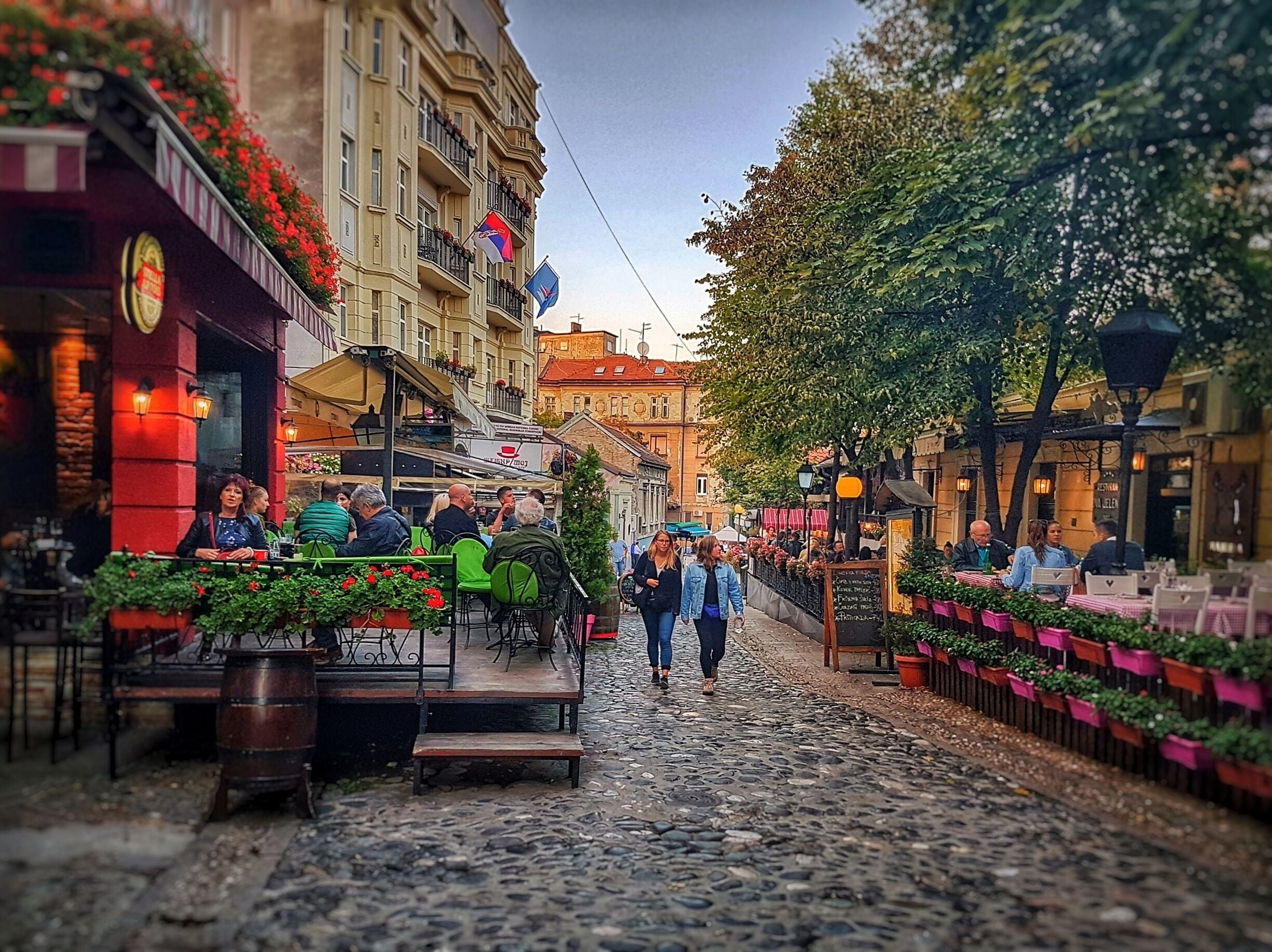
A classic dinner stop after an afternoon at the fortress.
Old Belgrade, above the Sava and Danube confluence
Late afternoon for views; spring and autumn for walking
1.5 to 3 hours
Free to enter the fortress park; some museums have tickets
History, photography, easy walks, families
Knez Mihailova, Savamala, Skadarlija
Best approach: on foot from Knez Mihailova into the upper fortress
Best time of day: late afternoon, when the western ramparts fill with locals at sunset
Best continuation: Skadarlija for the evening, or the riverside promenade toward Belgrade Waterfront
Kalemegdan sits at the far western end of Knez Mihailova, a short walk from Republic Square and the main city centre. Skadarlija is reachable on foot in around ten minutes from the fortress entrance. Zemun requires a bus or taxi. The fortress is close enough to central Belgrade to combine with several other stops in a single day without transport.
Walking from the city centre along Knez Mihailova is the most straightforward way to reach Kalemegdan. Taxis and rideshare services can drop you at the main entrance near the pedestrian street. The fortress sits within easy walking distance of most central Belgrade accommodation.
A cable car connecting the fortress to Ušće on the opposite bank of the Sava has been in planning since 2018 at a projected cost of 420 million RSD, but as of writing had not yet been built.
Yes, the fortress park and main walking areas are free to enter. Some museums and special exhibits charge admission.
Most visitors spend 1.5 to 3 hours, depending on whether they add museums, coffee breaks, or a longer walk through the park.
Late afternoon is ideal for views and photos, while morning is usually quieter for a relaxed walk.
Yes. It is one of Belgrade’s easiest outdoor attractions for families, with open space, viewpoints, and short walking routes.
Absolutely. It pairs naturally with Knez Mihailova, Republic Square, and Skadarlija.
Use Kalemegdan as your anchor point for a simple, scenic day in Belgrade — then branch out to cafés, museums, and the city’s old quarters.
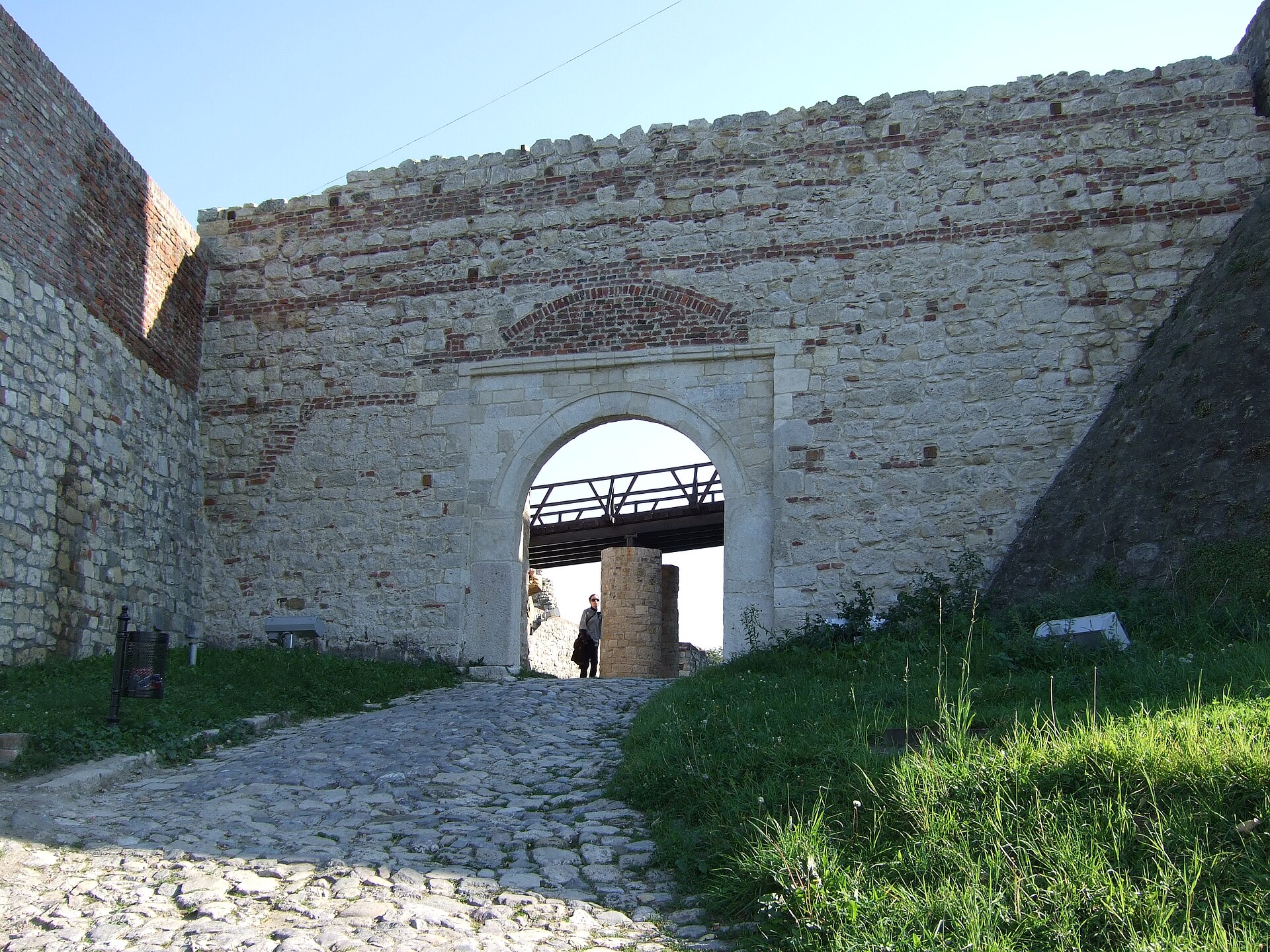
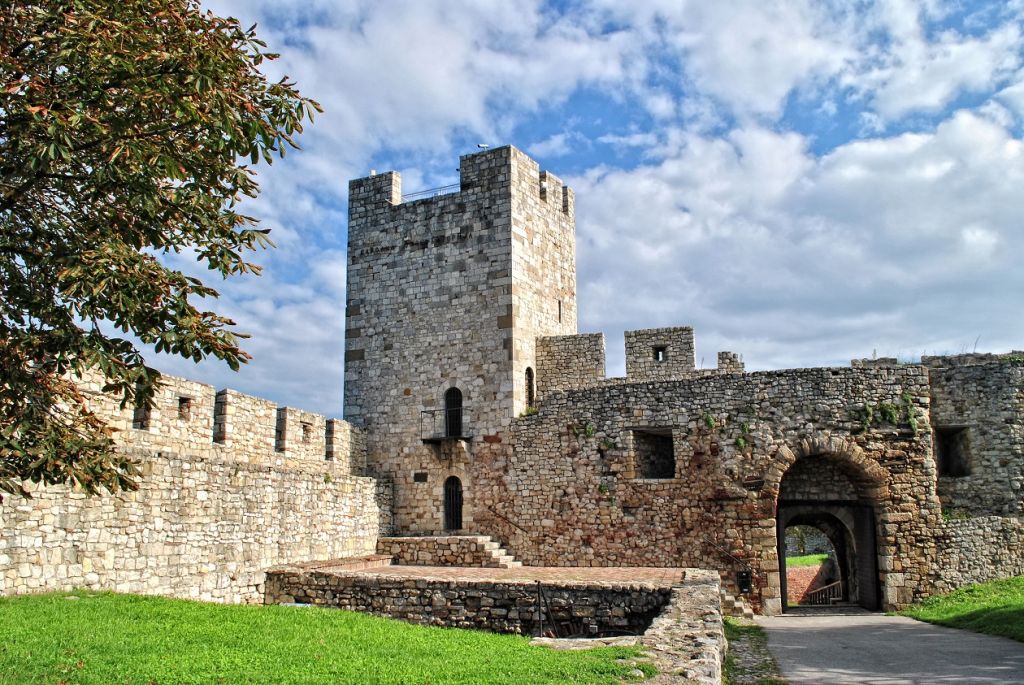
Fortress Gate Arch
A stone archway opens through the fortress walls at Kalemegdan in Belgrade, with a cobbled path leading inside
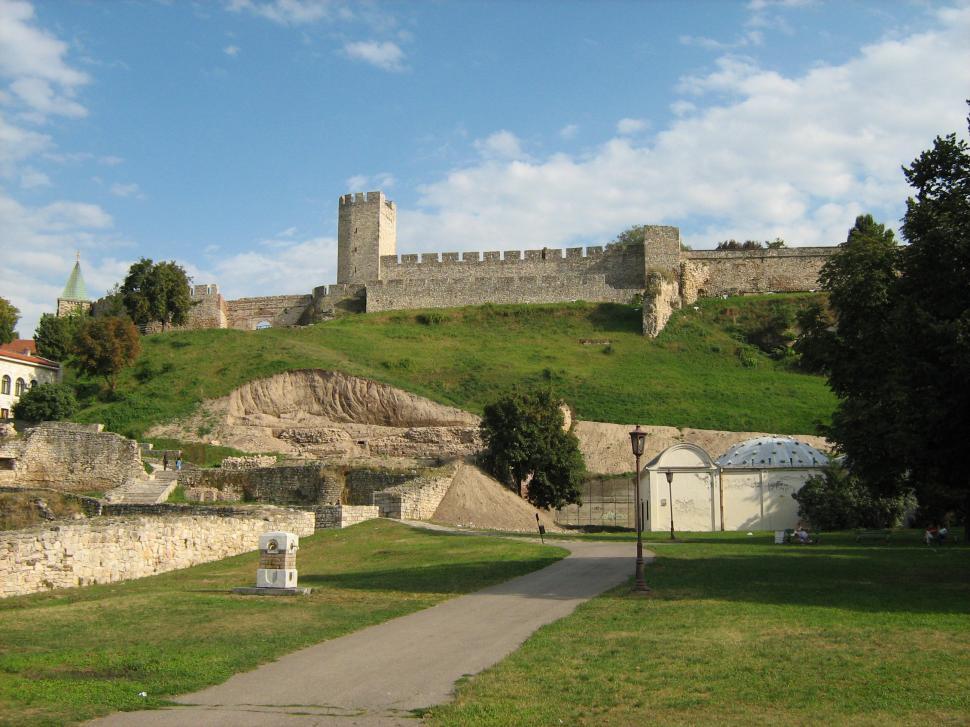
Fortress Walls on Hill
Stone ramparts and a square tower rise above the grassy slopes of Kalemegdan in Belgrade
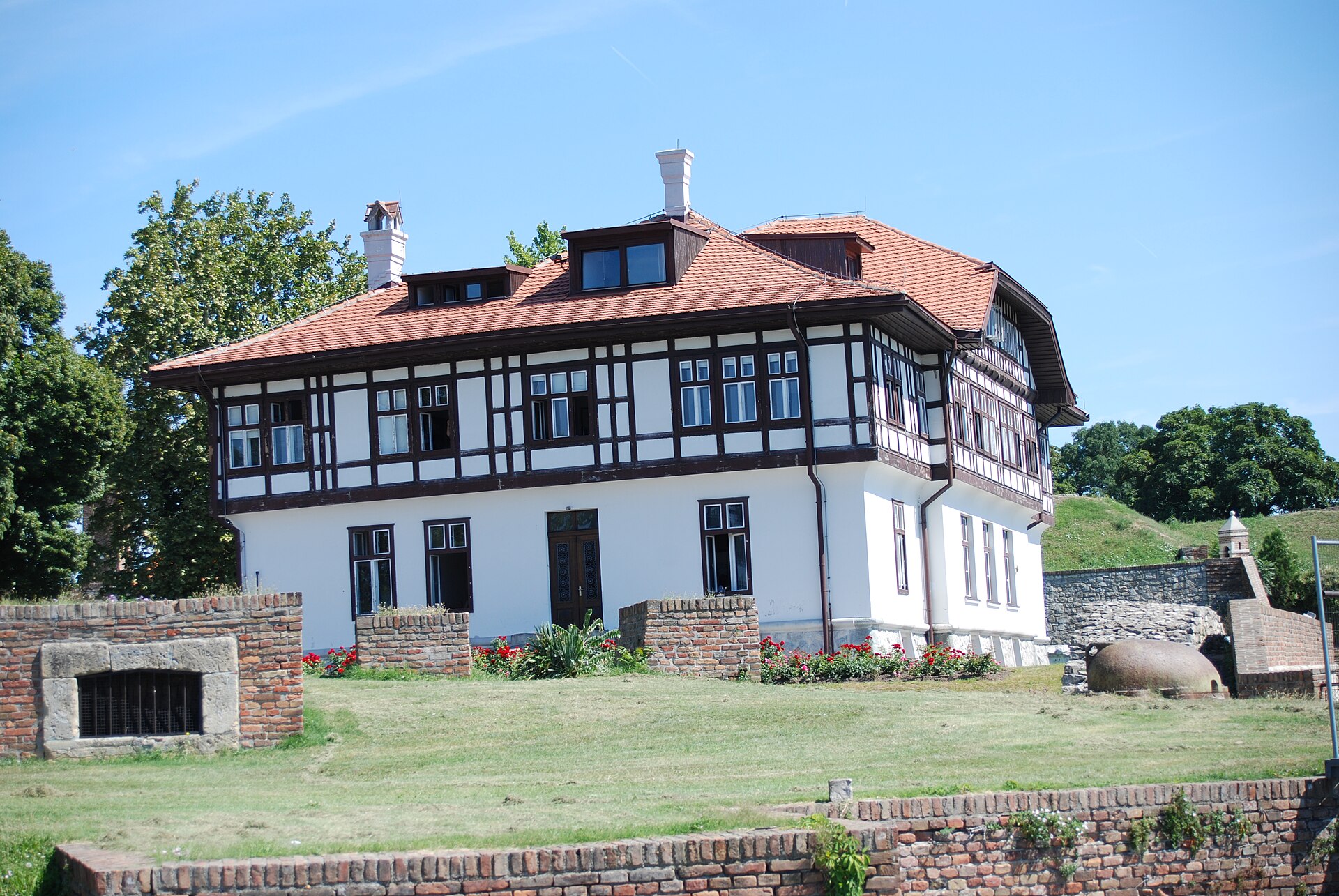
Historic fortress house
A timber-framed historic house stands within Kalemegdan in Belgrade, bordered by stone walls and grassy ramparts
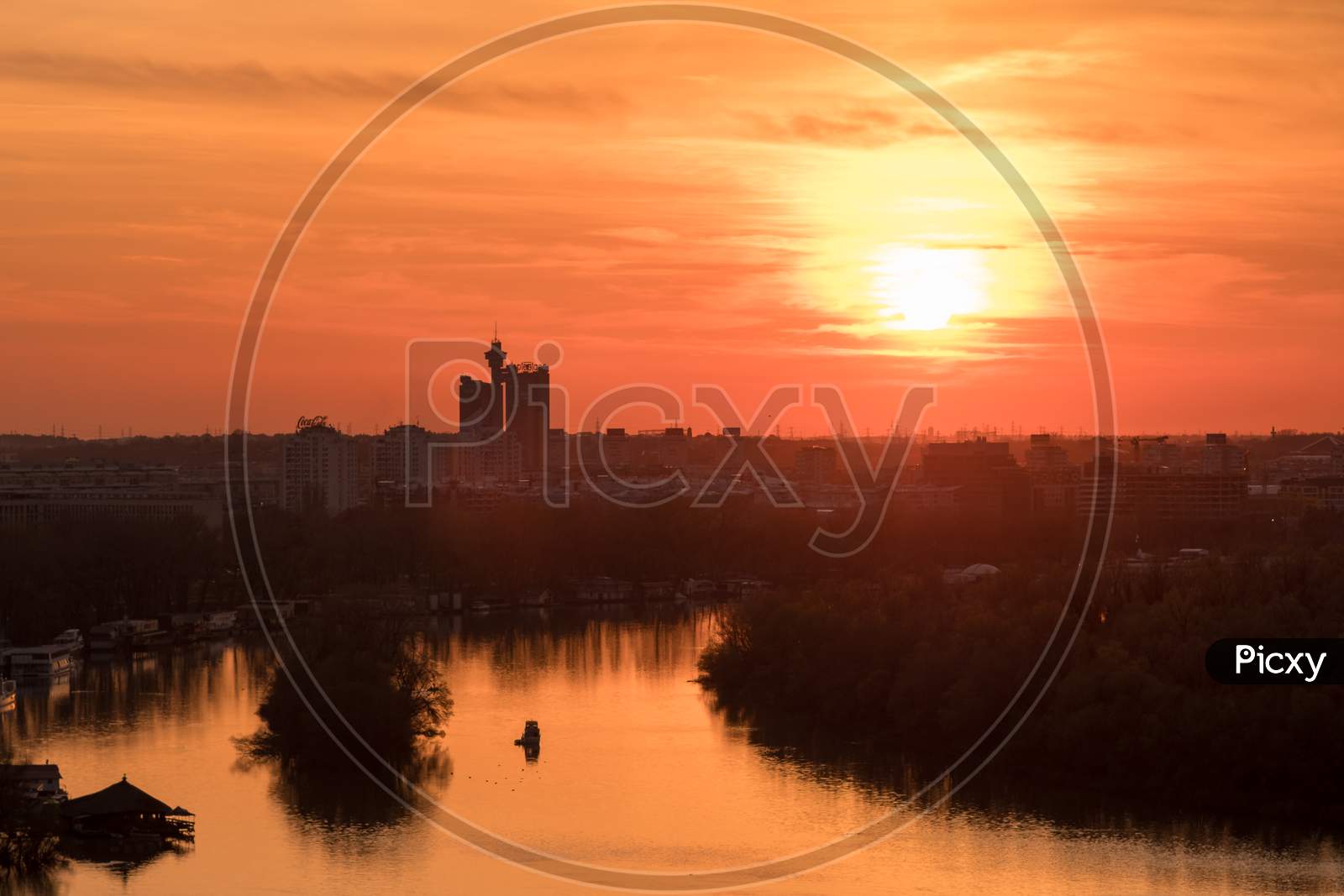
Sunset Over River Skyline
Sunset glows over the river and Belgrade skyline seen from Kalemegdan Fortress
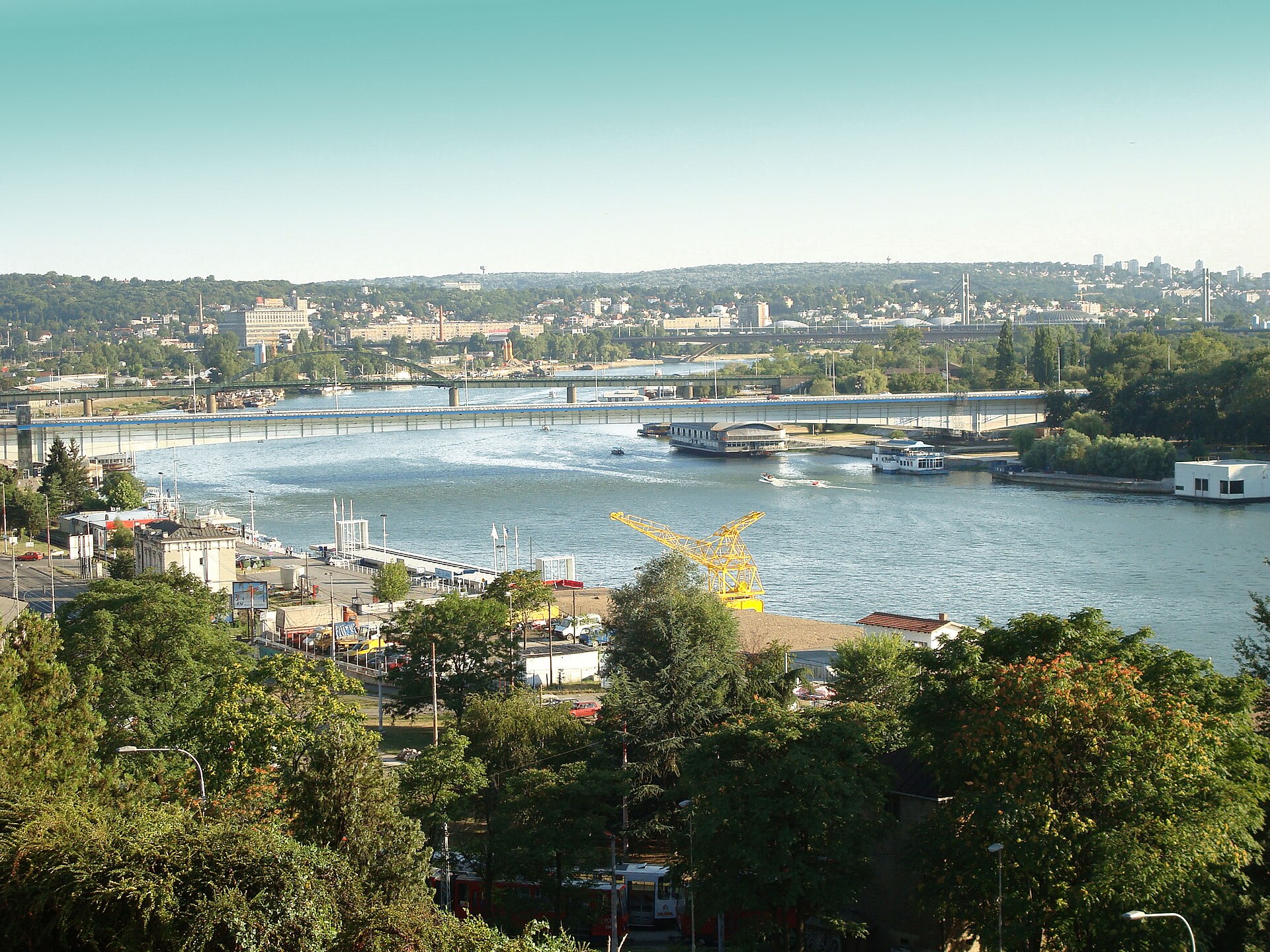
River Confluence View
View from Kalemegdan Fortress over the river confluence, bridges, and cityscape in Belgrade
Stay connected in Serbia