Where is Zemun?
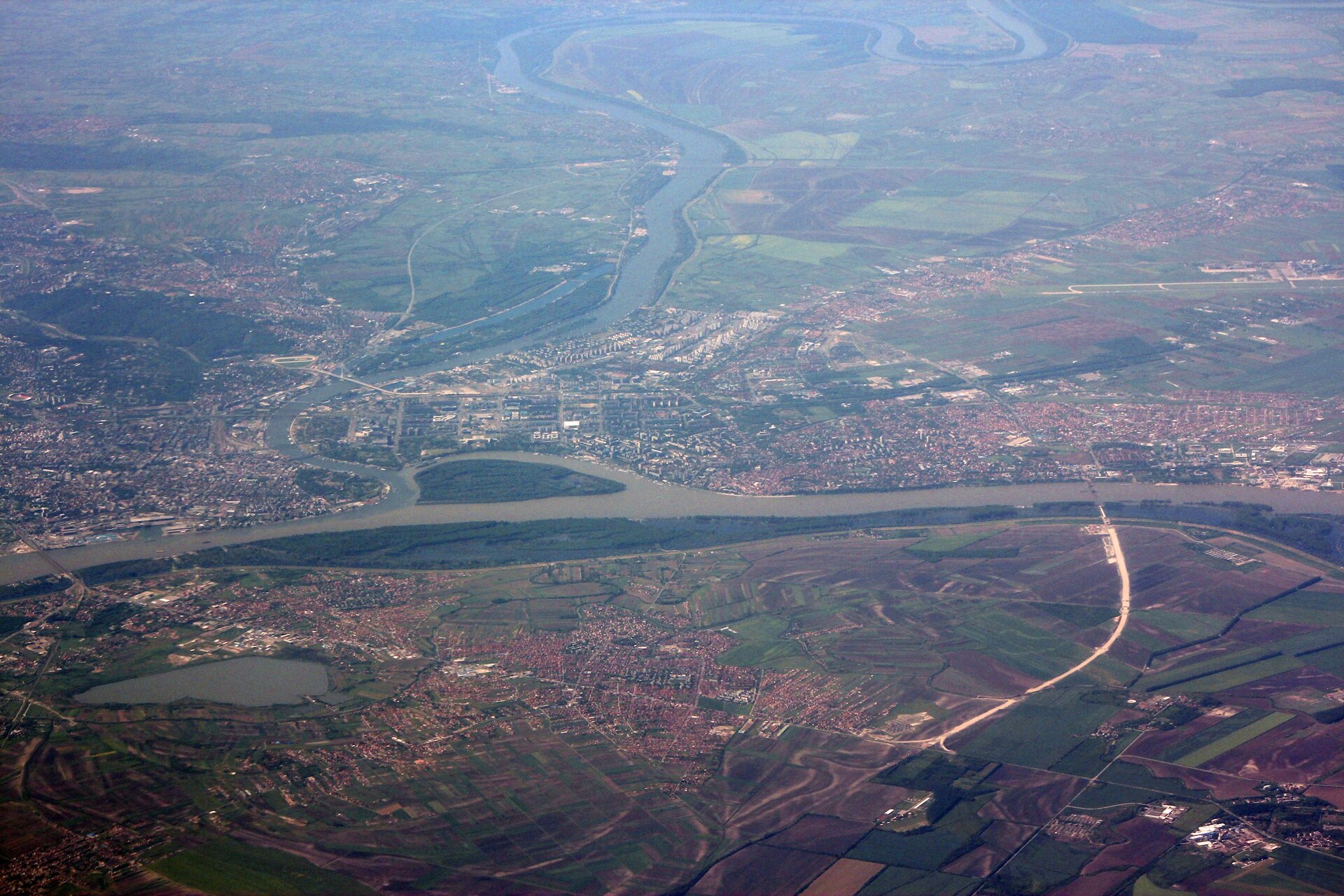
Zemun sits on the northwestern edge of Belgrade, along the Danube River, just beyond the busier central districts. It is now part of the city, but it still feels like a town with its own habits, waterfront walks, and neighborhood squares.
For first-time visitors, Zemun works best as a half-day or full-day wander: arrive for lunch, explore the riverfront, climb to Gardoš, then stay for sunset drinks by the water.
It is especially easy to combine with Belgrade city sightseeing or a broader Serbia trip via Serbia Overview for First-Time Visitors.
Zemun is not a separate city visit in the practical sense — it is a Belgrade district — but it often feels like a different chapter of the capital: quieter streets, older houses, and more time spent outdoors.
A neighborhood that feels balanced
Zemun’s appeal is balance. You get waterfront space without leaving the city, history without museum fatigue, and local life without tourist overload. The result is a place that suits slow travelers, families, walkers, and anyone who wants a softer Belgrade experience.
Compared with central Belgrade, Zemun is less about big landmarks and more about atmosphere: corner bakeries, shaded streets, a working river edge, and the kind of café culture that invites you to stay longer than planned.
The heart of Zemun: the old streets around Gardoš
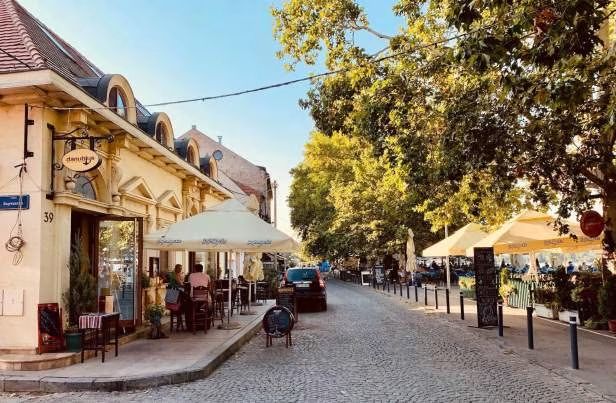
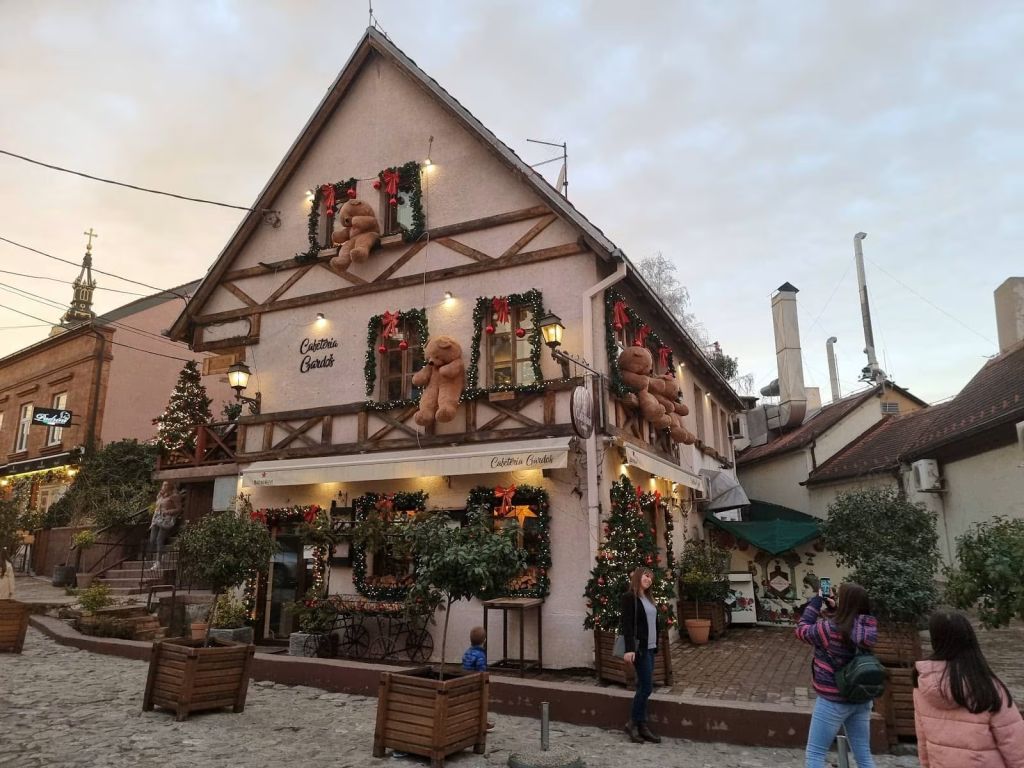
The old core is compact and easy to explore on foot. Narrow streets lead uphill toward Gardoš Tower, while lower lanes hold cafes, small shops, and family-run restaurants. This is the area to visit if you want the most atmospheric version of Zemun.
Look for terraced viewpoints, Austro-Hungarian-era details, and the contrast between the hilltop panorama and the quieter neighborhood below. It is one of the best places in Belgrade for an unhurried walk.
Zemun highlights for a short walk
These are the stops that make the district click quickly and give you the right mix of views, history, and everyday life.
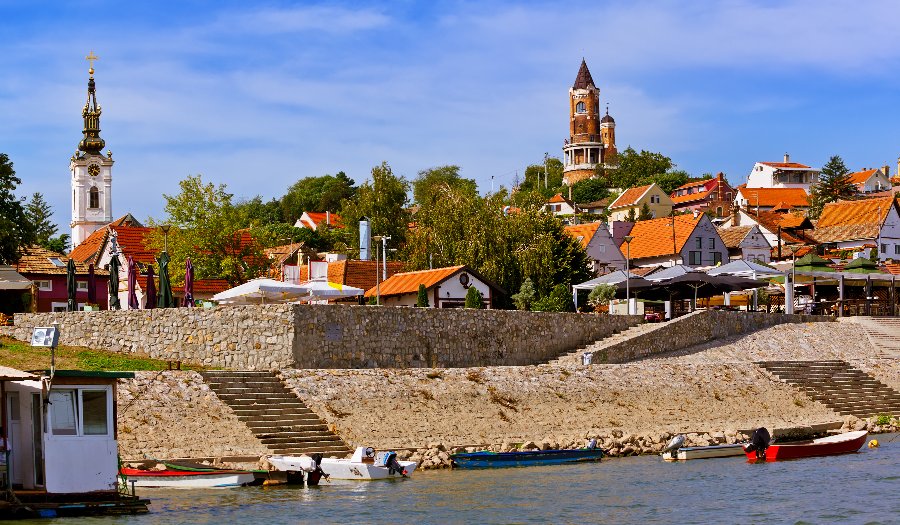
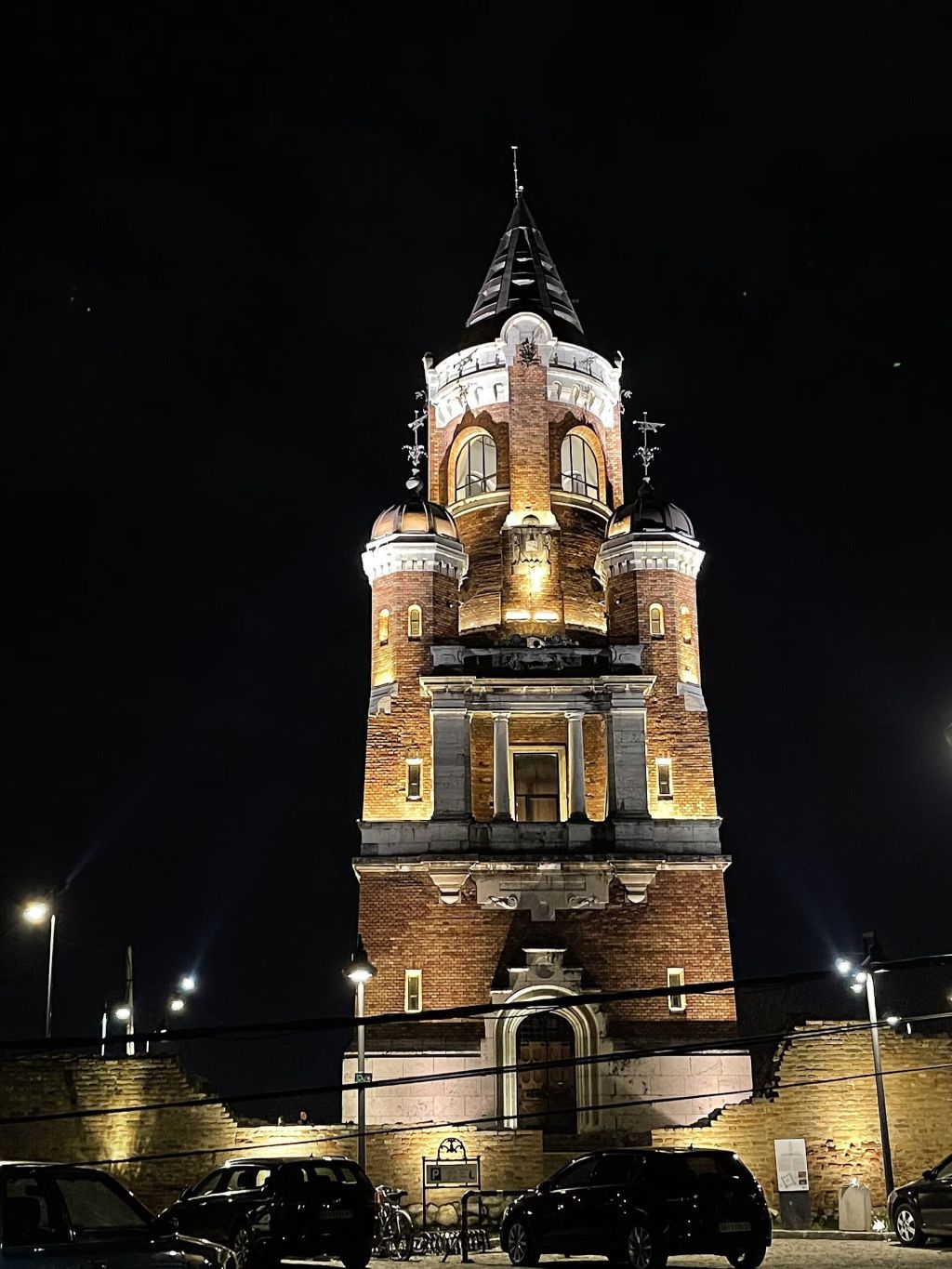
Gardoš Tower
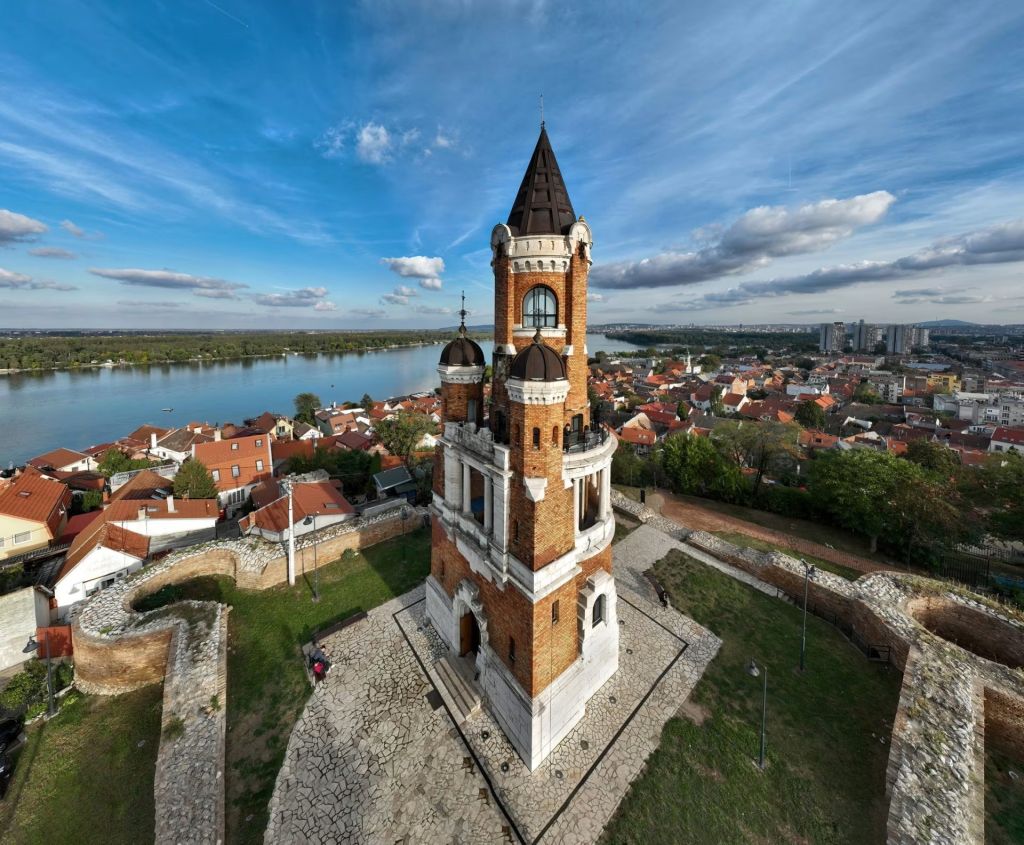
The signature viewpoint in Zemun, with wide views over the Danube and the city skyline beyond.
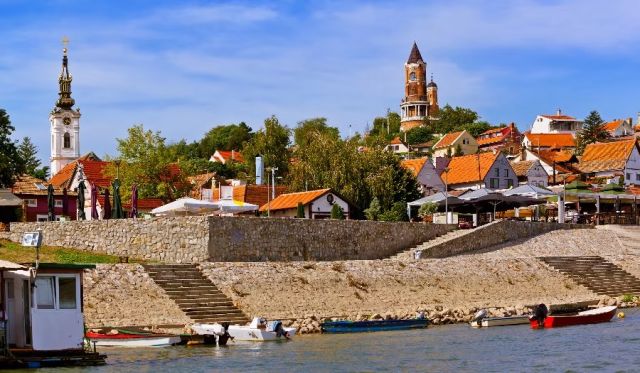
Zemun promenade
A relaxed riverside stretch for walking, cycling, and stopping at casual cafés.
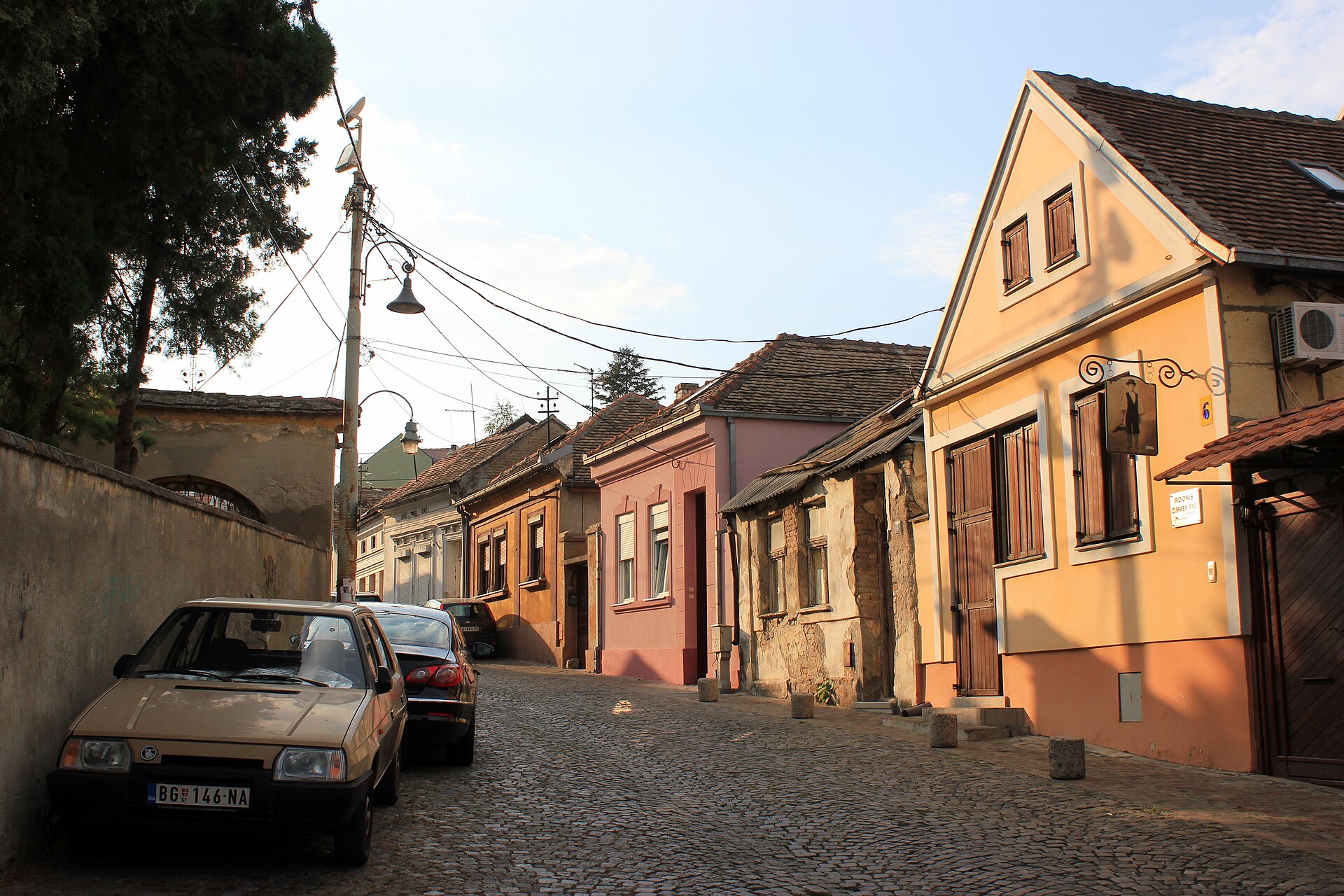
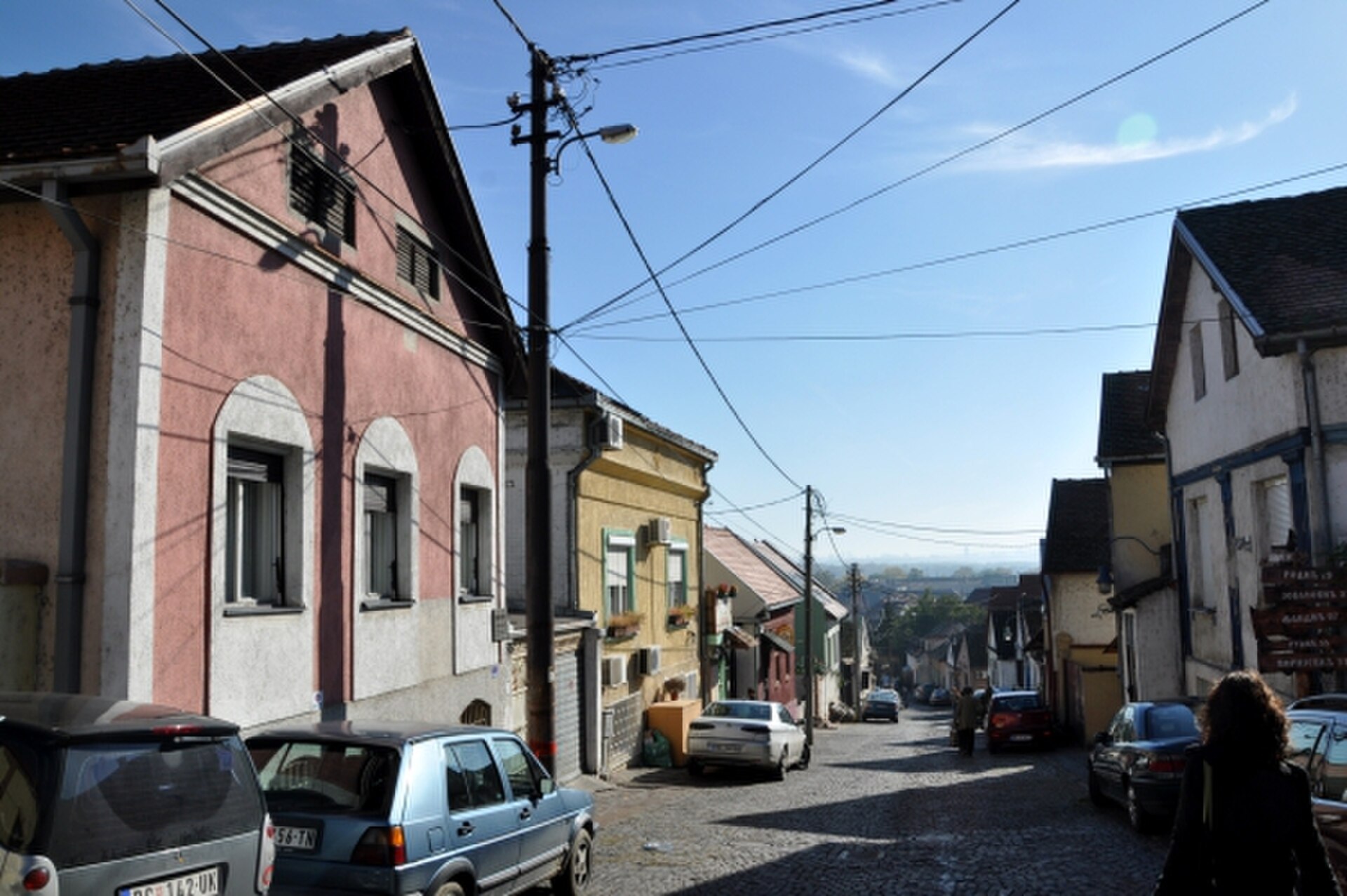
Old houses and lanes
Quiet streets that show Zemun’s historic, residential character.
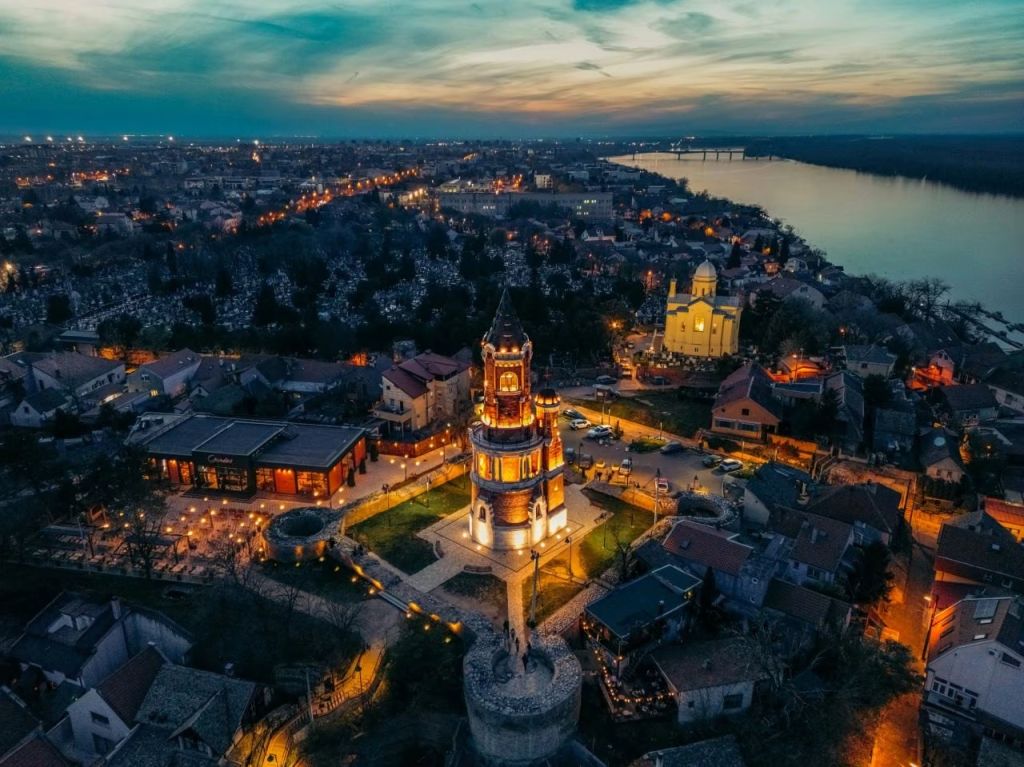
For the best atmosphere, come in the late afternoon: the light is softer, the riverfront is busier, and Gardoš is at its most photogenic.
Gardoš Tower — Zemun’s defining landmark
Gardoš Tower is the easiest symbol to associate with Zemun. Built in the 1890s, it sits on a hill above the district and gives you one of the best views in this part of Belgrade. The tower itself is modest in size, but the setting matters: steep streets, historic textures, and a lookout that makes the Danube feel close.
If you enjoy landmark stops that also feel walkable and human-scale, this is one of Belgrade’s most rewarding places. It pairs well with a slow lunch nearby or a riverside stroll afterward.
For another fortress-and-viewpoint experience in the city, compare it with Kalemegdan.
How to experience Gardoš well
The climb is part of the experience. Take your time on the narrow streets and stop for the views as you go.
Gardoš works best as part of a loop: tower, old streets, then promenade and coffee by the water.
If you have only one afternoon, do Gardoš Tower first and then walk downhill toward the Danube. That route gives you the strongest sense of Zemun’s layout and mood.
Danube life: promenade, boats, and breathing space
Zemun’s riverfront is its everyday draw. The promenade is made for walking, running, and sitting rather than rushing through. You will see fishermen, cyclists, families, and locals using the waterfront as an extension of their living room.
This is one of the most comfortable places in Belgrade for an easy outdoor break. On warm days, it is a natural place to pause between sightseeing stops; in cooler weather, it becomes a refreshing change from the city center.
What to do along the Danube
Keep it simple: start with a slow riverside walk and let the district set the pace.
Choose a café or terrace with river views and spend a little longer than planned.
Culture & creativity in a neighborhood setting
Zemun does not try to impress with a blockbuster cultural circuit. Instead, it offers a quieter urban culture: local galleries, small events, neighborhood bakeries, market energy, and a heritage feel that is lived-in rather than staged.
That makes it a strong contrast to the more monumental side of the city. If you are building a Belgrade trip with a mix of large-scale sights and everyday neighborhoods, Zemun is an easy and worthwhile addition.
You can also connect it with other nearby experiences like Novi Sad or the broader Danube corridor in Serbia.
Food & cafés: easy to like, hard to leave
Zemun is a good place to eat slowly. Expect traditional Serbian grills, fish dishes near the river, bakeries for a quick snack, and casual cafés that are better for people-watching than rushing through an itinerary.
The best approach is to stay flexible: choose a spot that feels busy with locals, order something simple, and leave enough time for another coffee afterward. In Zemun, the meal is often part of the walk, not separate from it.
For an easy Zemun meal, look for grilled meat, a fish soup or river fish dish, and a dessert coffee stop afterward. If you are in Serbia for the first time, this is a friendly place to start.
Getting around Zemun
Zemun is very walkable in its main sightseeing areas, especially around the old core, Gardoš, and the promenade. Comfortable shoes are enough for most visits.
If you are arriving from central Belgrade, use public transport, taxi, or a rideshare and then explore on foot. Once you are there, the district rewards slow movement more than efficient routing.
Plan your visit so the hill climb and the riverfront walk happen in the same outing. That saves time and makes the district feel more coherent.
Day trips and easy add-ons from Zemun
Zemun works well as part of a wider Belgrade or northern Serbia itinerary. If you want to keep moving after your visit, connect it with Novi Sad, a Danube-focused outing toward Golubac Fortress, or a longer Vojvodina trip via Vojvodina Travel Guide.
For monastery and countryside combinations, the Fruška Gora Travel Guide is the best next step once you leave the city.
Good nearby pairings
Combine Zemun with Kalemegdan and the main pedestrian streets for a classic first-time Belgrade day.
Use Zemun as a launch point for Vojvodina stops like Novi Sad, Sremski Karlovci, or Fruška Gora.
Give Zemun at least 3–4 hours for a focused visit, or a full day if you want a slow lunch, a long river walk, and time to linger in cafés.
FAQ
Is Zemun worth visiting in Belgrade?
<p>Yes. Zemun is one of the best places in Belgrade for a relaxed walk, river views, and a more local neighborhood atmosphere.</p>
What is Zemun best known for?
<p>It is best known for Gardoš Tower, the Danube promenade, old streets, and a slower, more residential feel than the city center.</p>
Can I visit Zemun on a half-day trip?
<p>Absolutely. A half-day is enough for Gardoš, the old core, and a promenade walk with a café stop.</p>
Is Zemun walkable?
<p>Yes, but some streets around Gardoš are hilly. The main sightseeing areas are easy to cover on foot.</p>
Places to explore
Use this shortlist to build a simple Zemun route: hill, old core, river, then food.
Gardoš Tower
Zemun’s best-known viewpoint and the easiest landmark to orient yourself.
Climb for Danube views, then explore the surrounding lanes and terraces.
- Hilltop views, Historic setting, Short walk from old core
Zemun Promenade
A relaxed river walk with space to slow down.
Ideal for cycling, sunset walks, and casual café stops along the water.
- Danube views, Easy pace, Locals and families
Old Zemun Streets
The district’s quietest and most atmospheric corners.
Low-rise houses, narrow lanes, and a lived-in neighborhood feel away from the main roads.
- Residential character, Historic details, Great for wandering