Where is the Imperial Palace of Sirmium?
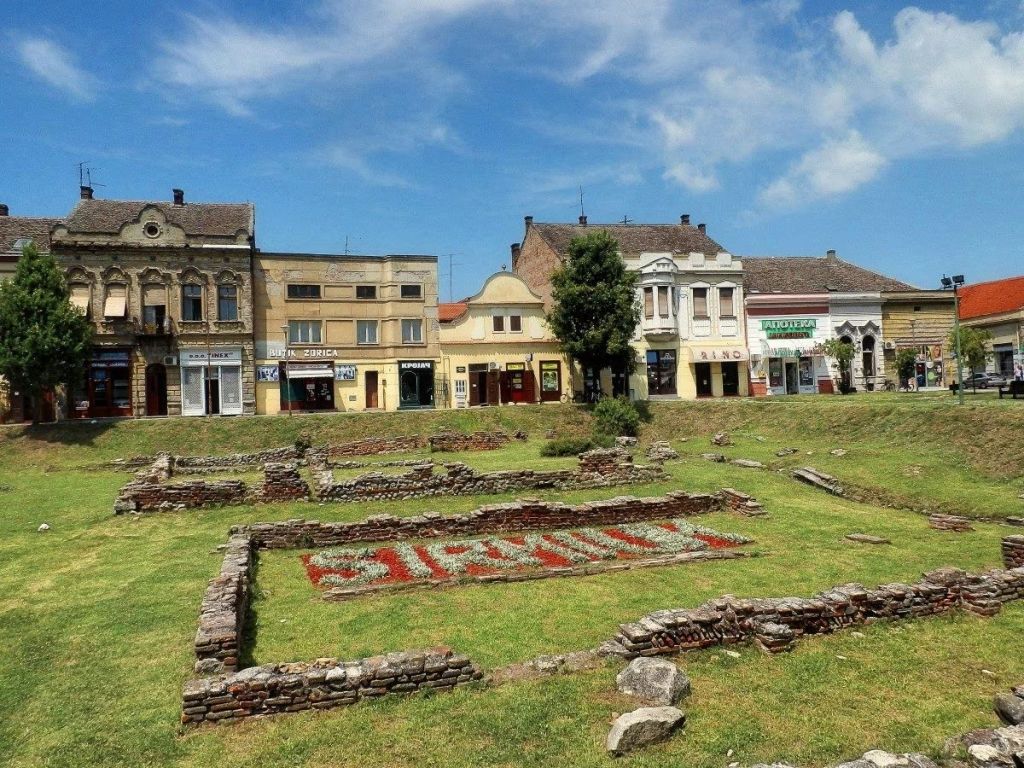
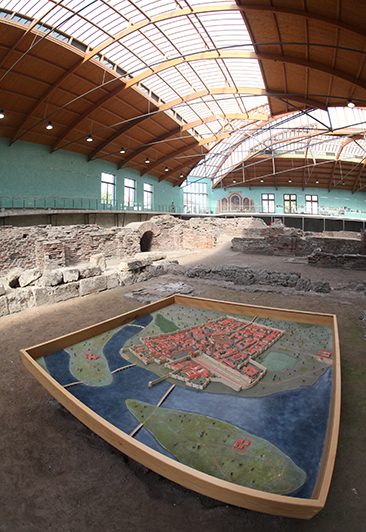
The Imperial Palace complex sits in the center of Sremska Mitrovica, directly above the buried foundations of ancient Sirmium. A city of roughly 100,000 Roman-era inhabitants at its height, Sirmium was formally designated one of the four capitals of the late empire alongside Milan, Thessaloniki, and Nicomedia. The ruins visible today represent only a fraction of what once stood here.
The site — Arheološki lokalitet Carska palata Sirmijuma — is open to visitors and integrates into the town center in a way that makes it possible to walk between the excavation zone and the surrounding streets without a long detour. For orientation on the wider city, start with the Sremska Mitrovica travel guide before visiting the palace.
A site that makes Sremska Mitrovica feel unmistakably Roman
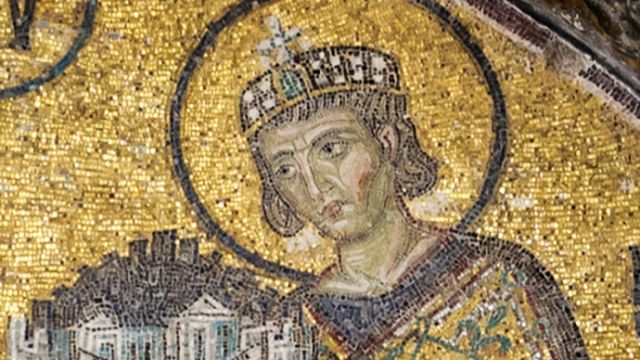
What makes the Imperial Palace site distinctive is its layered context. The book of record states that ten Roman emperors were born in the surrounding region of Sirmium — Constantine I among the most prominent — and that the city hosted a critical conference between Constantine and Licinius in 316 AD. Walking above those foundations, the scale of what once existed is easier to feel than in a museum cabinet.
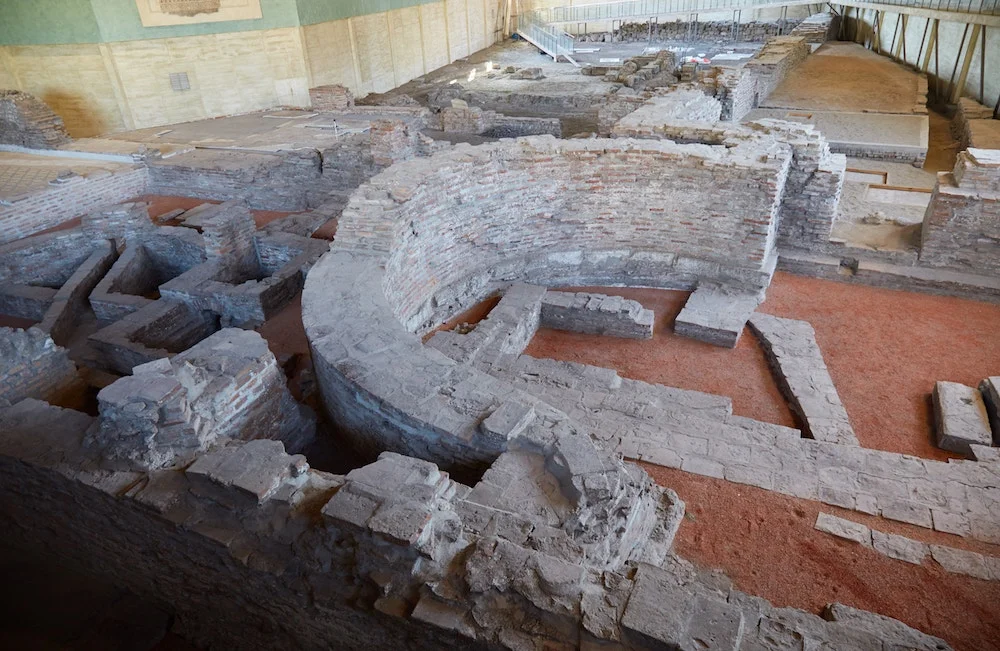
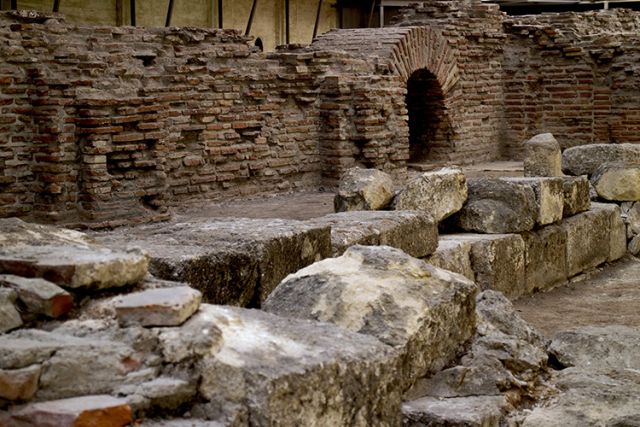
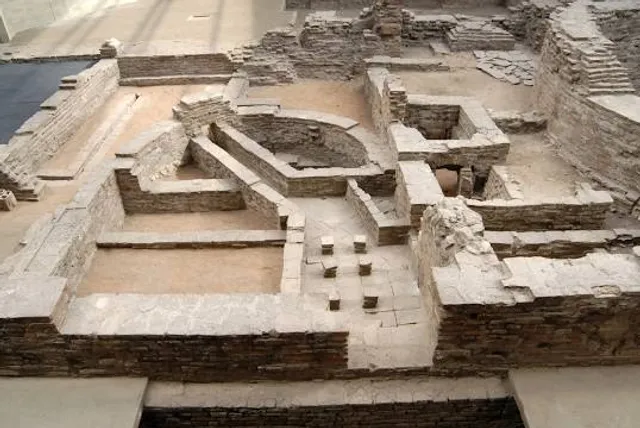
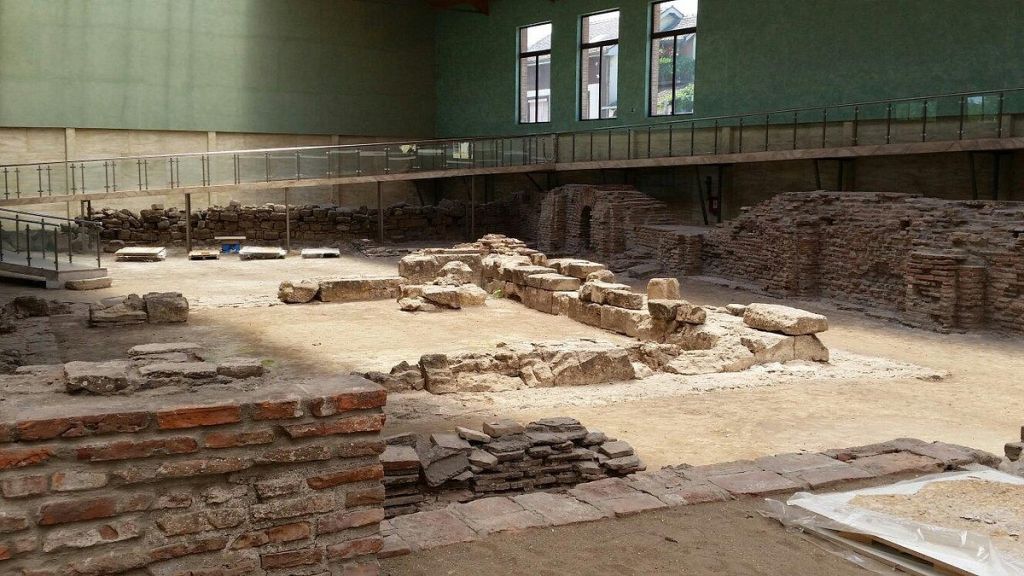
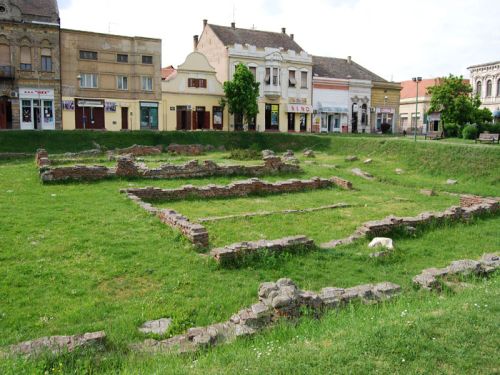
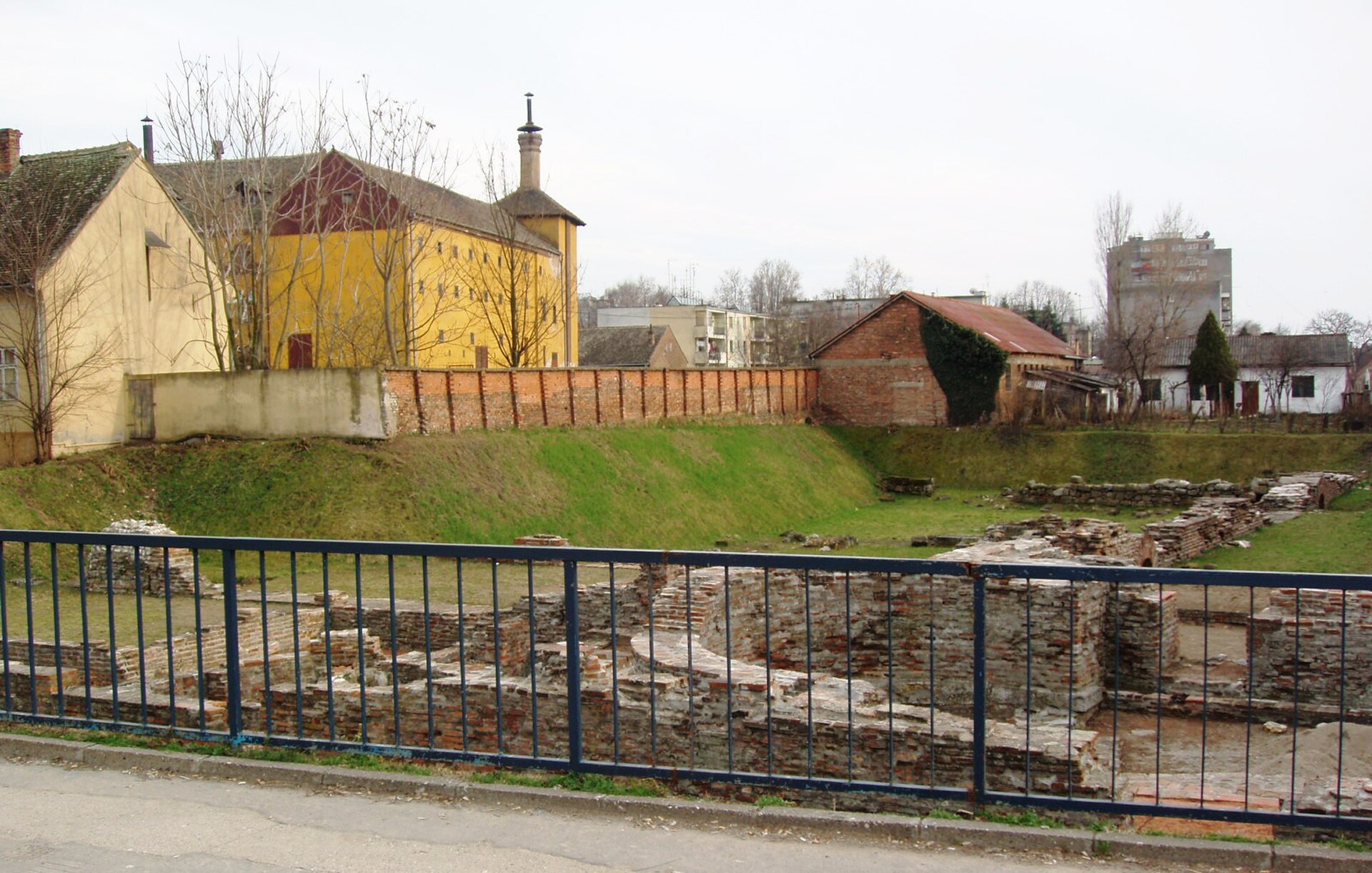
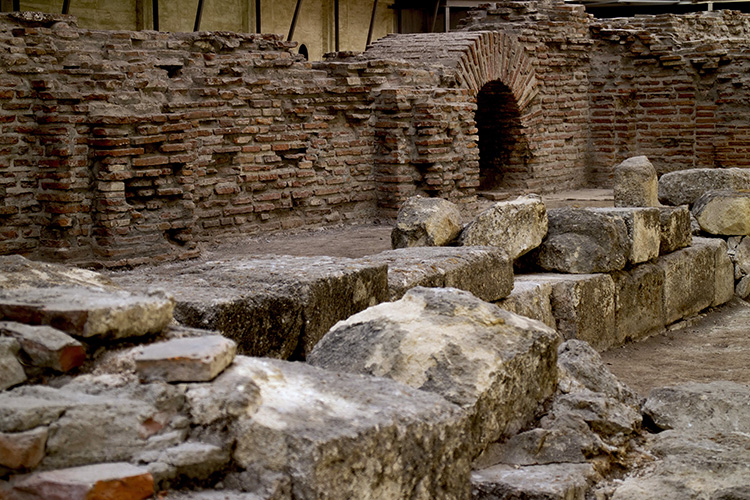
Unlike reconstructed sites, this one preserves visible wall outlines, heating channel traces, and mosaic fragments in their original positions. That restraint makes the visit feel more honest and, for many travelers, more rewarding.
The palace and the historic center around it
The palace complex does not stand in isolation. The surrounding city center contains other Roman references — street alignments, building plots, and museum collections — that together explain how Sirmium functioned as both administrative hub and imperial residence. In 2016, the investment magazine fDi named Sremska Mitrovica one of the top-ten micro-cities of the future based on economic potential, a reminder that the city's significance has never been purely historical.
For visitors building a Roman-history route through Vojvodina, the palace pairs naturally with the Sremska Mitrovica guide and extends toward Fruška Gora and Sremski Karlovci.
What you are actually looking at
The visible remains include outlined wall courses, sections of the underfloor heating system, and areas where archaeologists have identified room functions. These layers represent elite residential and administrative spaces from the period when Sirmium served as an imperial seat.
Because the site is open-air, the quality of a visit depends on the light and on the pace you keep. Moving slowly between features and reading the placement of each structure — rather than trying to absorb the whole complex at once — produces the clearest impression of how the palace once worked.
Roman life in the city: why this site feels bigger than the ruins
The remains visible at the surface represent only a fraction of the buried city. Sirmium at its height would have had a forum, circus, baths, workshops, warehouses, and residential districts extending well beyond the palace precinct. Attila's siege of 441 AD eventually brought this urban phase to a close, but the layers remain largely intact below the modern town.
That buried depth is part of what makes a visit meaningful. You are not only looking at what has been excavated; you are also standing above a city that Rome considered important enough to administer from and that four emperors chose as their primary residence.
History, museums, and a better understanding of Sirmium
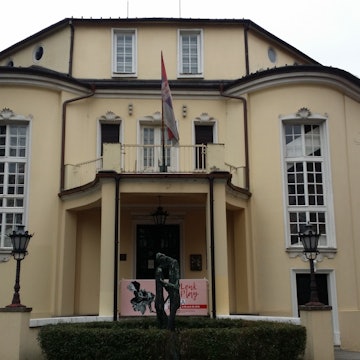
After the palace, the Sirmium Archaeological Museum in the city center adds the portable evidence: coins, jewelry, tools, and sculptural fragments recovered from the broader urban area. The two sites complement each other — the open-air palace provides spatial understanding, while the museum provides material detail.
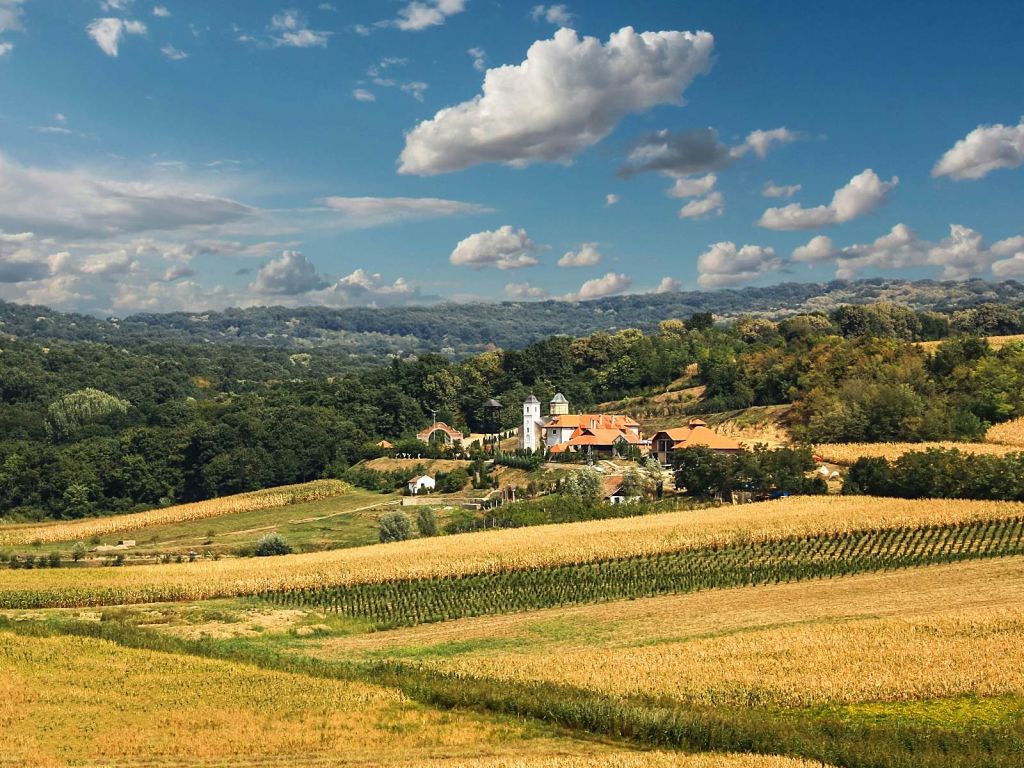
For a wider regional route, Fruška Gora and Sremski Karlovci are both within comfortable driving distance and offer a strong contrast between Roman archaeology and Orthodox monastery tradition.
Food and cafés after the ruins
Because the palace is central, food options are close. The main square and its surrounding streets have cafés and restaurants that suit a lunch stop or a coffee break before or after your visit. Sremska Mitrovica has a modest but competent food scene for a city its size.
If you want to turn the visit into a fuller day, a riverfront walk along the Sava adds a calm contrast to the archaeological site. From there you can continue toward Fruška Gora monasteries or other Srem stops depending on the time available.
Getting around the Imperial Palace area
The archaeological zone is flat and pedestrian-friendly. Distances within the town center are short, and the palace, the museum, and the main square can all be covered on foot without a difficult walk. If arriving by car, parking near the center is available and the distances involved do not justify moving the car between sites.
Travelers arriving from Novi Sad by train find the station a manageable distance from the center. The Sremska Mitrovica–Novi Sad rail connection takes around nine minutes, making a day trip from Novi Sad practical.
Easy add-ons from Sremska Mitrovica
The palace works well as the anchor of a longer Srem itinerary. Combine it with the Sirmium Archaeological Museum in the same half-day, then consider extending toward Fruška Gora for monastery visits or toward Sremski Karlovci for wine-country context.
A direct comparison between Sirmium's Roman archaeology and the Ottoman and Habsburg-era layers found in Novi Sad provides a structured way to trace multiple historical periods across a single Vojvodina trip.