Srem, in Vojvodina
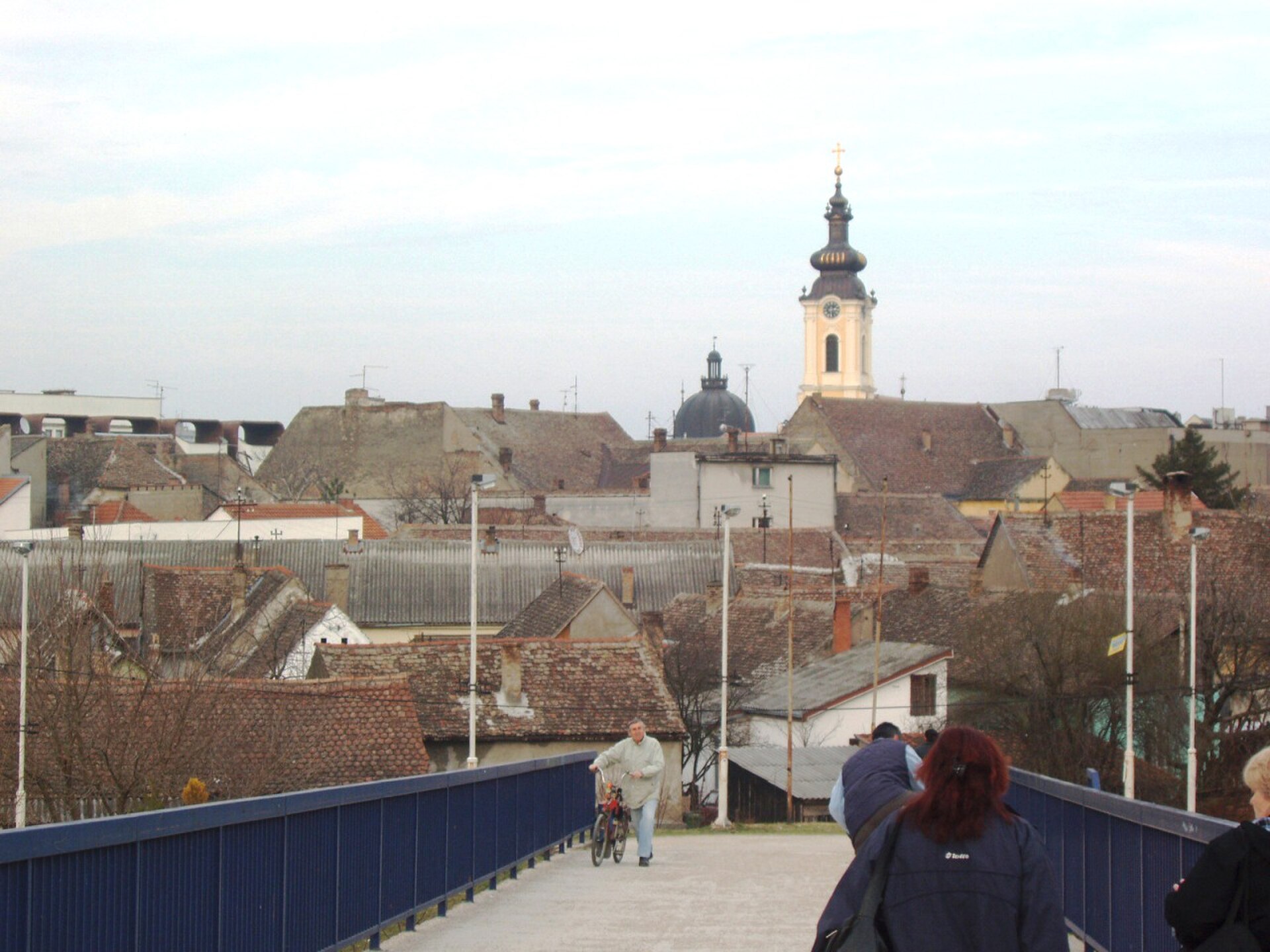
Sremska Mitrovica is one of Serbia’s most rewarding smaller cities: compact, walkable, and layered with history. Once known as Sirmium, it was among the most important Roman cities in Europe, yet today it feels relaxed and approachable, with a pleasant center, a broad river, and easy access to monasteries, vineyards, and the Zasavica wetlands.
Come for the archaeology, stay for the slower rhythm. This is a destination for travelers who enjoy places that reveal themselves gradually—through museum collections, café terraces, local food, and conversations by the Sava River.
Srem, in Vojvodina
Sirmium
Roman heritage and the Imperial Palace
Sava
April–June and September–October
1–2 days
Zasavica and Fruška Gora monasteries
Sremska Mitrovica is the kind of place that surprises travelers who think they already know Serbia’s headline destinations. It does not rely on grand tourist crowds or over-polished attractions. Instead, it offers something more memorable: a city where ancient Roman remains sit beneath modern streets, where the riverfront invites long walks, and where local life still feels authentic rather than staged.
The city’s greatest distinction is its past. In Roman times, Sirmium was one of the empire’s key centers and, for a period, one of its capitals. That is not just a historical footnote—it is visible in the archaeological sites, museum collections, and the way the city understands itself. But Sremska Mitrovica is not only for history lovers. Nature reserves, monastery routes, family wineries, and hearty Srem cuisine make it a well-rounded stop for culture-focused and slow-travel itineraries alike.
It is also refreshingly practical. The center is manageable on foot, prices are generally more moderate than in larger cities, and many of the main sights can be visited in a single day. If you stay overnight, you gain time for the wetlands of Zasavica, a detour into Fruška Gora, or a leisurely dinner with local wine.
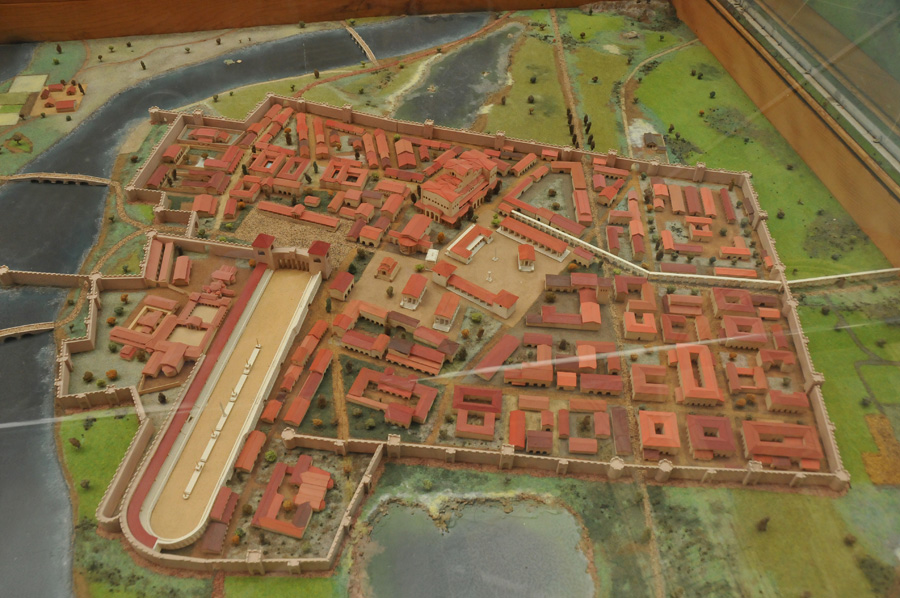
The main reason many international travelers come here is Sirmium, the Roman predecessor of modern Sremska Mitrovica. This was not a remote provincial outpost: it was a major political, military, and early Christian center of the empire. Walking through the city today, you are often only a short distance from buried walls, ancient streets, or fragments of once-imperial architecture.
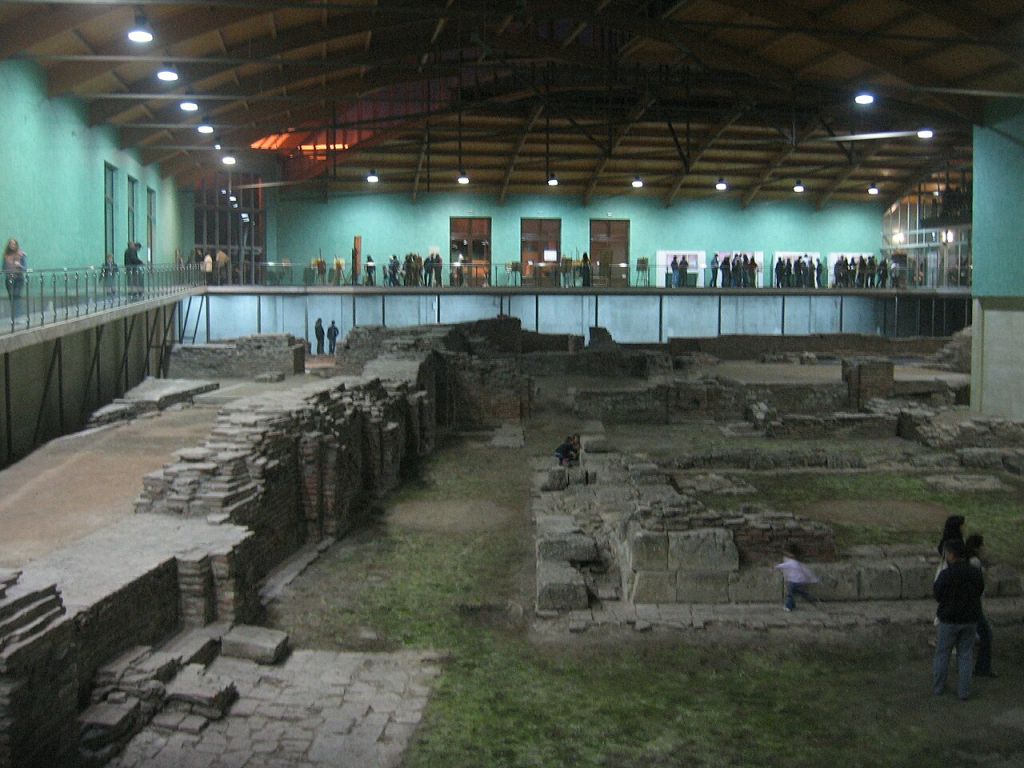
The Imperial Palace complex is the clearest place to understand that scale. Here, visitors can see remains of palace structures, heating systems, and decorative floors that hint at the wealth and power once concentrated here. It is not a flashy attraction, but it is deeply atmospheric, especially if you take time to imagine the city at its height.
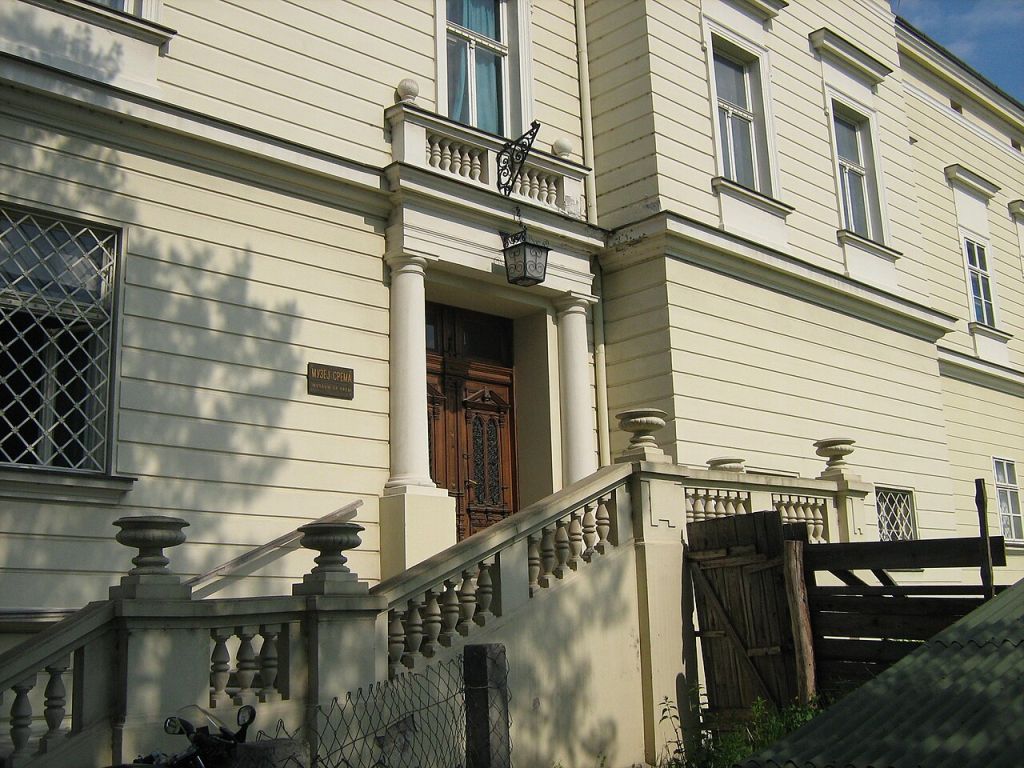
For broader context, the Museum of Srem is essential. Its collection helps connect Roman Sirmium with the later medieval, Ottoman, Habsburg, and modern periods that also shaped the region. If you enjoy destinations where history is layered rather than isolated, Sremska Mitrovica delivers that experience particularly well.
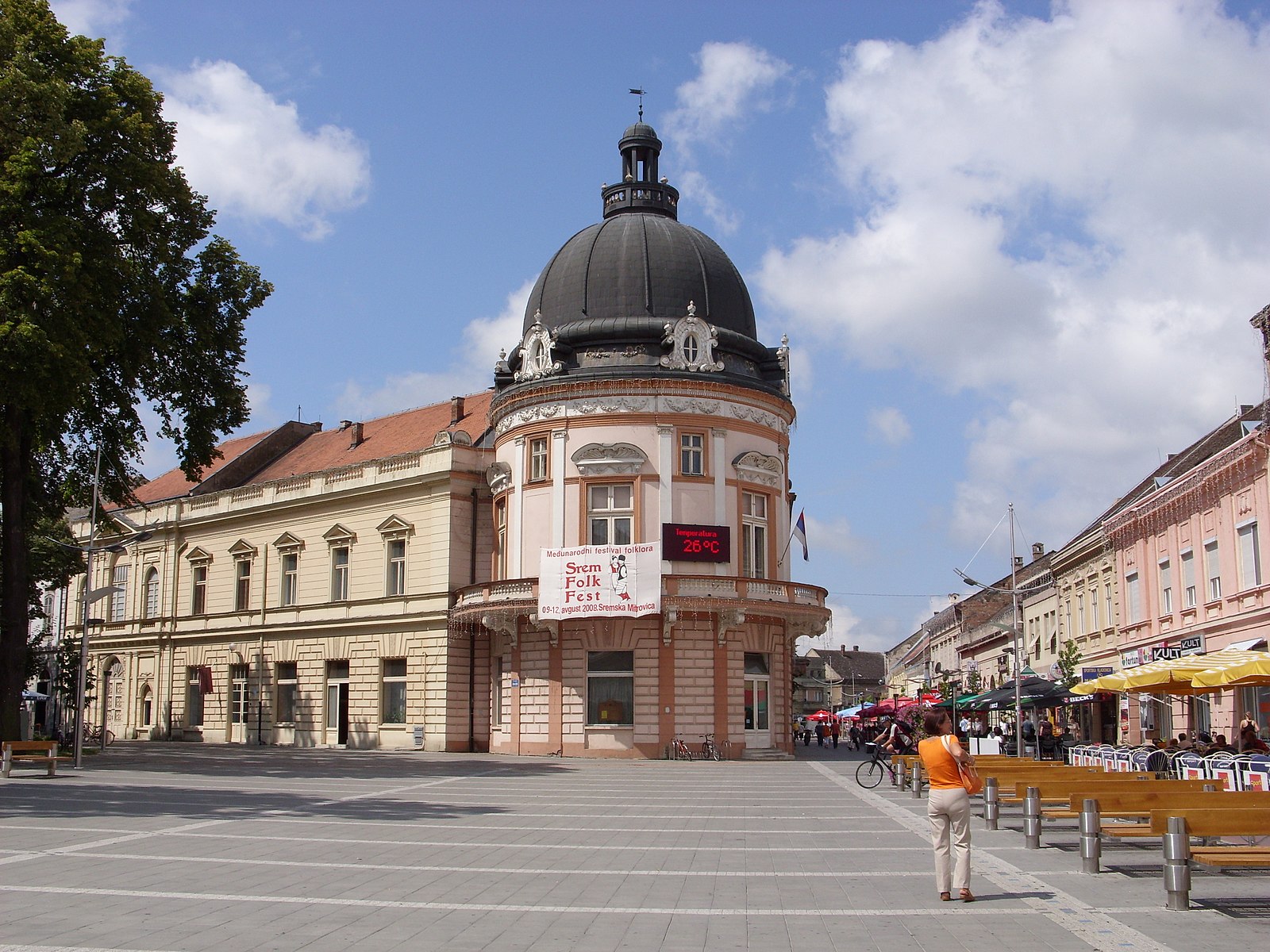
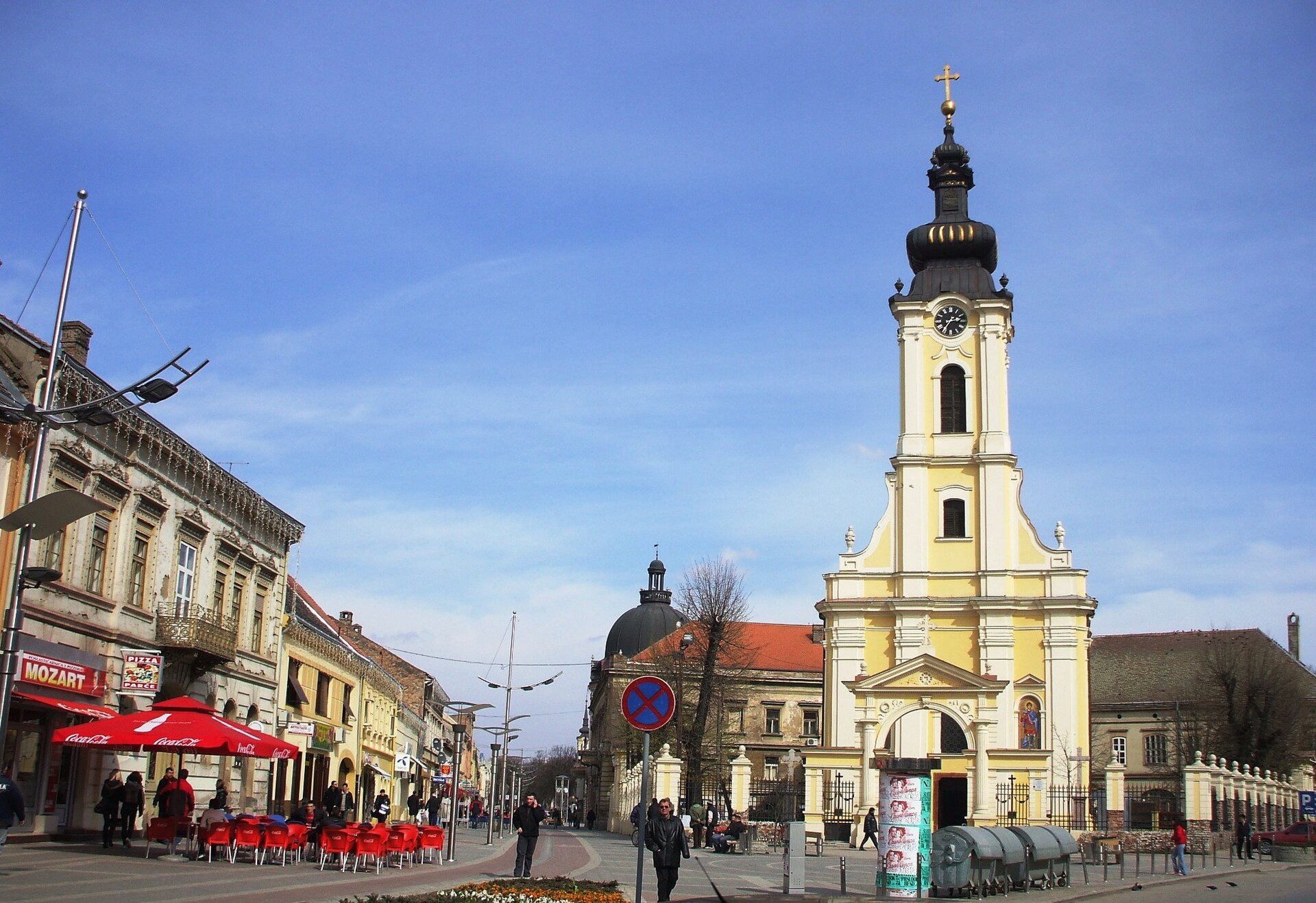
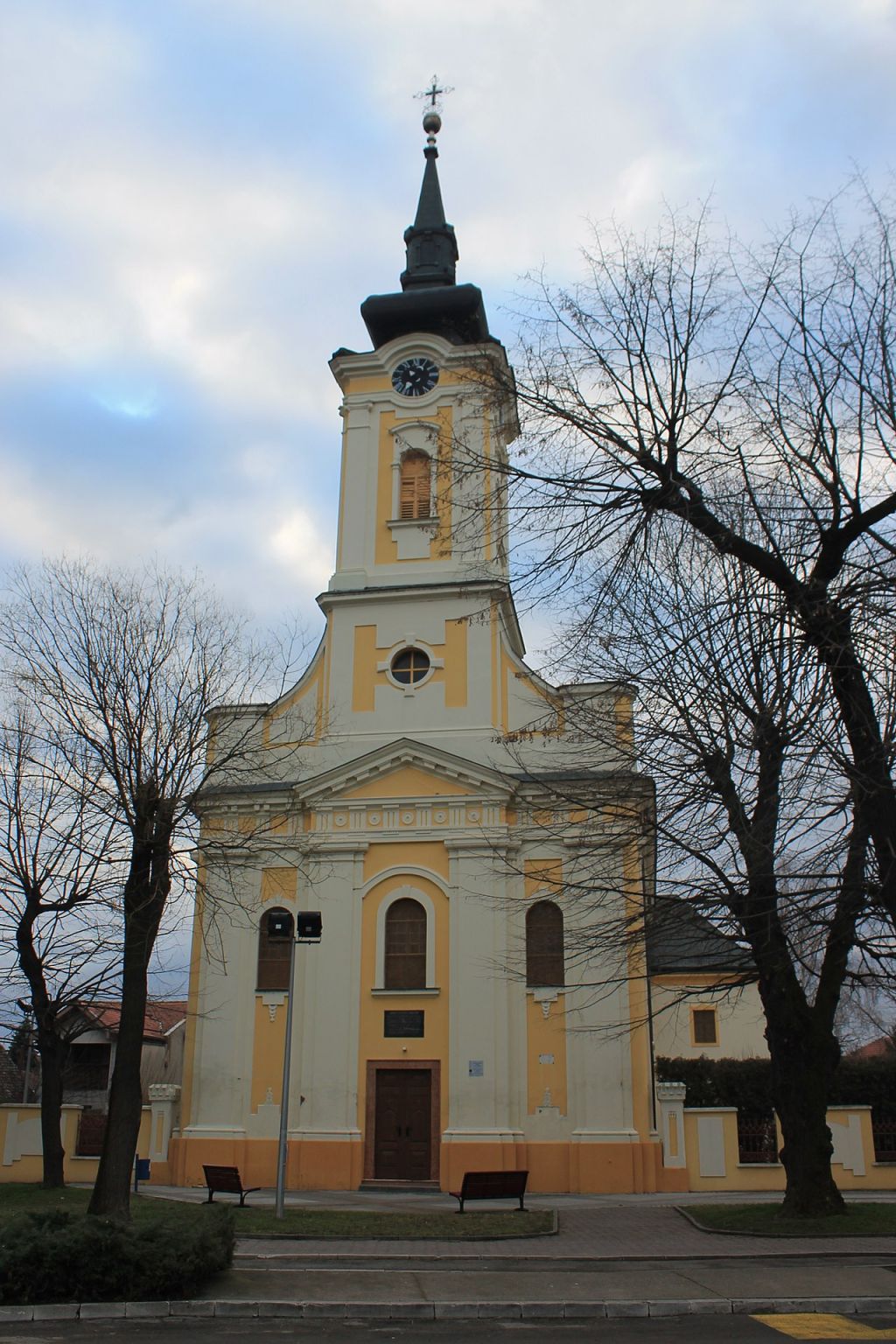
Beyond archaeology, Sremska Mitrovica has a thoughtful cultural side. The Basilica of Saint Demetrius anchors the city center and reflects the importance of the city’s patron saint. Nearby religious landmarks from different Christian traditions speak quietly but clearly about the area’s mixed heritage and long habit of coexistence.
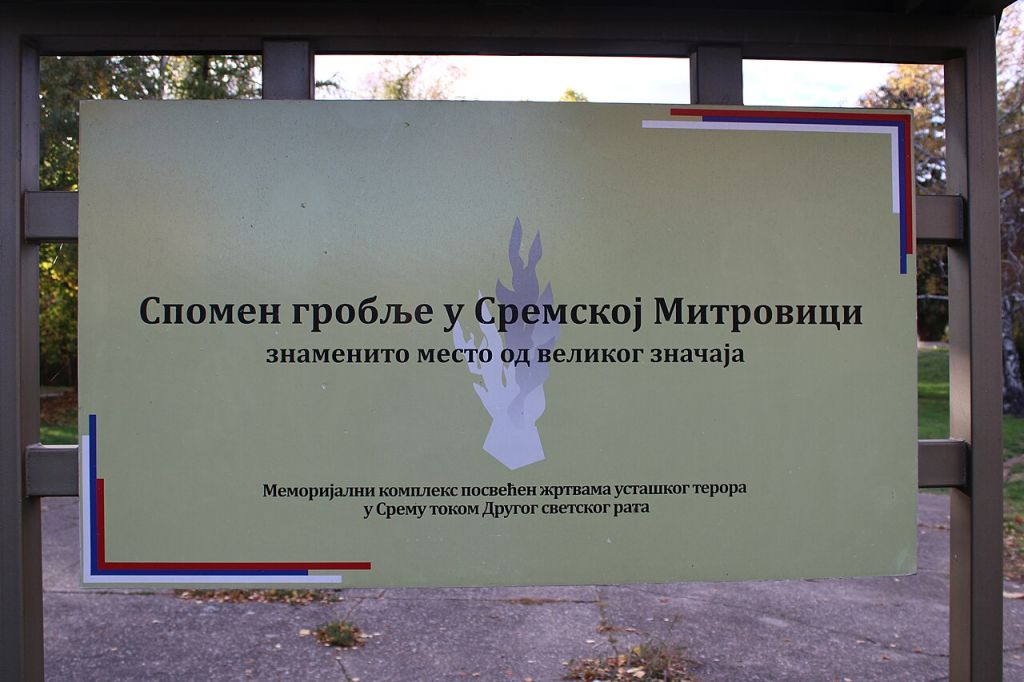
One of the city’s most striking modern-era sites is the Memorial Cemetery, designed by architect Bogdan Bogdanović. Even travelers unfamiliar with Yugoslav memorial architecture often find it powerful. Its symbolic forms and open setting create a contemplative space rather than a conventional monument, making it worth visiting with time and attention.
Art lovers can also seek out the Lazar Vozarević Gallery, a smaller cultural stop that adds another dimension to the city. It is not a blockbuster museum, but that is part of the appeal: Sremska Mitrovica rewards curiosity, and its cultural institutions feel connected to local identity rather than mass tourism.
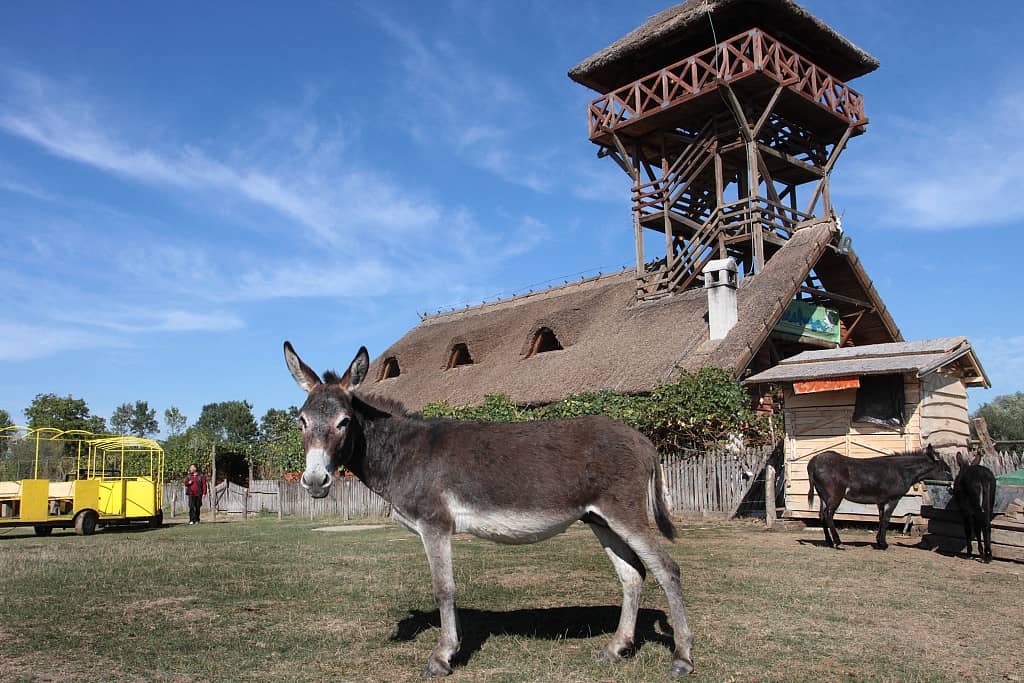
When you need a break from ruins and museums, the landscape around Sremska Mitrovica changes the pace completely. Just outside the city lies the Special Nature Reserve Zasavica, one of the most appealing wetland excursions in northern Serbia. Reed beds, calm waterways, birds, and traditional animal breeds give the area a quiet, almost meditative character. It is especially rewarding for travelers interested in wildlife, photography, or family-friendly outdoor activities.
The city also has a strong connection to the Sava River. In warmer months, the riverside and city beach become social spaces where locals gather in the evenings. Do not expect a dramatic Adriatic-style waterfront; this is a more laid-back Serbian river scene, best appreciated with a coffee, an ice cream, or a slow sunset walk.
Food is another reason to linger. This is Srem, a region known for generous portions, cured meats, sausages, river fish, and excellent produce. You may come across kulen, homemade charcuterie, seasonal dishes, and wines from the slopes of Fruška Gora. If you have the chance, pair a local white wine with a simple regional meal rather than looking for something overly elaborate—the local cuisine shines most in its honest, traditional forms.
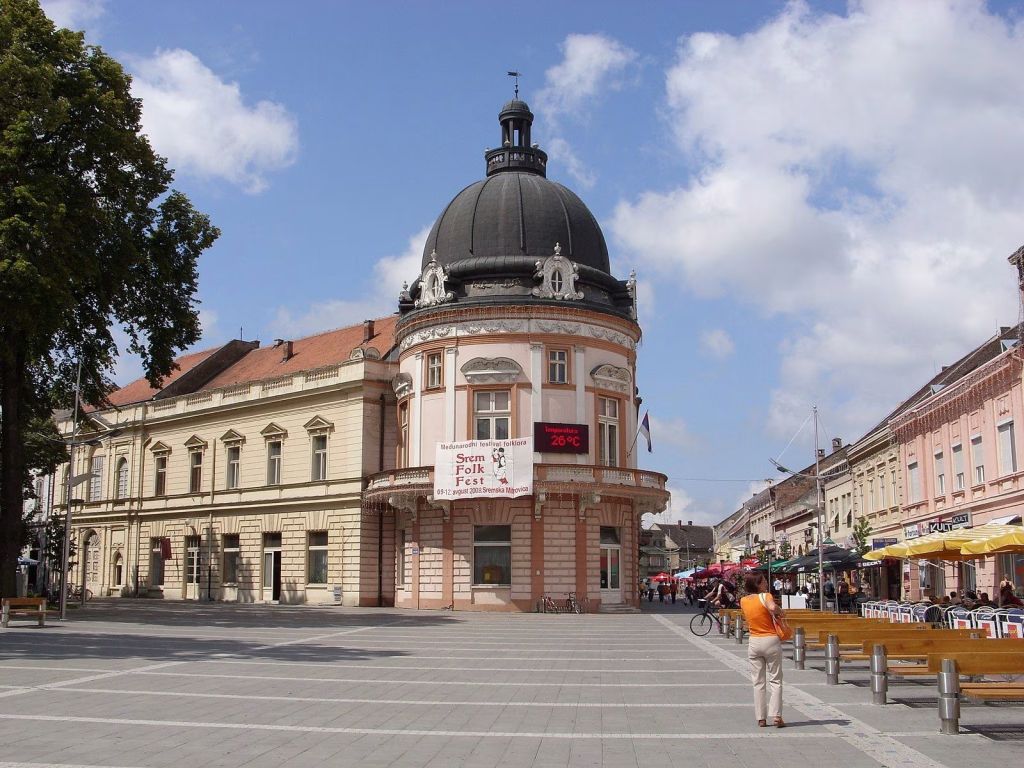
If you only have a day, start in the center with the Imperial Palace and the Museum of Srem. Continue through the main square area, visit the Basilica of Saint Demetrius, and then head toward the river for a relaxed lunch or coffee. This gives you a strong sense of the city’s Roman roots and present-day atmosphere without rushing.
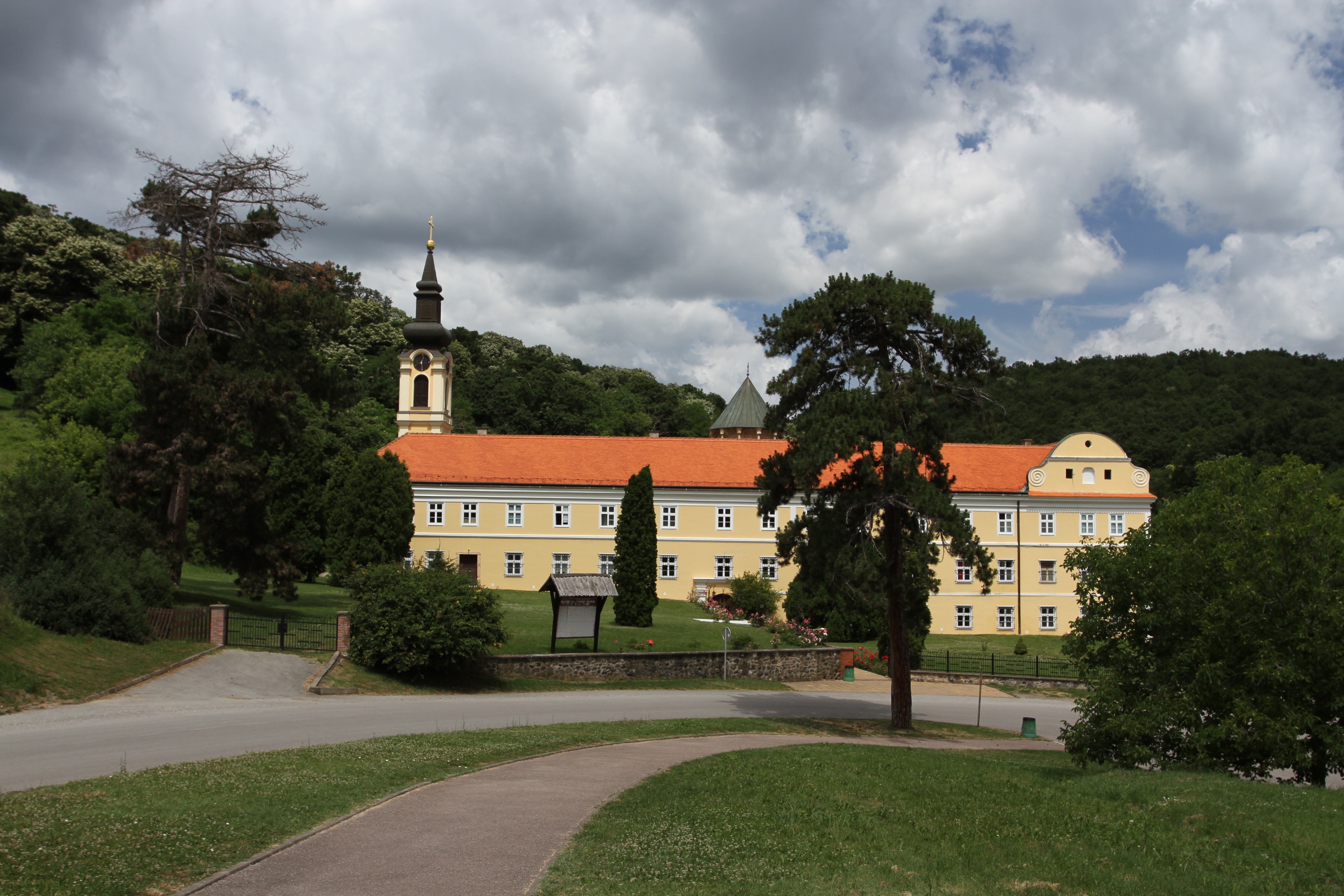
With two days, add Zasavica for nature and local products, or take a half-day drive into Fruška Gora to visit one or two monasteries and possibly a winery. The monastery network in this region is historically important and visually appealing, but it is best approached selectively—choose a couple rather than trying to see too many in one trip.
An honest tip: Sremska Mitrovica is not a nightlife destination in the classic sense, and that is perfectly fine. Come here for heritage, regional food, slower travel, and meaningful detours rather than for a packed urban agenda.
Explore the must-see attractions and hidden gems.
Imperial Palace of Sirmium
The city’s signature archaeological site and the best place to grasp Sremska Mitrovica’s Roman importance. Visible remains of palace structures, heating systems, and mosaics make this a must-see for history-minded travelers.
Museum of Srem
A well-curated museum that ties together Roman finds, medieval heritage, sacred art, and regional history. It is the ideal companion visit to the archaeological sites and one of the city’s strongest indoor attractions.
Basilica of Saint Demetrius
An important Catholic landmark dedicated to the city’s patron saint, located in the heart of town. Its presence reflects the layered religious history of Srem and the city’s multicultural character.
Memorial Cemetery by Bogdan Bogdanović
A powerful memorial complex known for symbolic architecture and a reflective atmosphere. Even if you are not specifically interested in memorial sites, it is worth visiting for its design and emotional impact.
Zasavica Special Nature Reserve
A peaceful wetland reserve just outside the city, known for birdlife, traditional livestock breeds, and local specialty products. It is one of the best nature excursions in the region and a fine contrast to the city’s historical sites.
Fruška Gora Monasteries
A short drive away, these monasteries offer a deeper look into the spiritual and artistic heritage of Srem. Combine a monastery visit with a winery stop for one of the most rewarding regional day trips.
Getting there: Sremska Mitrovica is in Vojvodina, roughly between Belgrade and the Croatian border, and is easiest to reach by car or bus. From Belgrade, the drive usually takes around 1 to 1.5 hours depending on traffic. Bus connections are generally straightforward, while rail options may be less convenient depending on current schedules, so check locally before planning a train-based trip.
Getting around: The city center is compact and best explored on foot. Taxis are affordable for short rides within town, and a car is useful if you want to visit Zasavica, nearby monasteries, or wineries on your own schedule. If you prefer not to drive, ask the local tourist organization about guided excursions or current transport options.
Best time to visit: Spring and early autumn are ideal, with pleasant temperatures for walking and day trips. Summer can be enjoyable too, especially for riverside time and outdoor cafés, though afternoons may be hot. Winter is quieter and less scenic for nature excursions, but still suitable if your focus is museums and archaeology.
Useful tip: English is spoken in many tourism-related places, but not everywhere. A translation app can be helpful in smaller restaurants or rural stops. Carry some cash as smaller venues may not always prefer cards.
Use this map to orient yourself around the main sights and surrounding area.
Let Serbian Travel help you plan the perfect Serbia itinerary. We handle accommodation, transport, guided tours and local experiences.
Yes—especially if you enjoy Roman history, smaller cities, local food, and easy day trips into nature. It is one of Serbia’s most interesting off-the-main-route cultural destinations.
One full day covers the main city sights, while two days lets you add Zasavica, nearby monasteries, or a winery visit.
It is best known as the site of ancient Sirmium, one of the important cities of the Roman Empire, and for its access to the Sava River, Zasavica wetlands, and the wider Srem region.
Yes, the city itself is easy to explore on foot and reachable by bus. A car becomes more useful if you want to explore Zasavica, Fruška Gora monasteries, or wineries independently.