Northern Vojvodina • Hungary-border city

Subotica: Art Nouveau elegance, café culture, and Palić Lake nearby

A compact city with a grand visual identity: colorful façades, the Synagogue, peaceful boulevards, and a strong Serbian–Hungarian blend that shapes everyday life.

Best for architecture Easy weekend trip Near Palić Lake Explore nearby Novi Sad
city
Why Subotica stands out This is one of Serbia’s most photogenic small cities — best experienced on foot, with time for the Synagogue, the city center, and a slow afternoon by the lake.
Art Nouveau
Synagogue
Palić Lake
Hungarian influence

Where is Subotica?

Subotica sits in northern Vojvodina, close to the Hungarian border and about halfway between Novi Sad and the border crossing toward Hungary. It is one of Serbia’s most distinctive cities thanks to its late-19th- and early-20th-century architecture and its mix of Serbian, Hungarian, Bunjevci, and other local influences.

For first-time visitors, Subotica works well as a one-day city stop or a slow overnight base paired with Palić Lake. If you are building a wider Serbia itinerary, start with Serbia Overview for First-Time Visitors and then add Subotica for a northern Vojvodina contrast.

Quick practical take

Best base: the city center for architecture and cafés.
Best side trip: Palić Lake for a slower afternoon.
Best season: late spring through early autumn, when terraces and parks feel at their best.

A city that feels balanced

Subotica is easy to enjoy because it does not overwhelm you. The center is walkable, the landmark buildings are concentrated, and the pace is noticeably calmer than in bigger Serbian cities. You can spend the morning looking at façades, pause for a long lunch, and end the day with a walk in a park or out at the lake.

What gives the city its character is the combination of urban elegance and borderland ease. You will hear more than one language, see café menus that reflect the local mix, and notice that the city’s identity is as much cultural as architectural.

The heart of the city: Old Town

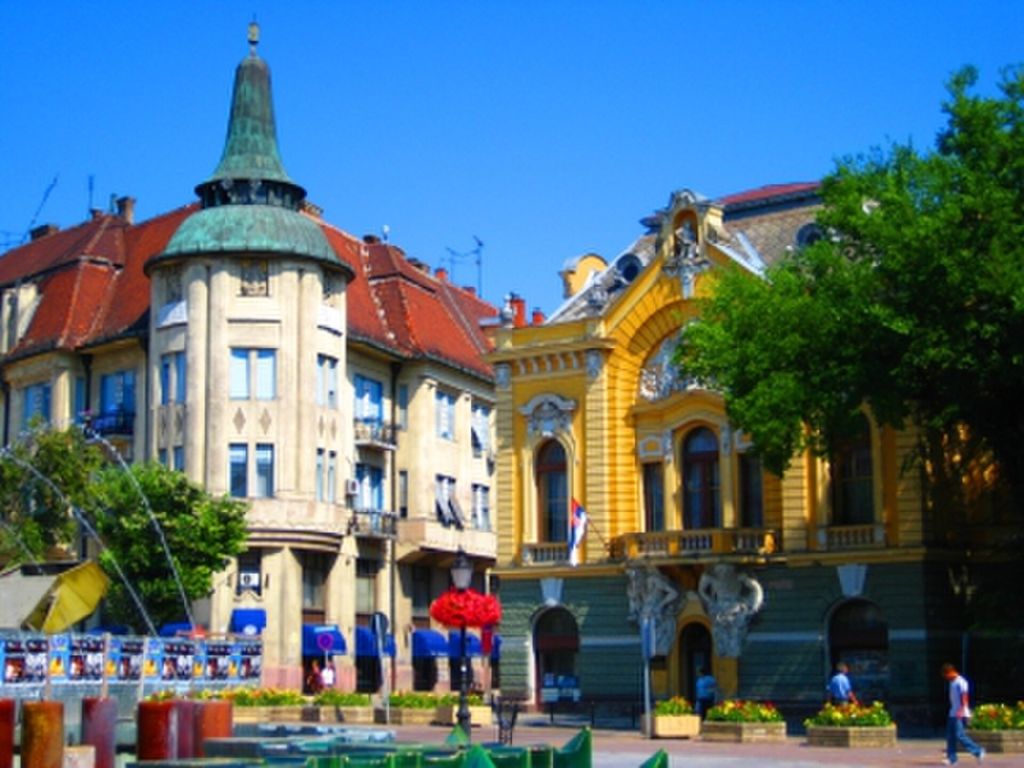
Subotica’s Old Town is where the city’s visual identity comes together. This is the best area for a slow walk, especially if you want to study the details on façades, balconies, ceramics, and windows. The architecture here reflects the city’s prosperity at the turn of the 20th century and makes Subotica one of Serbia’s top destinations for Art Nouveau lovers.

Start near the main squares, then wander the surrounding streets without a fixed route. Many of the best moments come from small discoveries: an ornate doorway, a quiet side street, or a building you would normally miss if you were rushing.

Old Town highlights

A few places to slow down and notice the details.

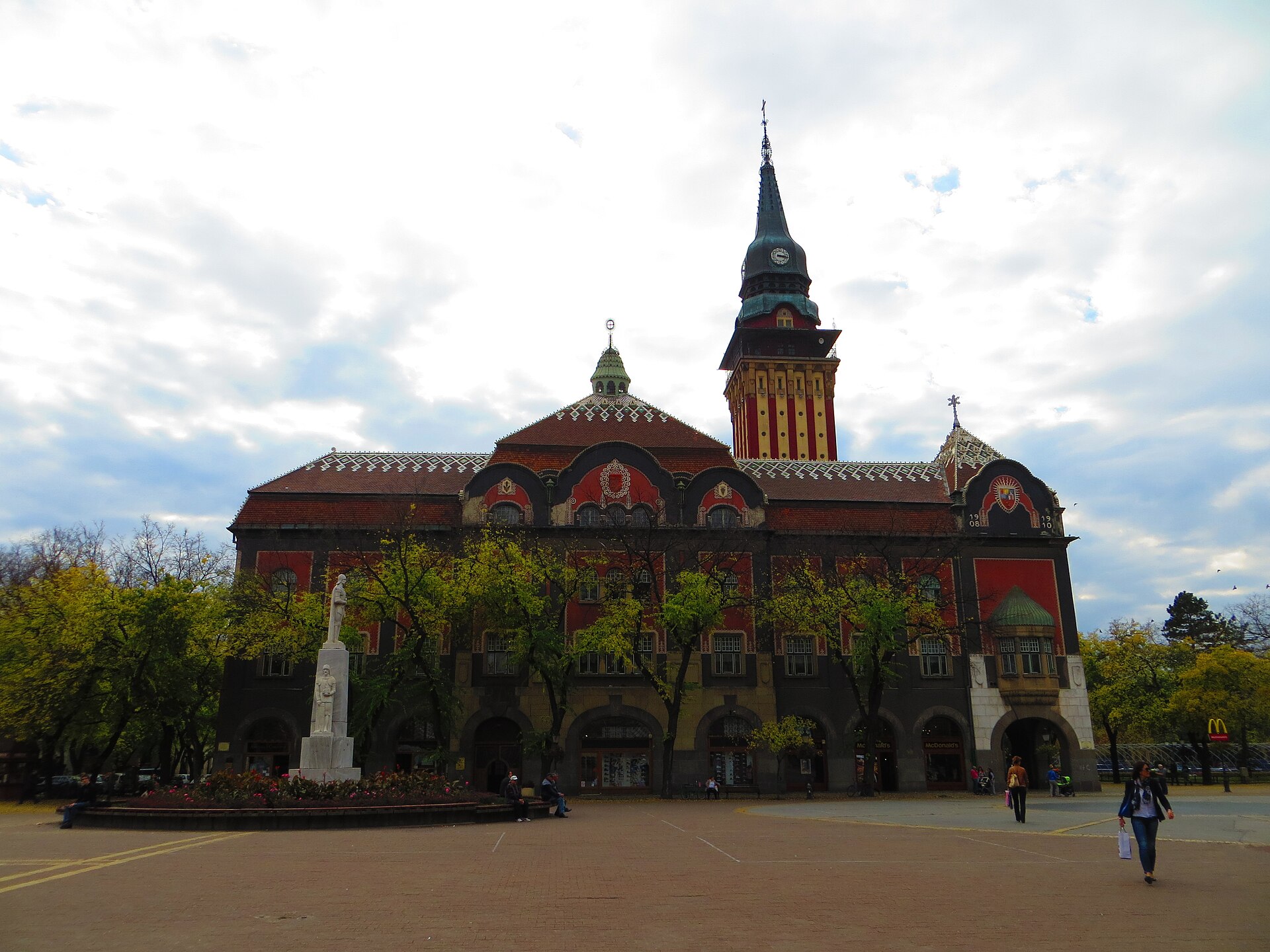
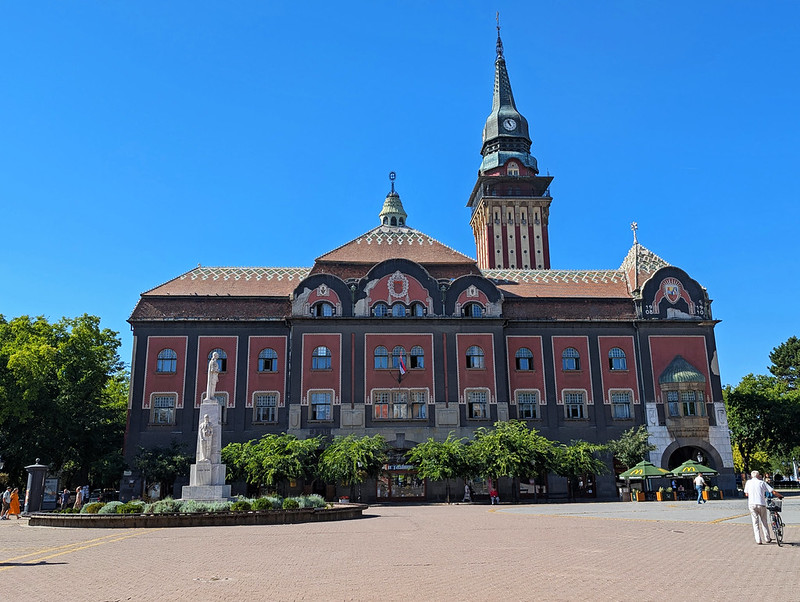
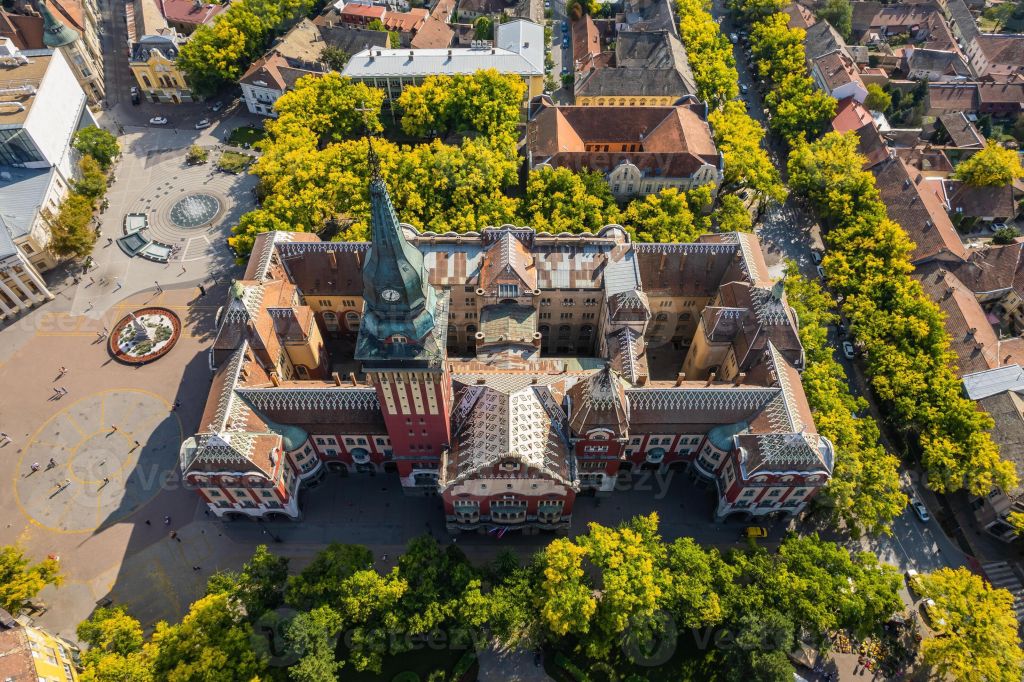
Subotica City Hall Art Nouveau façade with decorative tower

City Hall

The most iconic landmark in Subotica, with a richly decorated exterior and a tower that anchors the city center.

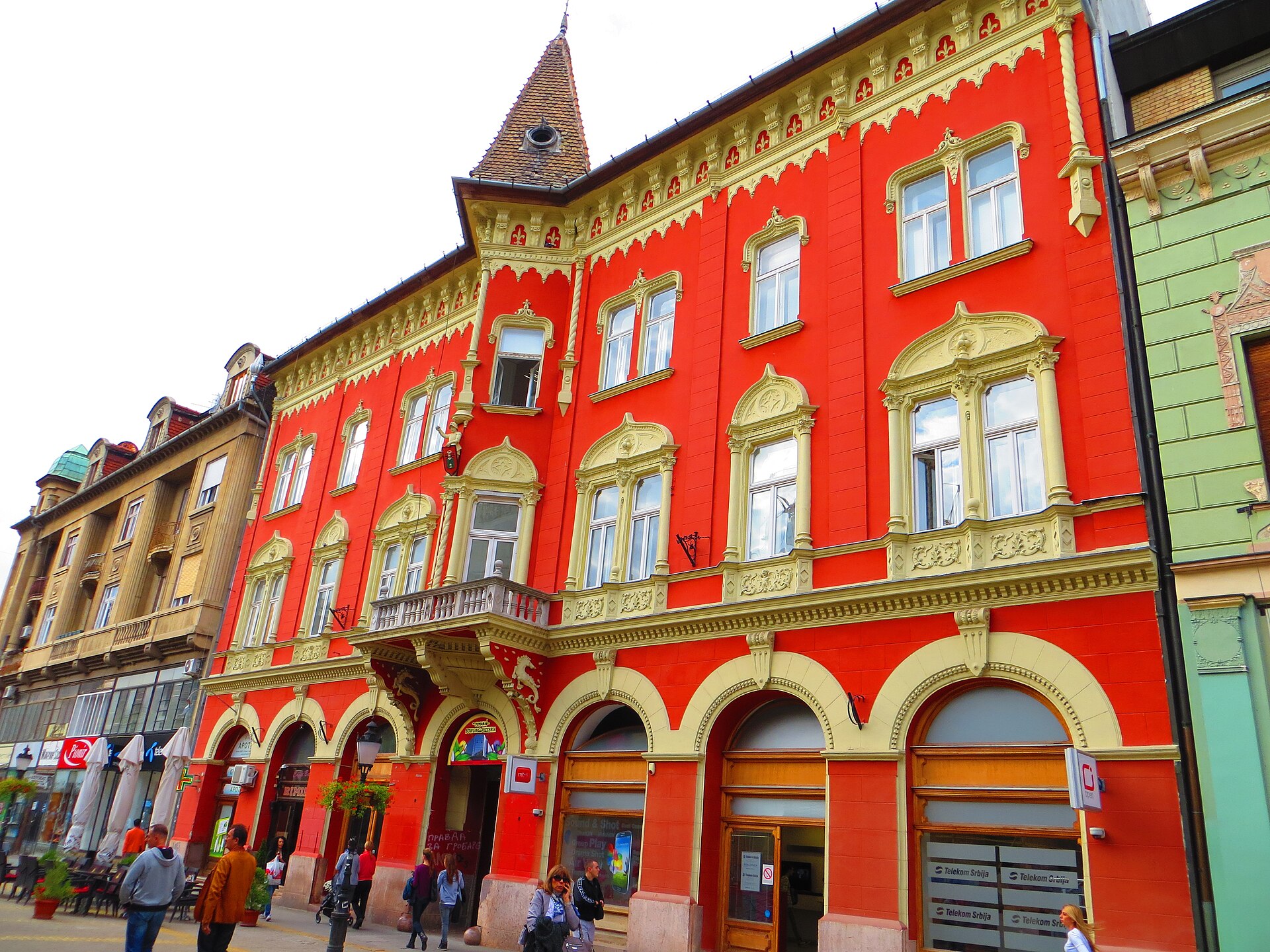
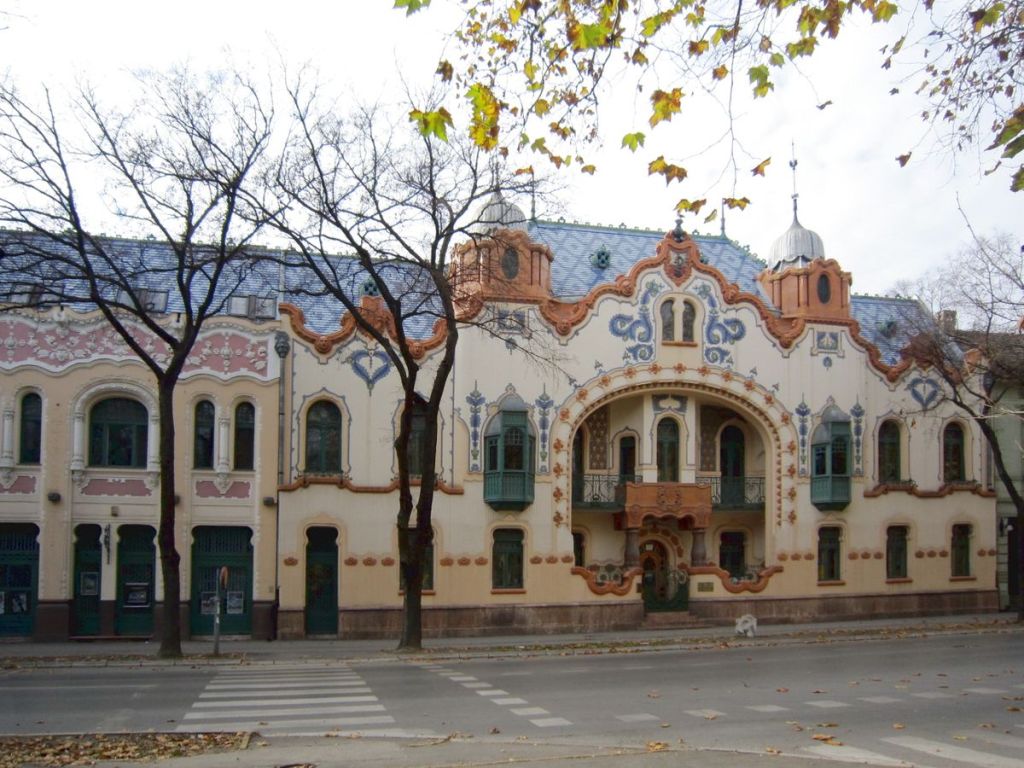
Raichle Palace Subotica colorful Art Nouveau exterior

Raichle Palace

A colorful, expressive building that shows how imaginative Subotica’s Art Nouveau can be.

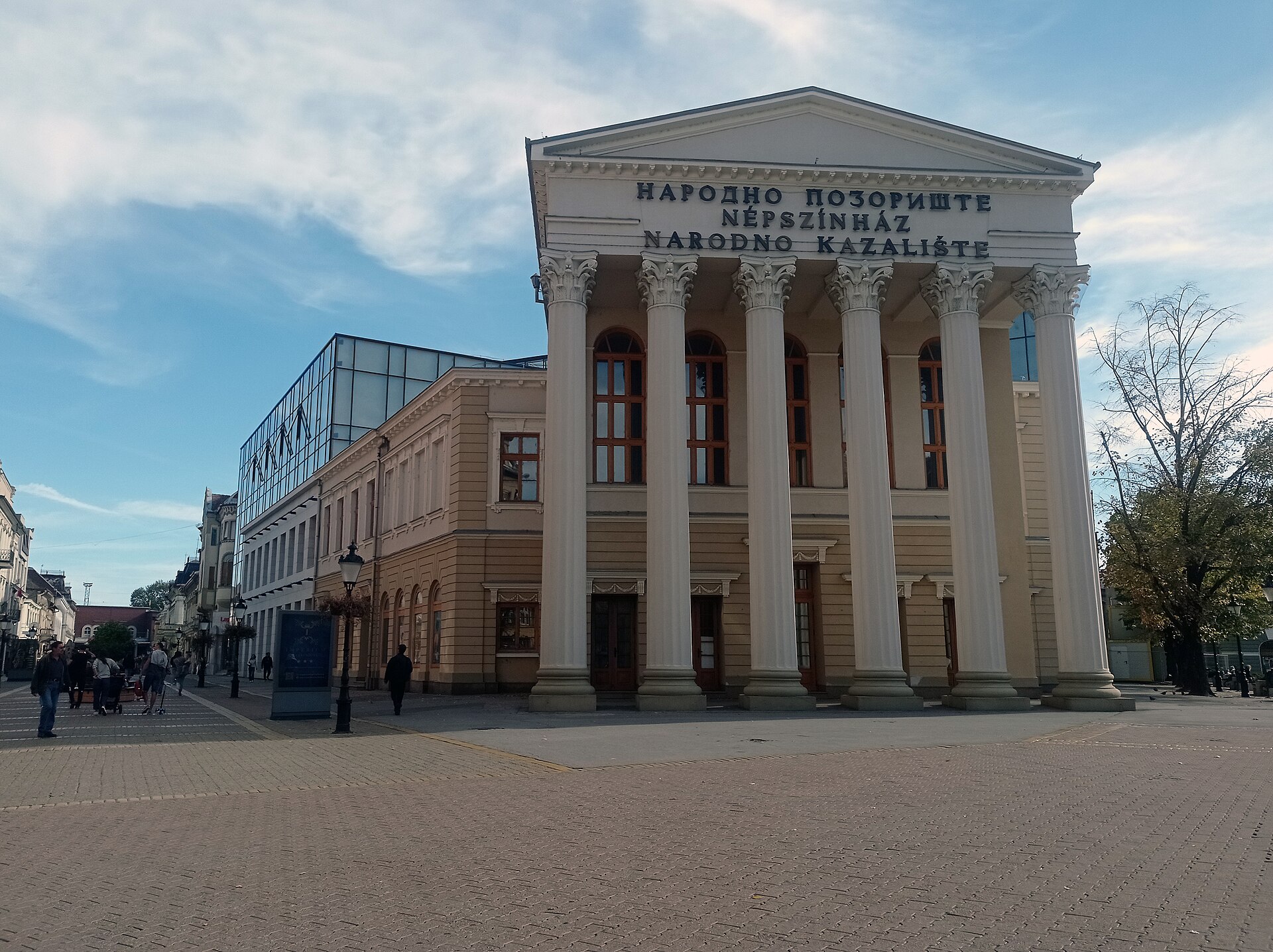
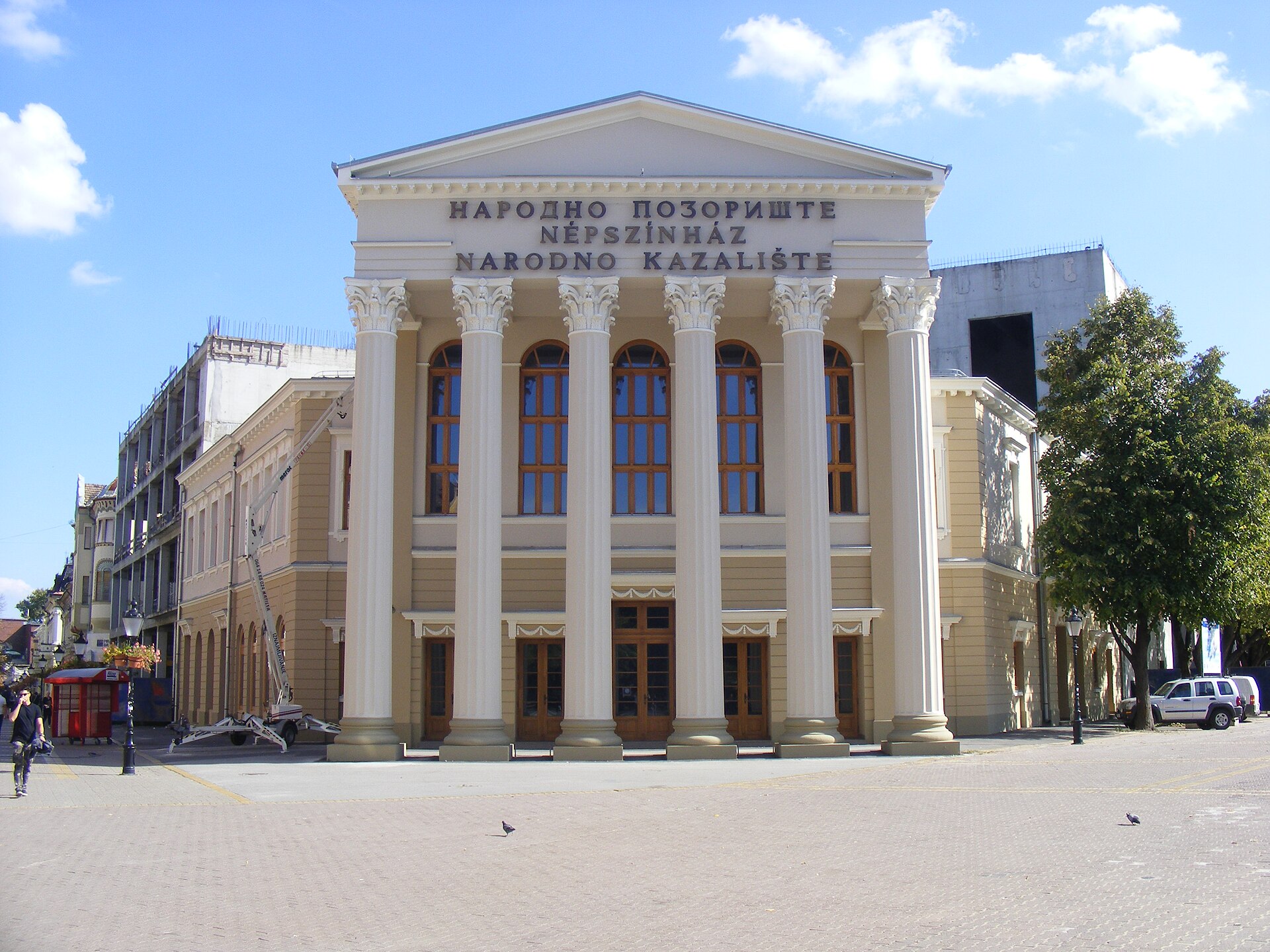
Main Square in Subotica with elegant historic façades

Main Square

The easiest place to orient yourself, people-watch, and connect the city’s architectural landmarks.

Micro-tip

Go slowly and look up. In Subotica, many of the best details are above street level — cornices, ceramics, reliefs, and balcony ironwork.

Subotica’s defining landmarks

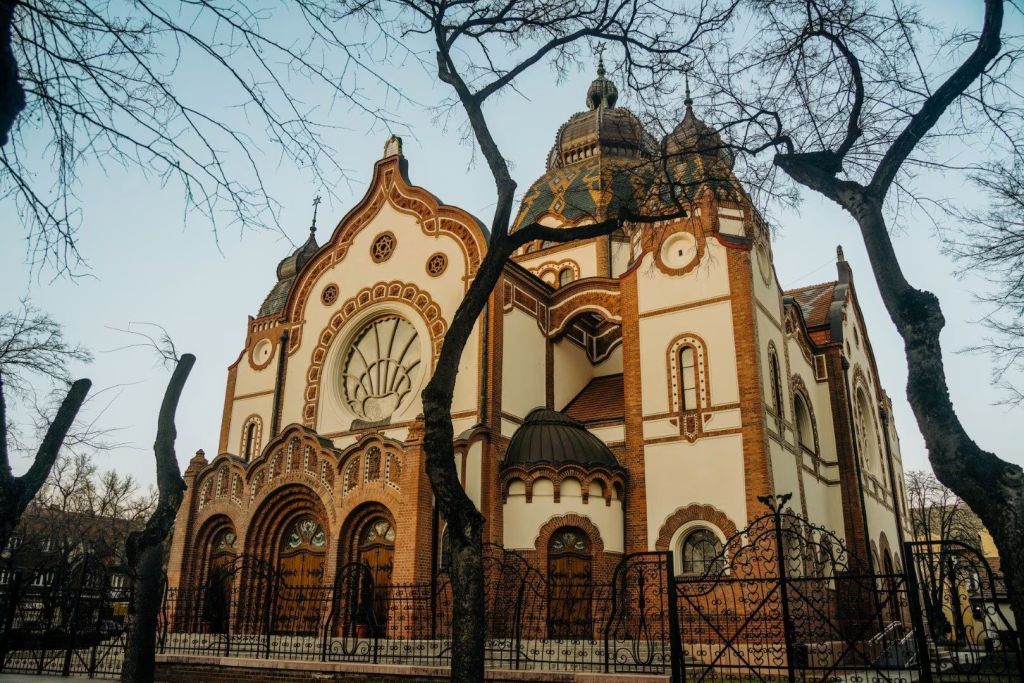
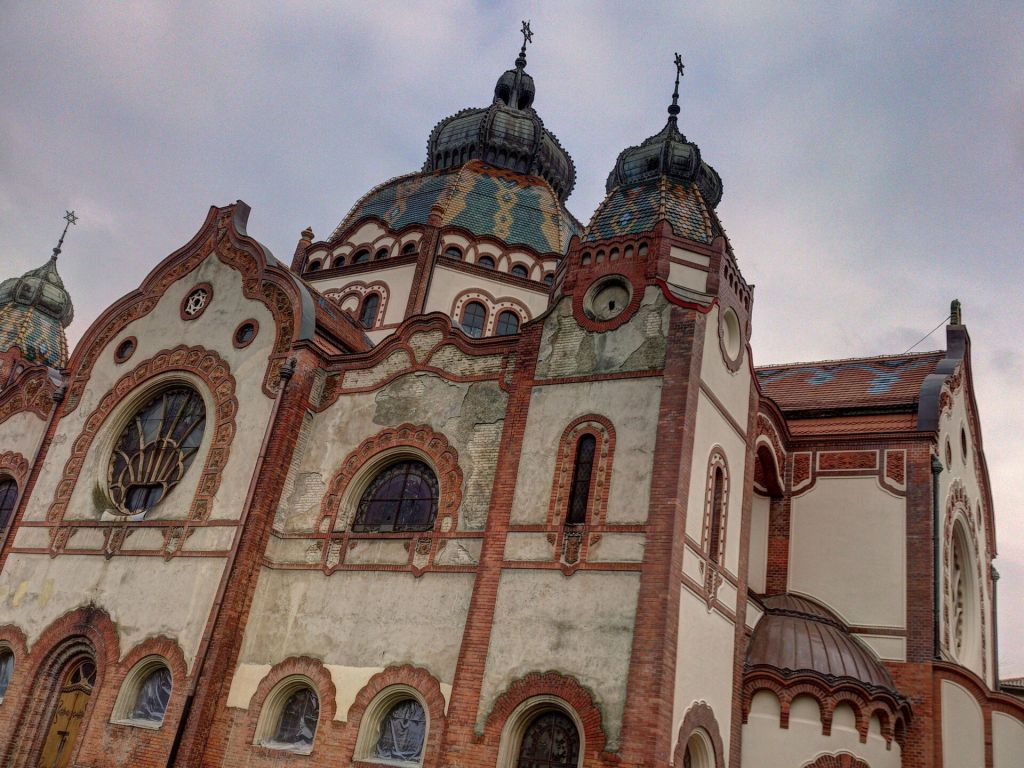
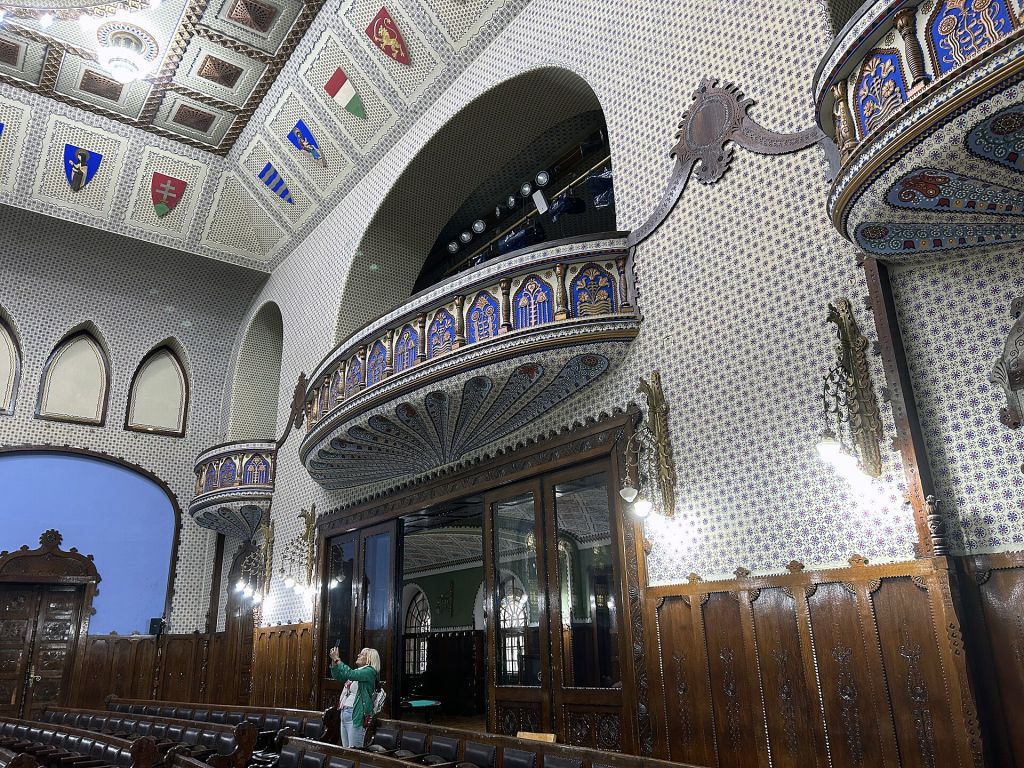
The city’s most famous building is the Subotica Synagogue, a masterpiece of Art Nouveau and one of the most important synagogue buildings in Europe. Its restored interior and exterior are reason enough to plan time in the city. Nearby, the city center adds more architectural variety with public buildings, façades, and squares that reward patient exploration.

If you want a broader Vojvodina context, compare Subotica with the cultural atmosphere of Sremski Karlovci or the regional monastery routes in Fruška Gora Travel Guide.

What to prioritize

Subotica Synagogue

Plan time for both the exterior and the interior if open. It is the city’s signature sight and one of Serbia’s most memorable heritage buildings.

City Hall and the surrounding square

Use this as your anchor point for a walk through the center, especially in the softer light of late afternoon.

Architecture-first planning

If you only have a few hours, prioritize the Synagogue, City Hall, and a loop through the Old Town before heading to Palić Lake.

Beyond the center: Palić Lake, parks, and breathing space

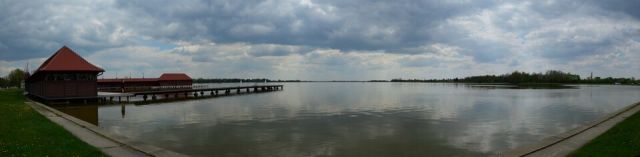
Subotica’s natural escape is Palić Lake, just outside the city. It is the easiest way to add open space, water views, and a slower rhythm to a city trip. Locals use the area for walks, cycling, coffee stops, and weekend leisure.

Because Subotica is so compact, it is easy to combine urban sightseeing with a relaxed lakeside break in the same day. That balance is a big reason many travelers remember the city fondly.

Best ways to enjoy the outdoors

Walk the lakefront

Good for an easy afternoon when you want a scenic pause after the city center.

Cycle around Palić

Ideal if you prefer moving slowly and covering more ground without needing a car.

Culture & creativity

Subotica’s cultural identity is shaped by its Serbian and Hungarian heritage, and that influence shows up in architecture, language, food, and everyday life. The city feels local and lived-in rather than museum-like, which makes it rewarding for travelers who enjoy observing details.

For event-minded travelers, it is also worth checking regional festivals and seasonal programs in Vojvodina — especially if you are pairing Subotica with Serbia’s Art Festivals or a Novi Sad-based trip like EXIT Festival in Novi Sad.

Food & cafés: easy to like, hard to leave

Food in Subotica is one of the easiest parts of the trip to enjoy. Expect café culture, hearty regional dishes, pastries, and plenty of places where sitting down for one coffee quietly turns into an hour. The mix of Serbian and Hungarian culinary influence gives the city a distinct flavor.

Look for bakeries in the morning, then choose a relaxed lunch spot in the center or near the lake. If you are traveling through Vojvodina more broadly, you can compare the slower pace here with the more urban dining scene in Novi Sad Travel Guide.

What to order

Start with pastries or a bakery breakfast, try a regional main dish at lunch, and leave room for coffee and cake later in the day.

Getting around Subotica

The city center is very walkable, which is the best way to experience it. For Palić Lake and outer neighborhoods, taxis or local buses are the simplest options if you do not have a car. Most visitors do not need complicated transport planning.

If you are arriving from elsewhere in Serbia, Subotica fits well into a northbound route from Serbia Travel Guide or as a complement to Novi Sad and the wider Vojvodina region.

Easy mobility tip

If the weather is good, keep the day flexible: walk the center, then use a taxi or bike to reach Palić without losing time on logistics.

Day trips from Subotica

The obvious short excursion is Palić Lake, but Subotica also works as a base for exploring the borderland atmosphere of northern Vojvodina. If you are planning a longer regional route, consider connecting the city with Sremska Mitrovica or, for a monastery-and-wine focus, Krušedol Monastery.

Travelers who want a broader northern Serbia comparison can also continue toward Sombor, another city with a strong sense of place and a slower pace.

Good add-ons

Palić Lake

The most natural extension of a Subotica city break: water, parks, and a more relaxed tempo.

Borderland road trip

Useful if you want to explore villages, food stops, and the cultural mix near the Hungarian border.

How long should you stay?

One full day is enough for the main sights. Stay two days if you want to add Palić Lake, enjoy cafés slowly, and photograph the architecture at a relaxed pace.

FAQ

Is Subotica worth visiting?

Yes. It is one of Serbia’s most distinctive cities for architecture, and it is especially rewarding if you enjoy Art Nouveau, café culture, and a slower pace.

What is Subotica best known for?

The Subotica Synagogue, City Hall, and the city’s Art Nouveau architecture, plus the nearby Palić Lake.

Can I visit Subotica as a day trip?

Absolutely. A day is enough for the center, though an overnight stay gives you time for Palić and a more relaxed experience.

What is the best time to go?

Late spring, summer, and early autumn are the most comfortable, especially if you want to enjoy outdoor walks and lake time.

Places to explore

A short shortlist for first-time visitors, from the city’s main landmarks to its easiest nearby escape.

Subotica Synagogue Art Nouveau exterior with decorative dome

Subotica Synagogue

One of the city’s must-see landmarks and a standout example of Art Nouveau in Serbia.

Plan enough time to appreciate the restored building and its decorative details.

  • Architectural highlight, Central location, Top photo stop
Subotica City Hall in the main square with ornate façade

City Hall

The civic symbol of Subotica and a visual anchor for the city center.

A great starting point for a walking tour through the old urban core.

  • Main square landmark, Guided-walk friendly, Easy to combine with cafés
Palić Lake promenade near Subotica with trees and water

Palić Lake

A calm lakeside escape just outside the city.

Ideal for a slower afternoon of walking, cycling, and café breaks.

  • Outdoor time, Family-friendly, Best nearby escape