Plan my Serbia route

Western Vojvodina • Bačka region

Sombor travel guide

A calm, elegant Serbian city of tree-lined boulevards, Baroque facades, cafés, galleries, and easy access to canals, nature, and nearby villages. Sombor rewards slow travel: wander, sit down, and let the city unfold at its own pace.

Historic center Café culture Canals & nature Easy day trips Back to Serbia travel guide
Why Sombor stands out Sombor is one of Vojvodina's most composed provincial cities — broad streets, a layered civic center, and a slower pace than the rest of Serbia's urban circuit.
Walkable center
Baroque architecture
Nature nearby
Great for a day or two

Sombor is a town in northwestern Vojvodina known for its tree-lined streets, green public spaces, and Habsburg-era architecture. Visitors come for the County Hall, the Milan Konjović gallery, local Vojvodina cuisine, and quiet day trips into the surrounding plain. It sits near the Croatian and Hungarian borders in the Bačka region.

Where is Sombor?

Sombor sits in western Vojvodina, close to the Hungarian and Croatian borders and set within the flat agricultural land of the Pannonian plain. The city has around 45,000 residents and functions as the administrative center of the West Bačka District. Despite its border position — or perhaps because of it — Sombor developed a civic identity shaped by multiple cultural influences: Hungarian, German, Serbian, and Croatian communities all left their marks on the city's architecture and street life.

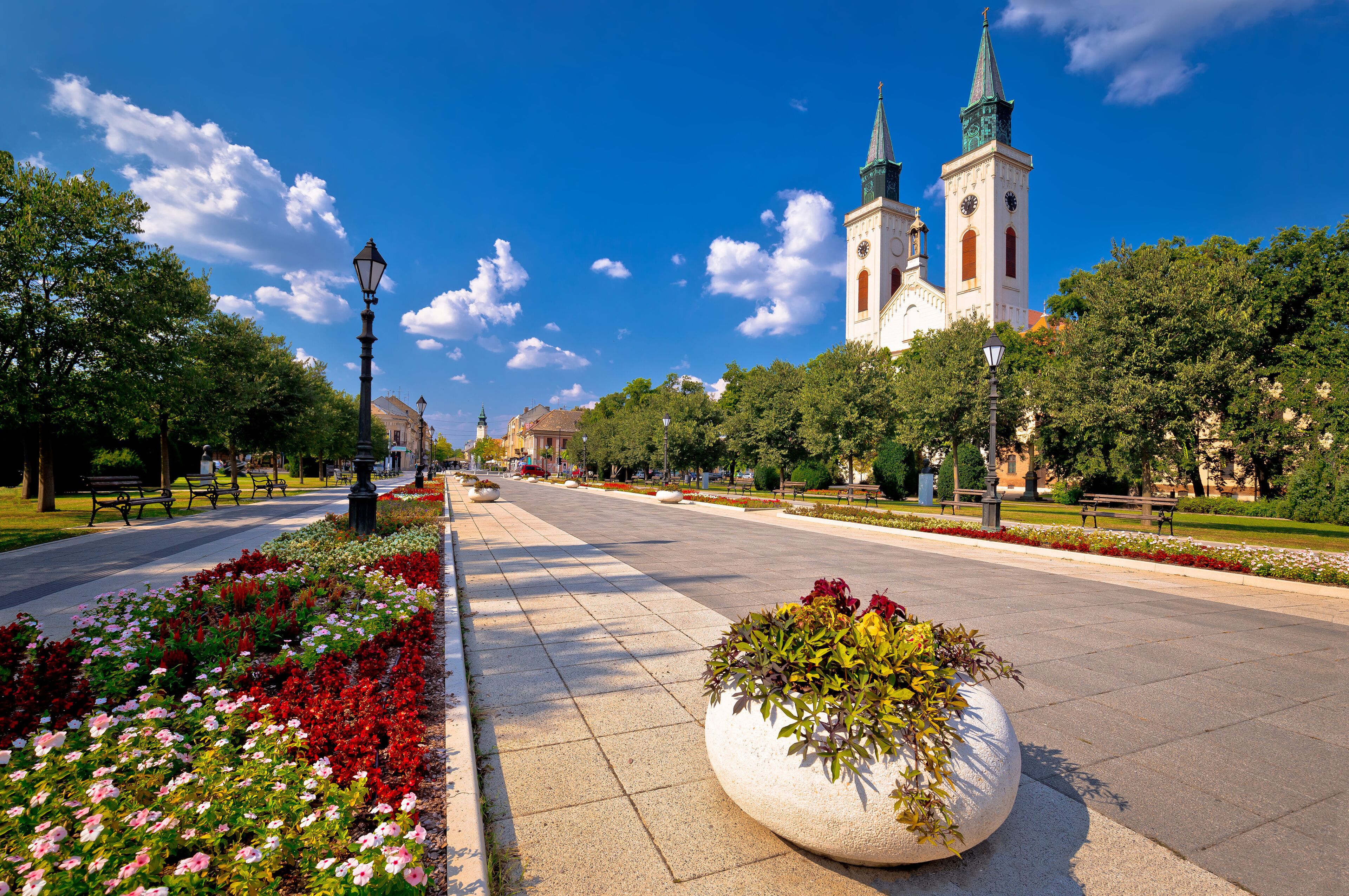
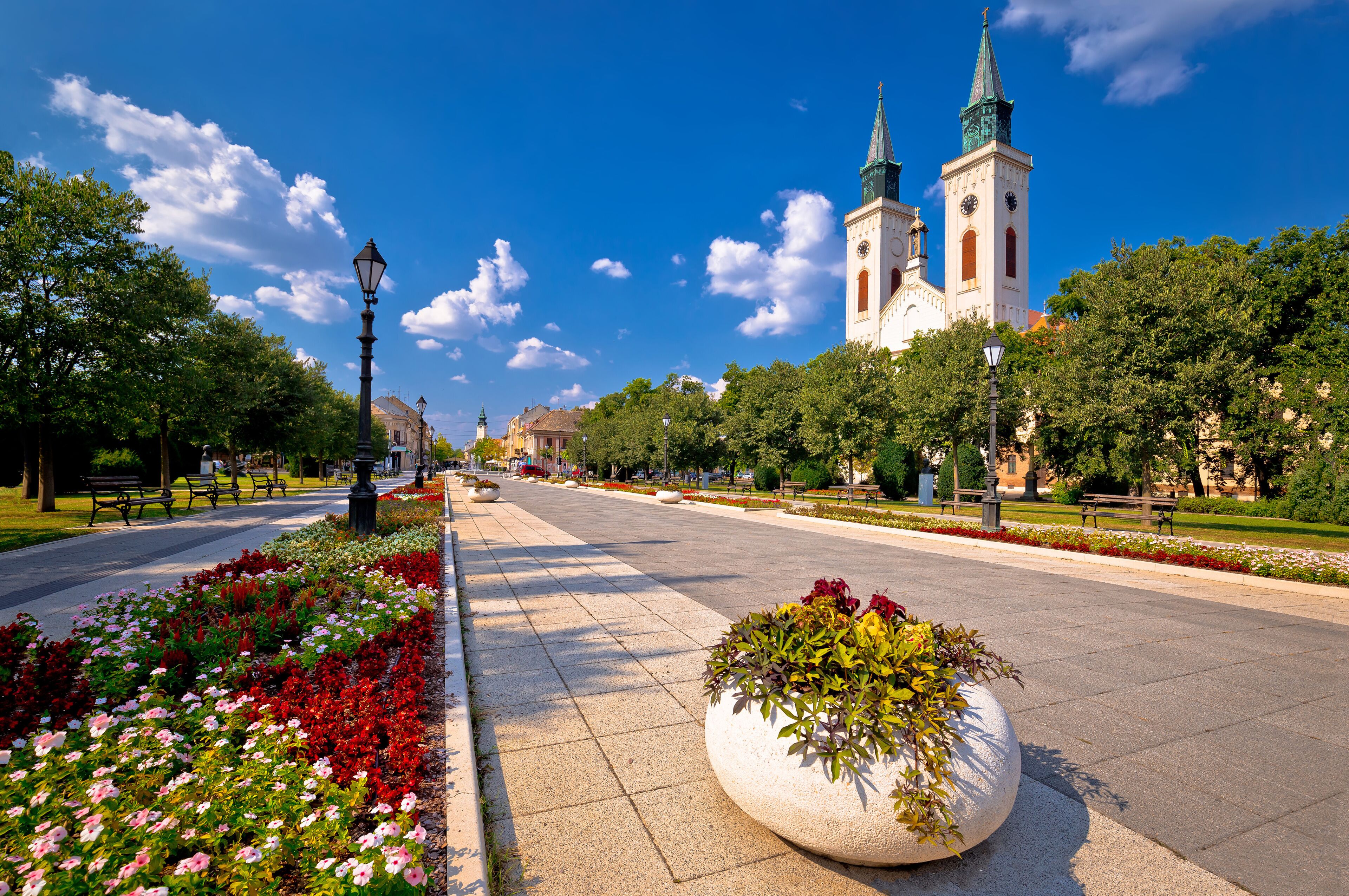
The city's characteristic feature is its streets: unusually wide, lined with linden and horse-chestnut trees, and designed in a way that gives even the busier parts of the center a certain composure. The book notes that Sombor has a quality rare in Serbia — it feels urban but not hectic.

A city that feels balanced

Sombor has what the book identifies as a distinctive quality for a Serbian city its size: things happen here — concerts, exhibitions, festivals — but the scale remains manageable. The city center does not feel overwhelmed by its cultural programming or by tourist infrastructure. What you find is a working civic city that takes its institutions seriously without performing them for an audience.

The Sombor Theater Marathon, referenced in the book, is the event that most clearly marks the city's cultural ambitions. Running for several days, it draws theater companies from across the region and occupies multiple venues throughout the city. Its existence in a city of Sombor's size says something about the local appetite for organized cultural life.

The heart of the city: the historic center

The historic center of Sombor is built around two interconnected squares and a network of streets that retain a notable quantity of 18th- and 19th-century civic and religious architecture. The Cathedral of Saint George (Serbian Orthodox) and the Church of the Holy Trinity (Roman Catholic) both face the main square area, which tells the story of the city's multi-confessional character more directly than any explanation could.

The City Museum occupies a building on the main square and covers the history of Sombor and the surrounding region. The City Hall is a 19th-century administrative building whose scale and style reflect the period of Austro-Hungarian civic investment in the Pannonian cities. These buildings are within a short walk of each other and can be taken in on a single circuit of the center.

Sombor’s defining attractions

Sombor's attractions are architectural and civic in character rather than monument-based. The Cathedral of Saint George, built in the 18th century, is the most significant religious building. The County House (Županijska palata), now serving administrative functions, is one of the best examples of Baroque civic architecture in the Vojvodina region. The broad, tree-lined streets themselves — Venac, Stari Grad — function as informal attractions: the kind of urban space that invites walking at a deliberately unhurried pace.

The Bezdanski kanal (Bezdan canal), part of the broader Danube-Tisa-Danube canal network running through Vojvodina, passes near the city and offers a cycling and walking route that extends the options for those who have covered the center and want to move into the surrounding flat landscape.

Green space, canals, and breathing room

Sombor is not a Danube river city in the direct sense — it sits several kilometers from the main waterway — but it benefits from the broader water infrastructure of Vojvodina. The canal network that runs through the flat agricultural land around the city, built originally for drainage and irrigation, now also serves as a cycling and boating leisure route. The landscape immediately outside Sombor is characteristically Vojvodinian: wide, open, agricultural, and crossed by straight roads lined with trees.

The nearest Danube access point is Bezdan, a small village north of Sombor on the river's bank, where a modest beach and riverside walk attract local visitors in summer. For travelers who want to combine Sombor with a Danube viewpoint, Bezdan is the natural add-on.

Culture & creativity

Sombor has a cultural infrastructure notably developed for its size. The Serbian National Theatre Sombor performs year-round and is the home institution of the Theater Marathon festival. The Sombor Gallery displays works with a focus on local and regional artists. The city library is one of the older cultural institutions in Vojvodina.

The Theater Marathon, referenced in Matthias Pasler's Serbia Travel Pocketbook, is the event that most clearly defines Sombor's cultural ambition. Drawing companies from across the Balkans and occasionally from further afield, it turns the city's theater spaces — and sometimes its streets and squares — into performance venues for several consecutive days.

Food & cafés: easy to like, hard to leave

Sombor's food follows the pattern of Vojvodina: Serbian staples blended with Hungarian and Central European influences. Goulash, stuffed peppers (punjene paprike), and bean soups appear alongside the standard Serbian grill menu of ćevapi, pljeskavica, and grilled sausage. Pastry shops (pekare) are a fixture of the center and a reliable breakfast option. The city's cafés range from older kafana-style spaces to more recent European café formats, both of which suit the pace of a Sombor day.

Getting around Sombor

The center is compact and best explored on foot. The distance between the main square and the furthest interesting point in the historic center is about 15 minutes at a relaxed pace. For the canal-side routes and the wider agricultural landscape, a bicycle is the natural extension. Sombor's flat terrain makes cycling easy and the city has a modest cycling infrastructure.

Bus connections link Sombor with Novi Sad, Subotica, and Belgrade. The journey to Belgrade takes roughly 2.5 to 3 hours. For day trips to the surrounding villages and canal landscape, a car or bicycle is more practical than public transport.

Day trips from Sombor

Sombor is a practical base for western Vojvodina. Subotica, the Art Nouveau city to the north, is roughly 50 km away and combines well with a Sombor stay as a two-city Vojvodina circuit. Palić Lake, 8 km east of Subotica, is notable for its Secessionist architecture — the water tower, grand terrace, and music pavilion designed by architects Komor and Jakab in the early 20th century at the request of the city — and for the lake beach and zoo.

The Kopački Rit wetland, a major bird reserve across the Croatian border near Osijek, is accessible from Sombor as a cross-border day trip for those with appropriate travel documents. The Danube village of Bezdan, north of Sombor, adds a riverside element to a half-day loop from the city.

Top things to do in Sombor

Walk the historic core

Spend time in the center without a strict route. The best experience is a slow loop through the squares, side streets, and café stops.

Visit a museum or gallery

For context, add one cultural stop to your day. Sombor’s museums and galleries help explain the city’s role in regional life and art.

How to enjoy the city outdoors

Morning walk in the parks

Start early when the streets are quiet and the light is best for architecture and tree-lined avenues.

Cycle beyond the center

A bike makes it easier to connect the urban core with surrounding green and rural areas.

Good nearby directions

Rural Bačka

Explore the flat agricultural landscape around Sombor for a different side of northern Serbia: wide horizons, quiet roads, and small local stops.

Regional nature stops

Use Sombor as a base for low-key outings into the wider canal and wetland landscape of western Vojvodina.

Best places to notice in the center

These are the kinds of spots that make Sombor rewarding even without a packed checklist.

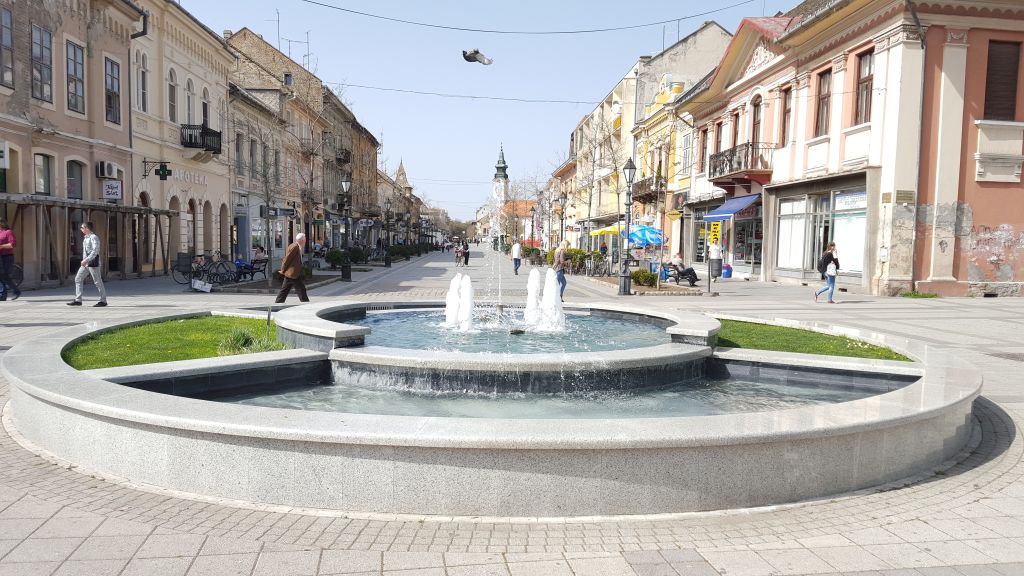
Circular fountain in a pedestrian street lined with pastel buildings in Sombor

Pedestrian Street Fountain

A circular fountain anchors a pedestrian street lined with pastel facades in central Sombor

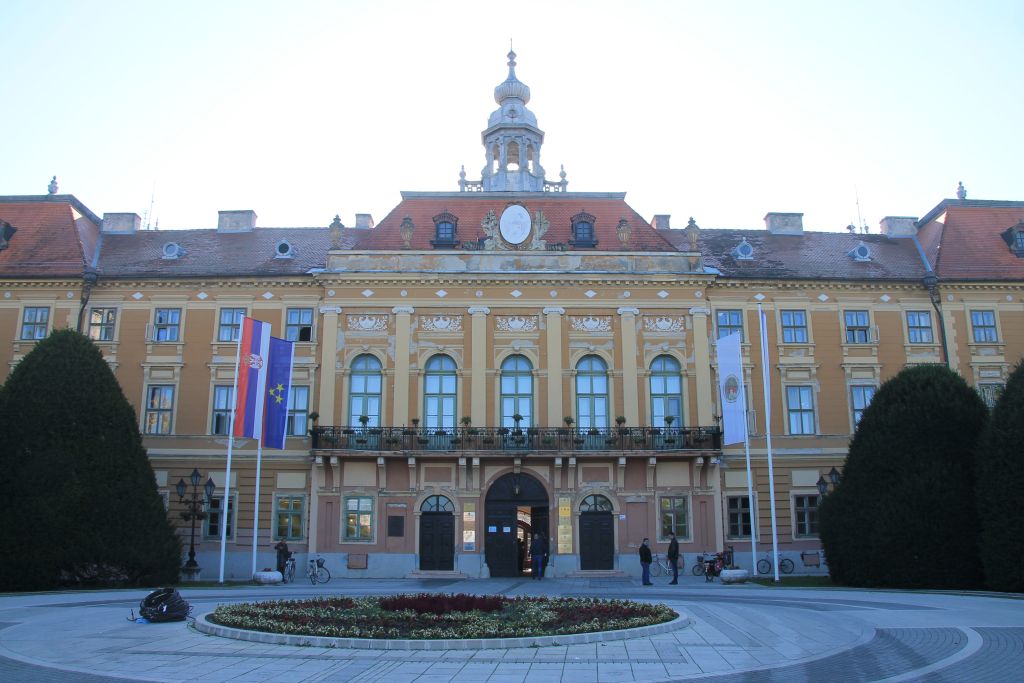
Sombor City Hall facade

The ornate Sombor City Hall stands behind a circular flower bed, with flags and a central tower rising above the entrance

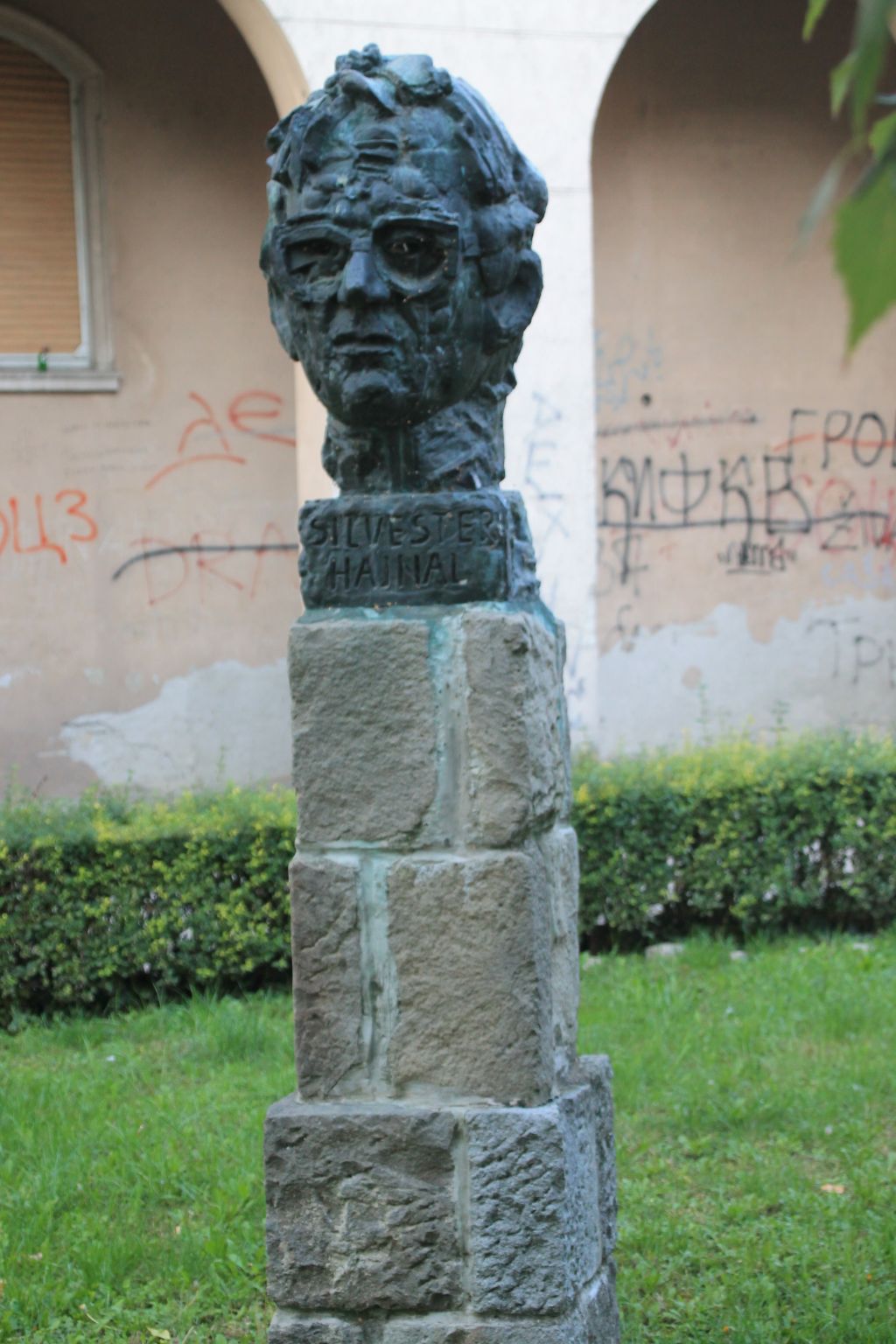
Bronze bust on a stone pedestal in a grassy courtyard in Sombor

Bronze bust on pedestal

A bronze bust mounted on a stone pedestal stands in a grassy courtyard in Sombor

Places to explore

A practical shortlist of the most useful places in and near Sombor for planning your visit to western Vojvodina.

Historic walking route — Sombor

Historic walking route

  • Walking route, Cafés, Architecture
Relaxed green spaces — Sombor

Relaxed green spaces

  • Green space, Relaxed pace, Photo-friendly
Quick planning note

Quick planning note

Sombor is most rewarding at a slow pace: the center is compact enough to cover in a single afternoon on foot, but the city is better appreciated over a full day or two that includes time for cafés, parks, and the kind of unplanned encounters that happen in provincial cities that do not rush their visitors. The flat terrain makes bicycles a practical option for extending the radius beyond the center.

Explore Vojvodina
Micro tip

Micro tip

Do the main sightseeing in the morning, then allow the afternoon to dissolve into café stops and park walks. Sombor operates at a pace that makes rushing feel out of place. The best way to understand the city is to stop moving for an hour and let it come to you.

Good to know

Good to know

Sombor does not require a fixed itinerary. The city gives good returns to travelers who leave room for small discoveries — an old courtyard behind a shop, a faded façade with Habsburg-era details, a chance conversation in a café. Over-structuring a visit to Sombor tends to produce diminishing returns.

What to order

What to order

A local breakfast pastry, a grill dish for lunch, and a coffee and cake stop in the afternoon covers the Sombor food experience reliably. The city is not a destination for experimental cuisine, but the quality of its everyday cooking — especially in the older kafana restaurants — is consistent and without pretension.

Best way to move

Best way to move

Walk the center, then use a bicycle for the wider radius. Sombor's flat terrain suits cycling, and the canal routes outside the city extend the experience without requiring driving. Most accommodation can advise on bicycle hire locally.

How long should you stay?

How long should you stay?

One full day is enough for the main sights and a café circuit. Two days allows a more relaxed pace and room for a half-day trip to Bezdan or a cycling route along the canal. Sombor is not a city that requires more than two nights unless you are using it as a base for Subotica and the broader western Vojvodina area.

FAQ

Is Sombor worth visiting?

<p>Yes — especially if you enjoy elegant provincial cities, walkable historic centers, and a slower pace than Serbia’s bigger tourist hubs.</p>

What is Sombor best known for?

<p>Sombor is known for its historic center, Baroque-era urban character, green boulevards, café culture, and calm atmosphere.</p>

How many days do you need in Sombor?

<p>Most travelers can see the essentials in one day, but staying overnight gives you a better feel for the city’s relaxed rhythm.</p>

Is Sombor good for families?

<p>Yes. The city is flat, easy to walk, and comfortable for unhurried sightseeing with children or older travelers.</p>

What is the best season to visit Sombor?

<p>Late spring and early autumn are ideal because the weather is pleasant for walking and the city’s greenery is especially enjoyable.</p>

Sources

Authoritative references for the facts on this page. Last reviewed 31 May 2026.

  1. Historical Archives of Sombor - Wikipedia en.wikipedia.org Official
  2. Сомбор - DevInfo devinfo.stat.gov.rs Official
  3. Историјат Сомбора zapadnobacki.okrug.gov.rs Official
  4. [PDF] population devinfo.stat.gov.rs Official
  5. Sombor City Museum - Wikipedia en.wikipedia.org Official
  6. Samobor - Wikipedia en.wikipedia.org Official
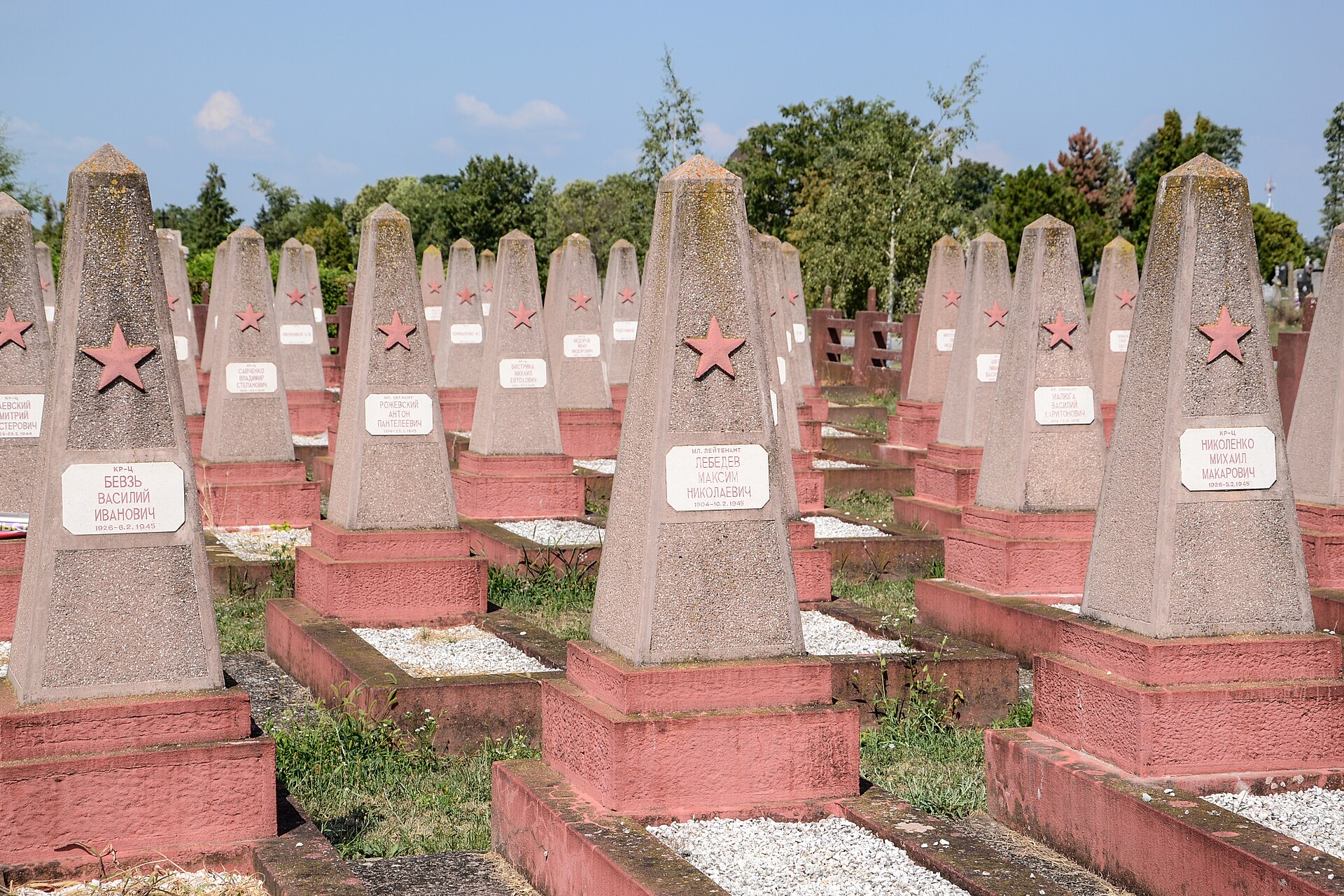
Rows of Soviet-style gravestones with red stars in a cemetery in Sombor

Soviet War Graves

Rows of Soviet-style gravestones with red stars stand in a cemetery setting in Sombor

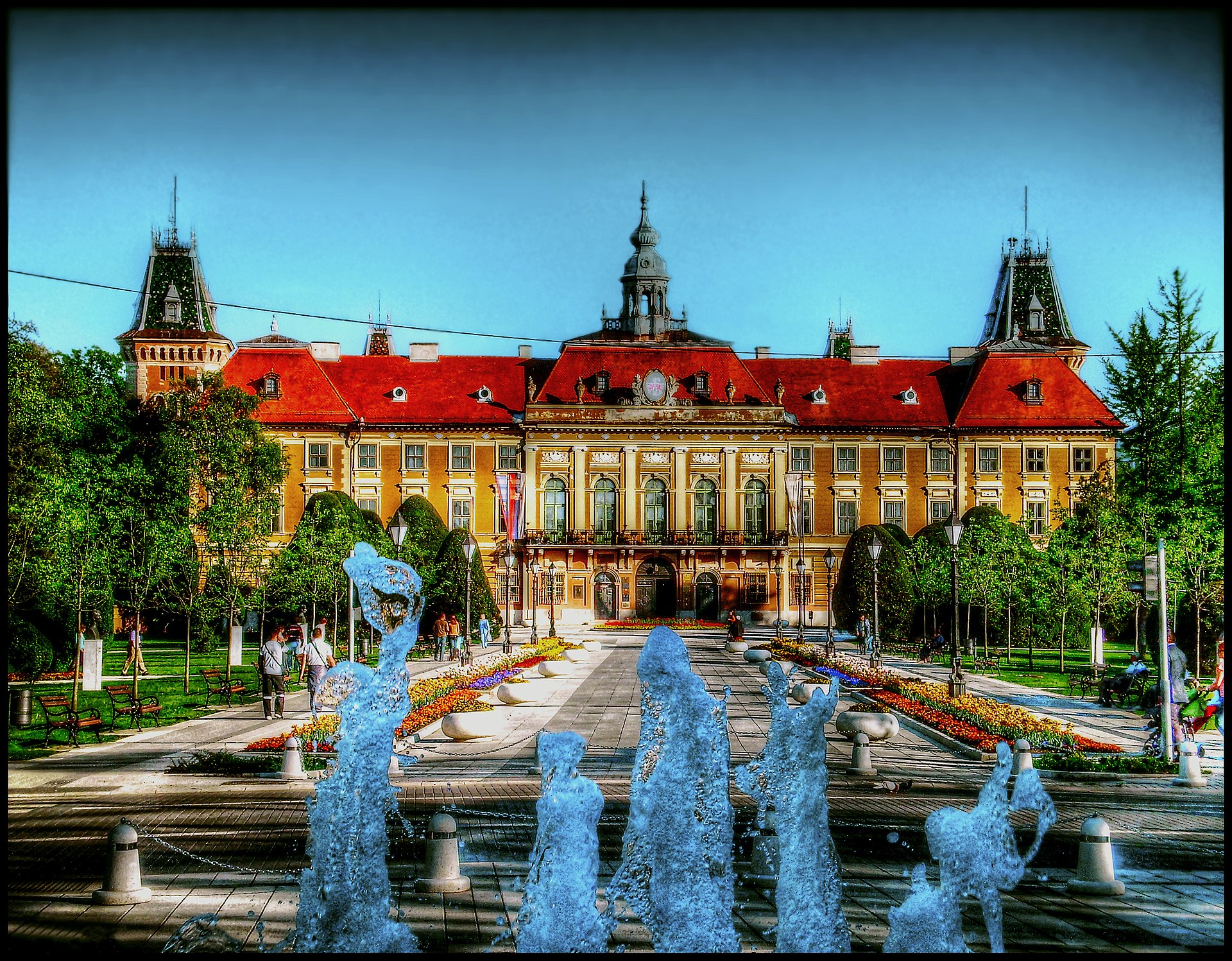
Historic civic building

A grand historic civic building rises behind fountains and formal gardens in central Sombor

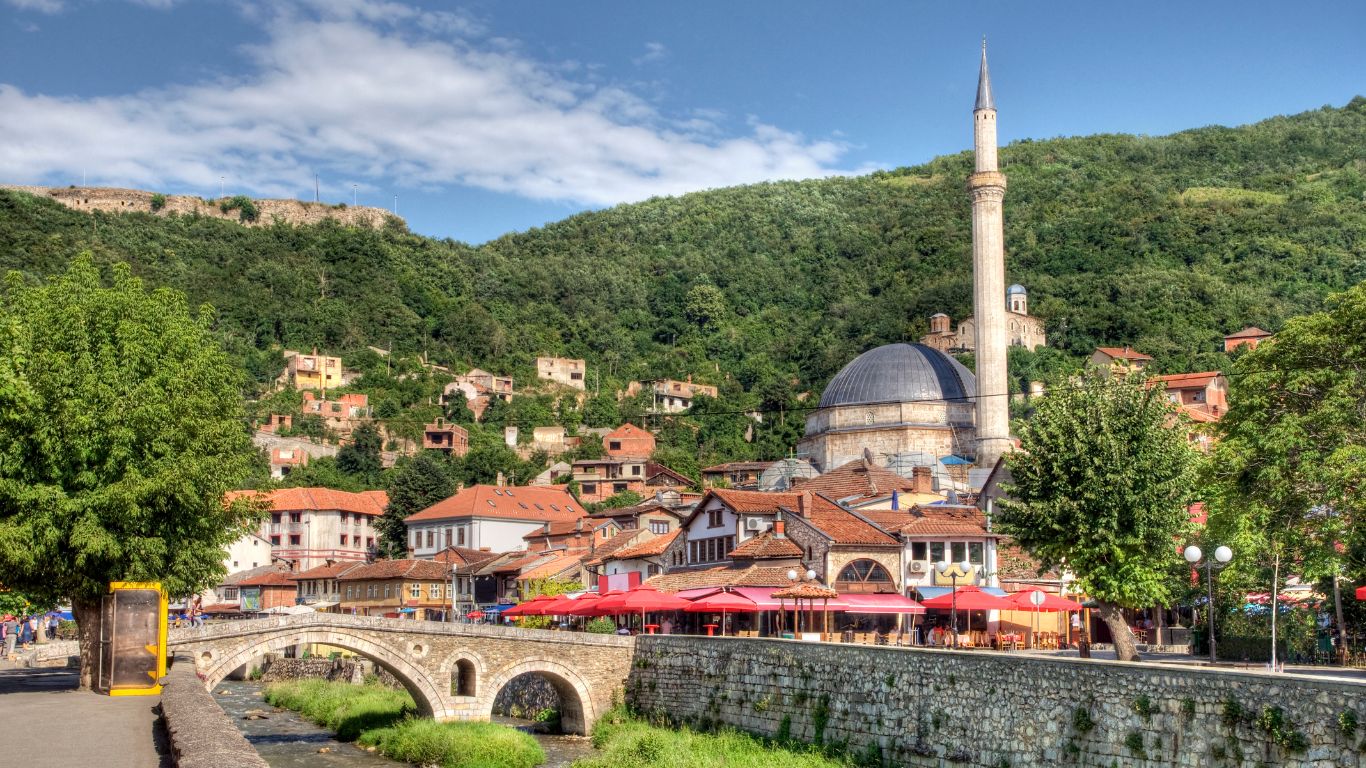
Stone bridge over a narrow river beside a mosque, red-roofed buildings, and green hills in Sombor

Stone bridge and mosque

A stone bridge crosses a narrow river beside a mosque and red-roofed buildings in Sombor

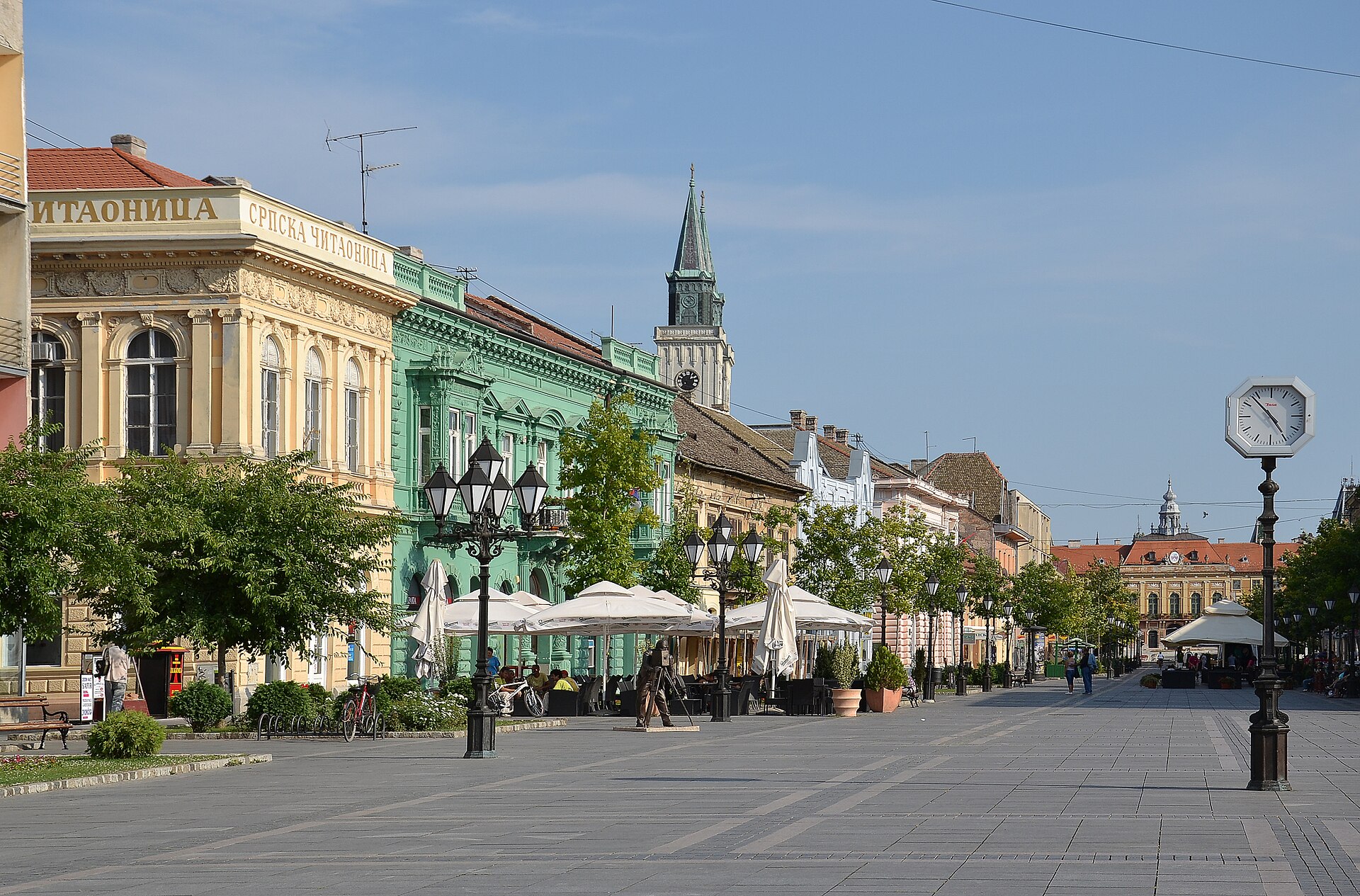
Pedestrian street with colorful historic buildings, café terraces, and a church tower in Sombor

Pedestrian street in Sombor

Historic facades, café umbrellas, and a church tower line the pedestrian street in Sombor

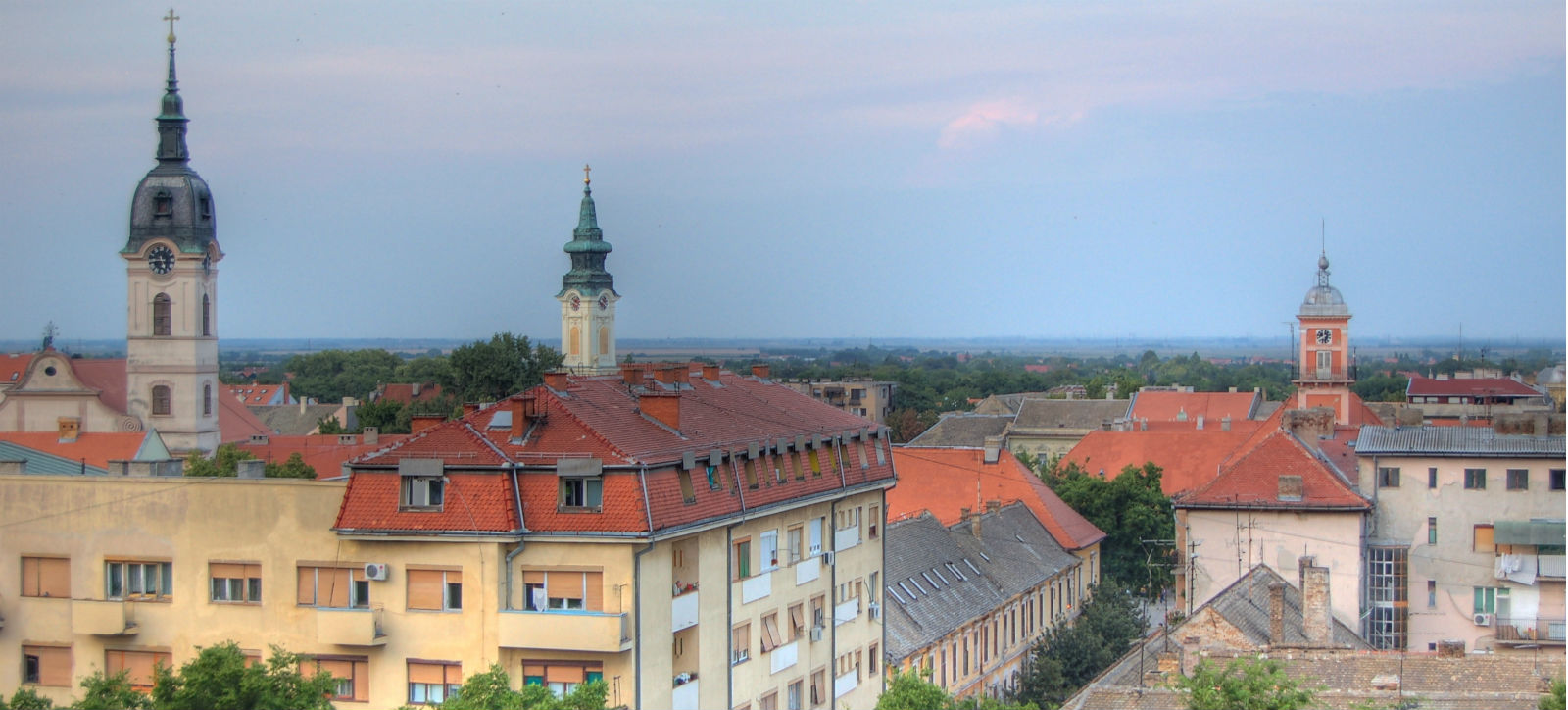
Church towers above red-roofed buildings in Sombor, with flat countryside on the horizon

Sombor Church Towers

Church towers rise above red-roofed buildings in Sombor, with low flat countryside stretching beyond the town

Travel essentials

Stay connected in Serbia