Plan my Serbia route

Vojvodina • wild nature day trip

Deliblato Sands: Serbia’s most unusual landscape

A rare mix of open sand, pine shelterbelts, steppe plants, and huge skies — perfect when you want a quiet, offbeat day outside the city. Best for drivers, walkers, birdwatchers, and anyone curious about ‘Europe’s Sahara.’

Car day trip Nature & landscapes Low crowds Best for spring & autumn Back to Vojvodina guide
What to expect Deliblato Sands covers more than 300 km² of Vojvodina, the remnants of a prehistoric sea bed once reshaped by winds strong enough to carry sand to Budapest.
Nature reserve
Self-drive
Birdwatching
Quiet roads

What Deliblato Sands is

The Deliblatska peščara — known in German as the Banat Sand Desert — is the largest sand and dune landscape in Europe, covering more than 300 km² of southeastern Vojvodina. The sand itself is the bed of the prehistoric Pannonian Sea, which once covered this entire basin. In the eighteenth century, the Košava wind — which reaches up to 180 km/h — was still carrying sand across the plain as far as Budapest.

The Habsburg monarchy responded by organising systematic planting and forestation of the area. That effort introduced nearly 900 plant species, some of which are found nowhere else on the continent; among them are 20 orchid species. The sand dunes reach heights of up to 200 metres. The area has been under nature protection since that time, and the reserve today is managed as a protected steppe and forest landscape.

Drawing on Matthias Pasler's Serbia Travel Pocketbook, the Deliblato Sands represent a genuinely unusual landform in the European context — a controlled wilderness created partly by ecology and partly by deliberate human intervention beginning in the 1700s.

Why Deliblato Sands feels different from the rest of Vojvodina

Most of Vojvodina is agricultural plain: flat, cultivated, and visually uniform at scale. Deliblato Sands breaks that pattern with dune ridges, open steppe, shelter forests, and the specific silence of a protected area with few visitors. The Košava wind, which shaped the landscape in the eighteenth century, is still felt here, particularly on the exposed ridges.

The 20 orchid species alone make the spring season distinctive for botanically inclined visitors. Birdwatching is rewarding in the wetland and steppe transition zones at the reserve's edges. The contrast between forested belts — planted as windbreaks during Habsburg-era forestation — and open sand areas is visible throughout the reserve and gives the landscape its characteristic patchwork quality.

Wider area options for a fuller day

Deliblato Sands itself offers walking and cycling through the reserve. For a day that includes more varied activity, Bela Crkva to the south has its own lake complex and is a summer resort for the Vojvodina region. Pančevo, to the northwest, provides better food and accommodation options if you are basing a trip to the reserve.

Food in and around Deliblato Sands

The reserve has minimal food infrastructure. The walking route described by Pasler uses a roadside restaurant near Bela Crkva — the Restaurant Deliblatska peščara — as the orientation point for the southern walking loop. For a wider range of options, Bela Crkva or Pančevo provide standard Serbian grill restaurants and cafés before or after the reserve visit.

Vojvodina's agricultural character means that fresh produce, dairy, and local wines are easily found in markets and roadside stalls throughout the region. The Fruška Gora wine region to the northwest is the main winemaking area of Vojvodina if a wine stop is part of the itinerary.

Getting to and around Deliblato Sands

A car is the practical requirement for visiting the reserve. Road 134 provides access to the southern edge of the landscape, with the walking route described by Pasler starting approximately 13 km from Bela Crkva. The education centre Čardak near Deliblato village is accessible by road and serves as an information and route-planning base. Cycling routes are marked within the reserve and can be done on a mountain bike.

From Belgrade, the reserve is roughly one to one and a half hours by car via Pančevo. From Novi Sad, the drive takes about the same time via the E75 south. Public transport options are limited and not well suited to visiting a dispersed natural area.

When to go

Spring: the orchid season and one of the best periods for plant observation; cooler temperatures for walking.
Autumn: good light, lower visitor numbers, and comfortable temperatures for longer walks through the dune areas.
Summer: go early in the day; the open sand ridges are exposed and midday heat on the reserve is significant.
Winter: the Košava wind is strongest in winter and can make exposed walking difficult; the landscape is stark but quiet.

Itineraries that actually work

Simple, realistic ways to fit Deliblato Sands into a Serbia trip.

Quick landscape escape
Deliblato Sands plus a cultural stop
Vojvodina contrasts loop
If you only have one nature day in Vojvodina, Deliblato Sands is best when you want something unusual and uncrowded rather than a classic hill or forest hike.

Why people go

It feels unlike the rest of Serbia

The open sand and wind-shaped landscape make this place feel remote and almost desert-like, even though you are still in Vojvodina.

It is quiet

Compared with Serbia’s bigger day-trip magnets, Deliblato Sands is often peaceful — ideal when you want nature without the crowd.

How to balance the trip

Before the reserve

Start early, especially in warmer months. A cooler morning makes the landscape more enjoyable and gives you better light for photos.

After the reserve

Plan a simple meal, a café stop, or an overnight in a nearby base so the day feels relaxed rather than rushed.

Best food approach

Keep it regional

Choose simple Serbian/Vojvodina meals and local breads, salads, grilled dishes, or hearty soups depending on the season.

Treat wine as a separate stop

Deliblato Sands is about the landscape. Wine works better as a follow-up in Karlovci or Fruška Gora than as the focus of this trip.

Practical tips

Bring the basics

Water, hat, sunscreen, and snacks are more important here than at a typical city stop.

Watch the season

Summer heat can be intense on open ground. Spring and autumn usually offer the best balance of comfort and atmosphere.

Best timing by travel style

For photos

Golden hour in spring or autumn gives the sand and grasses the best texture and color.

For comfort

Choose a mild day and keep the walk short. This is a place where simple pacing makes the trip better.

Map: Deliblato Sands area

Use the map to understand the reserve’s position in southeastern Vojvodina and plan a car route from nearby towns.

Quick glance

Quick glance

What it is: Europe's largest sand-dune landscape, a protected nature reserve
Best season: spring or autumn for walking; summer mornings before the heat builds
Best for: walking, birdwatching, plant observation, quiet road trips
Base: Bela Crkva or Pančevo; the reserve itself has limited overnight infrastructure

Planning tip

Planning tip

Deliblato Sands rewards slow movement: short walks, pauses for views, and attention to the landscape rather than a timed itinerary. The education centre Čardak near the village of Deliblato has information and maps, and walking and cycling routes start from the reserve boundary. Bring water, sun protection, and offline navigation for the unpaved tracks.

Distances and pacing

Distances and pacing

A half-day covers the main access roads and the southern loop described in Pasler's walking route, which starts near road 134 about 13 km from Bela Crkva. A full day allows for the complete steppe-to-Danube walking circuit and time to explore the dune ridges.

Where to sleep

Where to sleep

The education centre Čardak (Deliblatska peščara, near the village of Deliblato) provides maps, route information, and guided options for the reserve. Most visitors use Bela Crkva or Pančevo as an overnight base rather than staying within the reserve.

FAQ

Is Deliblato Sands really worth visiting?

Yes — if you like unusual landscapes, quiet nature, and off-the-beaten-path day trips. It is less about attractions and more about atmosphere.

How much time do I need?

Half a day is enough for a first impression. A full day is better if you want slow stops, walking, and photography.

Can I visit without a car?

Technically possible in parts, but not ideal. A car makes the visit far easier and more rewarding.

What should I combine it with?

For a broader Vojvodina trip, combine it with Novi Sad, Fruška Gora, Sremski Karlovci, or a wellness stop like Vrdnik Spa on another day.

Sources

Authoritative references for the facts on this page. Last reviewed 31 May 2026.

  1. The Deliblato Sands Special Natural Reserve - UNESCO World Heritage Centre whc.unesco.org Official
  2. Deliblato - Wikipedia en.wikipedia.org Official
  3. The Deliblato Sands Special Natural Reserve - UNESCO Centre du patrimoine mondial whc.unesco.org Official
  4. Tastes of Deliblat Sands: gastronomic heritage wikidata.org Official
  5. Dunele Deliblat - Wikipedia ro.wikipedia.org Official
  6. Deliblatska Peščara - Wikipedia en.wikipedia.org Official

Quick answer

Deliblato Sands is a vast sandy steppe in southern Vojvodina, known as Europe’s Sahara and one of Serbia’s most unusual landscapes. It is worth visiting for its dunes, rare plants, birdlife, and quiet trails that feel far removed from the flat farmland around it. Serbian Travel recommends it as a strong half-day or full-day nature stop, especially in spring and autumn.

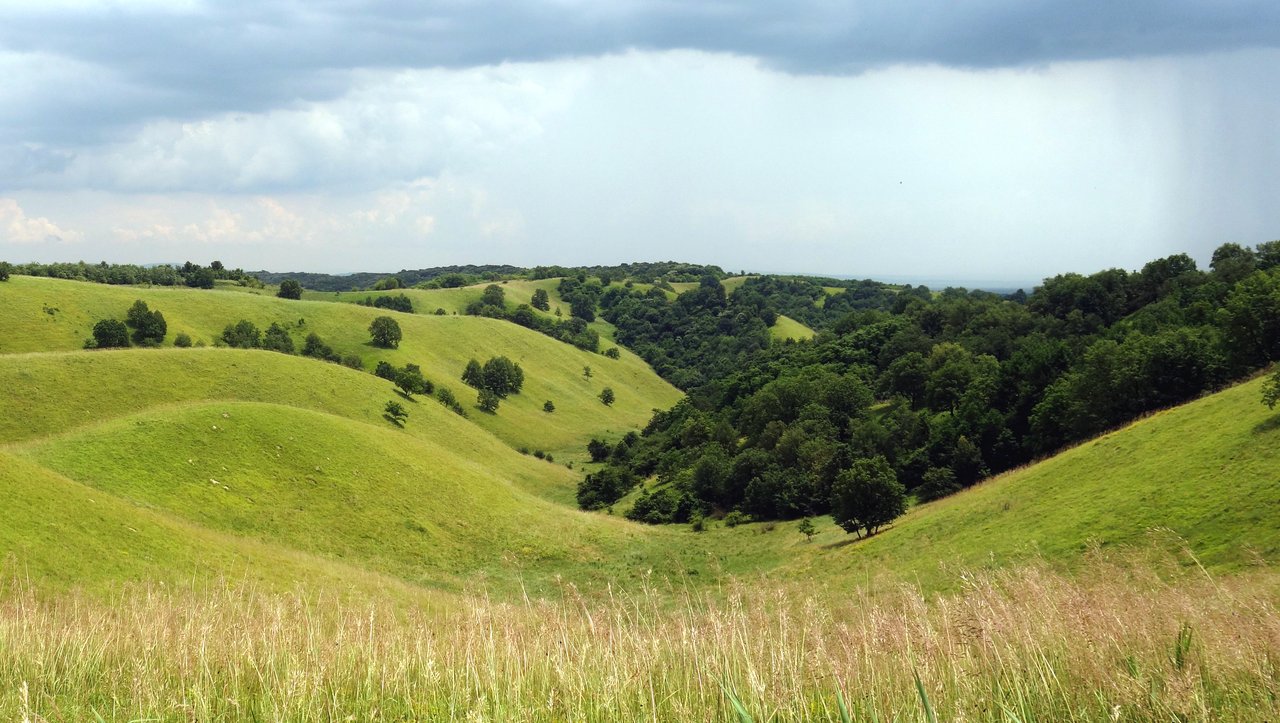
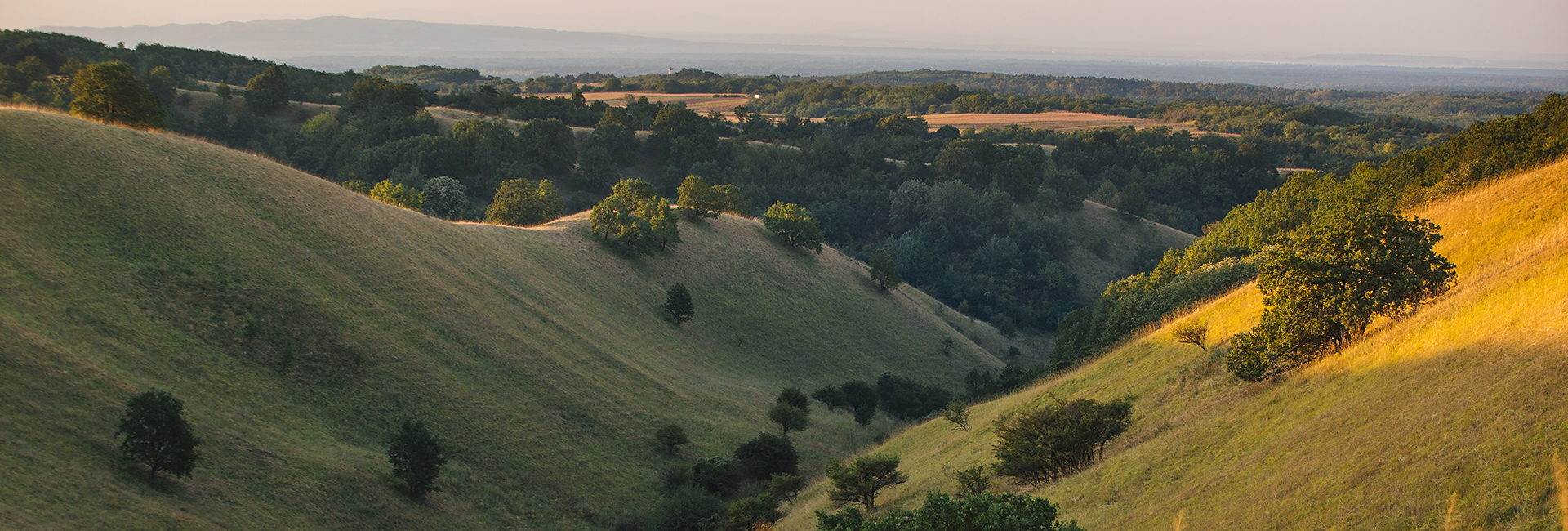
Rolling grassy hills with scattered trees in Deliblato Sands under a cloudy sky

Rolling Green Hills

Grassy hills and scattered trees stretch across Deliblato Sands beneath a cloudy sky

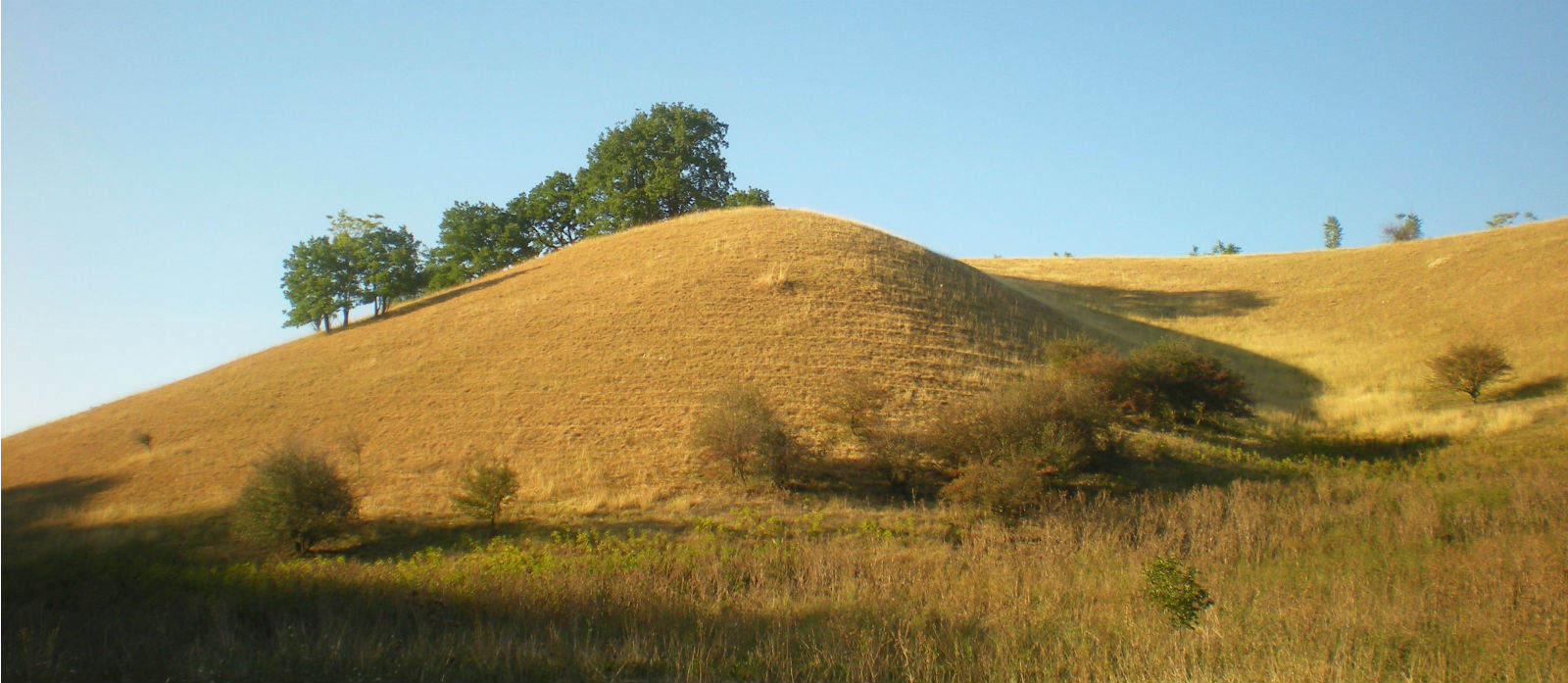
Grassy Sand Dunes

Sunlit sand dunes with scattered trees rise across Deliblato Sands under a clear blue sky

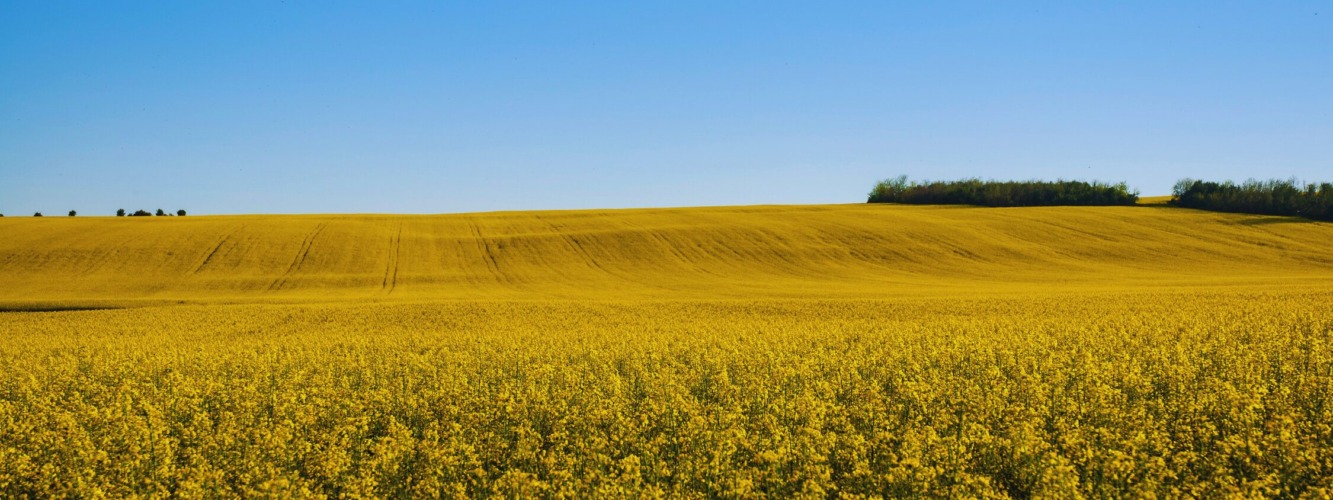
Yellow flowering fields

Rolling yellow fields stretch across Deliblato Sands beneath a clear blue sky and distant tree line

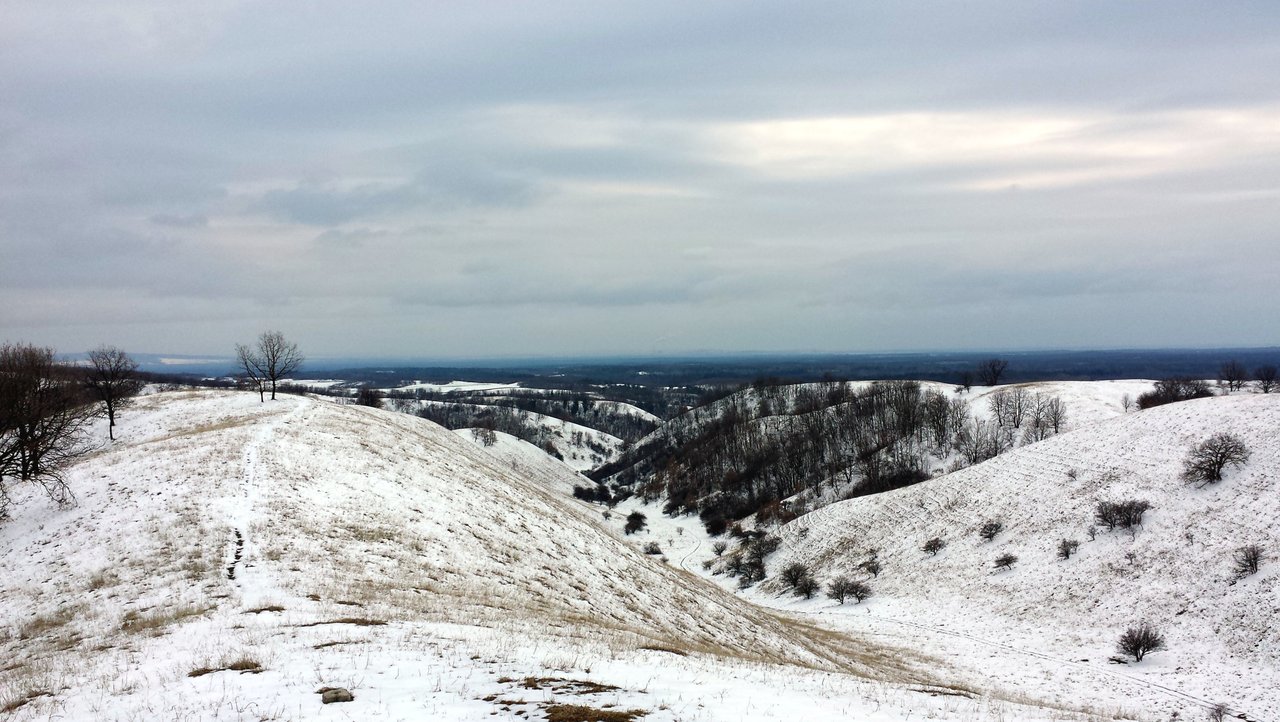
Snow-covered rolling dunes with sparse trees in Deliblato Sands

Snowy Sand Dunes

Snow-covered rolling dunes with sparse trees stretch across Deliblato Sands under a cloudy winter sky

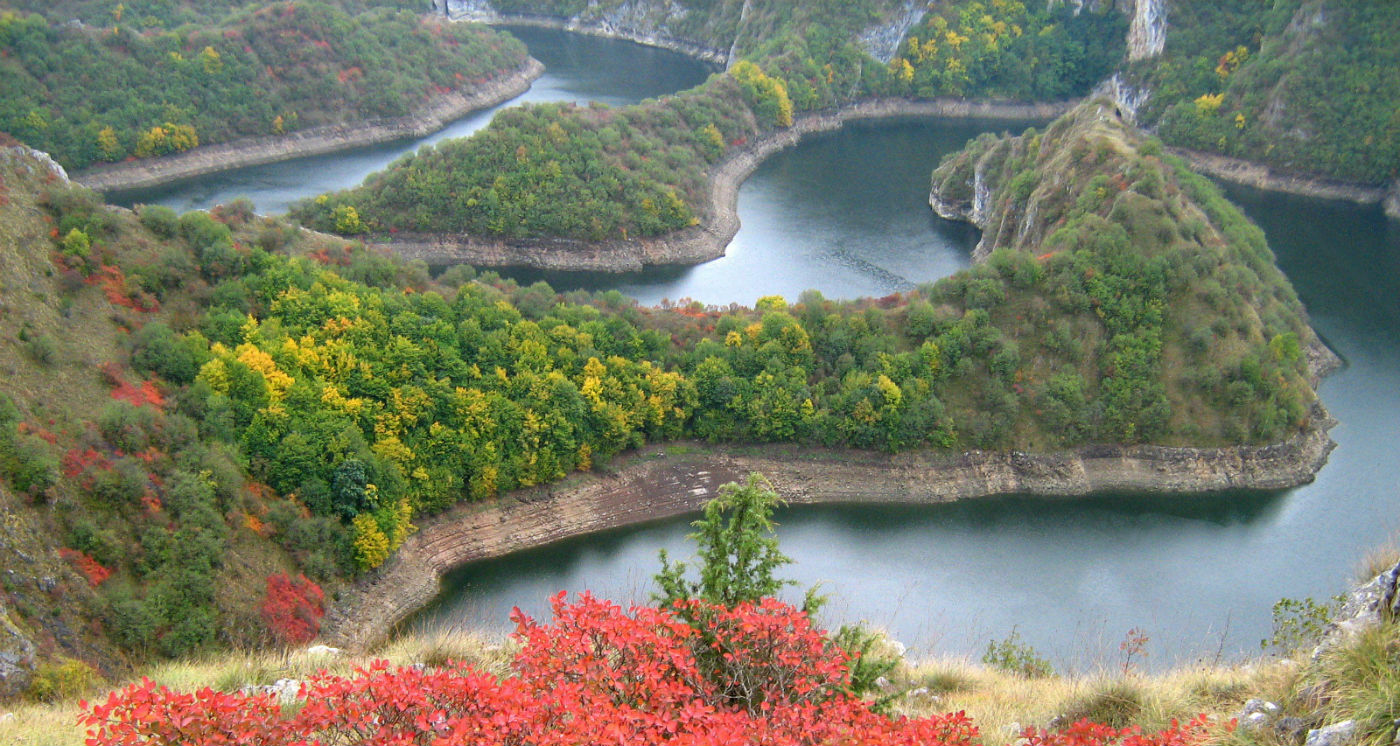
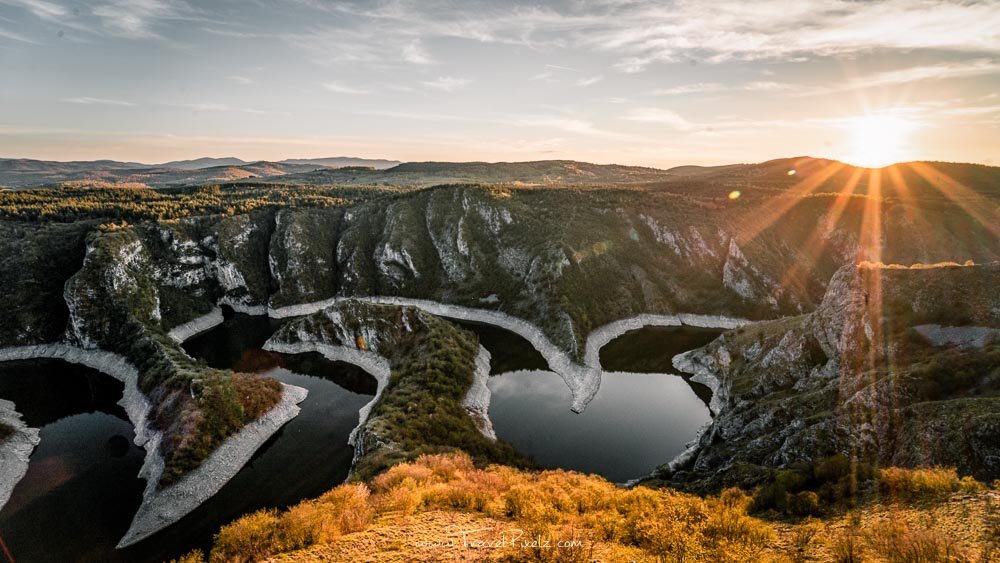
Curving river bends through wooded cliffs with autumn colors near Deliblato Sands

River Meanders

Curving river bends wind through wooded cliffs near Deliblato Sands, with autumn foliage coloring the surrounding slopes

Travel essentials

Stay connected in Serbia