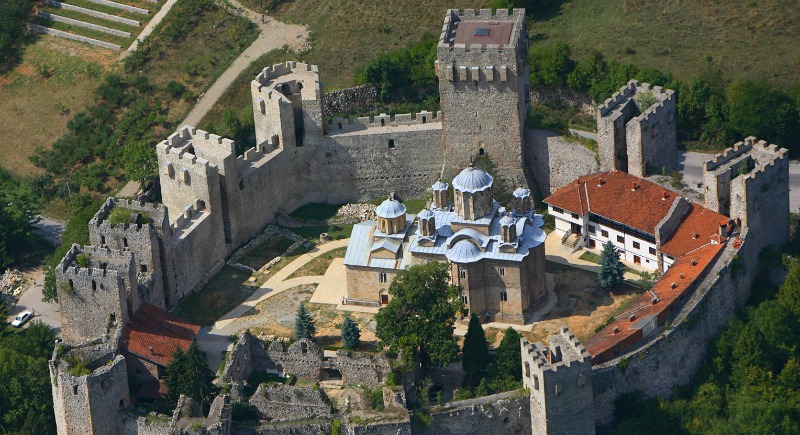

Medieval power and prayer
The walls and towers show how a monastery could also function as a defended place in the Serbian Despotate period.

Manasija Monastery is a 15th-century Serbian Orthodox fortress monastery near Despotovac, built for Despot Stefan Lazarević. Visitors come for the stone defensive walls, towers, and medieval church frescoes, then usually continue into the Resava countryside for caves or nature stops. It is best visited by car or private transfer, early in the day, with modest clothing and enough time to walk the enclosure slowly.
Manasija Monastery stands a few kilometres from Despotovac in central Serbia, in a sheltered valley shaped by the Resava River. Built in the early 15th century for Despot Stefan Lazarević, it is one of the clearest surviving monuments of the Serbian Despotate. The site is most known for its fortified enclosure, with eleven towers and thick stone walls surrounding the church. The atmosphere is quiet and spare: a working monastery, a historic defensive complex, and a place where visitors come for architecture, frescoes, and a sense of medieval statehood. For wider regional context, the monastery fits naturally into a trip through Western Serbia.
What makes Manasija distinct is that the defensive system is not decorative. The enclosure was designed to protect the monastic church and the religious community, and the towers still read as military architecture first. Inside, the church preserves important fresco fragments from the Serbian medieval tradition, associated with refined late Byzantine painting. This combination of monastery and fortification is not common in every Serbian church site, which is why Manasija is often discussed alongside other Serbian monasteries as a place where religion, politics, and defense met in one complex. Visitors usually spend most of their time walking the outer walls, entering the church, and looking closely at the surviving painted surfaces rather than lingering in one single room.
From Despotovac town centre, the monastery is a short drive of around 5-10 minutes and about 20-30 minutes on foot depending on your starting point in town. Most visitors arrive by car or as part of a private transfer, because local public transport to the monastery area is limited. If you are using a bus arrival into Despotovac, ask the driver or station staff for the nearest onward taxi, then continue the last stretch by road. Taxi fares in a small town setting are usually modest, but it is still wise to confirm the price before departure. Parking is available near the monastery approach, and visitors should expect a straightforward road-side arrival rather than a large urban car park.
There is no useful tram or trolley network here, so the practical transport question is less about line numbers and more about road access from Despotovac, Jagodina, or the main regional routes through central Serbia.
Spring and early autumn are the most comfortable periods for a monastery visit, with mild temperatures and better conditions for walking the enclosure. Summer works too, but midday heat makes the stone surfaces feel exposed and the surrounding valley less comfortable for lingering. Winter can be quiet and atmospheric, though access conditions on rural roads deserve more attention. If you want a more focused visit, avoid arriving at the same time as group coaches and religious services. A modest itinerary, with time for the church and the walls, is better than trying to rush through the complex.
Manasija is calm, historic, and partly outdoors, so visitors should dress for a religious site and a walk around stone fortifications. Covered shoulders and modest clothing are the safest choice, especially if you plan to enter the church. The grounds are not designed as a barrier-free modern attraction, so uneven surfaces, steps, and historic paths can make access difficult for wheelchairs or very limited mobility. Noise levels are usually low, and families can visit comfortably if children are prepared for a quieter site rather than an activity park. Bring water, comfortable shoes, and a small amount of cash for any local purchases or church-related donations if requested.
If you are coming for Byzantine heritage, Manasija deserves time beyond a quick photo stop. The monastery belongs to the later medieval Serbian world, where court patronage, Orthodox liturgy, and artistic exchange with the Byzantine tradition produced a distinct regional style. The church interior is the place to slow down and look for the logic of iconography, proportions, and devotional space rather than treating the site as only a fortress with a chapel. For travellers who have already visited other Serbian monasteries, Manasija is useful because it shows the defensive and spiritual aspects together, without separating them into different sites.
[1]Manasija Monastery is near Despotovac in central Serbia, in the Resava valley area.
These are the most relevant places to combine with a monastery visit if you are building a Despotovac and Resava day. Public transport is limited, so most visitors pair Manasija with a car-based loop.
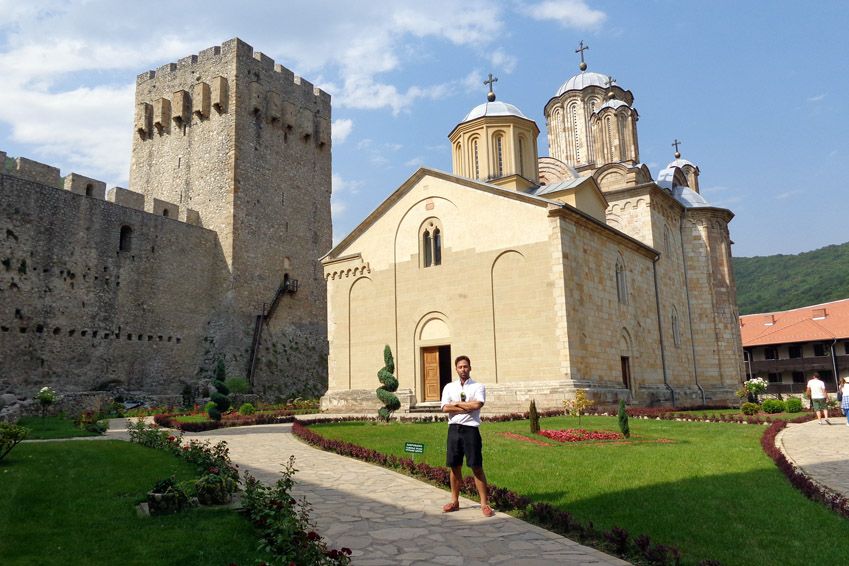
Manasija Monastery
The fortified monastic complex itself, with the church, towers, and outer walls as the core visit.
Main monastery courtyard and defensive enclosure.
Resava Cave
A major karst cave near Despotovac that is commonly paired with Manasija on a single day.
Cave system in the Resava area, usually visited with guided entry.
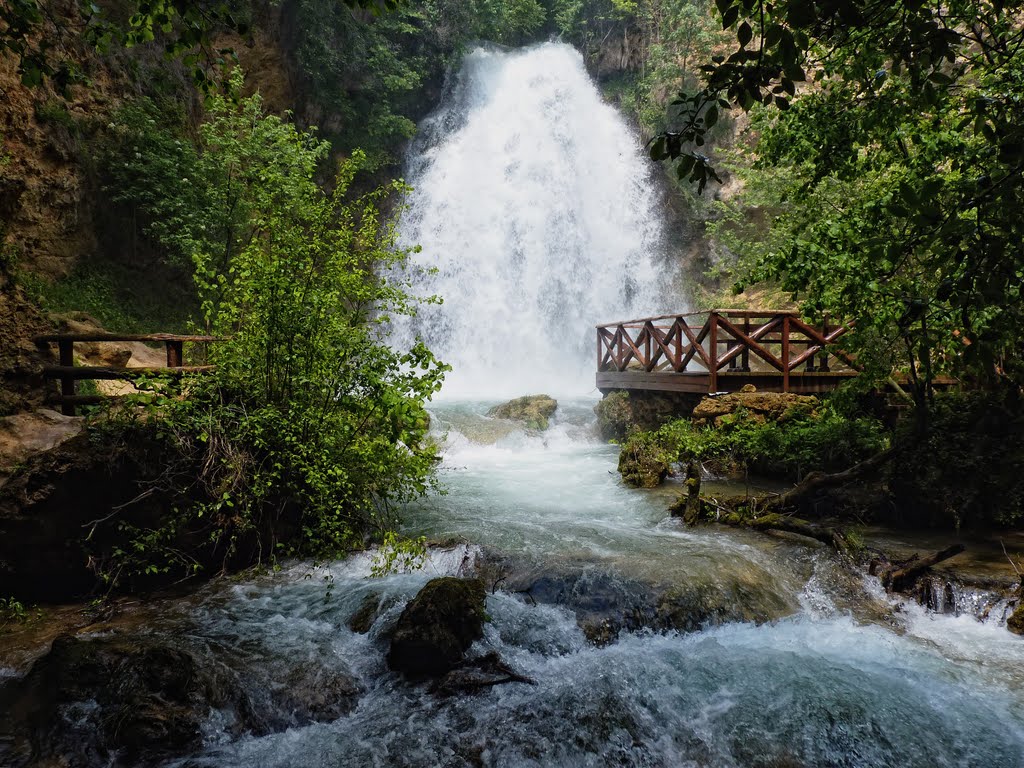
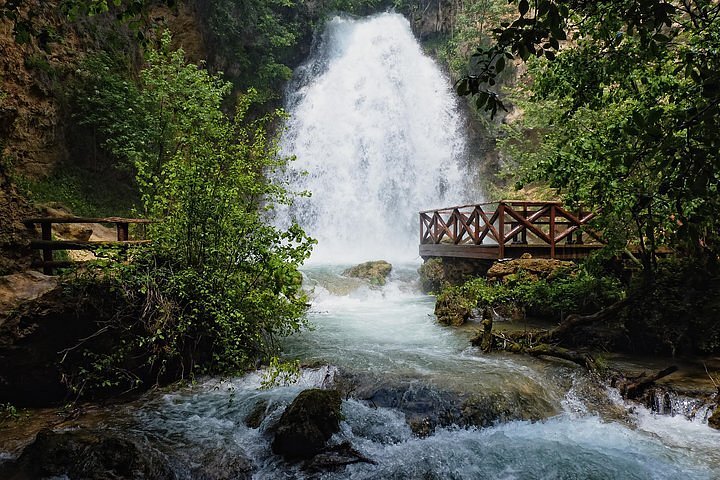
Lisine Waterfall
A short nature stop in the same wider Resava area, often used as the second half of a monastery-and-nature day.
Waterfall area with a river setting and picnic-style breaks.
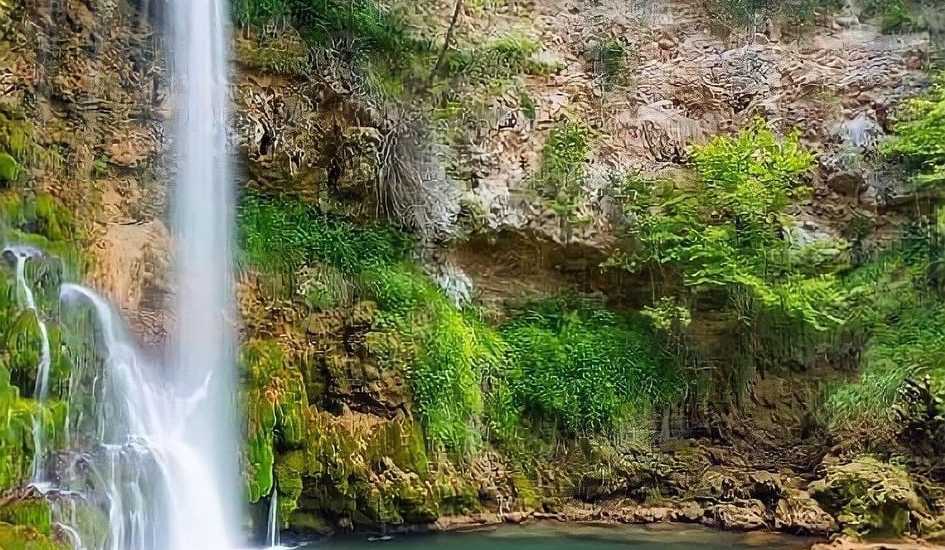
Veliki Buk / Lisine spring area
A practical outdoor stop for travellers who want a slower Resava itinerary after the monastery.
Spring and riverside stop used by drivers heading through the area.
The walls and towers show how a monastery could also function as a defended place in the Serbian Despotate period.
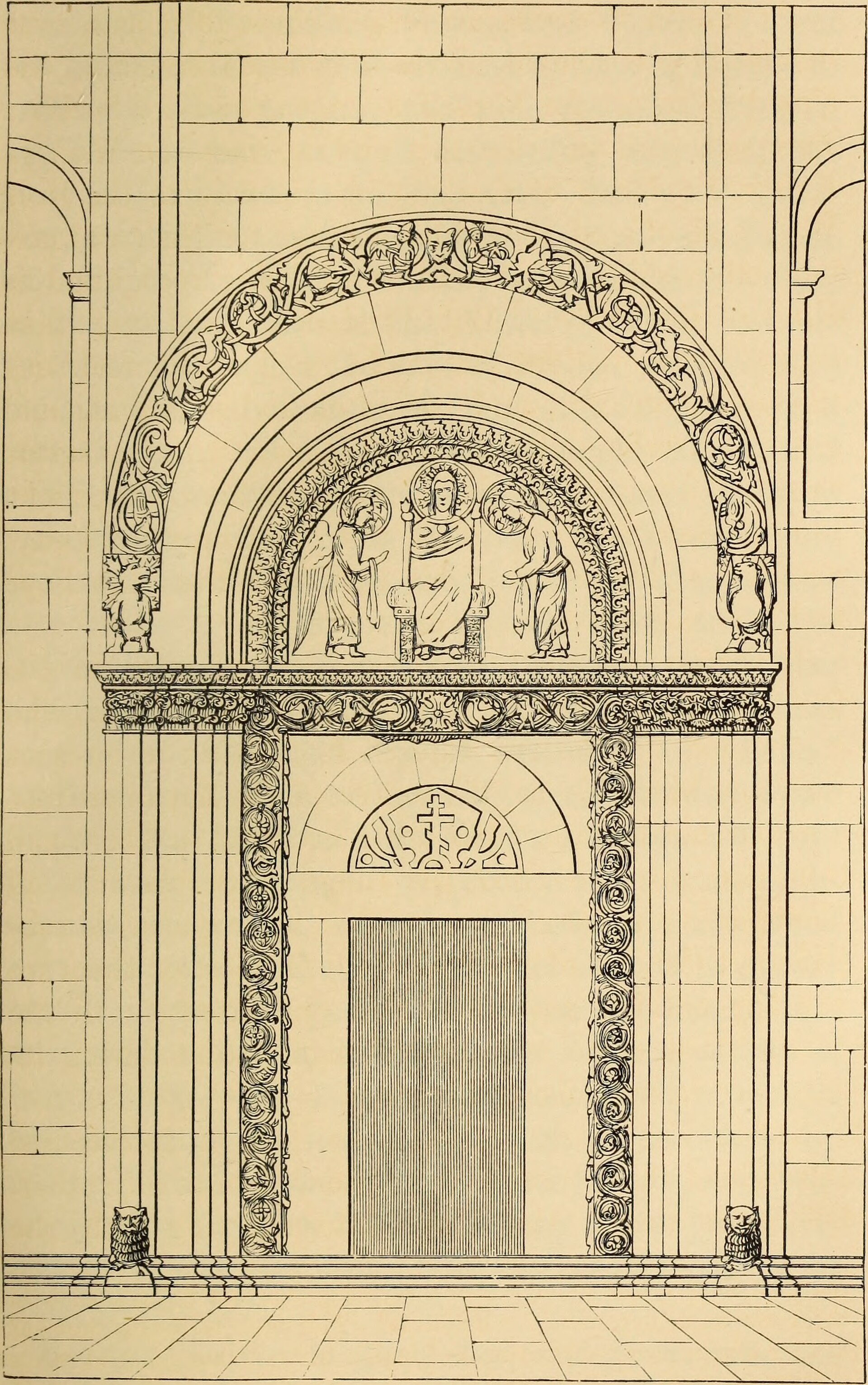
The painted interior is easier to appreciate when you understand the site as both church and fortress, not just a scenic ruin.
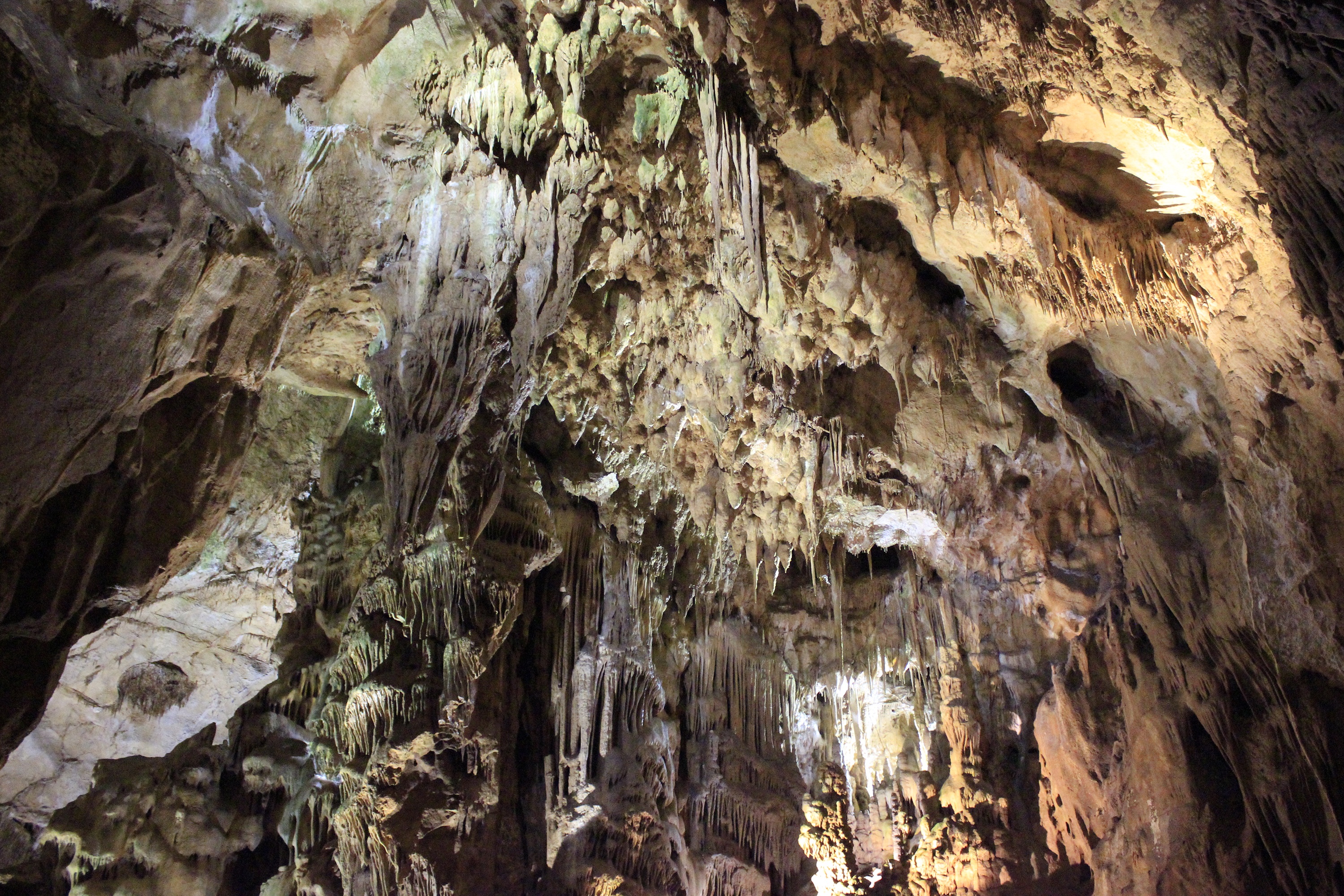
Manasija works best as the anchor stop in a rural day that can extend to caves, springs, and roadside nature viewpoints.
Near Despotovac, central Serbia
Despotovac town centre
Fortified Serbian Despotate monastery
€
Morning in spring or autumn
Not usually for individual visits
Use quiet footwear for the stone paths, carry cash for small roadside purchases, and plan the monastery before lunch if you want to continue toward the Resava countryside. If you are booking a driver, ask for a same-day loop that includes Manasija first, then nature stops later, so you do not end up reversing the route in heavier traffic.
Manasija works best as a heritage stop within a larger itinerary across monastery country, mountain road sections, and spa towns. If your trip also includes a longer region loop, the Western Serbia Travel Guide is the natural starting point.
Most first-time visitors stay 45-90 minutes, which is enough to walk the walls, enter the church, and spend a little time on the grounds.
It is possible, but not convenient. Despotovac is the practical base, and the last stretch is easiest by taxi or private transfer rather than relying on local transit.
Yes. It works well with the Resava area, especially if you want a monastery-and-nature day built around caves, springs, or a rural lunch stop.
Yes. It is a functioning Orthodox monastic site, so modest clothing and respectful behaviour are appropriate, especially inside the church.
Stay connected in Serbia