Central Serbia, in the Šumadija travel area

Kruševac is best visited for its late medieval heritage rather than for a long city-break checklist. The core visit usually combines Lazar's Town, Lazarica Church, and the wider center, with optional time for memorial and museum stops. It pairs well with Kragujevac for modern Serbian history and with Topola for royal and dynastic heritage.
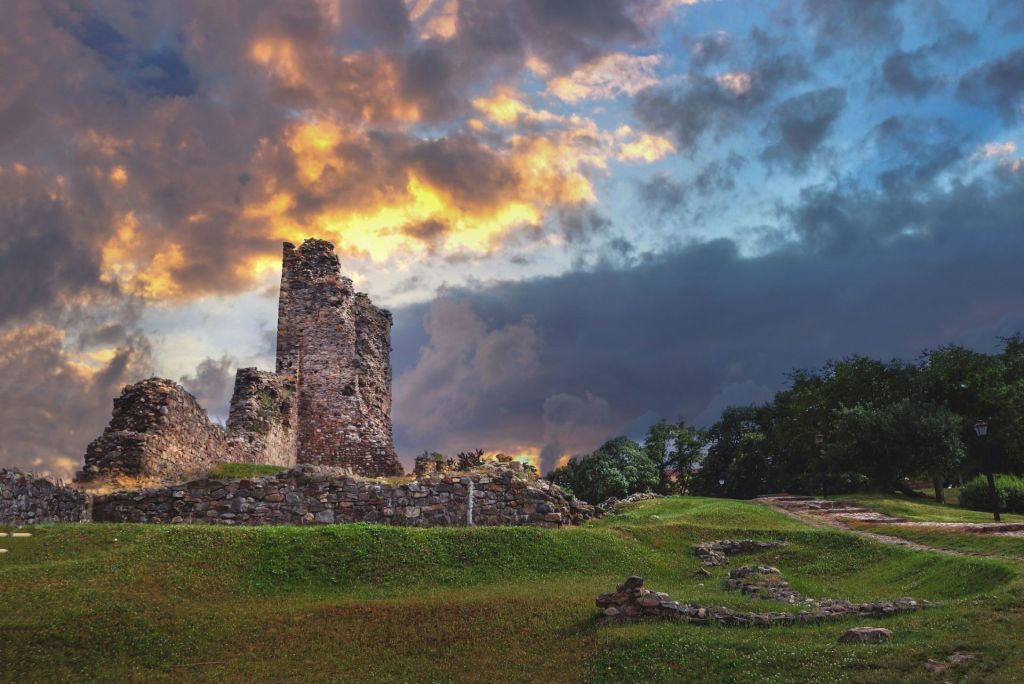
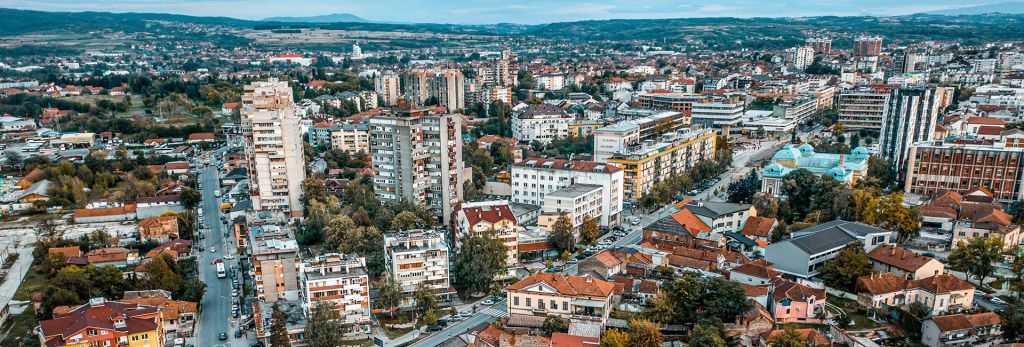
Kruševac lies in central Serbia and entered Serbian history as the court city of Prince Lazar in the later 14th century. The place most visitors associate with it is Lazar's Town, the former fortified court complex, together with nearby Lazarica Church. Modern Kruševac is a functioning regional city, but its identity is still closely tied to medieval statehood and the Kosovo tradition. The atmosphere in the center is straightforward and local rather than museum-like: you come here to walk, read the layers of history, and connect monuments, church art, and memory culture in one compact area.
Kruševac's defining speciality is not a single museum object but a historical setting: the remains of Prince Lazar's court, the court church of Lazarica, and the later national memory built around them. This matters because Kruševac was one of the political centers of Moravian Serbia before the Battle of Kosovo. In practice, visitors experience that speciality by walking a short distance between archaeological remains, church architecture, monuments, and interpretation tied to Lazar and the Kosovo cycle. It gives Kruševac a different feel from spa towns or wine stops in the region. If you are already exploring the wider Šumadija travel guide, Kruševac adds a distinctly medieval and commemorative layer to the trip.

Kruševac is usually reached by intercity bus or by car through central Serbia. Once you arrive, the historic core is manageable on foot. From the central square area, Lazarica Church and the remains of Lazar's Town are a short walk. Local city buses serving the wider urban area include lines such as 1, 2, 6, and 10, with central stops around the main town center; ask locally for the most useful stop for the old core because routes and stop names matter more than the short ride itself. Taxis are practical for station-to-center transfers and for reaching outer sites such as Slobodište. If you are building a broader route, Kruševac fits naturally between Kragujevac and southern Serbia, or as a detour before heading toward Kopaonik.
Kruševac works best in daylight, because its key experience depends on reading outdoor remains, church details, and commemorative spaces. Morning and late afternoon are the easiest times for photography and a calmer walk around the historic core. A weekday visit is usually more practical if you want a quieter pace in the center, while Sundays may affect museum access and church use. Spring and autumn are the most comfortable seasons for walking. In summer, start earlier in the day. You generally do not need advance reservations for the main historical circuit, but it is sensible to check museum opening times locally before building a tight itinerary.
Expect a normal Serbian regional city whose main visitor appeal is concentrated in a few historically important places rather than a large preserved old quarter. Dress modestly if entering Lazarica Church. The archaeological remains are easier to appreciate if you arrive with some background on Prince Lazar and late medieval Serbia, because much of the value is interpretive rather than scenic. Families can manage the center easily, and older travelers usually find the main walk straightforward. Bring water in warm months, comfortable shoes, and realistic expectations: Kruševac is strongest as a focused heritage stop, not as a city of nonstop attractions.
Walk the medieval core, focus on Lazarica Church and the remains of Lazar's Town, then continue onward.
Add museum context, a slower central walk, and a memorial stop to understand how different eras shape the city.
Guided routes, walking tours, and experiences that help you make the most of a visit to Kruševac.

Trade Union Hall
Trade Union Hall in Kruševac.
Trade Union Hall is best approached as an architectural and civic stop in central Kruševac rather than as a fixed museum-style attraction. Its value for visitors is visual and contextual: the buil...
Prince Lazar Complex
Prince Lazar Complex in Kruševac.
Prince Lazar Complex is the main medieval landmark in central Kruševac and works well as a first stop before exploring the rest of Kruševac. The archaeological park itself is open all the time, w...
Vrnjačka Banja
Vrnjačka Banja in Kruševac.
Best for: a half-day or overnight stop built around park walks, named spring points, and a slower spa-town rhythm.Start point: the Tourist Info Center publishes weekday hours of 07:30-15:30.Officia...
Use the map to orient yourself around central Kruševac and start with the historic core.
These are the places most closely tied to Kruševac's historical identity and first-time visits.
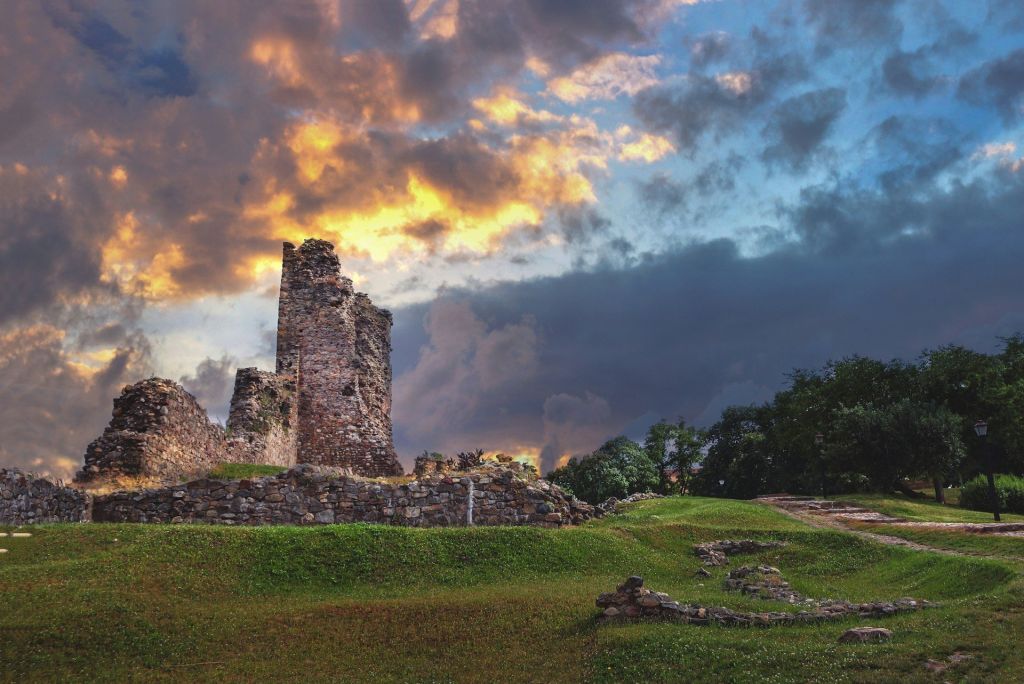
Lazar's Town archaeological remains
The surviving core of Prince Lazar's late medieval court complex.
This is the key historical site in Kruševac and the main reason many travelers come. Expect visible remains rather than a fully reconstructed fortress, with the value lying in historical context and setting.
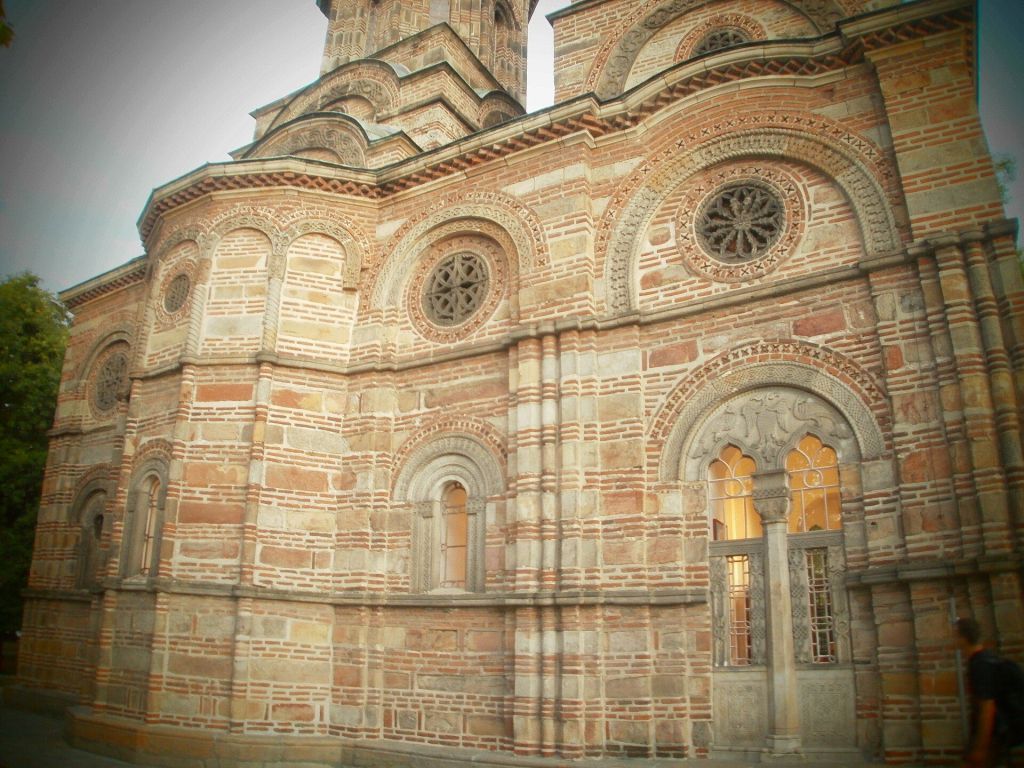
Lazarica Church
The court church most closely associated with Prince Lazar and Morava-era architecture.
Lazarica is the essential architectural stop in Kruševac. Even travelers with limited time should make room for it because it gives the city its clearest surviving link to the court period.
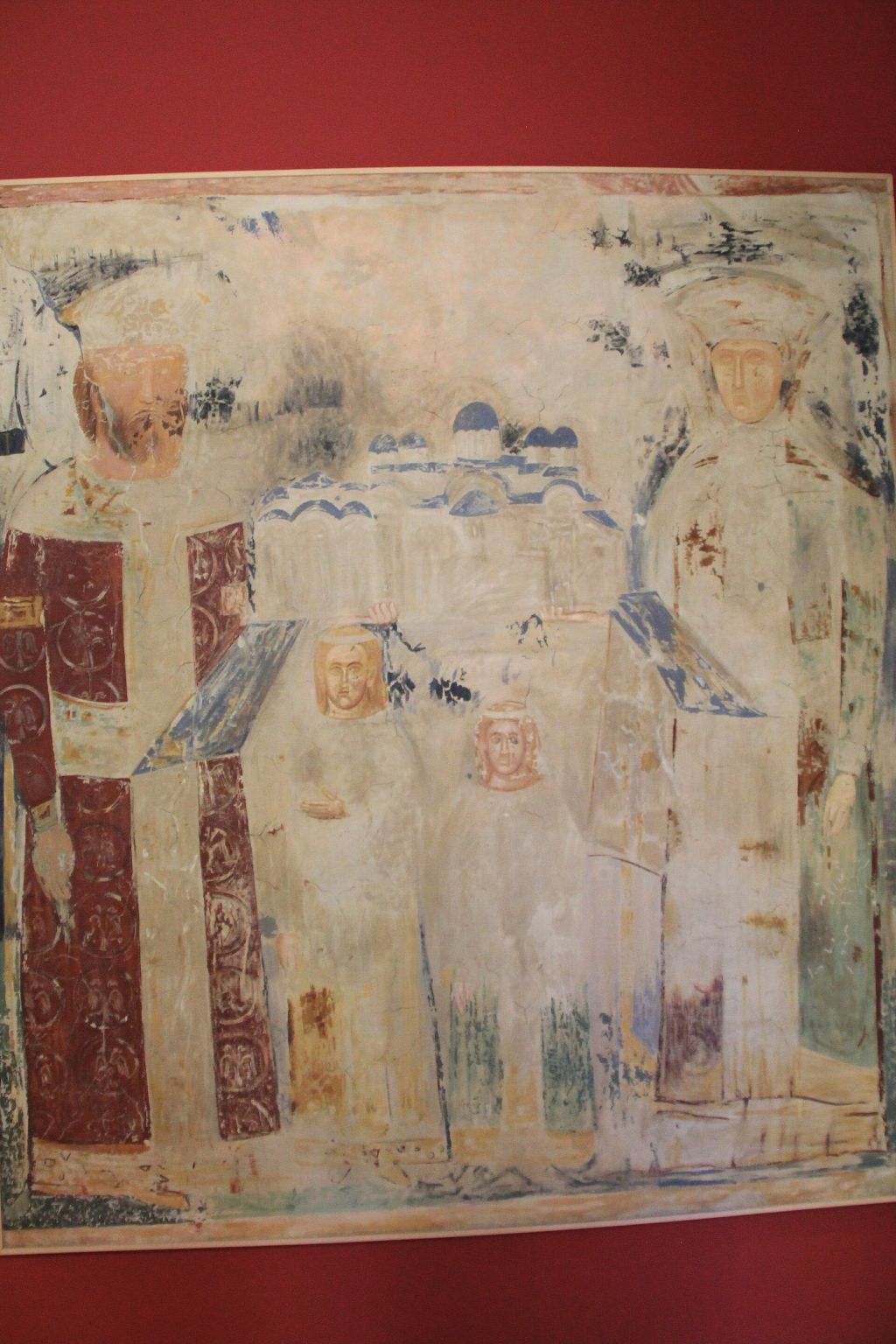
National Museum Kruševac
Museum context for the city's medieval and regional history.
Useful if you want interpretation after walking the archaeological and church sites. The museum helps place Kruševac within wider Serbian history instead of treating the center only as an outdoor monument area.
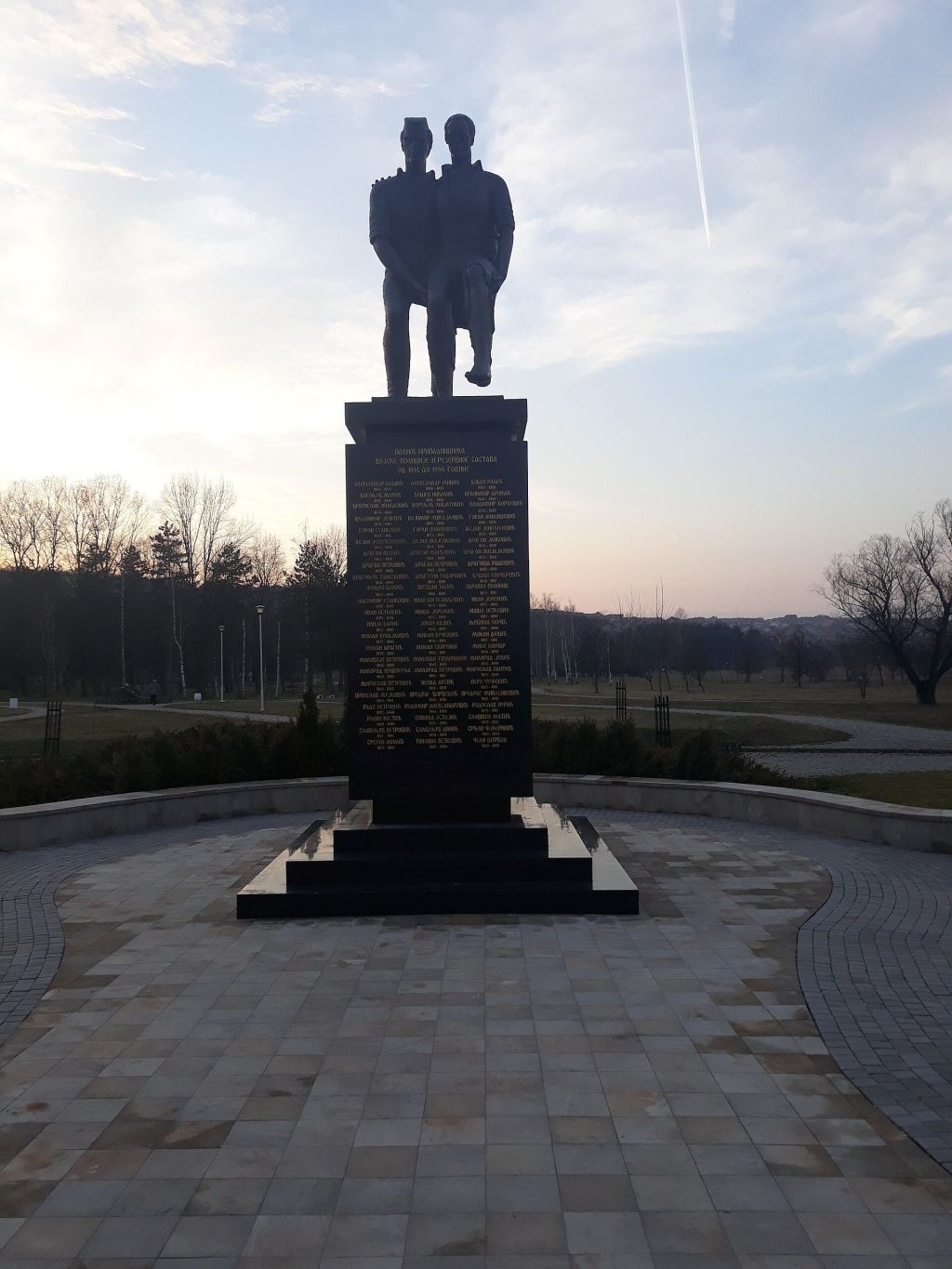
Slobodište Memorial Park
A later memorial landscape that adds a 20th-century layer to the city visit.
This is not part of the medieval court story, but it broadens the visit by showing how Kruševac is also read through commemorative space and public memory.
Central Serbia, in the Šumadija travel area
Prince Lazar, Lazar's Town, Lazarica Church, Kosovo tradition
Half day to one day
Late medieval Serbian court center
Spring and autumn; daylight hours year-round
Usually no for the main outdoor circuit
The city makes most sense for travelers interested in medieval Serbia, church architecture, Prince Lazar, or a historical stop between broader routes through central and southern Serbia.
Give Kruševac half a day for the medieval core, or a full day if you want a slower walk, museum time, and a memorial stop beyond the center.
Kruševac is more about statehood, memory, and symbolic history than about a preserved old town of long shopping streets or dense nightlife areas.
Kruševac combines well with central Serbia heritage stops, or with nearby spa and mountain destinations such as Vrnjačka Banja if you want to balance history with a slower overnight stay.
Yes, if your interest is medieval Serbian history. The main sites are concentrated enough for a focused short visit.
It is most closely associated with Prince Lazar, his late medieval court, Lazarica Church, and the historical memory connected with Kosovo.
For most first-time visitors, yes. It is the clearest surviving monument tied to the city's medieval identity.
Yes, but the city becomes more meaningful if you know the basics of Prince Lazar and the Battle of Kosovo before arriving.
If you want help connecting Kruševac with Šumadija, spa towns, or mountain stops, request a custom Serbia itinerary.
Stay connected in Serbia