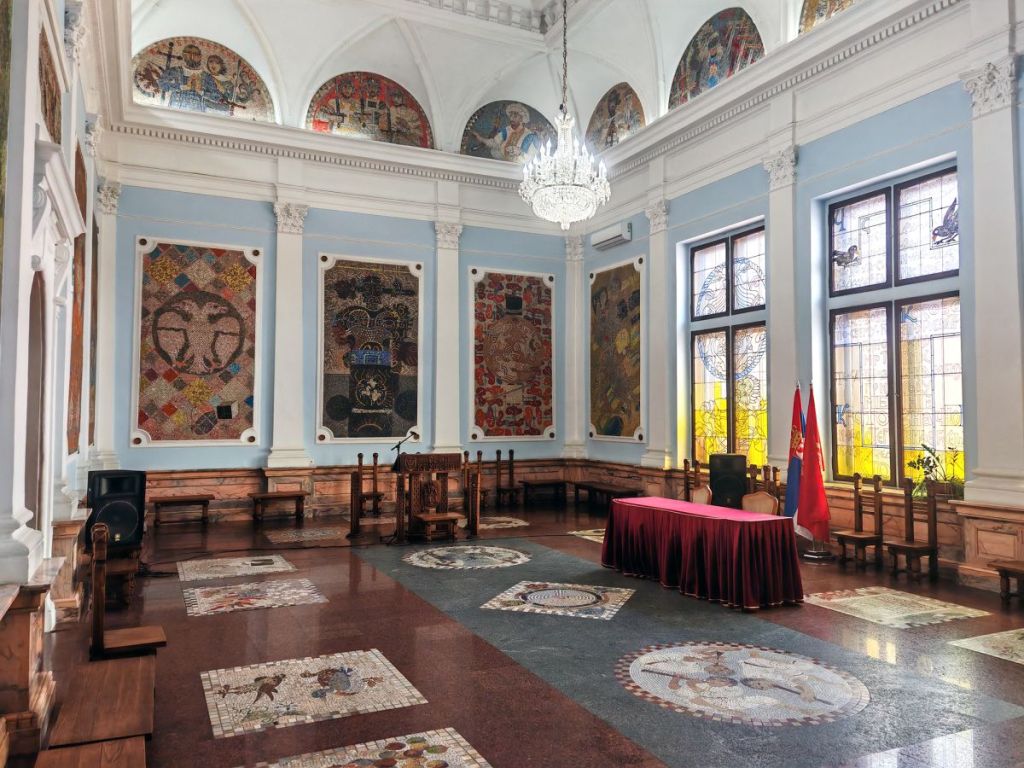
Central Kruševac

Trade Union Hall is best approached as an architectural and civic stop in central Kruševac rather than as a fixed museum-style attraction. Its value for visitors is visual and contextual: the building reflects the city’s cultural life and its Art Deco layer. If you are already walking the center of Kruševac, it fits well into a short heritage route focused on public buildings, squares, and everyday urban history.
Trade Union Hall is a civic cultural building in central Kruševac associated with the city’s Art Deco urban identity. Rather than being a large standalone sightseeing complex, it works best as part of a walking route through the center, where its façade, proportions, and public role help explain how Kruševac developed beyond its medieval associations. It is most known for its Art Deco character and for its place in the city’s cultural life. The atmosphere around it is urban, local, and easiest to appreciate during a slow walk through the core of town.
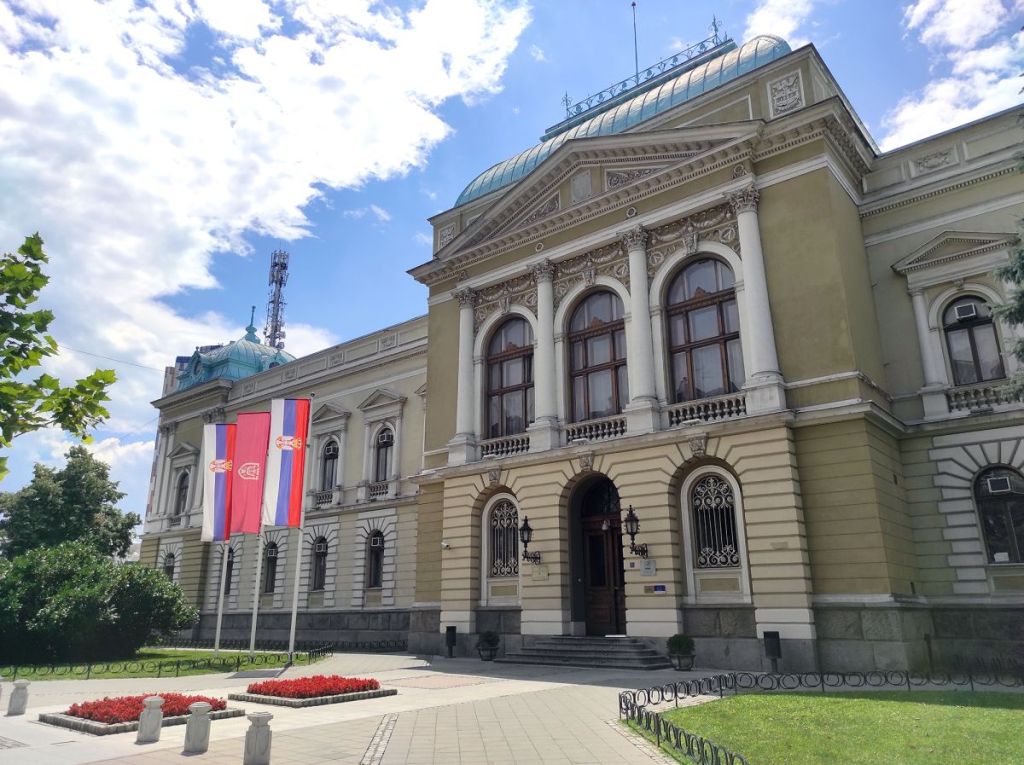
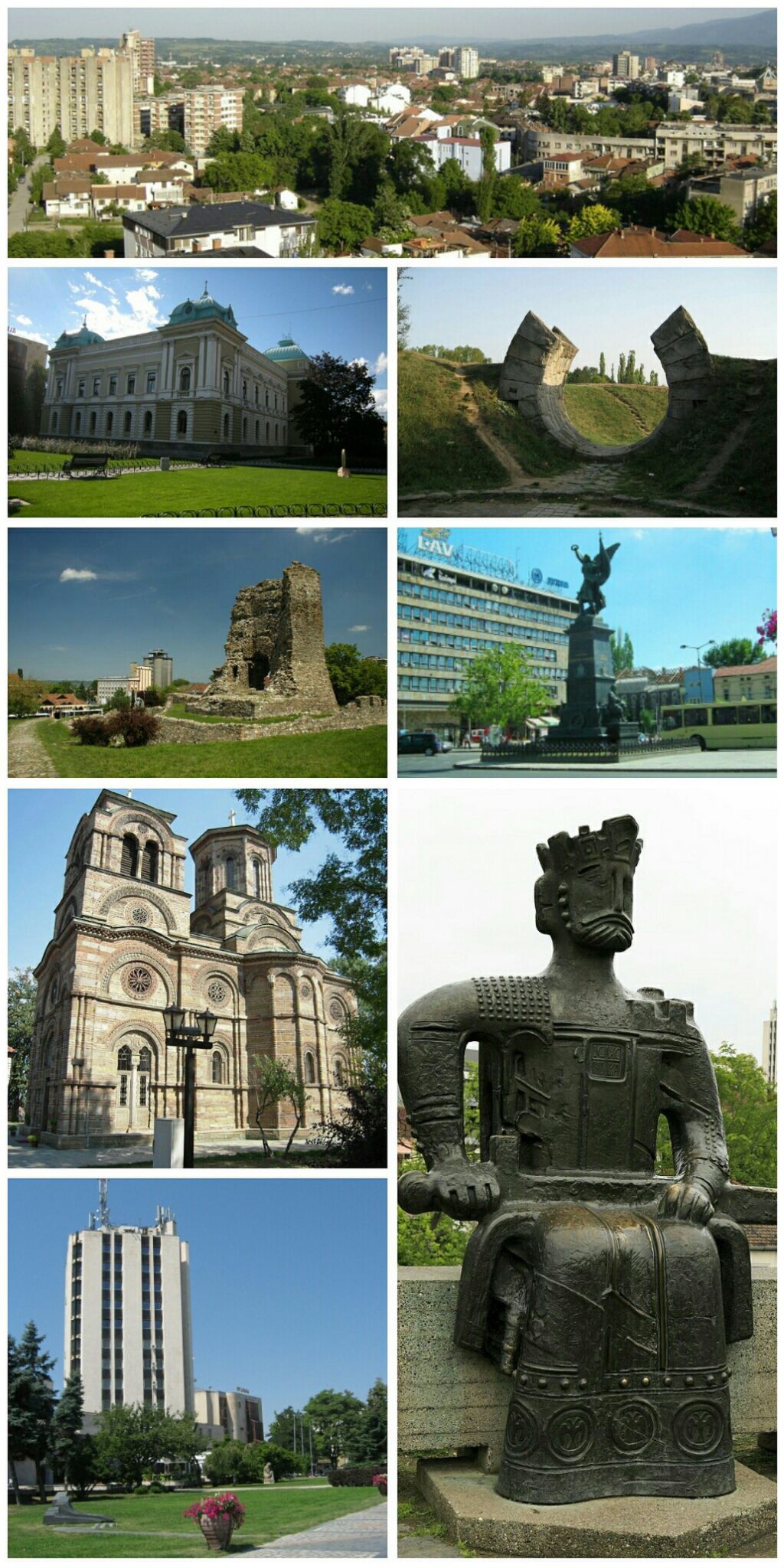
The building’s main draw is its Art Deco reading within Kruševac’s center. For travelers, that means looking past the idea of a single headline monument and paying attention to form: the disciplined façade, the civic scale, and the way the structure represents a period when culture, administration, and public gathering were expressed through modern urban architecture. In Kruševac, this matters because many visitors arrive for Prince Lazar and the medieval story, while Trade Union Hall shows a later chapter of the city. It gives balance to a walking visit by revealing the 20th-century layer of local identity.
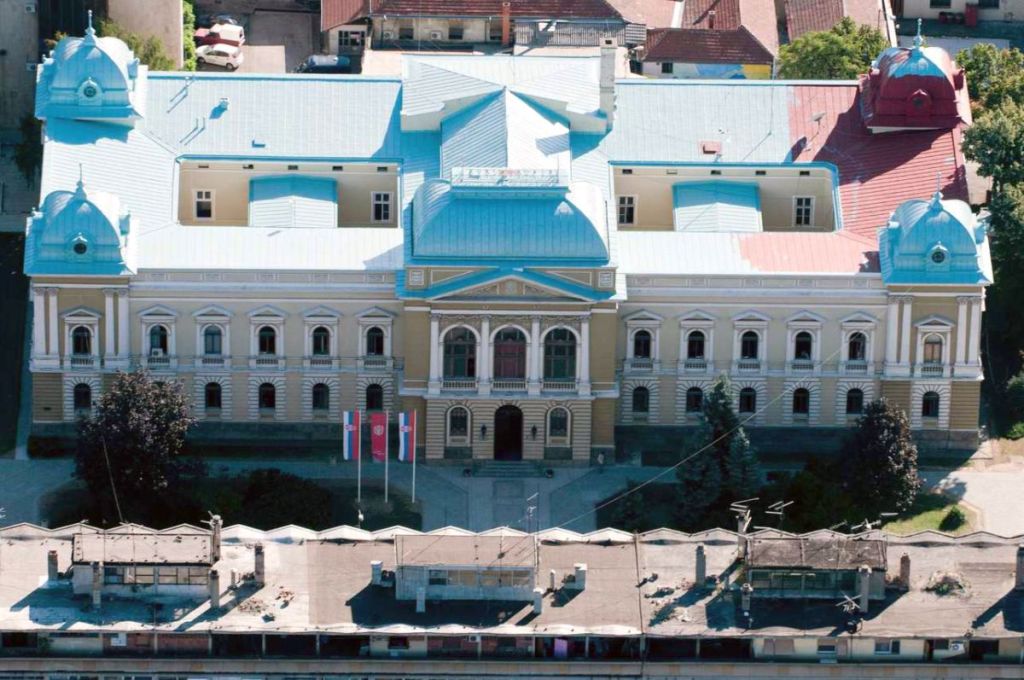
Trade Union Hall is visited as part of central Kruševac, so most travelers reach it on foot once they are already in the city core. From the main pedestrian and square area, expect a short walk of a few minutes rather than a separate excursion. If you are arriving into Kruševac by local bus, use central stops and continue on foot through the center. For intercity planning, the easiest starting point is the general Serbia transit search at Serbia Transit Search. Taxi rides within Kruševac are usually short-distance city rides, useful if you are coming from the bus or rail station with luggage. Parking is more practical in the wider center than directly beside the building, especially on busy weekdays.
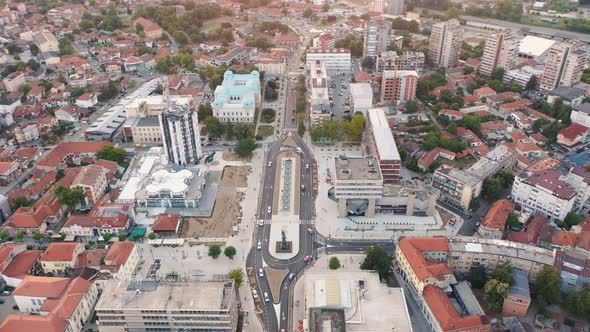
The best time to visit Trade Union Hall is during daylight if your main interest is architecture. Late morning to early afternoon is usually best for reading details on the façade and combining the stop with other errands or walks in central Kruševac. Early evening can work well if you want to see the building in the rhythm of the town. If the hall is hosting a public event, performance, or gathering, that can add context, but travelers should not assume fixed daily visitor access in the way they would for a museum. Build your timing around a city-center walk rather than a long standalone visit.
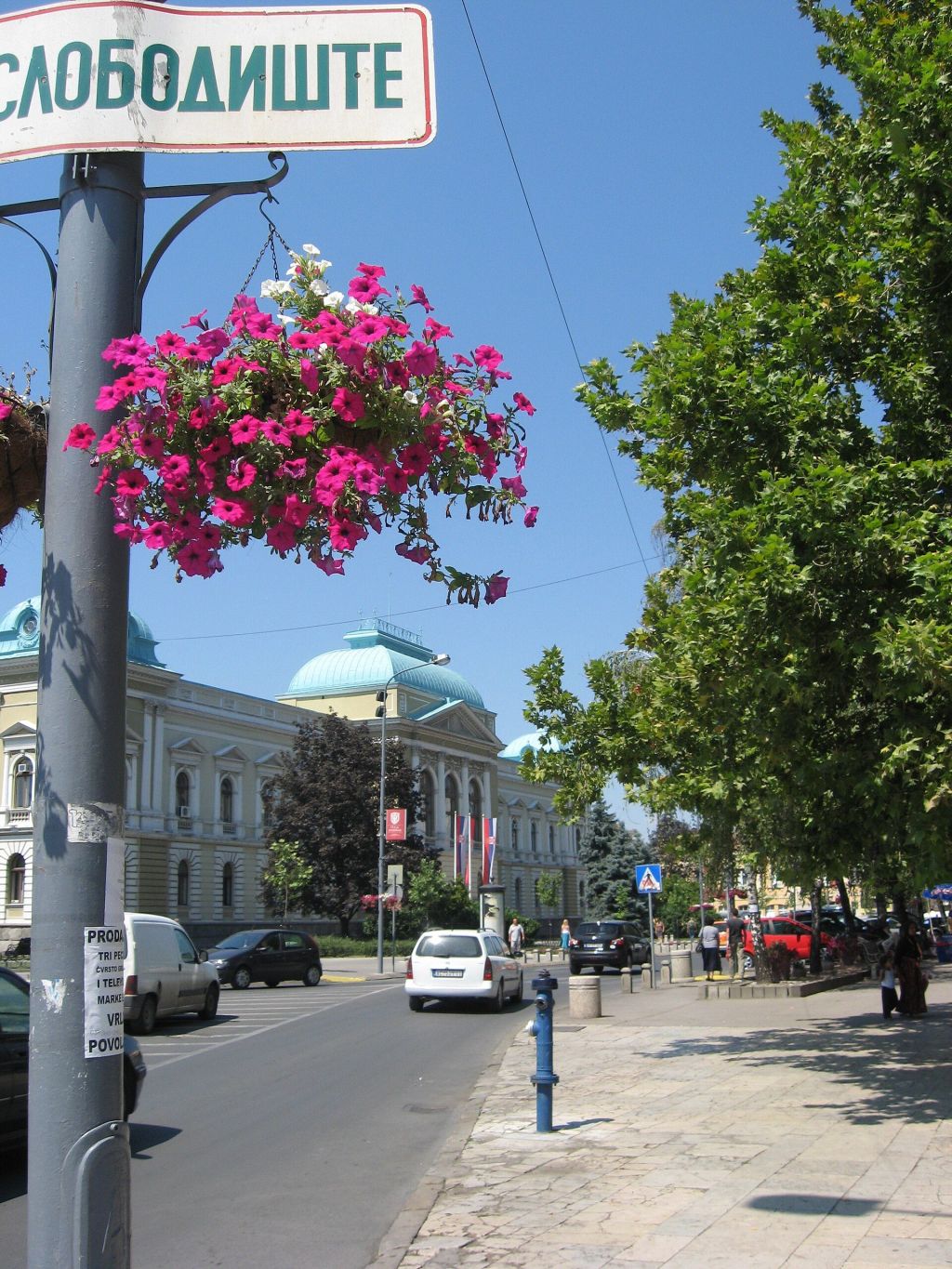
Expect an urban architectural stop, not a heavily interpreted attraction. The main experience is looking at the building’s exterior, understanding its role in the cultural history of Kruševac, and placing it alongside the city’s better-known medieval identity. Dress is simply city casual. Families can include it easily because the stop is short and central. Accessibility depends on the surrounding pavement and any active event setup, so travelers with mobility needs should treat it primarily as an exterior visit unless they have confirmed access in advance. Bring a phone or camera if you are interested in architecture, and keep expectations realistic: the value here is context and design, not a long program of exhibits.
If you are shaping a wider regional route, the broader Šumadija Travel Guide helps place Kruševac among other inland stops in central Serbia.
Use the map to orient yourself within central Kruševac before starting a walking visit.
Because Trade Union Hall is best experienced visually, focus on these practical viewing points and building details rather than expecting a museum circuit.
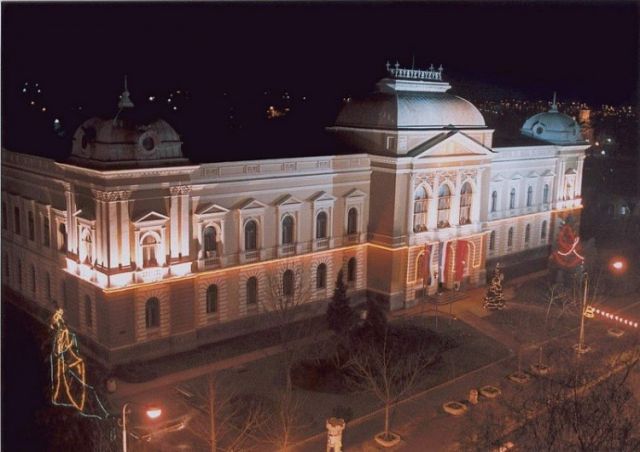
Street-front façade view
Best first look at the building’s Art Deco massing.
Start across the street or from an angle that lets you read the full front elevation rather than standing directly under it.
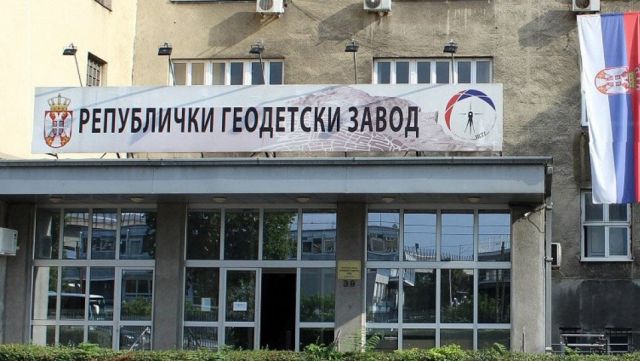
Main entrance approach
Useful for noticing decorative restraint and civic character.
Approach slowly from the pedestrian flow of central Kruševac and look at the doorway, rhythm of openings, and proportions.
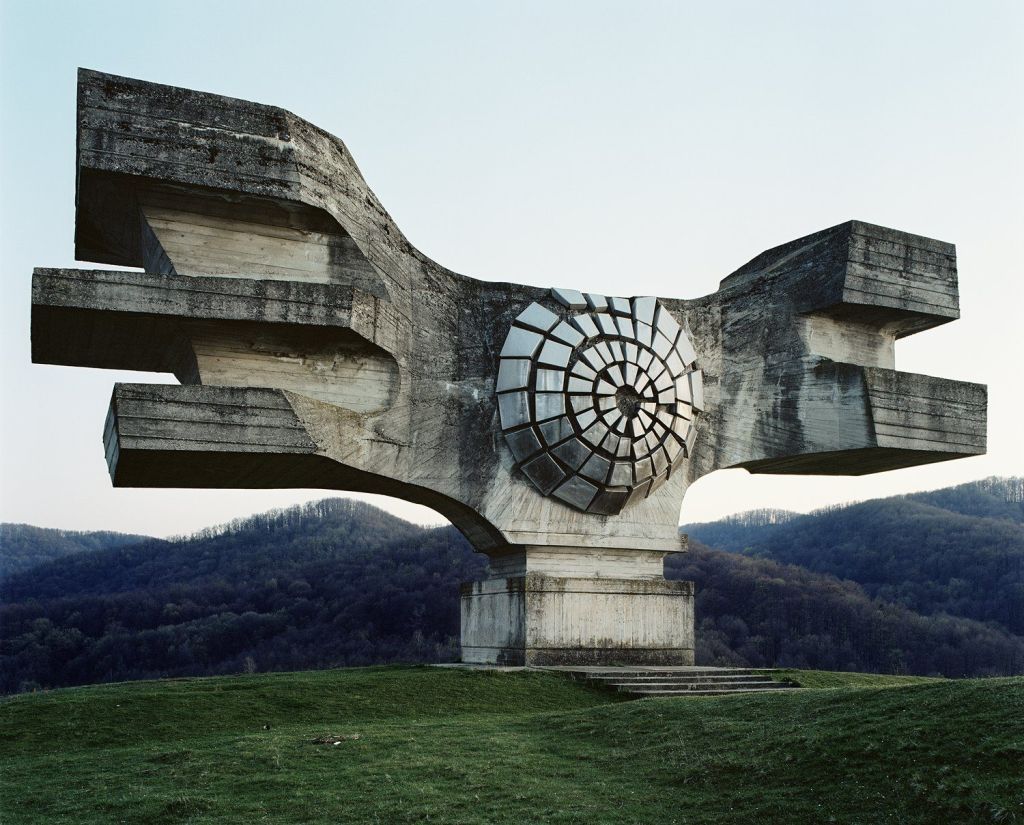
Side-angle exterior view
Helps show depth and urban placement within the block.
A side or corner angle gives a better sense of how the building sits within the surrounding city fabric than a straight-on shot.
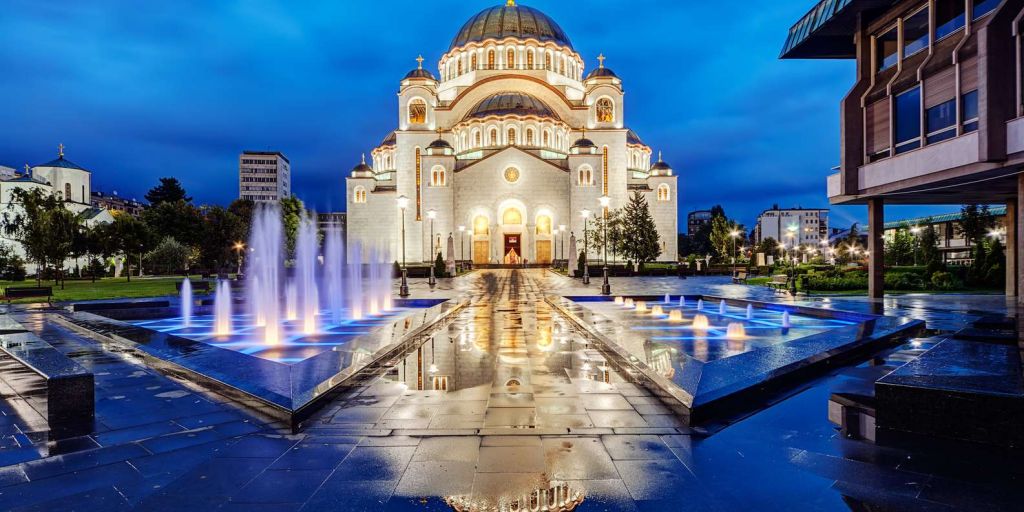
Evening center walk past the hall
Best way to understand the building as part of local city life.
If the surrounding streets are active, an early evening pass shows the hall in its natural setting as part of Kruševac’s everyday cultural core.
Central Kruševac
Kruševac city center
Art Deco civic architecture
Exterior viewing is free; event access depends on program
Late morning, afternoon, or early evening center walk
No for exterior viewing; check separately for ticketed events
This stop makes the most sense as part of a wider walk through Kruševac, especially if you want more than the city’s medieval layer.
Step back enough to capture the whole façade. The building reads better from an angle than from directly below the entrance line.
Treat the hall primarily as an exterior architectural stop unless you already know there is a public event or open program during your visit.
If Kruševac is one stop on a longer inland trip, use the Šumadija Travel Guide to connect it with other central-Serbia bases.
Yes, if you are already walking central Kruševac and want a broader view of the city’s architecture. It is a short stop rather than a half-day attraction.
Visitors should not assume regular museum-style access. Interior access may depend on whether there is an active public event or cultural program.
For most travelers, 10 to 20 minutes is enough for the exterior and surrounding context. Allow longer only if you are pairing it with a fuller city-center walk.
The main reason is architectural context. The building represents Kruševac beyond its medieval image and adds a 20th-century civic layer to a visit.
Stay connected in Serbia