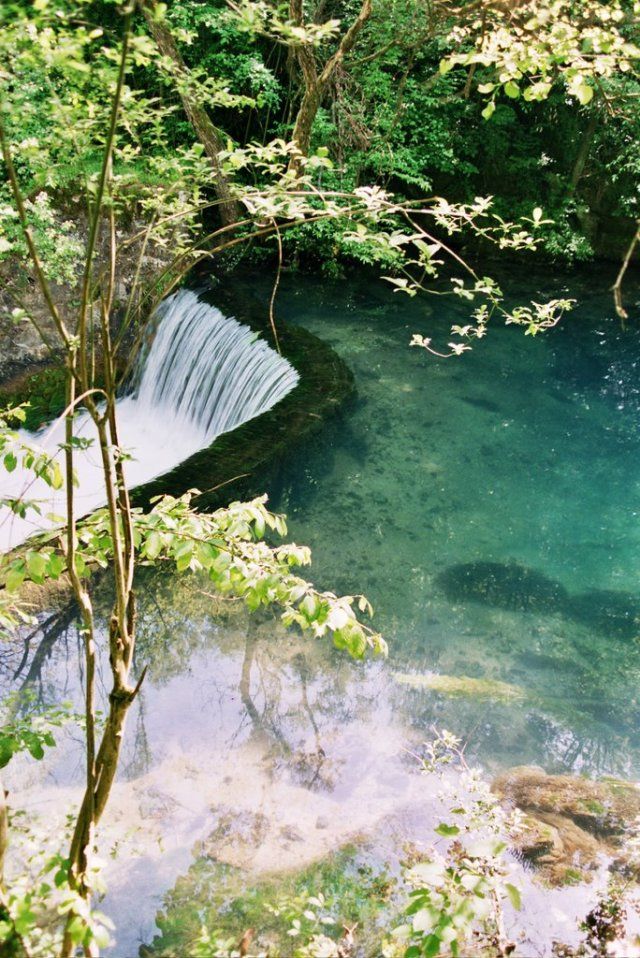
Near Despotovac

Krupaj Spring is a short-stop natural attraction near Despotovac, best known for emerald-green karst water beneath limestone slopes. It suits travelers building a driving itinerary through the wider area rather than those looking for a long standalone visit. The most practical plan is to see it in daylight and combine it with Manasija Monastery or Resava Cave.
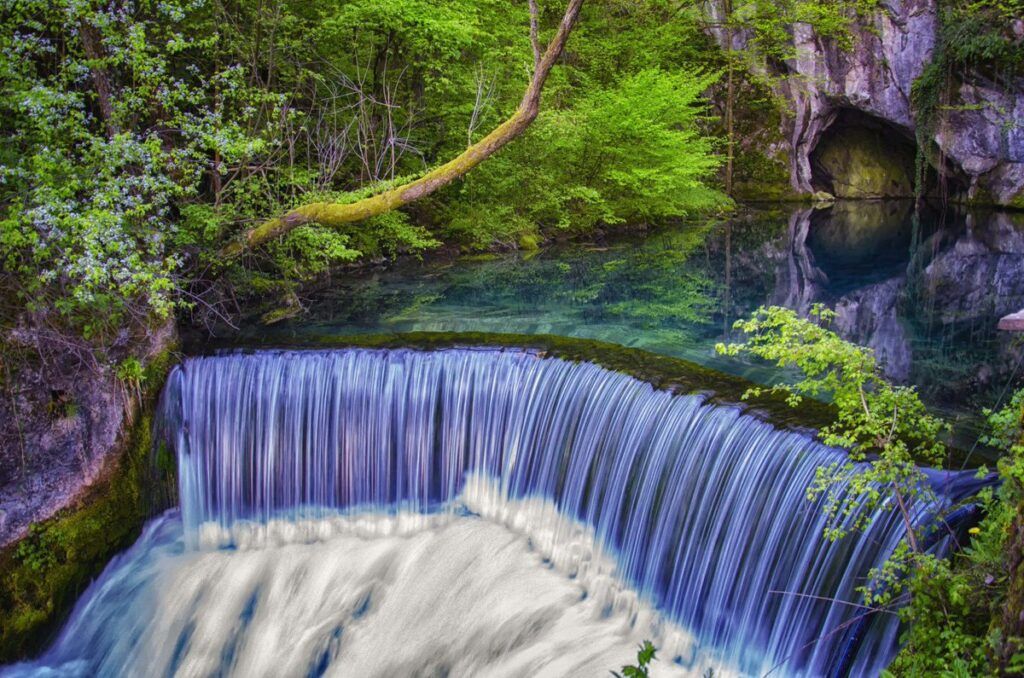
Krupaj Spring is a karst spring near Despotovac, set below limestone slopes and known above all for its emerald-green water. It is visited as a short nature stop rather than a full-day attraction: most people come to look at the spring basin, walk the immediate area, take photos, and continue deeper into the wider Despotovac area. The mood is quiet and rural, with the visual contrast between rock, greenery, and still water doing most of the work. For a broader regional plan, the Šumadija Travel Guide helps place Krupaj Spring within a longer trip.
What makes Krupaj Spring distinct is the combination of karst geology and color. The spring emerges under a limestone backdrop, and the water appears green to emerald depending on light and weather. That matters because the appeal here is not a long checklist of activities but a single, clear natural phenomenon: watching how the spring basin changes from shaded dark tones to bright green. Travelers often treat it as part of a compact nature-and-history circuit with Manasija Monastery and Resava Cave, but the spring itself is the visual anchor of the stop.
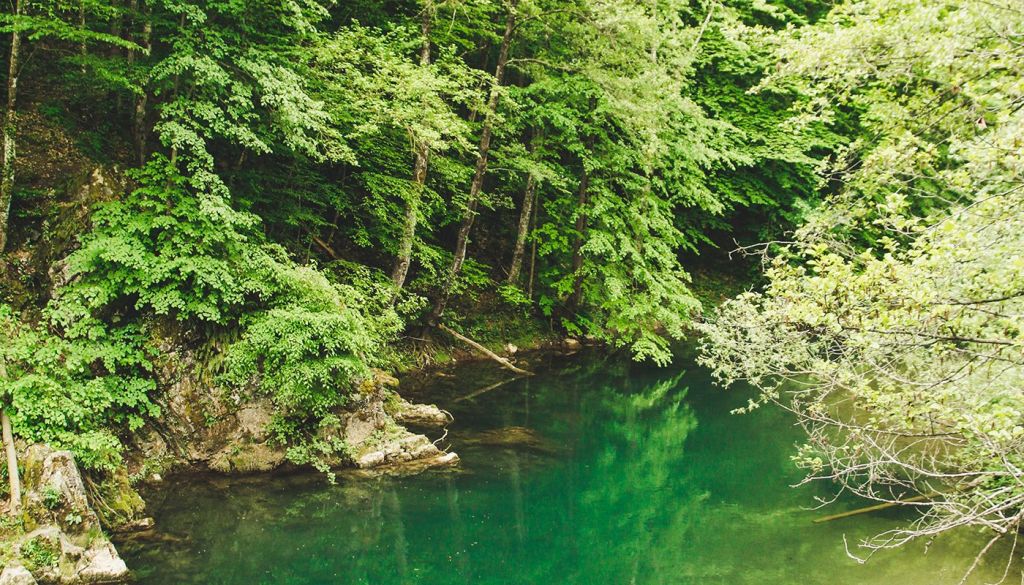
Krupaj Spring is approached most practically by car as part of a Despotovac-area day trip. From central Despotovac, expect a regional-road drive rather than an urban arrival. There is no widely used city-style public transport pattern for international visitors to rely on here, so check current intercity options first through Serbia Transit Search: Buses, Trains & Practical Route Planning and plan the last stretch by taxi or private vehicle. If you are already visiting Manasija or Resava Cave, Krupaj Spring makes sense as another stop on the same driving route. Parking and exact on-site approach conditions can change with season and local traffic, so verify locally before departure.
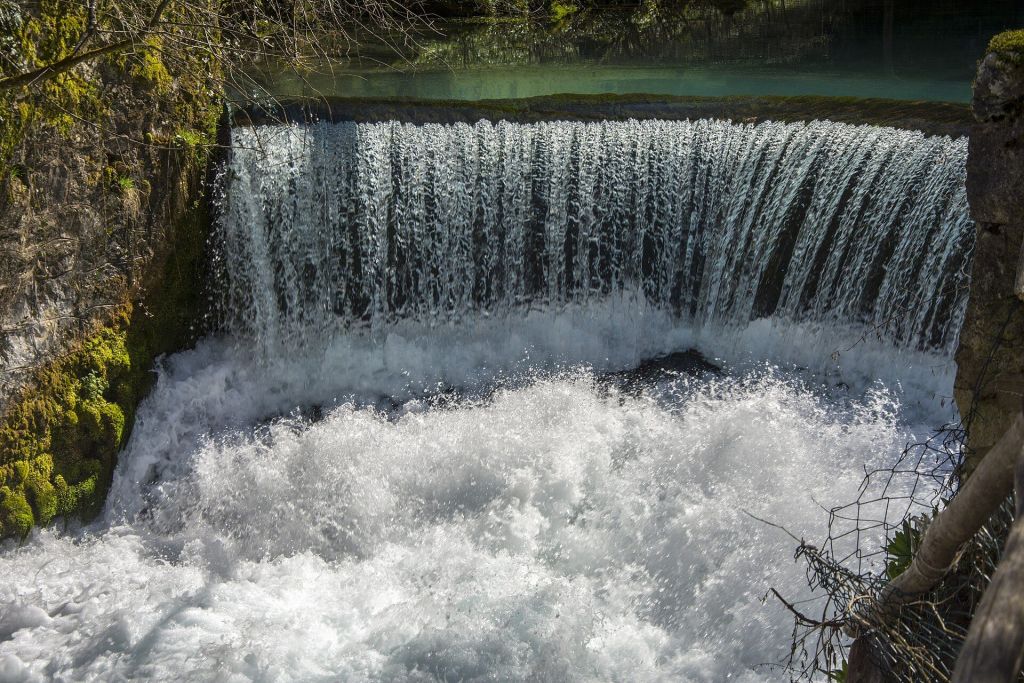
Krupaj Spring works best in daylight, when the water color is easier to read and the limestone setting is clearer. For most travelers, morning through mid-afternoon is the safest window. If you prefer a quieter feel, avoid peak excursion hours on warm weekends and public holidays, when short-stop nature sites tend to draw domestic day trippers. Spring through autumn is the easiest period for combining the spring with other regional stops, while winter visits depend more on weather, road conditions, and how much value you place on a brief outdoor stop.
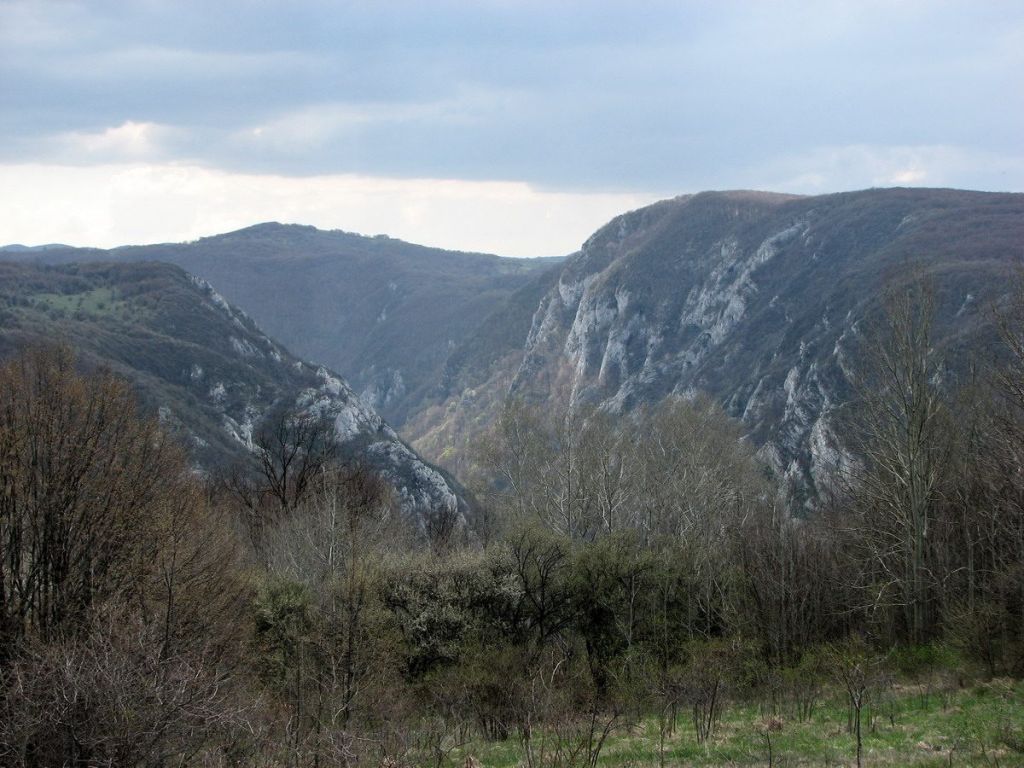
Expect a short, visually focused stop in a natural setting. The atmosphere is calm rather than developed, and the main experience is looking at the spring basin, the water color, and the limestone backdrop. Wear practical shoes if the ground is damp or uneven, and do not build your schedule around extensive infrastructure on site. Families can visit easily if they are comfortable with a simple outdoor stop, but the appeal is stronger for travelers who enjoy geology, landscape photography, or quiet roadside nature breaks. Bring water, check weather, and keep expectations aligned with a brief stop rather than a full-service attraction.
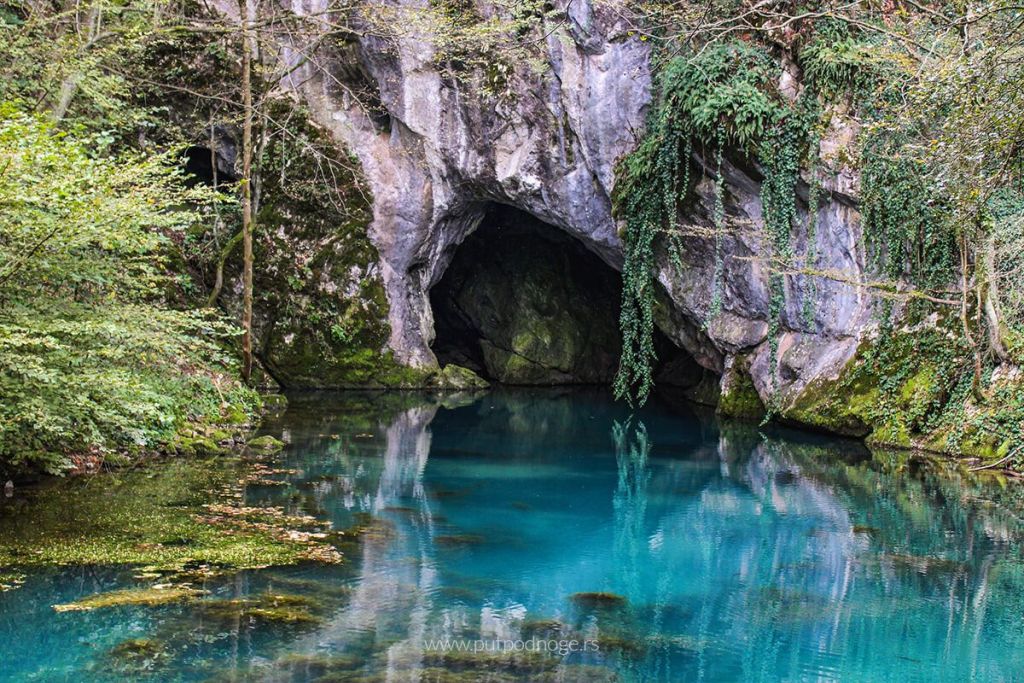
Use the map to place Krupaj Spring within the Despotovac area before planning the road approach.
These are the most practical stops travelers usually consider when building a short Krupaj Spring outing focused on nature and nearby heritage.
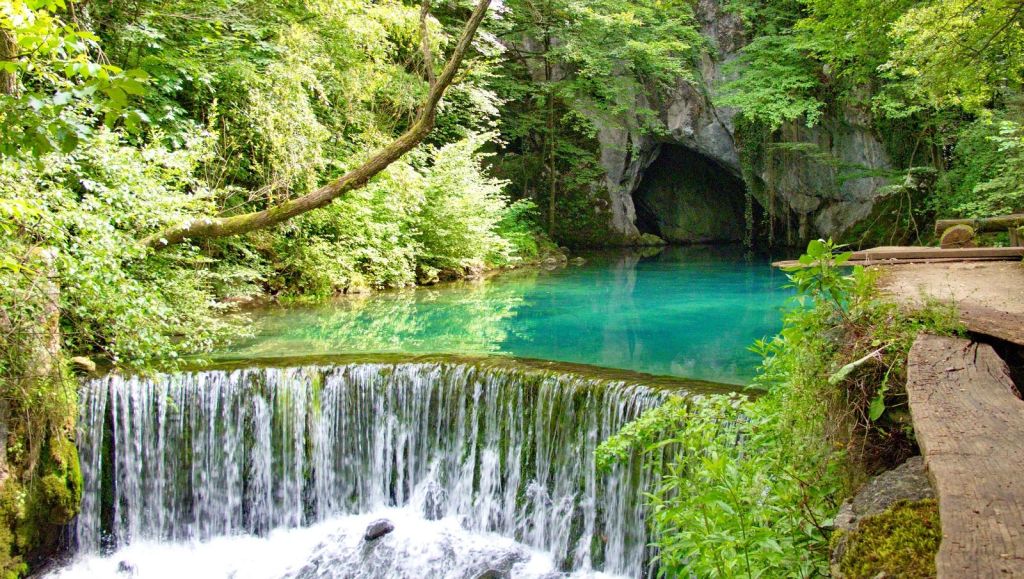
Krupaj Spring basin
The main viewing point for the emerald-green karst water.
This is the core reason to come: the spring pool under the limestone backdrop. Most visits are short and centered on taking in the water color and setting.
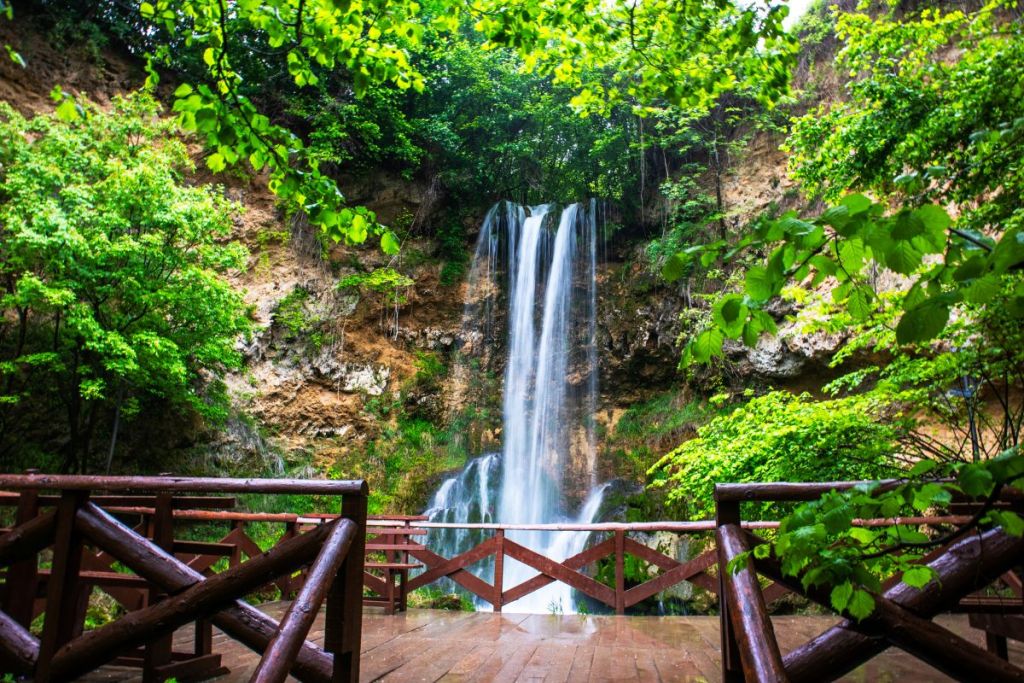
Krupaj Spring streamside area
The immediate waterside zone where the spring flows out into a calmer landscape.
After the first look at the basin, most visitors spend a little time along the water’s edge for a different angle on the spring and surrounding vegetation.
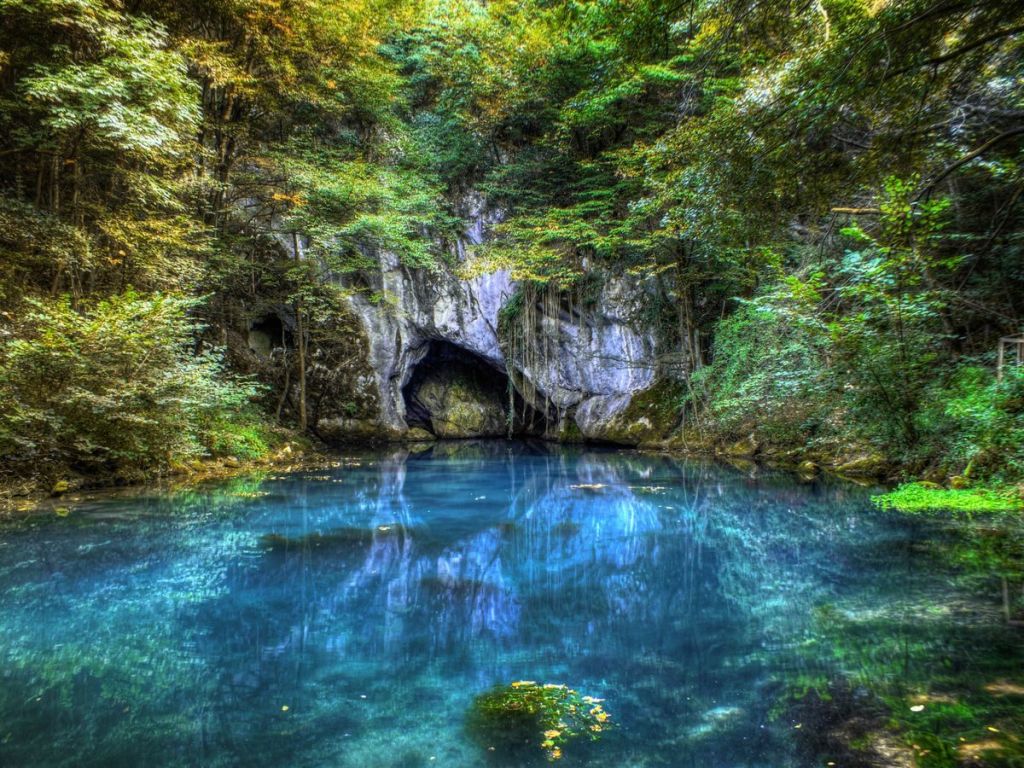
Manasija Monastery
Fortified medieval monastery often paired with Krupaj Spring on the same driving day.
If you want to balance the natural stop with major Serbian medieval heritage, Manasija is the strongest nearby historical pairing.
Resava Cave
A cave visit that complements Krupaj Spring’s karst setting with an underground perspective.
Travelers interested in geology often combine the spring with Resava Cave to understand the wider karst landscape of the area.
Topola and Oplenac | Royal Mausoleum, Uprising History and
Near Despotovac
Karst spring
Emerald-green water
Limestone landscape
Usually a short stop
Despotovac
Nature stop on a driving route
Manasija Monastery and Resava Cave
Daylight hours
Come for the color of the water and the karst setting, not for museums, long walking routes, or urban services. It works best as a short pause on a driving day.
If you are coming mainly for photographs, clearer daylight helps reveal the spring’s green color better than flat late-evening light.
Krupaj Spring is easiest to appreciate on a clear-weather driving day with one or two additional Despotovac-area stops.
It is known for emerald-green karst water emerging in a limestone setting near Despotovac.
Most travelers visit briefly. It is usually planned as a short nature stop rather than an all-day destination.
Yes. For most international visitors, a car or taxi for the final approach is the most practical way to reach it.
Yes. It is commonly paired with Manasija Monastery and Resava Cave on the same regional outing.
Daylight hours are best, especially when you want to see the green color of the water clearly and take photographs.
If Krupaj Spring is part of a longer trip, build it into a route with regional history, caves, and practical transport planning.
Stay connected in Serbia