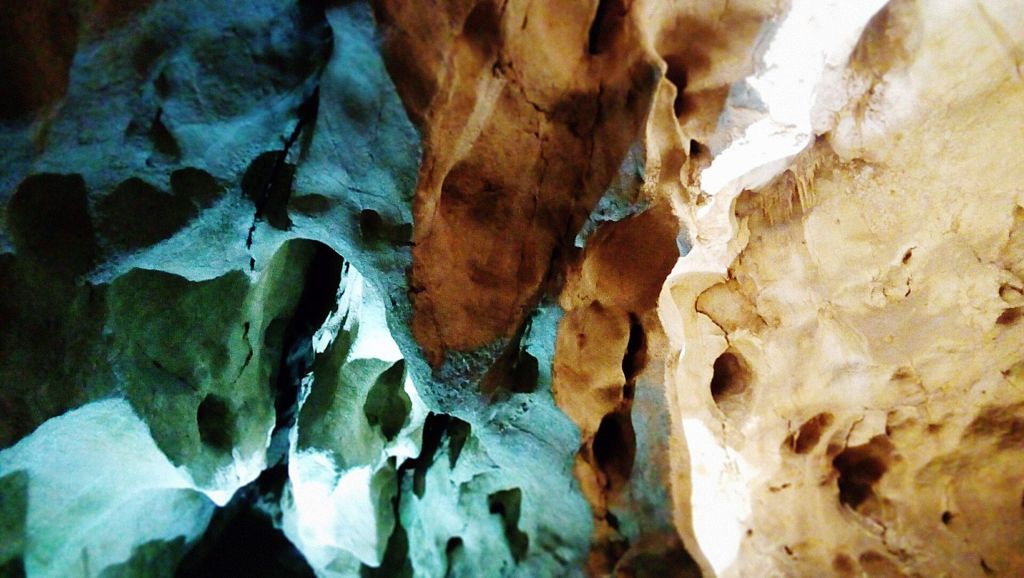
Resava area near Despotovac, Eastern Serbia

Resava Cave is one of the best-known cave visits in Serbia for travelers who want an easy introduction to karst landscapes without technical caving. The visit is built around a guided route through chambers shaped by water over a long period, with stalactites, stalagmites, flowstone forms and a cool underground climate that feels very different from the forested landscape outside. Most visitors pair it with nearby nature and heritage stops in the Resava area, especially Lisine Waterfall and Manasija Monastery, making it a practical full-day outing from Belgrade or a shorter excursion from Despotovac.
Resava Cave, also known as Resavska pećina, lies in the Resava area near Despotovac in eastern Serbia. It is a developed visitor cave rather than a wild caving site, which means you enter with a guide along a prepared path through decorated halls and passages. What people come for is the cave interior itself: mineral formations, sculpted chambers, and the sense of descending into a colder, darker landscape shaped by underground water. The atmosphere is calm, dim and noticeably cooler than outside. For a wider route through the region, the Eastern Serbia Guide gives the broader context of gorges, Roman sites and caves.
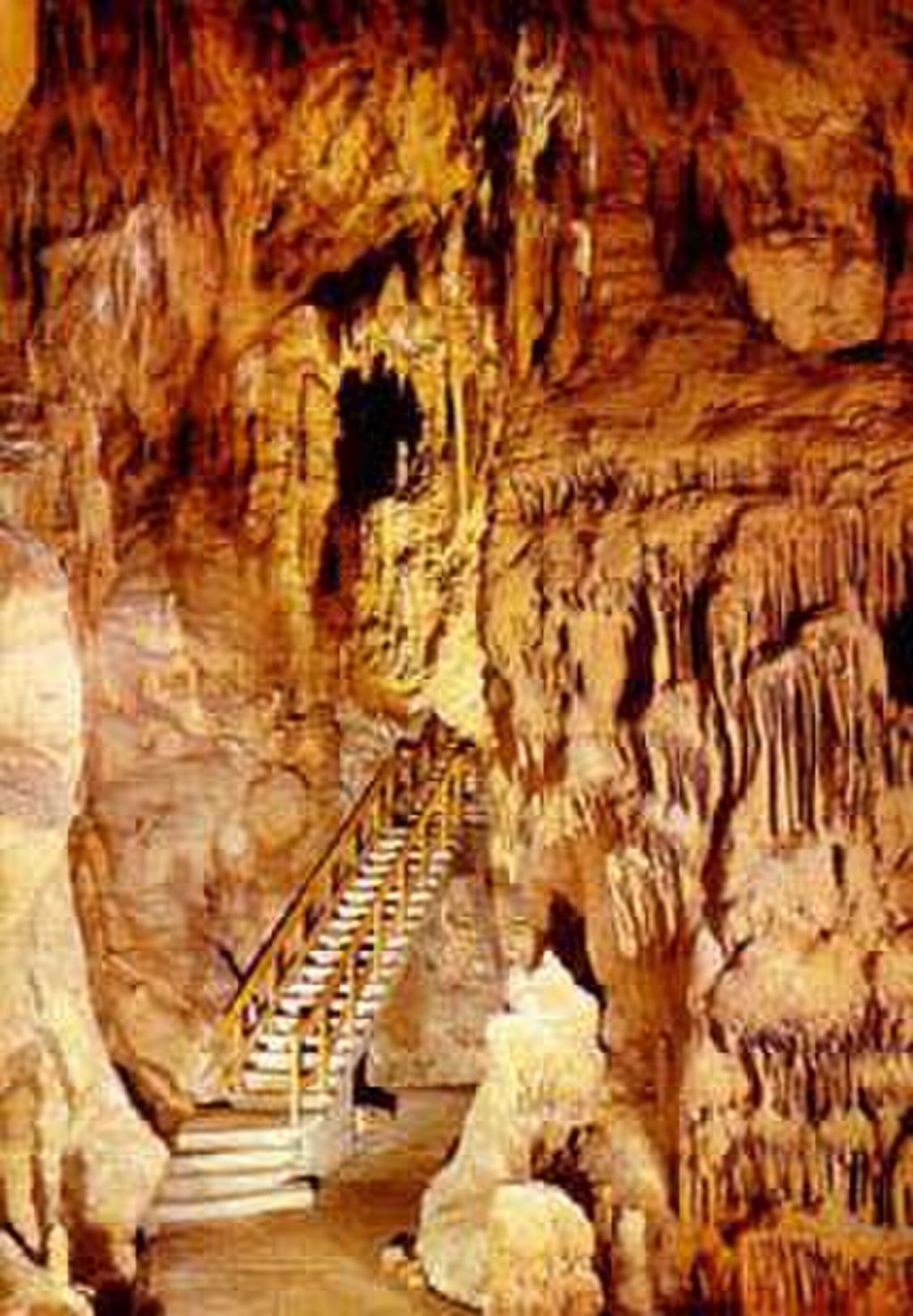
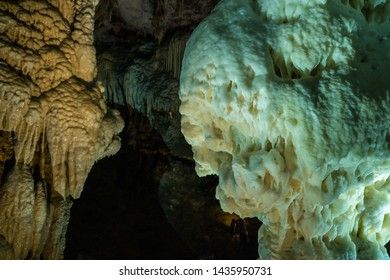
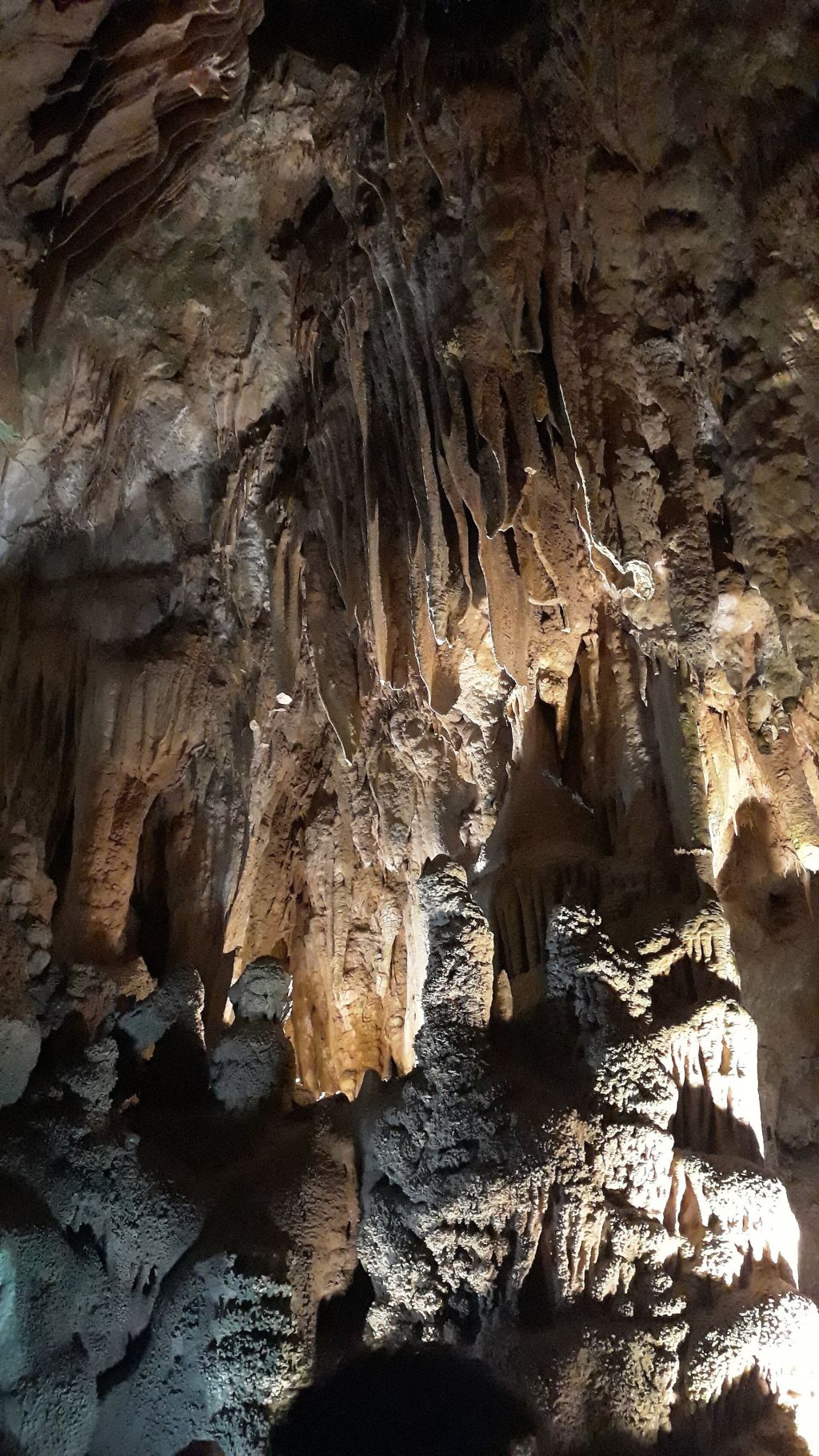
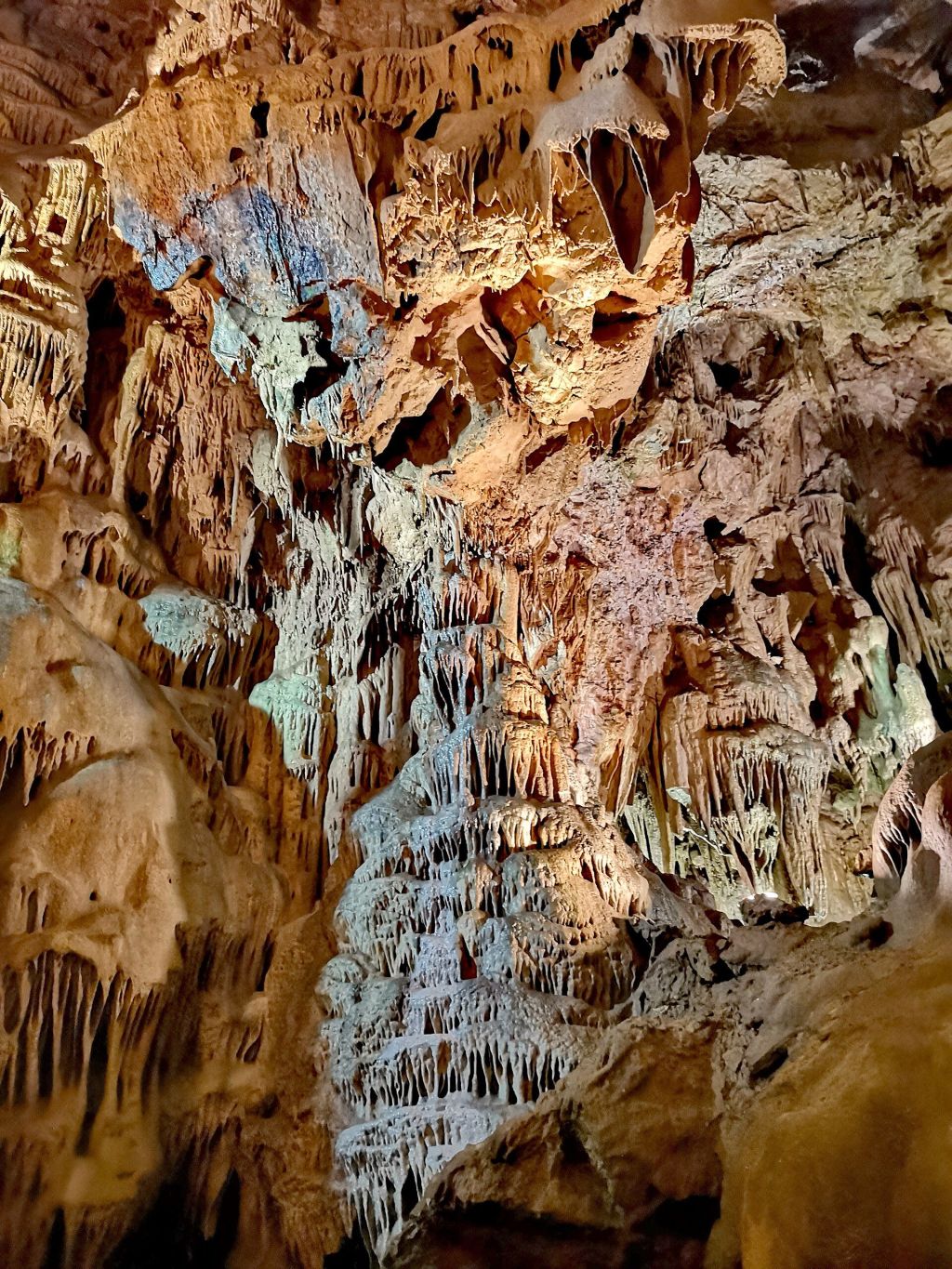
What makes Resava Cave worth the detour is not only that it is underground, but that it is legible to first-time visitors. You are not looking at a single chamber and leaving; you move through a sequence of spaces where the cave changes in scale and texture. The formations are the main draw: hanging stalactites, rising stalagmites, joined columns and draped mineral surfaces created by long-term water movement through limestone. The underground river system is part of the story of how the cave formed, and guides usually frame the visit around that process rather than presenting it as a purely scenic walk. That makes the site useful both for casual visitors and for travelers interested in geology. Resava Cave works particularly well as part of a combined day with Manasija Monastery, because the contrast between medieval stone walls above ground and mineral architecture below ground is easy to appreciate in a single route.
Most international visitors reach Resava Cave by car as part of a day trip from Belgrade. Driving gives the easiest link between the cave, Lisine Waterfall and Manasija Monastery, and it avoids waiting for local onward transfers. If you are driving yourself, review the practical notes in Driving in Serbia before heading into eastern Serbia.
From Belgrade, expect a road journey toward the Despotovac area and then a final local approach to the cave. From Despotovac itself, the cave is a short regional excursion and is often reached by taxi or private transfer if you are not using your own car. Public transport is better for getting to Despotovac than for the final approach to the cave entrance, so many travelers break the route into two stages: intercity bus first, local transfer second. If you are coming without a car, use Despotovac as the organizing point for the last part of the trip and keep enough margin for the return.
Parking is usually the simplest option for self-drivers. The last stretch is straightforward as a visitor approach rather than a city walk, so this is not a site where walking from a major urban landmark is the norm. For bus and onward route planning across Serbia, the practical overview in Getting Around Serbia helps set expectations for how regional journeys work.
Resava Cave is useful in most seasons because the main activity happens underground, where temperature and light conditions are stable compared with the outside landscape. Spring and early autumn are often the easiest times to pair the cave with Lisine Waterfall and Manasija Monastery, since the road day feels balanced and comfortable. Summer can still work well, especially because the cave gives relief from heat, but it can be busier and is better tackled earlier in the day. Winter visits can be rewarding if access conditions are good, though daylight is shorter and the wider day-trip circuit becomes tighter.
Time your visit around the tour system, not just your arrival time. If you want to combine three stops in one day, avoid arriving late in the afternoon. Travelers building a longer regional route can also use the seasonal guidance in Best Time to Visit Serbia to decide whether eastern Serbia fits better into a spring, summer or autumn itinerary.
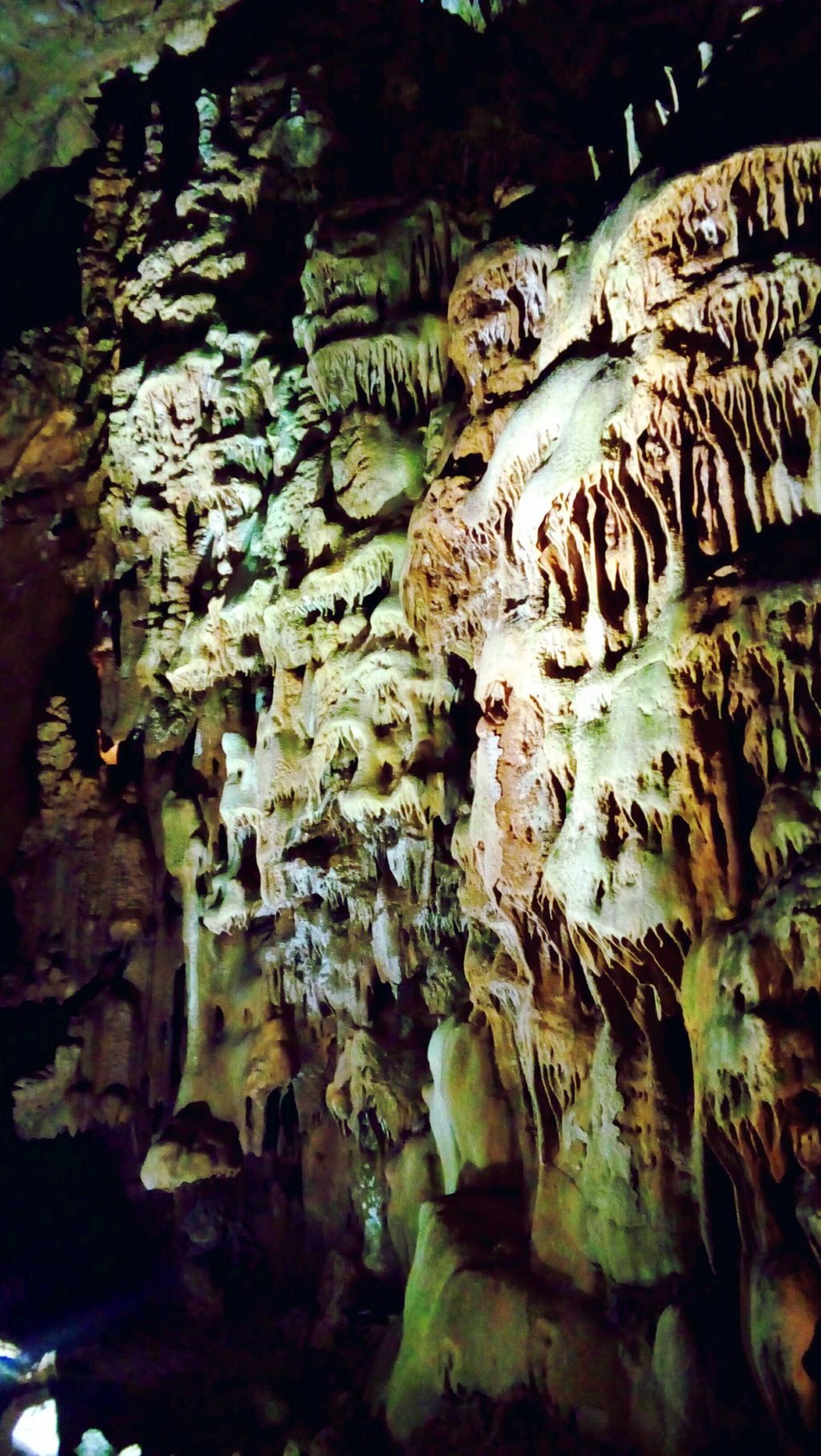
Expect a structured visitor experience rather than independent exploration. The route is designed for general visitors and usually feels manageable for people who are comfortable with enclosed spaces, dim light and a cooler environment. Surfaces can feel damp, so shoes with grip are better than smooth city sneakers. The cave is suitable for many families, but the practical question is not interest level; it is whether children are comfortable in a darker, colder and quieter setting.
Dress is casual and functional. Bring a light layer, water for before or after the tour, and enough time buffer if you are coordinating a same-day transfer back to Despotovac or Belgrade. Accessibility can be limited compared with open-air attractions because cave routes depend on stairs, gradients and fixed passage design. Noise levels are usually low, with the guide and the group setting the pace. If you dislike waiting in visitor groups, arrive with patience and treat the cave as a guided interpretive stop rather than a fast in-and-out attraction.
Best for travelers with one free day and access to a car or private driver. Start early, visit the cave while the day is cooler and less crowded, then continue to Lisine Waterfall and Manasija Monastery if time allows before returning to Belgrade.
Best for travelers sleeping locally. This gives more flexibility if you want a slower day, shorter total road time and less pressure around guided-tour timing. It also makes it easier to adapt to weather or seasonal opening changes.
Gamzigrad-Romuliana is a major late-Roman imperial site near Zaječar and suits travelers building a broader Eastern Serbia history itinerary. It usually works better as a separate stop or added day than as part of a rushed Resava Cave outing.
Knjazevac is better suited to a longer Eastern Serbia route focused on the Timok valley, wine, and access to Stara Planina. Consider it a separate base or follow-on destination rather than a direct Resava Cave add-on.
The Origin is a multi-day Eastern Serbia program that combines hiking, archaeology, and varied landscapes into one route. It fits travelers planning a longer regional journey rather than a single-day visit centered on Resava Cave.
Resava Cave is near Despotovac in eastern Serbia and is commonly visited together with Lisine Waterfall and Manasija Monastery.
Most travelers visit Resava Cave as part of a wider day in the Resava and Despotovac area. These are the most practical pairings.
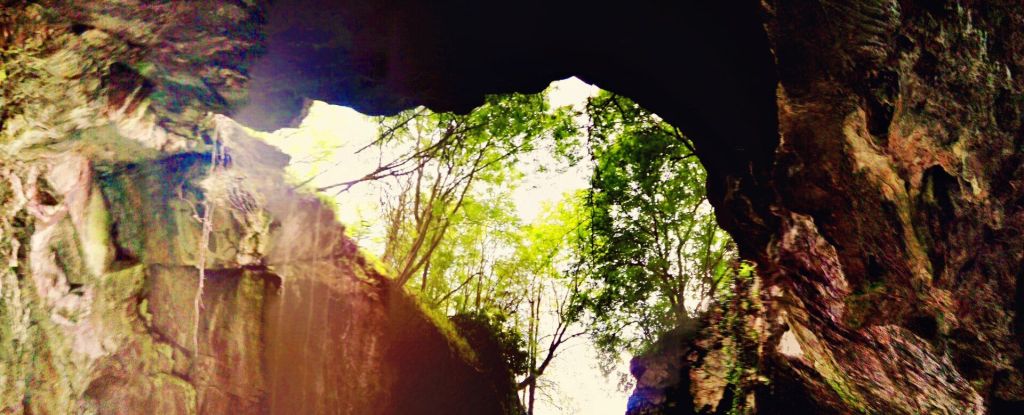
Resava Cave
Managed cave visit with decorated halls and guided underground route.
The core stop of the day, known for stalactites, stalagmites, chamber sequences and a cool internal climate.
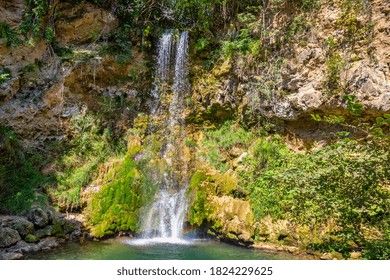
Lisine Waterfall
Popular waterfall stop often paired with the cave on the same route.
An easy add-on in the same general area, useful for balancing the underground visit with time outside in the Resava landscape.
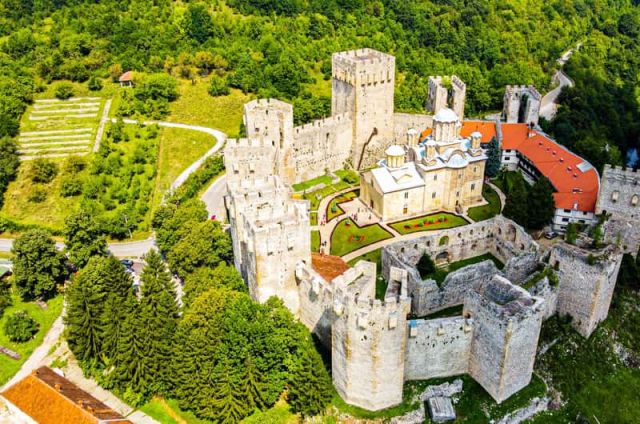
Manasija Monastery
Medieval monastery complex near Despotovac with fortified walls.
A strong heritage counterpoint to the cave, especially for travelers interested in Serbian medieval history and architecture.
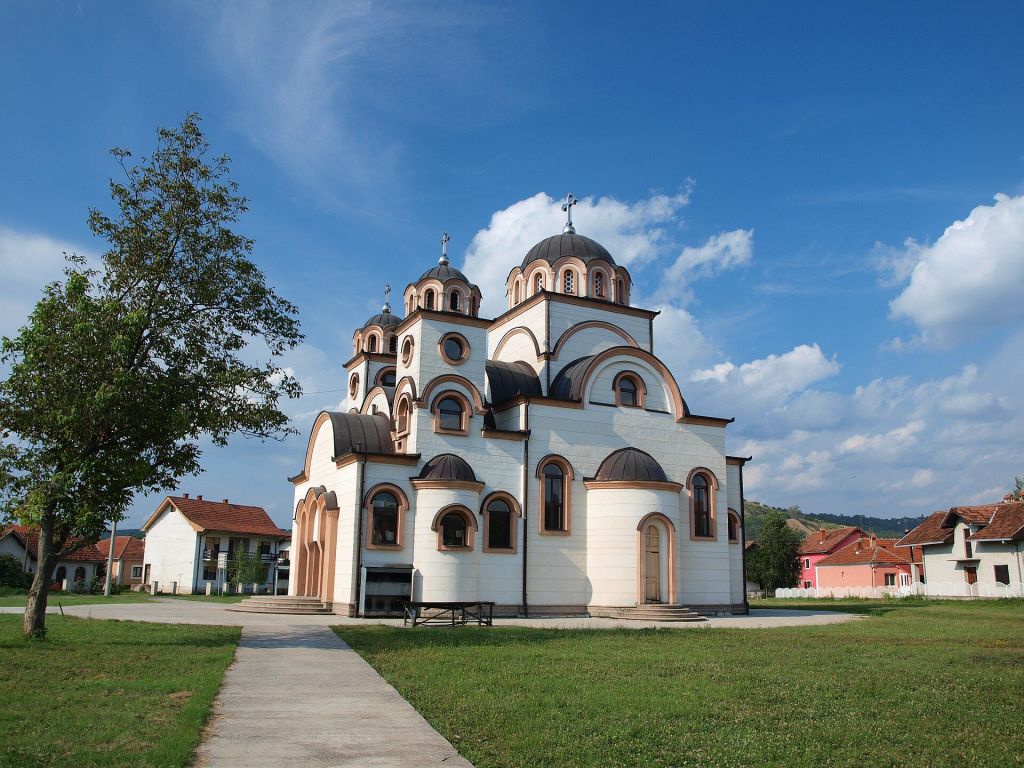
Despotovac
Practical base town for transport, supplies and overnight stay planning.
Useful if you are not driving from Belgrade and need the nearest town for onward taxi arrangements, food or a slower two-stop itinerary.
Resava area near Despotovac, Eastern Serbia
Despotovac
Decorated karst cave with guided visitor route
Ticketed attraction
Spring to autumn, especially morning to early afternoon
Usually not for standard individual visits, but check current guided-tour practice
The cave stays cool even when the weather outside is hot. A light jacket or long-sleeved layer makes the guided walk more comfortable, especially for children or anyone arriving in summer clothes.
Plan around the tour format rather than assuming free movement inside. At show caves in Serbia, entry is commonly organized in groups at set intervals, so waiting a short time for the next departure is normal.
A practical order is Manasija Monastery first, Resava Cave second, and Lisine Waterfall after the cave if daylight and weather are still favorable. That sequence balances culture, underground time and an outdoor stop.
Morning to early afternoon is the safest window if you want to add more than one stop. Late starts make the cave workable, but they reduce flexibility for the waterfall and monastery.
Yes, but it is less convenient. The hard part is usually not reaching eastern Serbia, but organizing the last leg from the Despotovac area to the cave and back on the same day.
Yes. That is one of the most practical ways to structure the day, especially if you are driving and start early enough to avoid rushing the cave tour.
It feels much cooler than the outside air, which is one reason many people enjoy visiting in warm weather. Bring a light extra layer even on hot days.
Usually visitors experience it as a guided show-cave visit along a prepared route. That is part of what makes the site accessible to general travelers rather than only to experienced cavers.
Often yes, provided they are comfortable with darkness, lower temperatures and walking through an enclosed underground setting. Good footwear and a layer help.
If you want to combine eastern Serbia with Belgrade, Niš or a longer regional loop, request a custom route built around your dates and transport style.
Stay connected in Serbia