Region pillar

Eastern Serbia: gorges, caves, Roman ruins, and wide-open roads

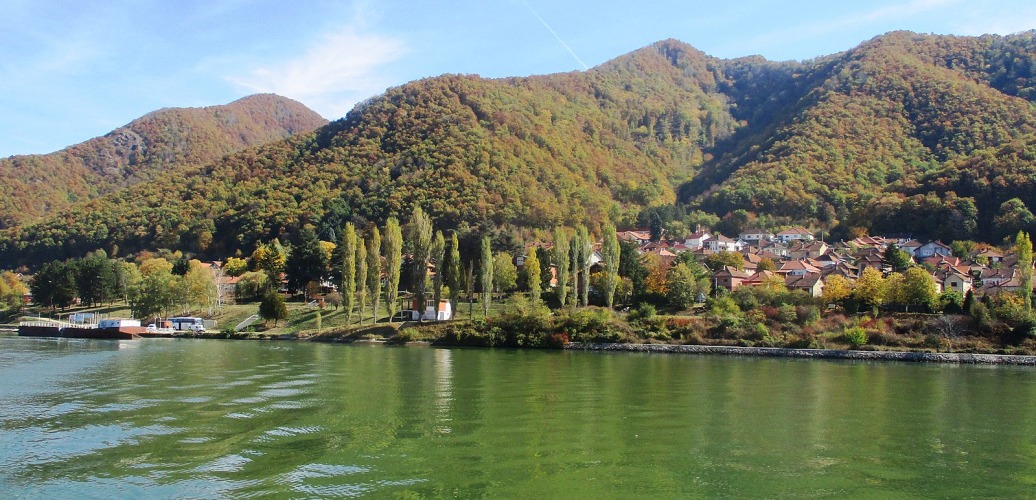
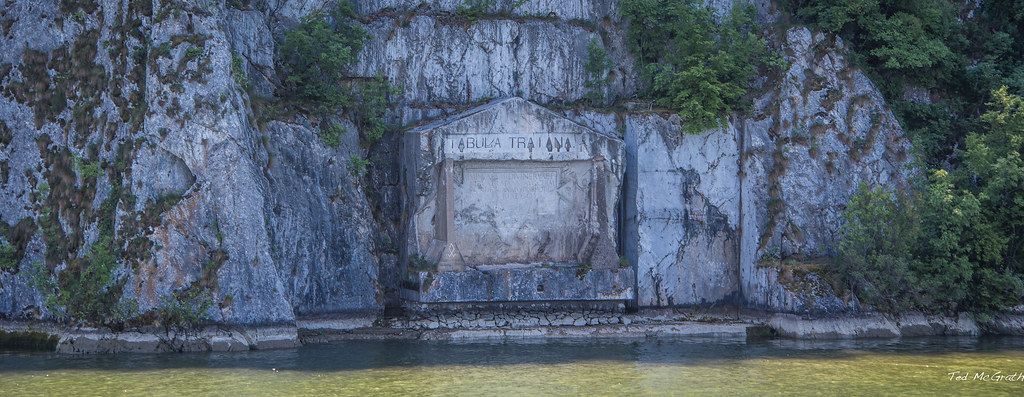
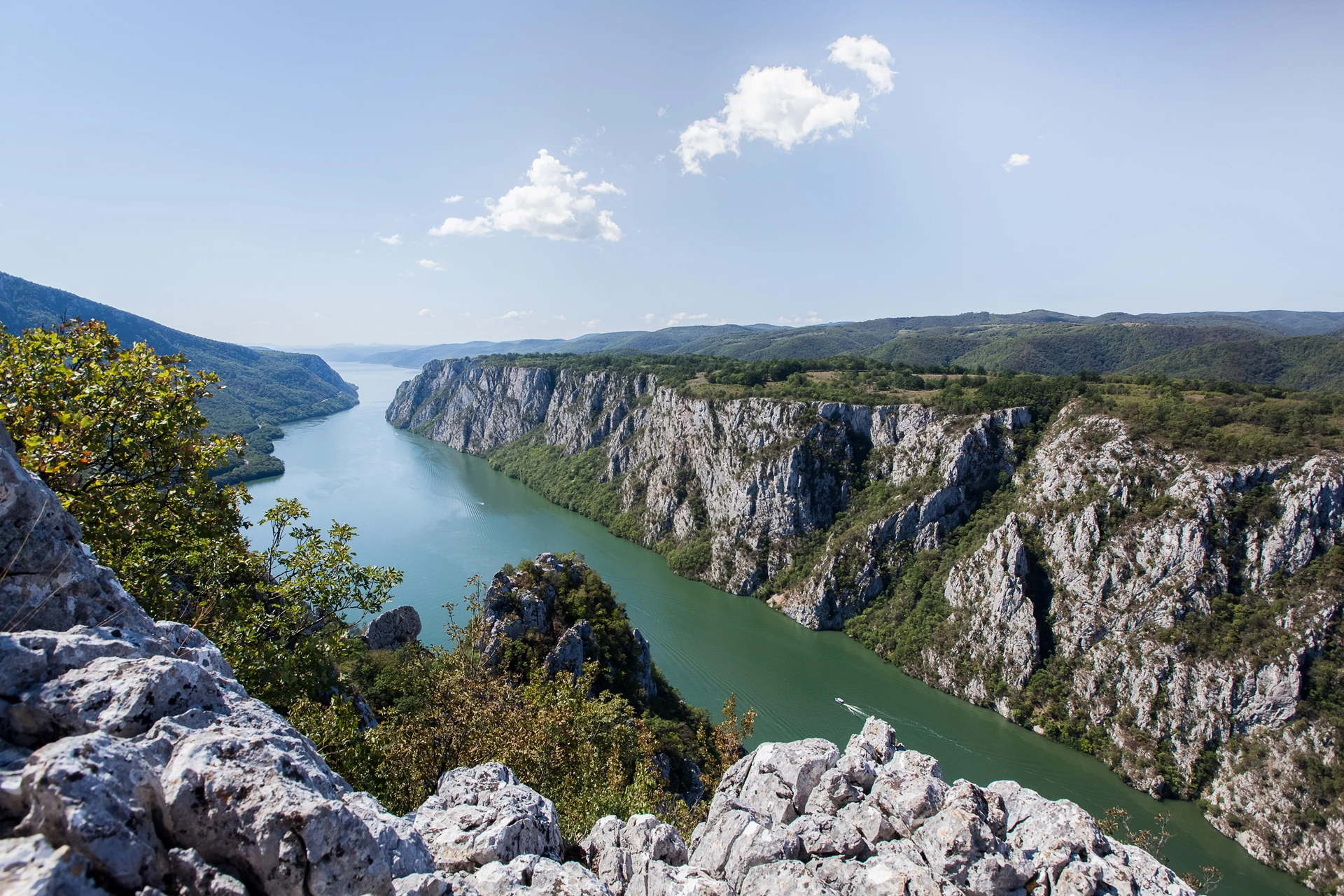
Eastern Serbia is Serbia at its wildest: the Danube cuts through the Iron Gates, mountains rise above river valleys, and ancient Roman and prehistoric sites sit in a landscape that still feels remote.

Best for nature Best for archaeology Best for slow travel Back to Serbia Travel Guide
🗺️
Why go now Eastern Serbia runs from Đerdap Gorge along the Danube through the Kučaj mountains to Zaječar and the Rajac wine-cellar village near Negotin.
Đerdap Gorge
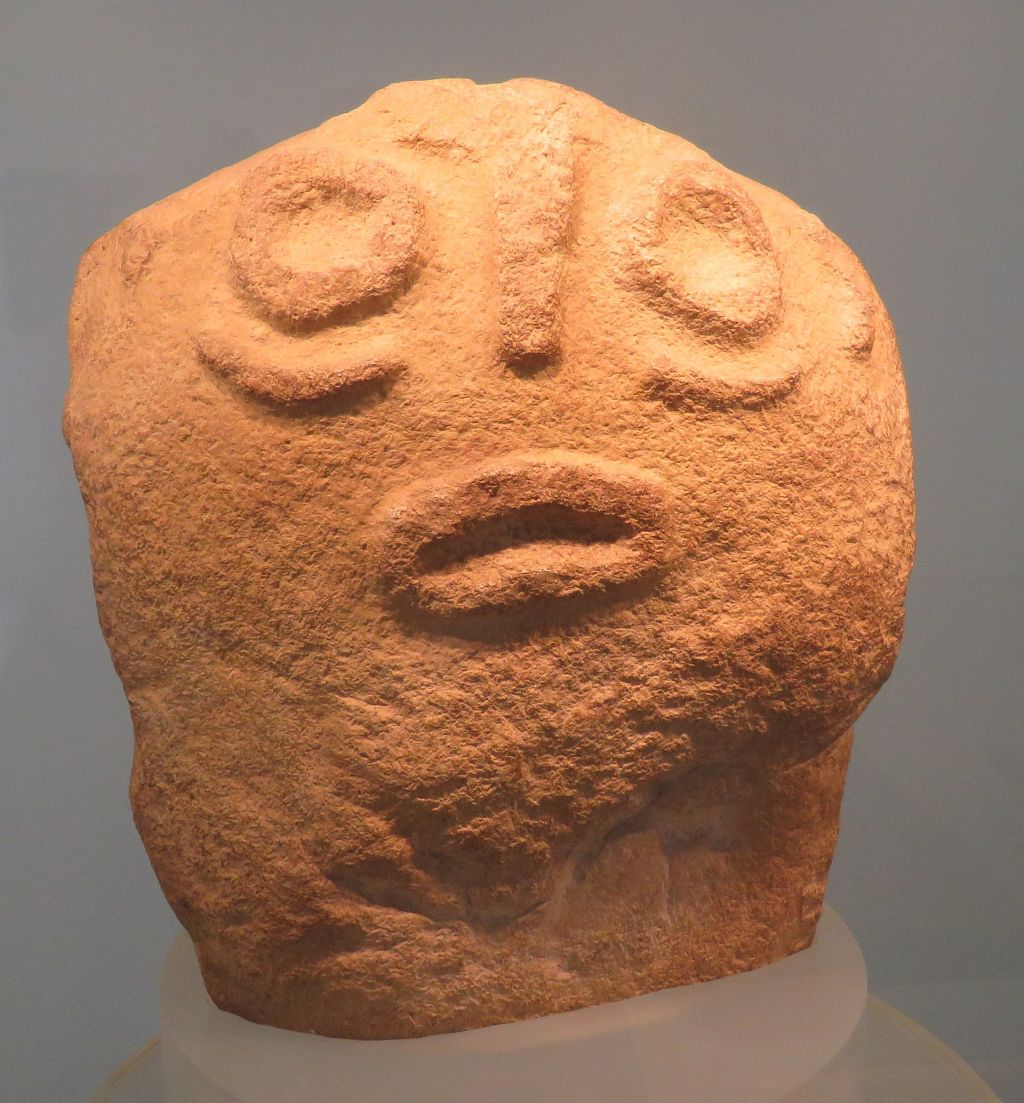
Lepenski Vir
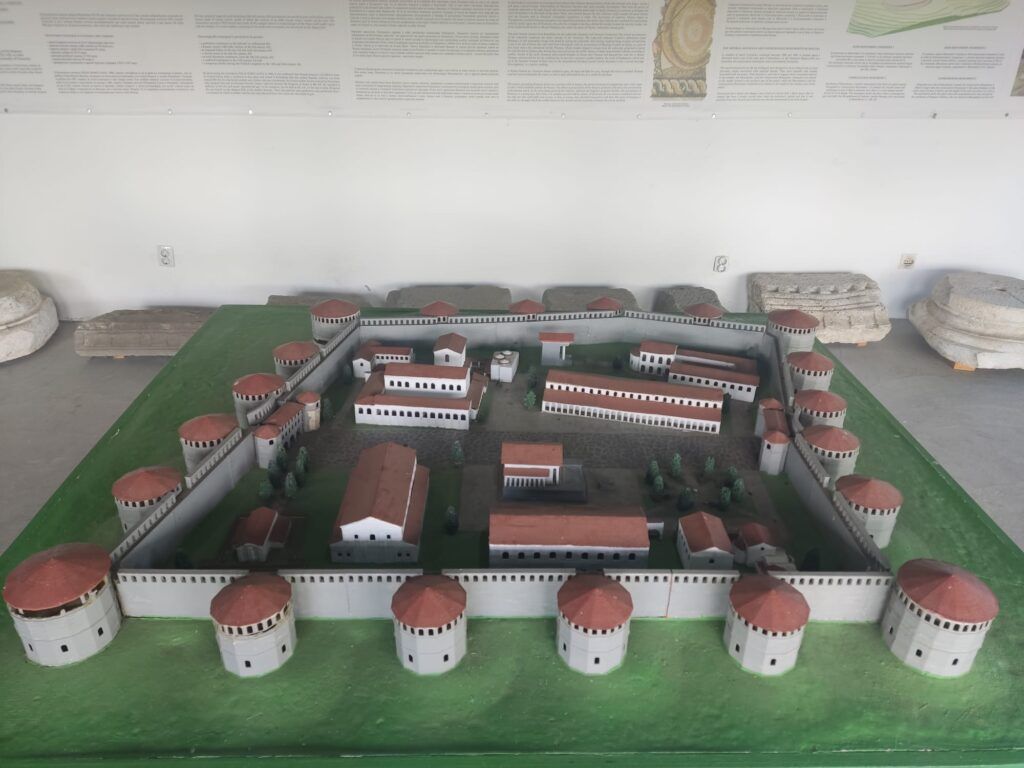
Felix Romuliana
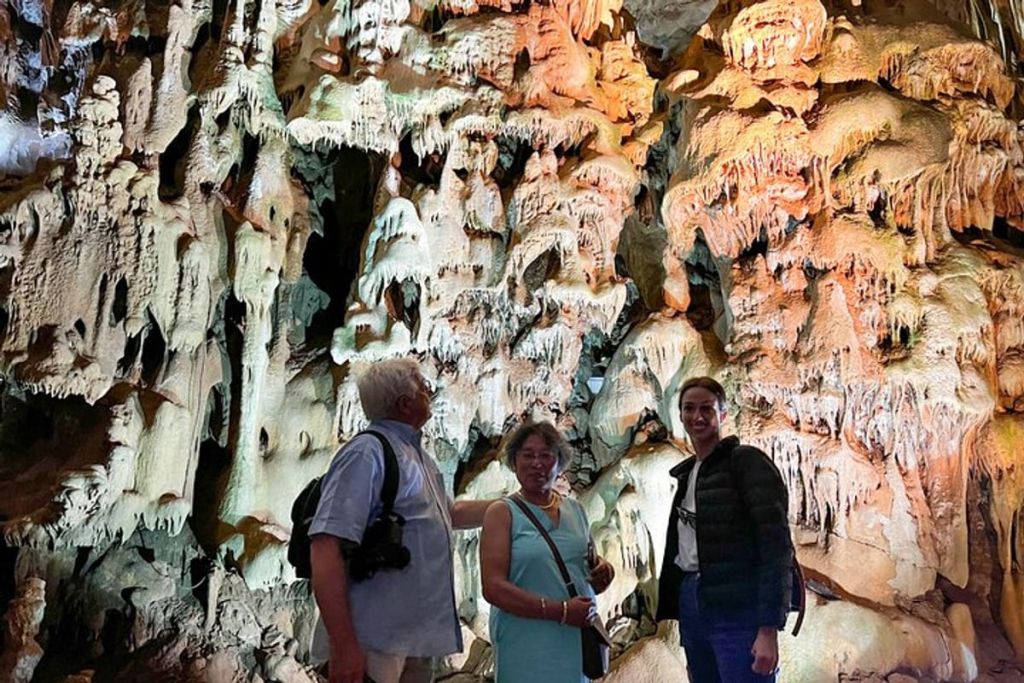
Caves & karst
Danube road trip

Where is Eastern Serbia?

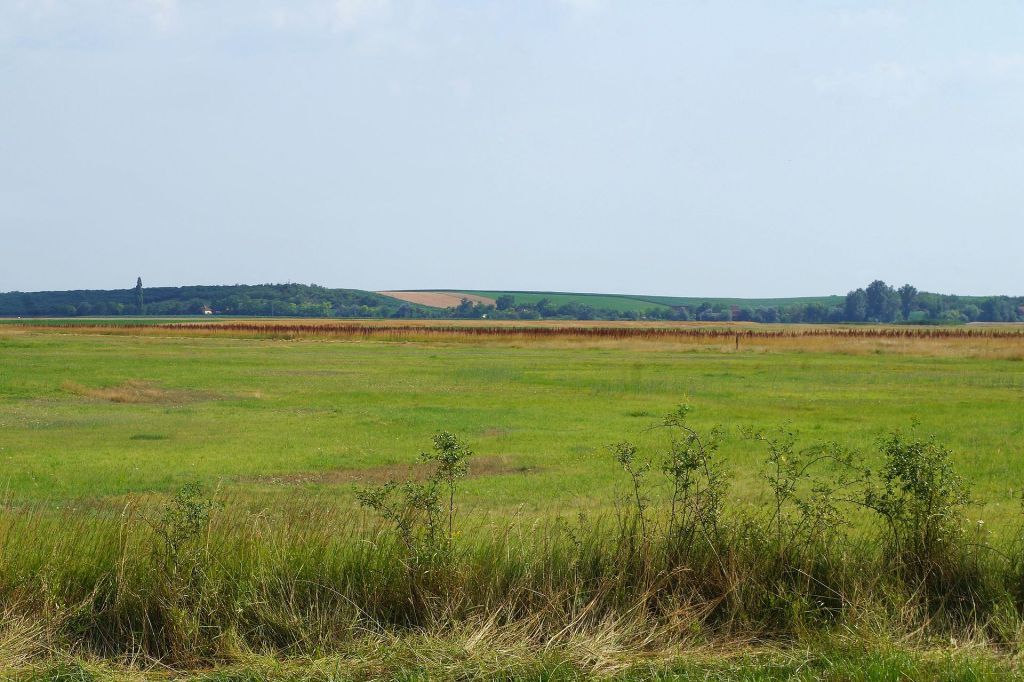
Eastern Serbia extends from the Danube's Iron Gates — the gorge known as Đerdap — eastward through the Timok hills and the Kučaj Mountains to the Negotin plain near the Bulgarian and Romanian borders. Where the Danube leaves Serbia, a different chapter of the country begins: one where the stories of Roman emperors, Hajduk outlaws, centuries-old wine cellars, and underground cave systems overlap.

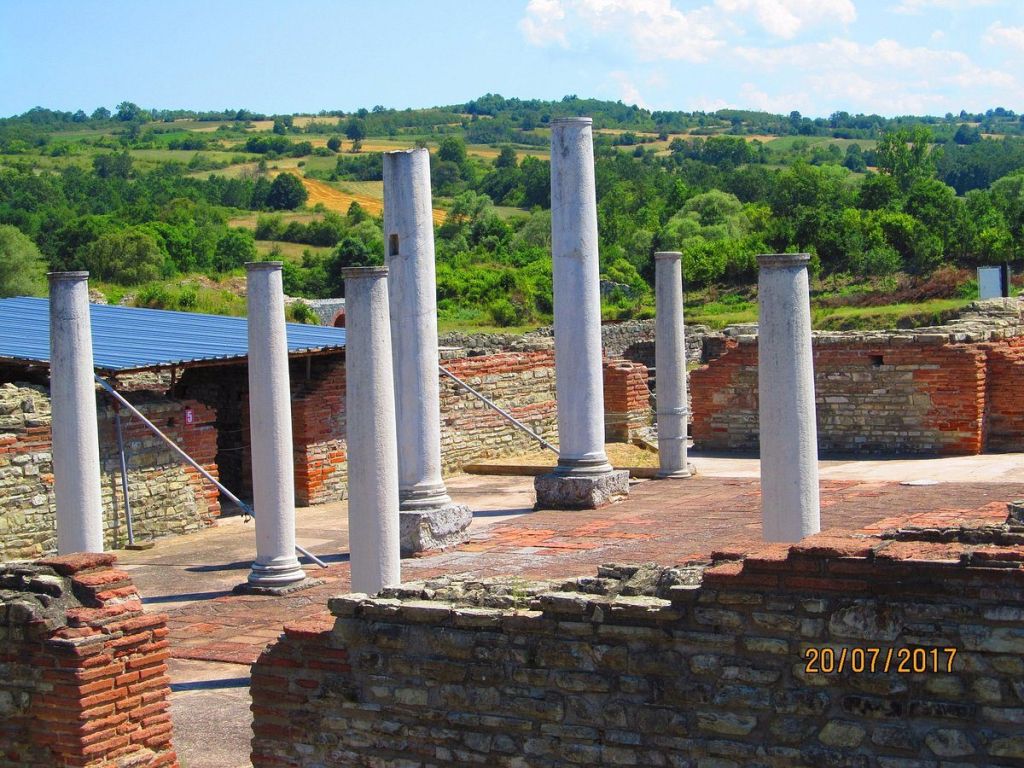
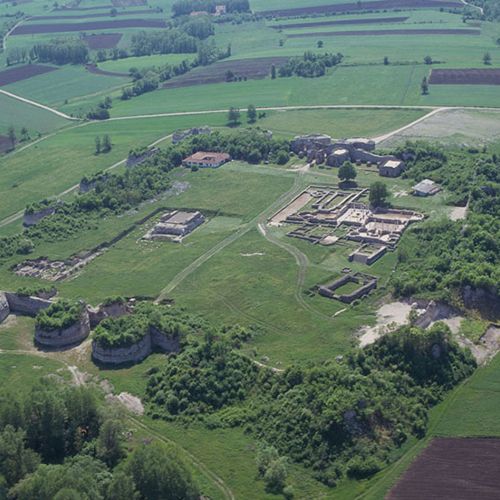
The main anchoring town is Zaječar, with around 60,000 residents and access to Felix Romuliana, Lazareva pećina, and Sokobanja. The Danube corridor between Golubac and Kladovo carries the greatest density of historical sites, including Lepenski Vir — one of Europe's oldest permanent settlements, dating to roughly 7000 BC — and the imperial palace complex of Felix Romuliana near Gamzigrad, declared a UNESCO World Heritage Site in 2007. Emperor Galerius built this palatial retreat around AD 298 close to his mother's birthplace, and the site preserves mosaic floors, temple remains, and mausoleum structures.

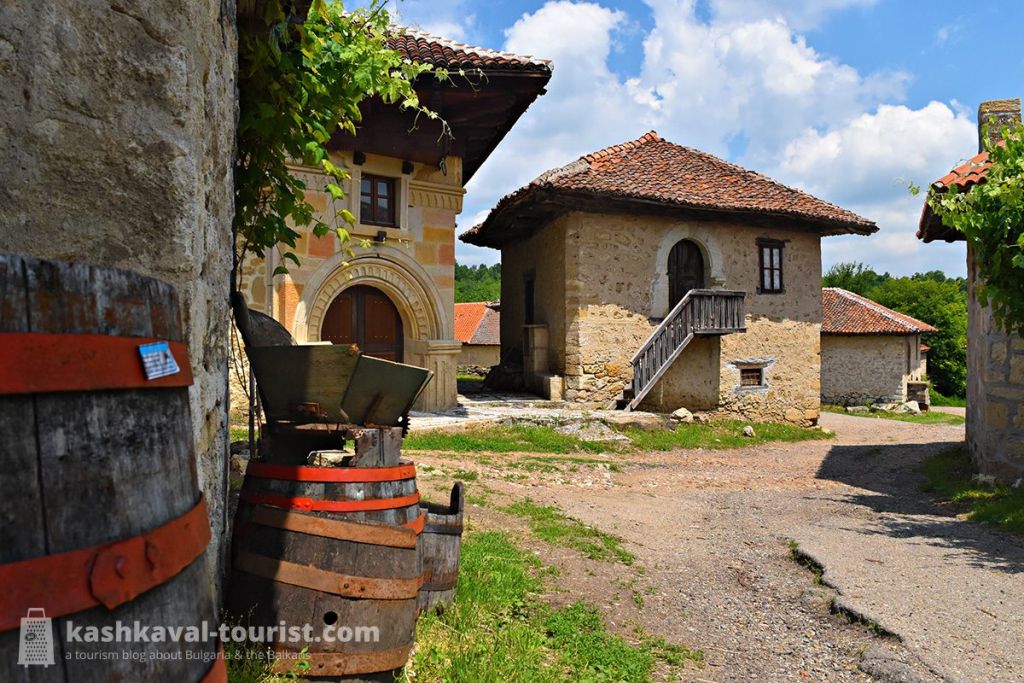
The Kučaj Mountains contain one of Serbia's largest cave systems. Sokobanja to the north offers a thermal spa that is particularly notable for its Ottoman-era hamam, one of the few intact Turkish bath structures surviving in Serbia. In the far southeast, the Rajac wine-cellar village — roughly 200 residents, around 100 surviving stone cellar buildings built half into the hillside to maintain year-round temperatures — offers one of the most unusual vernacular landscapes in the country.

Eastern Serbia at a glance

Best base: Donji Milanovac or Kladovo for the Danube corridor; Zaječar for Roman history and cave country; Sokobanja for thermal stays.

Key sites: Đerdap Gorge, Felix Romuliana (UNESCO), Lepenski Vir, Lazareva pećina, Rajac wine-cellar village, Sokobanja hamam, Mokranjske stene, Vratna rock gates.

Distances from Belgrade: Golubac approx. 120 km; Zaječar approx. 240 km; Negotin approx. 280 km.

Planning tip

The Danube corridor and the Zaječar hinterland work better as separate two-day trips rather than one long loop, unless you have five or more days. A focused route — Belgrade to Golubac, continuing to Felix Romuliana and Zaječar, returning via Sokobanja — covers the principal sites without excessive backtracking. Drawing on Matthias Pasler's Reise-Taschenbuch Serbien, the Rajac wine-cellar village deserves a dedicated afternoon: local grape varieties including Prokupac, Pinot noir, Sémillon, and Bagrina are on offer at family cellars, best approached in the morning hours.

Two ways to experience the region

For first-time visitors

Base yourself near the Danube, follow the gorge eastward, and keep the days light. This is the easiest way to combine views, short walks, museums, and fortress stops without rushing.

For repeat travelers

Use Eastern Serbia as a slow-travel region: add caves, villages, winery stops, and a night or two in the mountains. The best memories here come from the in-between roads, not just the headline landmarks.

Getting here takes time — plan accordingly

From Belgrade, the Danube road to Golubac takes roughly 2 hours. Reaching Zaječar by road is around 3 hours. The mountain and gorge roads between sites are scenic but slow — allow at least an hour more than map estimates suggest. Bus services connect Belgrade with Zaječar, Bor, and Negotin. A rail line runs between Negotin, Rajac, and Zaječar (Negotin to Rajac: 40 min; to Zaječar: 90 min). Reaching smaller sites like Lazareva pećina or Brestovačka Banja without a car requires a taxi or pre-arranged transfer.

Map: Eastern Serbia highlights

Use this as a reference for the Danube corridor, Roman sites, and cave-and-mountain stopovers.

Why Eastern Serbia feels different from the rest of Serbia

Eastern Serbia has a character shaped by remoteness and layered history. The Hajduks — outlaws who resisted Ottoman rule — used the gorges and caves of this region as refuge. Few outsiders explored the area systematically, which is part of why it retains something genuinely difficult to find in better-known parts of Serbia: the sense that discovery still means something here.

Negotin illustrates the region's depth. A Turkish census of 1530 recorded only 55 houses on the site. Later it became the cultural center of the Timok area, associated with the national poet Vuk Karadžić (who taught here), the military commander Hajduk Veljko Petrović, and the composer Stevan Stojanović Mokranjac, who appears on Serbia's 20-dinar note. The town's name itself is traced by local tradition to two wealthy men who each built a settlement and argued about which was better — nego ti meaning roughly 'rather you' in Serbian.

Bor, the mining city, presents a different face: once a prosperous industrial center, today almost a living open-air museum of industrial rise and decline. The copper deposits here drew Roman-era miners and still define the economy, though the town's cultural institutions — library, museum, amphitheater — are in various states of repair. The surrounding nature, by contrast, remains in good condition.

Itineraries that actually work

These route ideas keep driving realistic and leave room for stops, meals, and viewpoints.

Danube highlights from Belgrade
  • Golubac Fortress in the morning
  • Scenic drive through the Đerdap corridor
  • Lunch and an easy walk in Donji Milanovac
Gorge + archaeology loop
  • Day 1: Golubac and the Iron Gates
  • Day 2: Lepenski Vir and Danube viewpoints
  • Day 3: Felix Romuliana and Zaječar
Full eastern road trip
  • Add caves and mountain detours
  • Sleep in two different bases
  • Finish with a slower return via the interior roads
If you like roads that feel open and uncrowded, Eastern Serbia is one of the best slow-travel regions in the country.

Wellness: the good options near the eastern edge

Eastern Serbia is not Serbia's primary spa belt, but it offers workable options for combining sightseeing with a thermal rest day. Sokobanja is the most developed: a small town north of Zaječar with mineral springs and, most notably, an original Ottoman hamam that predates most other spa infrastructure in the region. The combination of a medieval fortress and a surviving Turkish bath makes Sokobanja unlike other Serbian spa towns.

Brestovačka Banja lies roughly 20 km from Bor in a quiet river valley. It is a quieter and smaller option with sulphurous thermal pools, more suitable as a half-day add-on than a destination in itself. According to local tradition, it may have been the thermal springs of what is now called Gamzigradska Banja that first drew Emperor Galerius to build his palace in this corner of the empire.

Eastern Serbia

Best for a quiet reset

Choose a Danube-side base with a balcony, a riverside walk, and easy parking. This region works well for travelers who want low-key mornings and long scenic drives.

Best for active travelers

Combine short hikes, cave visits, and viewpoint stops. A good day here feels balanced rather than packed, because the real draw is the landscape itself.

Where to stay for the best experience

For a first trip, the most practical bases are Donji Milanovac (within Đerdap National Park, close to the gorge viewpoints), Kladovo (good access to the Danube sites and Iron Gate dam), and Zaječar (central for Felix Romuliana, cave sites, and Sokobanja). Negotin offers a notable older option in the Hotel Beograd, which has hosted guests since 1885 and retains its original character despite a 2010 renovation. Rajac has limited overnight options — book ahead if you plan to stay rather than visit on a day trip.

Food & wine in Eastern Serbia

Eastern Serbia's food is direct and regional. River fish from the Danube — carp, catfish, perch — appears in most riverside kafanas between Golubac and Kladovo, often prepared as a grilled whole fish or as a paprika-based fish stew. Inland, grilled pork and lamb cuts dominate. The Etno Restoran Konak in Negotin is the book's example of a family restaurant that serves whatever is fresh and seasonal — the menu reflects what has been prepared that day rather than a fixed list.

The wine story in this corner of Serbia is old and specific. The Negotin area exported wine to France during the 19th-century phylloxera epidemic because local vines on the sandy Danube banks were beyond the reach of the louse. Today the Rajac village area produces Prokupac, Bagrina, Pinot noir, and Sémillon. The wine estate Raj (Vinarija Raj) near the Rajac train station offers a newer but well-regarded addition to the traditional cellar culture of the village.

Eastern Serbia

What to order

Try fish soups, grilled river fish, roasted meat, and local salads. Portions are often generous, so sharing is a smart idea if you are stopping more than once a day.

What to drink

Ask for local white or red wines where available, or keep it simple with plum brandy in moderation. For driving days, non-alcoholic options are often the better choice.

Getting around Eastern Serbia

A car is the most practical option for Eastern Serbia. The Danube road (M-25 / E771) runs the length of the Đerdap corridor in reasonable condition. Side roads to cave sites, wine villages, and mountain valleys vary — some are unpaved in the final stretch. Allow extra time and check local conditions before driving to Lazareva pećina or the Vratna rock gates.

Bus services connect Belgrade with Zaječar, Bor, and Negotin regularly. A rail line links Negotin with Rajac (40 minutes) and Zaječar (90 minutes). Petrol stations thin out between the smaller towns; plan refueling at each major stop. For shorter hops within the region, local taxis are generally easy to arrange from the main towns.

Eastern Serbia

Best way to arrive

Self-drive from Belgrade is the simplest option. If you are using public transport, aim for towns like Donji Milanovac, Kladovo, Zaječar, or Negotin and confirm return connections in advance.

Best way to move once there

Keep a loose schedule and avoid overpacking the day. One gorge, one museum, and one meal stop is often a better day than trying to see everything at once.

When to go

Spring and autumn are the most practical seasons for Eastern Serbia. Temperatures are comfortable for long driving days, the Danube runs at a good level for viewing the gorge, and the cave sites are open without summer crowd pressure. Summer brings significant heat along the Danube valley — midday sightseeing can be uncomfortable — though the gorge and cave interiors stay cooler. The Sveti Trifun celebration in Rajac on 14 February marks the start of the wine year with food, wine, and music in the cellar lanes. The Mokranjčevi dani music festival in Negotin takes place in mid-September. Winter reduces access to some mountain sites; Sokobanja and Brestovačka Banja remain open for thermal visitors year-round.

Eastern Serbia

Spring and autumn

Best overall. The air is clearer, the roads are pleasant, and the landscape looks its most inviting.

Summer and winter

Summer brings the longest days for sightseeing; winter brings solitude and a more rugged feel, but requires more flexibility.

FAQ

Is Eastern Serbia worth visiting for a short trip?

Yes. If you focus on the Danube corridor and one major archaeological stop, even a 1–2 day trip can feel substantial.

What is the main attraction in Eastern Serbia?

Đerdap Gorge (the Iron Gates) is the standout natural attraction, especially when paired with Golubac Fortress and the river viewpoints.

Do I need a car?

A car is strongly recommended because the region is spread out and the best stops are not always well connected by public transport.

What else should I combine with Eastern Serbia?

For a longer Serbia trip, combine it with Belgrade, Šumadija, or western Serbia depending on your route and time.