Region pillar

Eastern Serbia: gorges, caves, Roman ruins, and wide-open roads

Eastern Serbia is Serbia at its wildest: the Danube cuts through the Iron Gates, mountains rise above river valleys, and ancient Roman and prehistoric sites sit in a landscape that still feels remote.

Best for nature Best for archaeology Best for slow travel Back to Serbia Travel Guide
🗺️
Why go now Eastern Serbia rewards travelers who like dramatic landscapes, fewer crowds, and road-trip days built around viewpoints, ruins, caves, and river crossings.
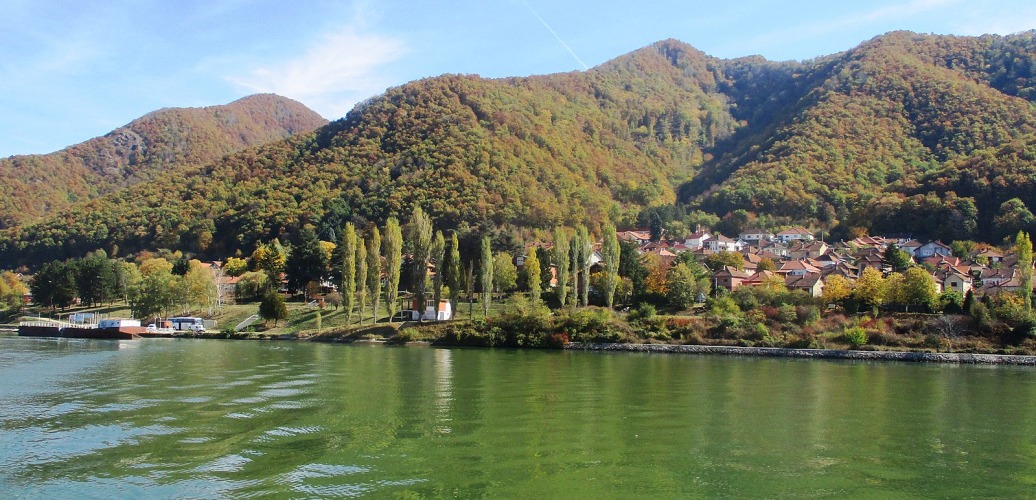
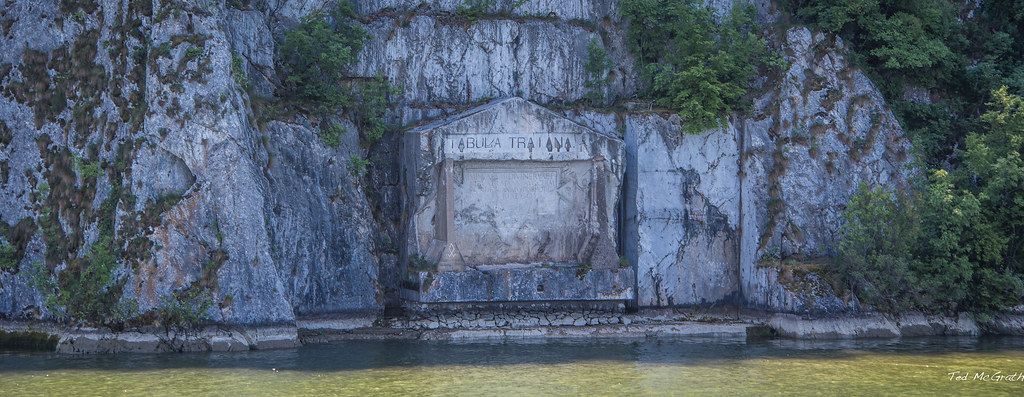
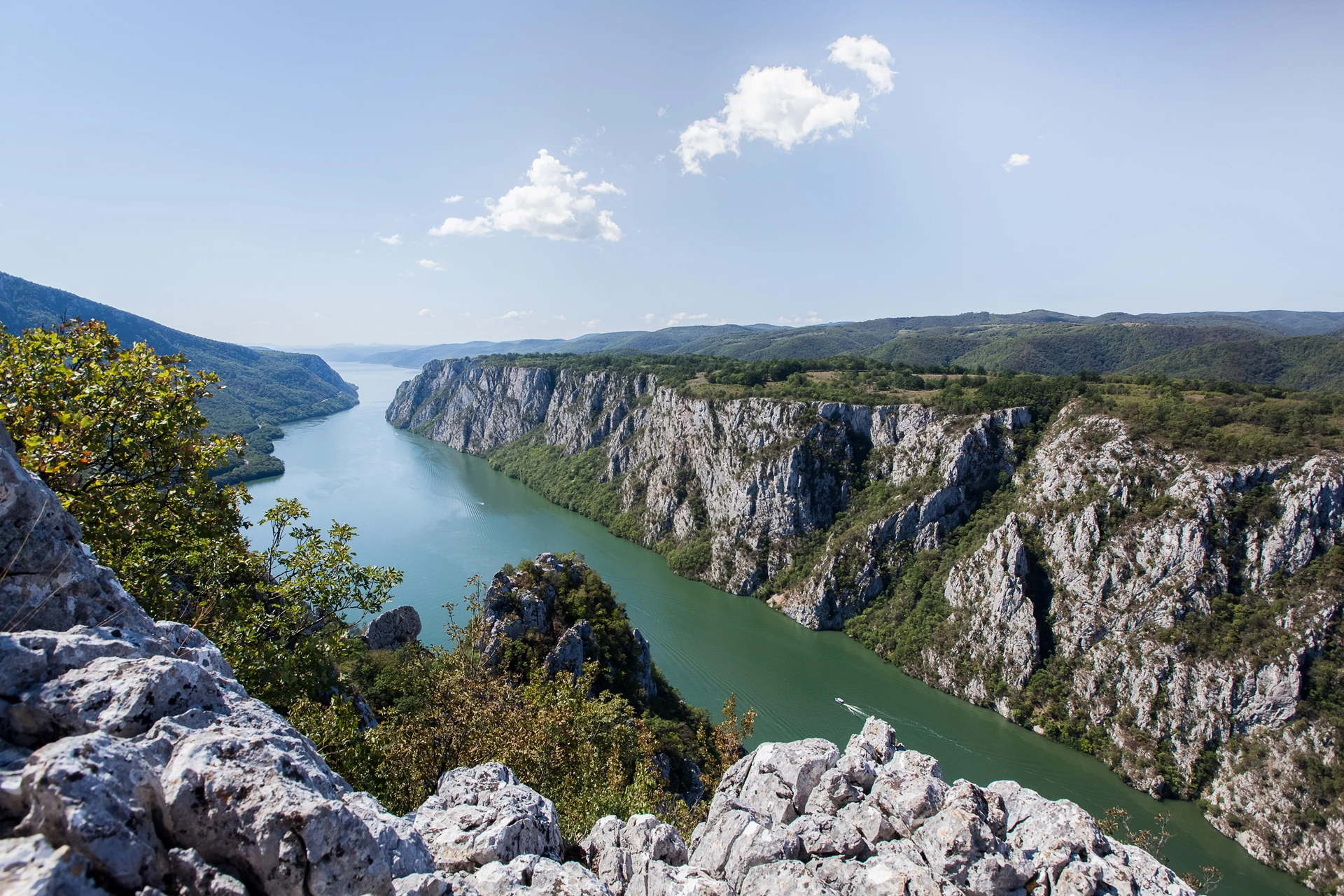
Đerdap Gorge
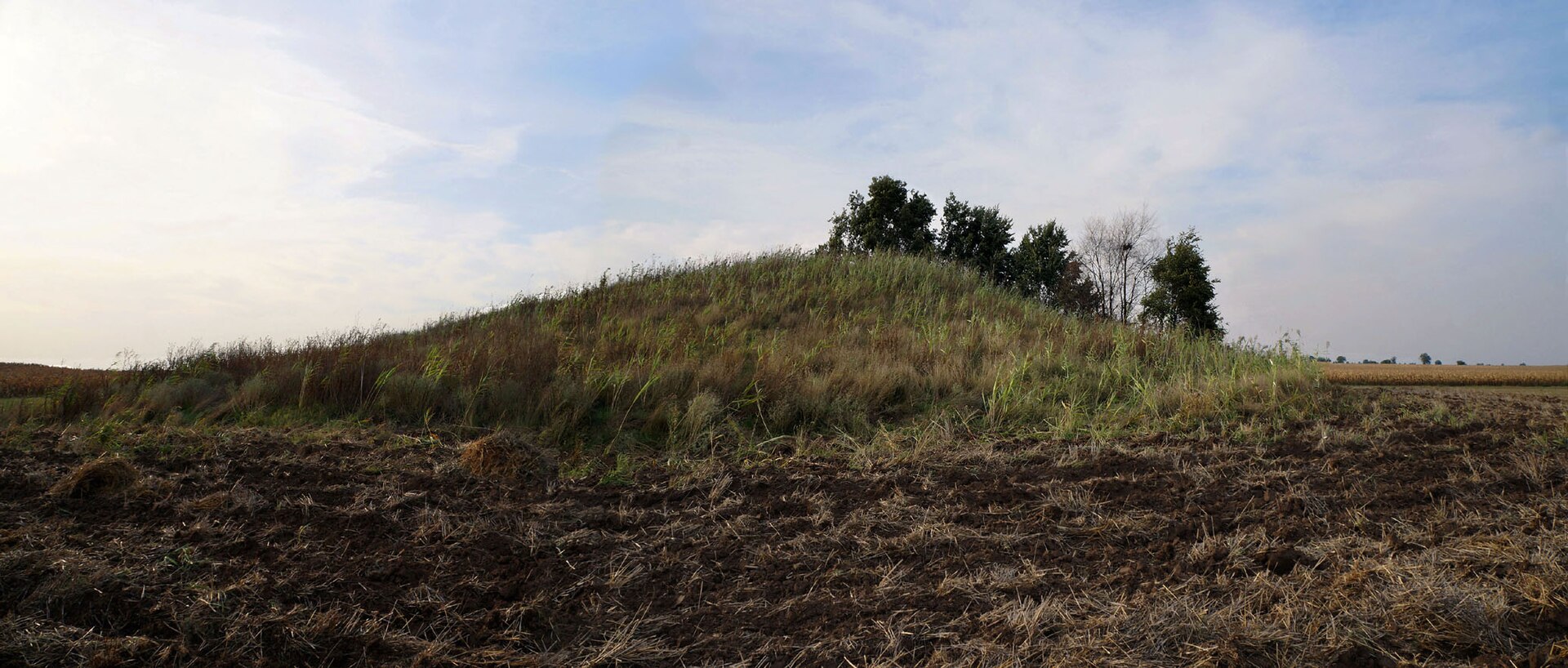
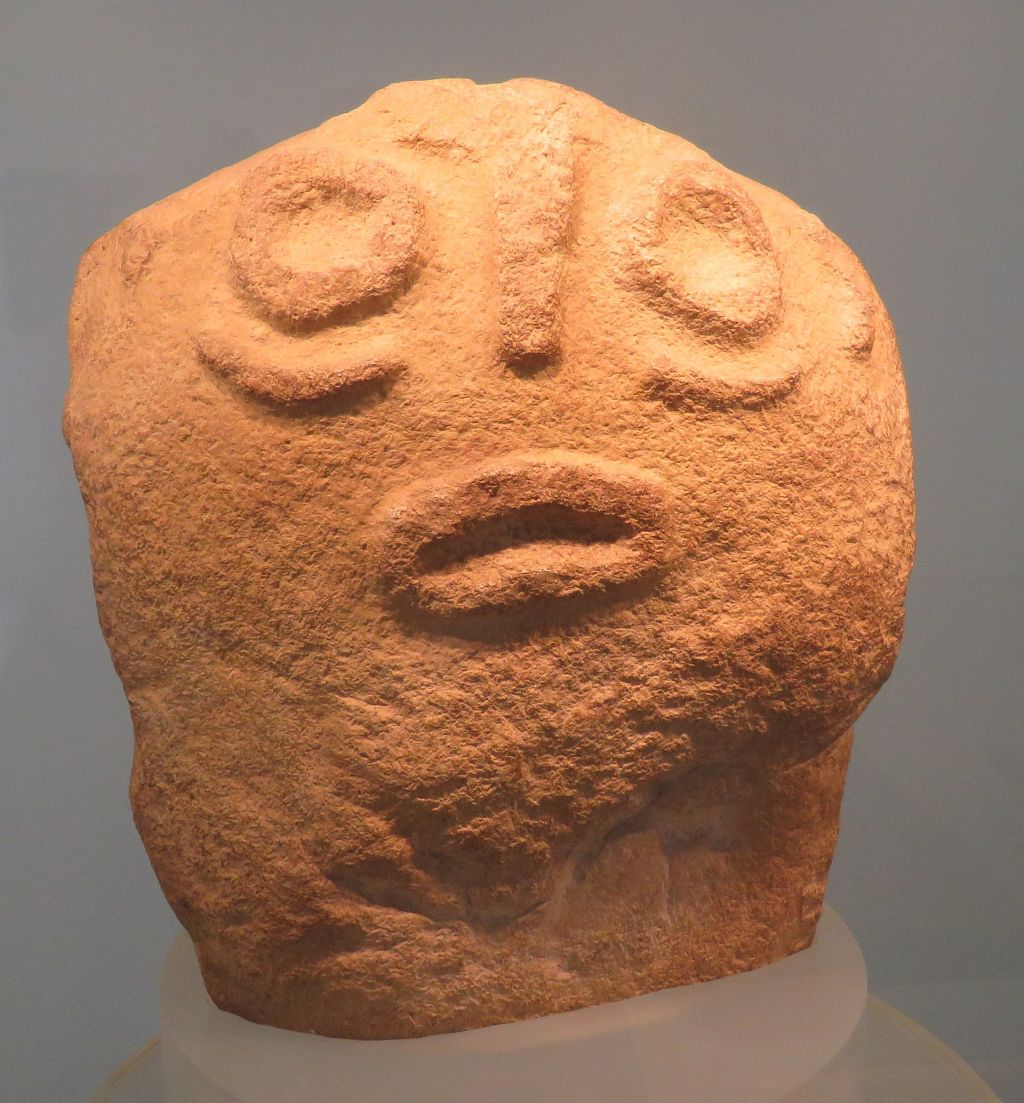
Lepenski Vir
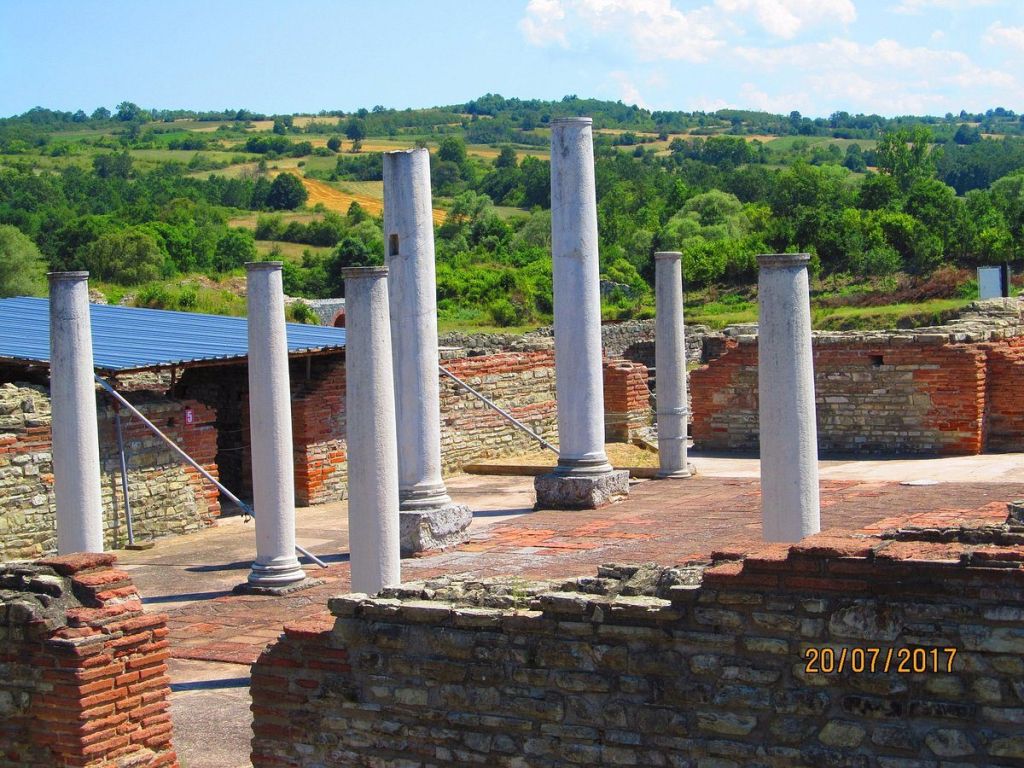
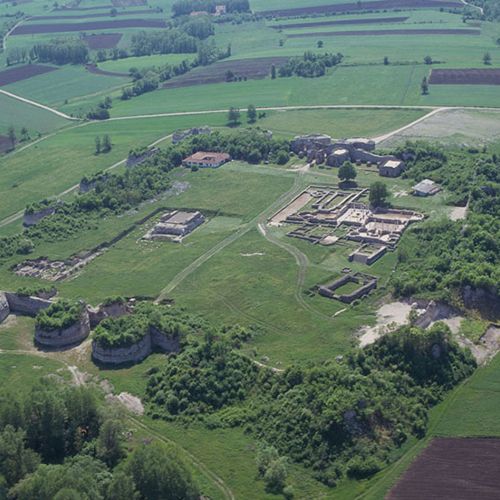
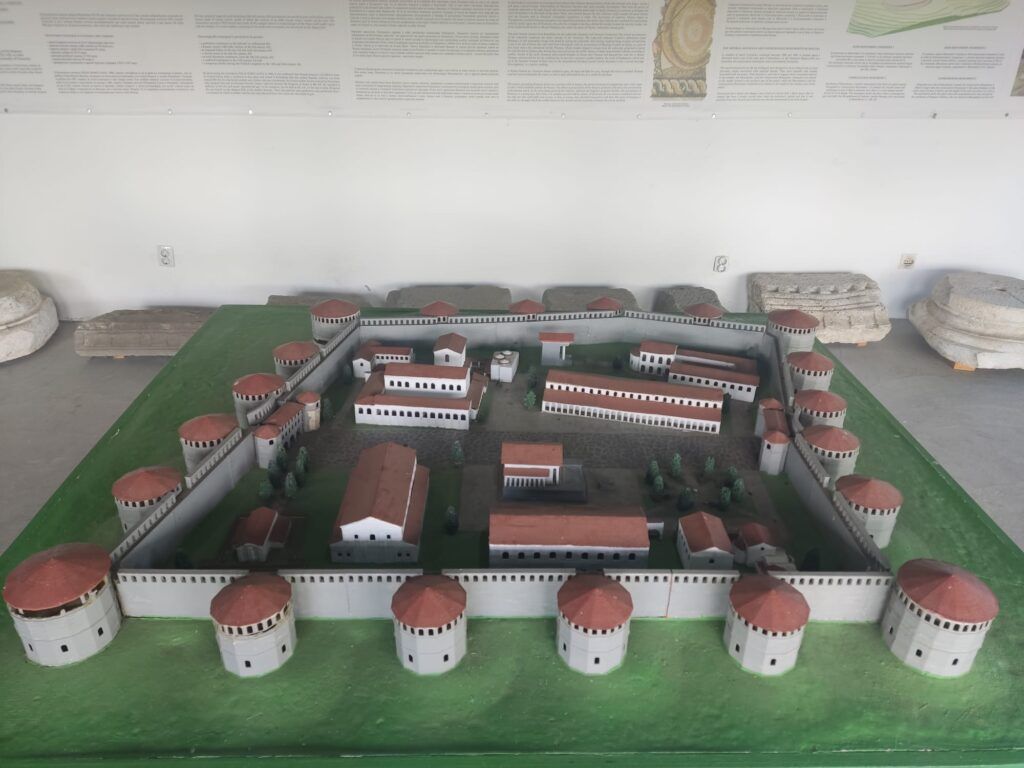
Felix Romuliana
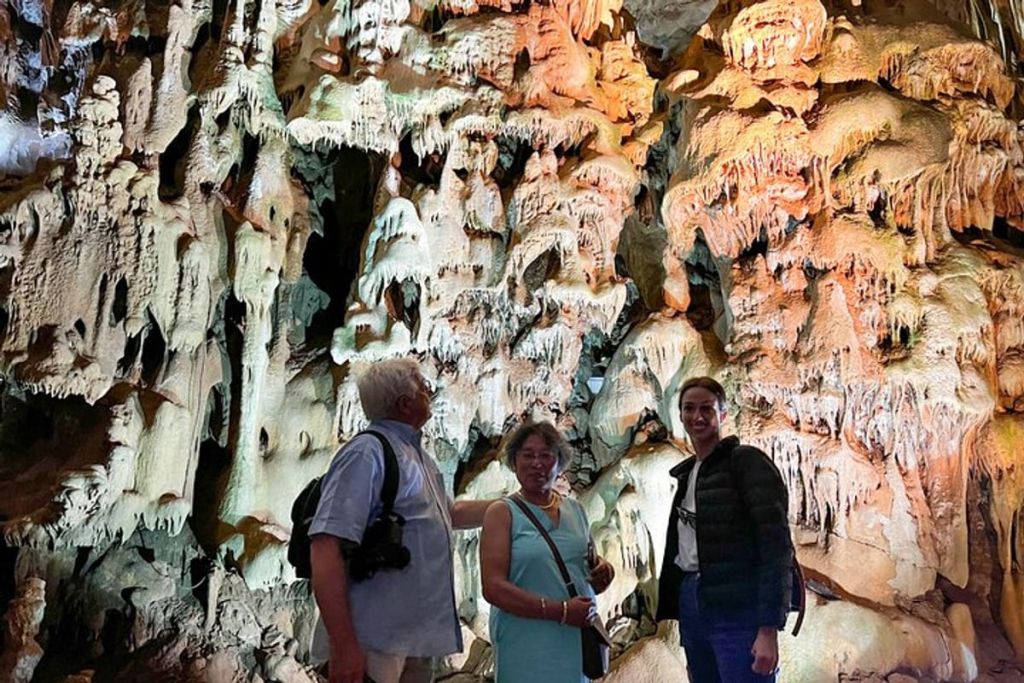
Caves & karst
Danube road trip

Where is Eastern Serbia?

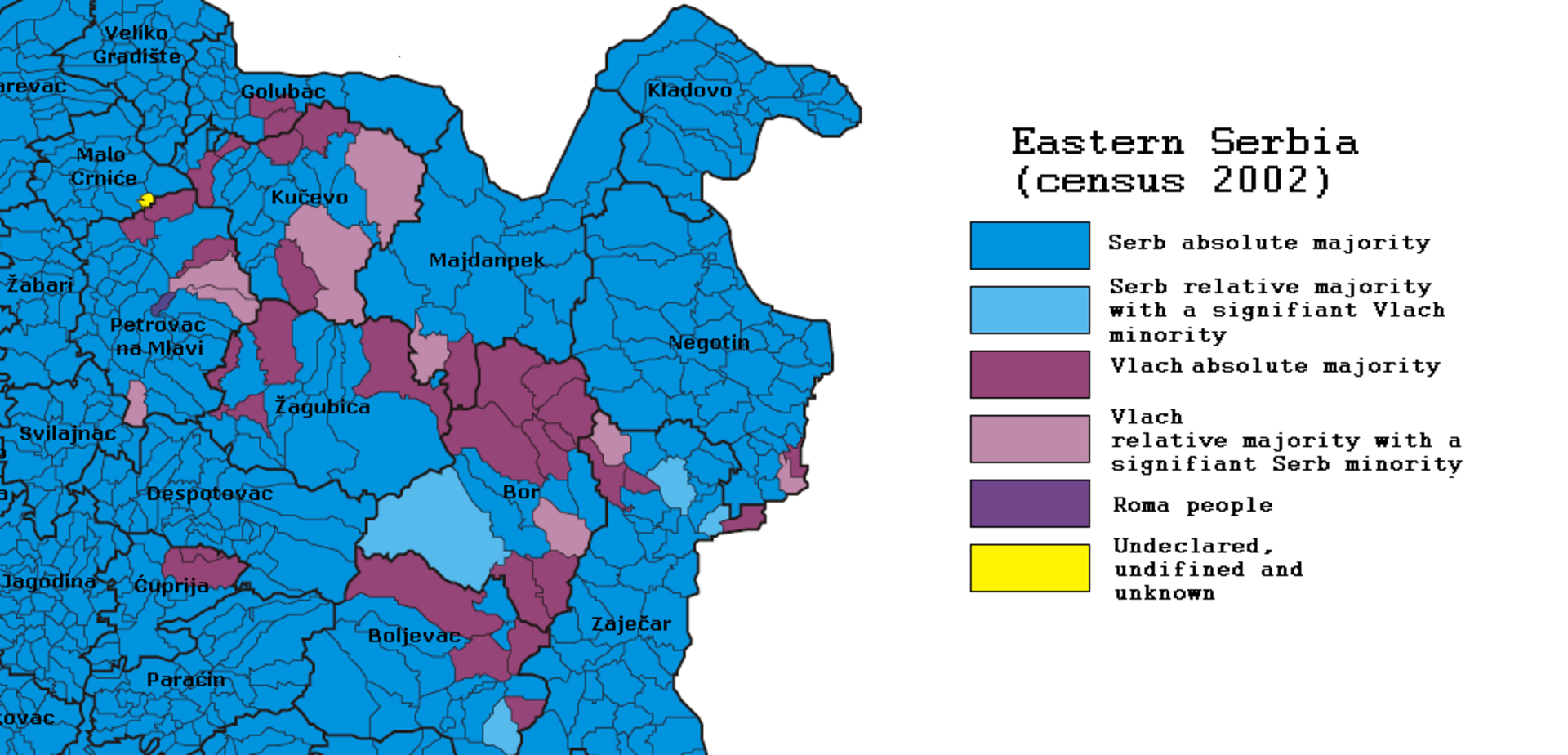
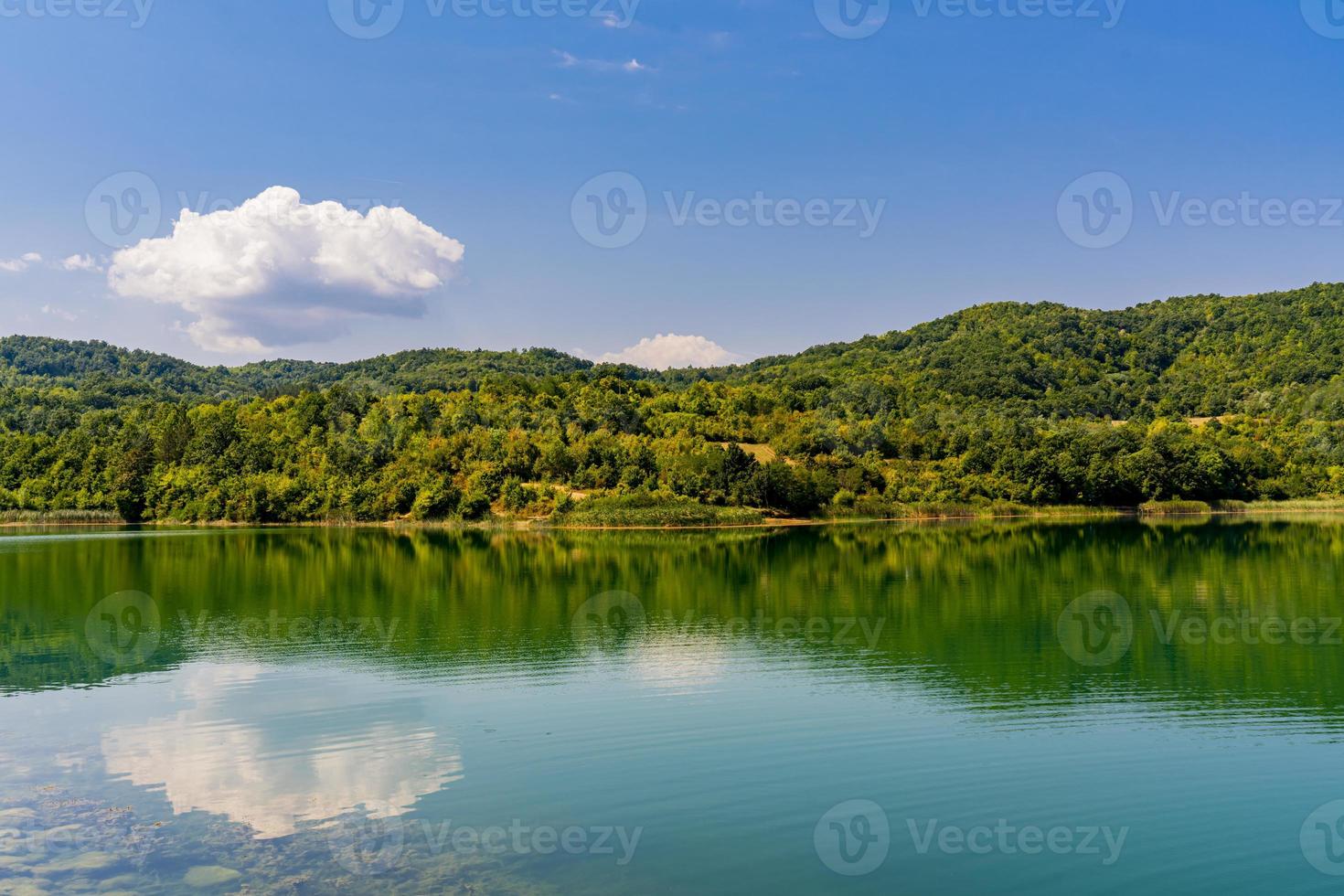
Eastern Serbia stretches along the Danube and deep into the hills and mountains east of central Serbia. It is less populated than Belgrade, Vojvodina, or Šumadija, and that is part of its appeal: long views, sparse villages, and roads that wind between river canyons, limestone cliffs, and forested ridges.

The headline attraction is the Iron Gates (Đerdap Gorge), where the Danube narrows into one of Europe’s most impressive river landscapes. Nearby, you can add Golubac Fortress, the prehistoric settlement of Lepenski Vir, the Roman palace-city of Felix Romuliana, and a cluster of caves and viewpoints that make this region ideal for a 3–5 day road trip.

Eastern Serbia at a glance

Best base: Donji Milanovac or Kladovo for the Danube; Zaječar for Roman history; Majdanpek for access to Đerdap.

Best for: river scenery, archaeology, hiking, cave exploration, and quiet drives.

Travel style: self-drive is easiest; public transport is possible but slower and less flexible.

Planning tip

If you only have one full day, focus on the Danube corridor: Golubac, the Đerdap viewpoints, and Donji Milanovac. With two extra days, add Lepenski Vir and Felix Romuliana, then finish with a cave or a mountain detour.

Two ways to experience the region

For first-time visitors

Base yourself near the Danube, follow the gorge eastward, and keep the days light. This is the easiest way to combine views, short walks, museums, and fortress stops without rushing.

For repeat travelers

Use Eastern Serbia as a slow-travel region: add caves, villages, winery stops, and a night or two in the mountains. The best memories here come from the in-between roads, not just the headline landmarks.

Getting here takes time — plan accordingly

Distances are not huge on the map, but roads can be slow in the hills. From Belgrade, the Danube corridor usually takes about 2.5–4 hours depending on your exact stop. Zaječar and Negotin are farther and are best paired with overnight stays rather than day trips.

Map: Eastern Serbia highlights

Use this as a reference for the Danube corridor, Roman sites, and cave-and-mountain stopovers.

Why Eastern Serbia feels different from the rest of Serbia

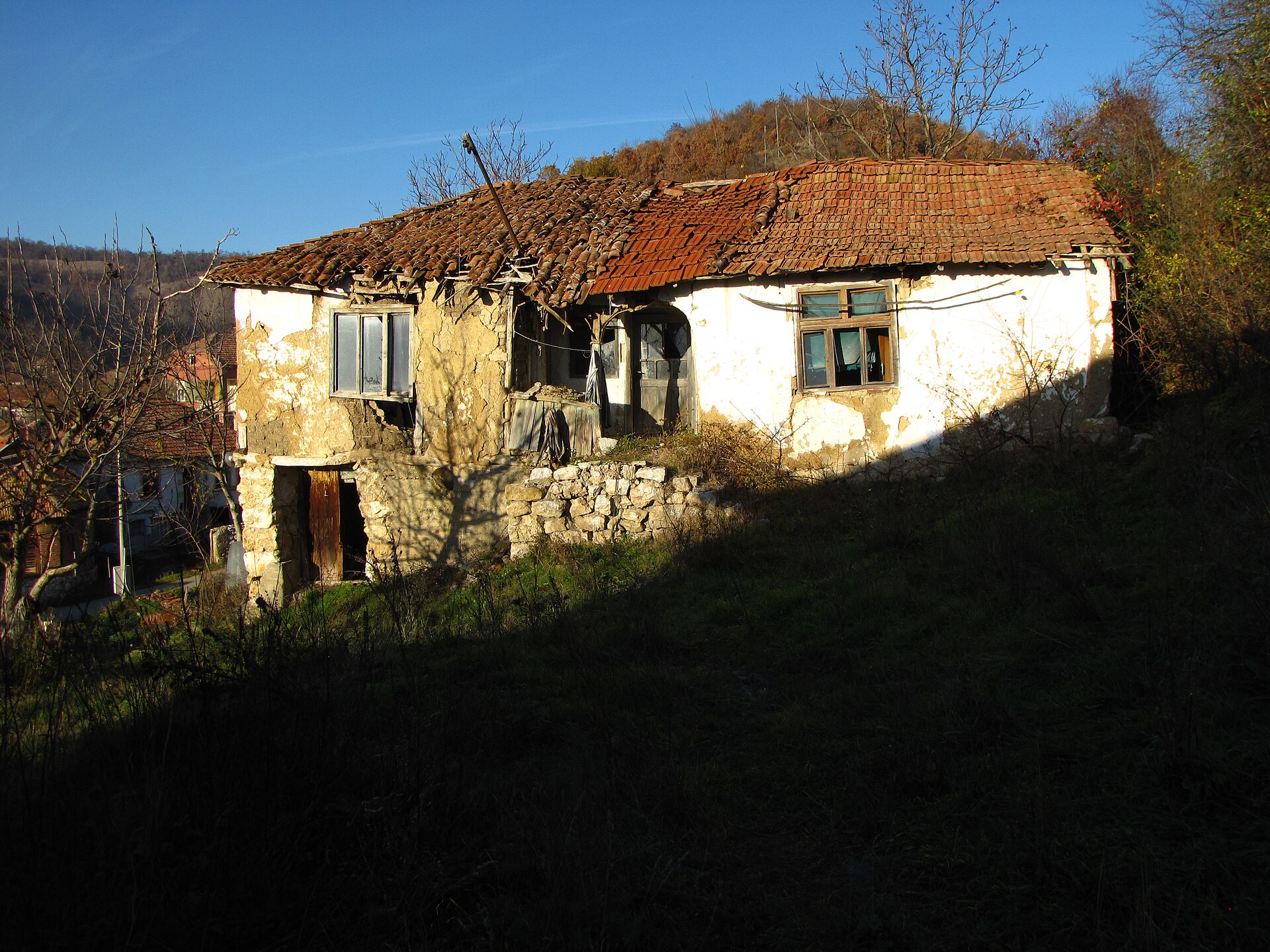
This is one of the country’s most atmospheric regions because it feels shaped by distance. Villages are smaller, roads are quieter, and the landscape often takes center stage. The Danube, the mountains, and the limestone formations create a sense of scale that you do not get in the flatter north or the denser city belts.

Eastern Serbia also layers history in an unusually compact way: prehistoric settlement patterns, Roman imperial remains, medieval fortifications, and modern borderland culture all sit within a short drive of each other. For travelers, that means every day can combine scenery with substance.

Itineraries that actually work

These route ideas keep driving realistic and leave room for stops, meals, and viewpoints.

Danube highlights from Belgrade
  • Golubac Fortress in the morning
  • Scenic drive through the Đerdap corridor
  • Lunch and an easy walk in Donji Milanovac
Gorge + archaeology loop
  • Day 1: Golubac and the Iron Gates
  • Day 2: Lepenski Vir and Danube viewpoints
  • Day 3: Felix Romuliana and Zaječar
Full eastern road trip
  • Add caves and mountain detours
  • Sleep in two different bases
  • Finish with a slower return via the interior roads
If you like roads that feel open and uncrowded, Eastern Serbia is one of the best slow-travel regions in the country.

Wellness: the good options near the eastern edge

Eastern Serbia is not Serbia’s main spa belt, but it does offer a useful mix of river calm, mountain air, and quiet stays. For many travelers, wellness here means simple things: sleeping well, walking by the water, and using a base with easy access to the gorge or hills.

If you want a more classic spa-style detour, it is worth connecting the region with nearby wellness stops in central Serbia or Fruška Gora on a longer trip. The value of Eastern Serbia itself is the slower pace and the feeling that you are far from the busiest routes.

Eastern Serbia

Best for a quiet reset

Choose a Danube-side base with a balcony, a riverside walk, and easy parking. This region works well for travelers who want low-key mornings and long scenic drives.

Best for active travelers

Combine short hikes, cave visits, and viewpoint stops. A good day here feels balanced rather than packed, because the real draw is the landscape itself.

Where to stay for the best experience

For a first trip, stay in Donji Milanovac, Kladovo, or Zaječar. These bases keep you close to the main sights without forcing long backtracking days. Look for private apartments, guesthouses, and small hotels with secure parking and early breakfast if you plan to cover a lot of ground.

Food & wine in Eastern Serbia

Food here is hearty and practical: grilled meat, river fish, seasonal vegetables, bread, dairy, and simple desserts that match the region’s rural rhythm. Along the Danube, fish dishes are the obvious order. Inland, expect roast meats, stews, and farm-style meals served in generous portions.

Wine lovers should look for small local producers and cellar-door tastings where available, but the bigger win is pairing meals with the route itself. A long lunch after a gorge drive or a roadside dinner after a cave visit often becomes the best part of the day.

Eastern Serbia

What to order

Try fish soups, grilled river fish, roasted meat, and local salads. Portions are often generous, so sharing is a smart idea if you are stopping more than once a day.

What to drink

Ask for local white or red wines where available, or keep it simple with plum brandy in moderation. For driving days, non-alcoholic options are often the better choice.

Getting around Eastern Serbia

A car is the easiest way to explore this region. Attractions are spread out, bus schedules can be sparse, and the best viewpoints are often on roads where you will want flexibility for photo stops. If you are not driving, base yourself carefully and build your trip around fewer, longer stops.

Road quality is generally fine on main routes, but distances can feel longer because the landscape slows you down in the best possible way. Always budget extra time for viewpoints, meals, and short detours to monasteries, caves, or river villages.

Eastern Serbia

Best way to arrive

Self-drive from Belgrade is the simplest option. If you are using public transport, aim for towns like Donji Milanovac, Kladovo, Zaječar, or Negotin and confirm return connections in advance.

Best way to move once there

Keep a loose schedule and avoid overpacking the day. One gorge, one museum, and one meal stop is often a better day than trying to see everything at once.

When to go

Spring and autumn are the best seasons for Eastern Serbia: comfortable temperatures, clear views, and good driving conditions. Summer works well too, especially if you want long daylight hours for the Danube corridor, though the inland heat can be strong. Winter is quieter and more atmospheric, but some side roads and outdoor stops can become less practical.

Eastern Serbia

Spring and autumn

Best overall. The air is clearer, the roads are pleasant, and the landscape looks its most inviting.

Summer and winter

Summer brings the longest days for sightseeing; winter brings solitude and a more rugged feel, but requires more flexibility.

FAQ

Is Eastern Serbia worth visiting for a short trip?

Yes. If you focus on the Danube corridor and one major archaeological stop, even a 1–2 day trip can feel substantial.

What is the main attraction in Eastern Serbia?

Đerdap Gorge (the Iron Gates) is the standout natural attraction, especially when paired with Golubac Fortress and the river viewpoints.

Do I need a car?

A car is strongly recommended because the region is spread out and the best stops are not always well connected by public transport.

What else should I combine with Eastern Serbia?

For a longer Serbia trip, combine it with Belgrade, Šumadija, or western Serbia depending on your route and time.