
Western Serbia

Valjevo

A riverside town of old streets, mountain escapes, monasteries and memorable local cuisine.

Western Serbia A riverside town of old streets, mountain escapes, monasteries and memorable local cuisine.
Valjevo
Western Serbia
City Breaks
Nature & Outdoors
Serbian Cuisine

Overview

Valjevo is one of western Serbia’s most rewarding small-city breaks: easy to reach from Belgrade, rich in history, and surrounded by some of the country’s loveliest natural scenery. Come for the atmospheric old quarter and wartime heritage, then stay for river walks, monastery visits, mountain air and a food scene rooted in the Kolubara region.

Quick facts

Location

Western Serbia, about 90 km from Belgrade

Rivers

Gradac and Kolubara

Best time to visit

April–June and September–October

Known for

Tešnjar old quarter, Gradac River canyon, duvan čvarci

Good for

Weekend trips, culture, nature and food

Nearby mountain resort

Divčibare

Historic importance

Strong links to WWI and the Battle of Kolubara

Why visit Valjevo?

Vladimir Pecikoza

Valjevo offers a combination that many travelers look for in Serbia but do not always find in one place: a walkable town center, genuine local character, moving history and quick access to nature. It feels lived-in rather than polished for tourism, which is part of its charm. You can spend the morning exploring old merchant streets, have lunch in a traditional kafana, and be beside a clear river or in the hills by afternoon.

The city has long stood at an important crossroads between the Serbian interior and routes leading westward. That strategic position shaped its trading past and also its role in wartime history. Yet Valjevo is not only about monuments and memory. It is also a place of slow coffee, local markets, church bells, mountain food and weekend excursions that reveal another side of Serbia beyond the capital.

International visitors often appreciate Valjevo most as a balanced destination: substantial enough for a full stay, but compact enough to explore without stress. If you enjoy places where heritage, landscape and everyday life still meet naturally, Valjevo is an excellent choice.

History, memory and local identity

Valjevo first appeared in written sources in the late 14th century, and over time developed as a regional trading center. Its position between mountain communities and the lowlands helped it grow into a market town with a distinct merchant culture, traces of which still survive in the architecture and urban layout of the old quarter.

The city is especially significant in the story of modern Serbia because of the First World War. The wider Kolubara region became synonymous with one of Serbia’s defining military victories, and the area remains closely tied to the legacy of Field Marshal Živojin Mišić, born in nearby Struganik. During both world wars, Valjevo experienced suffering, occupation and resistance, leaving behind memorials that still shape the city’s public space.

There is also a literary and spiritual side to Valjevo’s identity. The celebrated Serbian poet Desanka Maksimović was born in nearby Brankovina, and her legacy gives the region a softer, reflective dimension. This blend of resilience, poetry and faith is one reason Valjevo feels deeper than a simple stop on the map.

What to see in and around the city

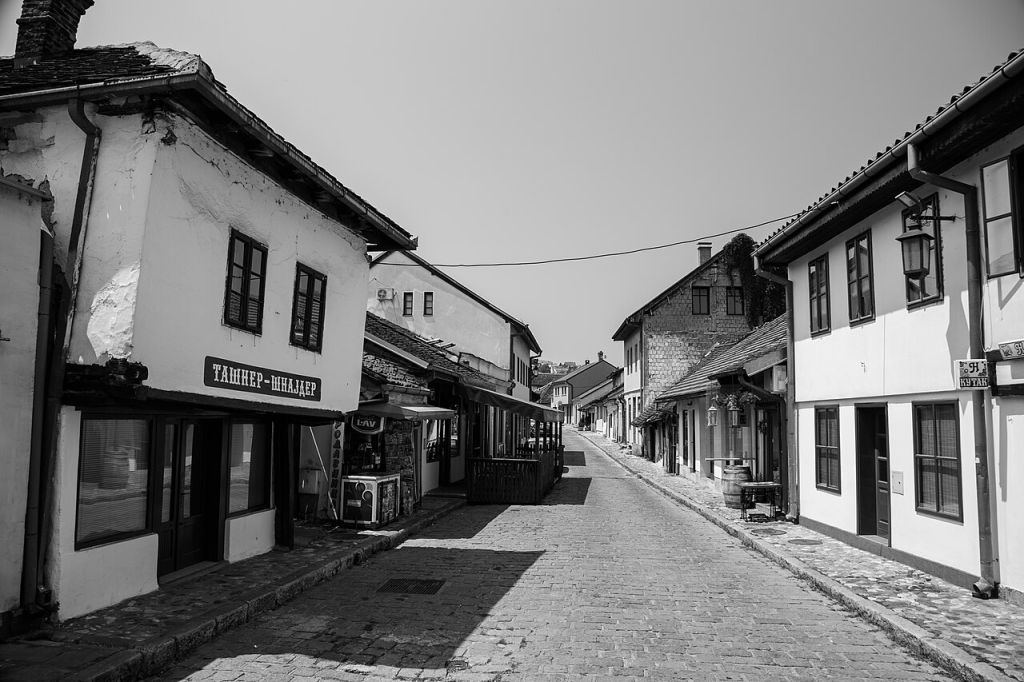
Start in the center, where Valjevo’s most recognizable landmark is Tešnjar, the preserved old market district. Its cobbled lanes, low historic buildings and workshop-style storefronts evoke the 19th century, though today you will also find cafés, galleries and cultural events here. It is most atmospheric in the early evening, when the light softens and locals come out for a walk.

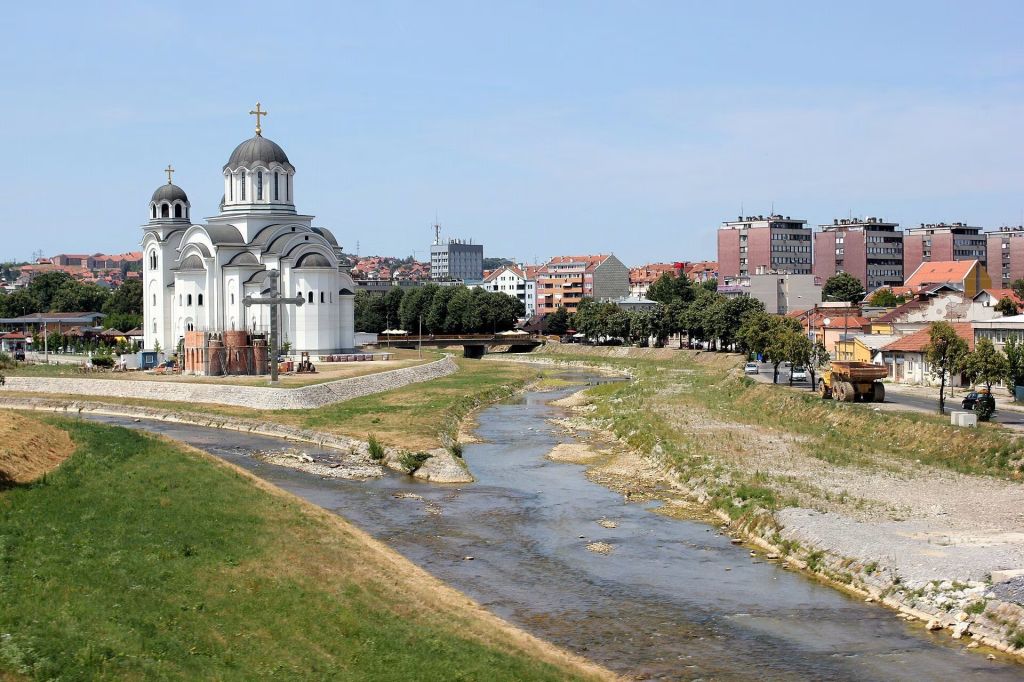
From there, explore the wider center and riverbanks. The city’s churches, civic buildings and bridges reveal different layers of its past, while nearby viewpoints give you a sense of the valley setting. If you are interested in 20th-century memorial architecture, head up to Vidrak Hill, where a striking monument commemorates fallen fighters and offers a broader perspective over the town.

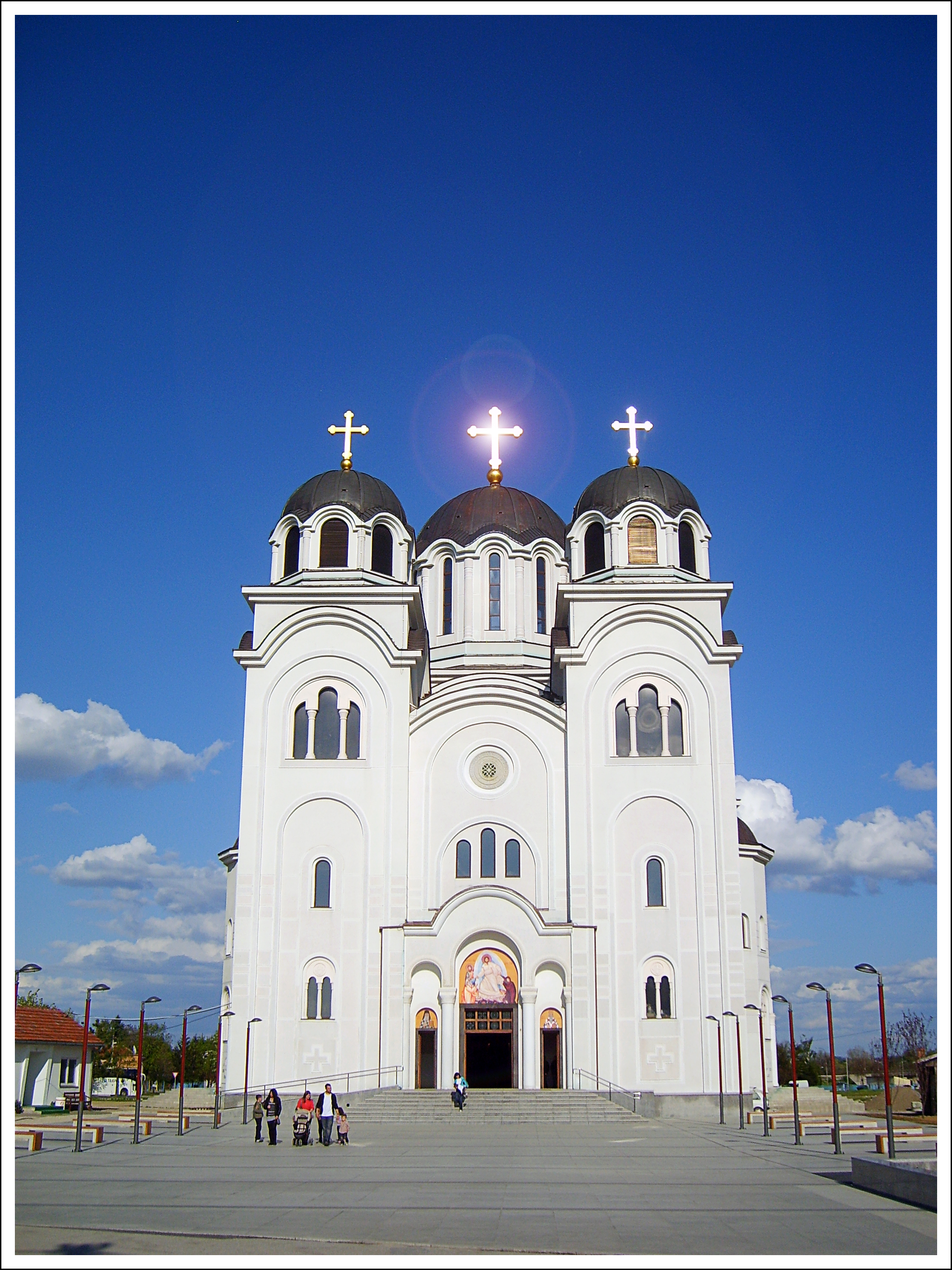
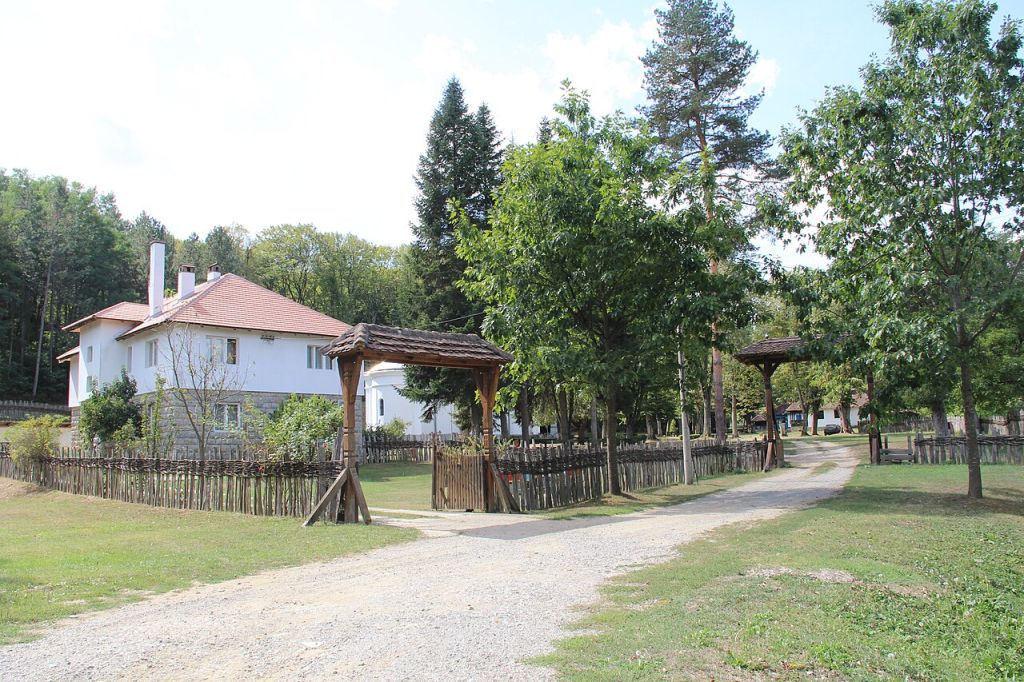
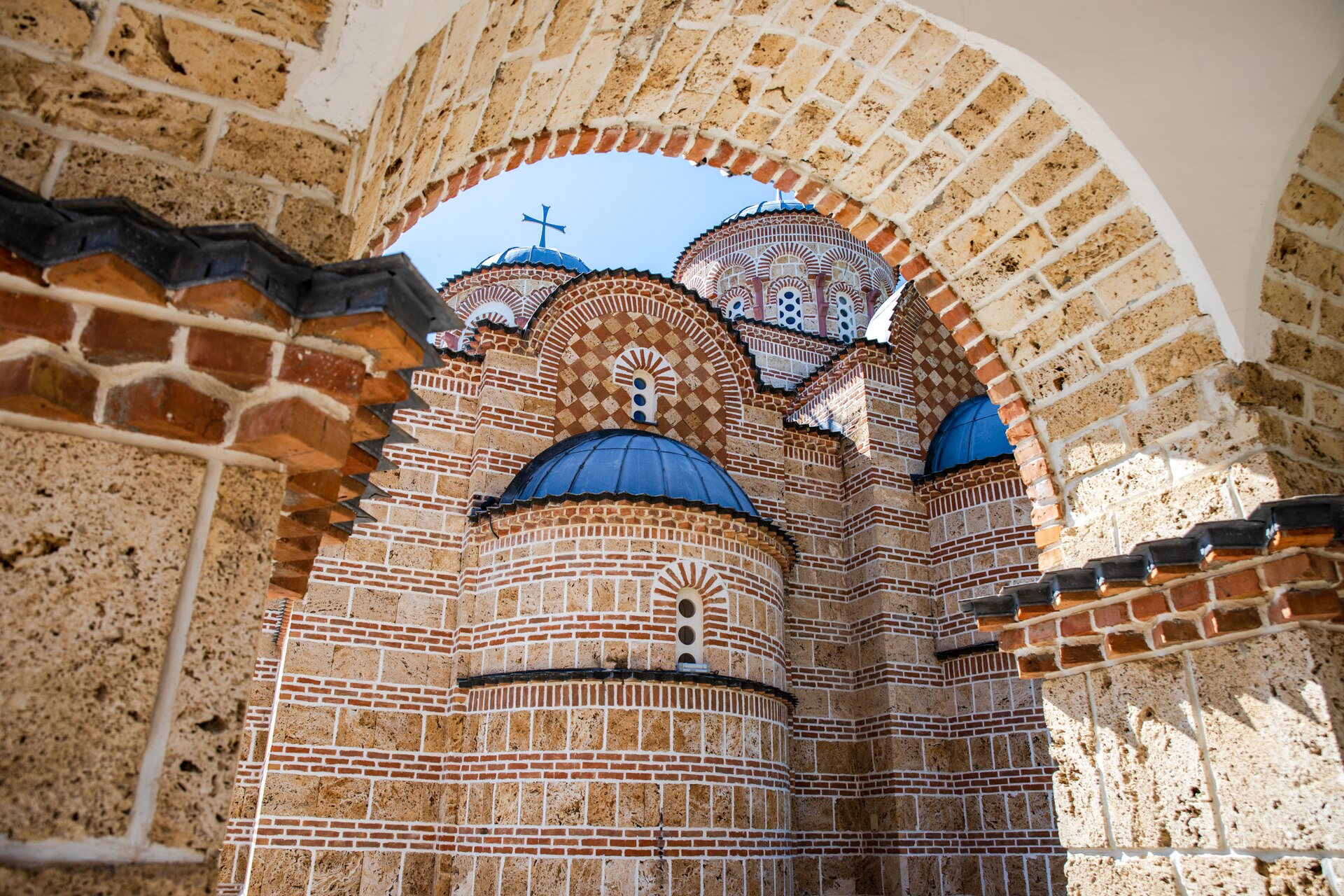
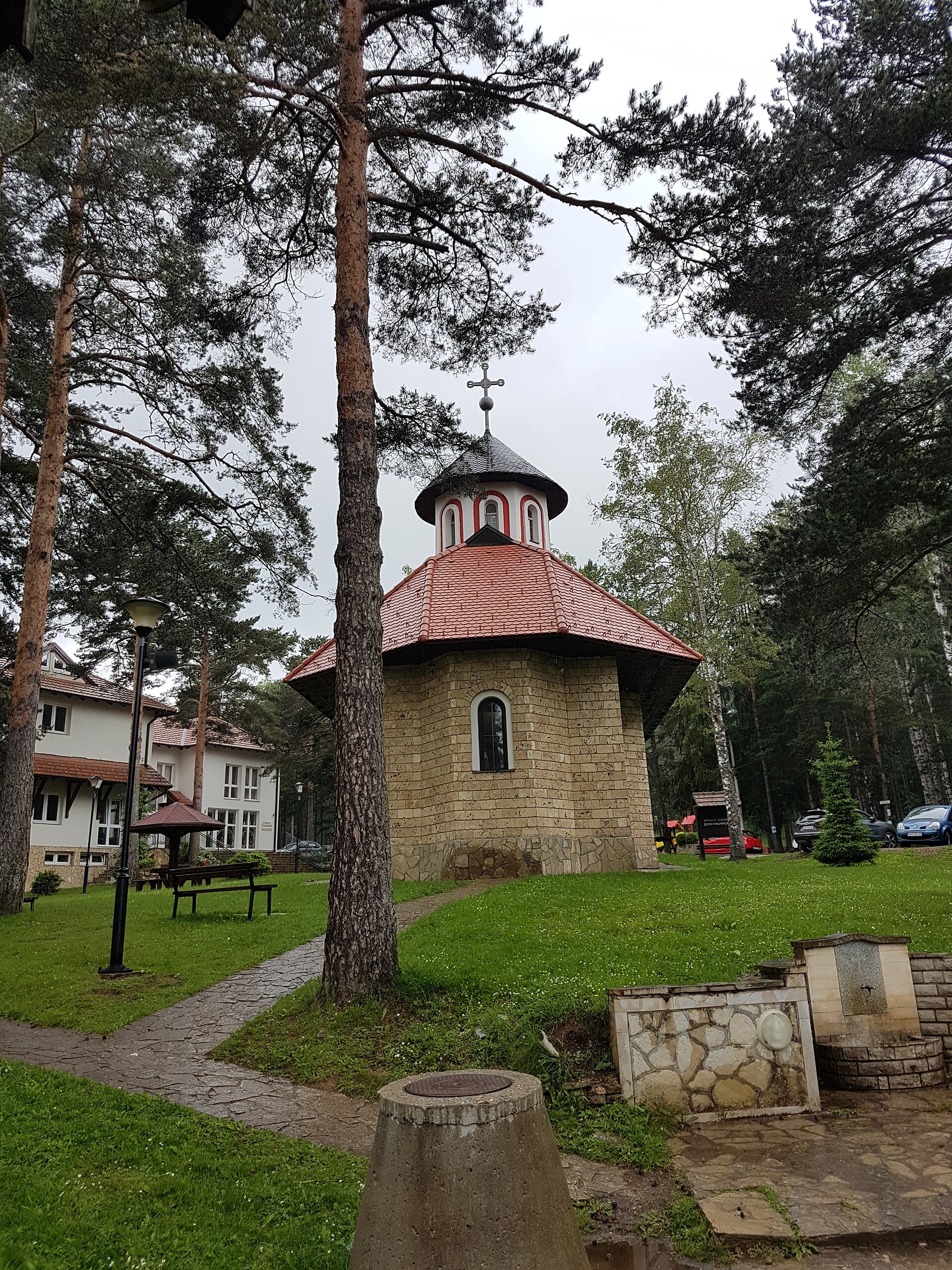
Just beyond the urban area, the mood changes quickly. Monasteries such as Ćelije, Lelić and Pustinja are all associated with the spiritual history of the region and are worth visiting for their peaceful settings as much as for their religious importance. Dress modestly, speak quietly and check opening etiquette before entering monastery grounds.

Nature escapes: rivers, caves and mountains

One of Valjevo’s biggest advantages is how close nature feels. The Gradac River, often described as one of Serbia’s cleanest rivers, flows through a green valley that is ideal for walking, picnicking and easy outdoor time. The Gradac gorge is especially appealing in warmer months, when the riverbanks become a refreshing retreat from city heat. Good walking shoes are useful, as some paths can be uneven.

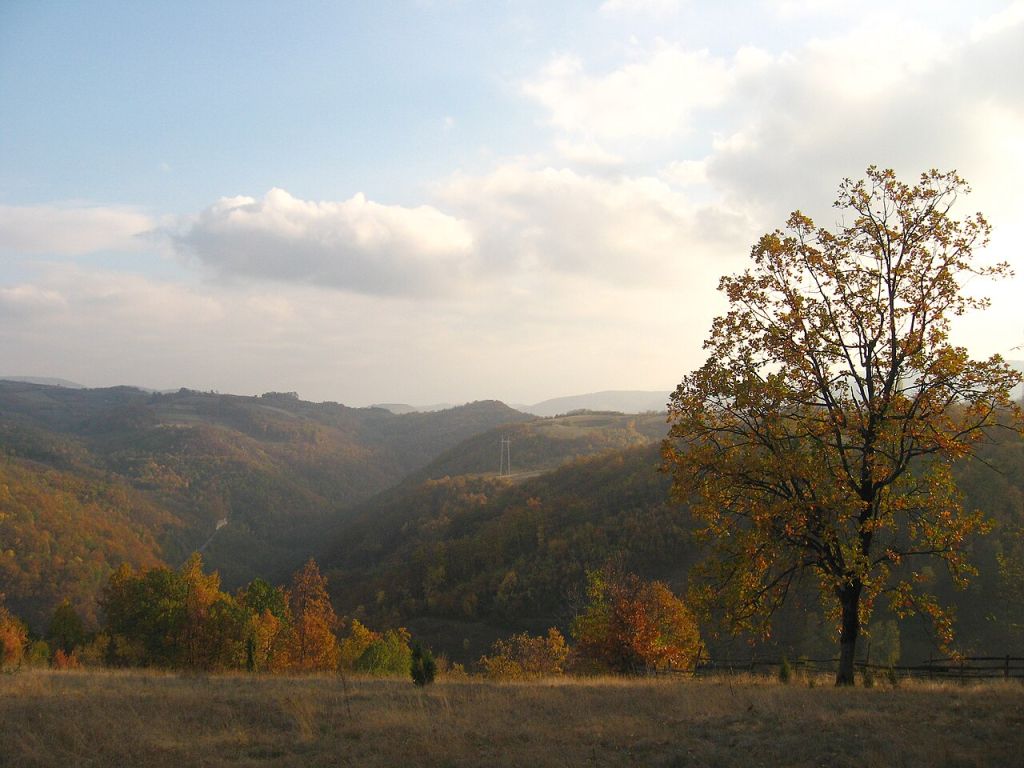
For travelers wanting a longer excursion, the surrounding mountains open up many possibilities. Divčibare, on Mount Maljen, is the best-known nearby highland destination, popular for fresh air, meadows, family-friendly walks and winter snow. It is not an alpine resort in the grand sense, but rather a relaxed Serbian mountain plateau with broad appeal.

Other natural highlights include Petnica Cave, important both archaeologically and geologically, and the photogenic Taor Waterfalls, a favorite among domestic travelers seeking quiet scenery. Roads to some rural sights can be narrow and conditions vary, so if you are not driving, ask locally about current access and whether a taxi or organized excursion makes more sense.

What to eat in Valjevo

Food is a serious part of the Valjevo experience, and the local table reflects the agricultural traditions of the Kolubara region. Expect hearty Serbian dishes rather than delicate fine dining: slow-cooked beans, sarma, roasted meat, homemade bread, village cheese, kajmak and seasonal salads. In cooler weather, meals here feel especially satisfying.

The city is particularly associated with duvan čvarci, a regional specialty made by carefully rendering pork fat until a dry, fibrous crackling remains. The name comes from its resemblance to shredded tobacco. It is rich, salty and unmistakably local; not everyone falls in love with it instantly, but it is one of the most distinctive foods to try in Valjevo.

To drink, you will likely encounter homemade rakija, especially plum or quince, and in traditional restaurants it is often offered as a welcome. Accepting a small glass is part of the social ritual, though it is perfectly fine to decline politely. For dessert, look for pastries with pumpkin, walnut or fruit preserves. The best meals are often in classic kafanas rather than trendy venues, so ask locals where they actually eat.

Best time to visit and travel tips

Spring and early autumn are the best seasons for most visitors. In April, May, June and September, Valjevo is green, comfortable for walking and ideal for combining town sightseeing with river or mountain excursions. Summer can be pleasant, especially by the Gradac, though the city center may feel warm in the afternoon. Winter has its own atmosphere, particularly if you plan to continue to Divčibare, but some rural attractions are less convenient then.

Valjevo works well as a weekend destination from Belgrade, but it also deserves an overnight stay or two. One full day covers the center and Tešnjar; two or three days allow enough time for monasteries, Gradac walks and a mountain or village excursion. English is not universal everywhere, especially outside central hotels and cafés, so having offline maps and a few basic Serbian phrases can be helpful.

Cash is still useful in smaller establishments. Comfortable shoes are essential for cobbled streets and monastery or nature visits. If you are driving, Valjevo is a practical base for exploring western Serbia at a slower pace than busier destinations such as Zlatibor.

Top places to visit

Explore the must-see attractions and hidden gems.

Tešnjar Old Quarter

Tešnjar Old Quarter

Valjevo’s historic commercial district is the city’s signature sight, with cobbled lanes, traditional façades and a strong sense of place. Visit for architecture, cafés, local events and the atmosphere of an old Serbian market town.

Gradac River and Canyon

Gradac River and Canyon

A clear, green river valley just outside the urban core, ideal for walks, quiet picnics and nature photography. It is one of the most pleasant outdoor escapes in western Serbia and especially appealing in spring and summer.

Vidrak Hill Monument

Vidrak Hill Monument

This powerful memorial above the city is an important example of Yugoslav-era monument design and a place of remembrance. It also offers open views over Valjevo and the surrounding landscape.

Brankovina

Brankovina

A village complex associated with poet Desanka Maksimović, Brankovina combines literary heritage, old school buildings, church grounds and a peaceful rural setting. It is a thoughtful cultural detour just outside town.

Lelić and Ćelije Monasteries

These monasteries are among the most visited spiritual sites near Valjevo, known for their serene surroundings and religious significance. They offer a quieter, contemplative contrast to the city center.

Divčibare

A nearby mountain plateau on Maljen, popular for fresh air, easy hikes, family breaks and winter visits. It makes an excellent day trip or onward stop from Valjevo.

Getting there & around

Getting there: Valjevo is around 90 km southwest of Belgrade and can be reached by car or intercity bus in roughly 1.5 to 2 hours, depending on traffic and route conditions. There are also rail connections, but schedules and journey times should be checked in advance as they may be less convenient for short visits. If you are touring western Serbia by car, Valjevo is an easy and logical stop.

Getting around: The town center is compact and best explored on foot. Taxis are affordable for short rides within the city and useful for reaching monasteries or outlying sights if you do not have a car. For places such as Taor Waterfalls, Petnica or Divčibare, driving gives the most flexibility. Public transport exists but is less practical for visitors trying to see multiple attractions in one day.

Best time to visit: Late spring and early autumn offer the best mix of pleasant weather and green scenery. Summer is good for river walks, while winter suits travelers combining Valjevo with Divčibare.

Map

Find your way around.

Frequently asked questions

Is Valjevo worth visiting as a day trip from Belgrade?

Yes. It is close enough for a day trip, especially if you want to see Tešnj…

How many days do you need in Valjevo?

One day is enough for the center, but two to three days gives you time to enjoy the surrounding nature, heritage sites and local food without rushing.

What food should I try in Valjevo?

Look for duvan čvarci, traditional grilled or roasted meats, beans, sarma, local cheese, kajmak and homemade rakija. Traditional kafanas are usually the best places to sample regional dishes.

Can you visit Valjevo without a car?

Yes, the town itself is easy to explore on foot and reachable by bus or train. A car becomes more useful if you want to see multiple monasteries, waterfalls or mountain areas nearby.

When is the best time to visit Valjevo?

Spring and early autumn are ideal for most travelers because temperatures are pleasant and the surrounding landscapes are at their best.

Plan your visit

Tourist Organization of Valjevo
Prote Mateje 1/1, 14000 Valjevo, Serbia
Phone: +381 14 221 138
Email: tovaljevo@mts.rs
Web: https://www.tov.rs

Explore Serbia travel guide