
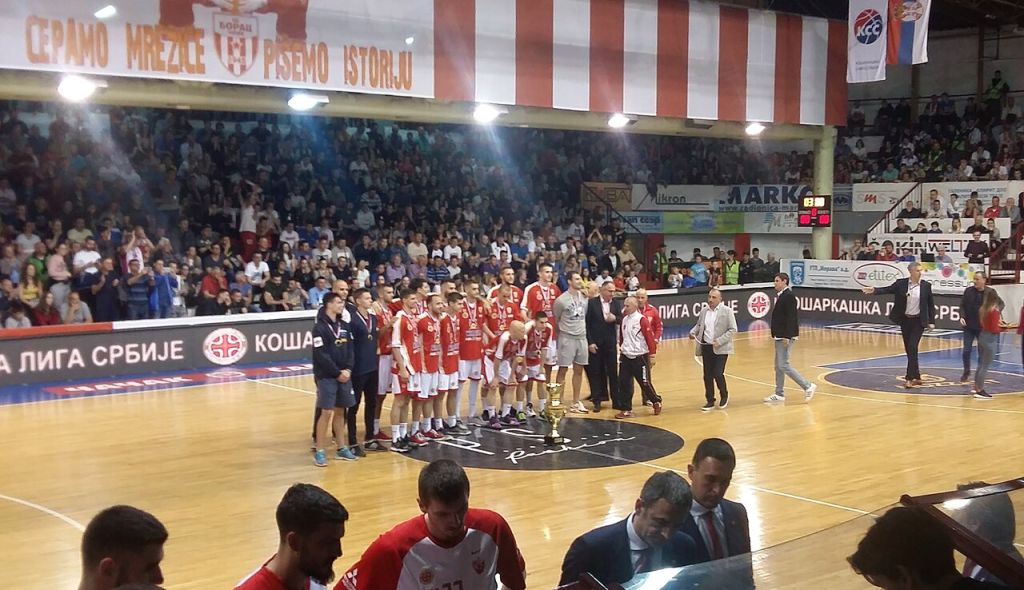
Overview
Čačak is a city of around 71,000 residents in central-western Serbia, situated in the fertile valley of the Western Morava. Its first documented mention dates to 1408, but its growth into a regional economic and agricultural center came after Serbian independence in the 19th century — a development aided by the unusually productive soil of the surrounding land. The city has a notably large ficus tree in its cultural center, recorded as the largest on the Balkan peninsula.
The city was named Serbia's Cultural Capital in 2023, a designation that brought new investment and energy to its cultural institutions. The main square, Trg Ustanka, serves as the city's social center, surrounded by restaurants, bars, and the pedestrian street Gradsko šetalište. The riverside beach at the Morava — the Gradska plaža — is the most-used outdoor space in summer, combining a pebble beach with cafés and music.
Čačak works well as a base for the Ovčar-Kablar gorge, a canyon carved by the Western Morava that holds a dense cluster of medieval monasteries within a short drive of the city.
Quick facts
Moravica District, western-central Serbia
Between Jelica, Ovčar, Kablar and Vujan mountains
West Morava
April–June and September–October
Ovčar-Kablar Gorge, monasteries and hearty local food
Prehistory, Roman era, medieval Serbia and modern heritage
Painter Nadežda Petrović
Road trips, hiking, spa breaks and cultural excursions
Why visit Čačak?
Čačak is worth visiting for the combination of a comfortable mid-size city and immediate access to one of Serbia's most concentrated monastery landscapes. The Ovčar-Kablar gorge begins less than 20 km from the city center, making it one of the most accessible canyon-and-monastery routes in the country.
The city itself is a functional and pleasant base. It is urban enough to have good accommodation, restaurants, and evening options, but small enough that the center is walkable and the pace unhurried. The Cultural Capital designation in 2023 brought visible improvements to public spaces and cultural programming that the book notes as 'agreeable new developments.'
A city shaped by centuries
Čačak's first written mention is from 1408, and for several centuries it remained a modest settlement. After Serbian independence in the 19th century it became a regional agricultural trading center, a role reinforced by the fertile land of the Morava valley and the presence of an agricultural research institute. A monument to the 4,600 partisans who died liberating the city from Nazi occupation stands in a memorial park on the edge of the center — the book notes that both the mausoleum and the surrounding park are in a state of neglect that seems out of proportion with what is being commemorated.
What to see in the city
The center of Čačak is organized around Trg Ustanka and the streets running south from it. The main pedestrian zone, Gradsko šetalište, runs along this axis and connects the square with the museum and city hall area, about five minutes on foot down Župana Stracimira street. The Roman Baths site (Ilidža), while not extensively developed for visitors, marks an archaeological layer beneath the modern city that speaks to its long settlement history.
The Gradska plaža (city beach) on the Morava is the most social outdoor space in Čačak and functions as a genuine gathering point rather than just a tourist amenity — with pebble banks, riverside cafés, music, and seasonal programming. For a picture of everyday city life, an afternoon here is more revealing than the formal attractions.
Beyond the city: the Ovčar-Kablar landscape
The Ovčar-Kablar gorge begins where the Western Morava cuts through two facing ridges, creating a narrow canyon about 15 km long. Within this stretch, more than ten medieval monasteries and churches were established between the 14th and 17th centuries, many of them built into the cliff faces or tucked into side valleys. The concentration has given the gorge the informal designation of 'Serbian Athos.' A road follows the river through the entire length of the gorge, making the monastery circuit possible in a half-day by car.
The most significant of the gorge monasteries include Vaznesenski, Nikolje, Sretenje, and Ljubostinja — the last of which, slightly outside the gorge proper near Trstenik, was founded by Princess Milica after the Battle of Kosovo in 1389 and is one of the most important Morava-school architectural monuments in Serbia.
Food and local flavors
Čačak is a good place to eat, particularly for travelers interested in Serbian regional cooking. The Morava valley produces fruit, dairy, and meat of good quality, and local kafanas use these ingredients in straightforward, well-executed dishes. Grilled meats, bean dishes, and seasonal vegetable preparations follow the Western Serbian pattern. The riverside area has the most concentrated choice of cafés and restaurants, ranging from simple grill houses to more recent establishments with broader menus.
Best time to go and how long to stay
Čačak can be visited year-round but spring and early autumn are the most comfortable seasons. The Morava beach is fully active from June to September. The Ovčar-Kablar gorge is accessible year-round, though the narrow canyon road can be affected by ice in winter. From Belgrade, the drive to Čačak takes roughly 1.5 to 2 hours via the E761 highway. Bus connections run regularly from Belgrade and Kraljevo.
One full day covers the city center and the Ovčar-Kablar gorge circuit comfortably. Two days allows for a slower pace, the Gradska plaža, and a longer monastery circuit including Ljubostinja or the sites closer to Kraljevo.
Top places to visit
The key stops in and around Čačak — city center sites, gorge monasteries, and Morava riverside — cover the region's main character.
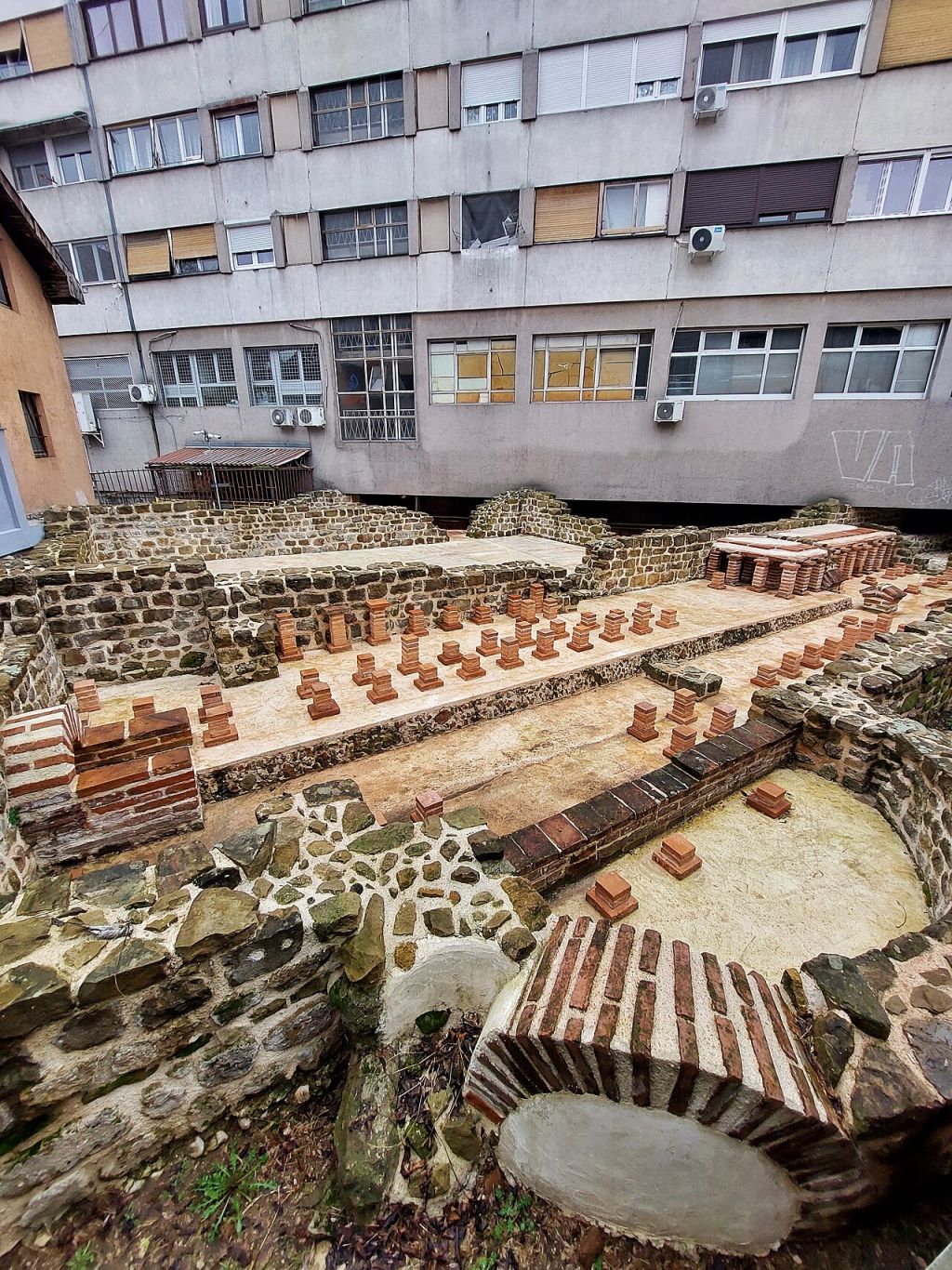
Roman Baths of Čačak
Archaeological remains of ancient Roman thermae in the city center, offering a direct link to classical antiquity in an unexpectedly urban setting.
Church of the Holy Mother of God in Gradac
The oldest church in Čačak, originally dating to the 12th century, with a long history of destruction, rebuilding and regional importance.
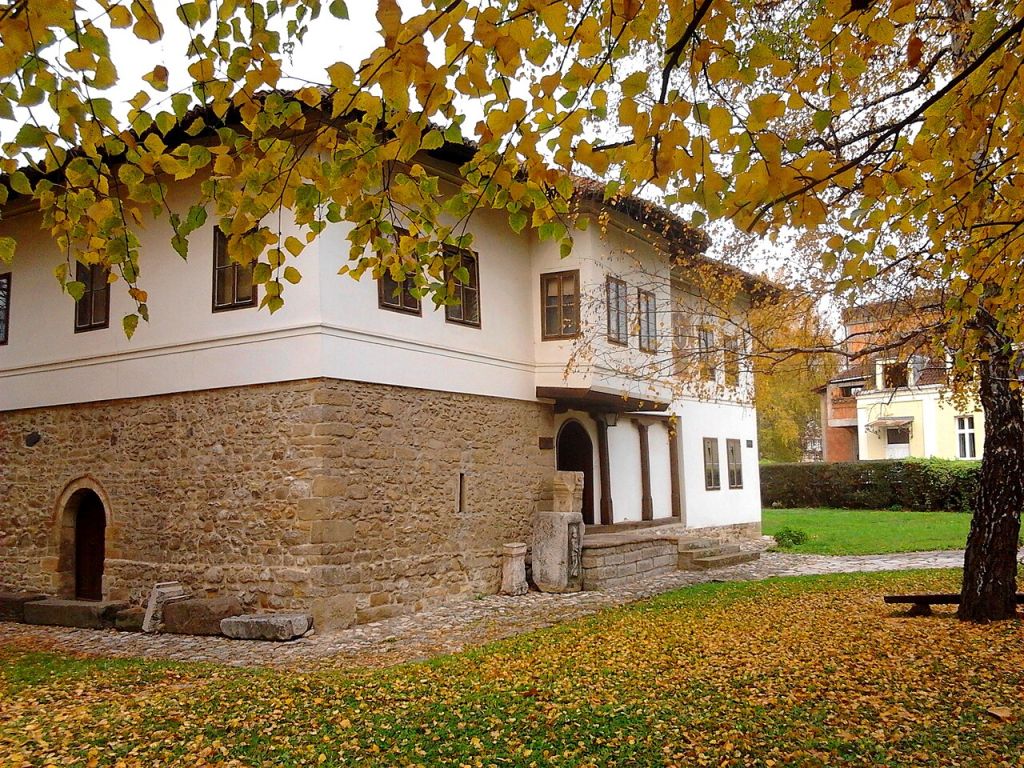
National Museum of Čačak
The best introduction to the region’s past, with collections spanning from prehistory to the modern era.
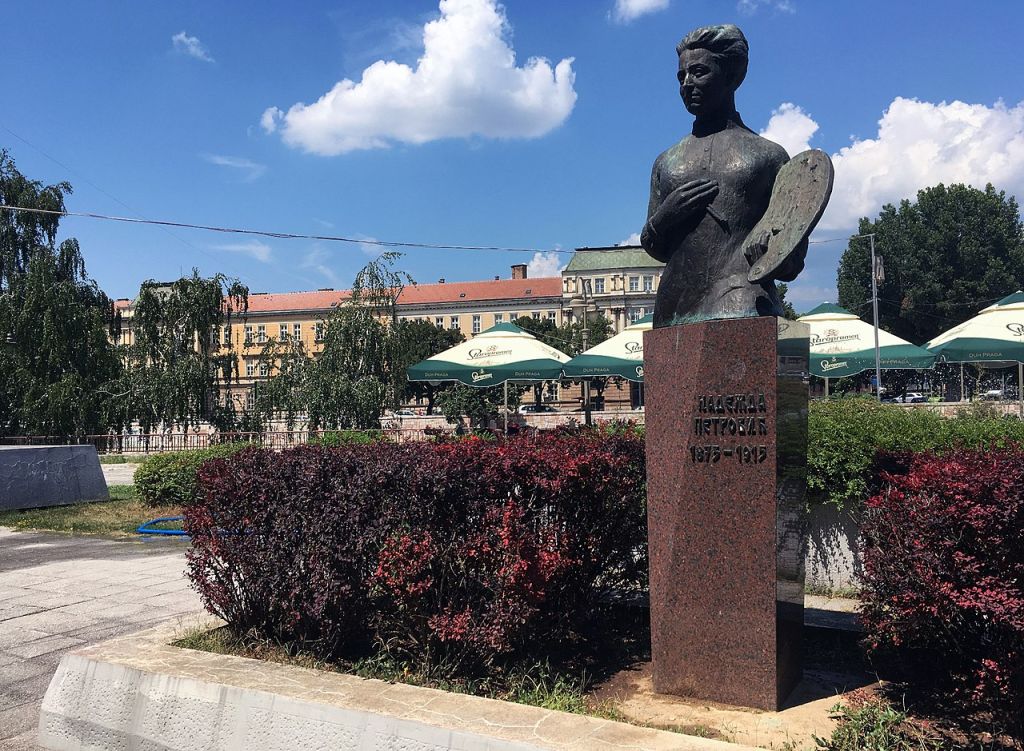
Nadežda Petrović Gallery
A cultural highlight dedicated to one of Serbia’s most influential modern painters, with works by Nadežda Petrović and other artists.
Monument to the Warriors of Four Religions
A rare and powerful World War I memorial honoring soldiers of different faiths, symbolized by four religious emblems on one monument.
Ovčar-Kablar Gorge
A scenic natural area just outside the city, known for river meanders, hiking trails, monasteries, viewpoints and spa escapes.
Getting there: Čačak is well connected by road and is an easy drive from Belgrade (approx. 1.5–2 hours via E761), Kraljevo (30 minutes), and Užice (45 minutes). Regular bus services run from Belgrade's main bus station. Getting around: The city center is compact and walkable. For the Ovčar-Kablar gorge monasteries, a car is strongly recommended — the canyon road is not well served by public transport. Local taxis can be arranged for a half-day gorge circuit from the center.
Čačak map
Use this map to orient yourself around the main sights and surrounding area.
Frequently asked questions
Is Čačak worth visiting?
Yes—especially if you enjoy combining culture, nature and food. It is one of Serbia’s best bases for exploring the Ovčar-Kablar Gorge, monasteries and traditional rural cuisine.
How many days do you need in Čačak?
One day is enough for the city’s main sights, but two to three days is ideal if you want to include the gorge, monasteries, spas and nearby villages.
What is Čačak famous for?
Čačak is known for the Ovčar-Kablar Gorge, its monasteries, Roman baths, the legacy of painter Nadežda Petrović and regional dishes such as svadbarski kupus.
When is the best time to visit Čačak?
Spring and early autumn are the best seasons for most travelers thanks to mild weather, scenic landscapes and good conditions for day trips and hiking.
Can you visit the monasteries without a guide?
Yes, many visitors explore independently, especially by car. A guide can still be helpful if you want deeper historical context or plan to visit several monasteries in one day.
Ready to plan Čačak?
Use this guide to choose your base, plan your sightseeing, and build a smarter Serbia itinerary.