Central Serbia

Kraljevo — the name translates as "city of the king" — received its current name from King Milan I in 1882, though it had existed as Karanovac on the Ibar river long before. Six kilometres from the city centre stands the red-walled monastery of Žiča, where seven Serbian kings were crowned; this geographical fact alone has defined Kraljevo's identity for centuries.
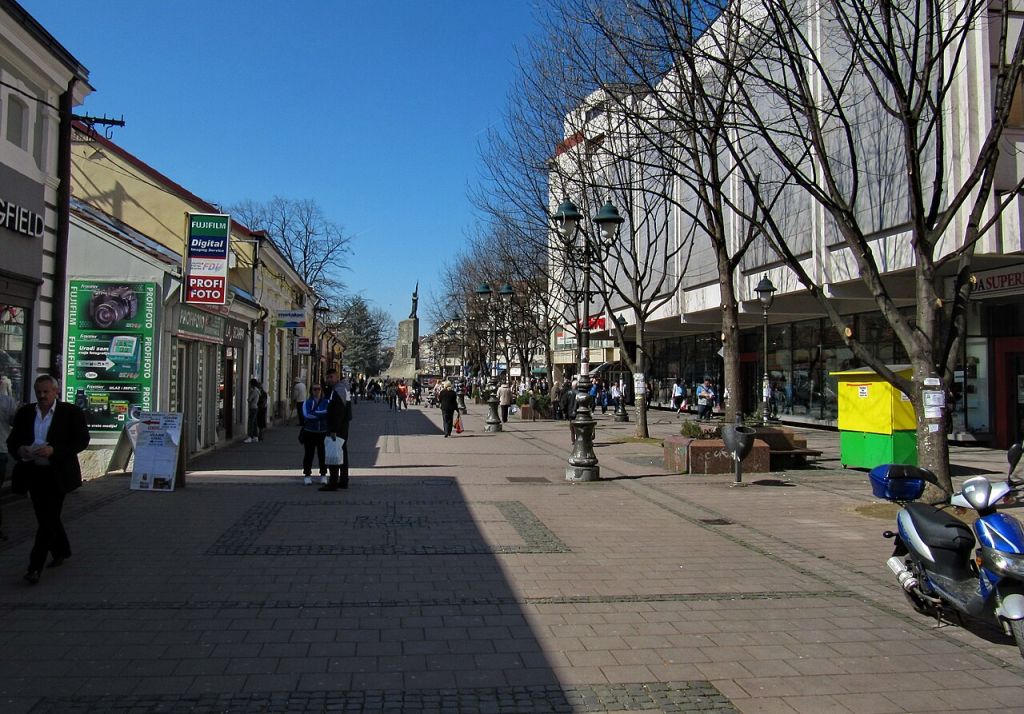
The city centre is organised around Trg srpskih ratnika, the Square of Serbian Warriors, a circular space whose layout is traced back to a visit by Prince Miloš in 1832. The square doubles as one of Europe's larger functioning sundials. Surrounding it, nineteenth-century townhouses sit alongside socialist-era residential blocks in a mix that characterises much of central Serbia.
The wider area extends the draw considerably. Kloster Studenica, a UNESCO World Heritage Site about 60 km to the south, was founded in the late twelfth century by Stefan Nemanja and is considered the cradle of the Serbian kingdom. The Ovčar-Kablar gorge, roughly 30 km to the northwest, holds ten medieval monasteries on limestone and dolomite slopes above the West Morava river.
Kraljevo is one of three Serbian cities beginning with K — along with Kragujevac and Kruševac — that occupy the geographic and historical centre of the country. Each has its own character: Kraljevo's centres on the royal monastery tradition and the circular town square that locals call 'Milutin', a nickname for the dominant monument in its middle.
Before becoming Kraljevo in 1882, the settlement was known as Karanovac. Prince Miloš visited in 1832 and his desire for a circular town centre was reportedly sketched in the sand; At the southwest exit of the square stands the former Hotel Paris, described as a small architectural gem from the early twentieth century. The surrounding streets mix typical small townhouses from that era with socialist-era residential buildings from the 1950s to 1970s.
Beyond the railway tracks, a memorial park commemorates a Nazi mass execution that took place from 14 to 16 October 1941, five days before similar events in Kragujevac. Nearly 1,800 people, mostly male residents, were shot in reprisal for a partisan attack on 13 October. The memorial, inaugurated in 1970 and made up of dozens of marble columns shaped like tree stumps, remains the site of an annual commemorative ceremony. Each column has a notch where a candle can be placed.
The main square, Trg srpskih ratnika, is the natural starting point. From there, all the principal streets lead outward and back, making orientation straightforward. The square's architecture ranges from early twentieth-century shop fronts and townhouses to taller buildings from the socialist period. The old Hotel Paris at the southwestern exit is worth noting for its facade.
The memorial park beyond the railway lines is an important historical site. The marble column design by Belgrader Branimir Tori Janković, unveiled in 1970, is detailed enough to make a short visit worthwhile. A film adaptation of the October massacre, Crvena zemlja (Red Earth), was made in 1975 by the same director. The city has a modest museum collection and churches that can be seen on foot from the square.
Six kilometres from the city centre, the monastery of Žiča was the first seat of the Serbian Orthodox Church, established by Saint Sava in 1219, and the site where seven Serbian kings were crowned. Its walls are painted a distinctive deep red. Buses run from Ušće several times daily to the monastery.
Some 60 km south, Kloster Studenica is one of Serbia's most significant historic sites. Founded at the end of the twelfth century by Stefan Nemanja, it holds the status of a lavra and is a UNESCO World Heritage Site. At its peak in the Middle Ages, the complex comprised around twelve churches and palaces; three survive. Among the most significant is the Church of the Virgin, which contains a large fresco of the Crucifixion and the tomb of Stefan Nemanja. Saint Sava founded the Serbian Orthodox Church here in 1219. The Studenica visit can be extended by hiking the roughly 12 km to the hermitage of Saint Sava, passing the marble quarry from which Nemanja sourced stone for the monastery churches.
/p>
The Gradski kej on the Ibar river is Kraljevo's riverfront recreation zone, with a beach, bars, sports facilities, a small stadium, and a cycling club. The Ovčar-Kablar gorge offers hiking, cycling on the Kablar Bike Trail (renewed in 2019), and boat tours along the West Morava. The gorge's summit viewpoint on Kablar was upgraded with a glass terrace in 2024; on a clear day, eight of the ten local monasteries are visible from it.
Paragliding is available from the Ovčar peak. Thermal springs at Ovčar Banja, at the entrance to the gorge, offer a practical stop for recovery after hiking or cycling. The Kopaonik massif, roughly 60 km southeast of Kraljevo, is Serbia's largest ski area, operating from November through May at elevations up to 2,000 m.
Central Serbian cooking favours grilled meat, dairy products, and baked dishes. Kaymak, a rich dairy spread made from skimmed cream, appears alongside most grilled dishes and with warm bread. The area around Kraljevo also produces rakija, the local fruit brandy that is both a custom and a point of pride throughout Serbia.
The Panorama restaurant on the Hotel Turist rooftop serves pizza from a wood-fired oven installed on the terrace; /p>
Late spring and early autumn offer the most comfortable conditions for both city visits and day trips to the monasteries and gorge. From May to June the countryside is green and temperatures are manageable for hiking. September and October bring clearer skies and harvest-season produce at the markets.
Summer is viable for river activities on the Ibar. Winter travel to the area is mainly of interest to skiers heading to Kopaonik. Bus connections from Čačak and Belgrad serve the city year-round.
These sites within and around Kraljevo reward time spent in the region.
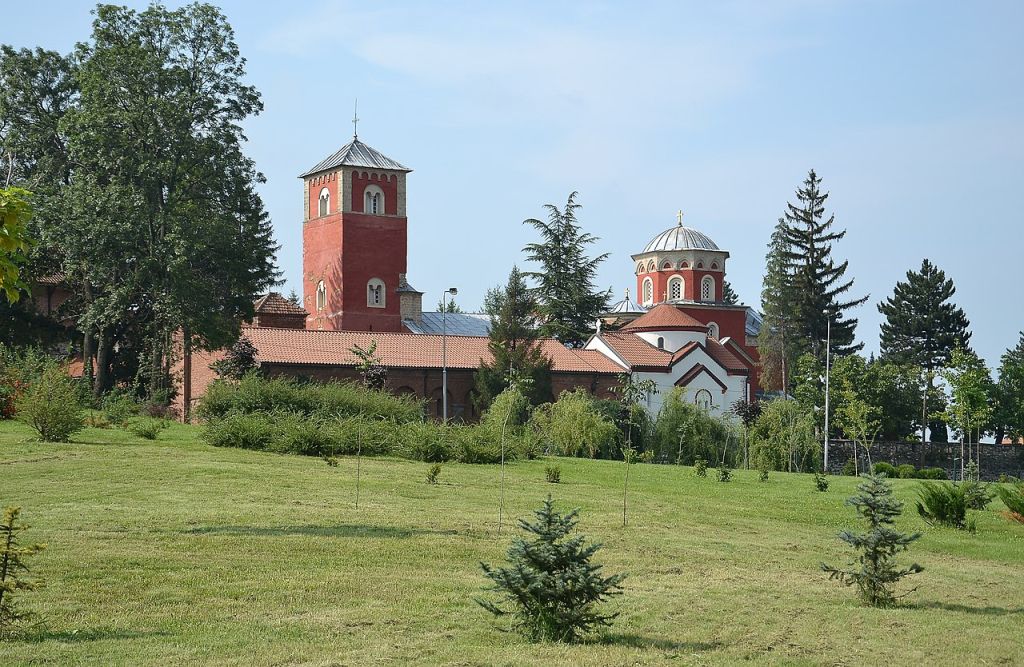
Žiča Monastery
One of the most important monasteries in Serbian history, Žiča is closely associated with the coronation of medieval rulers and the early Serbian Orthodox Church. Its distinctive red exterior makes it one of the most recognizable religious sites in the country.
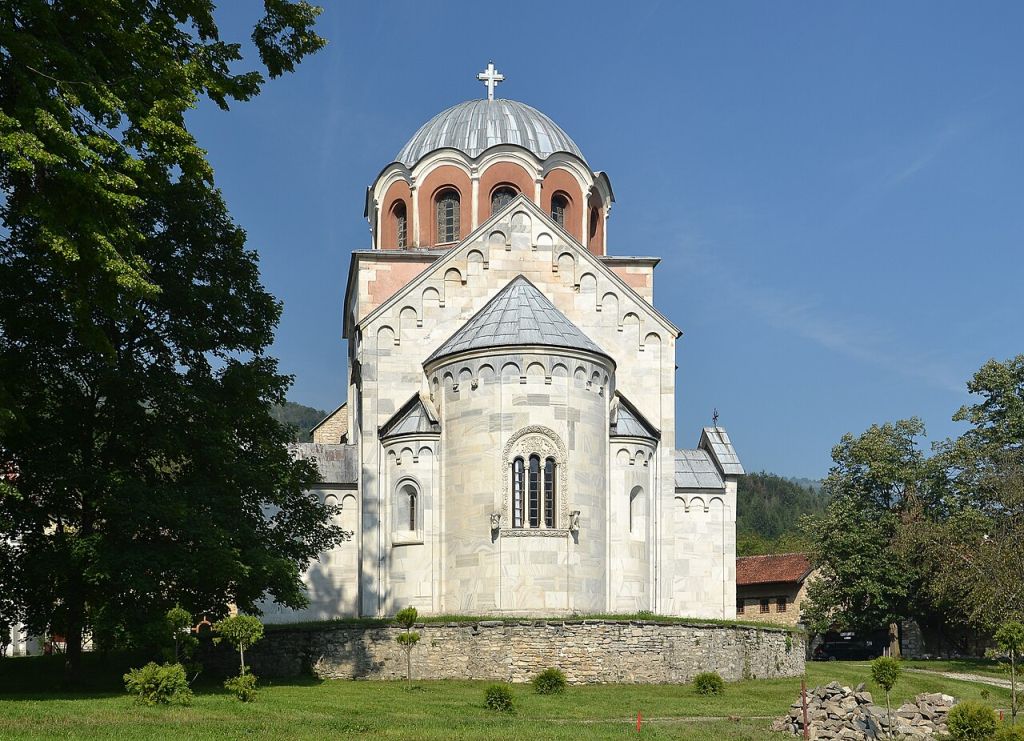
Studenica Monastery
A UNESCO World Heritage Site set in a peaceful valley, Studenica is famous for its white marble church and remarkable frescoes. It is one of Serbia’s essential cultural landmarks and a rewarding day trip from Kraljevo.
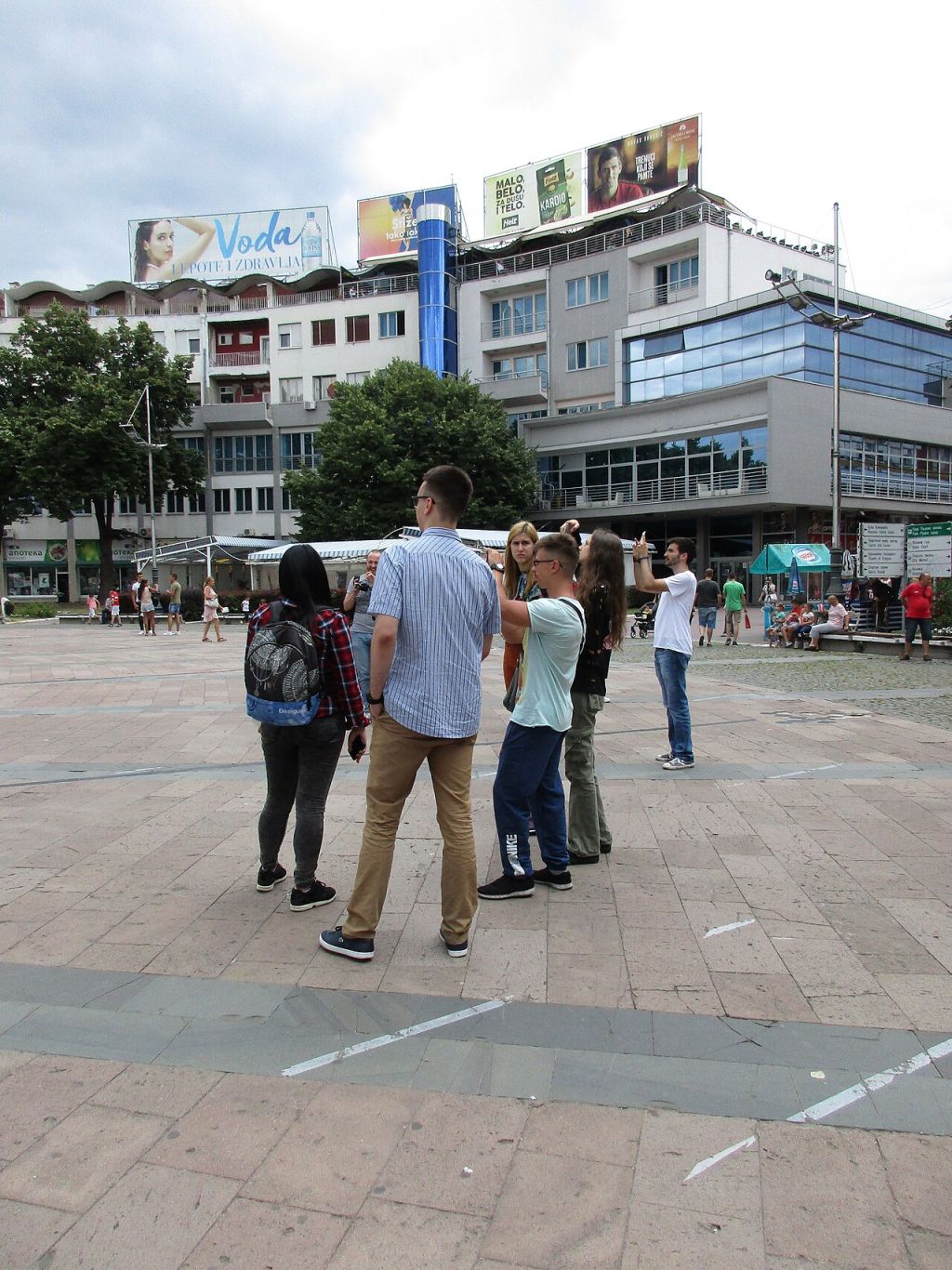
Trg srpskih ratnika
Kraljevo’s main square is the city’s social center and a good starting point for a walking tour. The war memorial here is one of the city’s symbols, surrounded by cafés and everyday local life.
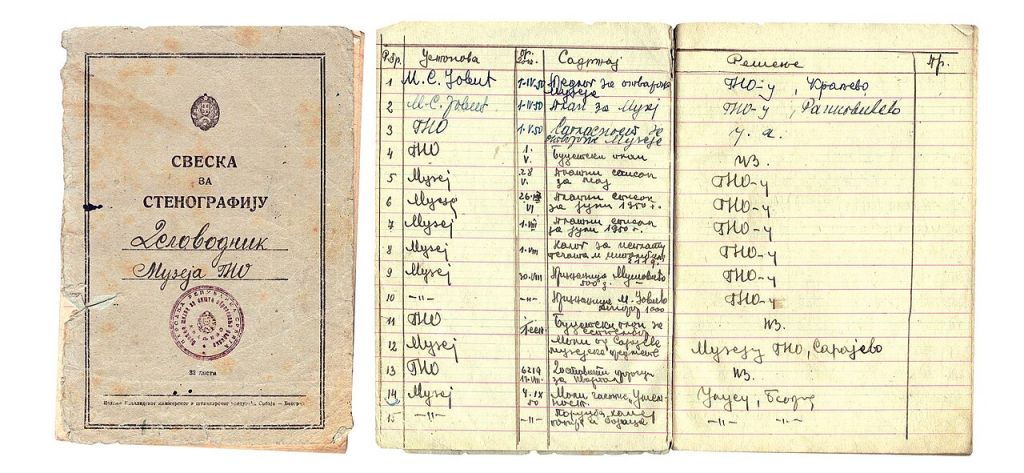
National Museum of Kraljevo
This museum provides useful background on the region’s archaeology, history, art and traditions. It is a smart first stop if you want to better understand the wider heritage of the Kraljevo area.
Maglič Fortress
A dramatic medieval fortress above the Ibar valley, Maglič is one of the most atmospheric historic sites near Kraljevo. Visit for the views, the setting and a sense of Serbia’s fortified past.
Goč Mountain
The nearest mountain escape from Kraljevo, Goč offers hiking, recreation and winter sports. It is a practical choice for travelers wanting fresh air and outdoor activity without going far from the city.
Guided routes, walking tours, and experiences that help you make the most of a visit to Kraljevo Travel Guide.
Studenica Monastery
Studenica Monastery in Kraljevo Travel Guide.
Studenica Monastery works as a focused heritage stop or a longer, quieter stay in the Kraljevo area. Admission is listed as free. The monastery contact page allows visits from 08:00 to 17:00, while...
Ovčar-Kablar Gorge
Ovčar-Kablar Gorge in Kraljevo Travel Guide.
Best for travelers who want a monastery-centered day in landscape rather than a single museum-style stop.No single entrance or published opening hours for the gorge as a wholeTourist Organisation o...
Use this map to orient yourself around the main sights and surrounding area.
Yes, especially if you enjoy history, monasteries, scenic drives and a more local, less touristy side of Serbia. It is also an excellent base for day trips.
One day is enough for the city center and Žiča, but two to three days allows time for Studenica, Maglič and a mountain excursion.
Kraljevo is best known for its royal associations, the nearby Žiča Monastery, access to Studenica Monastery and its position between rivers and mountains in central Serbia.
Yes, the city itself is easy to visit without a car, but a car or organized transfer is highly recommended for exploring nearby monasteries and natural attractions efficiently.
Late spring and early autumn are ideal for most travelers, while summer is best for river activities and local events.
Let Serbian Travel help you plan the perfect Serbia itinerary. We handle accommodation, transport, guided tours and local experiences.
Use Kraljevo as a base for Žiča, Studenica and the Ibar valley, especially if you want a quieter trip than Belgrade or Kopaonik. Arrive by bus to the main station, then take local taxis or a rented car for monasteries and mountain villages. Distances look short on the map, but roads are slower, so plan half-day transfers.
Recommended place to stay: https://maps.app.goo.gl/Vro1kPqKYdBKwAUr7?g_st=ic
Last checked: 2026-06-01. We review this page regularly and update practical details such as opening hours, ticket guidance and transport when they change.
Central Serbia
At the confluence of the Ibar and West Morava rivers
Royal heritage and medieval monasteries
May to October
Žiča and Studenica monasteries
Rafting, kayaking, hiking, skiing
Kaymak, gibanica, plum jam and rakija
Culture lovers, road trippers and nature travelers
Getting there: Kraljevo has train connections to Kruševac and Kragujevac, and buses link it to all three cities. From Čačak, trains run roughly one hour. From Belgrade, bus is the most direct option. The city is a practical stop on a central Serbia itinerary connecting Belgrade, the Ovčar-Kablar gorge, and Studenica.
Getting around: The city centre is compact enough to cover on foot from the main square. For Žiča, taxis or a short bus ride work. For Studenica, buses run several times daily from Ušće; the tourism office in Kraljevo has current schedules.
Stay connected in Serbia