Southwest Serbia, Raška area

Novi Pazar is one of Serbia's most distinctive cities. Around 80 percent of its population is Muslim, the old bazaar retains its Ottoman layout, and the surrounding Raška region holds some of the most important medieval Serbian monuments anywhere — including the UNESCO World Heritage Site of Stari Ras and Sopoćani. The city surprises both foreign visitors and Serbs from other parts of the country who encounter it for the first time.
The Isa-Beg hamam, one of the oldest Ottoman bath buildings in the western Balkans, stands near the bazaar and remains one of the most tangible architectural links to the 15th-century founding of the city by Isa-Beg Ishaković. The fortress of Stari Ras, a few kilometers out of town, was the seat of the medieval Serbian state before Belgrade's rise. The 13th-century Sopoćani monastery, further into the hills, holds some of the finest Byzantine fresco work in existence.
Novi Pazar works as both a destination and a regional base for day trips to Đurđevi Stupovi, Sopoćani, Studenica, and the Pešter plateau.
Novi Pazar is worth visiting for the layered quality of its urban life — markets, mosques, kafanas, and religious sites within walking distance of each other — and for what lies within reach outside the city. The Raška region was the heartland of the medieval Serbian kingdom, and the density of important religious monuments in the surrounding hills makes this corner of Serbia disproportionately rich in historical depth.
The city itself is lively and compact. The bazaar area around the old market retains its Ottoman street pattern and is lined with small workshops, textile shops, and food stalls. The pace here is different from Belgrade or Novi Sad — slower, more neighborhood-focused, and shaped by a calendar that includes both Islamic and Serbian Orthodox observances.
Novi Pazar was founded in 1459 by the Ottoman governor Isa-Beg Ishaković, who constructed the hamam, the original bazaar, and the mosque that still bears his name. The Isa-Beg hamam is among the oldest surviving Ottoman bath structures in the Balkans west of Istanbul. The city grew rapidly as a trading post on the route between the Adriatic coast and the Ottoman interior.
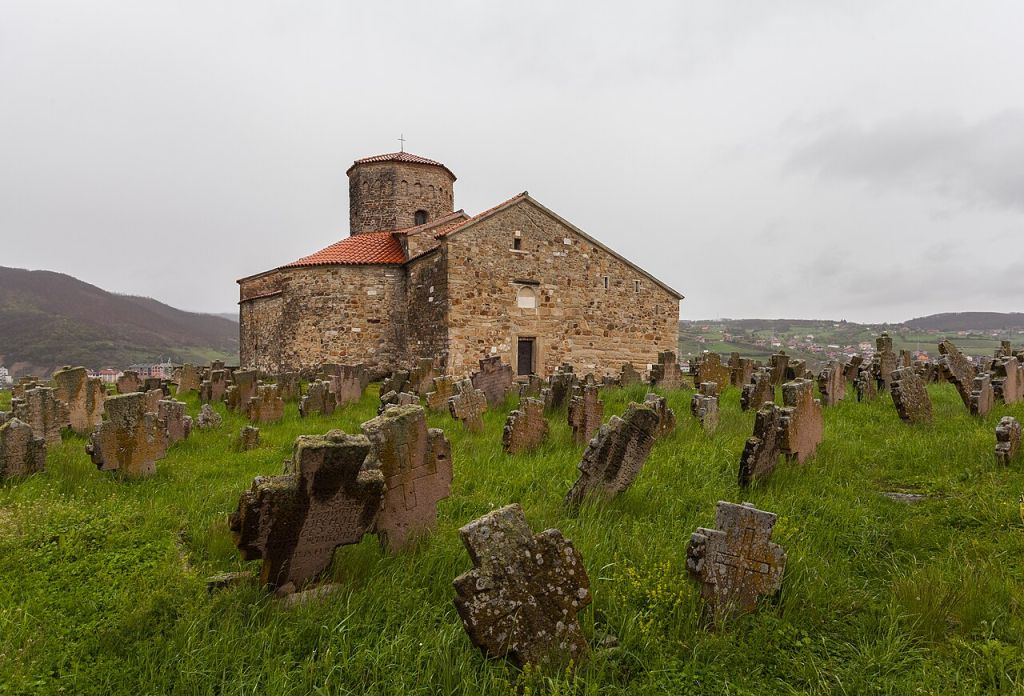
The fortress of Stari Ras, outside town on a hilltop above the junction of the Raška and Jošanica rivers, predates the Ottoman period by several centuries. It served as the fortified center of the Raška principality — the earliest recognized Serbian state — from the 9th century onward. The Peter and Paul Church within the fortress complex dates to the early medieval period and incorporates stonework from an earlier Roman building.
Novi Pazar's food scene reflects its multicultural position. The local table draws on Ottoman-influenced pastry and grilled meat traditions alongside Serbian country cooking. Ćevapi — grilled minced meat rolls — are prepared here in a style distinct from the Belgrade version, typically served with somun flatbread rather than ordinary bread. Burek, the filled pastry, is a staple at the city's bakeries.
The city's cafés range from traditional oriental coffee houses to modern European-style spaces. Coffee service here tends toward a slower, more drawn-out style than the stand-at-the-bar pace familiar in Belgrade. The local pazar (market) is the best place to find regional produce, including dairy products from the Pešter plateau and local honey.
Novi Pazar is a practical base for the most important monuments in the Raška region. Đurđevi Stupovi, the twin-towered church built by Stefan Nemanja in the 12th century, sits on a ridge above the city and offers views across the valley. The monastery of Sopoćani is roughly 15 km west. Studenica, the great Nemanjić foundation, is about 60 km to the northeast and can be covered in a half-day return trip.
The Pešter plateau, south of the city, is one of the highest plateaus in Serbia — an open grassland used for sheep and cattle farming that contrasts sharply with the wooded valleys below. It is largely undeveloped for tourism but has a stark, open quality that rewards a morning drive. Nova Varoš, to the west, is the closest town to the Uvac Canyon meanders.
The key sites in and around Novi Pazar span Ottoman, early medieval, and Nemanjić-dynasty history within a compact radius.
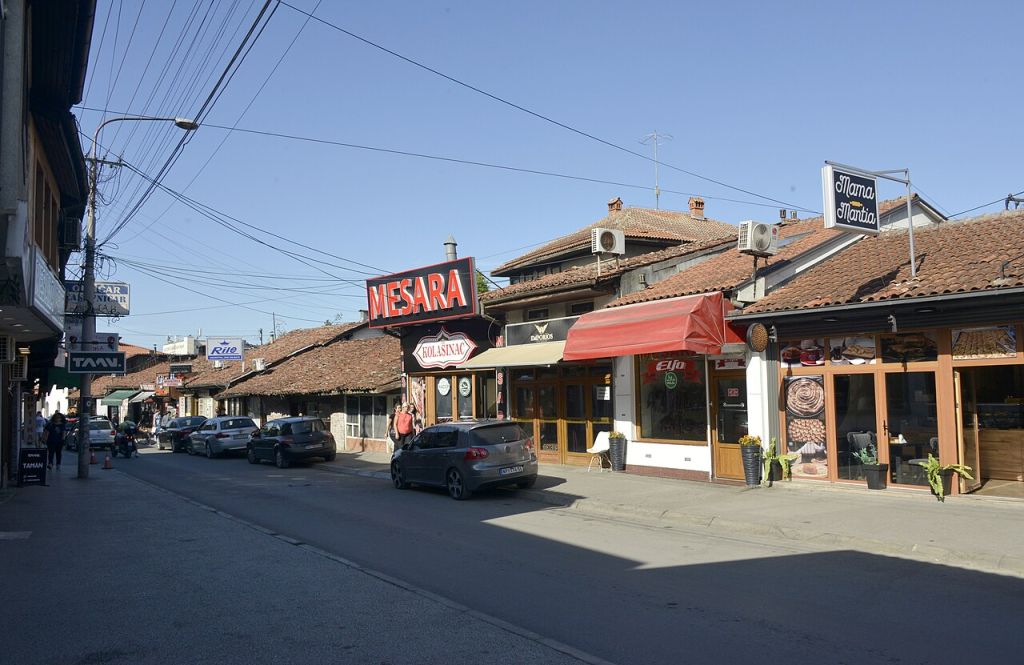
Stara čaršija (Old Bazaar)
The historic commercial heart of Novi Pazar is the best place to feel the city’s trading past. Come for a walk, local shops, cafés and pastry stops rather than monumental sightseeing alone.
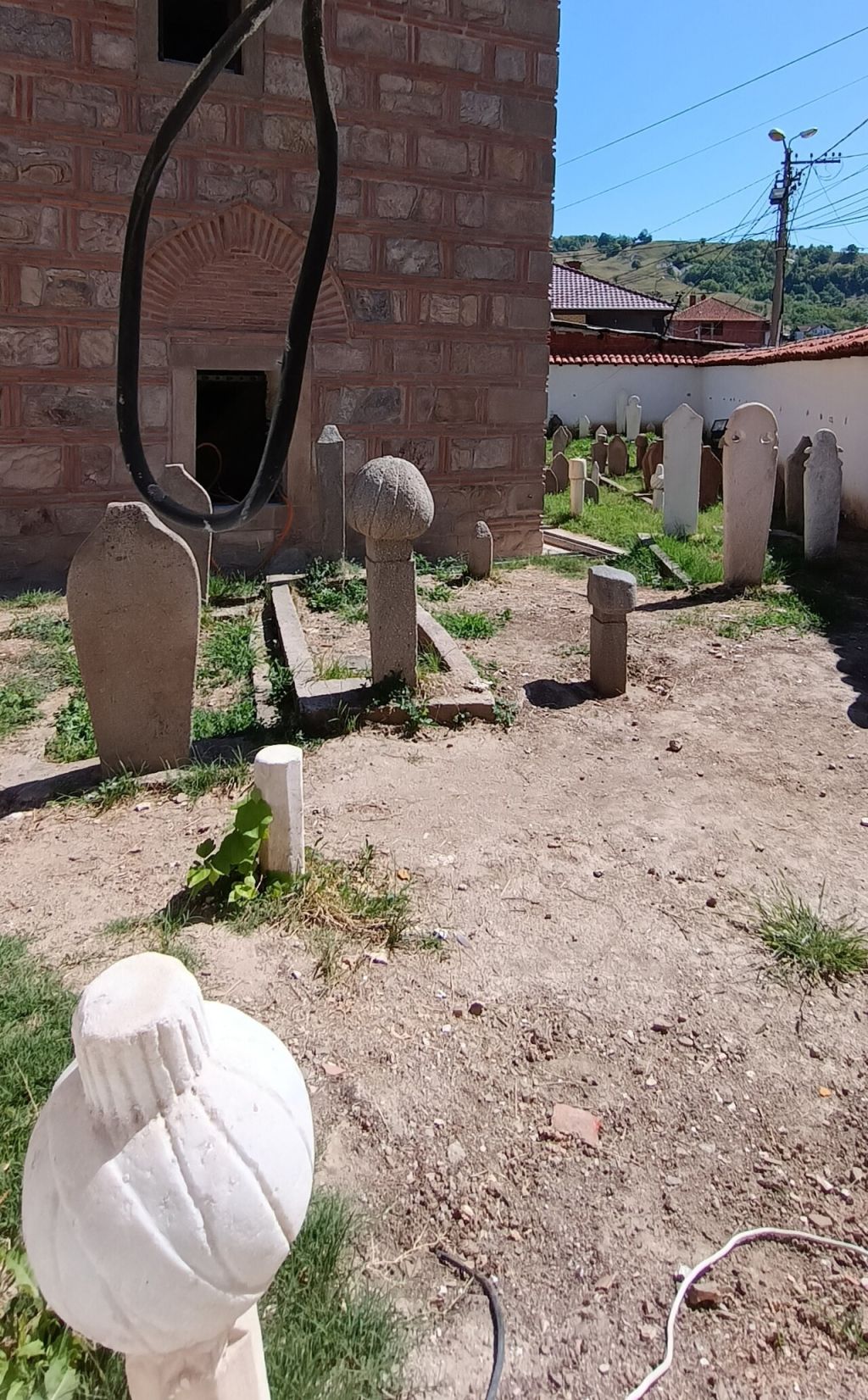
Altun-alem Mosque
One of the city’s finest Ottoman-era landmarks, this elegant 16th-century mosque stands out for its proportions and preservation. It is an essential stop for understanding Novi Pazar’s Islamic heritage.
Isa Bey Hammam
The remains of this 15th-century Turkish bath recall the urban sophistication of Ottoman Novi Pazar. Even in partial form, it helps visitors imagine the city as an important regional center.
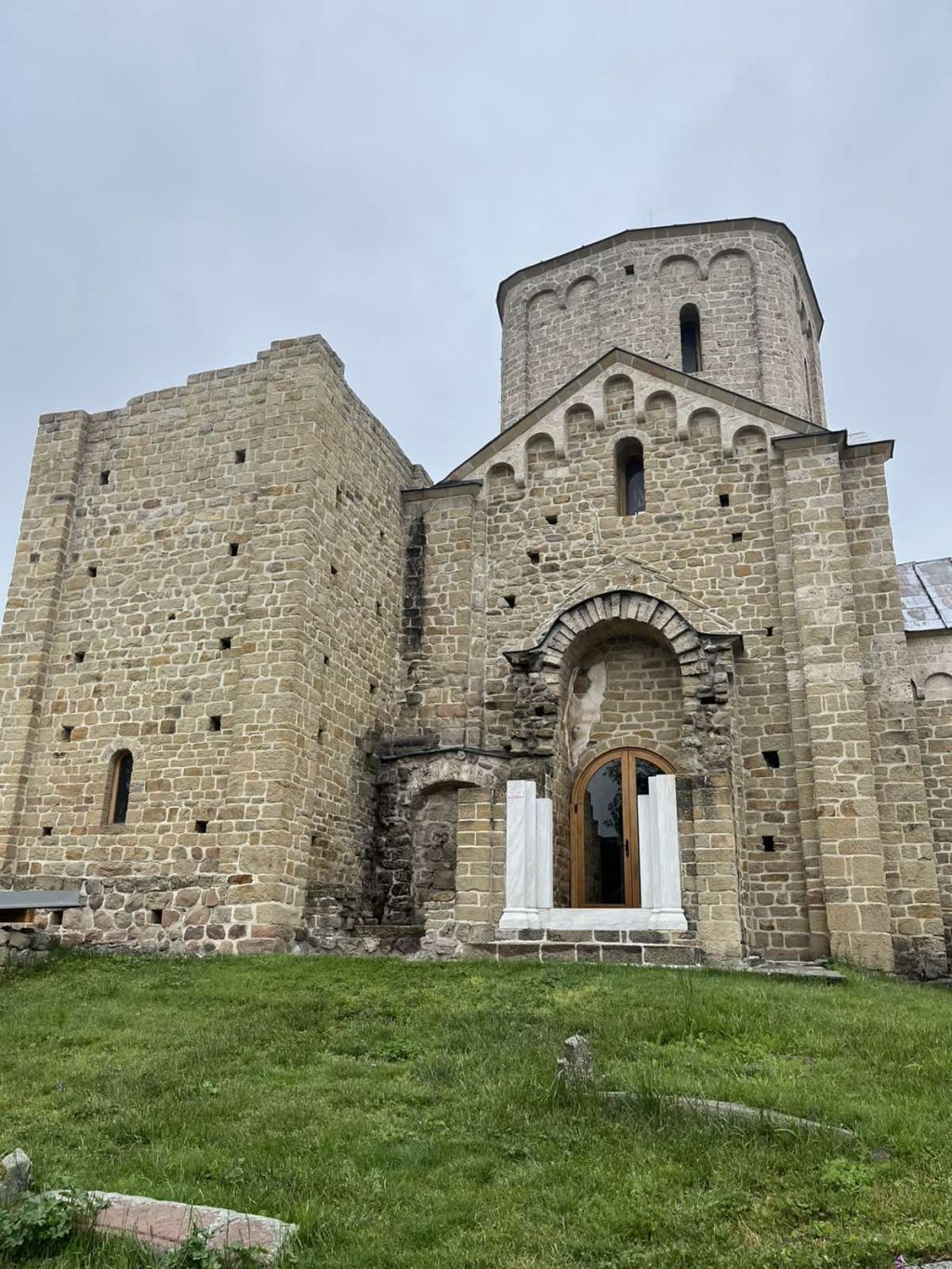
Đurđevi Stupovi Monastery
Set on a hill above the city, this 12th-century monastery offers both historical importance and broad views. It forms part of the UNESCO-listed Stari Ras and Sopoćani ensemble and is one of Serbia’s major medieval monuments.
Sopoćani Monastery
A short drive from the city, Sopoćani is celebrated for its remarkable frescoes, among the masterpieces of medieval European painting. Even travelers with limited interest in religious art often find this site unforgettable.
Church of the Holy Apostles Peter and Paul
Often called Peter’s Church, this is one of the oldest churches in the Balkans. Its architecture and surviving fresco fragments reveal centuries of rebuilding and spiritual continuity in the Raška heartland.
By car: Driving is the most practical option for reaching Novi Pazar and for visiting the surrounding monastery sites. The road from Belgrade via Kraljevo takes roughly 3.5 hours. By bus: Regular bus services connect Novi Pazar with Belgrade, Niš, Priština, and Sarajevo. The main bus station is near the city center. Getting around: The city center and bazaar area are best covered on foot. For the outlying sites — Sopoćani, Stari Ras, Đurđevi Stupovi — a car or taxi is necessary.
Use this map to orient yourself around the main sights and surrounding area.
Southwest Serbia, Raška area
May–October for city sightseeing; winter for nearby mountain trips
Old bazaar, Ottoman heritage, UNESCO medieval monuments, manti and ćevapi
Serbian dinar (RSD)
Serbian; Bosnian is also widely heard locally
Bustling, traditional, youthful and strongly food-focused
Golija Mountain, Pešter Plateau, Sjenica area
Yes, especially for travelers interested in layered history, religious heritage, regional food and destinations that feel culturally distinct within Serbia.
Two days is enough for the city and key nearby monuments. Stay three or four if you want to add Golija, Pešter, Sjenica or spa time.
It is known for its old bazaar atmosphere, Ottoman and medieval heritage, UNESCO-listed monuments nearby, strong coffee culture, ćevapi and manti.
Yes for the city itself, since buses connect it to major Serbian destinations and the center is walkable. A car is much more convenient for monasteries and nature trips.
May to October is the easiest and most versatile period, with comfortable conditions for sightseeing and excursions into the surrounding landscape.
Let Serbian Travel help you plan the perfect Serbia itinerary. We handle accommodation, transport, guided tours and local experiences.
Guided routes, walking tours, and experiences that help you make the most of a visit to Novi Pazar Travel Guide.
Isa-Beg-Hamam
Isa-Beg-Hamam in Novi Pazar Travel Guide.
Use Isa-Beg-Hamam as a short heritage stop in the center of Novi Pazar rather than as a timed museum visit. The verified practical facts are limited but useful: the address is 7. juli 24, tourism s...
Stari Ras and Sopoćani
Stari Ras and Sopoćani in Novi Pazar Travel Guide.
UNESCO status: World Heritage property focused on the medieval capital of Stari Ras and Sopoćani Monastery.Published visitor hours: usually 9:00 a.m.–5:00 p.m. for Sopoćani Monastery.Published ...
Sopoćani Monastery
Sopoćani Monastery in Novi Pazar Travel Guide.
Sopoćani is a practical half-day heritage stop from Novi Pazar for travelers interested in medieval Serbian art. Published visitor information confirms a usually posted 9:00 a.m.–5:00 p.m. sched...
Stay connected in Serbia