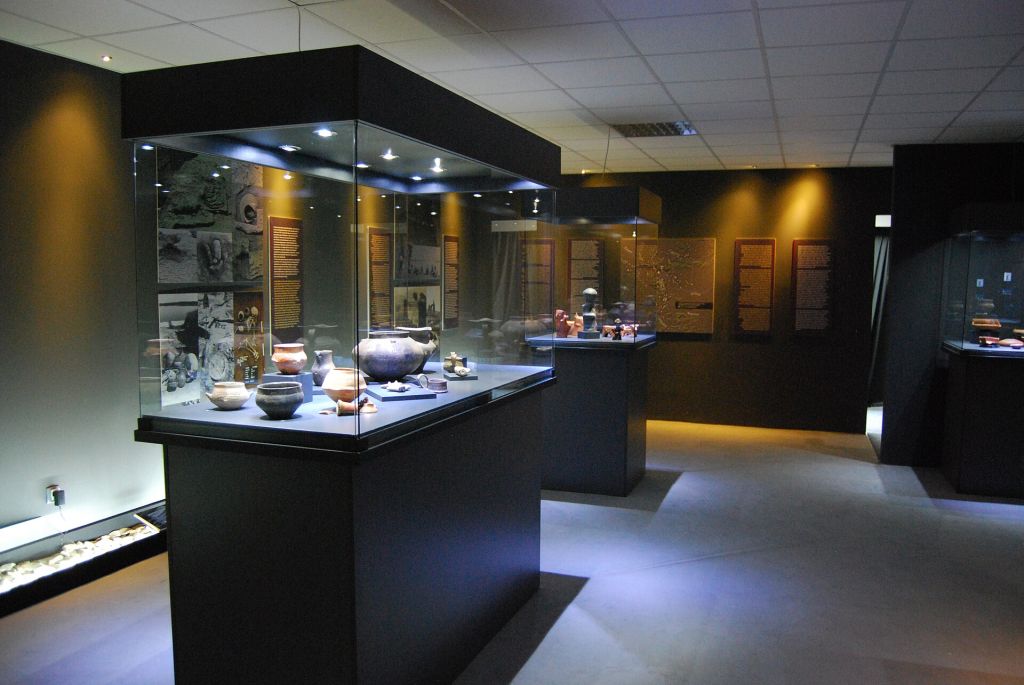
A prehistoric archaeological site near Belgrade

Vinča is a prehistoric archaeological site near Belgrade, best known as the place that gave its name to the Vinča culture. The settlement belongs to Serbia’s deep past and is often discussed as part of the wider Neolithic and Copper Age story of the Balkans.
For travelers, Vinča is less about a crowded sightseeing circuit and more about understanding why Belgrade is also a city of layers: modern streets nearby, and one of the region’s key prehistoric sites not far away. It works well as a half-day or low-key cultural stop combined with other Belgrade-area plans.
Use this page to understand what Vinča is, why it matters, and how it fits into a Belgrade trip.
Vinča is important because it connects present-day Belgrade with a much older human story. The site is associated with the prehistoric Vinča culture, a name that appears frequently in books and museum labels about Balkan prehistory. That alone makes it worth noting on a Serbia trip: the place is not just an archaeological point on a map, but a reference point for understanding how early communities lived along the Danube.
Visitors usually approach Vinča as an educational stop rather than an attraction with a long checklist of facilities. The value is in the context. If you have already explored the Ottoman, Habsburg, and 20th-century layers of Belgrade, Vinča adds an earlier chapter and helps explain why the city and its river corridor have mattered for so long.
For first-time travelers, it is also a useful reminder that Belgrade should not be treated only as a nightlife or fortress destination. The capital’s surroundings include places that speak to prehistory, settlement patterns, and the Danube as a corridor of life and exchange.
The simplest way to think about Vinča is as part of a broader Belgrade stay. Because it is outside the central sightseeing zone, it makes sense to plan it together with other southeastern or Danube-side activities rather than slotting it between tightly timed inner-city landmarks.
Practical travelers will usually want to keep the visit flexible. Check current transport options before you go, allow extra time for the approach, and avoid making the stop dependent on a same-day schedule with no margin. If you are using Belgrade as a base, Vinča fits naturally into an itinerary that also includes the Ada Ciganlija riverside area, the Dorćol district, or a broader day trip from Belgrade.
Because the site is archaeological in nature, the most rewarding visit style is slow and observant. Read what you can beforehand, then spend time on the ground thinking about the landscape, the Danube corridor, and the long continuity of settlement in this part of Serbia.
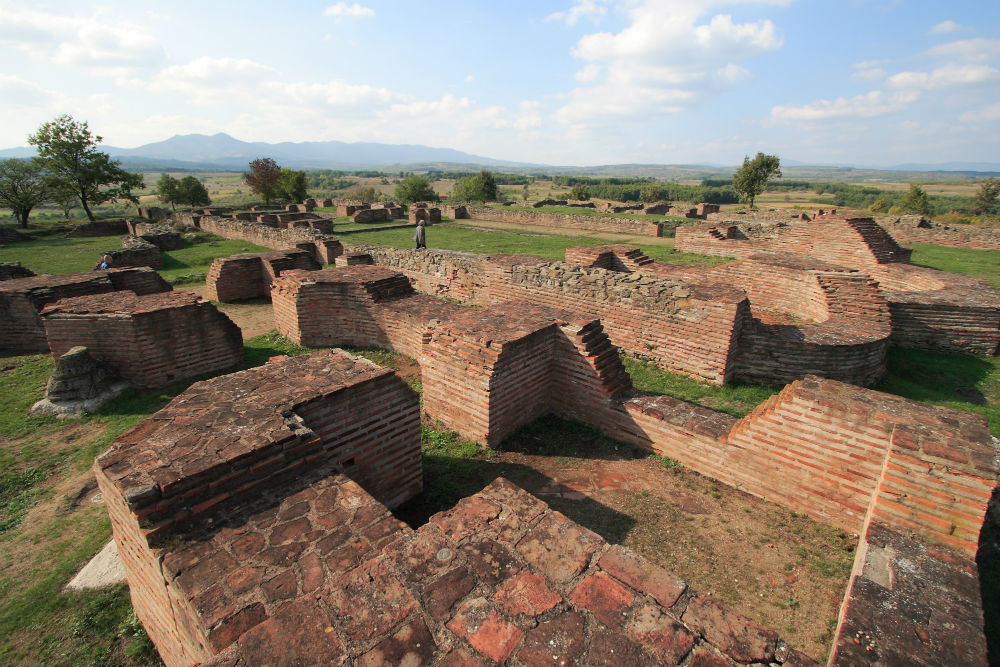
Excavated Brick Ruins
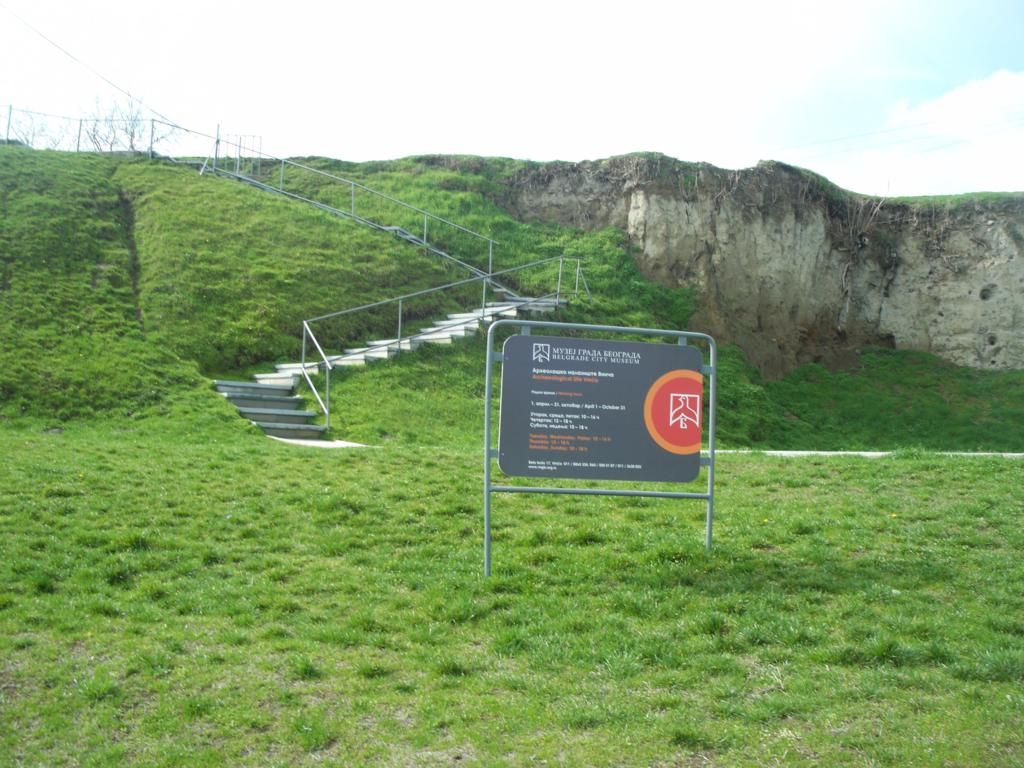
Brick foundations and low walls spread across the Vinča archaeological site near Belgrade under a wide rural sky
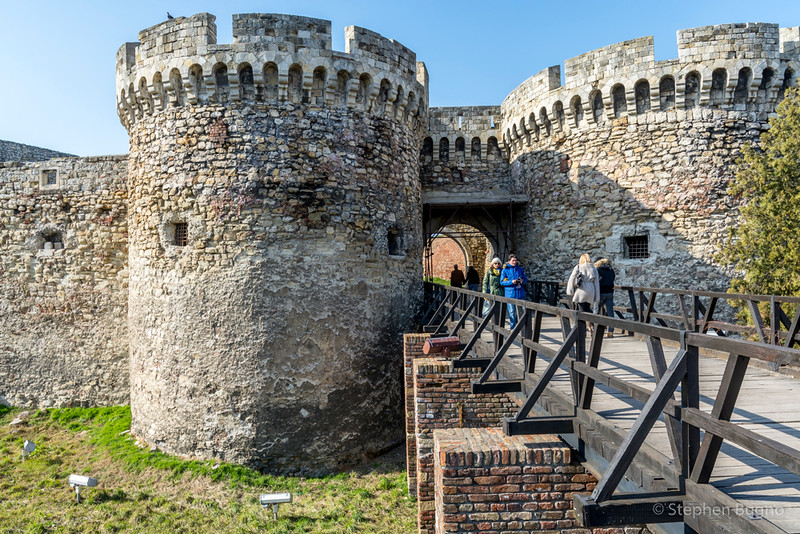
Stone Gate and Rampart
A wooden walkway leads to stone ramparts at the Vinča archaeological site near Belgrade
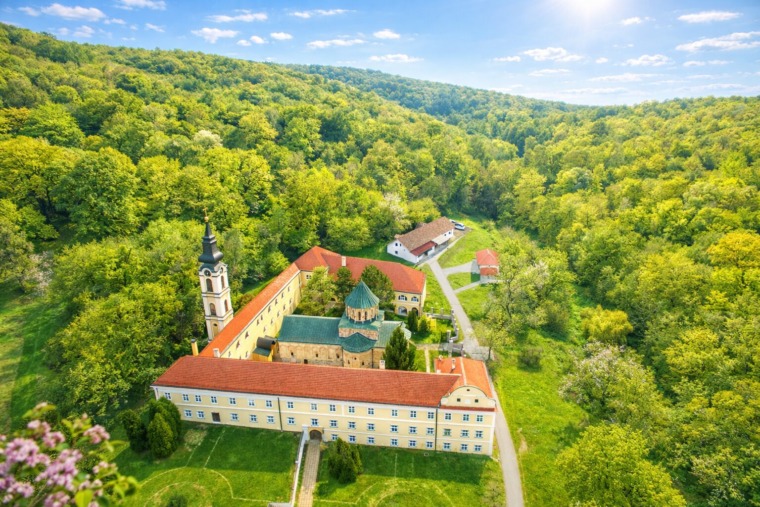
Monastery in Forest Valley
Aerial view of a monastery complex nestled among wooded hills in Vinča near Belgrade
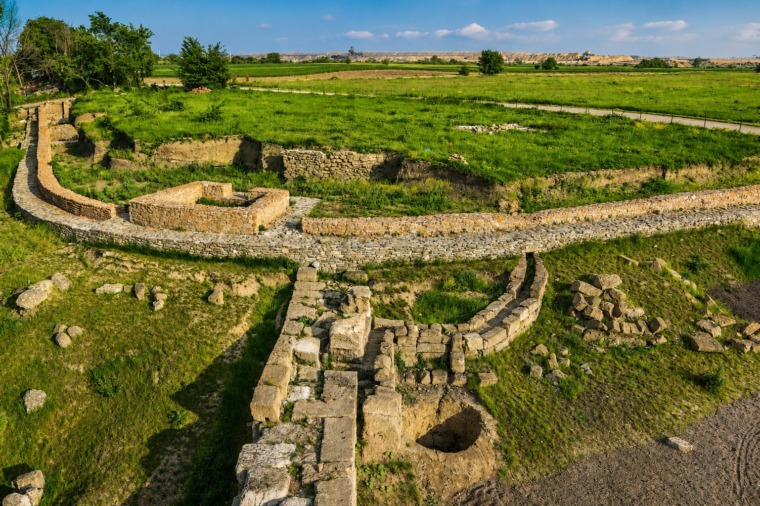
Stone Ruins and Walls
Curving stone foundations and grassy excavation areas spread across the Vinča Archaeological Site near Vinca
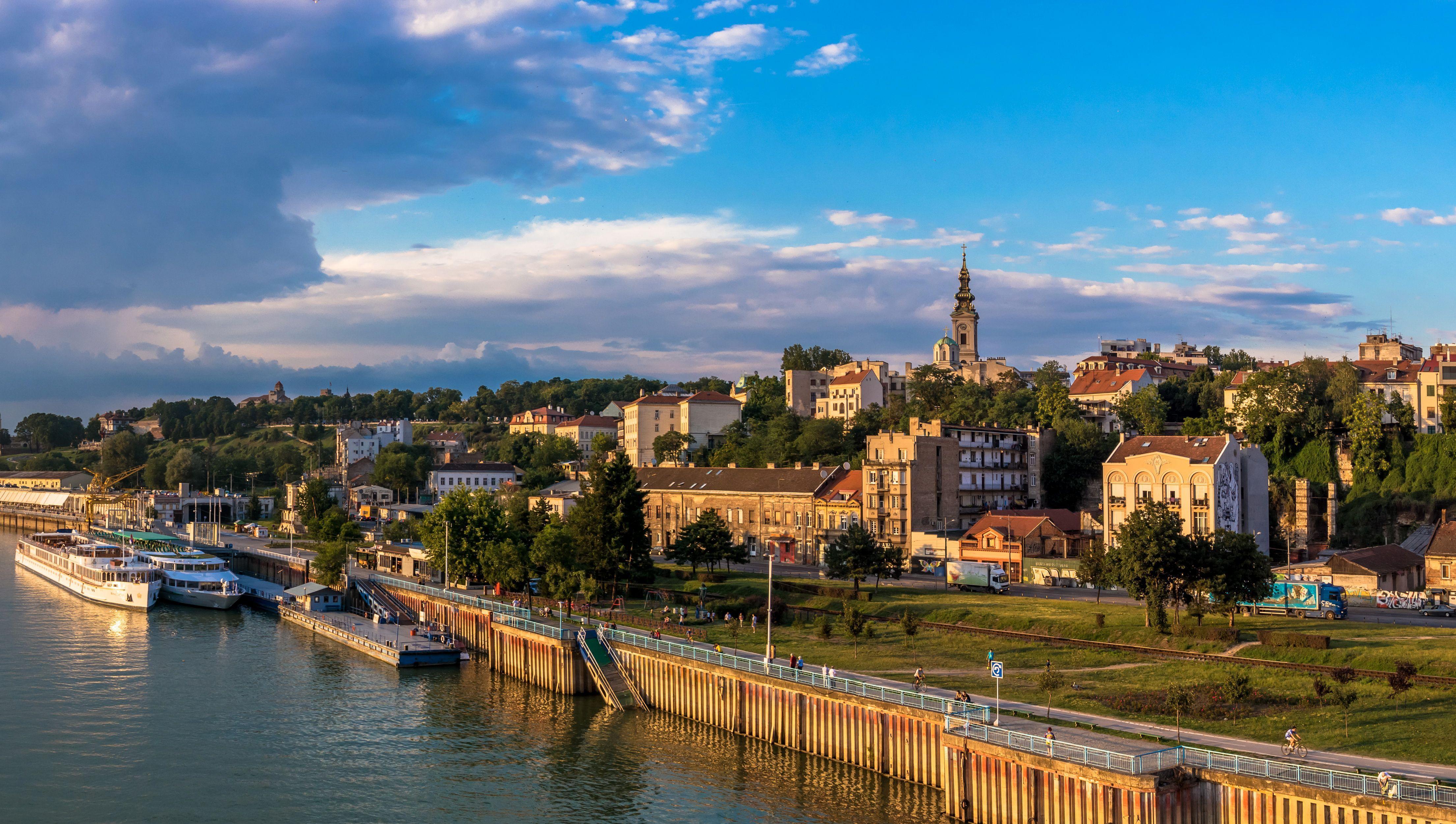
Riverfront Cityscape
Belgrade’s riverfront stretches along the water near Vinca, with boats, embankments, and hillside buildings under a broad sky
Belgrade is often introduced through its fortress, riverfronts, old neighborhoods, and modern districts, but Vinča shows that the area’s significance predates the city’s later historical layers by thousands of years. That makes it especially useful for travelers who want Serbia to feel deeper than a list of landmarks.
If you are building a thoughtful Belgrade itinerary, the contrast is part of the appeal. In one trip you can move from Stari Grad and Kalemegdan Fortress to a site associated with early human settlement on the Danube. The shift in time period is striking and helps explain why the capital is interesting even for travelers who are mainly looking for history.
Vinča also works well as a reminder to leave room in your itinerary for slower, more interpretive stops. Not every place in Serbia needs to be approached as a busy attraction. Some, like Vinča, are most valuable when you allow time to understand their role in the landscape and in the country’s historical narrative.
Vinča is about prehistory, not entertainment programming. Visitors come for the site’s historical significance and for the chance to connect Belgrade with a much older settlement story.
Compared with central Belgrade attractions, the mood is quieter and more reflective. It suits travelers who prefer context, landscape, and history over a dense sightseeing crowd.
Use this map to orient yourself to Vinča and the southeast edge of the Belgrade area.
These nearby or contextually connected stops help turn Vinča into a fuller Belgrade-area day.
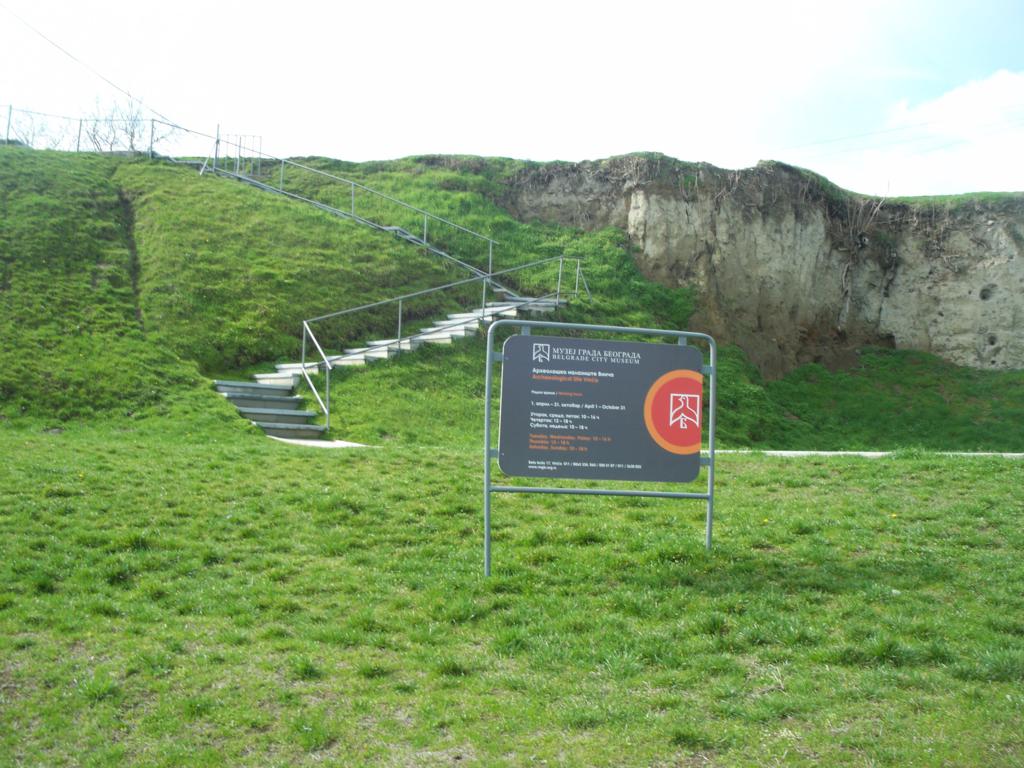
Vinča-Belo Brdo Archaeological Site
The key historic site associated with the Vinča culture.
This is the central reason to visit the area. Focus on the archaeological story, the Danube setting, and the importance of the site for Southeast European prehistory.
Belgrade Travel Guide
Use the capital as your base for the trip.
Belgrade is the easiest starting point for planning a Vinča visit, especially if you want to combine it with city sightseeing, river walks, or museum time.
Day Trips from Belgrade
A practical page for building a wider route.
If Vinča is part of a bigger itinerary, this is the best place to look for day-trip thinking and route planning from the capital.
A prehistoric archaeological site near Belgrade
It gave its name to the Vinča culture
Travelers interested in archaeology and early Balkan history
Quiet cultural stop rather than a full sightseeing district
A Belgrade city day or a Danube-focused excursion
Belgrade Travel Guide
Before you go, confirm how you will reach the site and how much time you want to spend there. Vinča is best treated as a flexible half-day cultural stop, not as a tightly timed checkpoint.
If you are traveling without a car, build in extra margin for getting there and returning to central Belgrade. If you are driving, use the visit to slow the pace of your itinerary and combine it with a river-side or city-center meal back in Belgrade.
Vinča is a prehistoric archaeological site near Belgrade and the namesake of the Vinča culture.
Most visitors come for archaeology, early Balkan history, and a deeper understanding of the Danube corridor around Belgrade.
Usually not. It is better planned as part of a half-day or a broader Belgrade-area itinerary.
It pairs well with central Belgrade sightseeing, riverside time, museum visits, or a separate day-trip plan from the capital.
Yes, a little background helps. Vinča is most rewarding when you understand why it matters in prehistoric studies.
Use Vinča to add a prehistoric chapter to your Serbia itinerary, then continue with Belgrade’s riverfronts, neighborhoods, and museums.
Stay connected in Serbia