Summary
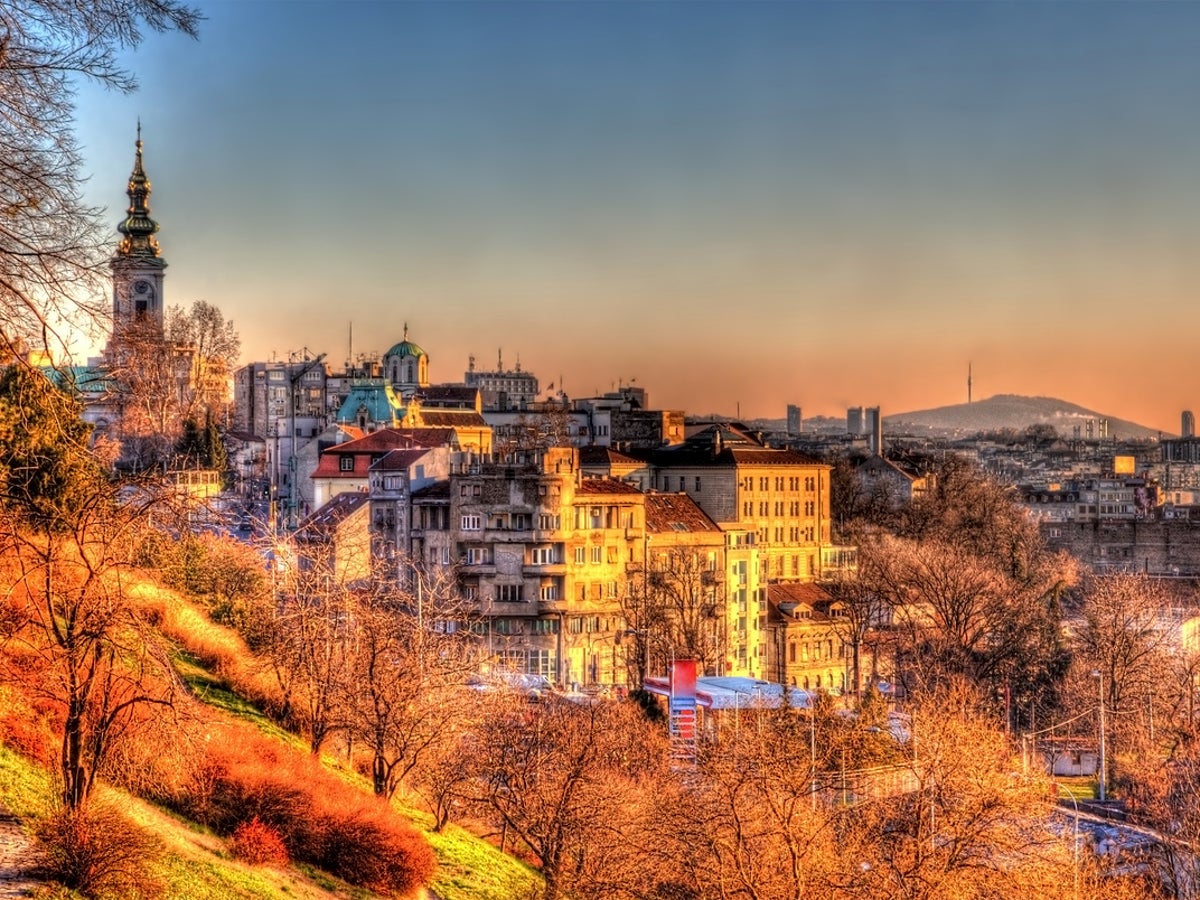
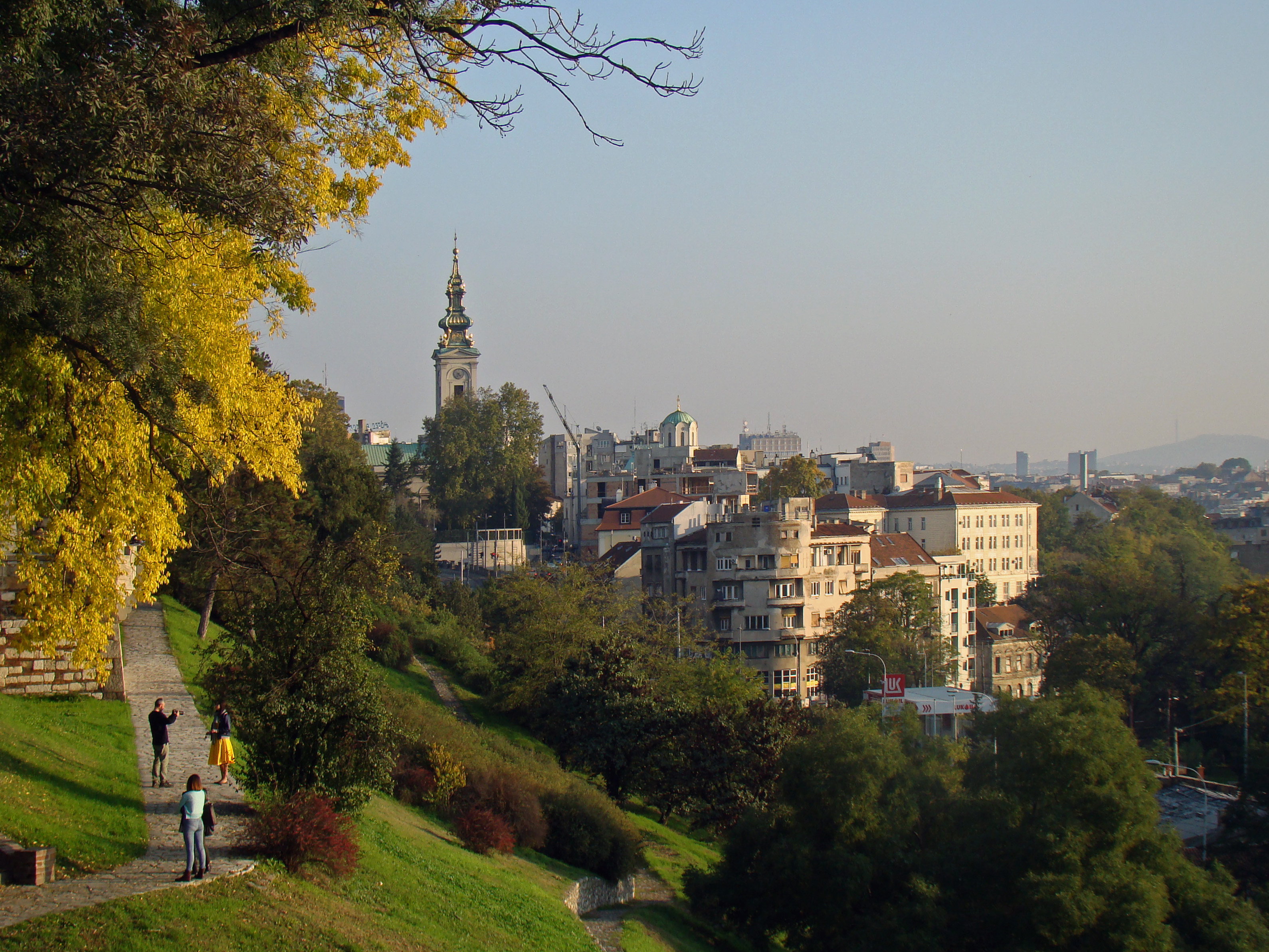
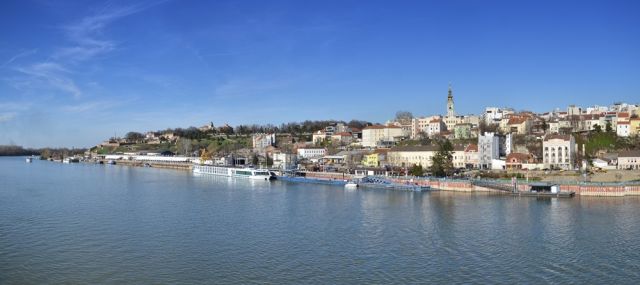
Stari Grad is the historic center of Belgrade and one of the best areas for a first visit because many of the city’s well-known sights are close together. It brings together Kalemegdan Fortress, the pedestrian zone around Knez Mihailova, the older streets of Kosančićev Venac, and the bohemian atmosphere of Skadarlija. The area is useful for slow walking, museum stops, café breaks, and easy connections to the rest of central Belgrade.
This page focuses on how Stari Grad fits into a Belgrade trip, what to see, and how to plan a short walk through the area without rushing between landmarks.
Quick facts
Historic city center
Walking, sightseeing, cafés, first-time visitors
Belgrade Fortress, Skadarlija, Knez Mihailova
Half-day or full-day city walk
<a href="/belgrade">Belgrade Travel Guide</a>
Old town streets, river views, museums, and dining
What Stari Grad is like
Stari Grad is the part of Belgrade that many travelers picture when they think of the city’s older core. It is not a single attraction but a compact urban area made up of layers of history, civic life, and everyday movement. Because several of Belgrade’s most visited streets and squares are here, the district works well as a base for people who want to explore on foot.
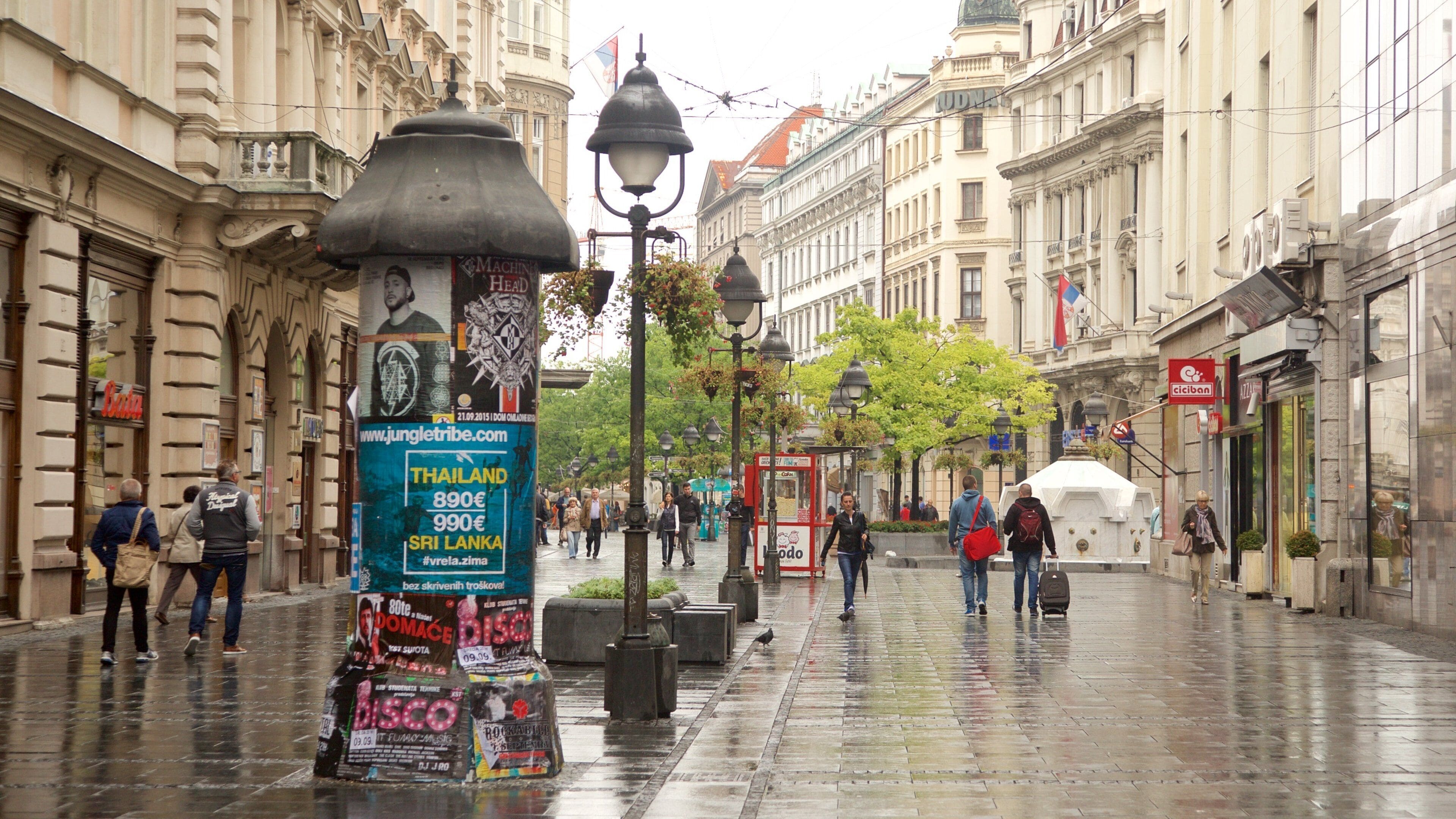
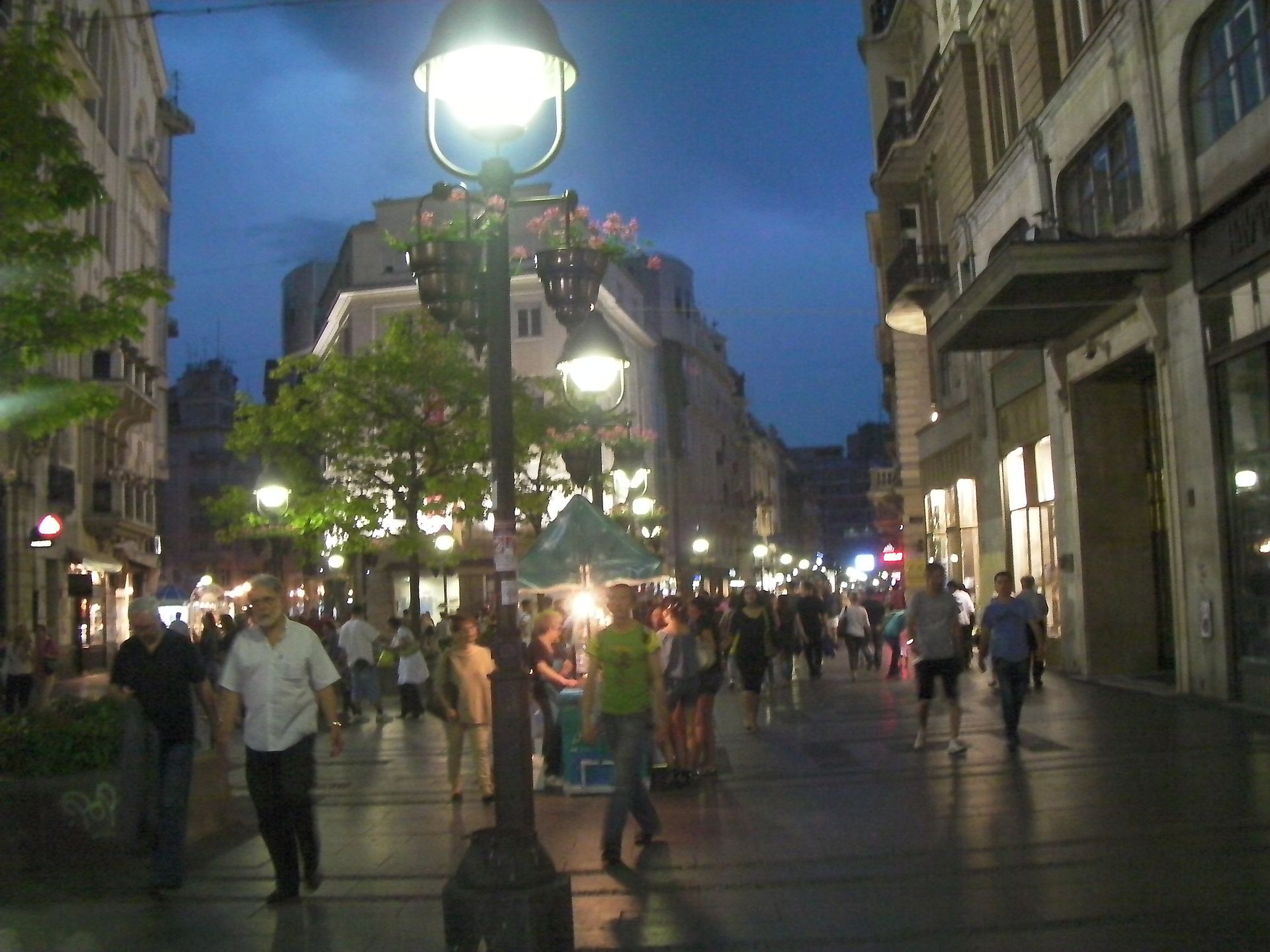
The mood changes from street to street. Around Knez Mihailova, the pace is busy and retail-focused. In Kalemegdan, the atmosphere becomes more open and landscape-driven, with fortress walls, paths, and river views. Kosančićev Venac is quieter and feels more residential and historic. Skadarlija adds a dining and nightlife layer, especially in the evening. That variety is part of what makes Stari Grad useful for a short stay.
If you are building an itinerary, it helps to treat Stari Grad as a walkable cluster rather than a checklist. You can combine major sights with café stops and short detours, then continue toward other parts of central Belgrade. For broader planning, start with the Belgrade city guide and the practical Serbia Travel Tips page.
How to experience Stari Grad on foot
The easiest way to understand Stari Grad is to walk it in stages. Start with Kalemegdan and the fortress edges, then move into the pedestrian streets that lead toward the center. From there, continue into Kosančićev Venac for a sense of older Belgrade streets and viewpoints, and finish in Skadarlija if you want a meal or an evening stop.
For travelers who prefer structure, a simple walking approach is usually enough. One route can focus on fortress and river views. Another can focus on the street life and cafés around Knez Mihailova. A third can connect cultural stops such as museums and gallery spaces with older neighborhoods. You do not need a car inside the center, and public transport is more useful for arriving from elsewhere in the city than for moving between these landmarks.
Because the district is compact but lively, comfortable shoes matter more than strict planning. Belgrade’s central hills, steps, and uneven pavements can make short distances feel longer than they look on the map. If you want a deeper historical context, the page on Narben einer Stadt in Belgrade offers another way to read the city’s center through memory and urban change.
Key places in and around Stari Grad
These are the most useful stops for a first walk through Belgrade’s historic center. They are also the easiest places to combine into one itinerary.
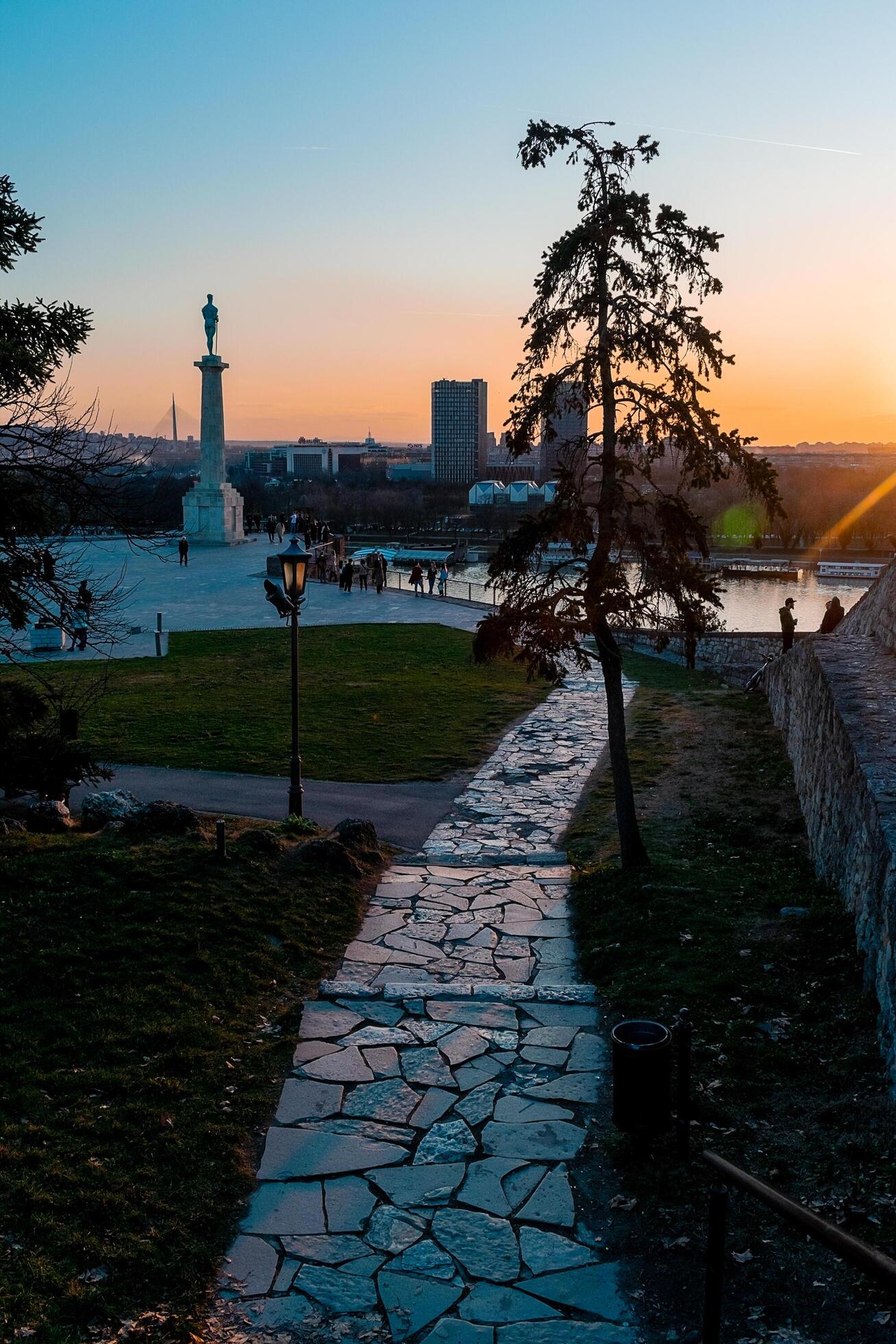
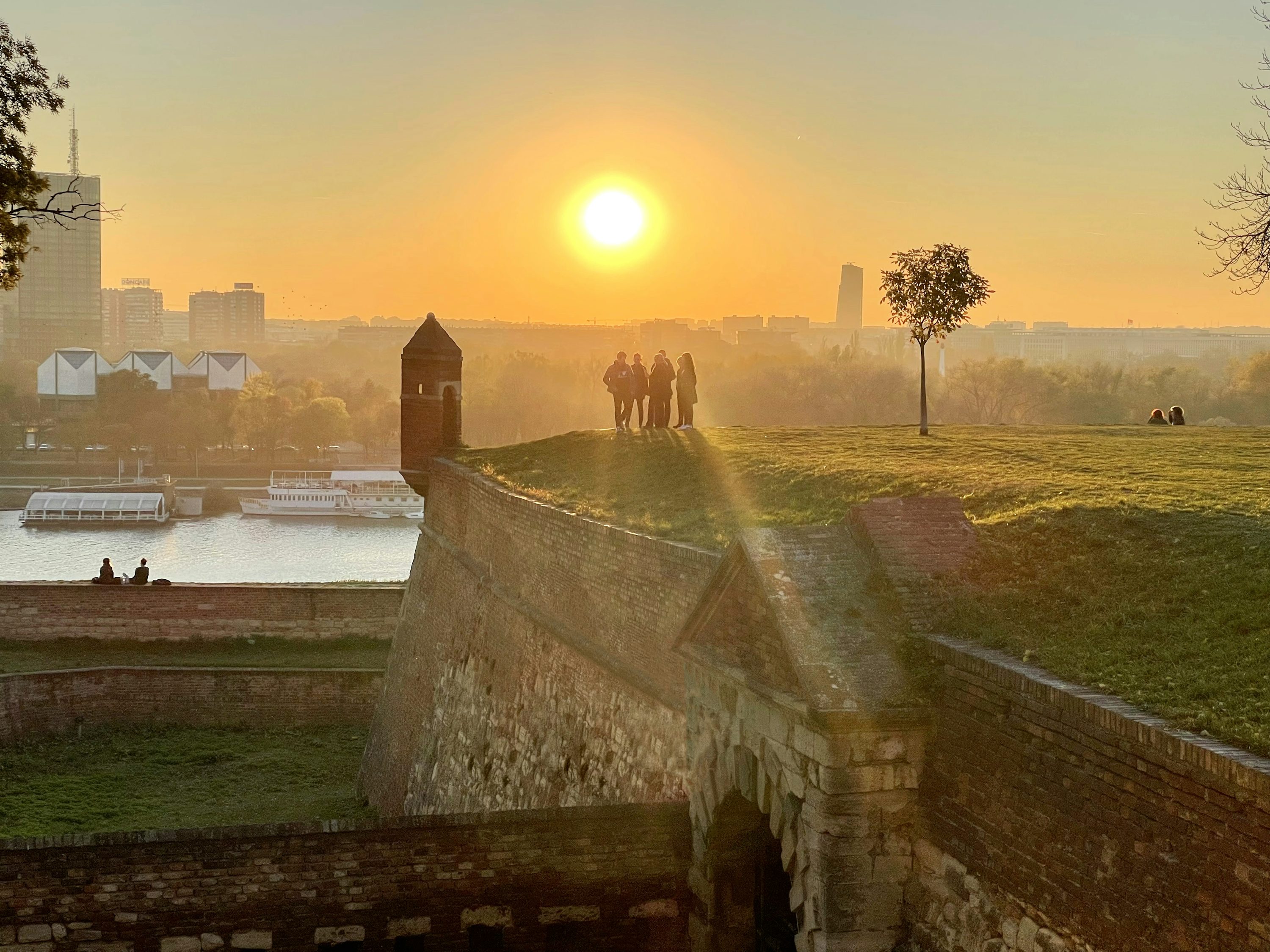
Kalemegdan Fortress
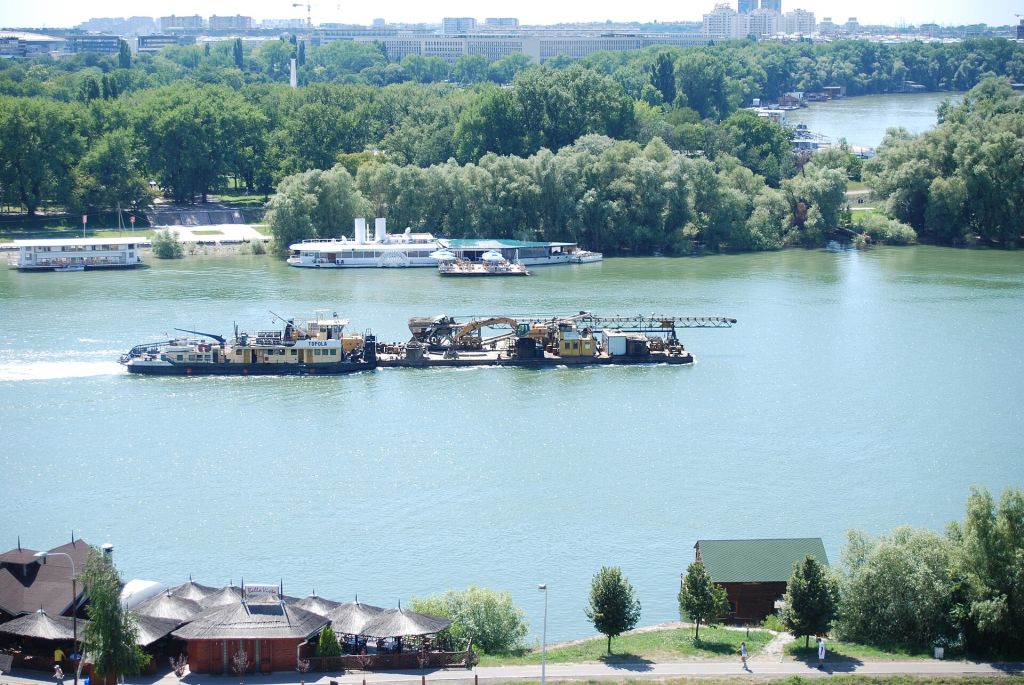
Belgrade’s best-known historic complex, with walls, parks, and broad views over the rivers.
Use Kalemegdan as the anchor for your Stari Grad visit. It is the most useful place to understand how the old defensive landscape connects to the modern city center.
- Fortress grounds, River views, Park setting
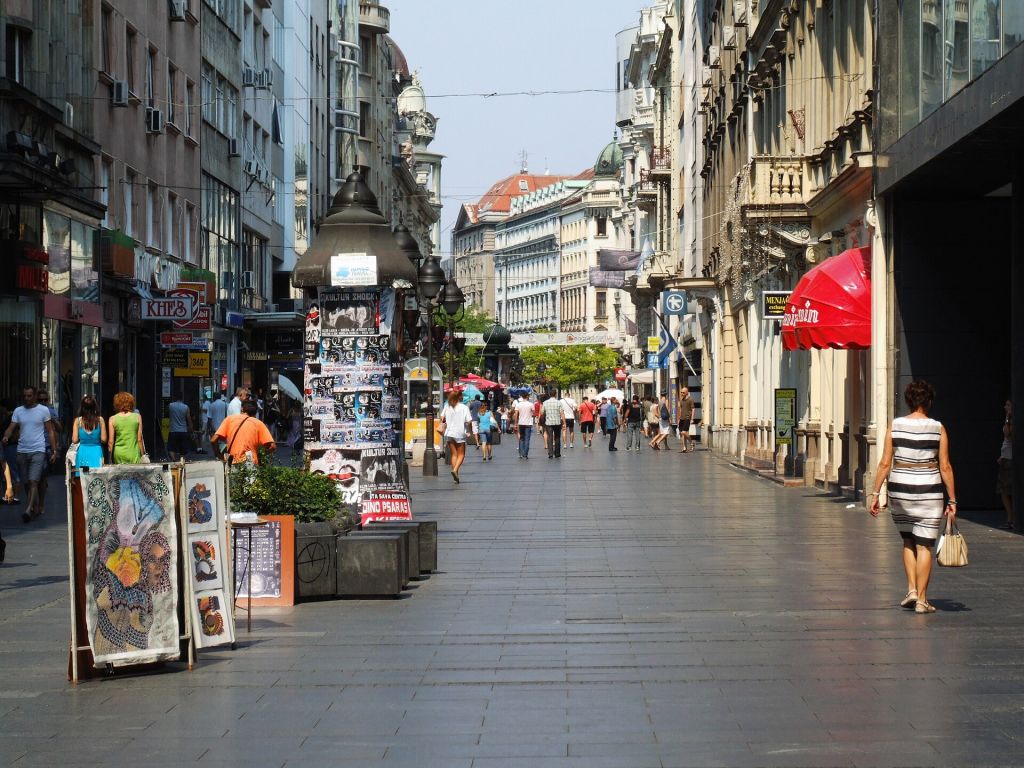
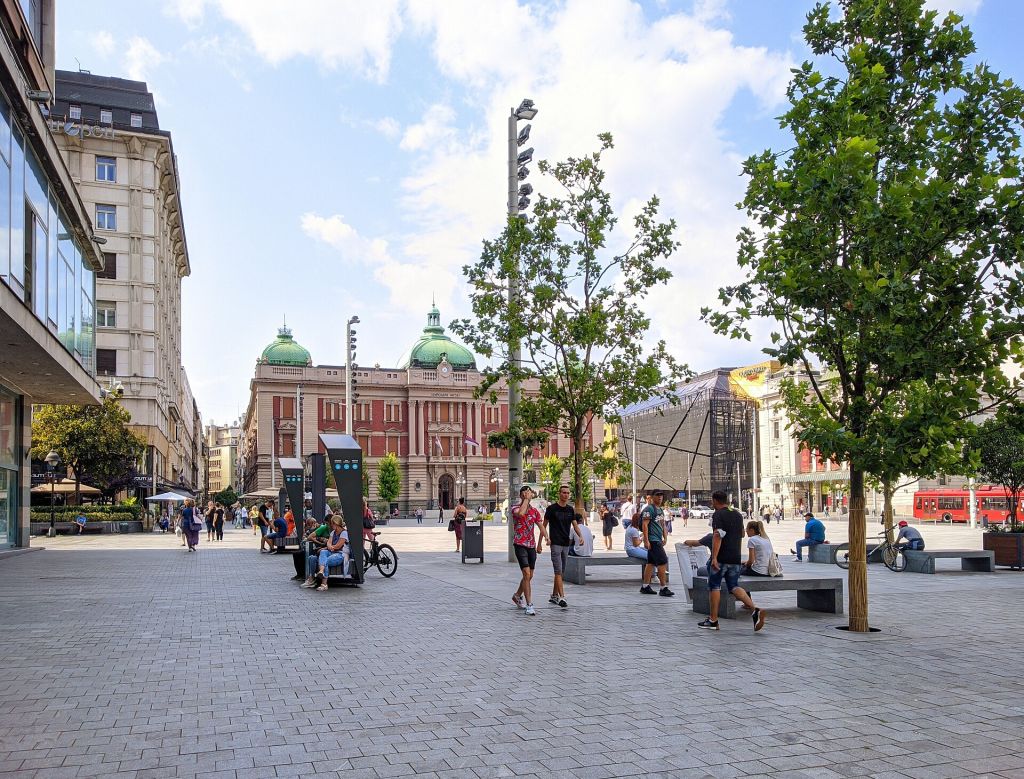
Knez Mihailova Street
A central pedestrian street with shops, cafés, and constant foot traffic.
This is the clearest place to see the city’s everyday center at work. It connects naturally with nearby monuments and museum stops.
- Pedestrian zone, Shopping and cafés, Easy orientation point
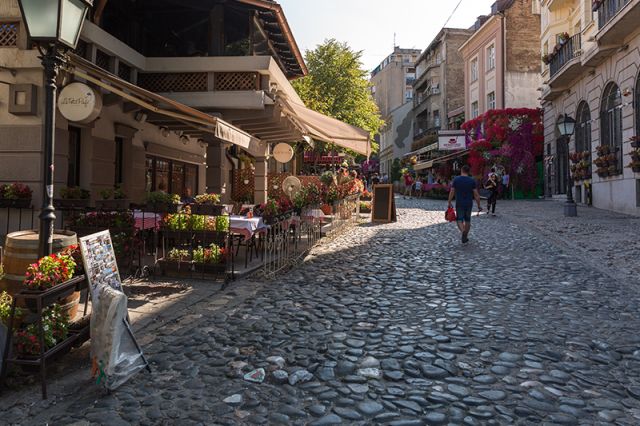
Skadarlija Bohemian Quarter
A historic dining and evening area with a strong old-Belgrade identity.
Skadarlija works best when you want a meal, an evening walk, or a more atmospheric finish to a day in the center.
- Kafanas, Evening atmosphere, Historic character
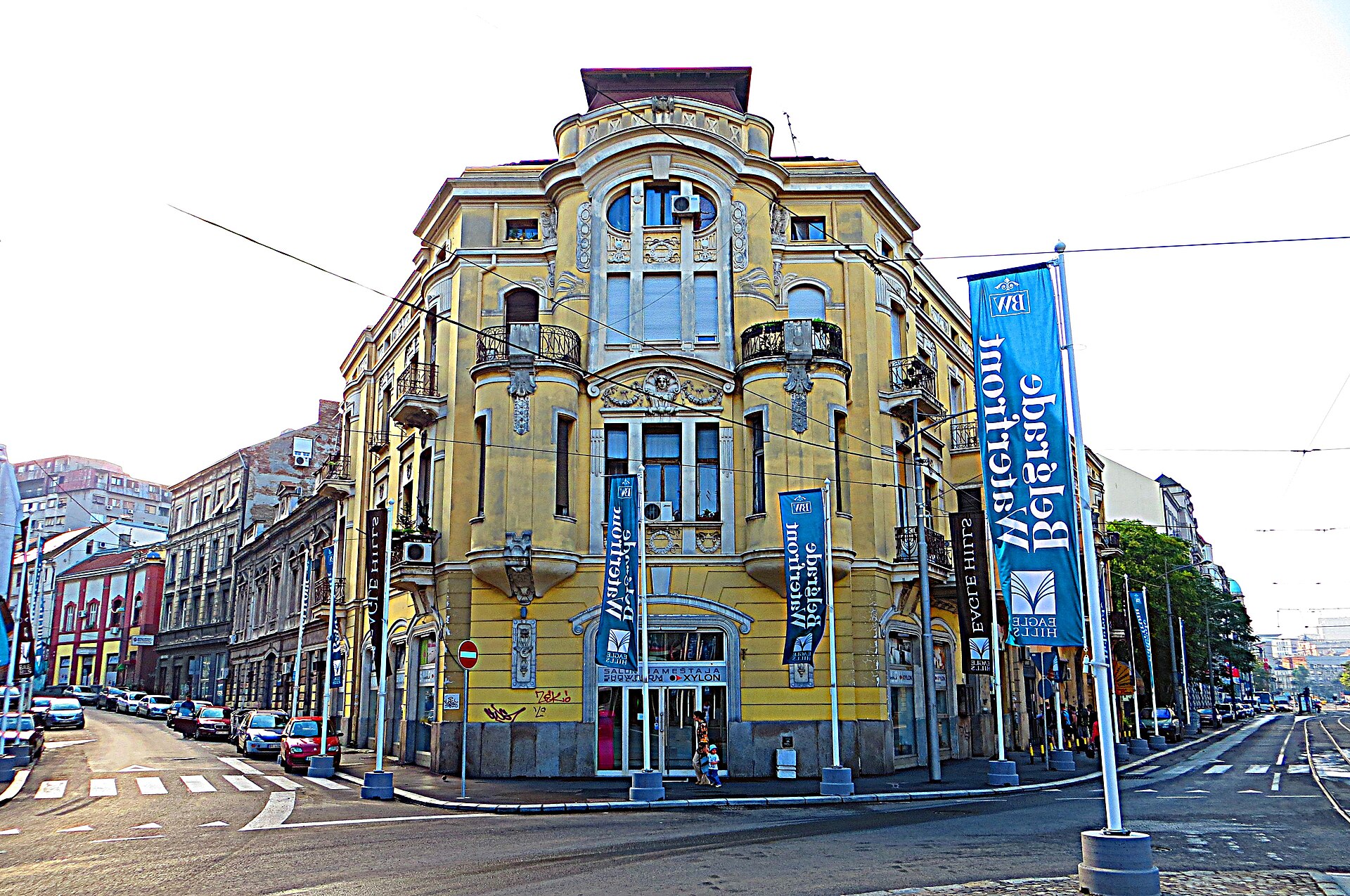
Kosančićev Venac
An older district with a quieter feel and a strong sense of historic layers.
This area is good for slower wandering and for seeing a more residential side of the old center.
- Historic streets, Quieter walk, Old urban texture
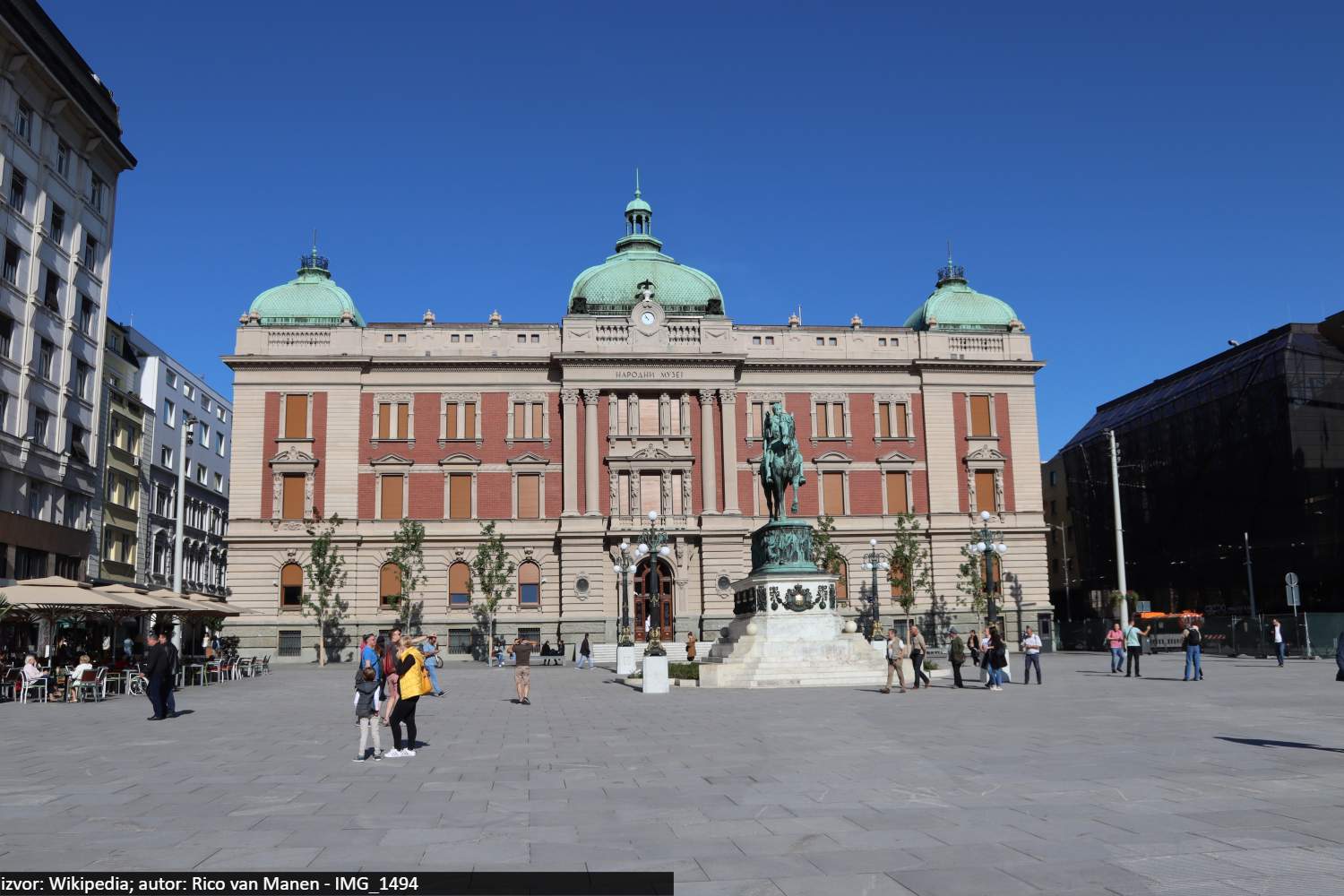
Republic Square
A central meeting point for city-center movement and onward walking.
Useful as a practical starting point when you are orienting yourself in central Belgrade and connecting the old town with nearby streets and attractions.
- Orientation point, Transit access, Central city life
Why Stari Grad matters in a Belgrade trip
For international visitors, Stari Grad is often the most efficient way to spend limited time in Belgrade because the district helps you connect the city’s major themes in one place. You can see the defensive history of Kalemegdan, the civic and commercial side of the center, and the cultural and social atmosphere of the older streets without making long transfers between neighborhoods.
It also works well as an introduction to the city’s contrasts. The area sits between formal landmarks and informal street life, between tourist routes and local routines. That balance makes it useful not only for sightseeing, but also for understanding how Belgrade feels in practice. You can sit at a café, browse bookshops or small stores, enter a museum, and then continue toward a fortress viewpoint in a single walk.
If your trip also includes other parts of the city, use Stari Grad as the reference point and branch outward. From here it is natural to continue to Zemun for a different riverside character or to compare Belgrade’s old center with the city’s broader urban story in the main Belgrade Travel Guide.

Practical planning notes
Stari Grad is walkable year-round, but the most comfortable experience usually comes during mild weather. For a sightseeing day, start earlier so you can move through the center before it gets crowded.
Allow at least half a day for the main highlights. If you want cafés, museums, and a slower lunch or dinner stop, a full day is more realistic.
Frequently asked questions
Is Stari Grad the same as Belgrade Old Town?
Stari Grad is Belgrade’s historic center, and travelers often use it as the old town area because it includes many of the city’s most established streets, landmarks, and walking routes.
Can I visit Stari Grad without a car?
Yes. Stari Grad is one of the easiest parts of Belgrade to explore on foot, and it is also simple to reach by public transport before continuing on foot.
What should I combine with Stari Grad on a short trip?
For a first visit, combine it with Kalemegdan, Knez Mihailova, Skadarlija, and the main Belgrade city guide. If you have more time, add another central district such as Zemun for contrast.
Is Stari Grad good for an evening plan?
Yes. Skadarlija and the surrounding center work well for dinner or an evening walk after a day of sightseeing, while other parts of Stari Grad are more focused on daytime exploring.
Plan the rest of your Belgrade stay
Use Stari Grad as your starting point, then continue into nearby neighborhoods, riverfront areas, and practical trip-planning pages across Serbian Travel.