
Belgrade district guide

Vračar, Belgrade

A compact central district known for the Cathedral of Saint Sava and the creative atmosphere around Strogi Centar. Use this guide to understand what Vračar is good for, how it connects to the rest of Belgrade, and how to fit it into a short city stay.

Why Vračar matters for visitors

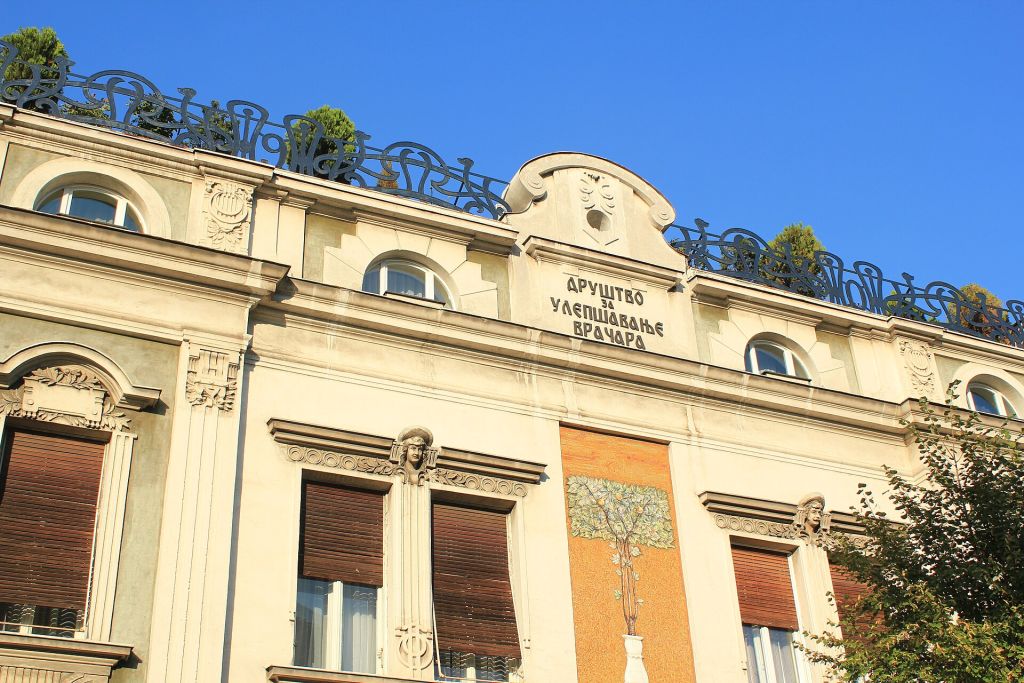
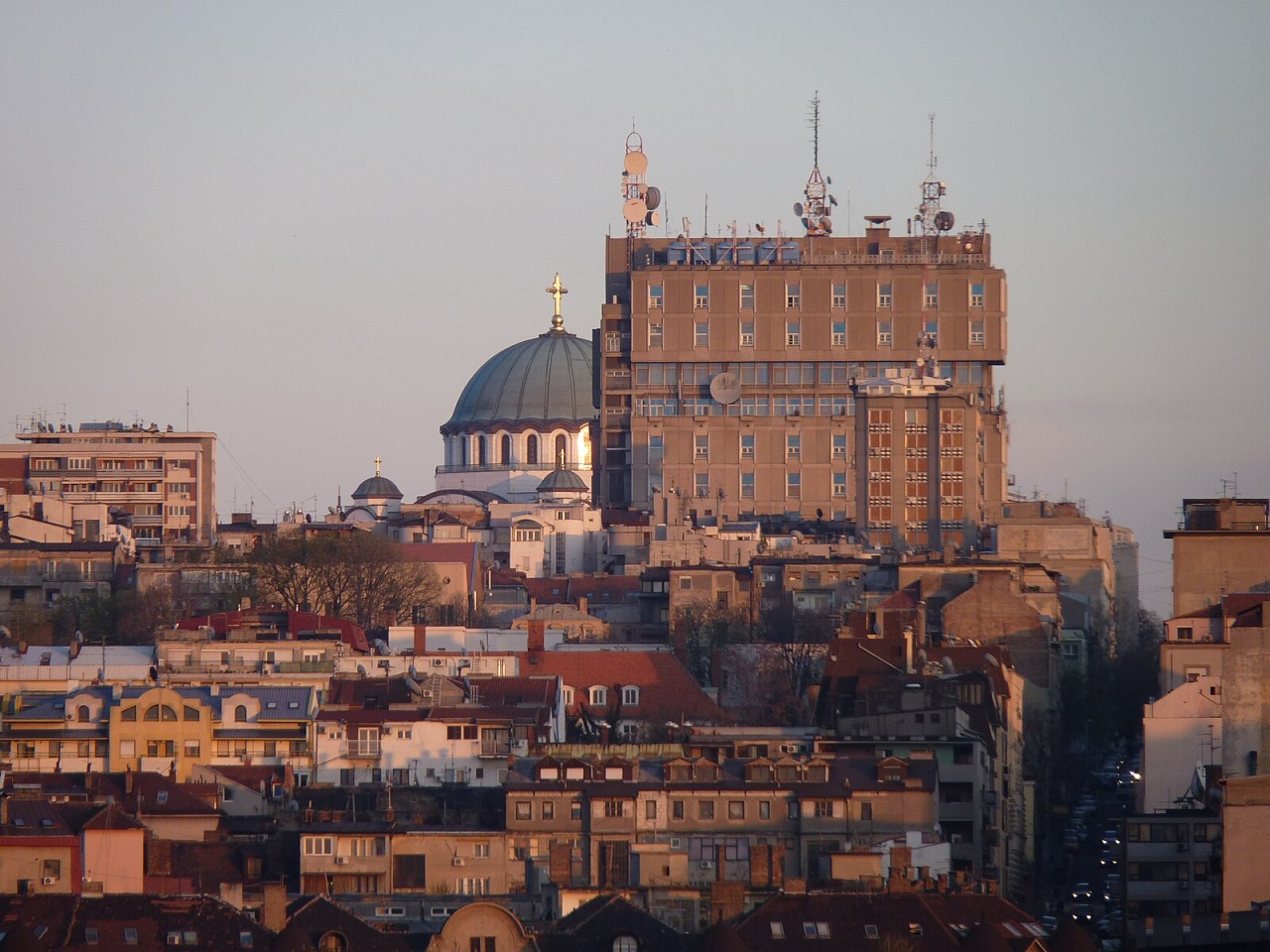
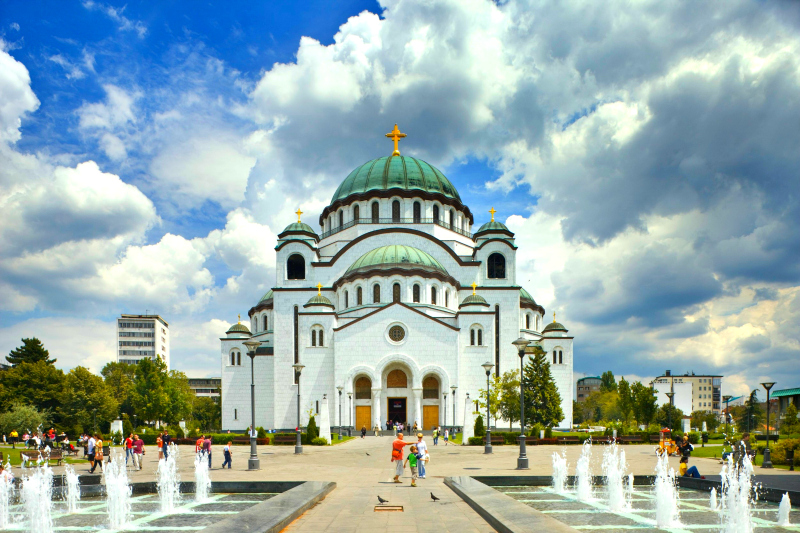
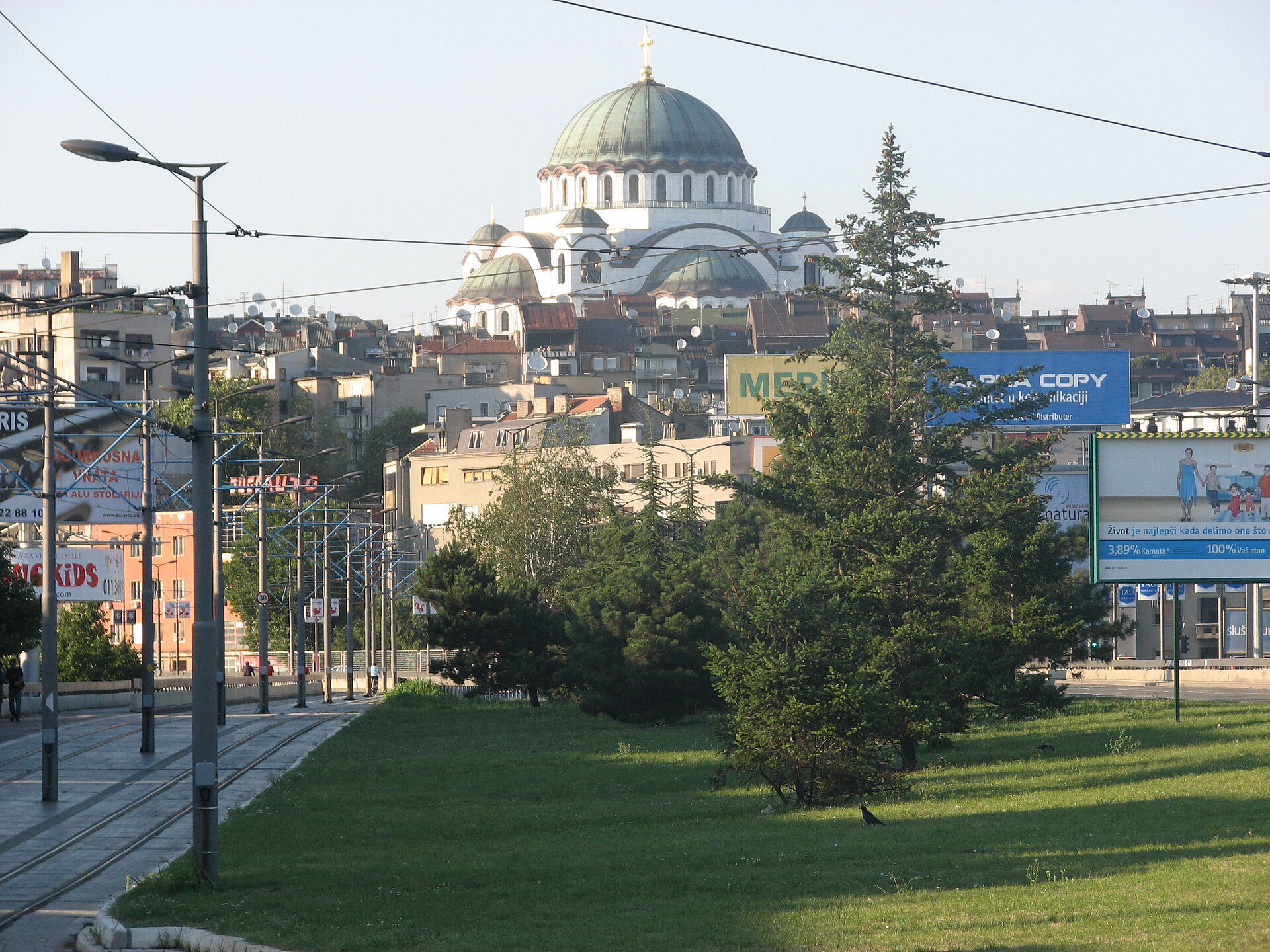
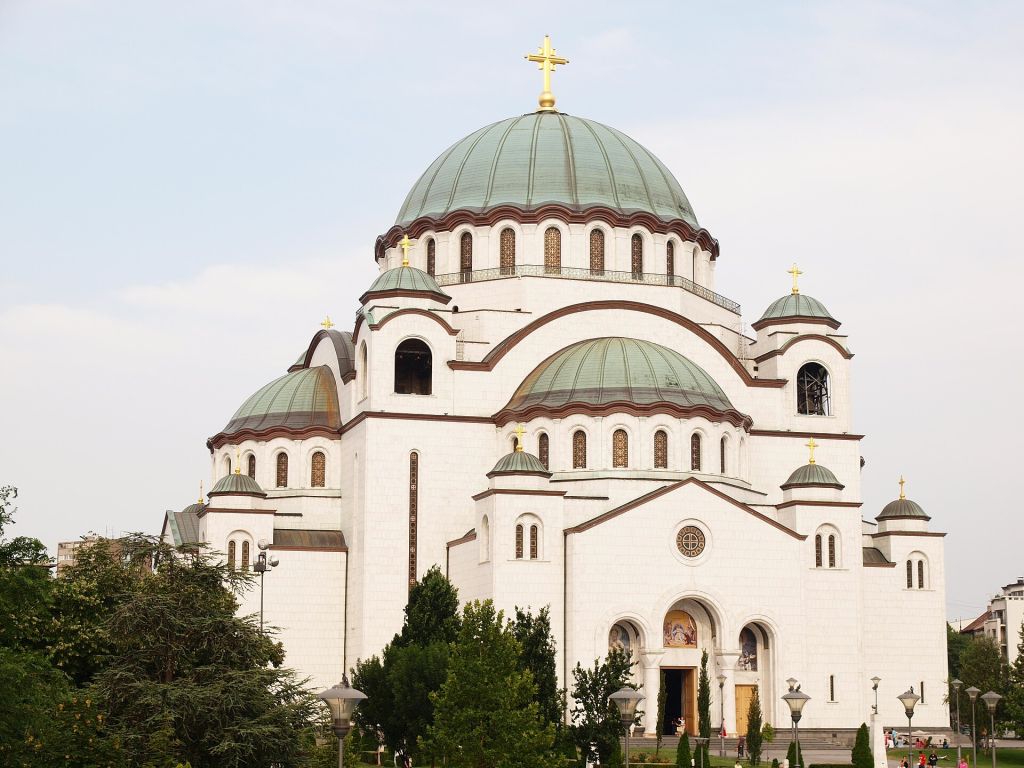
Vračar is one of the most recognizable parts of Belgrade for first-time visitors because it combines a major landmark, the Cathedral of Saint Sava, with a more local, creative feel in the surrounding streets. It works well as a stop for sightseeing, a slow walk, coffee, and a broader look at central Belgrade life.

If you are building a Belgrade itinerary, Vračar fits naturally alongside the city center, Knez Mihailova, Kalemegdan, and other central districts covered in the main Belgrade Travel Guide.

What Vračar is like

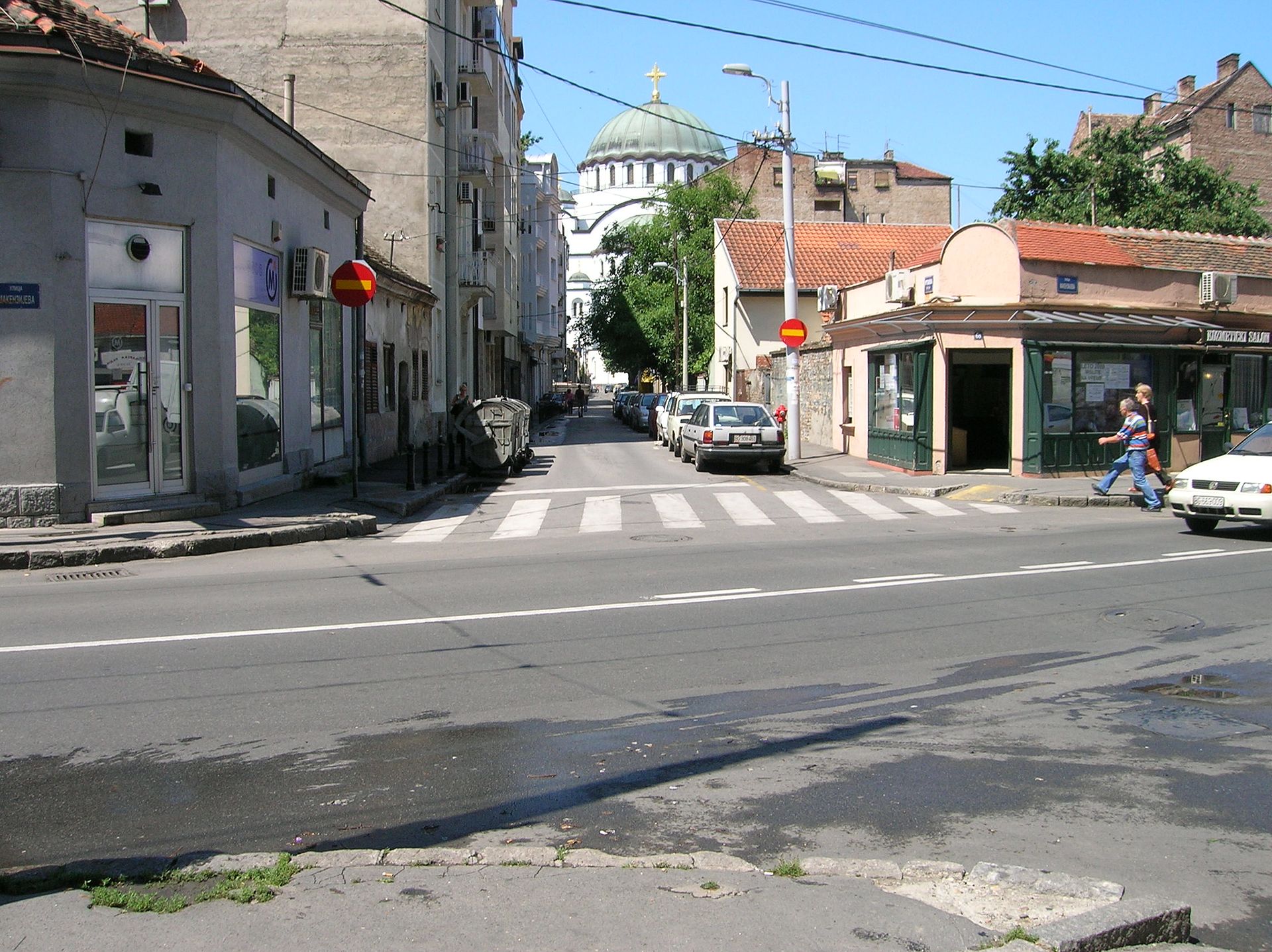
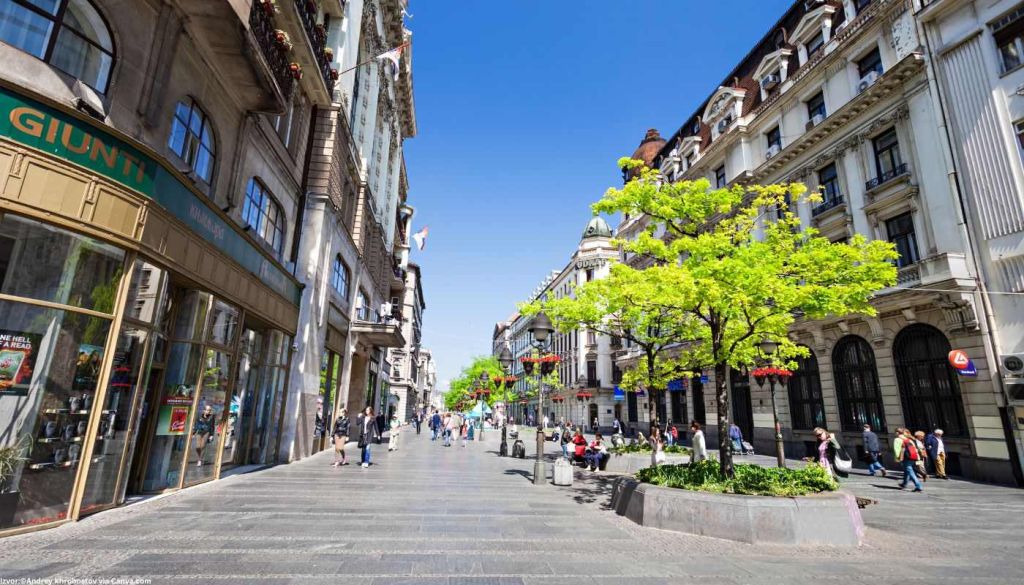
Vračar is a useful district to understand early in a Belgrade trip because it gives you two sides of the city at once. On one side is the well-known landmark landscape around the Cathedral of Saint Sava. On the other is a more everyday urban rhythm, with streets that are better suited to wandering than rushing from attraction to attraction.

For travelers, the district is less about ticking off a long list of sights and more about seeing how central Belgrade feels when you move beyond the most famous postcard views. That makes it a sensible stop for visitors who prefer short walks, a slower coffee break, and a district that can be absorbed without a strict schedule.

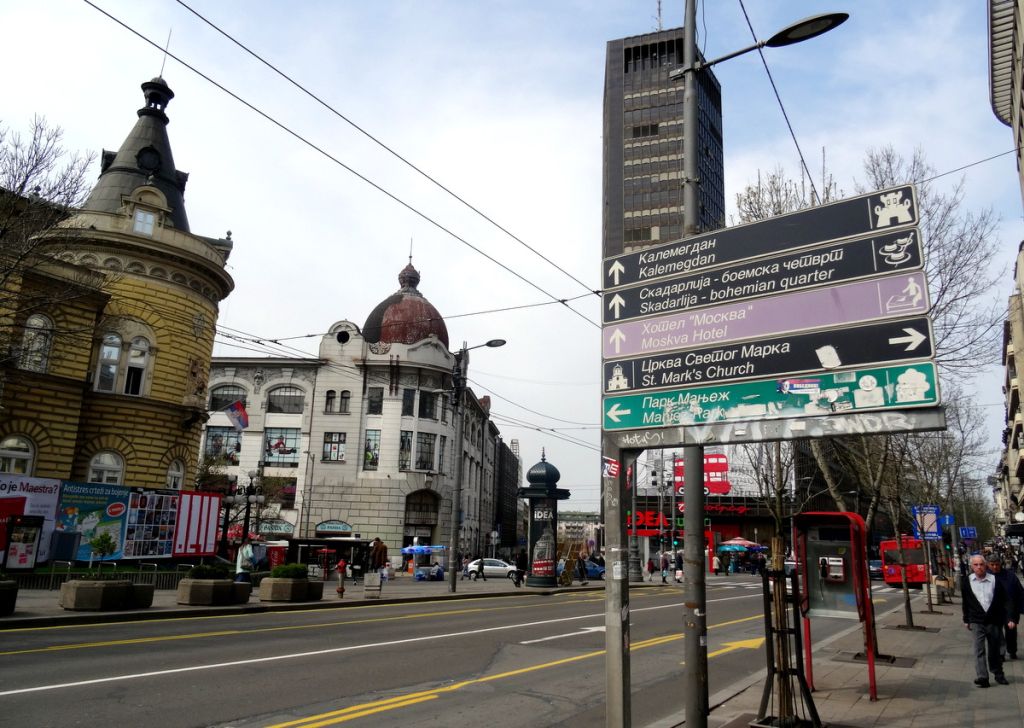
Vračar also works well as a bridge district. From here, it is easy to continue toward the wider city center, or to connect with other parts of Belgrade covered in Serbian Travel, including Stari Grad, Kalemegdan Fortress, and Skadarlija.

How to visit Vračar

The simplest way to visit Vračar is to start at the Cathedral of Saint Sava, spend time in the surrounding area, and then continue into the nearby streets without trying to force the district into a rigid checklist. That approach fits Vračar better than a rushed point-to-point plan.

If you have only a short time in Belgrade, combine Vračar with a broader city route. A practical sequence is a Vračar stop in the morning, lunch or coffee nearby, and then an afternoon in the city center. This lets you see a quieter central district before moving into the busier tourist corridors.

Travelers staying in Belgrade for longer can use Vračar as one of several central zones to compare. It sits naturally alongside the classic downtown areas in the Belgrade Travel Guide and pairs well with walks through Dorćol, Stari Grad, and the riverfront-oriented parts of the city.

Where to pause for coffee or a break

Vračar is a good district for slowing down between sightseeing stops. The area around the Cathedral of Saint Sava and the streets leading away from it are better suited to café breaks and unhurried walks than to strict attraction-hopping.

Rather than looking for a single signature venue, use the district as a place to pause, check your route, and decide whether to continue toward the city center or branch into another Belgrade neighborhood. That flexible rhythm is part of what makes Vračar useful on a short trip.

If you are building a food-focused day in the city, you can connect Vračar with broader Belgrade culinary and nightlife content such as Belgrade Nightlife or the bohemian quarter in Skadarlija.

How Vračar fits into a Belgrade itinerary

For a one-day city plan, Vračar can be the calm opening or middle chapter before you move into denser sightseeing zones. It is a strong choice if you want a landmark-based stop that does not require a full morning or afternoon on its own.

For a two- or three-day Belgrade stay, Vračar is best treated as one of several central districts. Combine it with the city’s historic core, the fortress area, and a riverfront or nightlife stop so you can see different versions of Belgrade in a single trip.

That mix is especially useful for travelers who want context, not just a checklist. Vračar gives you a sense of contemporary central Belgrade while still keeping you close to the city’s most important landmark architecture.

Key places and nearby anchors

These are the most useful stops and reference points for planning a visit to Vračar and the surrounding central area.

Quick facts

Best known for

Temple of Saint Sava and the Strogi Centar area

Trip style

Sightseeing, walking, cafés, and central Belgrade exploration

Best for

First-time visitors who want an easy central district base

Practical planning tip

Do not treat Vračar as a standalone destination with a long list of separate tickets and timed visits. It is easiest to enjoy as part of a central Belgrade day, especially if you want a mix of landmark viewing, walking, and café time.

If you are planning a first visit to Serbia, the broader Serbia Overview for First-Time Visitors and the Serbia Travel Tips page can help you connect Vračar with the rest of your route.

Vračar FAQ

Is Vračar worth visiting on a short Belgrade trip?

Yes. Vračar is a practical central stop because it combines the Cathedral of Saint Sava with easy walking and a more local atmosphere than some of the busiest tourist streets.

What is Vračar best known for?

It is best known for the Cathedral of Saint Sava and for the creative central area around Strogi Centar.

How much time should I spend in Vračar?

For most travelers, one to three hours is enough unless you plan a longer walk, a café stop, or a broader central Belgrade route.

Which nearby pages should I read next?

Start with the <a href="/belgrade">Belgrade Travel Guide</a>, then continue to <a href="/belgrade/stari-grad">Stari Grad</a>, <a href="/belgrade/kalemegdan">Kalemegdan Fortress</a>, or <a href="/belgrade/exploring-knez-mihailova-street">Knez Mihailova Street</a>.

Keep planning your Belgrade trip

Use Vračar as one stop in a larger Belgrade plan, then move on to the city center, the fortress area, and the neighborhoods that give the capital its different layers.

Return to Belgrade guide