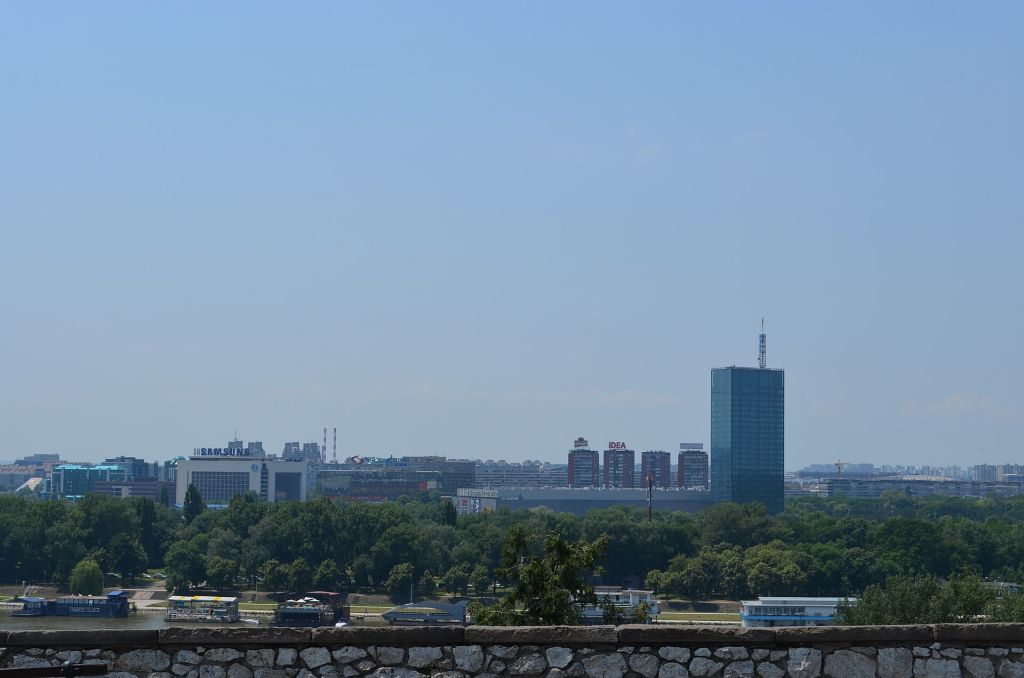
See the planned cityscape
Walk or ride through the wide avenues and superblocks to understand how post-1948 Belgrade expanded on the left bank of the Sava.
Novi Beograd is Belgrade’s large planned district on the left bank of the Sava. It was developed after 1948 as a socialist city-building project, and today it is known for broad boulevards, modernist and Brutalist buildings, business districts, and large retail complexes.
For travelers, it works well as a practical part of the city to cross through, stay in, or pair with riverside walks and nearby Belgrade sights on both sides of the river.
Novi Beograd, literally New Belgrade, is one of the largest planned districts in southeastern Europe. It was begun in 1948 on what was then marshland between the Sava and the Danube, and the goal was to build a modern federal capital next to the old city. The result is a district organised in numbered superblocks, with wide avenues, generous green strips, and a clear separation between residential, civic, and business areas.
For travelers, the practical use of Novi Beograd is straightforward. The district works as a base if you want quieter accommodation, easy parking, river access, or a short transfer from Nikola Tesla Airport. It also connects directly to the historic core: a single bridge crossing brings you to Stari Grad, Kalemegdan, and Knez Mihailova in a few minutes by car or public transport.
Visitors who care about postwar architecture treat Novi Beograd as the main open-air collection of Brutalist and modernist civic design in Belgrade. The district is also where most of the city's larger conference hotels, business towers, and shopping centers are located.
The defining feature of Novi Beograd is its scale. Superblocks are large, set back from main boulevards, and laid out so that residential courtyards open onto green space rather than onto traffic. The result reads very differently from the dense 19th-century streets of Stari Grad on the opposite bank, and that contrast is one of the reasons travelers visit the district at all.
Three buildings are usually cited first. The Palace of Serbia (Palata Srbije), opened in 1961, is a long, low federal complex with interior courtyards and original mid-century decorative programs. The Genex Tower (Western City Gate), completed in 1980, is the most photographed Brutalist landmark in Belgrade and the visual marker for travelers arriving from the airport. The Museum of Contemporary Art at Ušće, reopened in 2017 after a long restoration, sits on the tip of the peninsula where the Sava meets the Danube and is the most accessible architectural stop for a short visit.
Beyond those headline buildings, the district rewards slow walking: housing blocks in Blocks 21, 23, 28, 30, 45, and 70 contain some of the most studied examples of Yugoslav-era residential design, and the long perimeter of the Sava and Danube quays adds river edges that the older parts of Belgrade do not have at the same scale.
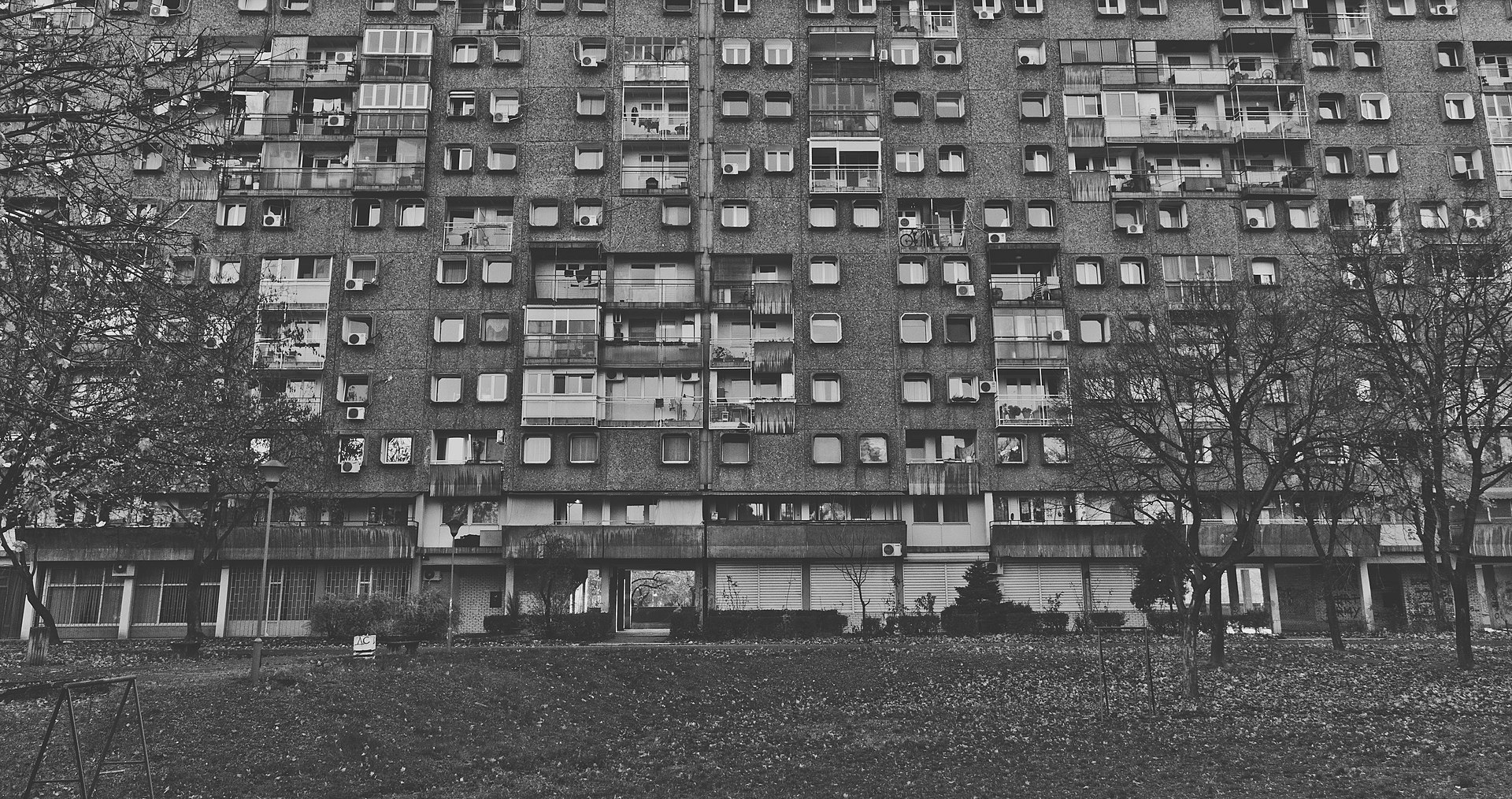
Apartment Block Facade
A dense residential facade with many balconies and windows stands among bare trees in Novi Beograd
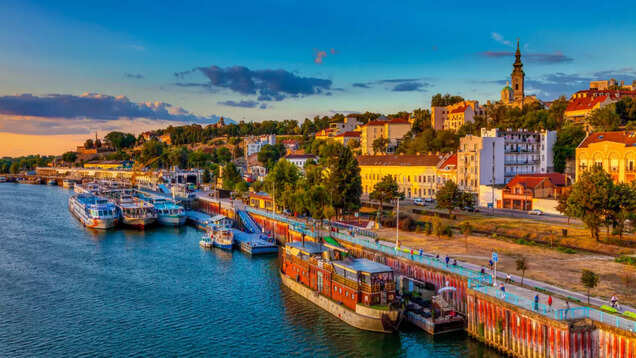
Riverboats Along the Waterfront
Boats line the riverfront below hillside buildings and a church tower, with a promenade stretching along Novi Beograd
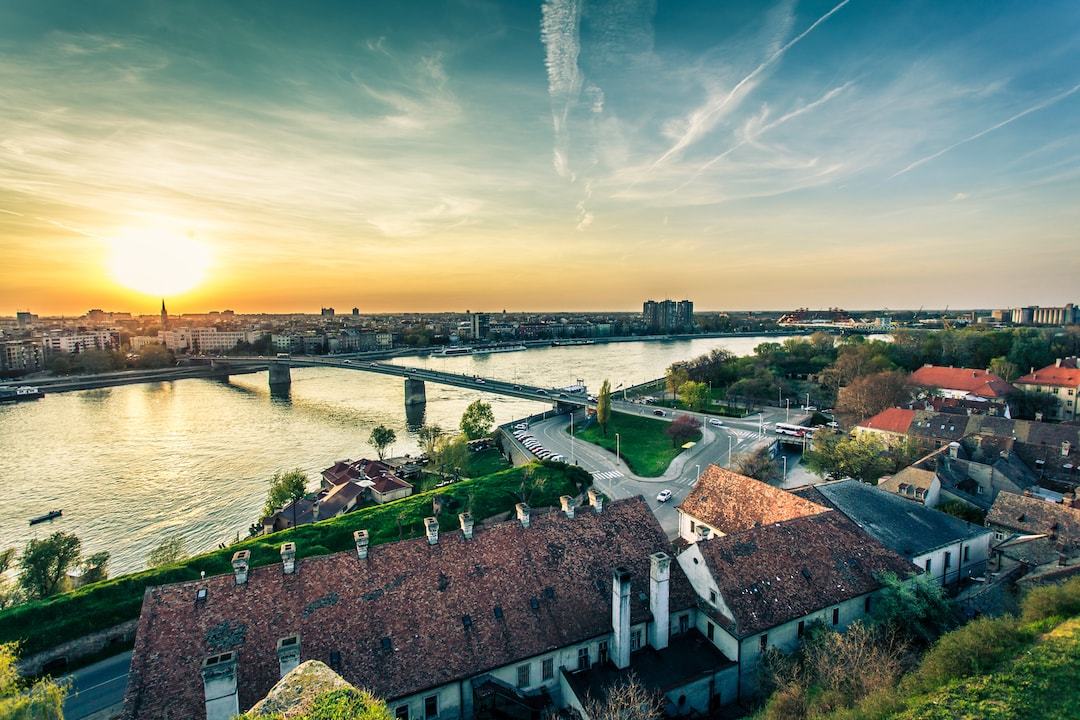
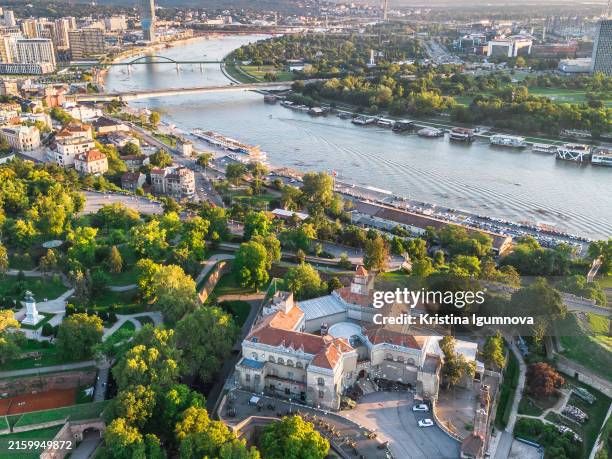
River Bridge at Sunset
A wide river and bridge stretch past rooftops and roads in Novi Beograd under a low evening sun
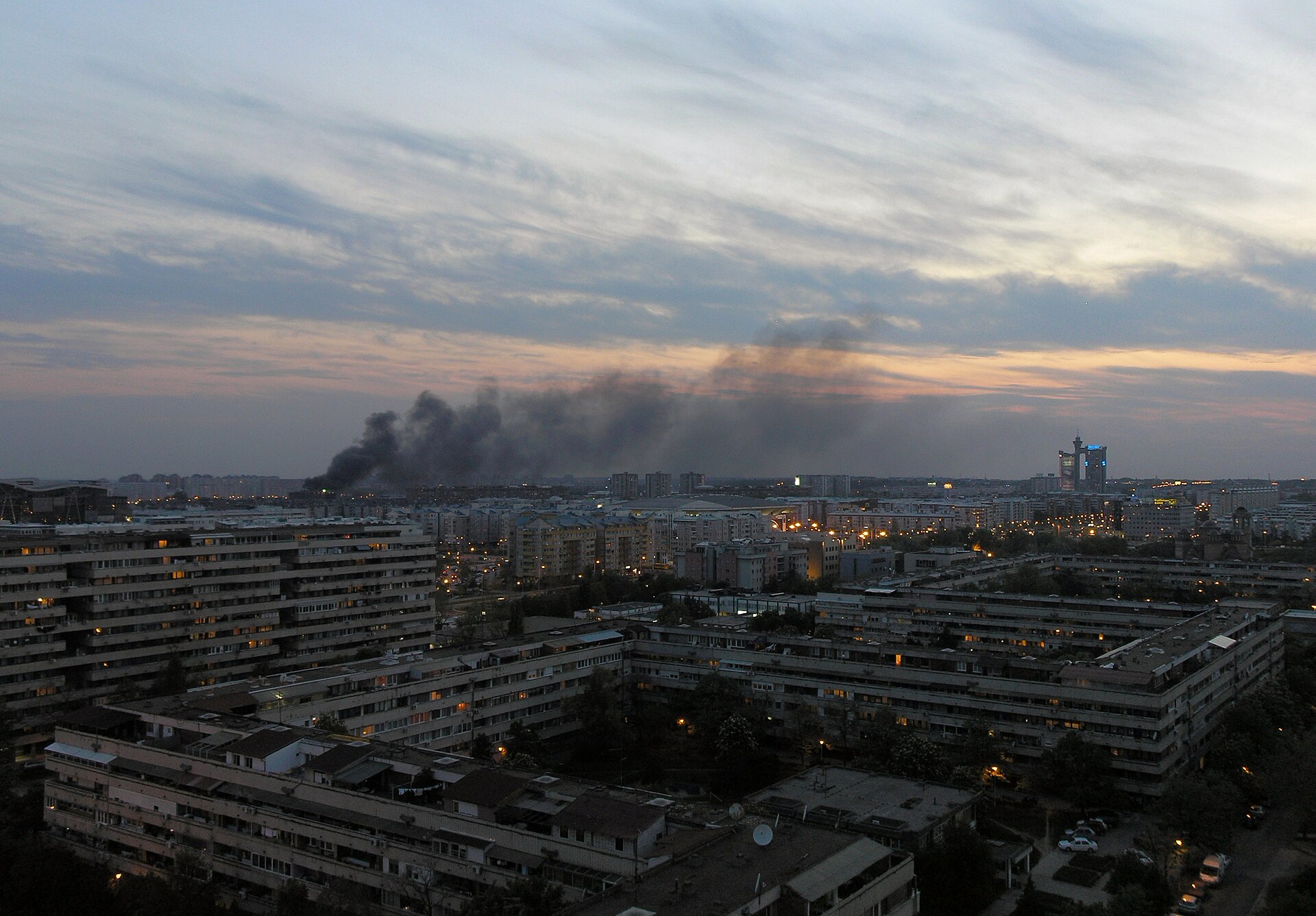
Smoke Over City Blocks
Evening skyline over Novi Beograd shows apartment blocks, distant lights, and a plume of smoke rising on the horizon
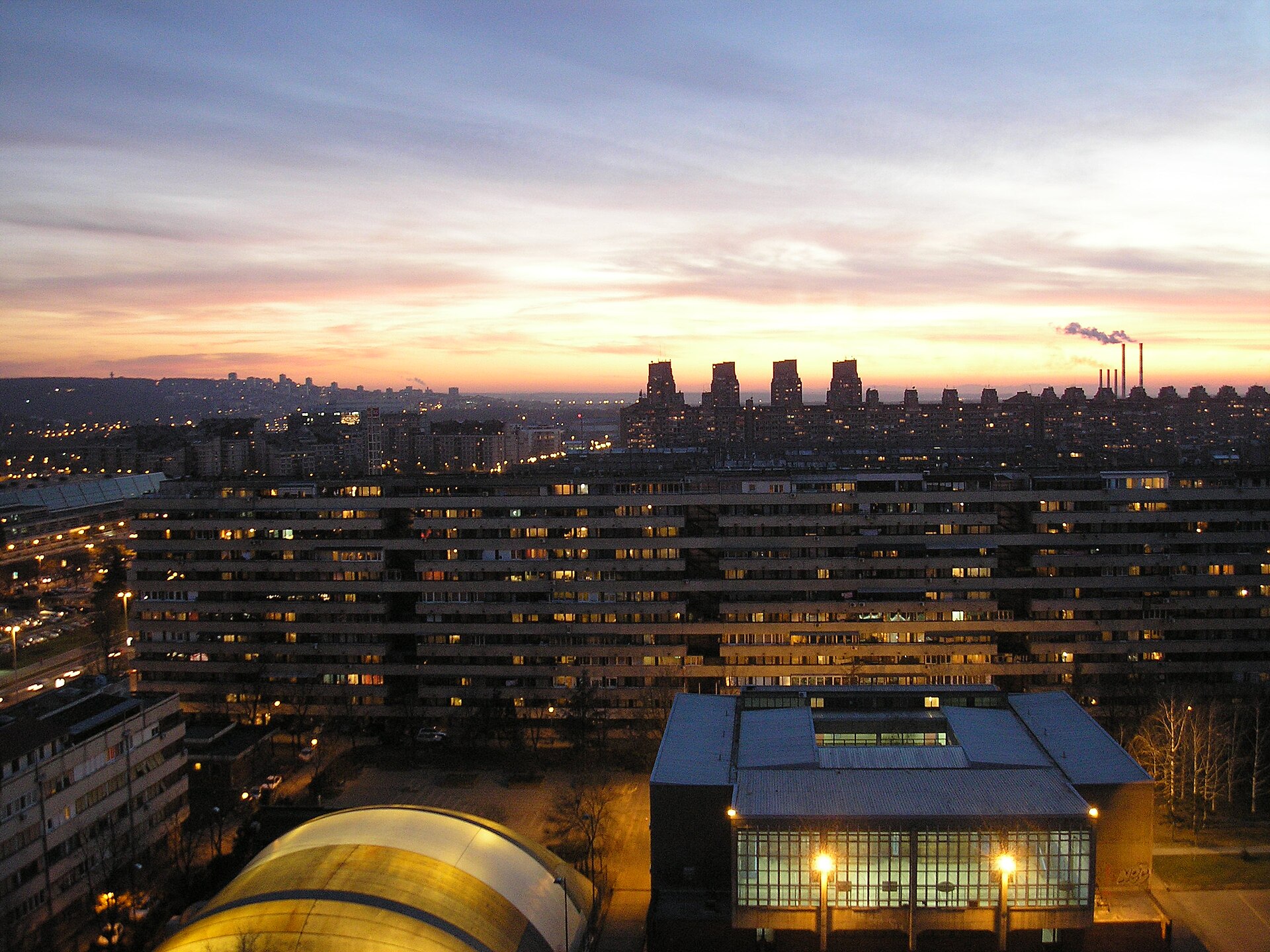
Novi Beograd skyline at dusk
Sunset lights glow over apartment blocks and chimneys across Novi Beograd, with a broad urban skyline beneath a cloudy sky
Novi Beograd is best approached as part of a broader Belgrade trip rather than as a standalone sightseeing district. Because it is laid out on a large grid, it is easier to navigate than many older urban areas, but the distances between points of interest can still be significant.
For first-time visitors, the simplest plan is to combine one architectural walk, one riverside stop, and one practical break such as lunch or shopping. That gives you a sense of the district without making the visit feel empty. If you are staying in Belgrade for several days, Novi Beograd also works well as a base for crossing into the old center, Zemun, or riverfront areas.
Travelers who like urban design may want to visit in daylight, when the scale of the avenues and buildings is easier to read. Those more interested in convenience can use the district for accommodation and transport, then spend more of the day in historic quarters elsewhere in the city.
Most travelers do not give Novi Beograd a full day. The district works best in pairings, and the pairing you pick depends on what you came to Belgrade for.
Architecture pairing. Combine an hour at Ušće and the Museum of Contemporary Art with a walk along the Sava quay toward the Genex Tower, then cross Brankov Bridge to Savamala and finish the afternoon in Stari Grad. This lets you read the postwar and prewar halves of the city back to back.
River pairing. Use Ada Ciganlija or the left-bank Sava promenade for a morning, then cross to Kalemegdan in the afternoon for the classic Belgrade fortress view across the two rivers. Both ends connect easily by tram, bus, or taxi.
Practical-day pairing. If you are arriving from the airport or moving on the next morning, treat Novi Beograd as the convenient half of the day. Eat at one of the riverside floating restaurants (splavovi), use the shopping malls for any last errands, and save the historic core for when you have more time on foot.
Zemun is the easiest add-on. It sits just upstream on the same bank and can be reached on foot along the Danube quay or by a short tram ride, which makes Novi Beograd a natural stop on the way to or from a Zemun afternoon.
Novi Beograd is known for shopping malls and retail centers, which is one reason travelers often pass through the district even if they are not staying there.
These places are useful for practical errands, coffee breaks, and indoor time on hot or rainy days.
The district’s modern business character means that many visitors encounter it while moving between airport transfers, conferences, or accommodation on the left bank.
That makes it convenient for short stays and quick city logistics.
Use the map to orient yourself on Belgrade’s left bank and identify the district in relation to the Sava.
Walk or ride through the wide avenues and superblocks to understand how post-1948 Belgrade expanded on the left bank of the Sava.
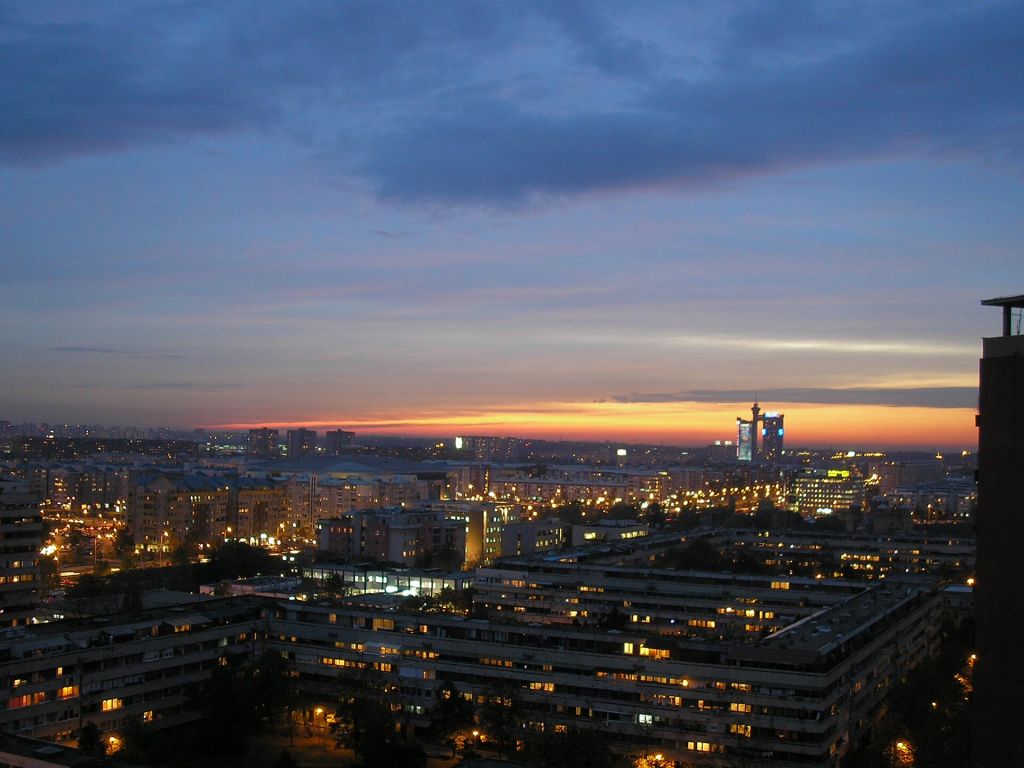
The district is a useful stop for travelers interested in late-20th-century concrete architecture and public-building design.
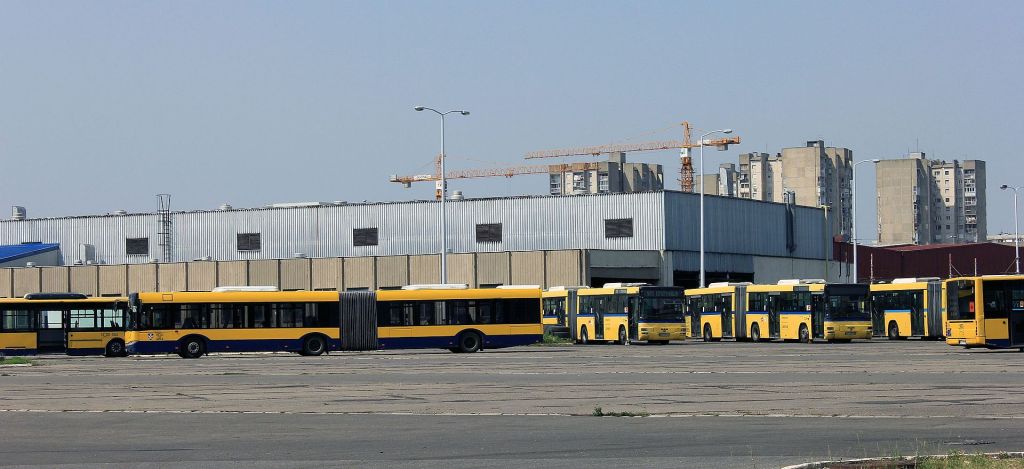
Novi Beograd’s transport links, river access, and retail areas make it convenient for everyday sightseeing and logistics.
These are useful reference points for getting oriented in the district and planning a simple half-day or full-day visit.
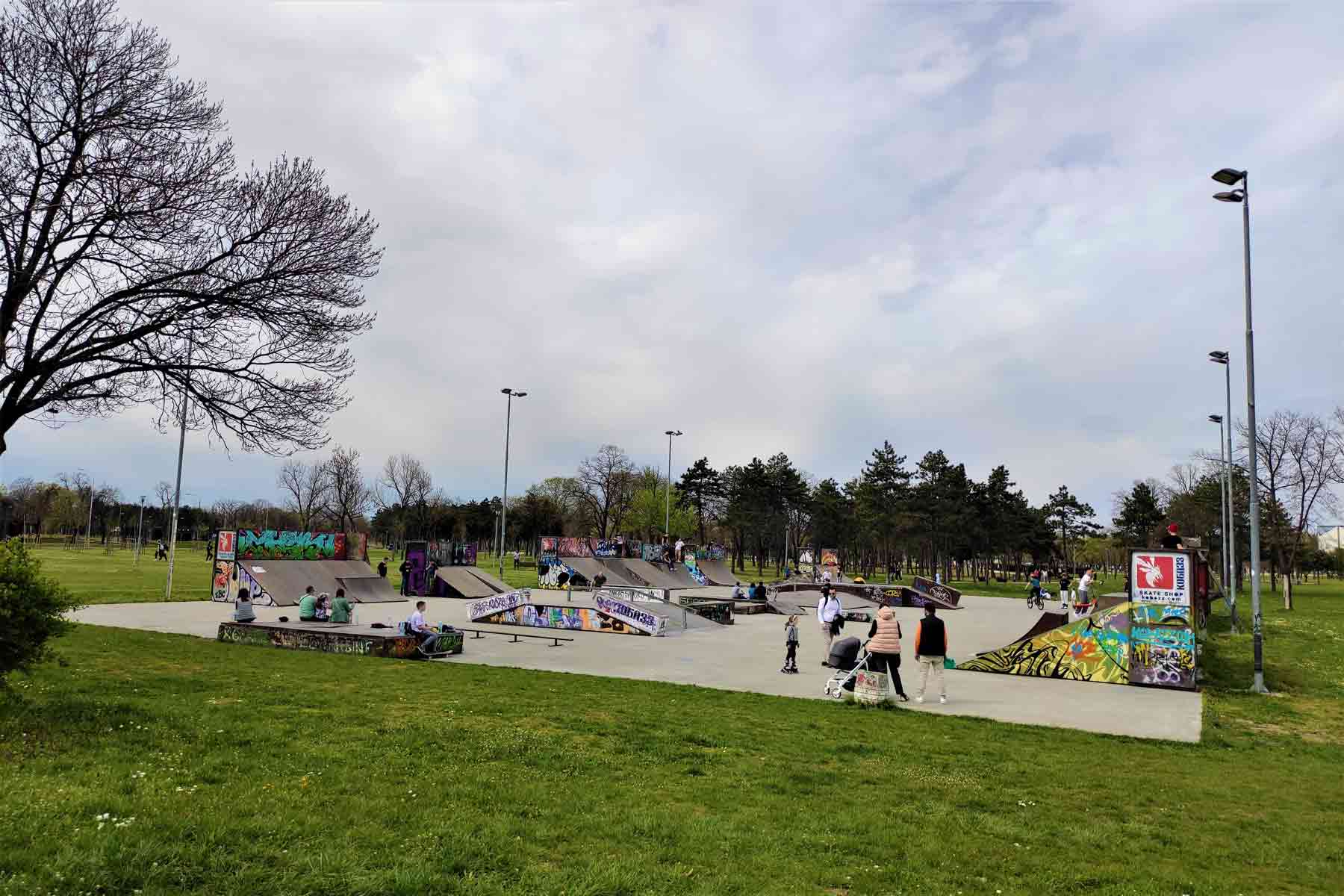
Ušće Park
Riverside open space at the meeting point of the Sava and Danube corridor in Belgrade.
Good for a walk, a pause between sightseeing stops, or a wider view of how Novi Beograd connects to the water and to central Belgrade.
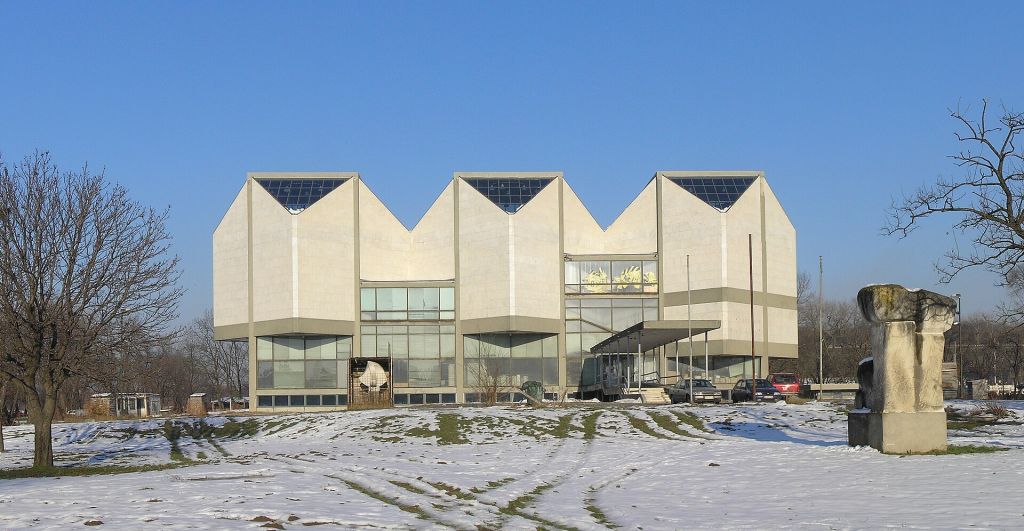
Museum of Contemporary Art, Belgrade
A major cultural stop on the Novi Beograd side of the river.
Relevant if you want to combine the district’s modern setting with art, architecture, and a city break focused on postwar Belgrade.
Genex Tower
An iconic high-rise associated with the district’s late-20th-century skyline.
Often discussed as one of Belgrade’s most recognizable pieces of modern architecture, especially for travelers interested in concrete-era cityscapes.
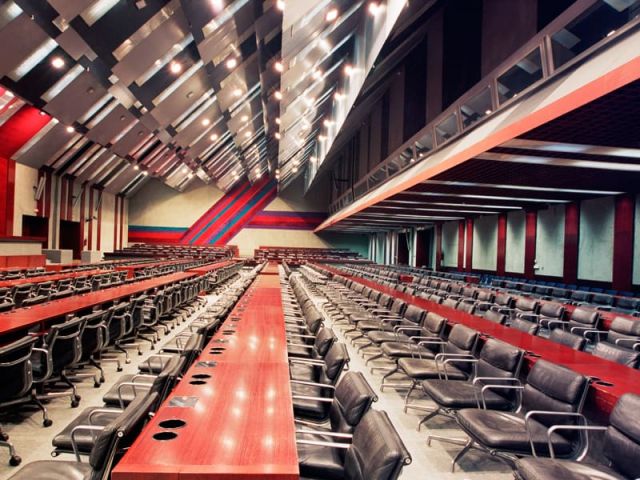
Sava Center
A major event and convention complex in Novi Beograd.
Useful as a reference point when navigating the district and understanding its role in Belgrade’s contemporary public and business life.
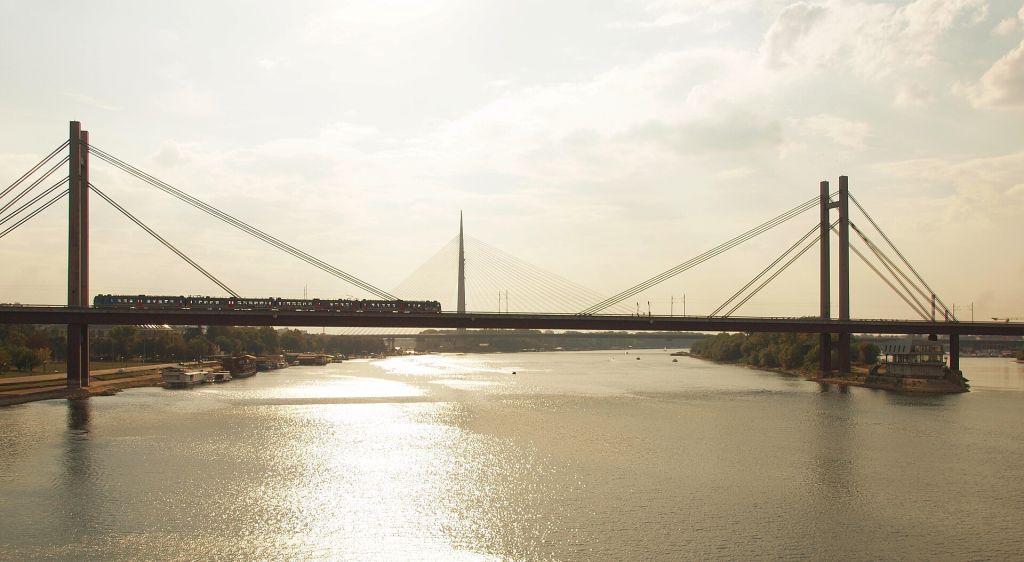
Ada Bridge
A visible river crossing that connects parts of Belgrade near Novi Beograd.
Worth noting for travelers who want to understand how the city’s western and left-bank areas connect across the Sava.
Palace of Serbia, Novi Beograd
Palace of Serbia, Novi Beograd — nature & attractions
Palata Srbije is a large 1959 administrative building in Novi Beograd, on Bulevar Mihaila Pupina near the state institutions cluster. It is best known for its monumental postwar design and its plac...
Meander Block (B-7)
Meander Block — Block 21 architecture
The Meander Block (officially B-7) is the 972.5-meter zigzag residential building in Novi Beograd's Block 21, locally called Lamela or the Chinese Wall. Visitors come for the scale and the postwar urban planning story.
Museum of Contemporary Art, Novi Beograd
Museum of Contemporary Art, Novi Beograd — nature & attractions
The Museum of Contemporary Art in Novi Beograd is a 1965 museum in Ušće Park. It is known for its modernist building and for presenting contemporary Serbian and regional art in a calm riverside s...
Museum of Contemporary Art, New Belgrade
Museum of Contemporary Art, New Belgrade — nature & attractions
The Museum of Contemporary Art in Novi Beograd is a 1965 museum in Ušće Park. It is known for its modernist building and for presenting contemporary Serbian and regional art in a calm riverside s...
Eternal Flame, Novi Beograd
Eternal Flame, Novi Beograd — nature & attractions
Eternal Flame in Novi Beograd is an open-air memorial to the victims of the 1999 NATO bombing of Serbia. Visitors usually come here for a brief, quiet stop rather than a long attraction visit. It f...
Left bank of the Sava River in Belgrade
Planned post-1948 district with socialist-era urban design
Wide roads, office blocks, residential superblocks, malls, and riverside promenades
Yes, especially if you are interested in modern city planning, Brutalist architecture, river access, or seeing a different side of Belgrade beyond the historic center.
It is best known for its post-1948 socialist-era urban layout, large avenues, modernist and Brutalist buildings, shopping centers, and practical city infrastructure.
Yes. It pairs well with Zemun, the central city, and the historic districts on the opposite bank of the Sava.
It is both. The district includes residential blocks, business zones, public institutions, and major retail areas.
Use Novi Beograd as part of a wider city plan that includes the historic core, Zemun, and the riverfront. Start with the parent guide, then build your route from there.
Guided routes, walking tours, and experiences that help you make the most of a visit to Novi Beograd Travel Guide.
Sava Center
Sava Center in Novi Beograd Travel Guide.
Sava Center is Belgrade’s best-known congress and events venue in Novi Beograd. It opened in 1979, was renovated in 2024, and is widely used for conferences, performances, and business events. Vi...
Eternal Flame
Eternal Flame in Novi Beograd Travel Guide.
Eternal Flame in Novi Beograd is an open-air memorial to the victims of the 1999 NATO bombing of Serbia. Visitors usually come here for a brief, quiet stop rather than a long attraction visit. It f...
Meander Block (B-7)
Meander Block (B-7) in Novi Beograd Travel Guide.
The Meander Block — officially named B-7 and locally called Lamela or the Chinese Wall (Kineski zid) — is the long, zigzag-shaped residential building in Novi Beograd's Block 21. Visitors come ...

Palace of Serbia
Palace of Serbia in Novi Beograd Travel Guide.
Palata Srbije is a large 1959 administrative building in Novi Beograd, on Bulevar Mihaila Pupina near the state institutions cluster. It is best known for its monumental postwar design and its plac...
Genex Tower
Genex Tower in Novi Beograd Travel Guide.
Plan your visit to Genex Tower — what to see, how to get there, and what to combine it with.
Museum of Contemporary Art
Museum of Contemporary Art in Novi Beograd Travel Guide.
The Museum of Contemporary Art in Ušće Park is Belgrade’s main museum for modern and contemporary art. It opened in 1965 and sits in a landscaped riverside setting at the edge of Novi Beograd. ...
Stay connected in Serbia