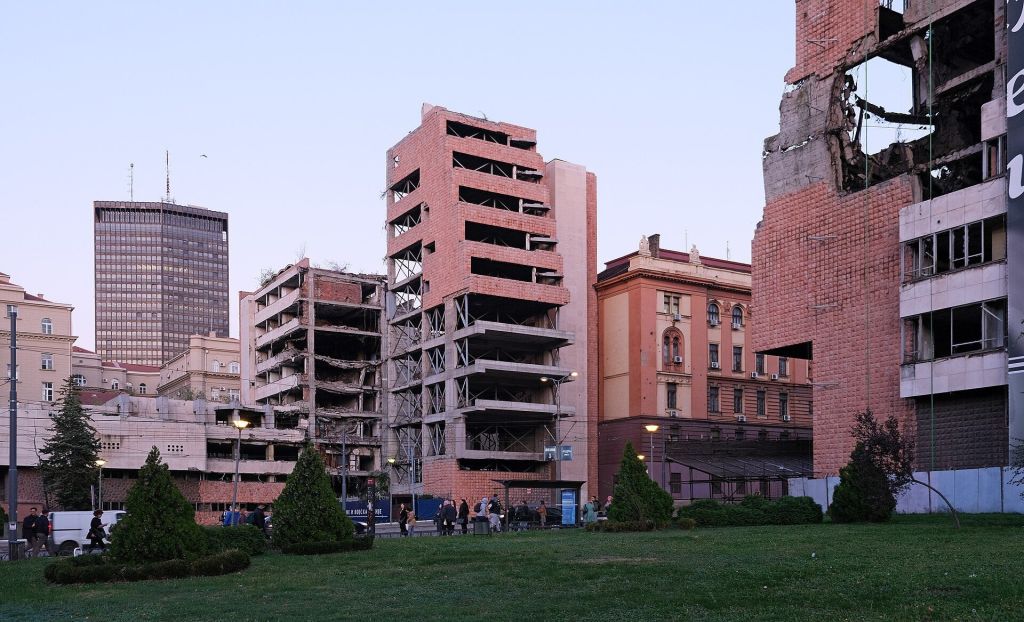


1999 bombing scars and urban memory

Scars of a City is a reflective Belgrade theme focused on the visible scars left by the 1999 NATO bombings. The most practical way to approach it is as a short walking route through central Belgrade, pairing remembrance with nearby landmarks such as Kalemegdan, Knez Mihailova, and Skadarlija. It is best for travelers who want context, not spectacle.
For many international visitors, Belgrade is introduced through its fortress views, riverfront walks, nightlife, and café culture. Yet the city also has a more difficult layer of memory. The 1999 NATO bombing left visible damage in central Belgrade, and some ruined structures have remained in place as public reminders rather than being erased from view.
This is not a polished attraction in the usual sense. The value here is in understanding how a city carries history in its streetscape. Standing near the damaged sites, then continuing toward places like Kalemegdan Fortress or Knez Mihailova Street, gives a clearer sense of how old, recent, and everyday Belgrade sit side by side.
The best approach is a slow walk, not a rushed checklist. Look at the damaged buildings from the street rather than treating them as photo backdrops. Read a little before you go, keep the visit brief if you are unsure how to respond, and remember that these structures are part of living memory for many residents.
A useful route is to start in the center, connect the ruins with the historic core, and then continue to a place that shows Belgrade’s everyday rhythm. That can mean a museum visit, a coffee stop, or a walk to the old streets around Skadarlija Bohemian Quarter. The contrast helps explain the city better than any single site could.
Scars of a City in Belgrade — view 1
Impression 1 from Scars of a City in Belgrade, Scars Of A City
Scars of a City in Belgrade — view 2
Impression 2 from Scars of a City in Belgrade, Scars Of A City
Scars of a City in Belgrade — view 3
Impression 3 from Scars of a City in Belgrade, Scars Of A City
Scars of a City in Belgrade — view 4
Impression 4 from Scars of a City in Belgrade, Scars Of A City
Scars of a City in Belgrade — view 5
Impression 5 from Scars of a City in Belgrade, Scars Of A City
There is no special ticket or formal visit pattern for this theme. Treat it as a self-guided walk through public space. Wear comfortable shoes, plan the route during daylight, and leave time to stop at one or two nearby landmarks rather than trying to cover too much.
If you are building a wider trip, combine this walk with the Belgrade Travel Guide for a full city overview, then add another district depending on your interests. For a compact historic day, Kalemegdan and Knez Mihailova work well. For a more cultural evening, Skadarlija is the natural continuation.
Some buildings still show the physical marks of the 1999 bombing. They are part of the urban landscape rather than isolated memorial objects.
Just a few streets away, Belgrade’s normal rhythm continues: traffic, cafés, pedestrians, and cultural sites. That contrast is part of the story.
These nearby stops help turn a short memory-focused walk into a fuller Belgrade day.
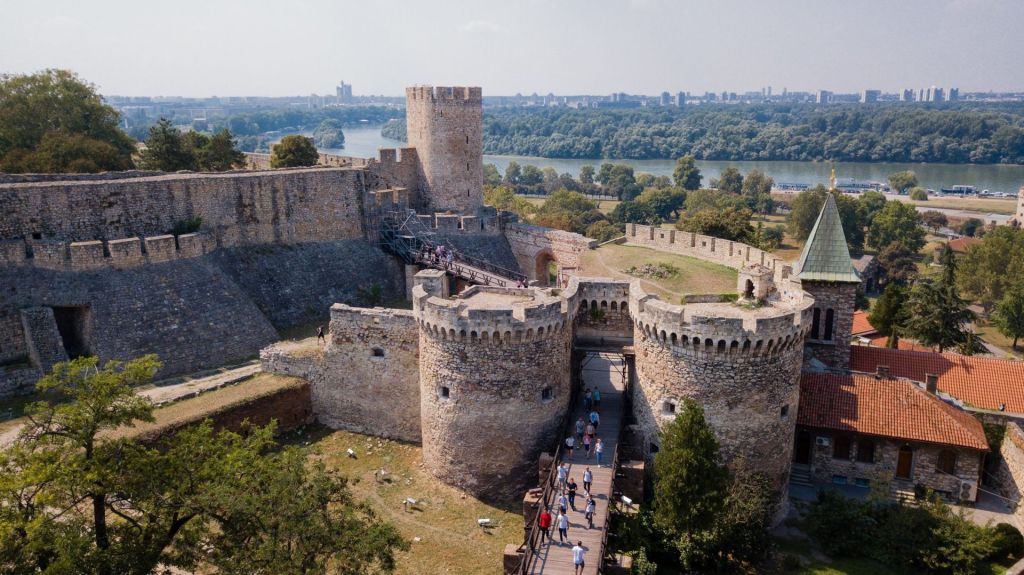
Kalemegdan Fortress
A historic anchor point above the rivers, useful for understanding the city’s older layers alongside its recent past.
Start or end here for open views and a broader sense of Belgrade’s long history. The fortress gives context before or after the damaged central streets.
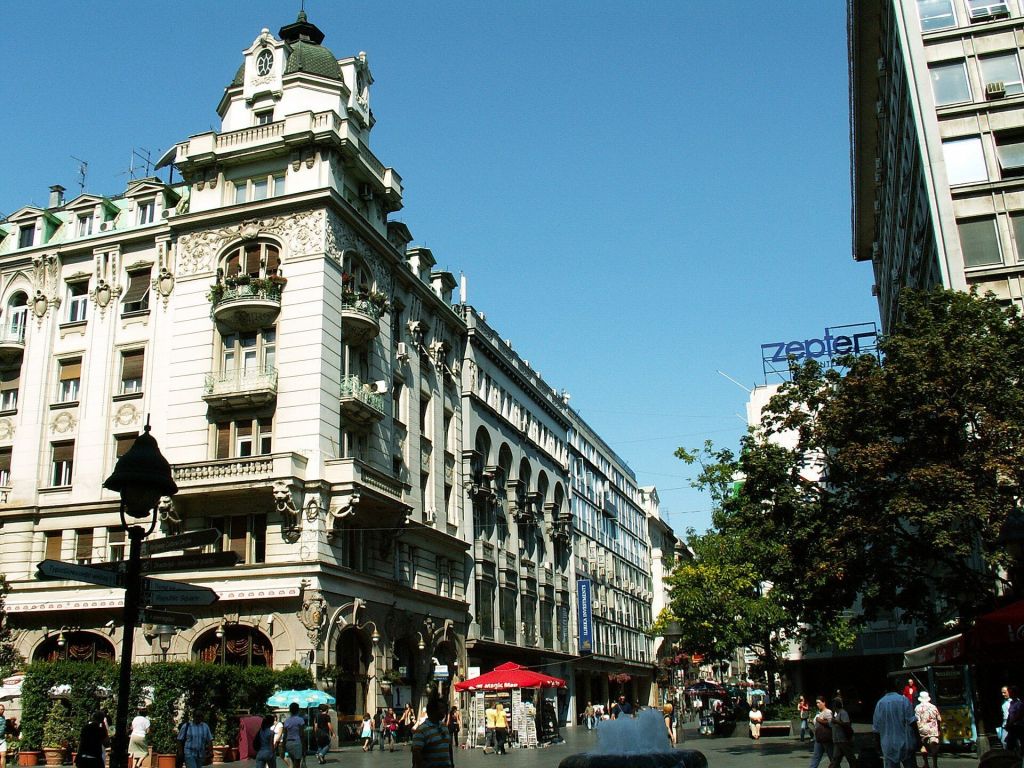
Knez Mihailova Street
Belgrade’s main pedestrian street and one of the easiest ways to connect history, shops, and street life.
A practical walk from the memory sites into the city’s busiest public corridor, where the everyday life of Belgrade is easy to see.
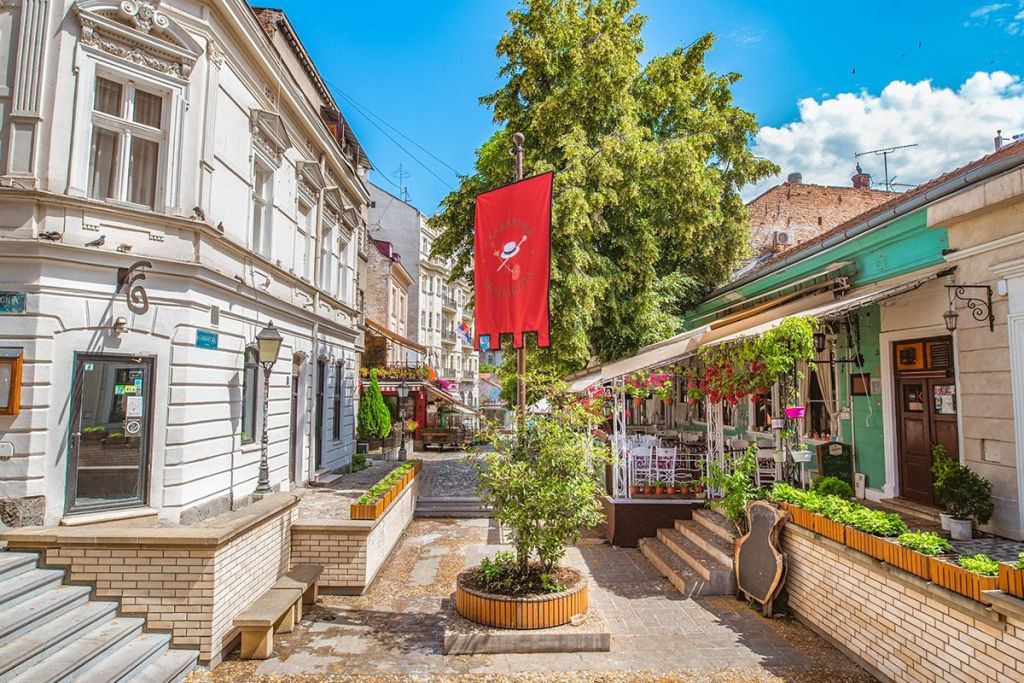
Skadarlija Bohemian Quarter
A historic neighborhood that adds cultural depth after a reflective walk through the center.
Useful if you want to continue from recent memory into Belgrade’s older bohemian tradition, restaurants, and evening atmosphere.

Museums in Belgrade
A better option when you want dates, context, and a broader historical frame.
If the ruined buildings raise questions, a museum stop can help place the 1999 events in the wider story of the city and country.

Victor Monument in Belgrade
A classic viewpoint stop that shows how the city presents itself beyond the scars.
Pairing remembrance with a place like the Victor Monument helps travelers see the contrast between memorial space and everyday sightseeing.
1999 bombing scars and urban memory
Visitors interested in recent history and city walks
1 to 2 hours for a simple central route
Kalemegdan Fortress, Knez Mihailova, and the museums nearby
Respectful, slow, and context-driven
Belgrade Travel Guide
No. It is best understood as a historical theme and a self-guided city walk focused on places that still show the impact of the 1999 bombing.
No, although reading a little beforehand helps. A guide can be useful if you want deeper historical context.
One to two hours is enough for a simple central walk, longer if you combine it with nearby attractions or museums.
Yes, but do so respectfully. These are living urban spaces with memorial meaning for many residents.
Kalemegdan Fortress, Knez Mihailova Street, Skadarlija, and the Belgrade museums are the most practical nearby additions.
Use this route as one layer of the city, then continue with Belgrade’s fortress, old streets, museums, and riverfronts.
Stay connected in Serbia