Belgrade travel guide

Museums in Belgrade

A grounded overview of the city’s museum scene, from major art and history collections to places that focus on science, technology, military heritage, Yugoslav memory, and the city’s own layered identity.

What Belgrade museums are good for

Belgrade works well for museum-hopping because the city offers a clear spread of themes rather than one single type of collection. If you want classical art, start with the National Museum. For modern and postwar work, choose the Museum of Contemporary Art. If you care more about invention and engineering, the Nikola Tesla Museum and the Museum of Science and Technology make an easy pair. For military history, Yugoslav memory, archaeology, or ethnography, the city has strong options that can fill a half day without feeling repetitive.

When time is limited, pick by interest instead of trying to tick off everything. One art museum, one history museum, and one subject-specific museum is usually enough for a first visit. If you want a calmer pace, combine museums with a walk through Knez Mihailova, Kalemegdan, or a long lunch in Skadarlija. Belgrade’s cafés make that rhythm feel natural.

How Belgrade’s museum scene feels on the ground

Belgrade’s museums are not arranged like a single polished museum quarter. They are spread through the center, tucked into civic streets, park edges, and older buildings that still feel tied to everyday city life. That makes the scene practical. You can do one museum in the morning, a long coffee break, then another visit later without needing a special museum district shuttle or a complicated plan.

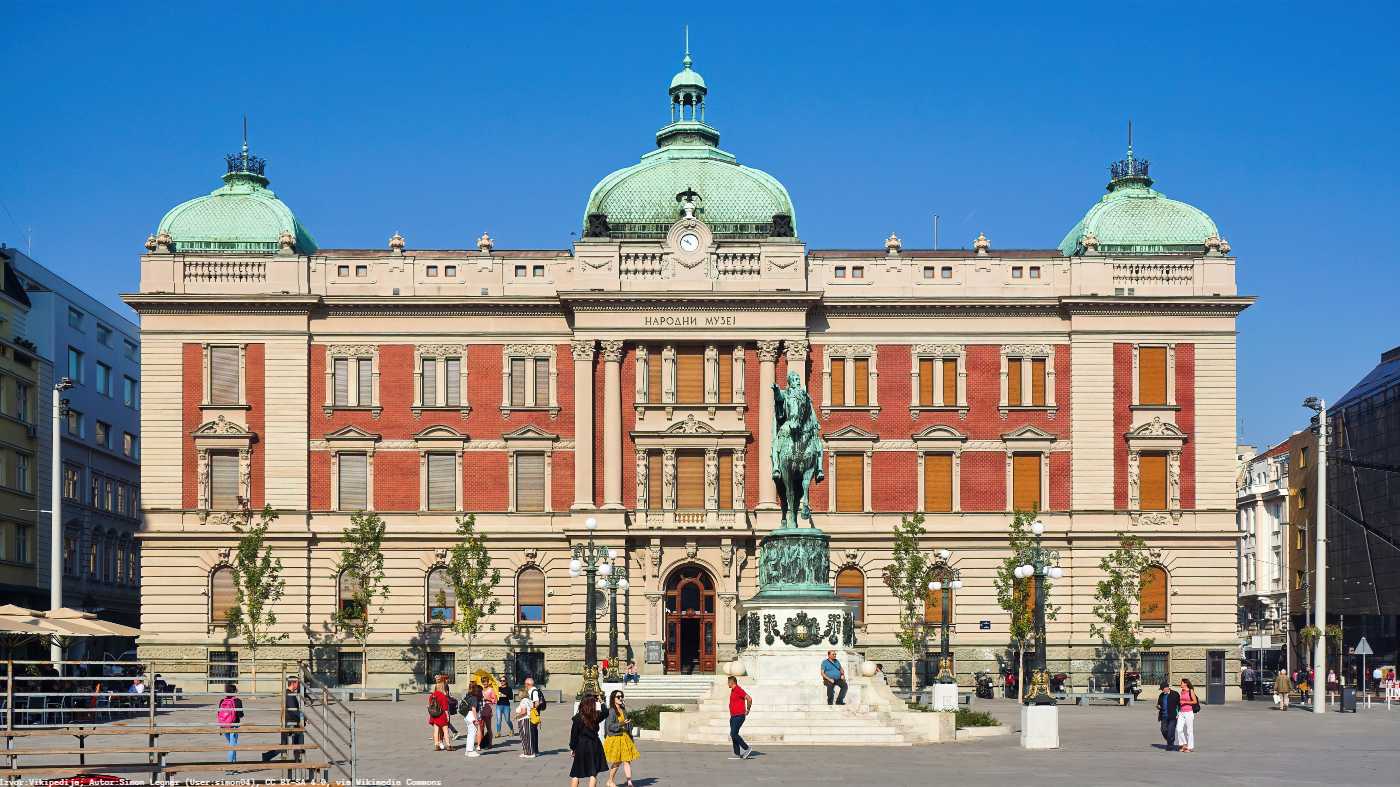
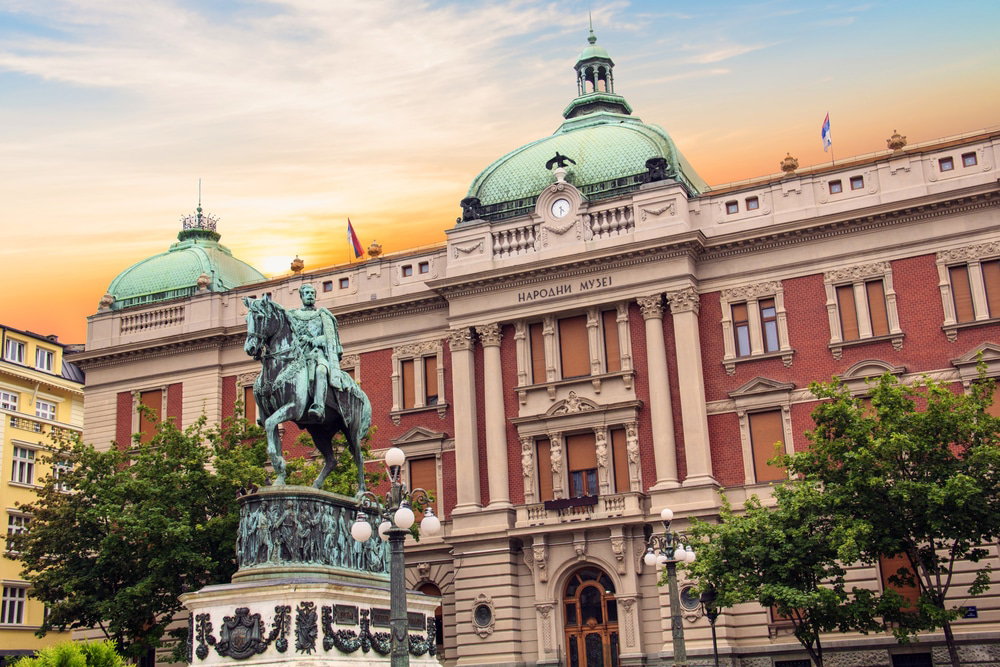
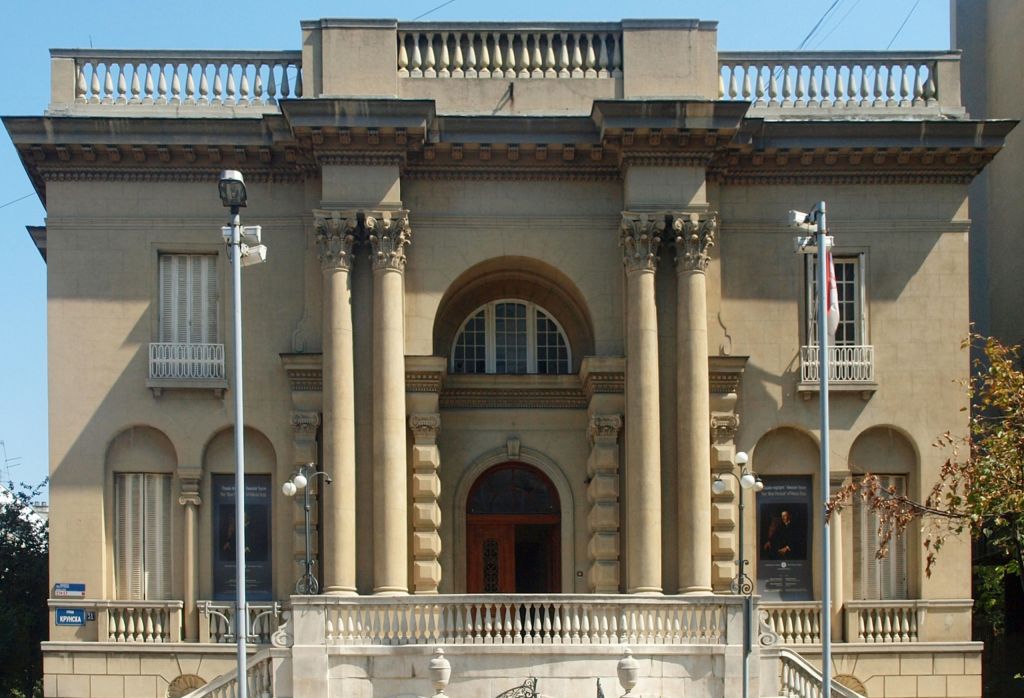
The city’s strongest draw is range. The National Museum covers the country’s core art and historical collections, while the Museum of Contemporary Art gives you a clean counterpoint with modern and contemporary work. If you want the story of invention, engineering, and Serbian scientific pride, the Nikola Tesla Museum is the obvious anchor, and the Museum of Science and Technology adds a broader look at how knowledge and industry developed. For visitors who prefer context and object culture, the Ethnographic Museum is useful because it brings daily life, costume, craft, and tradition into focus.

Belgrade also works well for visitors who care about twentieth-century history. The Museum of Yugoslavia is where the city’s political memory becomes tangible, while military and archaeology collections add another layer. This is not a city where museums only serve specialists. They are part of the way Belgrade explains itself, especially if you already have a little local curiosity and no problem moving between grand narratives and smaller, more personal stories.

My advice is simple: if you only have one museum slot, match it to the part of Belgrade you are already exploring. If you are on Knez Mihailova, the National Museum is the natural fit. If you are heading toward Kalemegdan, the military and historic surroundings make more sense. If you are making a slower day of it, combine museum time with the city’s café culture, which is one of the easiest ways to absorb Belgrade without rushing.

Which museums to choose by theme

For art, the clearest choice is the National Museum if you want the main historical sweep, then the Museum of Contemporary Art if you prefer newer work and sharper curatorial energy. Those two give you a good contrast. One tells a long story; the other is more immediate and often feels more open to debate. If you like art but do not want to spend the whole day indoors, one of them is enough.

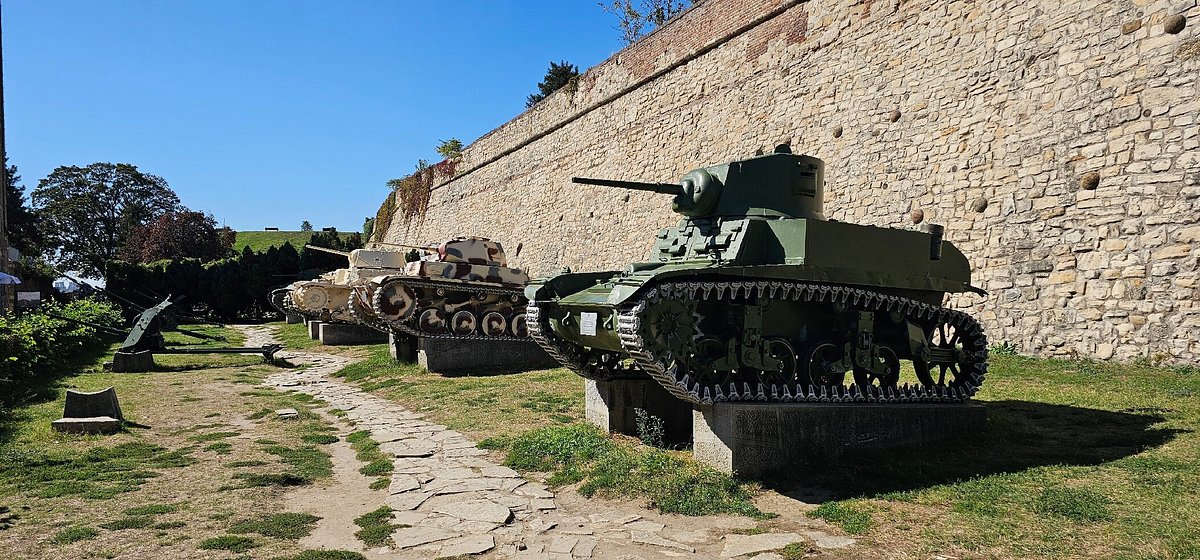
For history, the city’s range is broader than many visitors expect. Military collections, archaeology, and Yugoslav-era material all sit under different roofs, and each one gives a different tone. The Military Museum is useful if you want uniforms, weapons, and the story of conflict. The Museum of Yugoslavia is the better pick for political memory and the twentieth century. If archaeology is your thing, Belgrade gives you the kind of layered context that helps the city feel older than its street view might first suggest.

For science and technology, the Nikola Tesla Museum is the one people talk about first, but the Museum of Science and Technology is the better choice if you want a wider, more practical understanding of knowledge, machines, and invention. That broader view helps if you are traveling with children, engineers, or anyone who prefers demonstrable objects over abstract labels. Belgrade has enough of this kind of material to make a focused half day.

For heritage and everyday culture, the Ethnographic Museum is one of the most useful stops. It gives you costume, craft, domestic life, and regional detail that connect the city to the rest of Serbia. That matters because Belgrade can feel fast and urban, but the museum layer reminds you that the city is also a meeting point for older traditions, rural memory, and changing identities.

History, memory, and the city’s harder edges

Belgrade’s historical museums are strongest when they do not pretend the past was neat. The city has lived through empires, shifts in borders, ideological change, and the long aftermath of the twentieth century. That is why the Museum of Yugoslavia matters. It does not just display objects; it gives shape to an era that still influences how people in Belgrade talk, remember, and disagree. Visitors who are interested in political history usually leave with a better sense of how recent the past still feels here.

The same goes for the military collections. Belgrade’s military heritage is not an abstract topic. It connects directly to the city’s strategic position and to the strong visual presence of Kalemegdan. A museum visit paired with a walk there makes a lot of sense because you can move from indoor displays to the fortress landscape without changing mental gears. The Victor Monument in Belgrade also works well in that sequence, especially if you want a visible landmark that ties together war memory and city views.

Archaeology in Belgrade can be surprisingly rewarding because it reminds you that this is not only a capital of cafes and nightlife. There is older settlement history under the modern grid, and several museums help make that visible even when the street outside feels modern and busy. The experience is less about a single dramatic object and more about the accumulation of evidence. That suits Belgrade. It is a city that often reveals itself in layers.

If your interest leans toward urban identity, the museum circuit also pairs naturally with older streets like Knez Mihailova and with the bohemian tone of Skadarlija. Those areas are not museums in the narrow sense, but they frame the collection visits nicely. You see how the city presents itself in public, then how the museums preserve what sits beneath the surface.

Heritage, objects, and the more tactile side of Belgrade

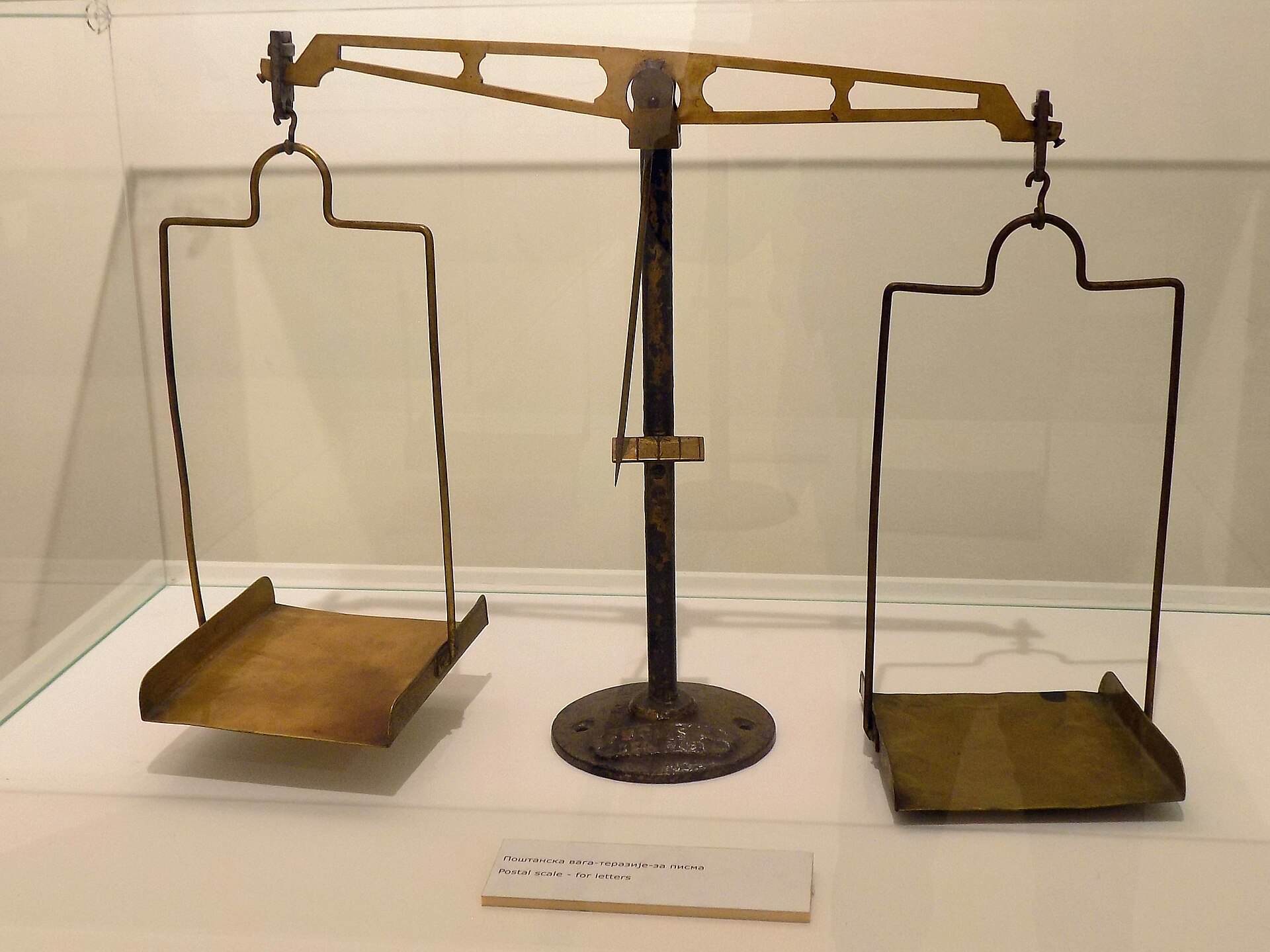
One reason Belgrade’s museum scene works is that it is not only about paintings and dates. Several institutions focus on objects that explain how people lived. The Ethnographic Museum is the clearest example. Its value lies in the details: clothing, craft, domestic tools, regional identity, and the ways everyday life changed across Serbia. If you like museums that help you connect a city to its wider country, this one is especially useful.

For visitors who enjoy heritage with a bit of curiosity, the city also has museums that make technology feel human rather than abstract. The Museum of Science and Technology does that well, and the Tesla museum has a similar effect, even if people mostly come for the name. Belgrade is a city where a scientific museum does not feel separate from the street outside. It feels like part of the same urban ambition that also produces creative cafés, independent thinking, and a slightly restless rhythm.

That restless side of the city shows up elsewhere too. There are unusual places in Belgrade where private collecting and urban ritual overlap, and the city has a long habit of turning personal obsessions into public conversation. Even the café culture supports that mood. People sit long enough to talk about objects, politics, films, and the next place to visit. It is one reason museum days here do not feel sterile. They feel lived in.

If you want to build a heritage-focused day, start with one collection that explains the country, then add one that explains daily life, and finish with a neighborhood walk. Knez Mihailova and Skadarlija give you enough atmosphere to let the museum content settle. If you prefer a stronger historical frame, combine that with Kalemegdan and the Victor Monument in Belgrade. The result is a compact day that shows how memory, landscape, and urban culture sit very close together.

How to choose if your time is limited

Choose by subject, not by reputation

If you care about art, go straight to the National Museum or the Museum of Contemporary Art. If you care about science and invention, prioritize Nikola Tesla and the Museum of Science and Technology. If you want social history, pick the Ethnographic Museum or the Museum of Yugoslavia.

Choose by neighborhood rhythm

Belgrade feels easiest when museums fit into the route you are already walking. Knez Mihailova is the obvious center. Kalemegdan works for a fortress-and-history day. Skadarlija is a good place to end after a museum visit because the city’s food and café culture give you a natural pause.

Central Belgrade museum area

Use this as a rough orientation for the central museum zone around Knez Mihailova, Republic Square, and the route toward Kalemegdan.

Quick orientation

Best for a short visit

Choose one major museum on a route you already plan to walk.

Broadest themes

Art, history, archaeology, science, technology, military heritage, ethnography, and Yugoslav-era memory.

Easy pairings

Knez Mihailova with the National Museum, Kalemegdan with the Military Museum area, or a museum stop before Skadarlija.

If you have only two hours

Pick one central museum and one neighborhood walk. A simple pairing is the National Museum with Knez Mihailova, or a museum near Kalemegdan followed by the fortress grounds. That gives you art or history without losing the rest of your day. If you prefer a more contemporary angle, switch in the Museum of Contemporary Art and keep the rest of the afternoon for the riverside or a coffee stop.

Frequently asked questions

Which museum should I visit first in Belgrade?

Start with the National Museum if you want one place that gives you a broad orientation. If your interest is more specific, choose the museum that matches it and build the rest of the day around that area.

What if I only have time for one subject?

Pick one of three tracks: art, history, or science. Art points to the National Museum or the Museum of Contemporary Art. History points to the Museum of Yugoslavia, military collections, or archaeology. Science points to Nikola Tesla and the Museum of Science and Technology.

Can I combine museums with sightseeing?

Yes. Knez Mihailova, Kalemegdan, the Victor Monument in Belgrade, and Skadarlija all pair naturally with museum visits and keep the day easy to organize.

Are Belgrade museums suitable for a slow day?

Very much so. The city’s café culture makes museum days relaxed rather than compressed, and Belgrade’s spread-out but central layout lets you pause between visits without losing momentum.

Plan your Belgrade museum day

Use the city guide to build a route that matches your interests, then add one museum stop that fits the neighborhood you are already in.

Open Belgrade guide