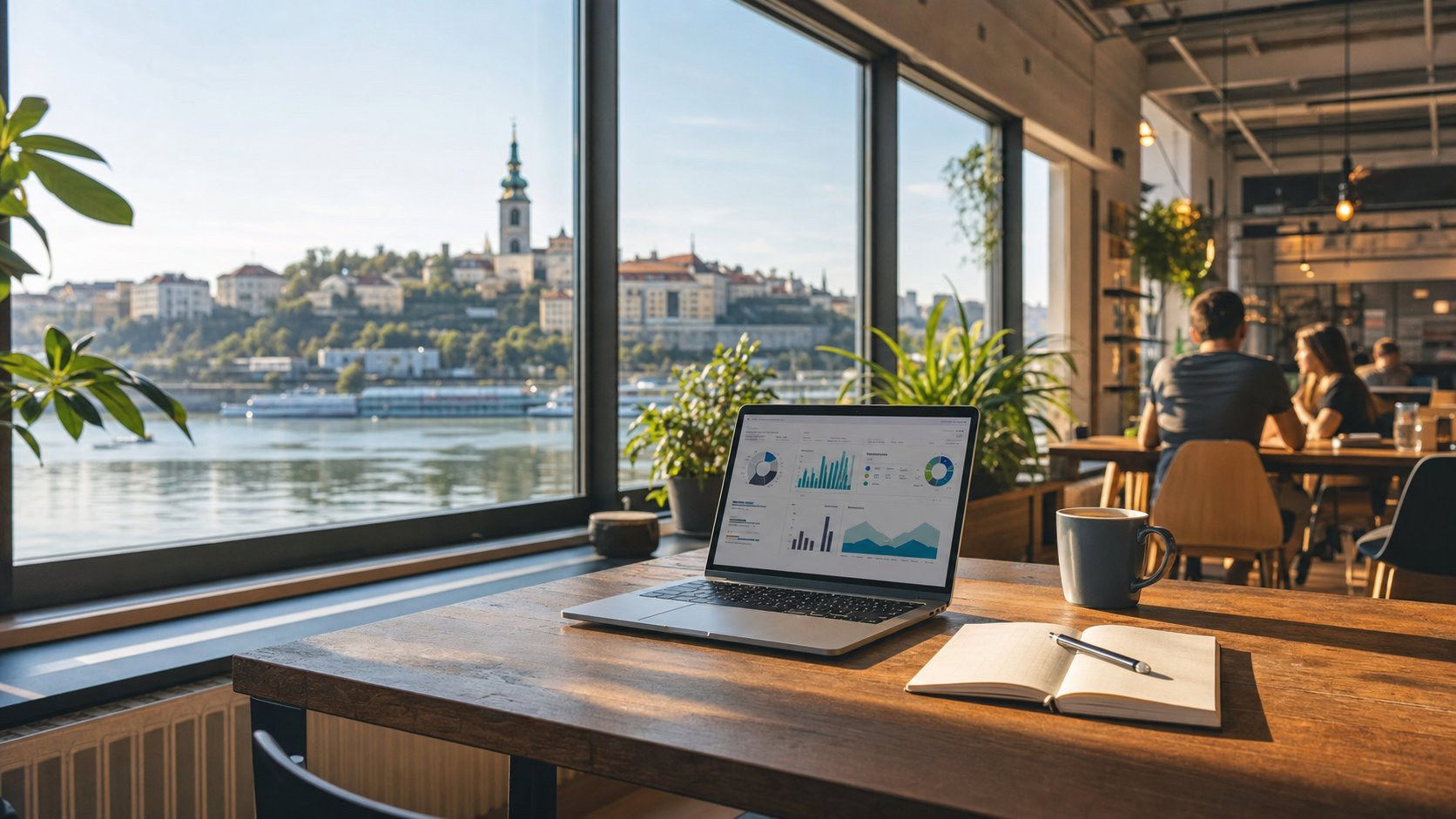
Belgrade
Best for network effects, client meetings, airport access, and the deepest coworking pool.

For many Western passports, Serbia is the easiest kind of long stay: up to 90 days visa-free in a rolling 180-day period. That means you can test the country first, then decide whether to leave and return later, or shift into a longer legal route. Some travellers use the informal border-run pattern, but that is only a short-term tactic and should never be treated as a residency plan.
If you are staying in private accommodation, the host should register you with the local police or e-government system and issue a white card, usually within 24 hours of arrival. If you are in a hotel, the hotel normally handles this. For stays beyond the tourist window, temporary residence is the cleaner route. Serbia offers several pathways, but the paperwork depends on your basis for stay and where you register your address.
[2] [5]| Option | Best use | Typical cost | Setup speed |
|---|---|---|---|
| Yettel Hipernet | Apartment primary line | Often around €20-35/month depending on package | Fast if the building is already wired; otherwise a few days to longer |
| SBB | Stable city apartment internet | Usually similar urban price bands | Good in many central buildings |
| Orion telekom | Budget fibre or telecom bundle | Often lower-cost than premium bundles | Varies by address and building readiness |
| Local SIM/postpaid | Backup hotspot and calls | Plan-dependent, usually modest monthly spend | Same day if you buy at a shop |
| Travel eSIM | Day one connectivity and failover | Plan-based, often €5-40 | Minutes |
Belgrade has the biggest coworking scene, with day passes commonly in the €8-20 range and monthly memberships often landing around €100-220 depending on desk type and location. Novi Sad is smaller but still workable for freelancers who need a quiet room and stable Wi-Fi. Niš has fewer formal coworking options, so cafés and apartment workspaces matter more. In all three cities, you should check whether power sockets are accessible, because some cafés have excellent coffee but poor laptop ergonomics.
Café-as-office works best for short focused sessions rather than full-day marathon work. Order regularly, avoid peak lunch times, and expect some cafés to prefer light laptop use. If you need a productive half-day, choose an apartment with fibre and treat cafés as a supplement rather than your main line.
Serbia’s tax picture depends on whether you are merely visiting, becoming tax resident, or registering a business structure. The broad rule to understand first is the 183-day test: spend enough time in-country and you may become tax resident, which can affect where you owe tax on worldwide income. That is why short-term visitors should track entry and exit dates carefully.
Some freelancers look at the paušalac regime, a flat-tax small-business structure used by local entrepreneurs and contractors. It can be useful, but it is not automatic and it is not a casual travel hack. If you are seriously considering 6-12 months, get professional advice before acting on any tax setup.
[6]For most nomads, spring and early autumn are the easiest seasons: temperatures are comfortable, city walking is pleasant, and apartments feel easier to live in without running air conditioning all day. July and August are fine if you prefer long evenings, but city heat can make older apartments less comfortable. November through February works if you are content with indoor work and shorter daylight.
Reserve apartments early if you are arriving in September or October, when many short-term and long-stay travellers are moving at once. If you want a base near the Danube or in a quieter area, weekdays are better for apartment viewings and landlord conversations.
Expect a city-first experience: apartments in older buildings, uneven lift access, variable noise from courtyards and traffic, and a practical dress code that is mostly casual. In central Belgrade, accessibility can be limited in older buildings, so check stairs, lift size, and entrance width if mobility matters. Family life is normal in residential districts, and weekend noise is usually more about traffic, bars, or riverfront venues than about public disorder.
Bring a power bank, a SIM or eSIM fallback, and a healthy tolerance for administrative inconsistency. Serbia is manageable, but it rewards travellers who keep copies of documents and ask direct questions early.
[1]Belgrade, Novi Sad, and Niš are the main long-stay city bases; use this map as a starting point for central Belgrade planning.
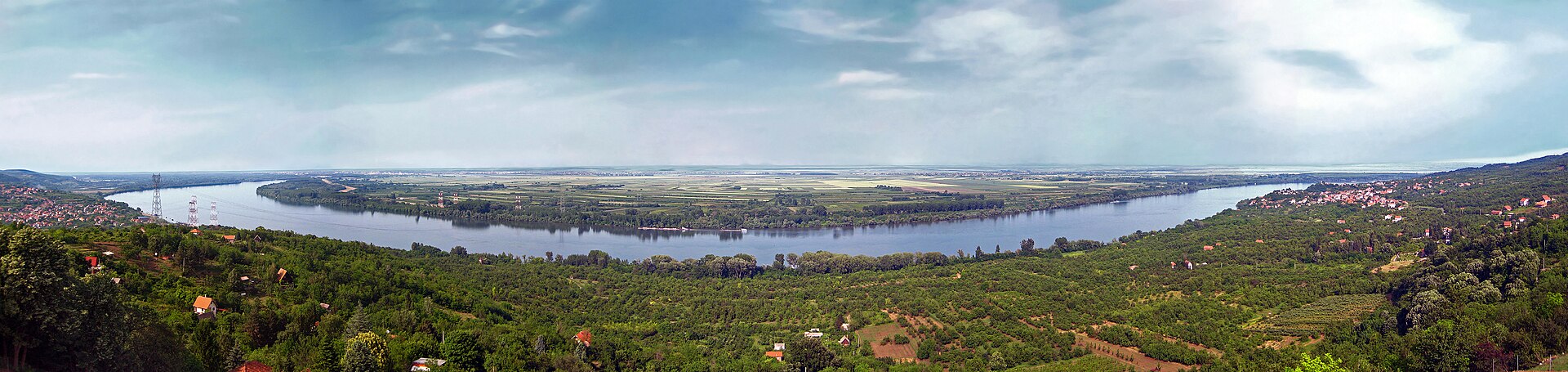
Best for network effects, client meetings, airport access, and the deepest coworking pool.
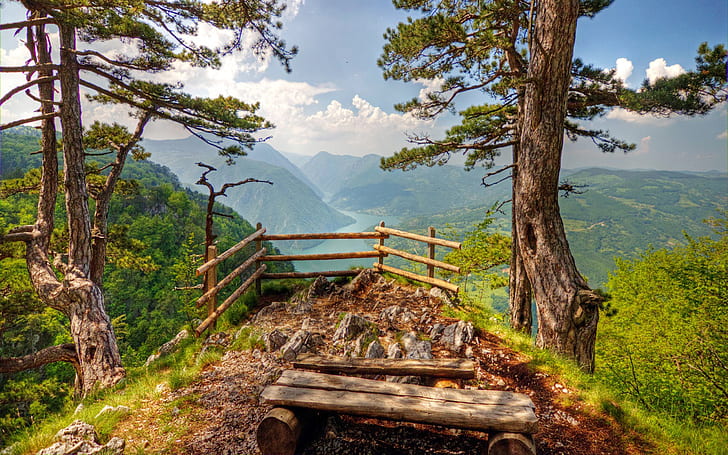
Best for a quieter daily routine, strong café culture, and easy walking between central streets.
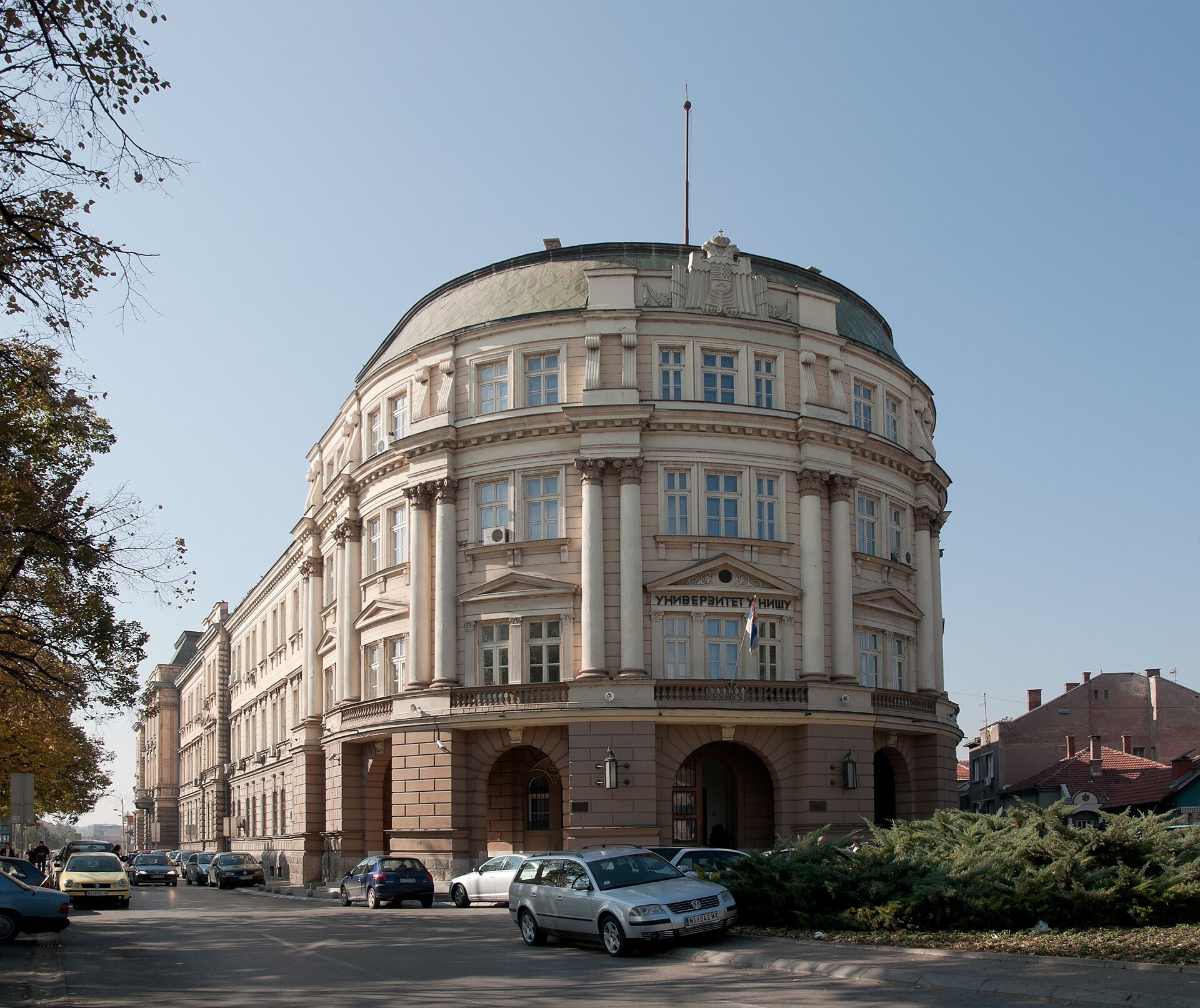
Best value base with lower rent, simple logistics, and a more relaxed city rhythm.
These are the areas most remote workers actually use for daily life: walkable streets, decent cafés, reliable apartment stock, and easy taxi access.
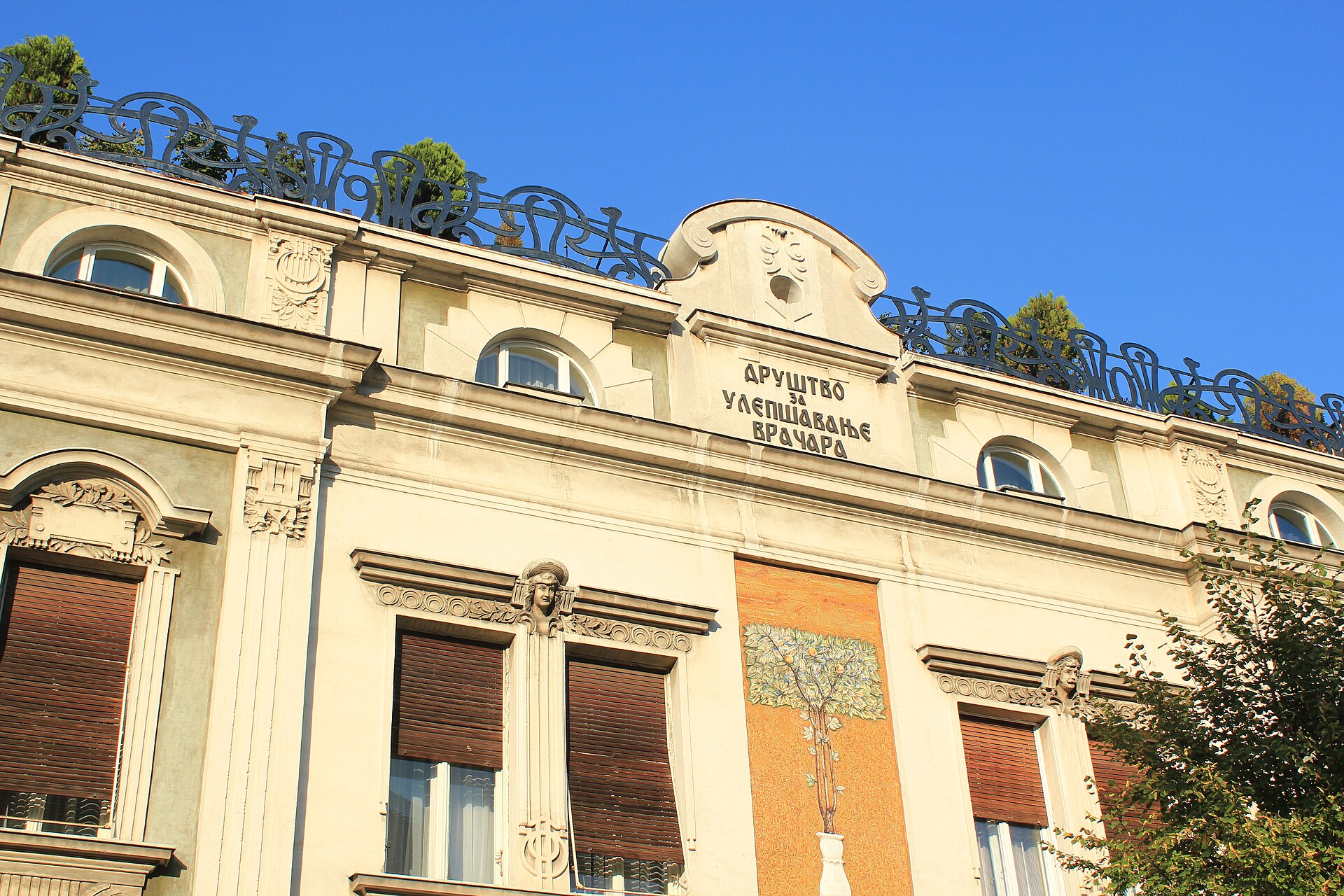
Vračar
Central, residential, and practical for longer stays.
Strong café density, easy supermarkets, and many apartment buildings with better internet-ready stock than the tourist core.
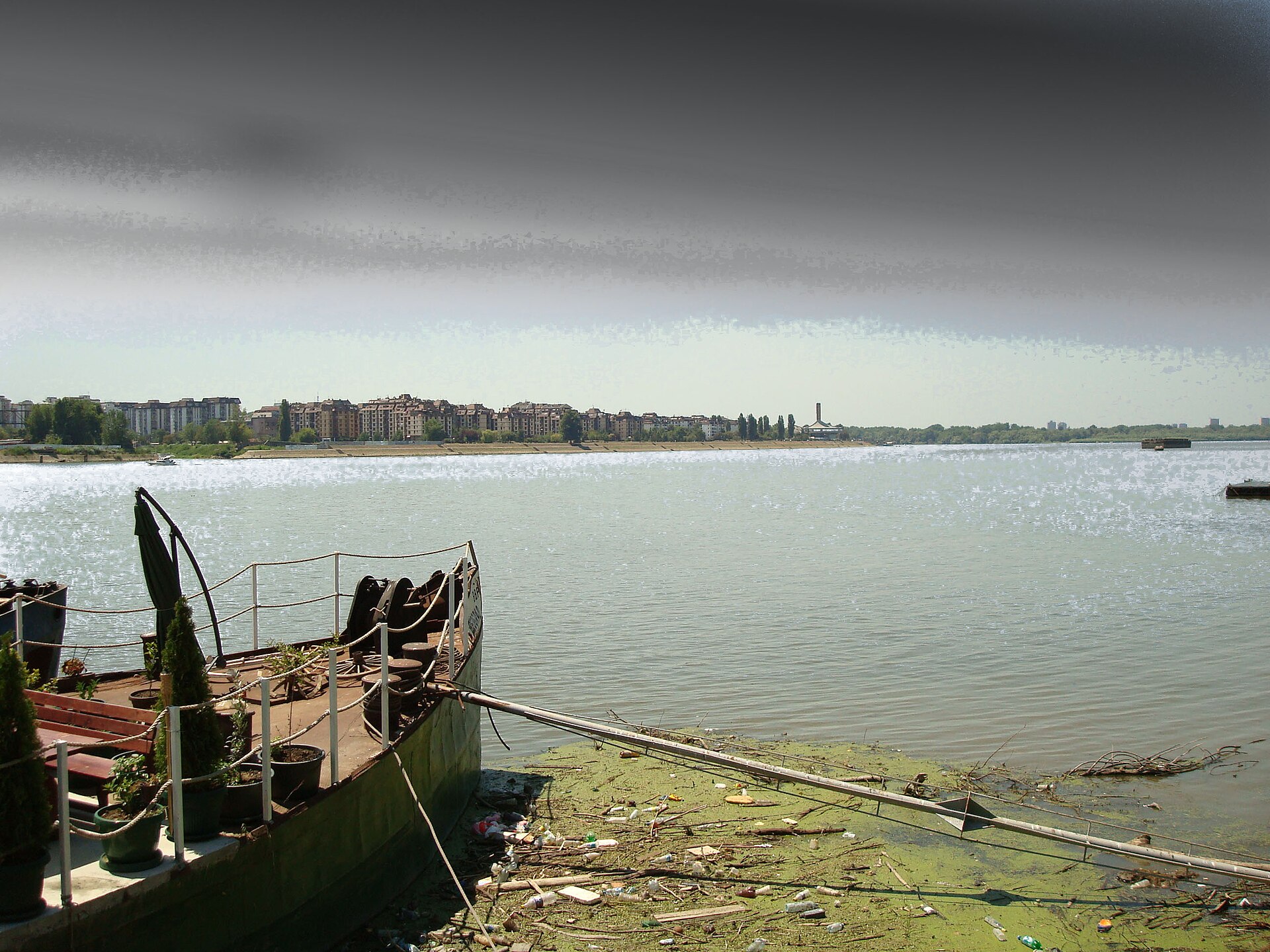
Dorćol
Old-town edge with cafés and easy walking.
Good for nomads who want to work from cafés, walk to the river, and stay near Stari Grad without being in the loudest streets.
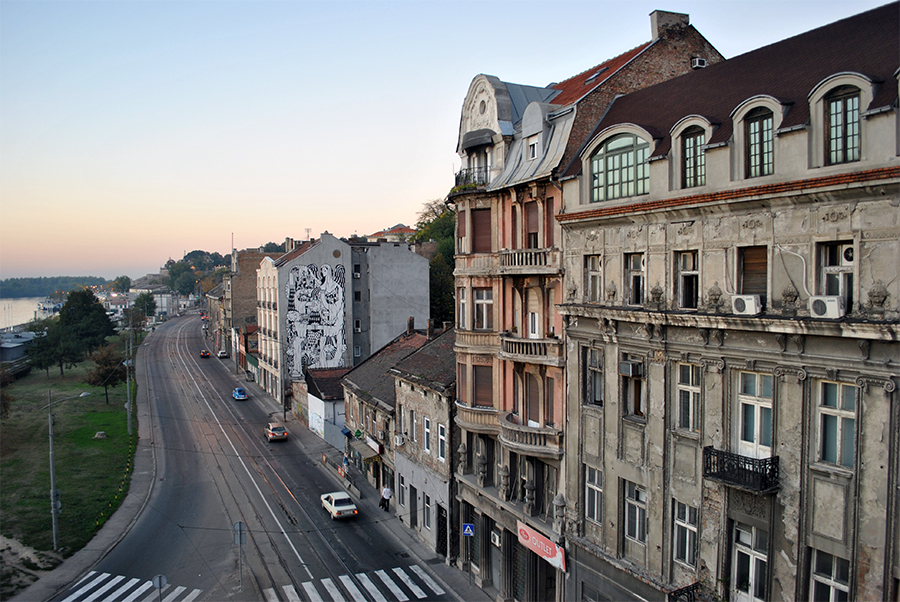
Savamala
Urban riverside quarter with a mixed work-and-nightlife rhythm.
Useful if you want central access, galleries, and a looser evening scene, though some streets are noisier than Vračar or Dorćol.
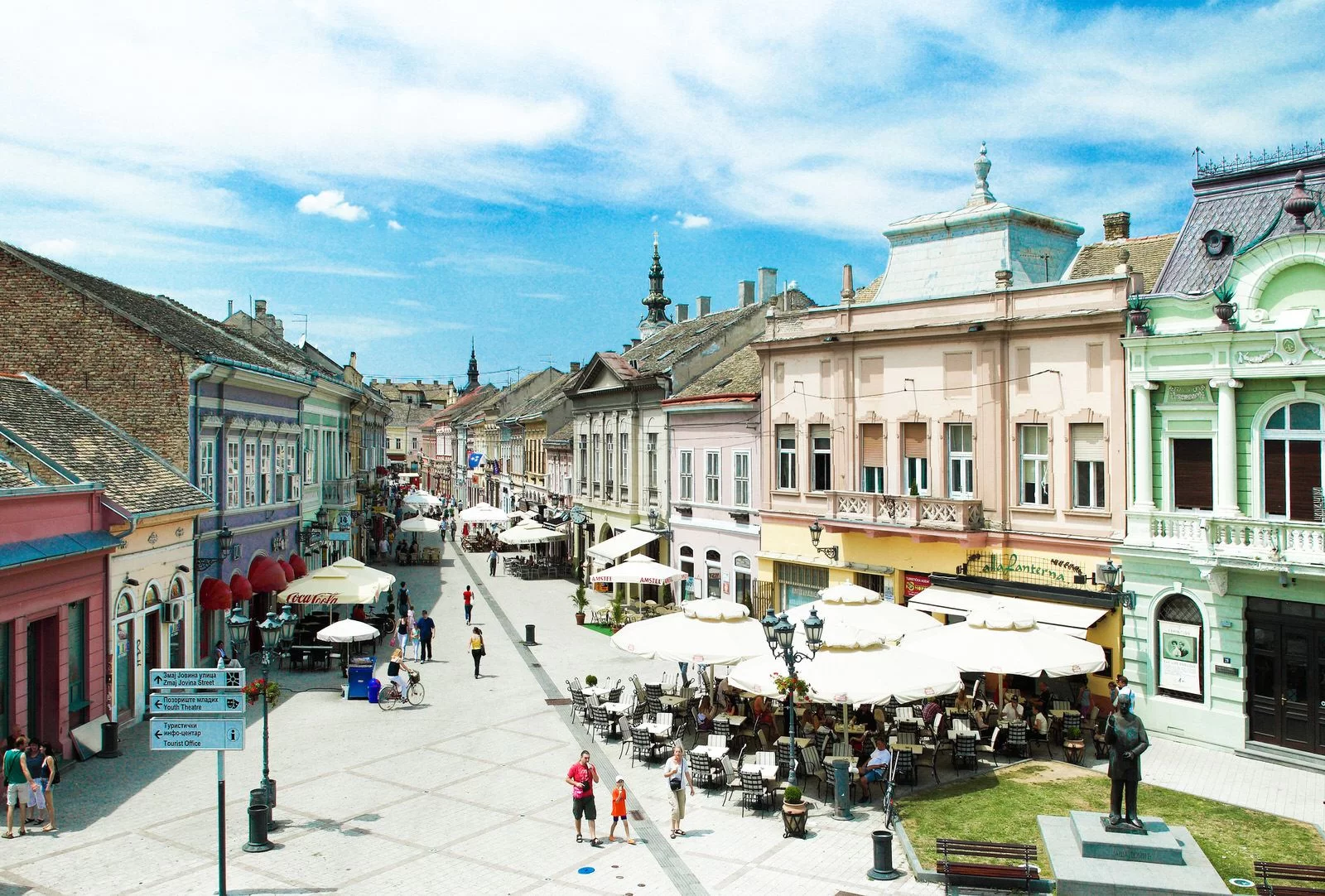
Novi Sad city centre
Smaller-city base with shorter distances and easier routine.
A practical choice if you want to walk everywhere and keep daily costs lower than Belgrade.

European-focused eSIM with a flat 5 percent reader discount via code ROCZXIII at checkout.

Large travel-eSIM catalogue with reliable nationwide coverage on Yettel.

Unlimited data on a single flat price, useful if you tether often.
Regional and global plans that fit Serbia into a wider trip.
Simple flat-rate plans for short trips and quick setups.
Granular Balkan plan sizes from small backups to large bundles.

Competitive regional Europe bundles via Breeze and B2B infrastructure.
90 days in a 180-day rolling window for many passport holders
White card registration within 24 hours if you are staying in private accommodation
Temporary residence through work, company, family, study, or real-estate-linked routes
Belgrade, Novi Sad, Niš, and seasonal Zlatibor
Around €900-1,800 depending on city, rent, and nightlife
Apartment fibre plus a local SIM or eSIM as failover
Some links below are affiliate links. If you buy through them, Serbian Travel may earn a commission at no extra cost to you. The comparison order is kept intentionally stable for readers making a fast decision.
Yes, especially if you want lower costs than most EU capitals, decent fibre, and a country that is outside Schengen. It works best for people who want a city base rather than a beach or mountain resort.
If you are staying in private accommodation, yes: ask for a white card registration within 24 hours. Hotels usually handle it for you.
No. Some travellers use it to extend time informally, but it is not a stable long-stay solution and should not replace a proper residence plan.
Belgrade, usually Vračar or Dorćol, because the apartment market, coworking supply, and airport access are strongest there.
Usually yes, especially for rent and day-to-day spending. It is also easier to move around on foot, which helps if you are settling in for a few months.
For day one, an eSIM is the easiest backup. If you stay longer, a local SIM or postpaid line can be cheaper and more reliable for voice and hotspot use.
Start with three decisions: pick your first base, check your visa clock, and secure day-one connectivity. Then book a place with confirmed fibre or at least a strong mobile fallback, and keep your white card paperwork in order from arrival.
Stay connected in Serbia