Quibity
European-focused eSIM with a flat 5 percent reader discount via code ROCZXIII at checkout. Default plan: 5 GB / 30 days.

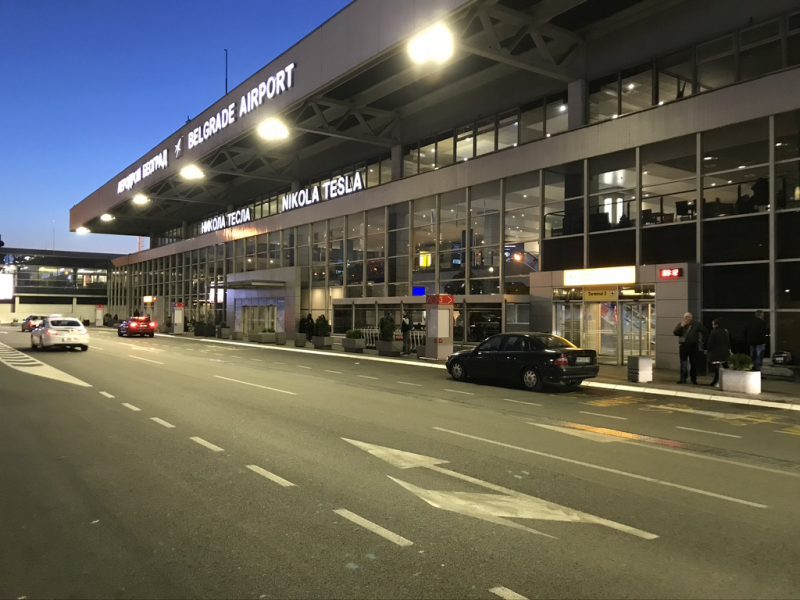
Belgrade Nikola Tesla Airport is Serbia’s main international airport and the place most visitors first need data. In practice, that means checking a taxi fare, confirming a hotel message, ordering a ride, or deciding whether to buy a prepaid SIM before heading into the city. The airport sits in Surčin, west of central Belgrade, and arrivals are straightforward, but mobile signal and Wi‑Fi quality can vary by terminal crowding.
If you are staying longer, the airport is a good decision point rather than a place to overpay. For a broader setup across the country, keep Internet in Serbia for tourists open in another tab.
The mood in arrivals is functional: quick, busy at peak times, and not built for lingering. Most travellers spend only enough time here to get online, clear passport control, and move on.
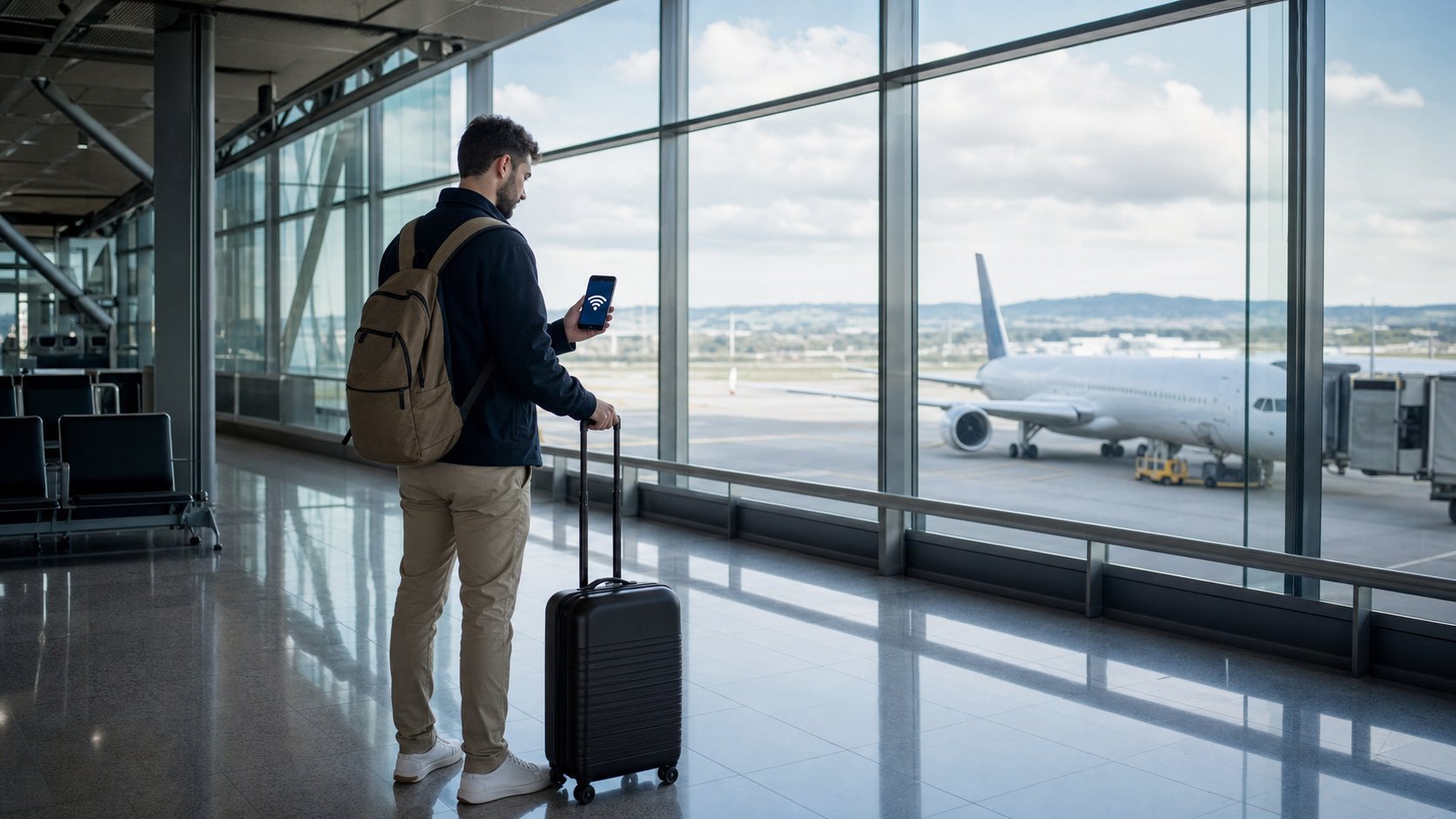
Free airport Wi‑Fi is the easiest first step. The network is usually advertised as FreeWiFi BEG and opens through a captive portal after you join the SSID. In many cases the access window is about 60 minutes per device, which is enough for messages, maps, and a ride booking, but not for long uploads or streaming. Real-world speed is often fine for text, email, and basic browsing, then slows at busy times when arrivals fill up.
The login flow is simple: select the network, wait for the portal to open, accept the terms, and retry if the page does not load immediately. If the portal stalls, toggle Wi‑Fi off and on once, or re-open a browser tab. For a short layover, this is usually enough.
Most first-time visitors use data to solve one thing: getting from the airport to the city without confusion. If you are booking a taxi app or messaging your hotel, free Wi‑Fi is often enough. For licensed taxis, the airport desk and fixed process reduce the need for a ride-hailing app, but you still want data in case you need to confirm the address or share live location.
The A1 minibus and airport bus connections are usually manageable without data if you already know your stop, but online maps help when you are arriving late or carrying bags. The rail connection to the city has become more useful for some travellers, yet it still helps to have working data for timetable checks and station navigation. A stable eSIM is the safest all-around option if you want to move immediately.
Airport convenience usually costs extra. If you are staying in Belgrade for more than a weekend, the better value is often a city Yettel store or another carrier shop after check-in. City staff generally have more time to explain the tariff, and the shop floor may have more plan options than the airport desk. That matters if you want a large data bundle, a proper contract-style prepaid package, or help with APN settings.
This is the main money-saving pattern: use free Wi‑Fi or an eSIM to get into the city, then buy the local SIM where the price is lower and the plan choice is wider.
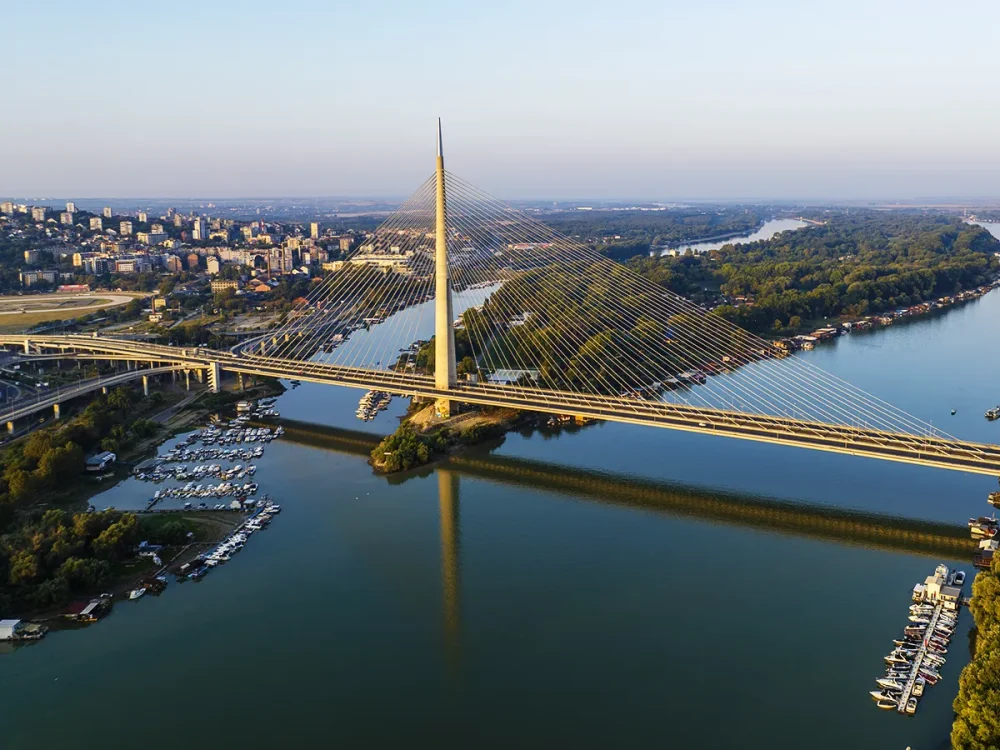
Belgrade Nikola Tesla Airport is in Surčin, west of central Belgrade, and sits close to the main road links into the city.
These are the practical choices if you want a local prepaid SIM before leaving the airport. Prices change, but the bands below are realistic for starter packs and top-up-friendly offers.
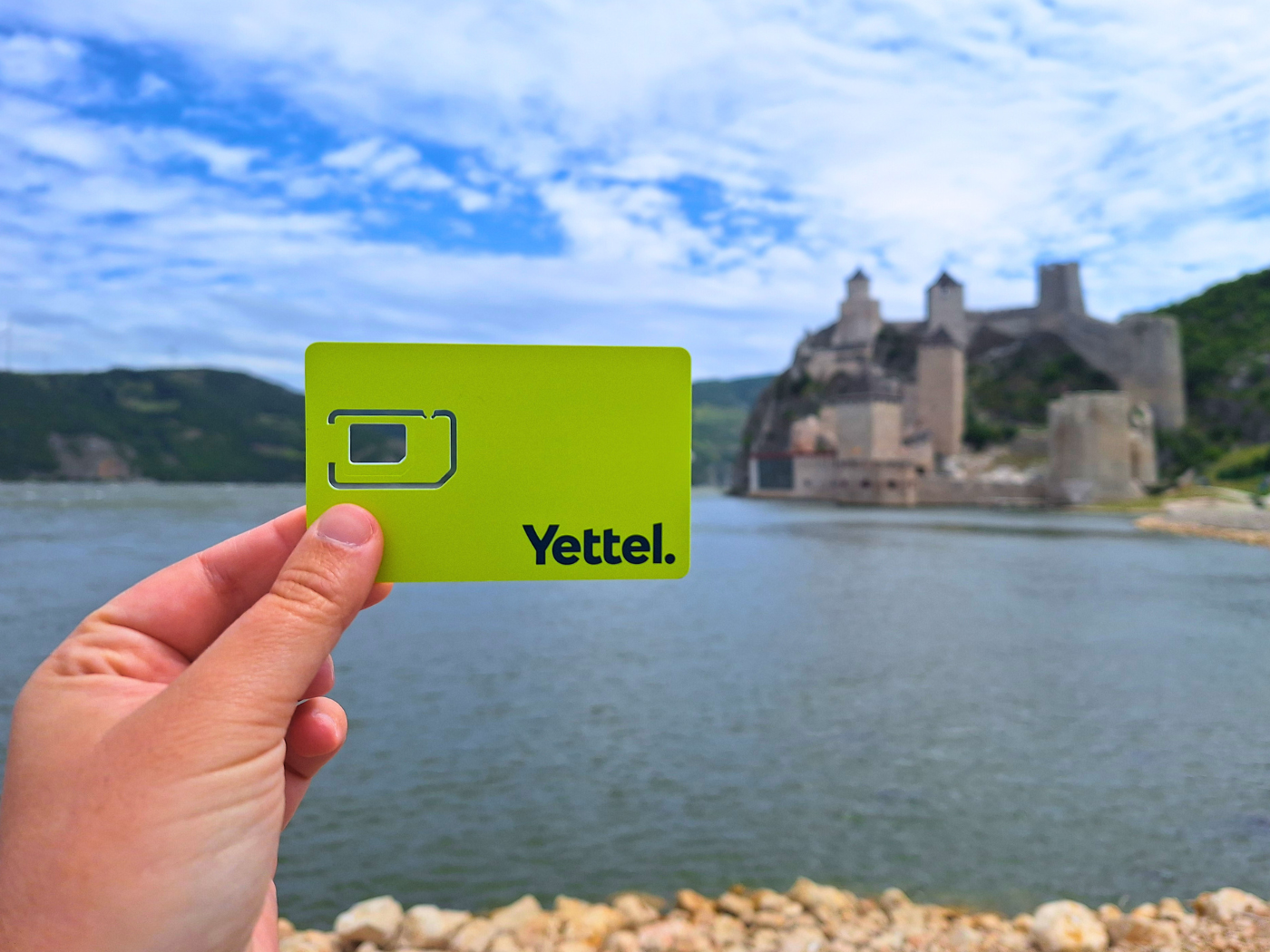
Yettel arrivals kiosk
Prepaid SIMs with local data bundles; usually the easiest first stop for visitors who want a mainstream carrier.
Good if you want a normal Serbian number, quick activation, and a simple first data package.
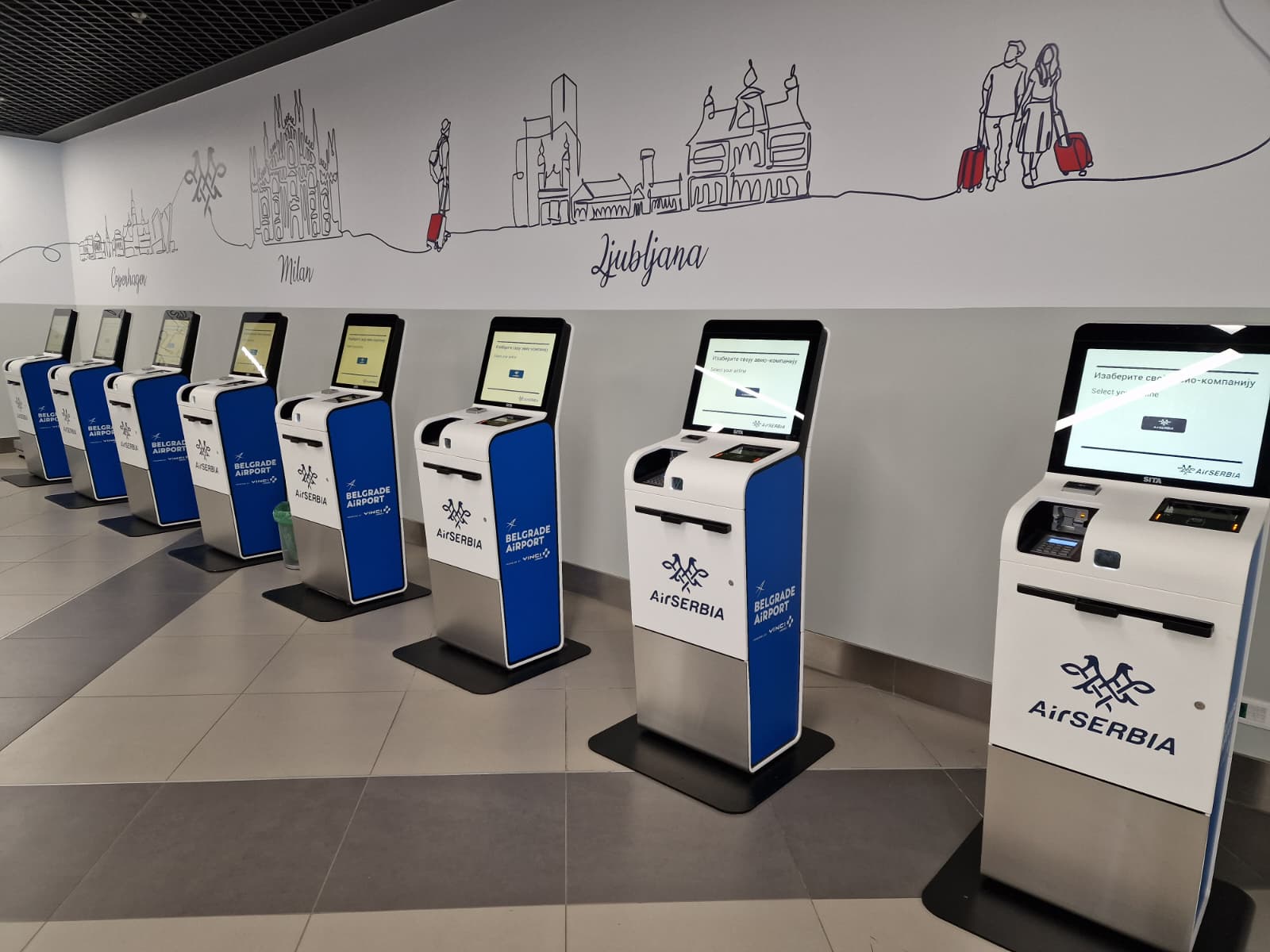
mts arrivals kiosk
State-backed carrier with prepaid options and short-stay starter packs.
Useful for visitors who want an airport pickup without wandering into the city first.
A1 airport desk
Prepaid SIM and data bundles, often with competitive starter prices for a first few days in Serbia.
A practical option if you need data for transfers and messages right away.
Airport newsstand or convenience counter
Sometimes sells top-ups or starter vouchers when carrier desks are busy.
Not a first choice for a new SIM, but useful if you only need to add credit or ask where the nearest carrier desk is.
European-focused eSIM with a flat 5 percent reader discount via code ROCZXIII at checkout. Default plan: 5 GB / 30 days.

Largest travel-eSIM catalogue; reliable nationwide coverage on Yettel. Default plan: 5 GB / 30 days.

Unlimited data on a single flat price, useful if you plan to tether or stream. Default plan: 7 days unlimited.
Regional and global plans that work well when Serbia is one stop on a wider trip. Default plan: 5 GB / 30 days.
Simple flat-rate plans for shorter stays. Default plan: 3 GB / 15 days.
Granular plan sizes from small bundles up to large data plans. Default plan: 5 GB / 30 days.
Competitive Europe bundles sold through partners. Default plan: 10 GB / 30 days.
FreeWiFi BEG, usually usable for 60 minutes per device
Yettel, mts, and A1 in arrivals
eSIM activated before landing, then city SIM only if needed
Around RSD 1,000–3,000 for starter packs
Ordering a taxi, checking transfers, and sending arrival details
/travel-tips
Belgrade Nikola Tesla Airport, Aerodrom Beograd 59, Surčin
West of Belgrade city centre
Arrival connectivity for Wi‑Fi, SIMs, and eSIM setup
Free to about RSD 3,000 for airport starter SIMs
Early morning and off-peak arrivals if you want a calmer kiosk experience
No for Wi‑Fi; no for kiosk purchases; yes only if your eSIM provider requires sign-up
Airport carrier desks price prepaid packages in RSD. Some desks or resellers may quote a rough EUR equivalent, but the cleanest way to compare is to think in dinars and pay in dinars. If you land with euros only, use an ATM inside or near the terminal rather than accepting a poor conversion at a counter. Card payment is often possible, but not guaranteed at every kiosk.
For a short stay, the cheapest airport option is often a small starter pack plus your hotel Wi‑Fi. For longer stays, the real value usually appears once you compare airport pricing with a city store.
Some provider links on this page are affiliate links. If you buy through them, Serbian Travel may earn a commission at no extra cost to you.
Usually yes. It is enough for a map, a booking confirmation, or a message to your driver, but not ideal for heavy uploads or long calls.
Yes, bring your passport. The carrier desk will usually need identification to register a prepaid SIM.
Usually yes. Airport convenience adds a premium, so city stores often offer better value once you are settled.
If your phone supports it, yes. Installing it before departure avoids queues and gives you data as soon as you land.
Sometimes a desk may quote EUR, but RSD is the standard pricing currency. If possible, pay in dinars for a clearer comparison.
Free Wi‑Fi plus an eSIM or a small airport starter pack. For longer stays, a city SIM is usually better value.
Use FreeWiFi BEG for your first messages, then decide whether an airport SIM is worth the premium. If your phone supports eSIM, activate it before you leave the terminal and avoid the kiosk queue entirely.
For the most direct next steps, compare the options in eSIM for Serbia, then keep Internet in Serbia for tourists open for citywide coverage notes and the Digital Nomad Guide to Serbia if you need a longer working setup.
Stay connected in Serbia