
Northern Banat, Vojvodina

Kikinda is a practical northern Vojvodina stop for travelers interested in focused local culture rather than headline attractions. Its strongest reasons to visit are the Terra Museum and the Kika mammoth at the National Museum, with Suvača and the town center adding context for a half-day or full-day visit.
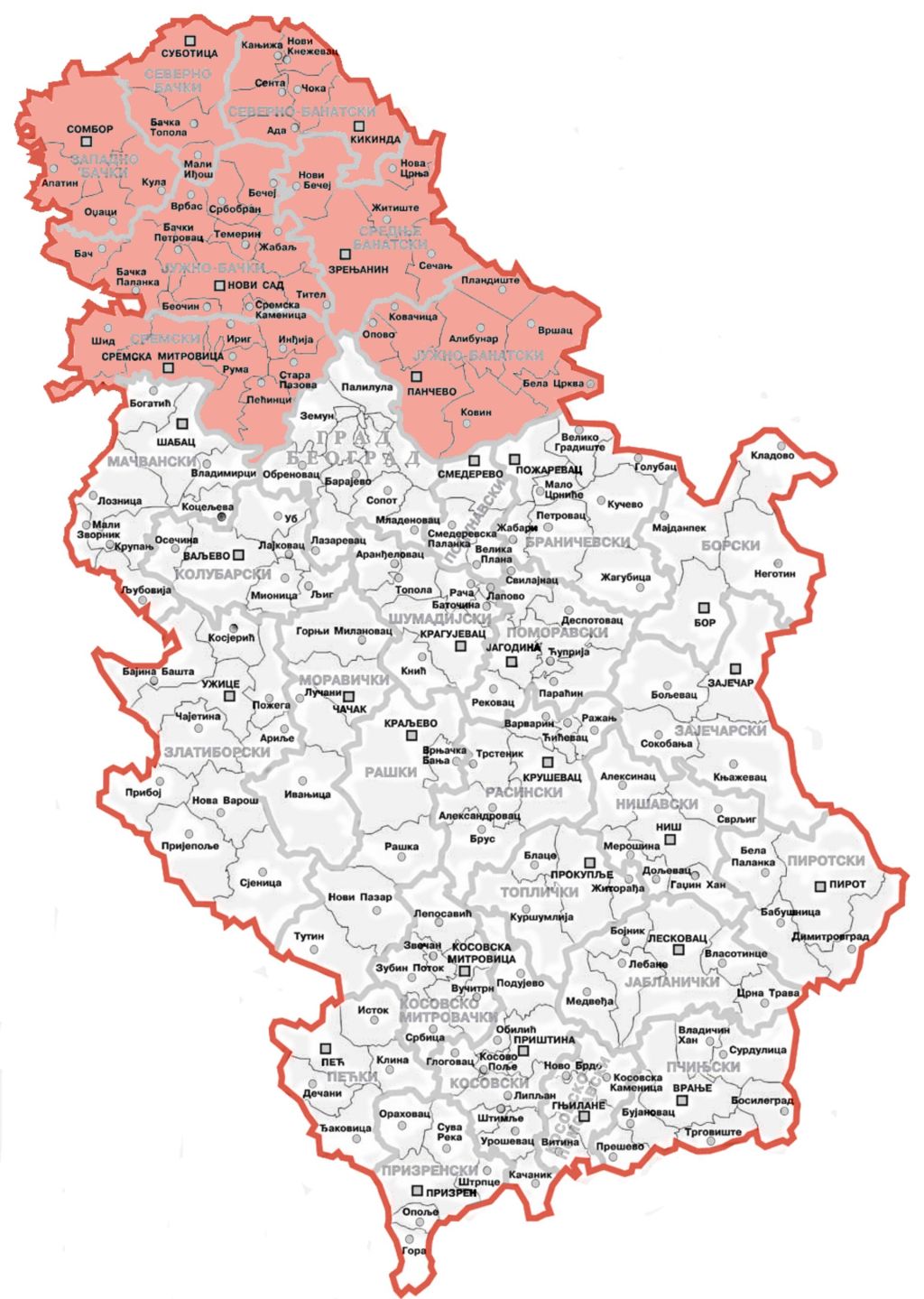
Kikinda lies in the northern Banat plain, close to the Romanian border, and feels more spacious and slower-paced than larger Vojvodina cities. It developed as an important regional center in the Habsburg period and today is best known to visitors for two culture stops: the Terra Museum with its terracotta works and the Kika mammoth displayed by the National Museum. The town center is easy to explore on foot, with broad streets, civic buildings, and a practical small-city rhythm. Within a wider Vojvodina travel plan, Kikinda suits travelers who prefer museums and local character over a packed sightseeing checklist.
Kikinda’s main draw is unusually specific: baked earth and deep prehistory. The Terra Museum is tied to the city’s long ceramic and brickmaking tradition and focuses on terracotta as a serious artistic medium rather than a decorative sideline. That gives Kikinda a cultural angle that feels distinct within Serbia. The other anchor is Kika, a well-preserved mammoth skeleton that gives the town a memorable museum identity even for travelers who know little about Banat. Together, these two places make Kikinda more rewarding than a simple pass-through stop. If you are building a broader route from Novi Sad across the province, Kikinda adds a different museum experience from the Danube-focused cities.
A compact first-time plan is usually built around these themes.
A museum-led morning
Start with the National Museum or Terra Museum, then add the second museum if schedules line up.
A short heritage walk
Use the center and Suvača to connect museum collections with the town’s older economic life.
A half-day Banat stop
Kikinda is easy to visit without overcommitting time, especially if you are crossing Vojvodina by car.
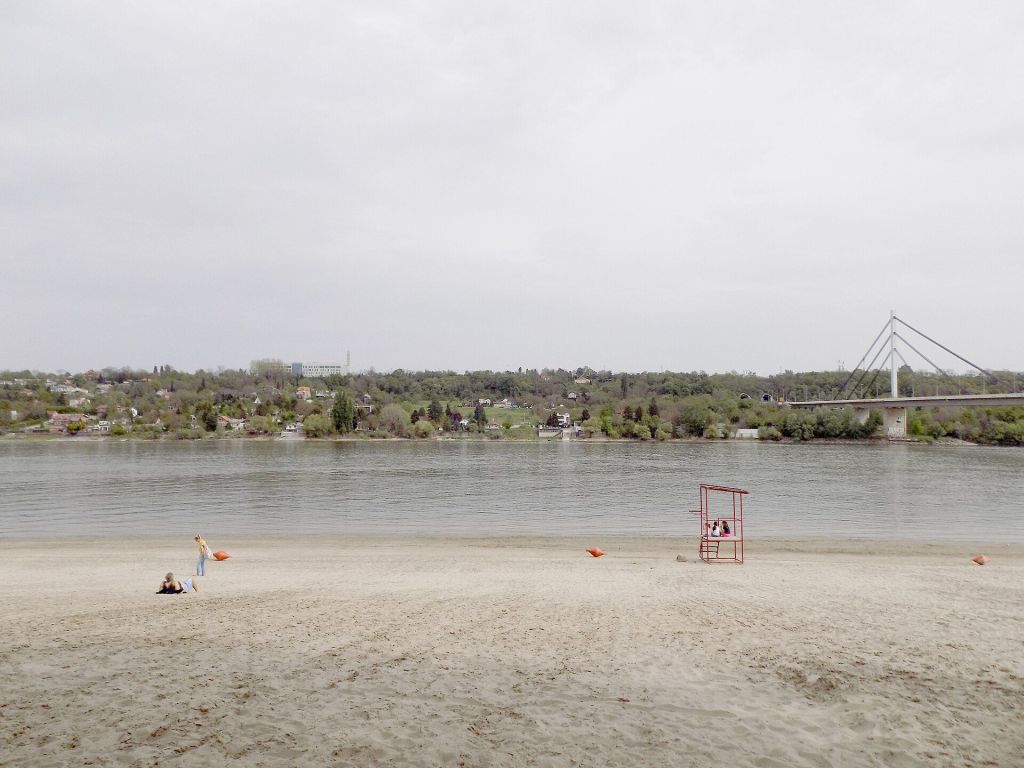
If you arrive at the bus or rail area in Kikinda, the center is a manageable walk: head toward Svetosavska and continue to Trg srpskih dobrovoljaca, roughly 10 to 15 minutes depending on your exact starting point. For drivers, Kikinda is usually reached through Banat road routes, with state road numbers 13 and 300 relevant on approaches through the region; parking is generally simpler than in larger Serbian cities, but the central area is still easiest on foot once you leave the car. Local transport in a town this size is less important for most visitors than arriving by intercity bus or car. If you are planning the wider journey first, practical route planning is easier with Getting Around Serbia and the live Serbia Transit Search. Taxi rides inside town are usually short and best handled by phone booking or from a marked stand in the center.
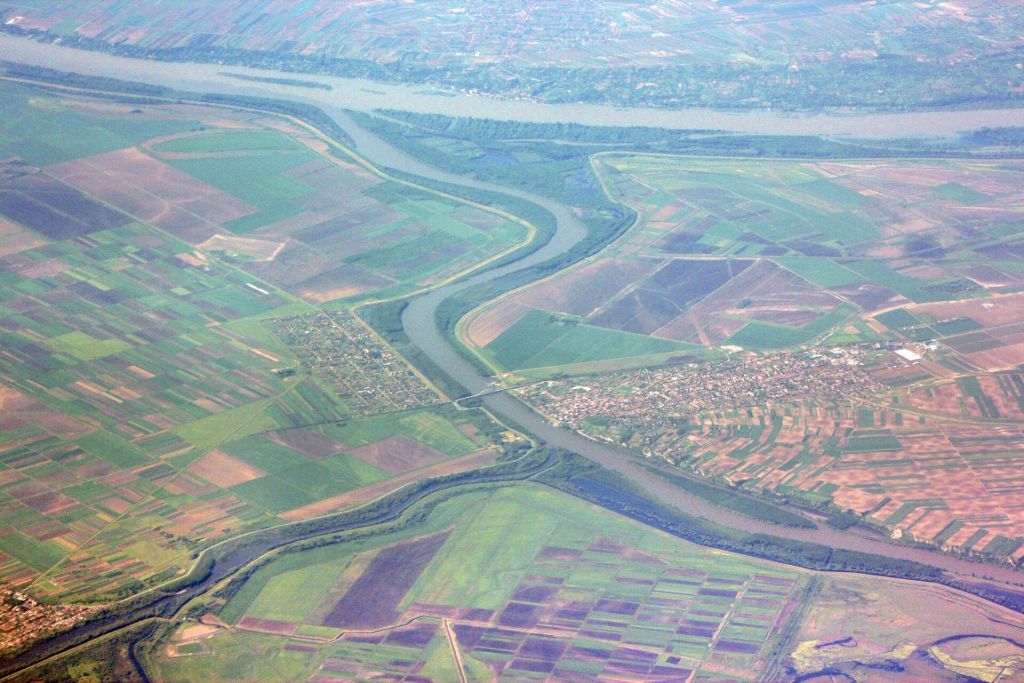
The most practical time to visit Kikinda is during a weekday or Saturday daytime when museum visits fit easily into one compact walking plan. Spring and autumn are the easiest seasons for a town-center walk, since northern Vojvodina can feel exposed in midsummer heat and noticeably colder in winter. Start with the museum that matters most to you, because opening patterns for smaller Serbian museums can vary by day and season. If your trip is part of a longer northern Serbia route, the seasonal advice in Best Time to Visit Serbia helps set expectations for weather across Vojvodina.
Expect a calm provincial center rather than a large-city sightseeing circuit. Kikinda suits travelers who enjoy museums with a regional focus, straightforward walking, and time to notice everyday town life. Dress is casual. Families can manage the center easily, and the mammoth display gives children a clear anchor point even if the rest of the visit is more adult-focused. Accessibility depends on each institution rather than the town as a whole, so check directly if you need step-free access. Bring water in warmer months, and keep your schedule flexible enough for museum-first planning. If you are managing costs closely, the broader budgeting advice in Serbia Travel Costs is useful before setting out across Vojvodina.
Guided routes, walking tours, and experiences that help you make the most of a visit to Kikinda.

Kikinda Terracotta Museum
Kikinda Terracotta Museum in Kikinda.
The Kikinda Terracotta Museum is the clearest stop for understanding why Kikinda is associated with fired clay. The source note describes it as Europe’s only museum dedicated specifically to terr...

Kika Mammoth Skeleton
Kika Mammoth Skeleton in Kikinda.
Plan your visit to Kika Mammoth Skeleton — what to see, how to get there, and what to combine it with.
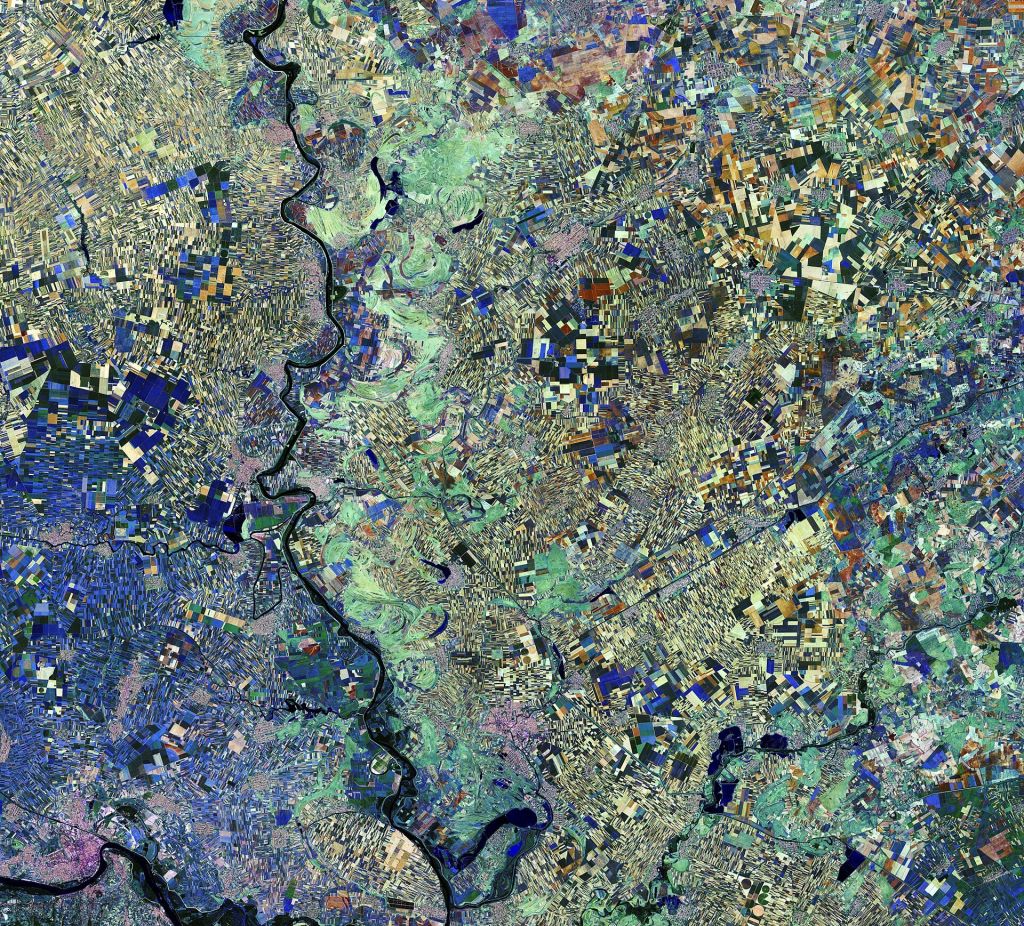
Kikinda is in northern Banat, in the northeastern part of Vojvodina near the Romanian border.
These are the most useful places to build a first visit around. For current admission and exact schedules, confirm directly before traveling.
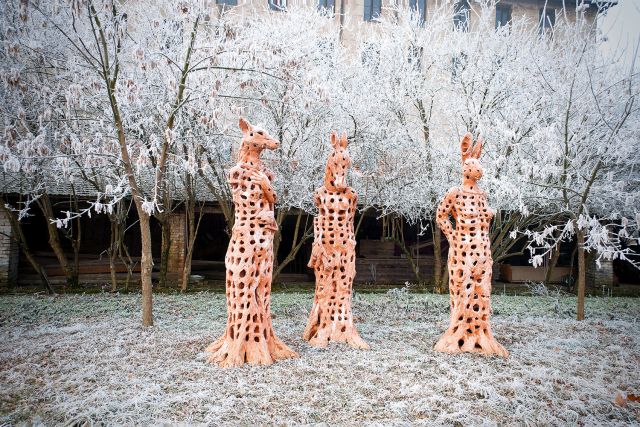
Terra Museum
Kikinda’s best-known specialist museum, focused on terracotta sculpture and ceramic heritage.
The key culture stop for understanding why Kikinda is associated with terracotta. It is the clearest expression of the town’s artistic and material identity.
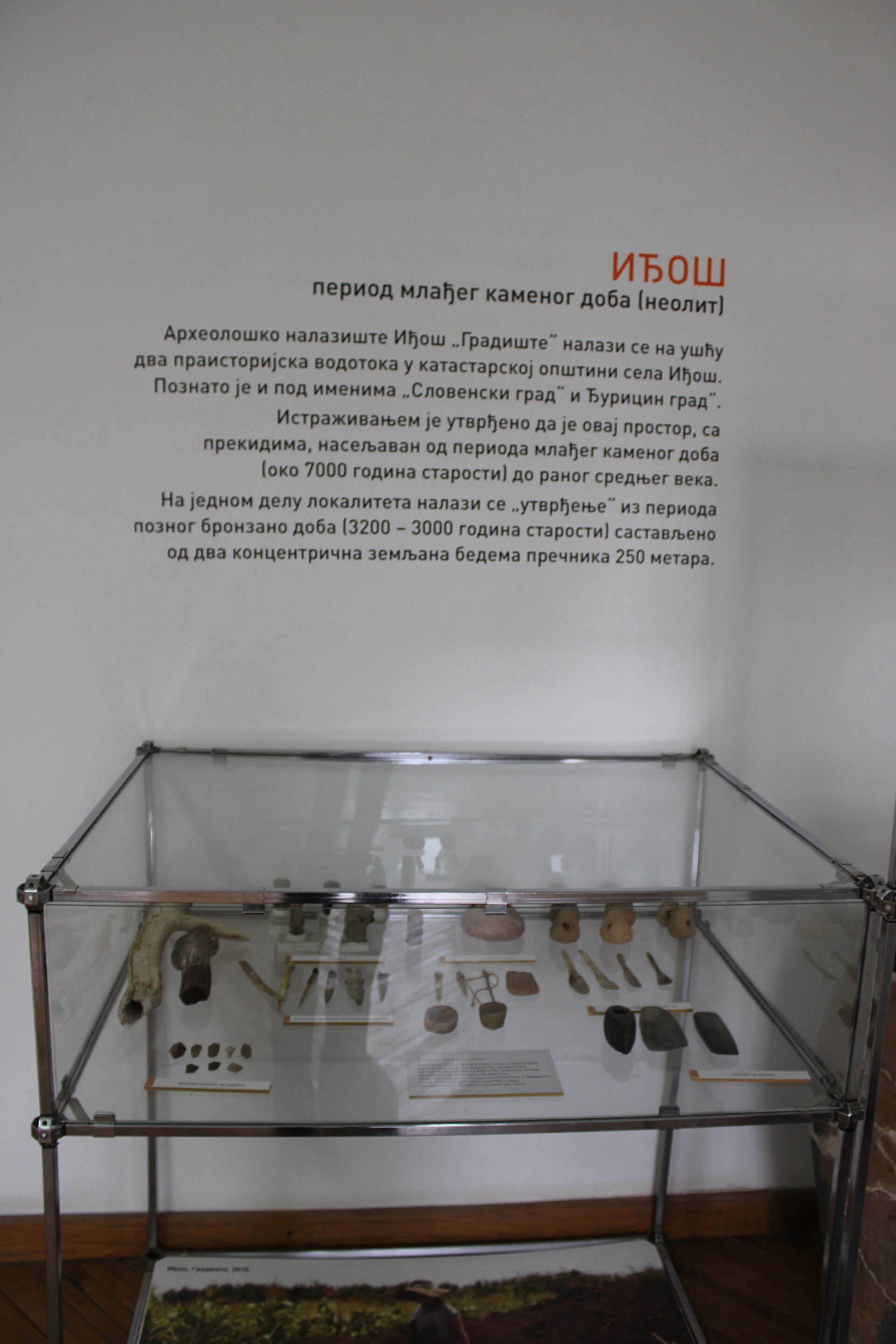
National Museum Kikinda
Local museum known to many visitors for the Kika mammoth skeleton.
This is the essential stop if you want to see Kika and place Kikinda in a wider archaeological and regional-history context.
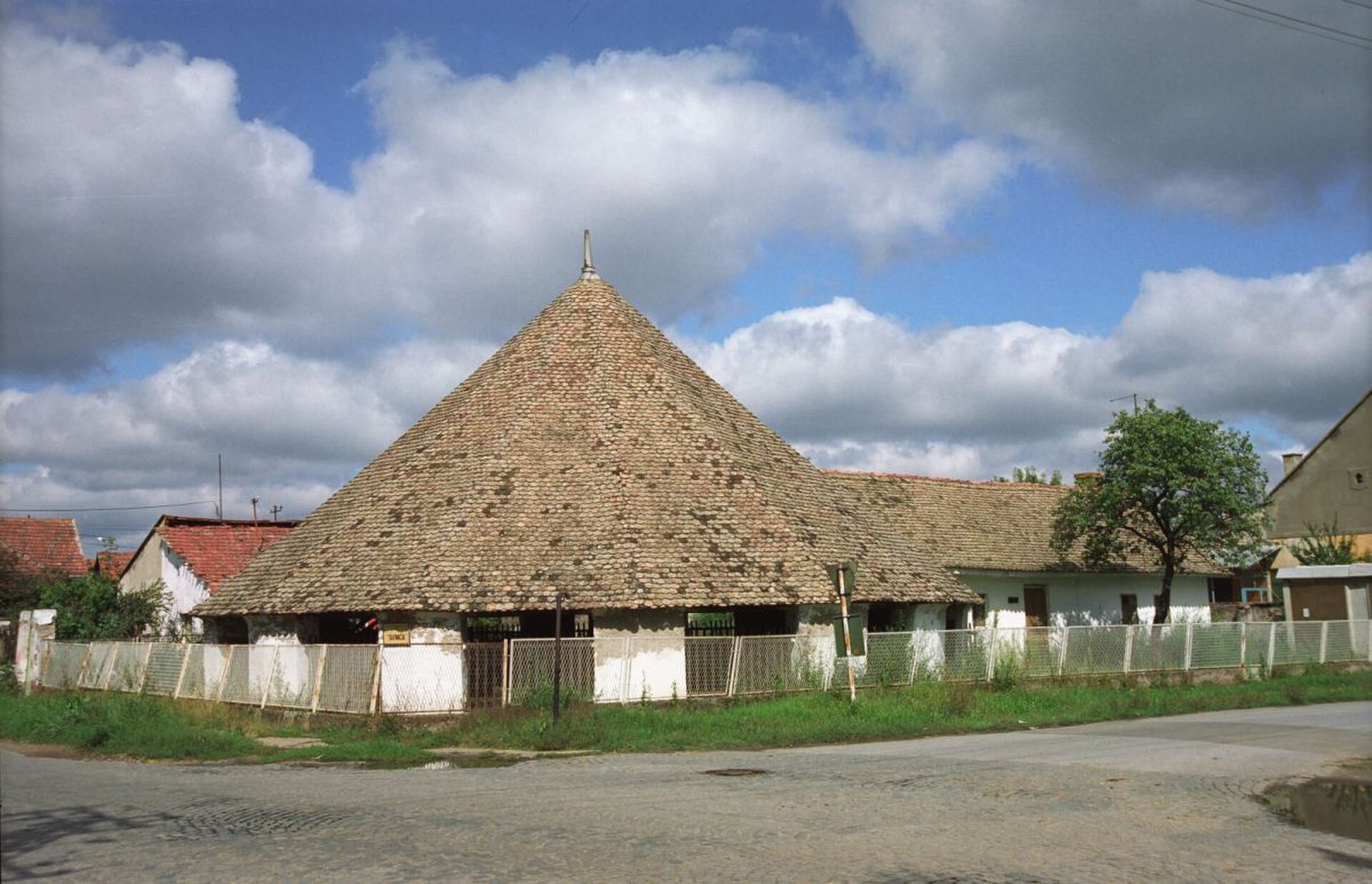
Suvača
A preserved horse-powered dry mill and one of Kikinda’s better-known heritage sights.
Useful for travelers who want a broader view of old production methods and the town’s pre-industrial past beyond the museum collections.
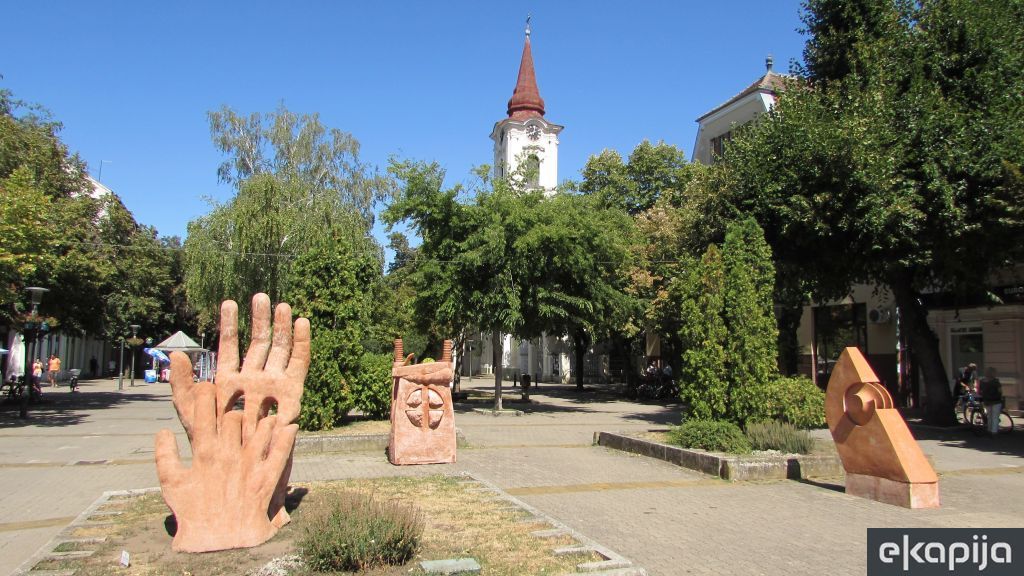
Trg srpskih dobrovoljaca and central Kikinda
The practical heart of town for orientation, civic buildings, and a walking pause between museum stops.
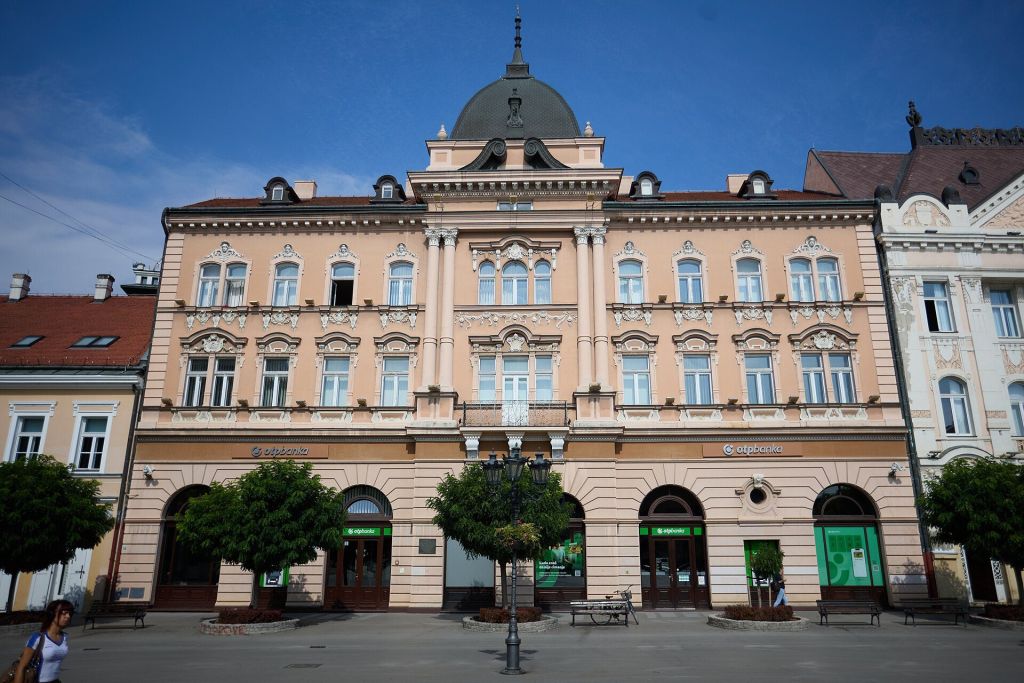
While not a museum, the center helps frame Kikinda as a Banat administrative town with broad streets and a compact pedestrian-friendly core.
Northern Banat, Vojvodina
Novi Sad
Terracotta heritage and the Kika mammoth
Museum-focused half-day or full-day visit
Compact, calm, easy to walk
Usually no, but check museum schedules ahead
Generally lower-pressure than major city sightseeing; confirm museum admission locally
Spring and autumn daytime
Central Kikinda and its museum stops
Give Kikinda half a day if you only want the two museum highlights, or a full day if you want time for the center and an unhurried lunch break between stops.
Many Vojvodina itineraries focus on Novi Sad, Subotica, or Fruška Gora. Kikinda makes more sense for travelers interested in regional museums, industrial heritage, and smaller urban centers in Banat.
Kikinda usually works better as a targeted culture stop than as a base. Most international visitors combine it with a longer stay in Novi Sad or elsewhere in Vojvodina.
No reservation is usually needed for a standard independent visit, but smaller museums can have changing schedules, so checking ahead is sensible if Kikinda is a fixed stop in your itinerary.
Yes if you are interested in smaller museums and local heritage. Kikinda offers a different Banat character and is more about specific culture stops than broad sightseeing.
Most visitors know Kikinda for the Terra Museum and for Kika, the mammoth skeleton in the local museum.
Half a day covers the main highlights for many travelers. A full day gives you more flexibility around museum schedules and a slower walk through the center.
The center itself is walkable, but reaching Kikinda is usually easier if you plan your intercity transport carefully or drive across Vojvodina.
Usually not for a standard independent visit, though checking current museum opening times before you travel is a sensible step.
Ask Serbian Travel for a practical itinerary that connects Kikinda with Novi Sad, Fruška Gora, Subotica, or other stops across northern Serbia.
Stay connected in Serbia