

Kikinda, Vojvodina

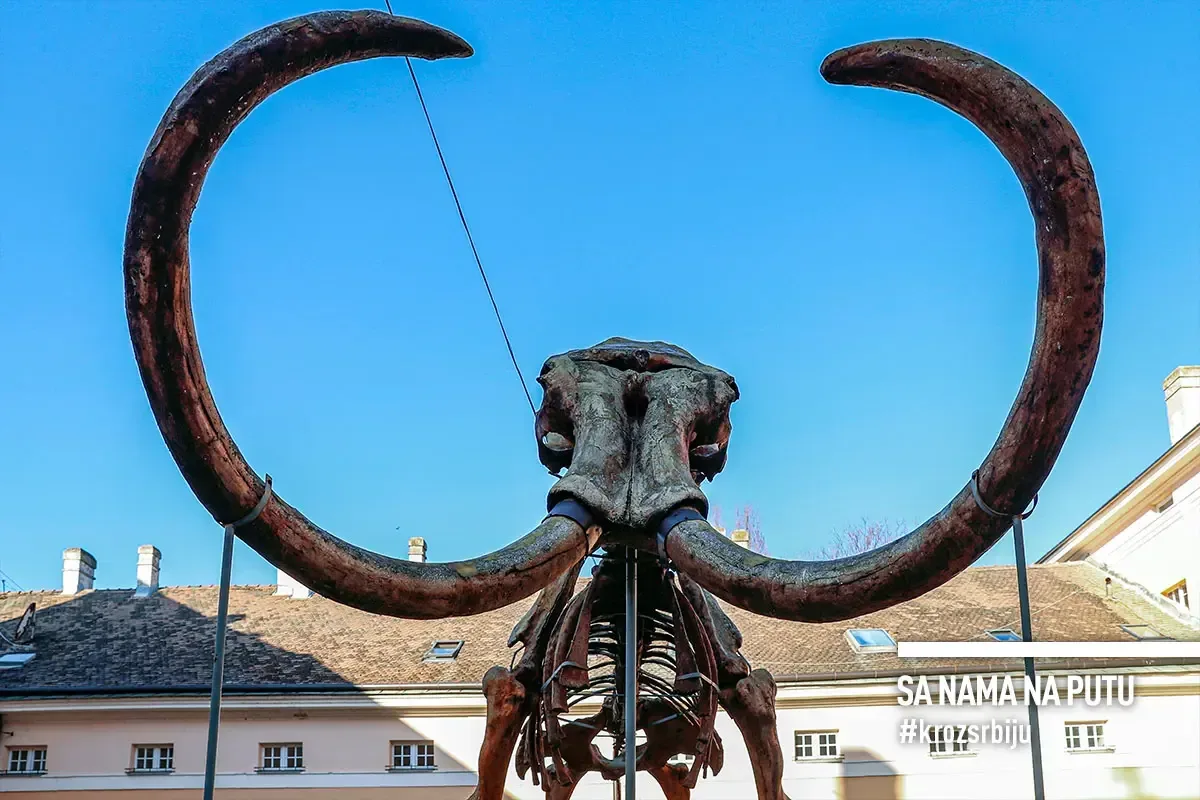
The Kika Mammoth Skeleton is one of Kikinda’s best-known heritage sites. It preserves the remains of a mammoth and is presented at the original location where it was discovered, which gives the visit more context than a standard museum transfer. For travelers, that matters: you are not only looking at bones in a case, but at a find tied to a precise place in the town. The atmosphere is quiet, focused, and interpretive rather than theatrical. In the wider context of Kikinda, Kika stands out as the town’s clearest prehistoric landmark.
What makes Kika different is not only the skeleton itself, but the way it is framed. Many fossil displays are detached from the place of discovery; here, the original find site remains part of the experience. That gives visitors a stronger sense of scale, context, and local memory. In Kikinda, prehistoric heritage also sits alongside ceramics and local history, so Kika works well with the Kikinda Terracotta Museum if you want a more complete picture of how the town presents its past. The result is a stop that is brief, specific, and easier to understand than a large natural-history collection.
These are the practical reasons travelers tend to remember this stop.
Original place of discovery
The exhibit is tied to the exact place where the mammoth was found, giving the visit geographic context.
Easy to combine with town heritage
Kika fits well into a short Kikinda cultural route rather than demanding a full day on its own.
Clear subject for first-time visitors
Even travelers without a background in archaeology can quickly understand what they are looking at and why it matters.
Expect a focused heritage visit rather than a large museum circuit. The main draw is the preserved skeleton and the knowledge that you are standing at the discovery site. Most travelers will spend a short amount of time here, read the interpretation, take a few photos, and move on to another stop in town. There is no special dress code. Families with school-age children will likely find it easier to engage with than text-heavy collections because the subject is immediately legible. If you are building a broader Vojvodina route, Kika fits naturally into a slower cultural itinerary through the region, which you can place within the wider Vojvodina Travel Guide.
Most visitors reach Kika as part of a town visit to Kikinda. If you are arriving from elsewhere in Serbia, first plan your intercity route with the Serbia Transit Search, then handle the short local transfer once in Kikinda. Because the source page for Kika is tightly focused on the attraction itself, it does not provide verified local bus line numbers, parking capacity, or a landmark-based walking route. In practice, Kika is best approached as a central Kikinda stop that you navigate to after reaching town rather than as an isolated countryside site.
Tell us where you want to go and how you travel. We reply within two working days with a tailored plan.
Facts on this page are limited to the source note provided for the topic and site context already present in Serbian Travel.
Kika is in Kikinda and is easiest to reach once you are already in town. Walk or take a short local taxi ride from the center or the bus and rail area. The source page does not publish a stop-by-stop local transit guide, line numbers, parking instructions, or a fixed taxi fare, so treat the last leg as local navigation within Kikinda.
Go in daylight hours and combine it with another Kikinda cultural stop. Because the source note does not publish official opening hours, ticket prices, or reservation rules, it is sensible to confirm current access locally before building a tightly timed itinerary.
Map location for planning your stop in Kikinda.
If you are already making time for Kika, these are the most logical places to combine with it in or around Kikinda.

Kika Mammoth Skeleton
Prehistoric heritage stop centered on a preserved mammoth skeleton.
Known for being displayed at the original find site in Kikinda rather than detached from its discovery context.

Kikinda Terracotta Museum
Museum focused on terracotta art and local ceramic heritage.
A good companion stop after Kika if you want another precise, place-based view of Kikinda’s cultural identity.

Kikinda, Vojvodina
Town guide for planning a broader visit beyond one attraction.
Use the wider Kikinda guide to structure arrival, local pacing, and what else to do before or after Kika.

Mokrin House
Design-led rural stay in nearby Mokrin.
Useful if you want to turn a short Kikinda heritage stop into an overnight in the wider area.
Kikinda, Vojvodina
Kikinda town area
Preserved mammoth skeleton at the original find site
Short stop, usually combined with other Kikinda sights
Not published in the source used for this page
Not published in the source used for this page
Prehistory, local heritage, short cultural stops
Not stated in the source
Terracotta Museum and a walk through Kikinda
The source note identifies Kika as one of the better-preserved mammoth skeletons in Europe and states that it is exhibited at the original find site.
Kika usually works best as part of a half-day in Kikinda rather than as a stand-alone long visit. Pair it with a walk through town and one other cultural stop.
If you are coming from another city, confirm same-day opening information in Kikinda first. The source available for this page does not list current hours or ticketing.
This guide avoids inventing details that are not in the source. If you need exact current hours, ticketing, or accessibility specifics, verify them locally before arrival.
Kika is a preserved mammoth skeleton exhibited in Kikinda. The key point is that it is displayed at the original place of discovery.
The source identifies Kika as one of the better-preserved mammoth skeletons in Europe. That level of preservation makes it significant for visitors interested in prehistoric heritage.
The defining detail given in the source is that the exhibit is presented at the original find site. That sets it apart from a fossil display moved entirely into a general museum setting.
Most travelers should think of it as a short cultural stop. It works best when combined with another Kikinda heritage visit on the same outing.
They are not published in the source used for this page. Check locally before you go if exact timing matters for your itinerary.
Ask for a practical itinerary that places Kikinda within a wider Vojvodina or northern Serbia trip.
Stay connected in Serbia