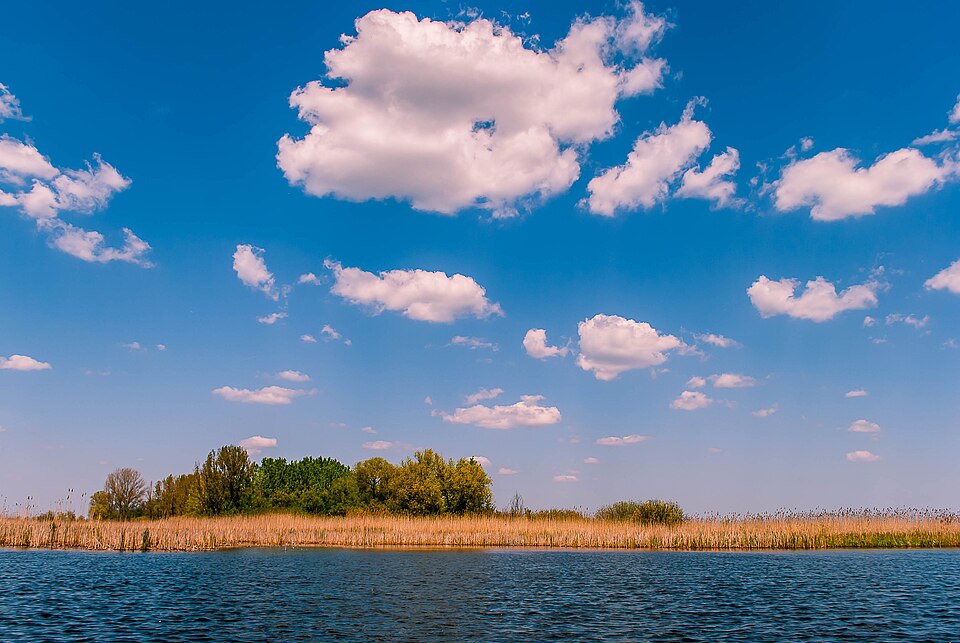
Southeastern Vojvodina, in Banat near the Romanian border

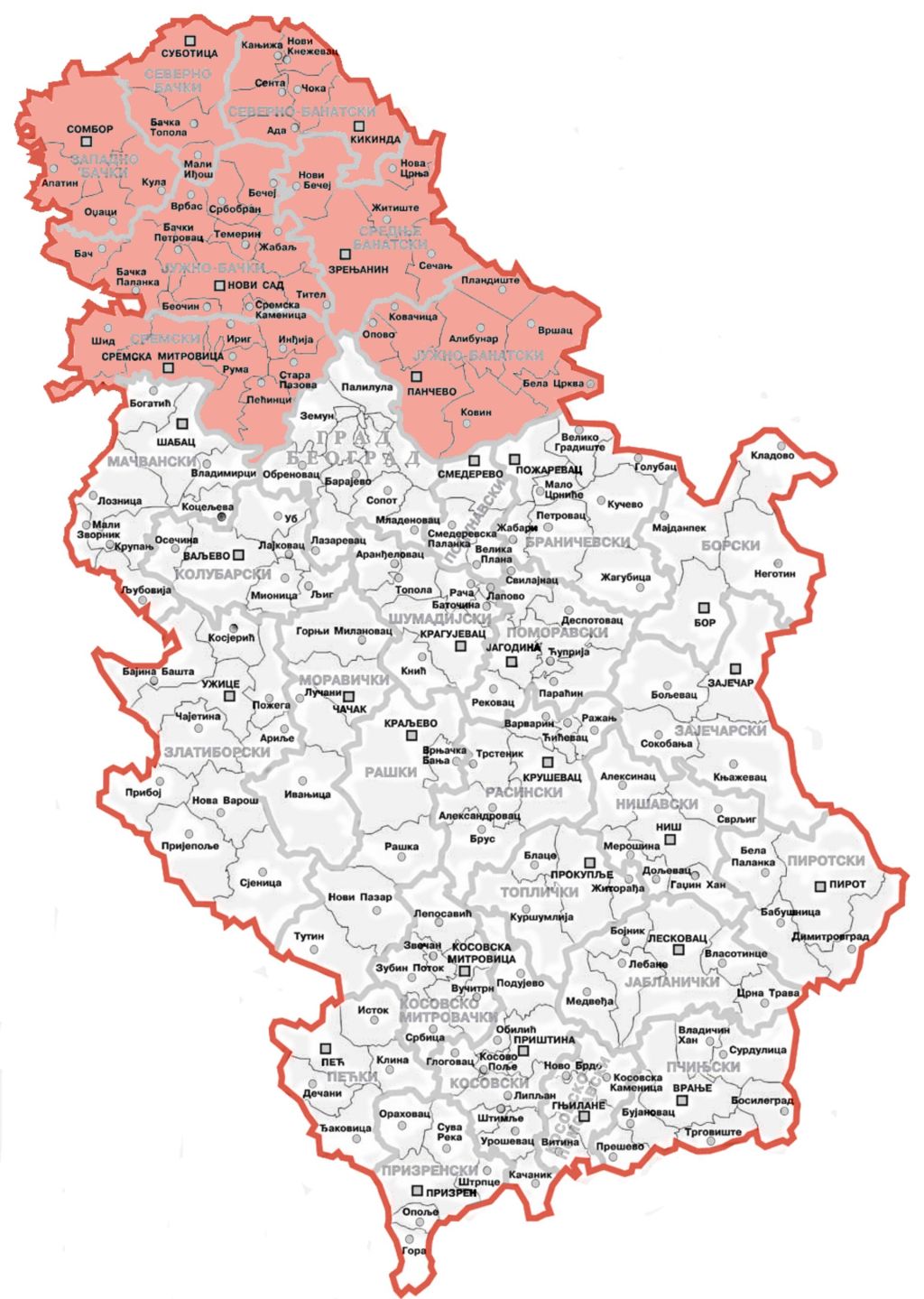
Vršac lies in the southeast of Vojvodina, close to the Romanian border, where the Vršac Mountains rise abruptly from the Banat plain. The town is historically tied to viticulture and is most widely recognized for the medieval tower on the hill above it. That combination gives Vršac a different physical feel from many other Vojvodina destinations: a compact urban center below, vineyards on the slopes, and a lookout point above the plain. The overall mood is quieter than Novi Sad, more regional, and best suited to travelers who want a slow walk, local wine context, and broad views.
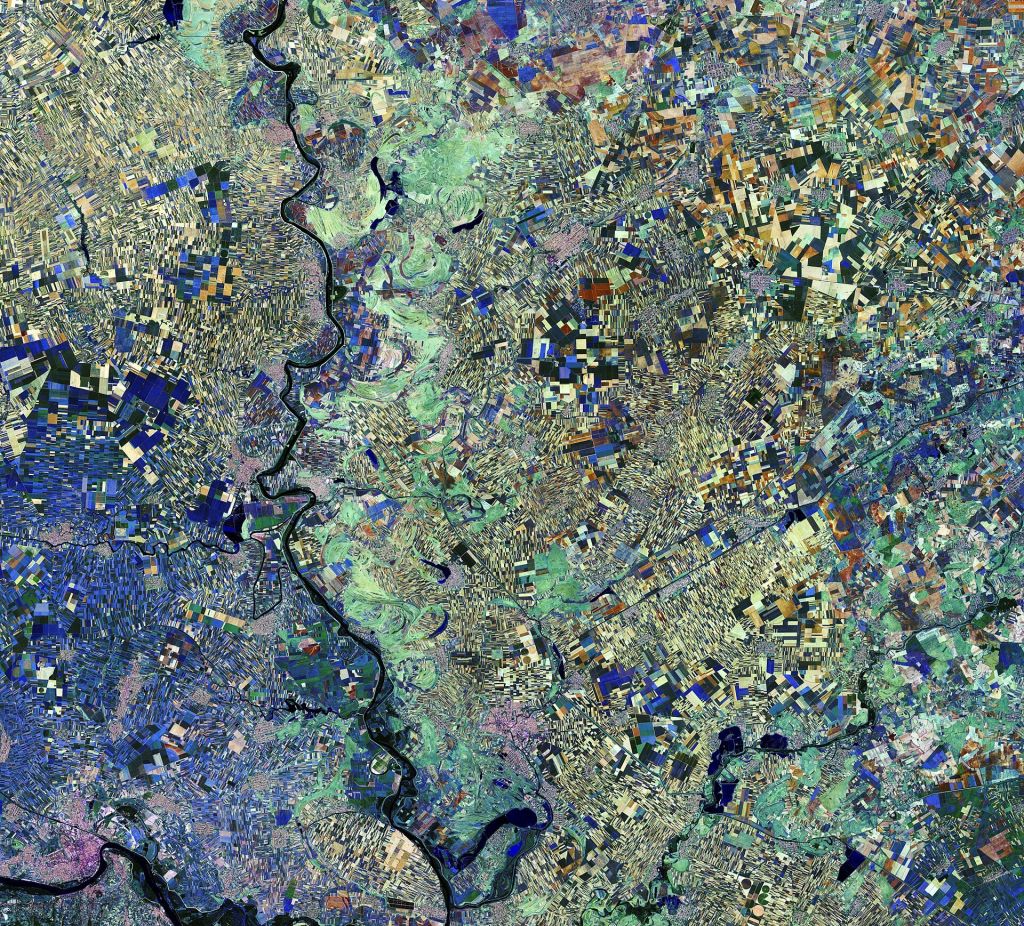
Wine is the defining travel theme in Vršac because the vineyards are not an abstract regional label; they are visibly part of the town’s setting. The hills begin almost immediately above the streets, so the relationship between town, slope, and cellar is easy to understand even on a short visit. That makes Vršac different from a city where wine is only something you order in a restaurant. Here, the landscape itself explains the tradition.
For travelers, the appeal is in pairing two experiences on the same day: going uphill for the fortress view, then coming back down into the town and vineyards for wine-related stops. If you have already explored the broader wine context of Sremski Karlovci or the monastery-and-cellar mix of Fruška Gora National Park, Vršac gives you a Banat version of wine country with more open horizons and a stronger hilltop-fortress identity.
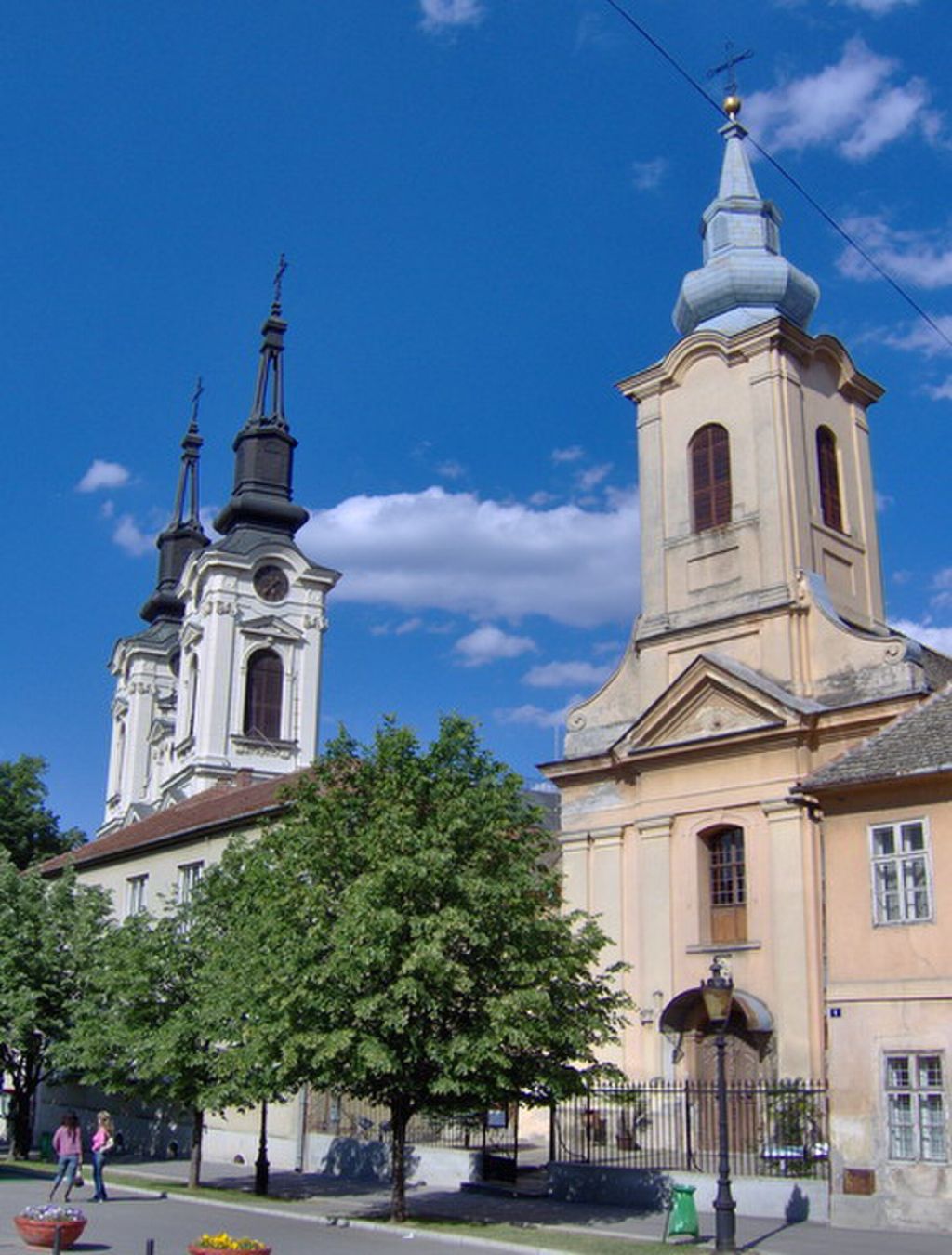
Vršac is usually reached overland from Belgrade or other Vojvodina cities. If you are planning a wider regional trip, it makes sense after Novi Sad only if you are comfortable with a longer transfer day. For most international visitors, Belgrade is the easier starting point.
By car, Vršac is straightforward because the town is entered from the Banat plain and the fortress hill is easy to identify on arrival. Parking is generally easier in the lower town than near the hill itself, so many visitors leave the car in the center and continue on foot or by local taxi for the uphill stretch.
By bus or rail, plan around the main town station areas and then continue to the center on foot or with a short taxi ride. Once in central Vršac, the urban core is manageable on foot, but the fortress approach involves an uphill section and is better attempted in cooler daylight hours. For broader route planning, the Serbia-wide search on Serbia Transit Search is the best starting point.
The best time to visit Vršac is during mild weather, when the fortress approach is comfortable and the vineyard setting is easy to read. Spring and early autumn usually make the most sense for first-time travelers because you can combine a town walk, a hill climb, and time among the slopes without strong summer heat or short winter daylight.
Within the day, morning to late afternoon is the most practical window. Start with the fortress or viewpoints first, then return to the town below for lunch, coffee, or wine-related stops. If your main interest is landscape rather than nightlife, Vršac is better as a daytime destination than a late-evening one. If your trip is built around seasonal planning across Serbia, the broader patterns in Best Time to Visit Serbia are useful for deciding whether to put Banat in a spring, harvest-season, or shoulder-season itinerary.
Expect a town that feels regional and lived-in rather than curated around tourism. The center is manageable, the mountain backdrop changes the usual Vojvodina visual rhythm, and the main payoff comes from combining places rather than focusing on one long-ticket attraction. In practice, that means alternating between short urban walks, views, and wine-country context.
Dress casually, but wear proper shoes if you plan to go uphill. Sun protection and water matter in warm months because the fortress outing is exposed. Families can manage the lower town easily, though the steeper sections toward the hill are less convenient with strollers. Travelers seeking barrier-free access should assume that the fortress area is more challenging than the center. Noise levels are generally moderate compared with larger Serbian city destinations; Vršac is more about pace and setting than dense urban activity.
Guided routes, walking tours, and experiences that help you make the most of a visit to Vršac.

Vršac Mountains
Vršac Mountains in Vršac.
The Vršac Mountains are a compact hiking area above Vršac and the only mountain range in Vojvodina. Travelers come for short outdoor escapes, hill walks, wooded slopes, and viewpoints over the Ba...

Wine Cellars
Wine Cellars in Vršac.
Wine Cellars, Vršac refers to the town’s historic cellar tradition: old cellars associated with established wine producers and the wider wine identity of Vršac in southeastern Banat. For travel...
Vršac is in southeastern Vojvodina, near the Romanian border, below the Vršac Mountains.
These are the places most travelers focus on when building a short Vršac visit around its main theme: vineyards below and the fortress above.
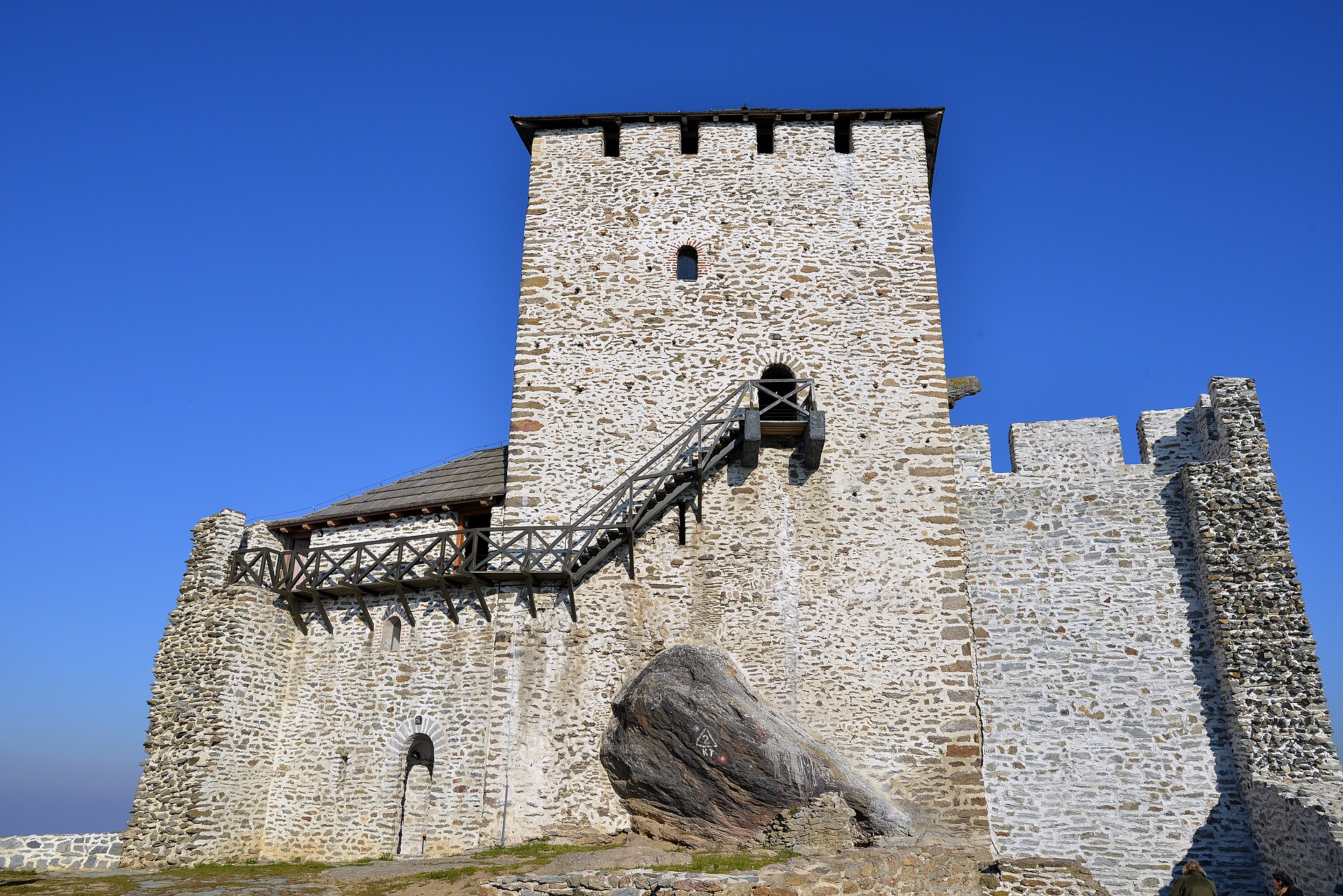
Vršac Tower
The hilltop medieval landmark above town.
This is the visual symbol of Vršac and the clearest way to understand the town’s setting between plain and hills. Go for the elevated view and the sense of how the vineyards sit below the ridge.
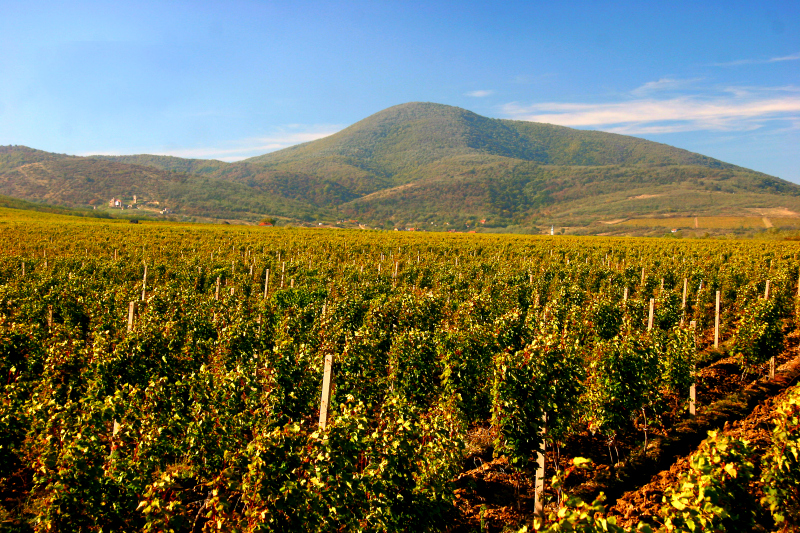
Vršac vineyards
The wine-growing slopes at the foot of the Vršac Mountains.
The vineyards are the reason Vršac is identified as a wine town. Even without a formal tasting plan, the slopes explain the local identity better than any single monument.
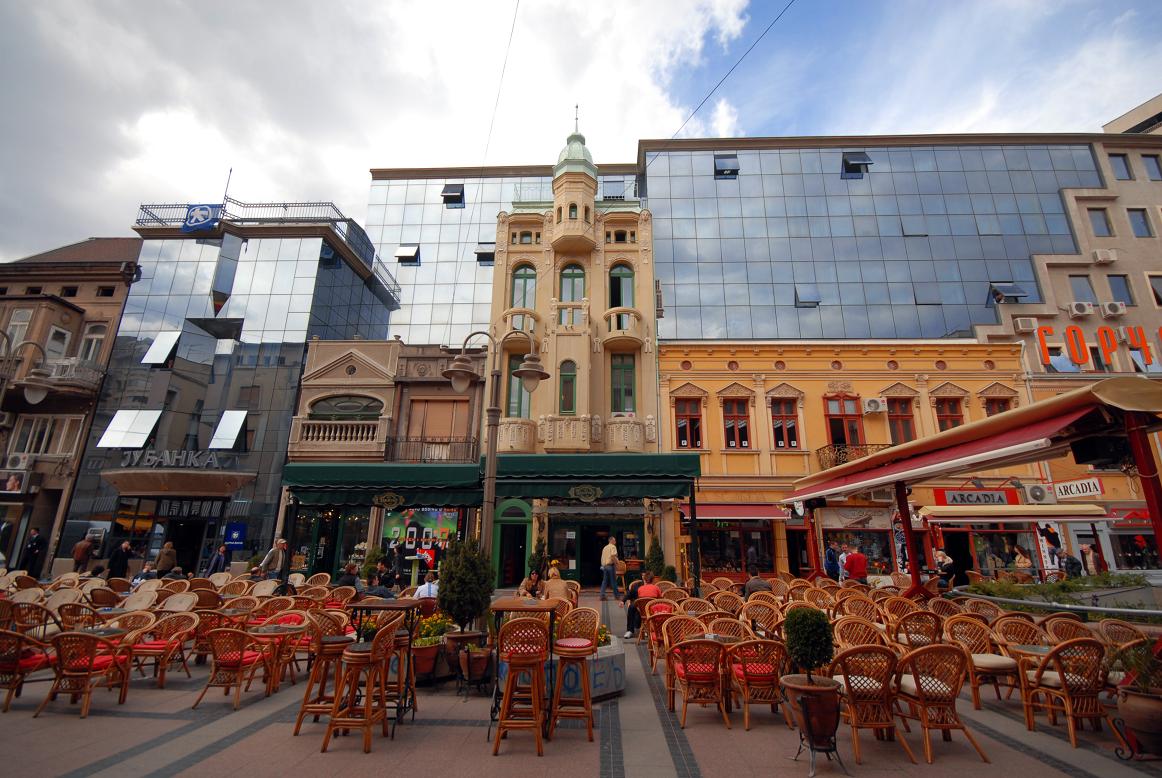
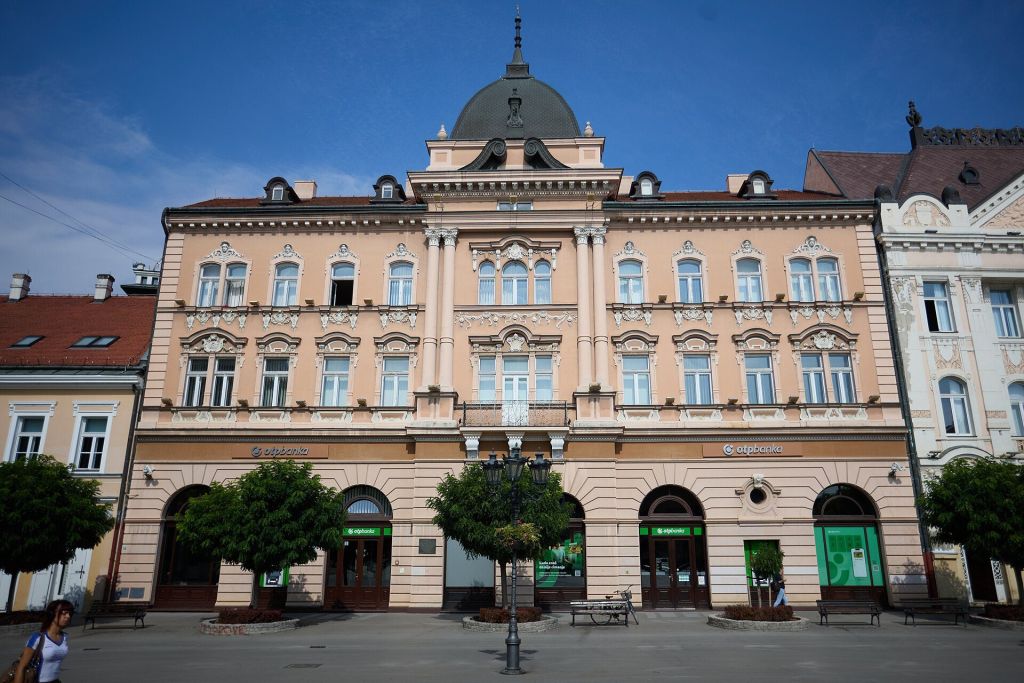
Town center of Vršac
Practical base for walking between civic buildings, cafés, and uphill viewpoints.
Start here if you want a compact urban core before heading to the vineyards or fortress. It works as the anchor point for a half-day visit and for arranging taxis uphill if you do not want the climb.
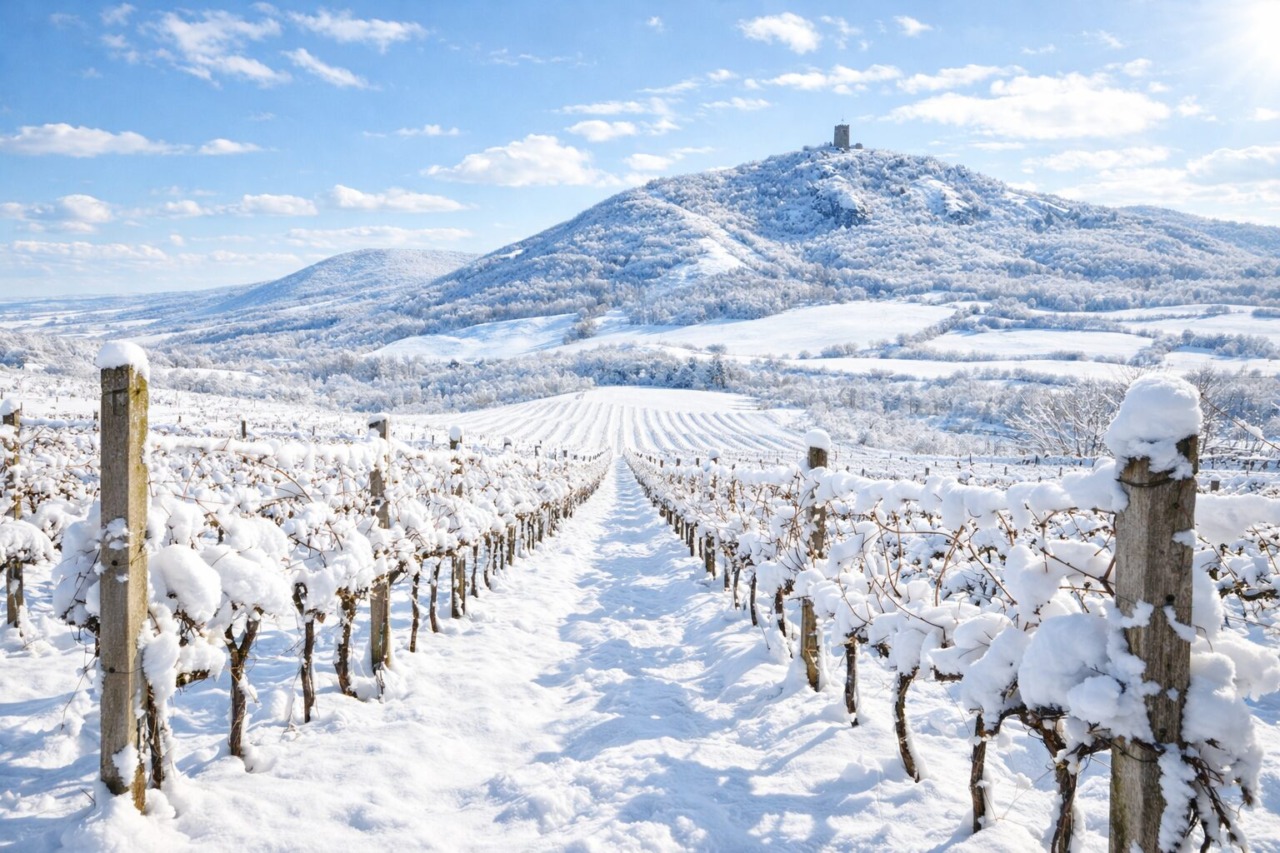
Approach roads through the Vršac wine area
The scenic transition from Banat plain to vineyard slopes.
Arriving by road gives the clearest sense of how sudden the terrain change is around Vršac. This approach is part of the experience, especially for travelers combining the town with a wider Banat route.
Southeastern Vojvodina, in Banat near the Romanian border
Belgrade
Vineyards on the Vršac slopes and the medieval hilltop tower
Half day to one night
Spring and early autumn, with clear daylight for views
Easy in town center, uphill toward the fortress
Wine-focused trips, scenic stops, regional overland travel
Only if you are arranging a specific tasting or winery visit
Broader Vojvodina itineraries and Banat road trips
Many travelers associate Vojvodina with flat agricultural landscapes. Vršac stands out because the town sits directly below a compact mountain range, so you get vineyard scenery, elevation, and long views without leaving the region.
If you are coming without a car, treat Vršac as a walking town in the center and a taxi-assisted town for the hill. That keeps the day realistic and avoids arriving at the fortress climb in the hottest part of the afternoon.
Give Vršac at least half a day. A full day is better if you want to combine the hill, the center, and a slower wine-country drive or tasting stop.
Vršac works well for travelers interested in wine landscapes, short hill walks, regional towns, and slower pacing. If you want a larger city program with many museums and nightlife options, Novi Sad or Belgrade will offer more range.
Yes, if you want wine-country scenery and a hilltop-fortress setting rather than a larger-city program. It fits well as a slow half-day or overnight stop.
Vršac is most associated with vineyards and wine culture, together with the medieval tower above the town.
Yes, but a car makes the wine-country surroundings easier. Without one, focus on the center and use a short taxi ride if needed for the uphill approach.
Half a day covers the center and fortress viewpoint at a basic pace. A full day gives more room for vineyard context or a winery stop.
Not as a first base. Novi Sad has more transport options and a broader city program, while Vršac is better as a focused regional detour.
Vršac works best when paired with a larger regional plan. Use it as a wine-and-views stop within a broader Vojvodina itinerary.
Stay connected in Serbia